Problem-Solving Skills Addition & Subtraction Worksheets for 8-Year-Olds - Page 4
128 filtered results
-
From - To
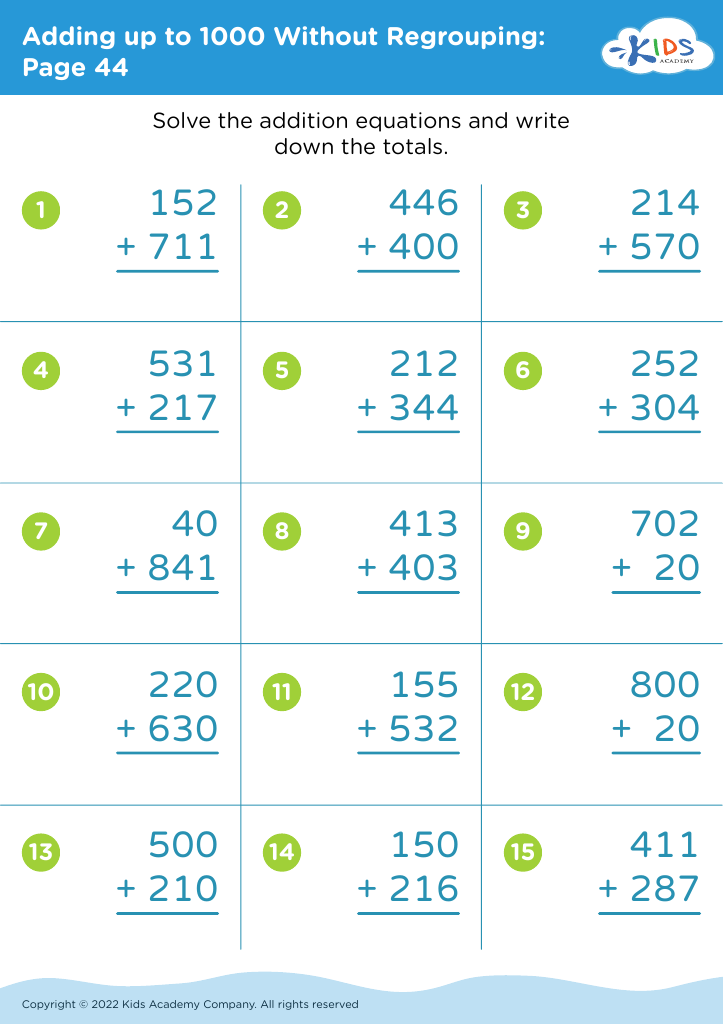
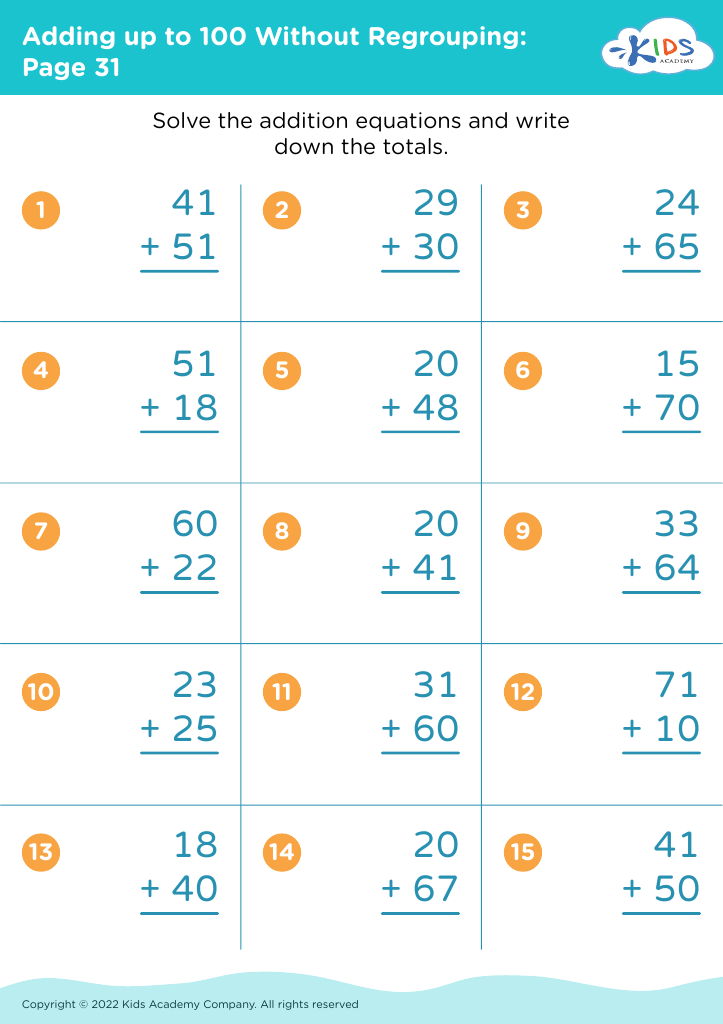
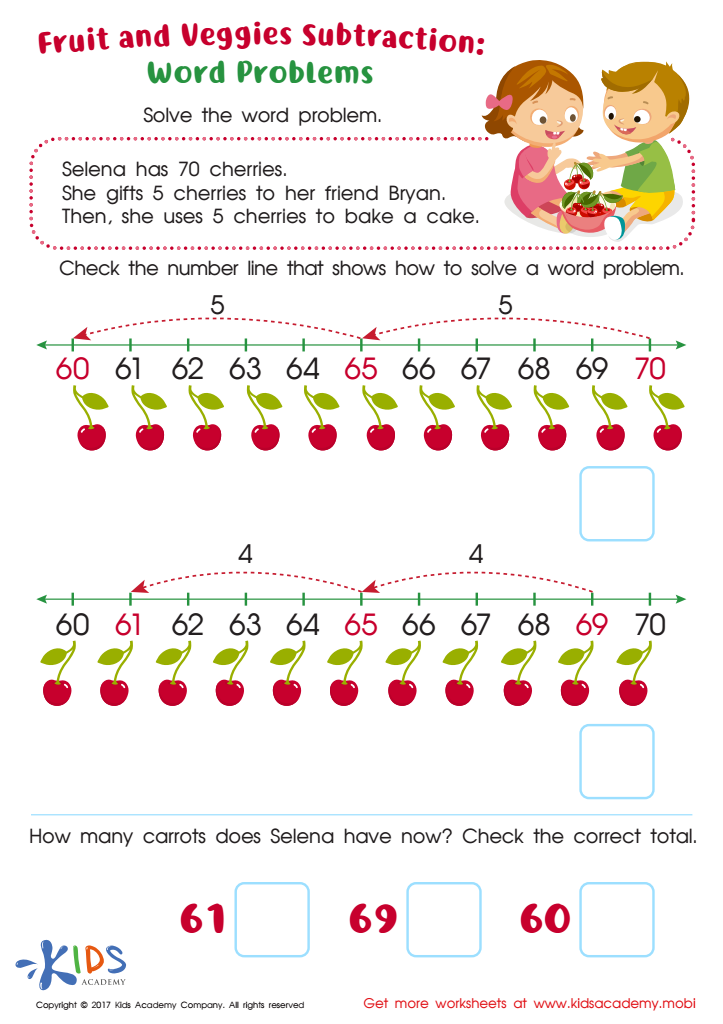
Subtraction Word Problems Free Printable
 Assign to My Students
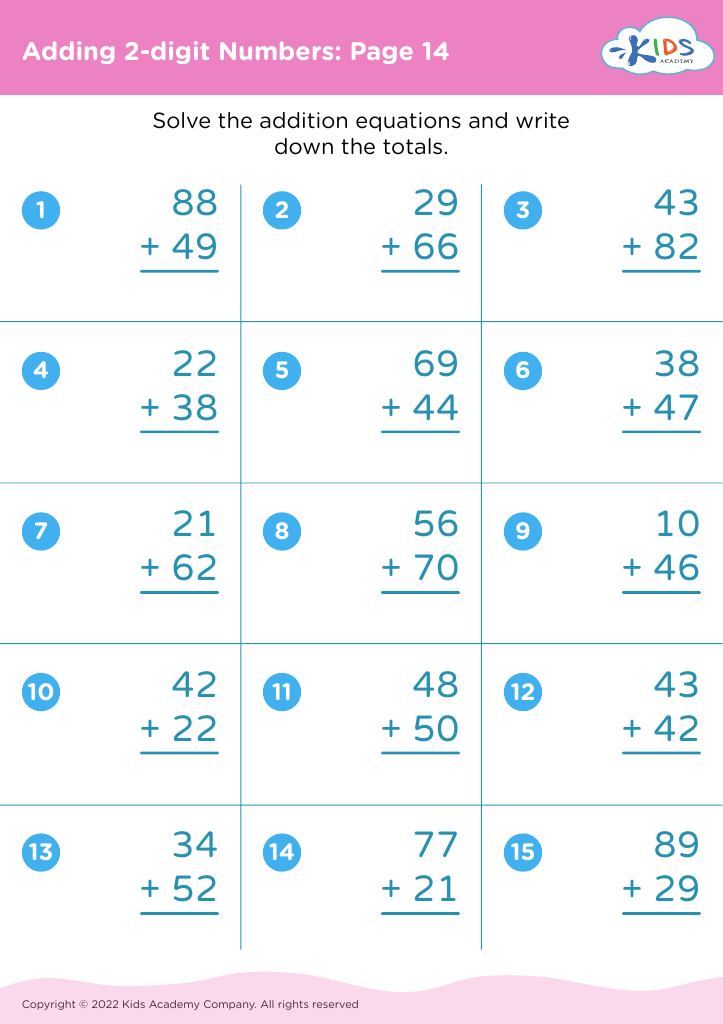
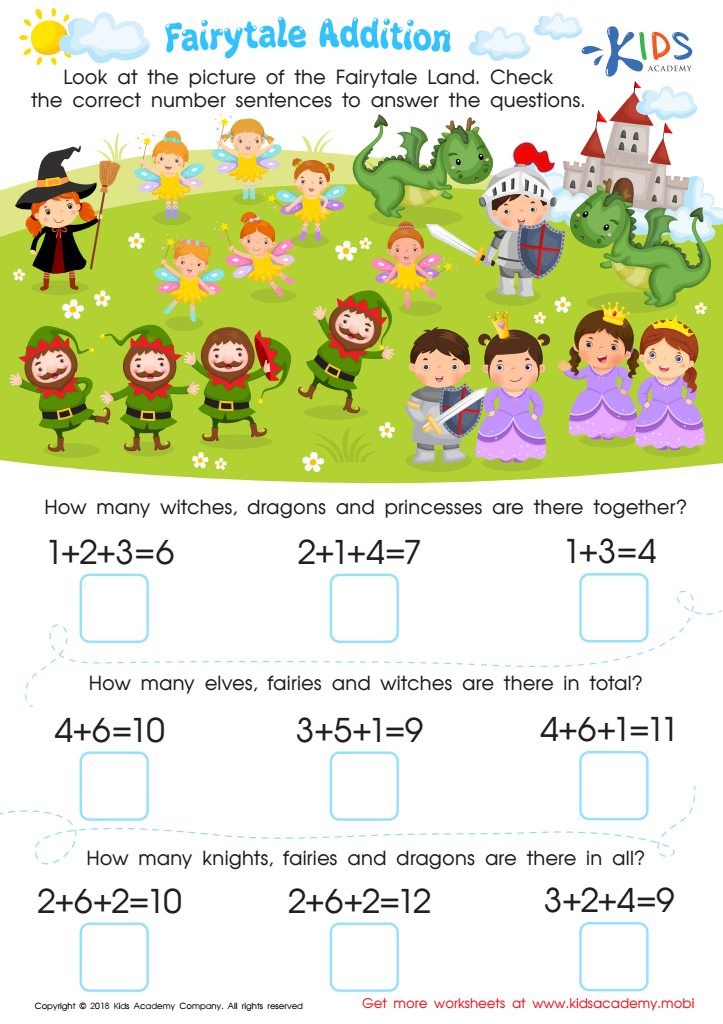
Fairytale Addition Worksheet
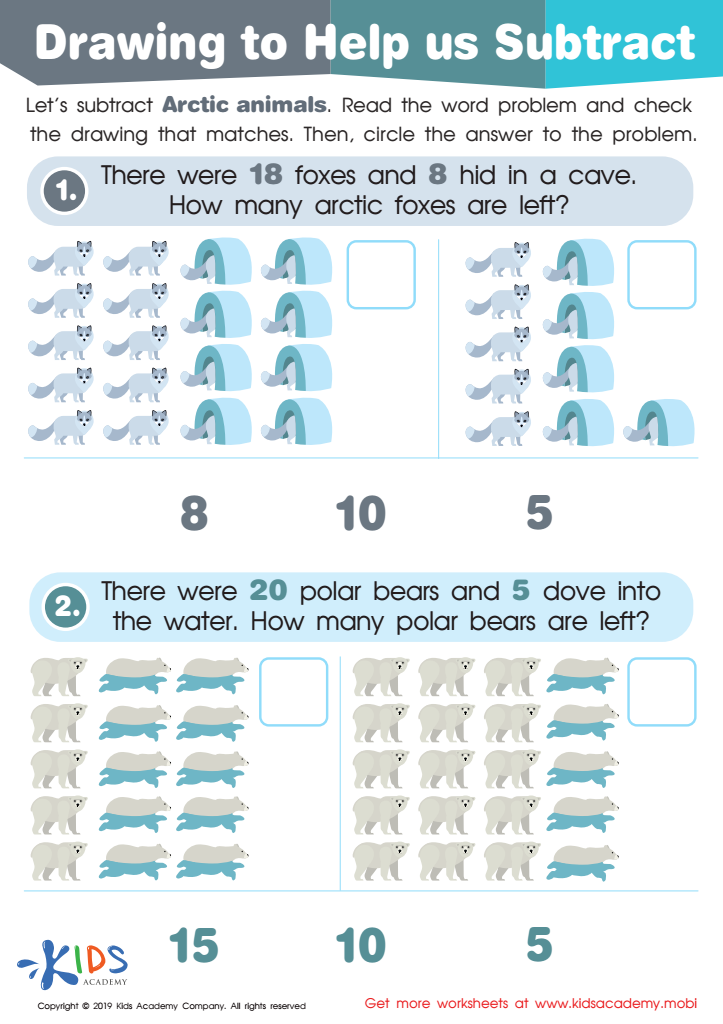
Drawing to Help Us Subtract Worksheet
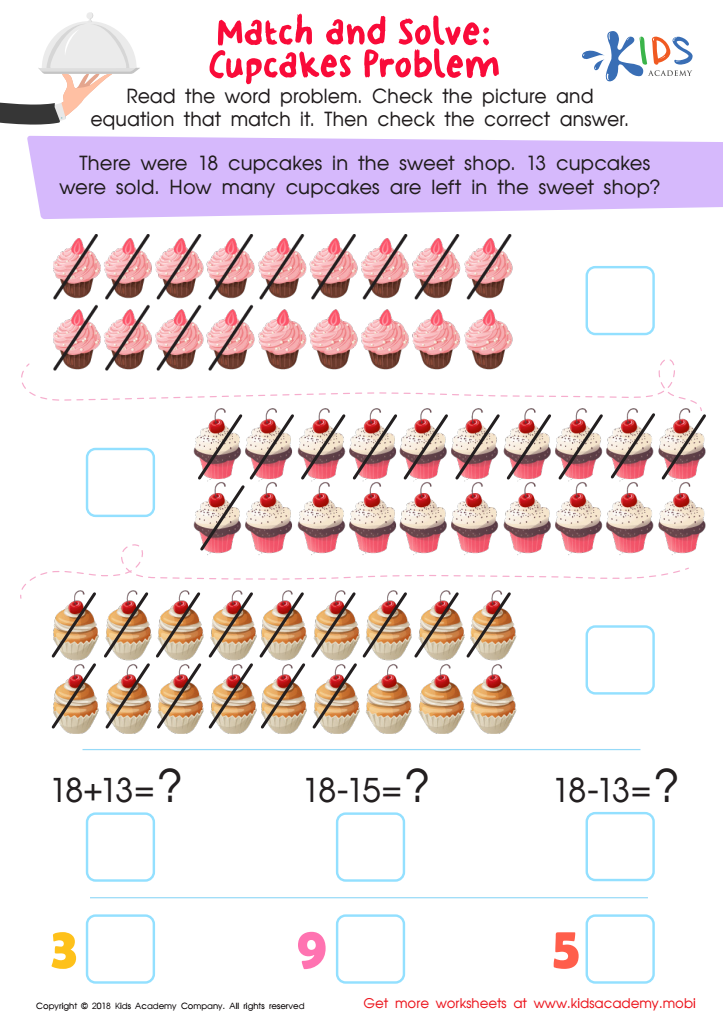
Match and Solve: Cupcakes Problem Worksheet
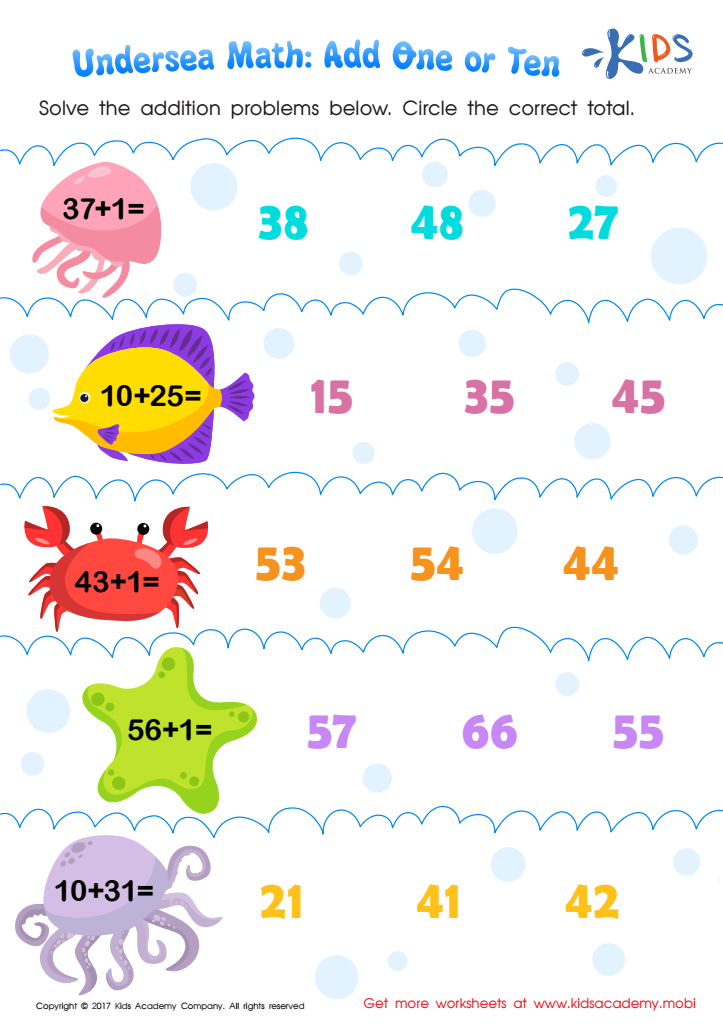
Undersea Math Worksheet
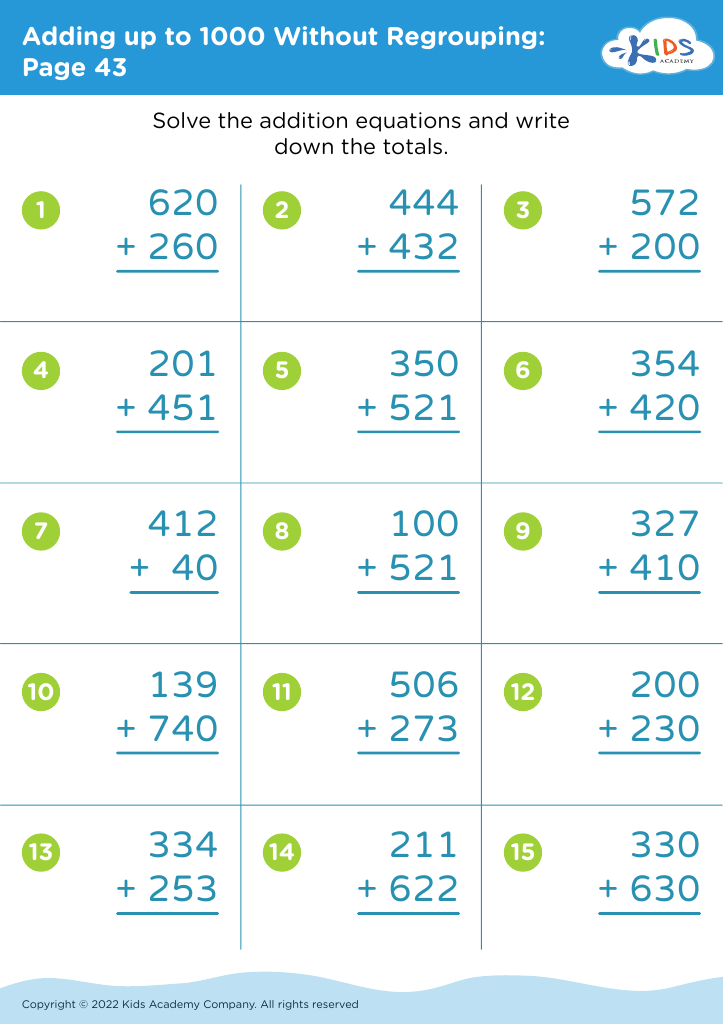
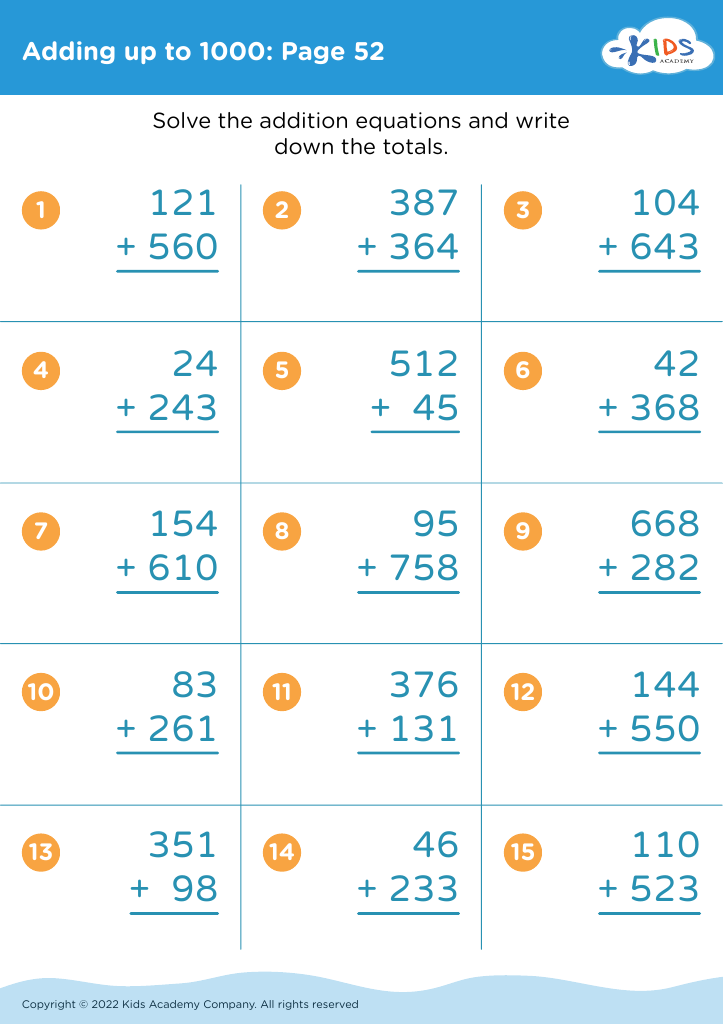
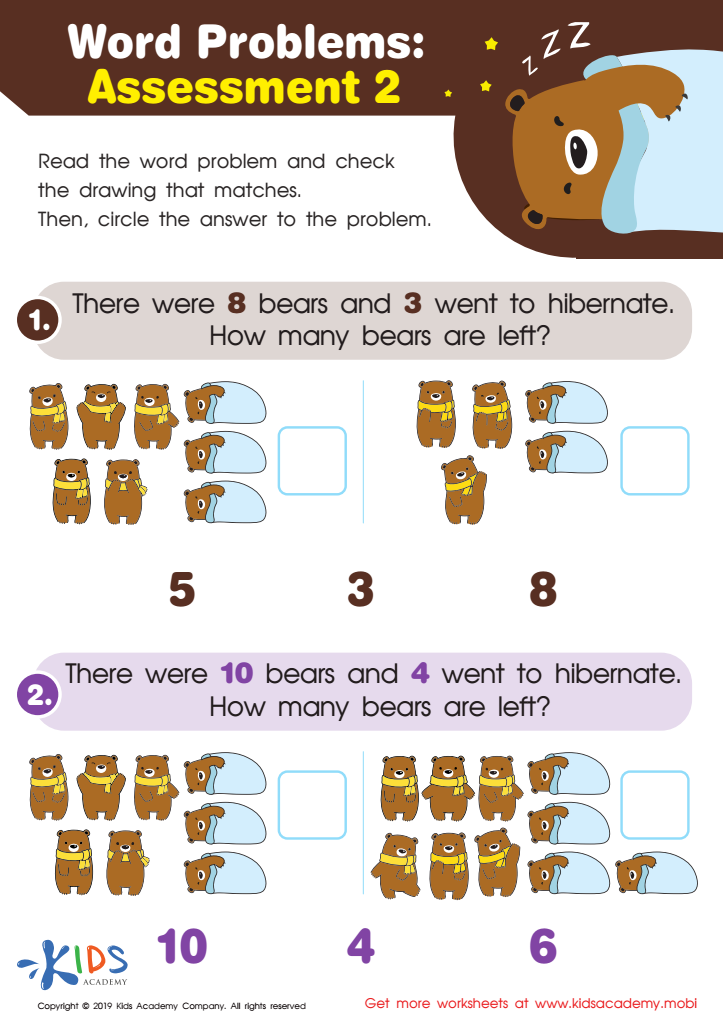
Word Problems: Assessment 2 Worksheet
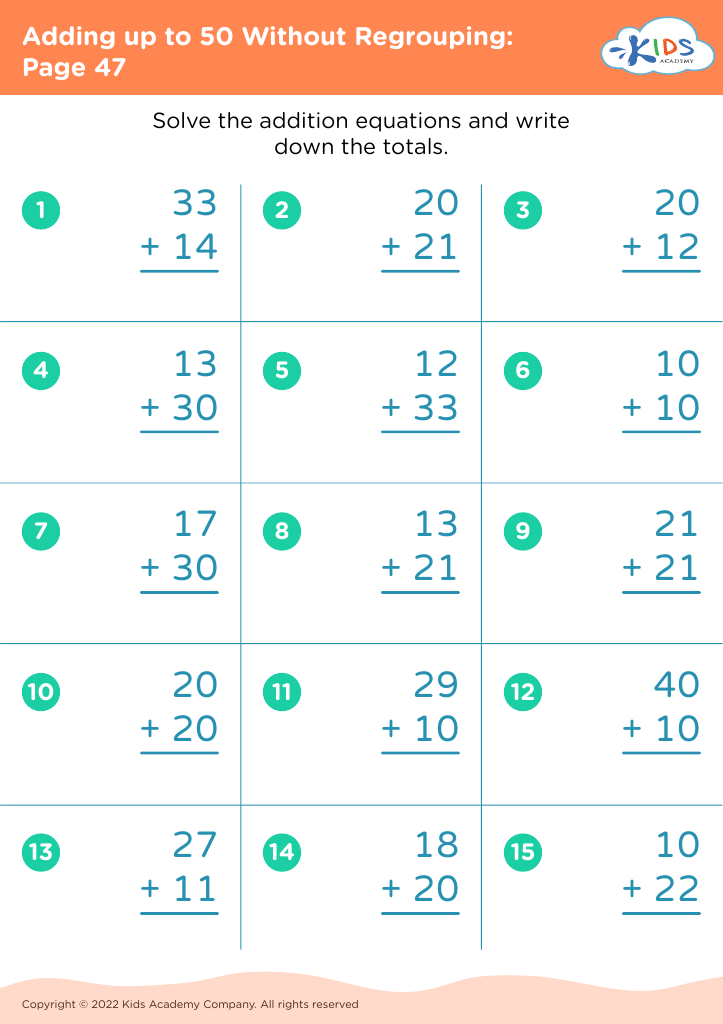
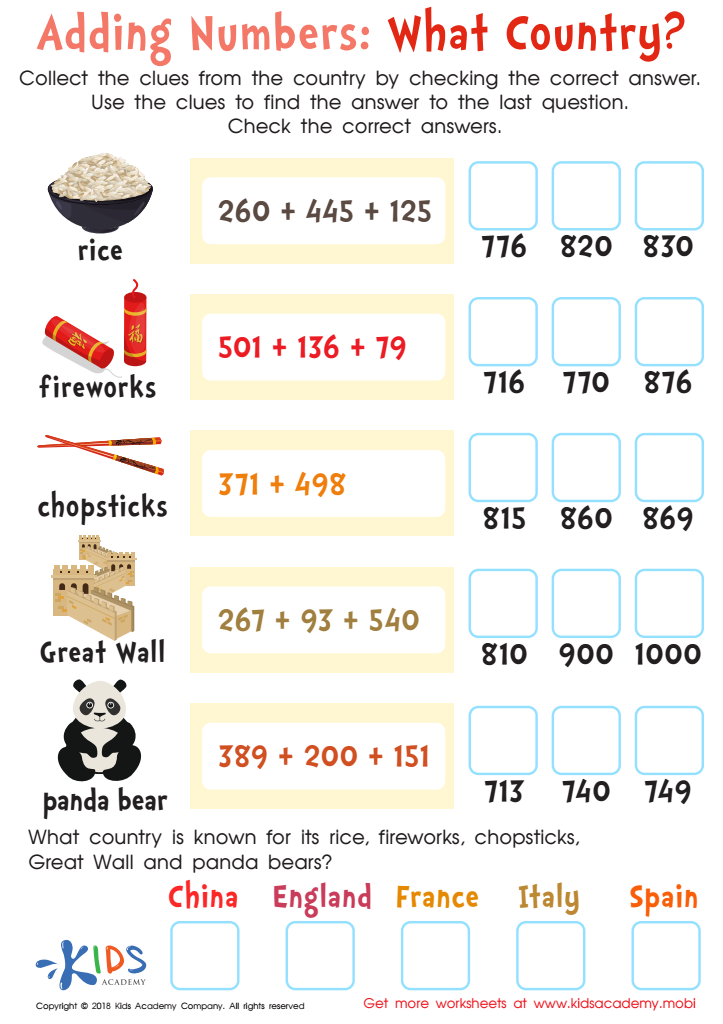
Adding Numbers: What Country Worksheet
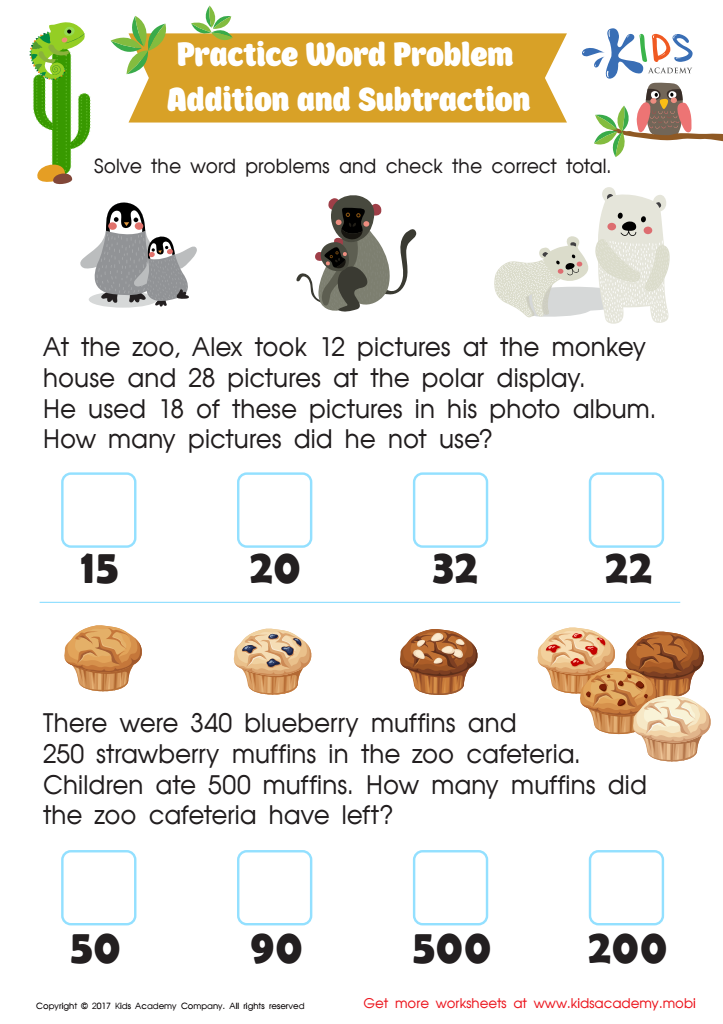
Addition and Subtraction: Word Problems Worksheet
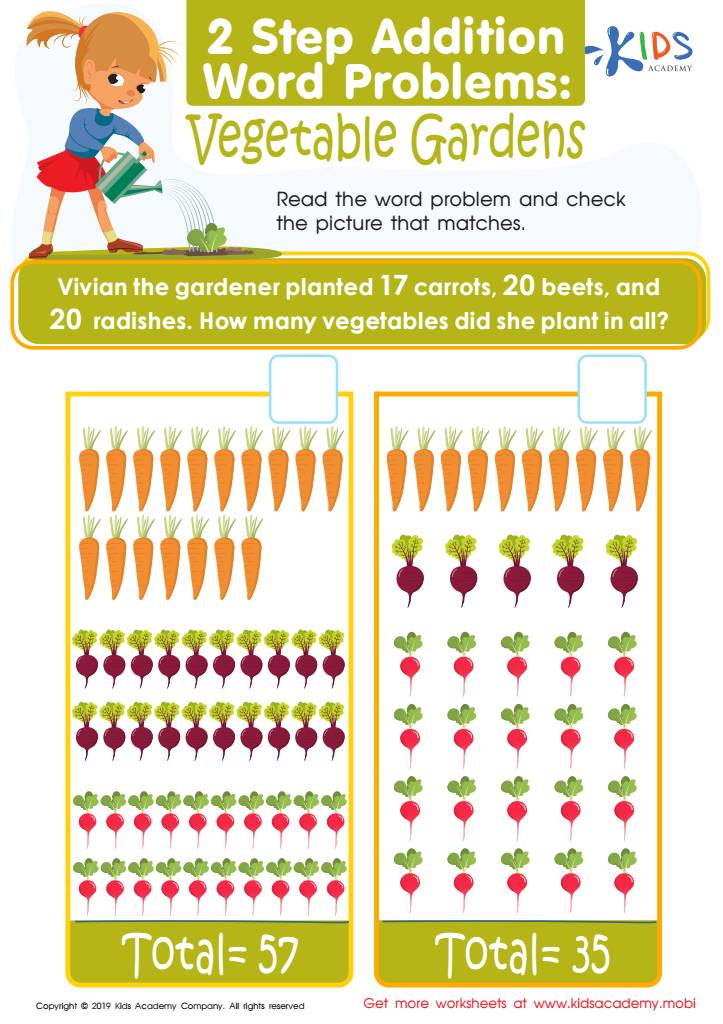
Vegetable Gardens Worksheet
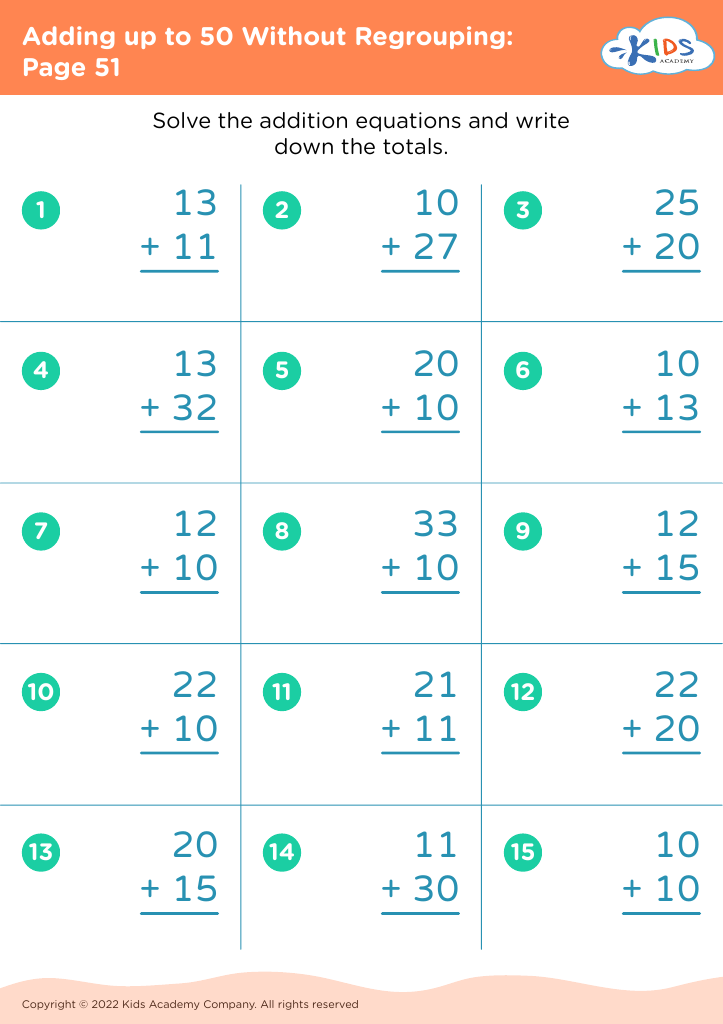
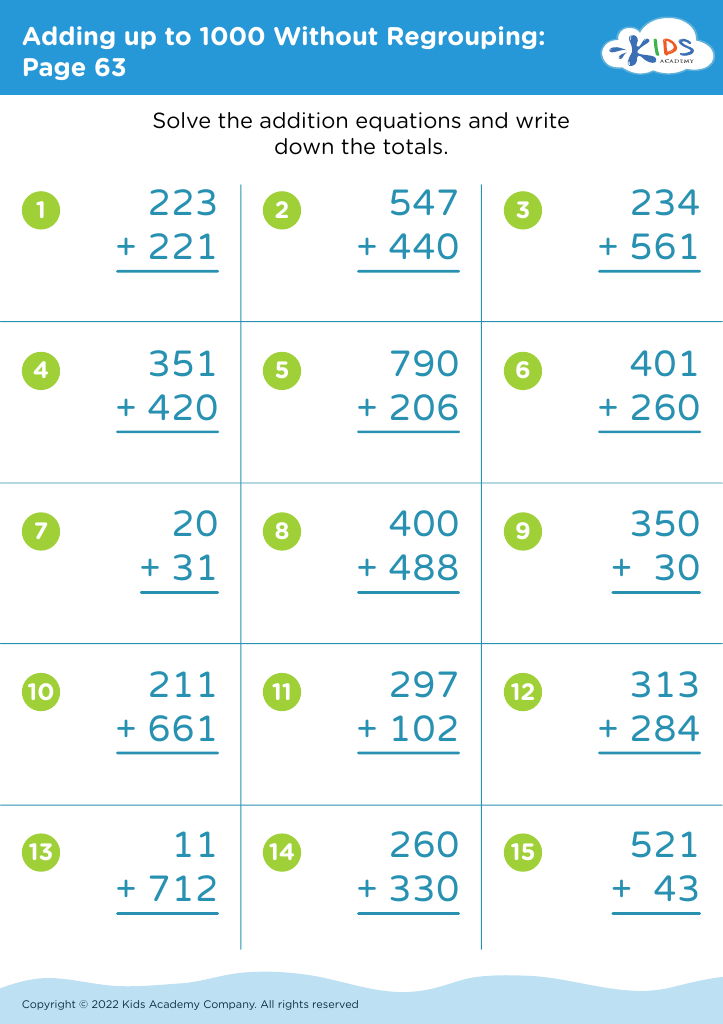
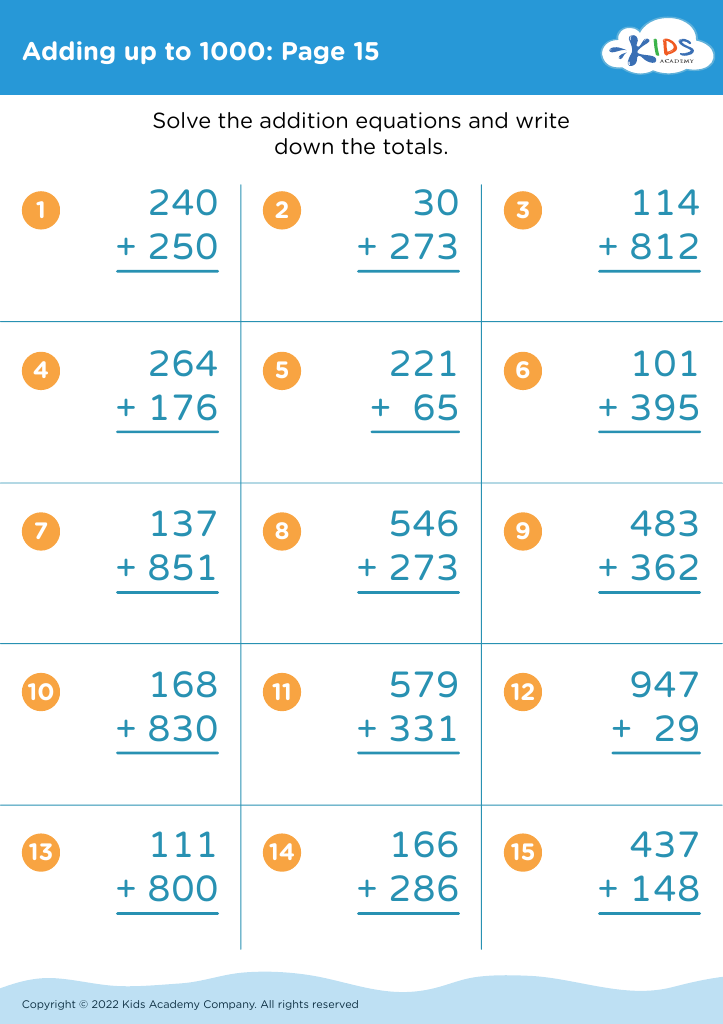
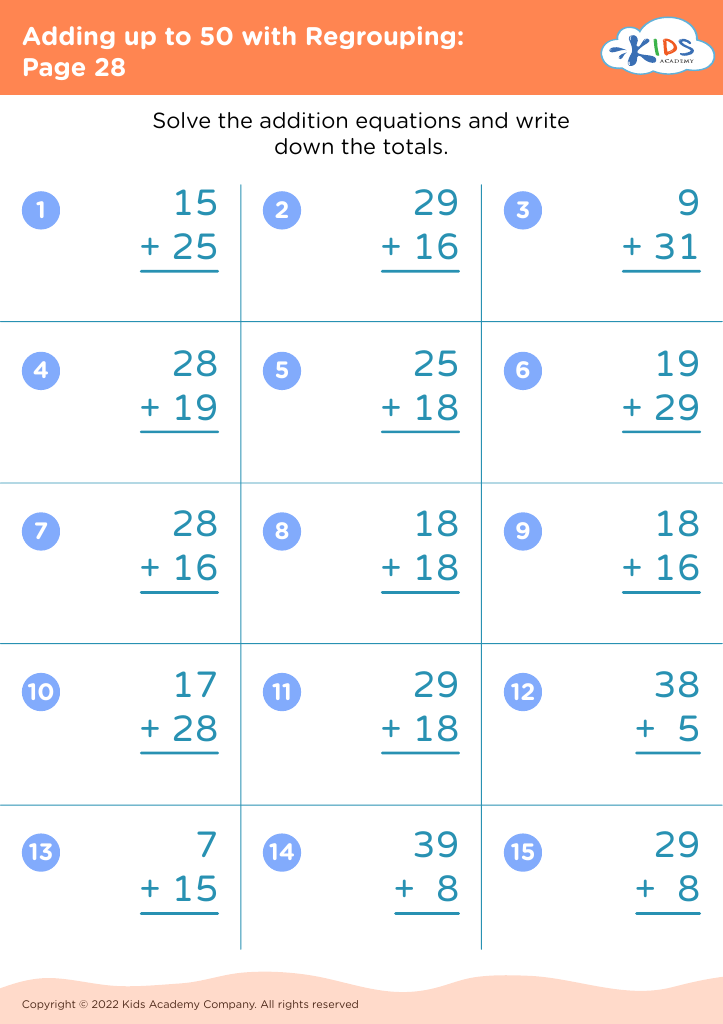






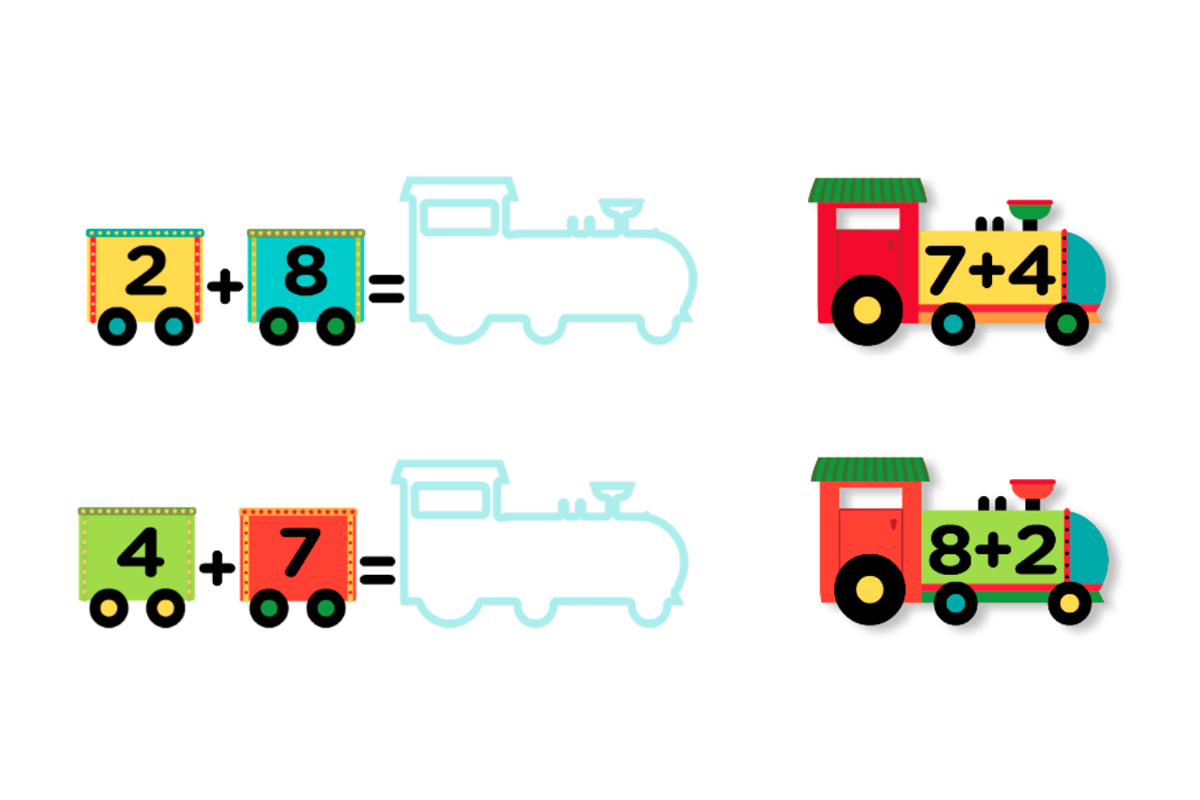

Parents and teachers should prioritize problem-solving skills in addition and subtraction for 8-year-olds because these foundational abilities are crucial for overall cognitive development and real-life application. At this age, children generally transition from conceptual understanding to applying mathematical operations in more complex scenarios. Developing strong problem-solving skills in addition and subtraction fosters mathematical fluency, enabling students to tackle everyday challenges, such as budgeting their allowance or figuring out time management.
Furthermore, engaging children in problem-solving activities enhances critical thinking and reasoning abilities. These skills transcend mathematics, serving as a cornerstone for academic success in subjects including science, technology, engineering, and even literacy. When children explore different approaches to arrive at solutions, they learn resilience, encouraging a growth mindset essential for lifelong learning.
Additionally, children equipped with effective problem-solving strategies often experience higher confidence levels, increasing their overall enthusiasm for school and learning. This confidence also translates to improved social skills, as they collaborate with peers to solve challenges. By investing time in developing problem-solving skills in addition and subtraction, parents and teachers set a solid foundation for academic achievement and personal growth, preparing children for future pursuits both in and out of the classroom.








