Fine Motor Skills Math Worksheets for 8-Year-Olds - Page 4
74 filtered results
-
From - To
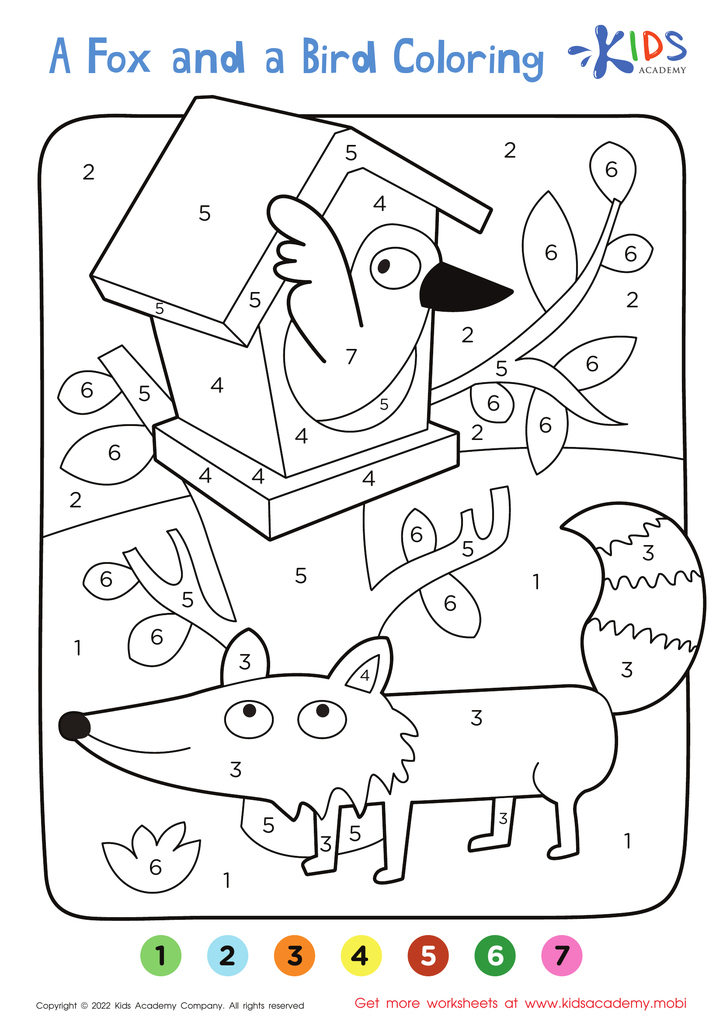
A Fox and a Bird – Coloring by Numbers
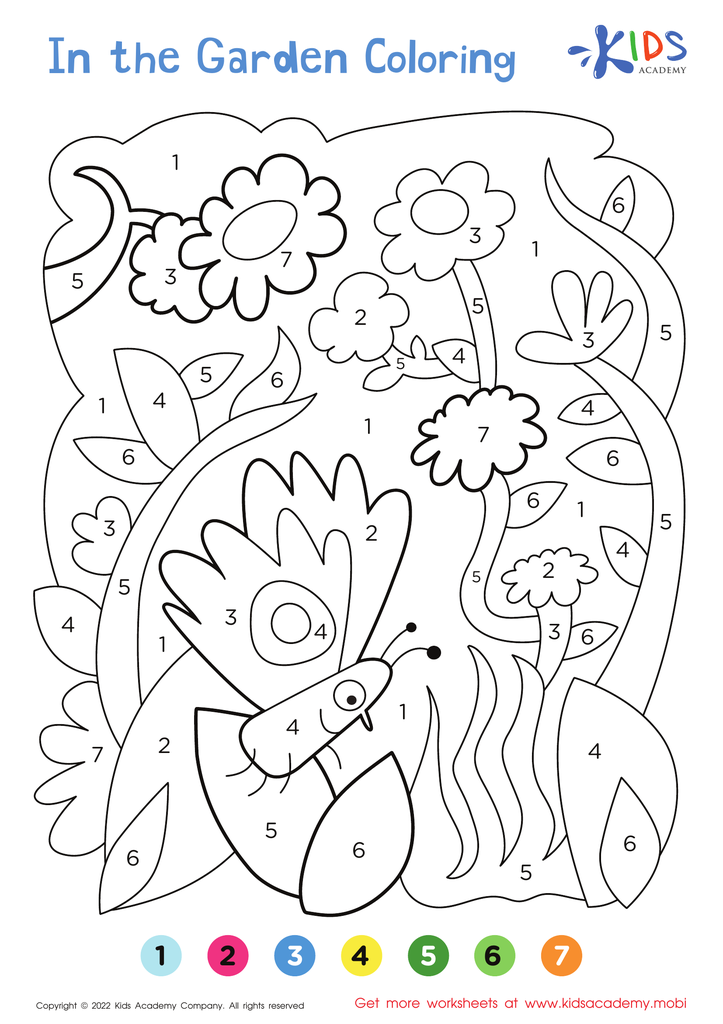
In the Garden – Coloring by Numbers


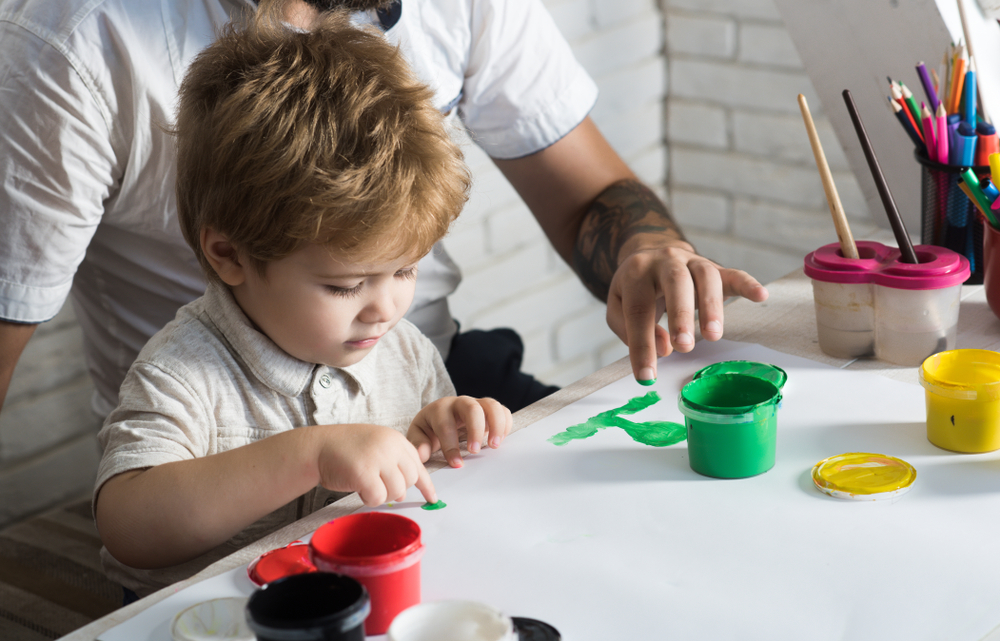





Fine motor skills are essential for the overall development of 8-year-olds, particularly in their mathematical learning. These skills involve the coordination of small muscles in the hands and fingers, which are vital for activities such as writing, drawing, and manipulating objects—tasks that are core to learning mathematics.
As children engage in fine motor activities, they build the dexterity and control necessary for their mathematical journey. For instance, handling math manipulatives like counters, cubes, or pattern blocks not only makes learning tangible but also enhances spatial awareness and problem-solving skills. This hands-on experience helps students grasp abstract concepts like addition, subtraction, and geometry.
Additionally, fine motor skills contribute to a child's confidence and self-efficacy in math. When children can physically interact with numbers and shapes, they become more engaged and motivated, leading to better retention of concepts. Parents and teachers should prioritize activities that develop these skills, including crafting, puzzle-solving, and drawing, as they complement academic success in mathematics. By fostering fine motor development, caregivers lay the groundwork for enthusiastic learners who can approach math challenges with confidence and creativity, ultimately improving their academic performance and overall cognitive growth.








