Problem-Solving Skills Math Worksheets for 8-Year-Olds - Page 5
189 filtered results
-
From - To
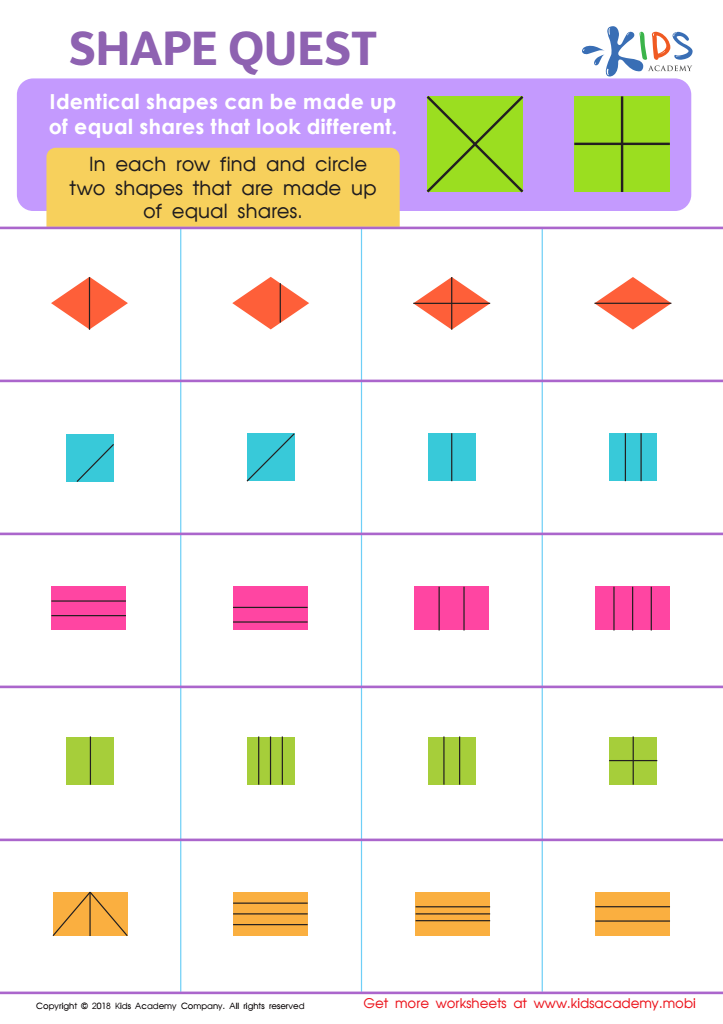
Shape Quest Worksheet
 Assign to My Students
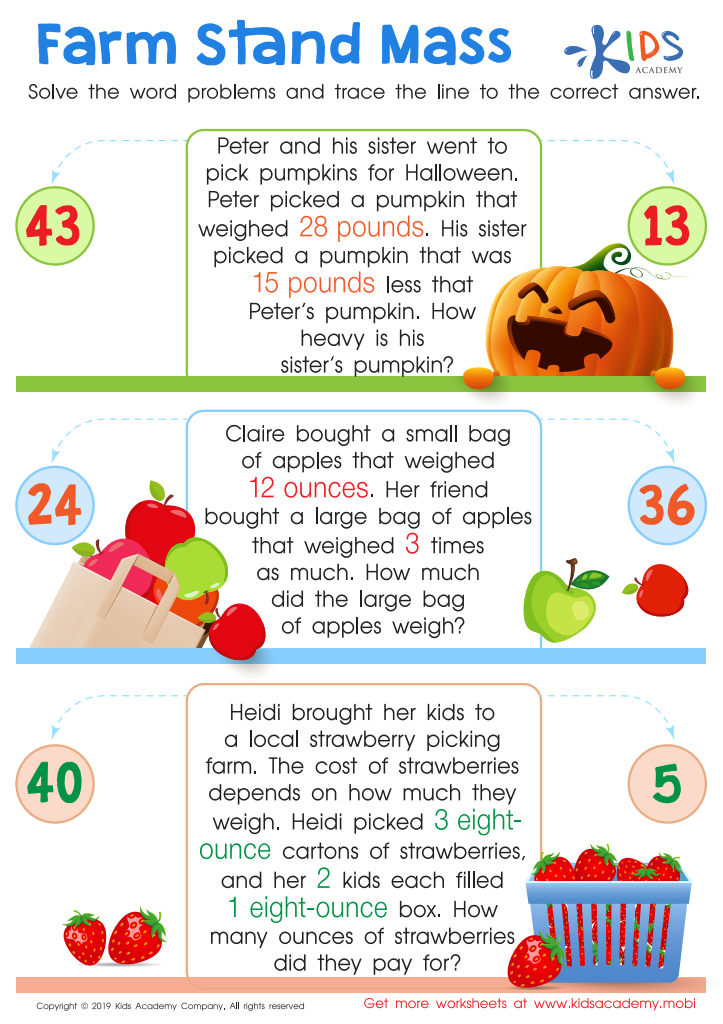
Farm Stand Mass Worksheet
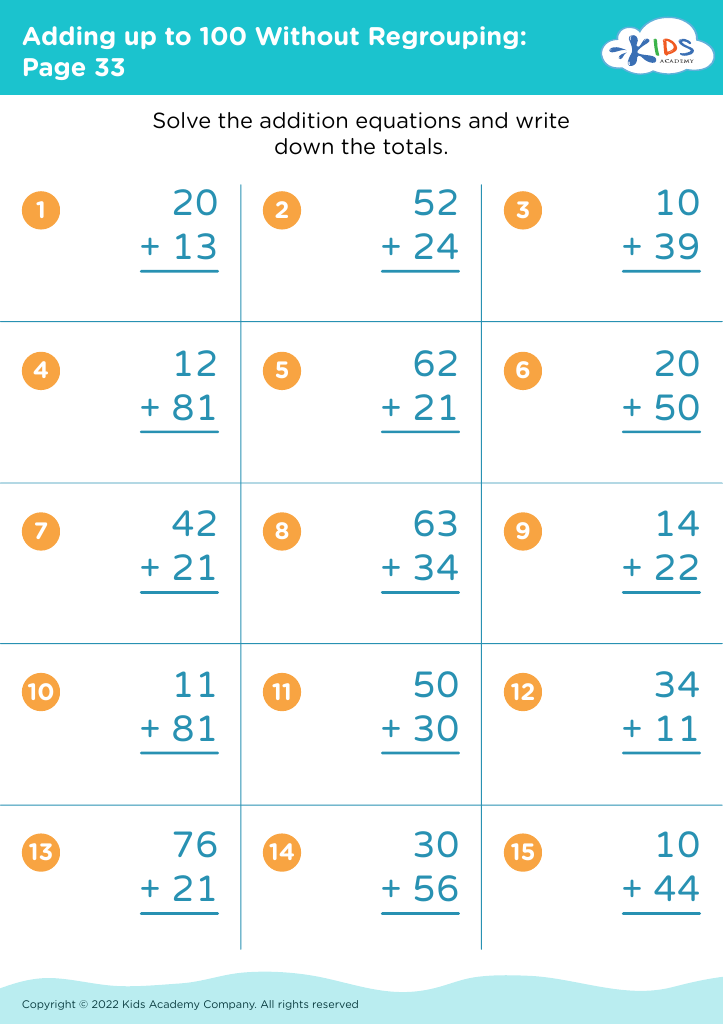
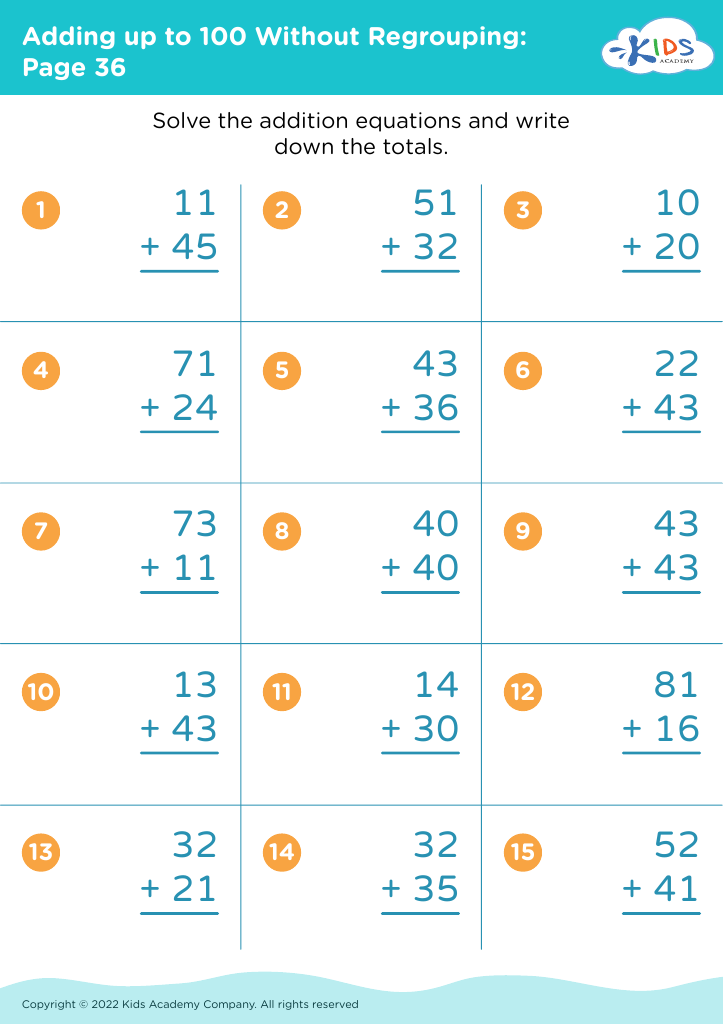
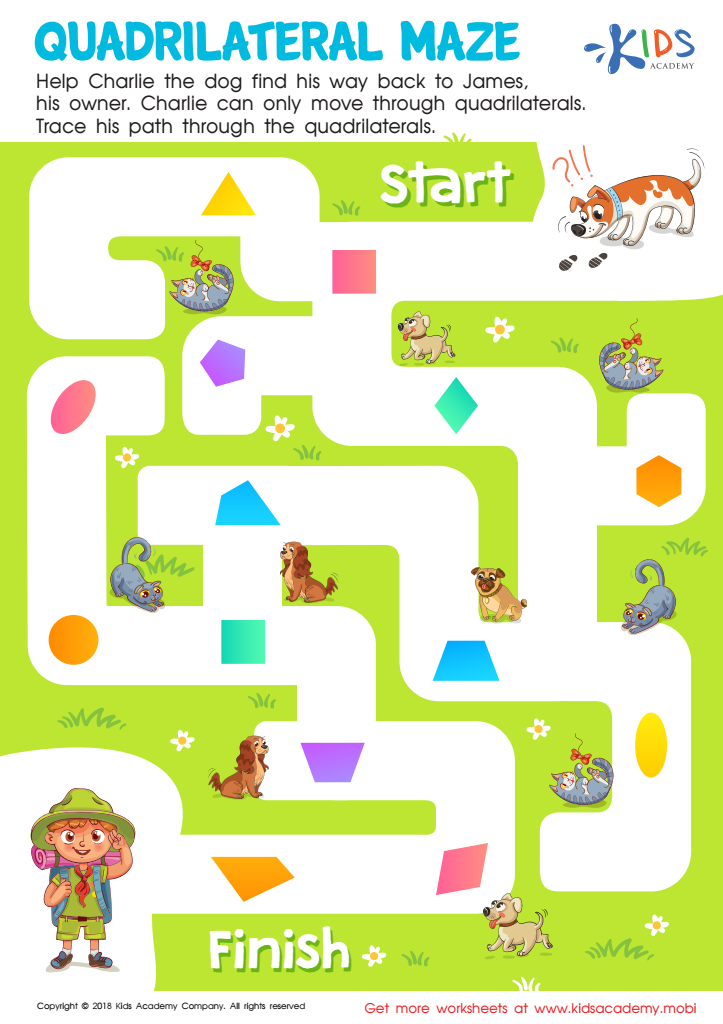
Quadrilateral Maze Worksheet
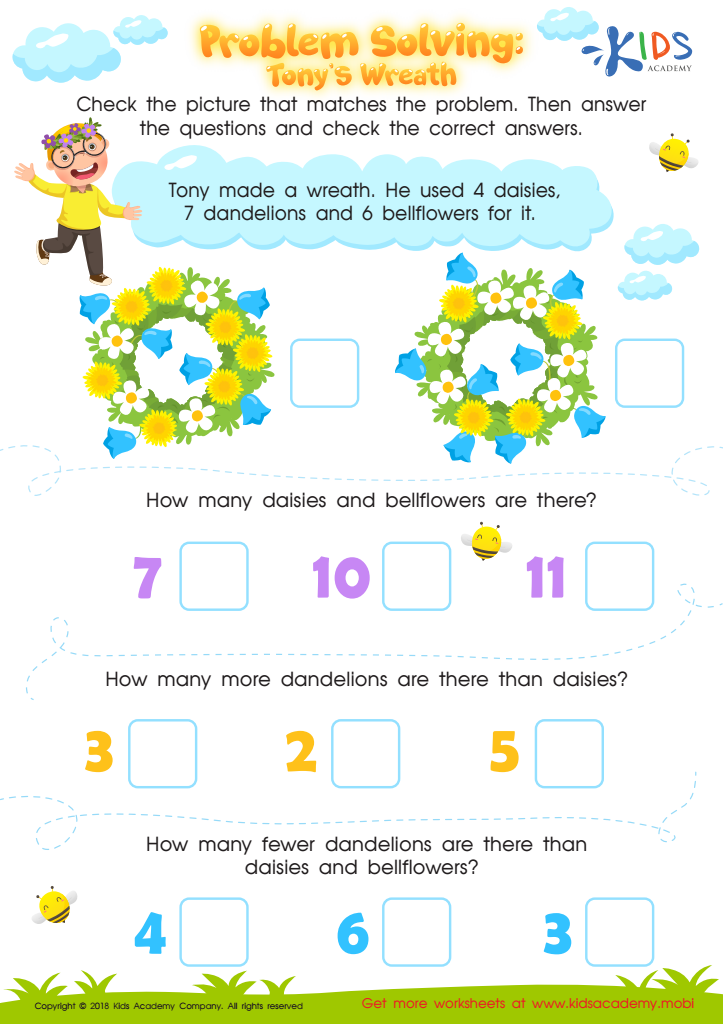
Problem Solving: Tony's Wreath Worksheet
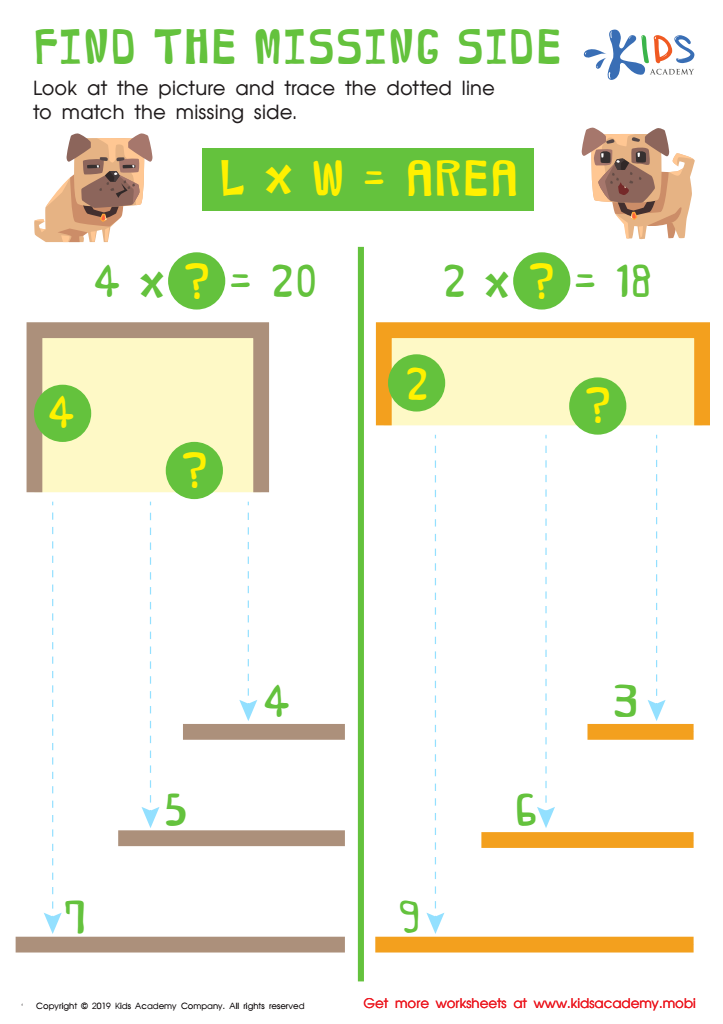
Find the Missing Side Worksheet
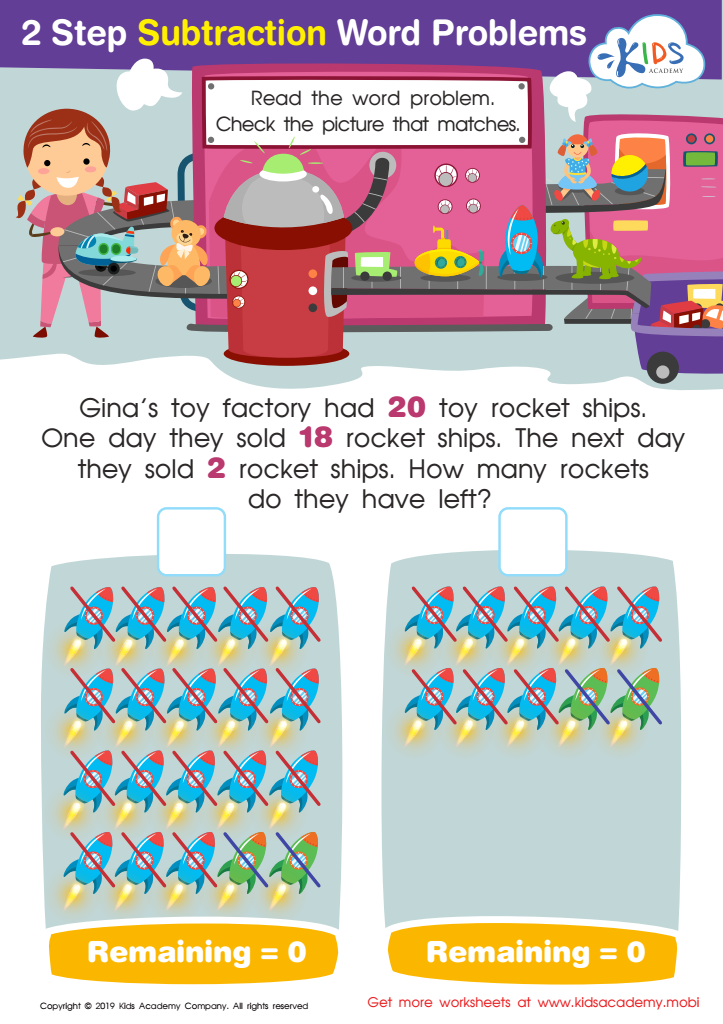
Step Subtraction Word Problems Worksheet
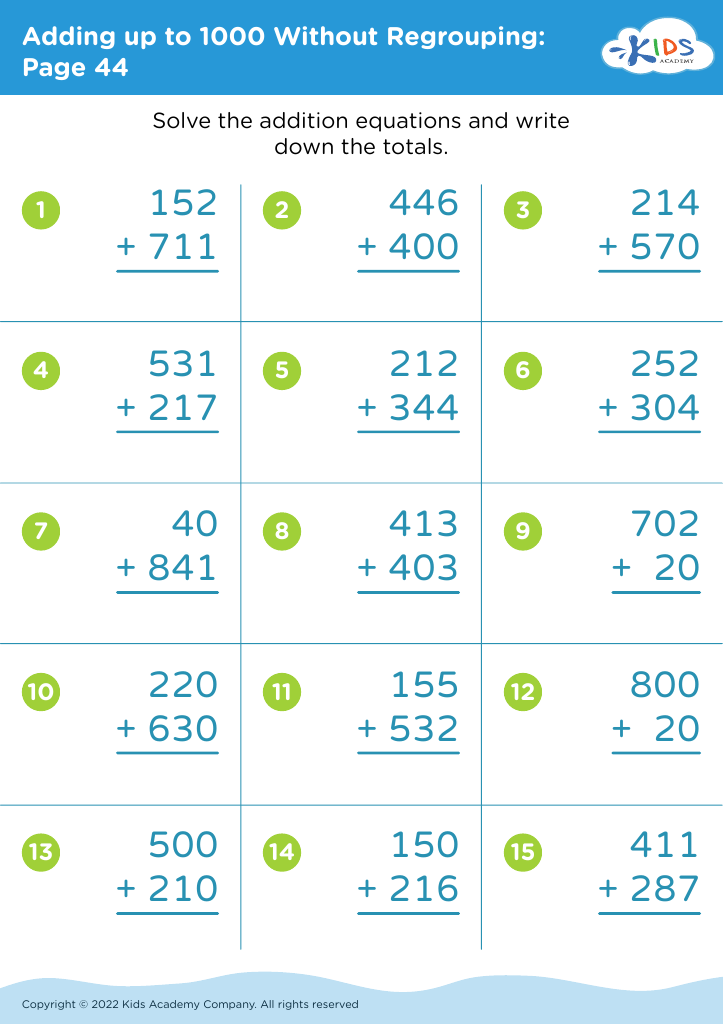
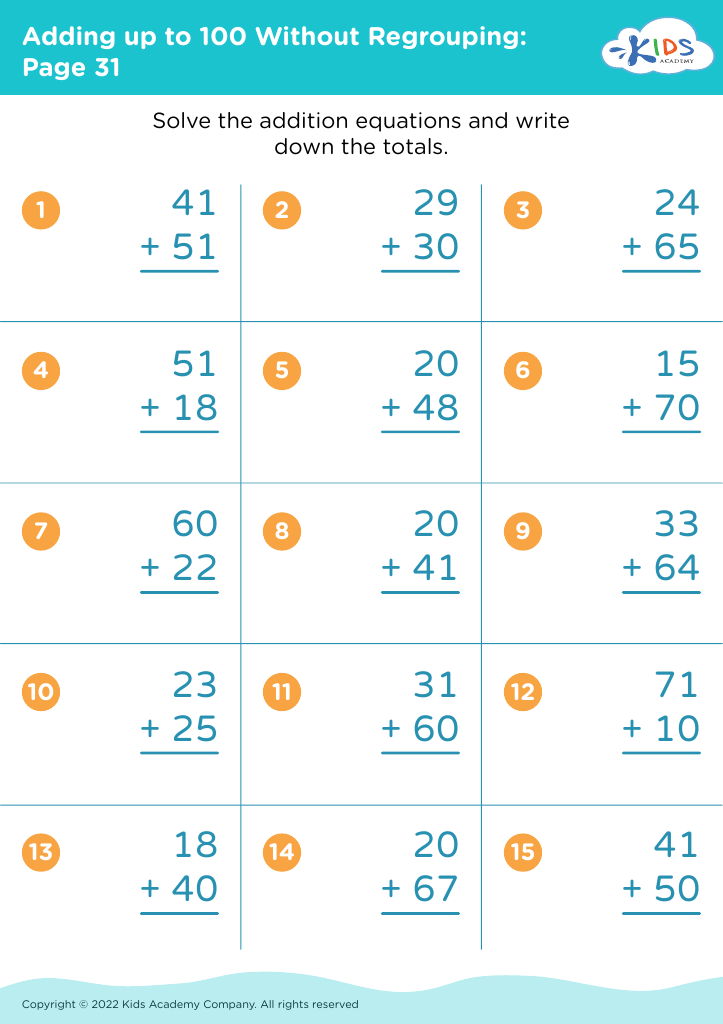
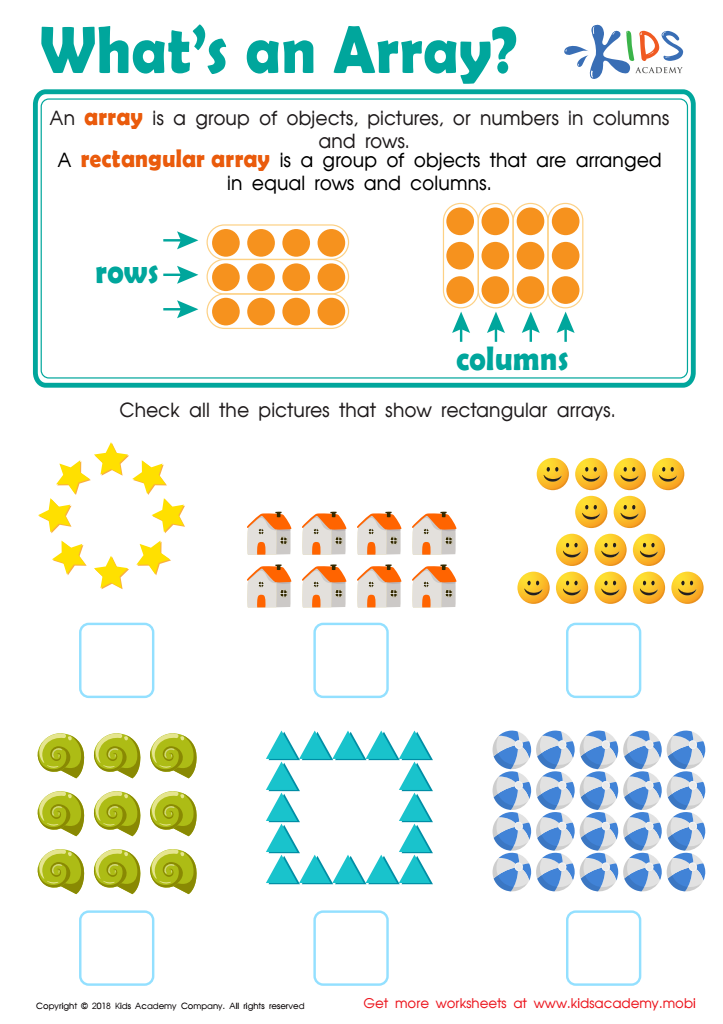
What's an Array? Worksheet
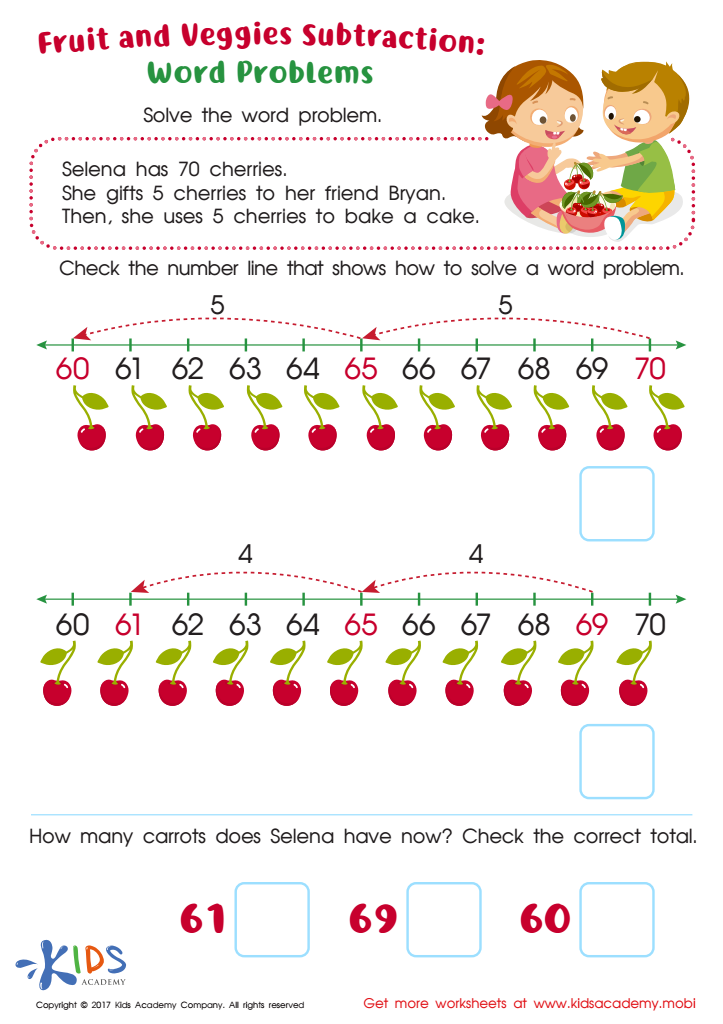
Subtraction Word Problems Free Printable
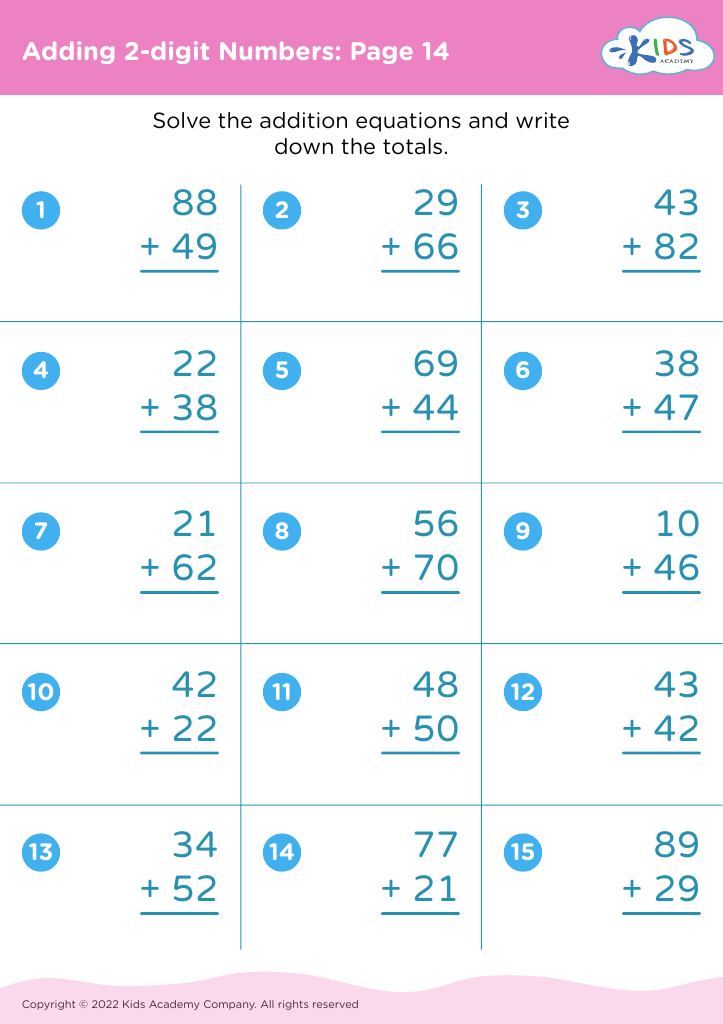
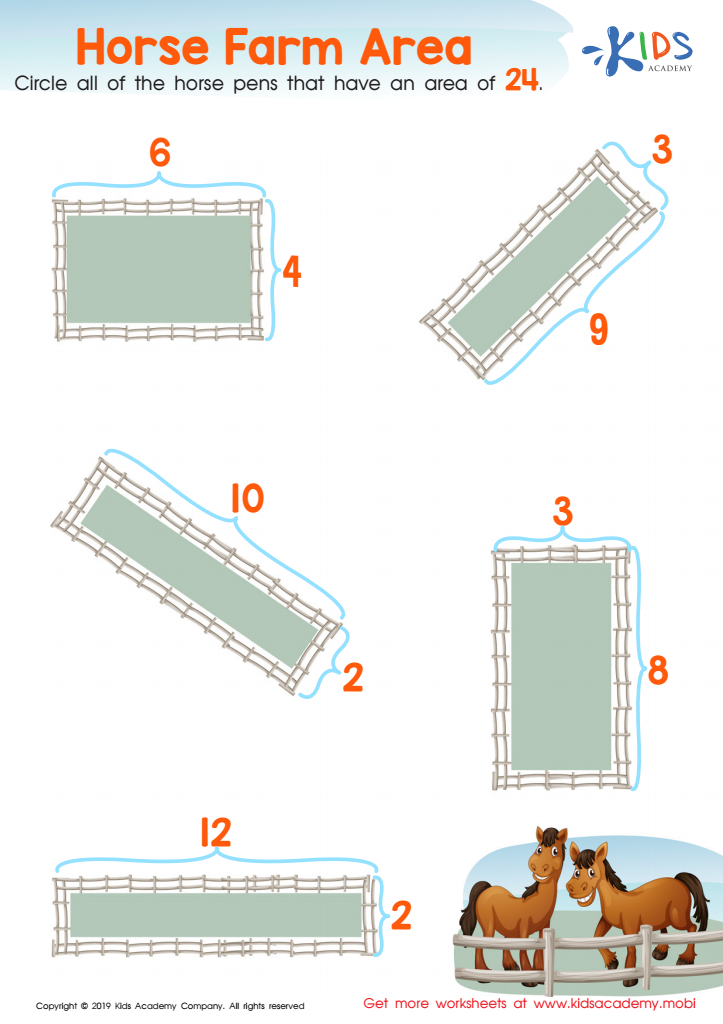
Horse Farm Area Worksheet
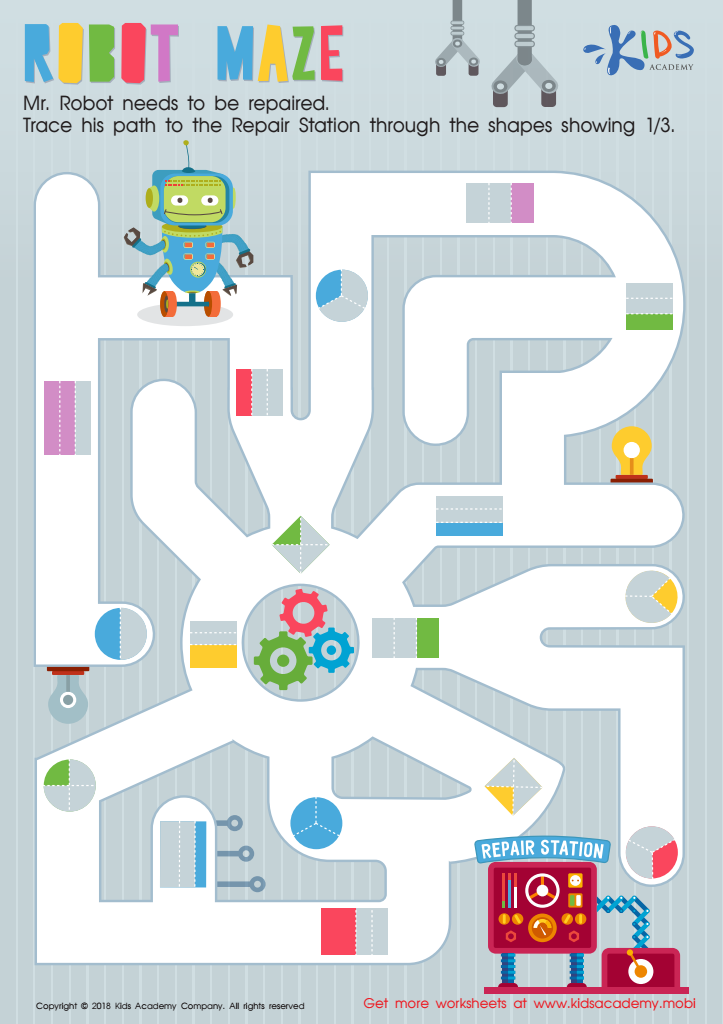
Robot Maze Worksheet
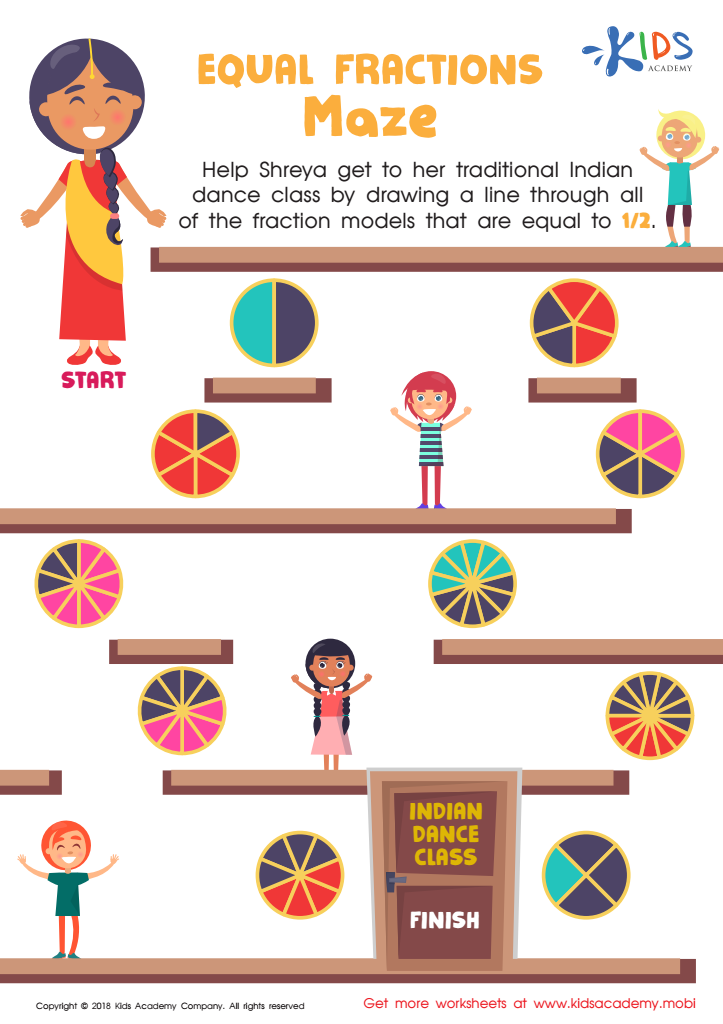
Equal Fractions Maze Worksheet
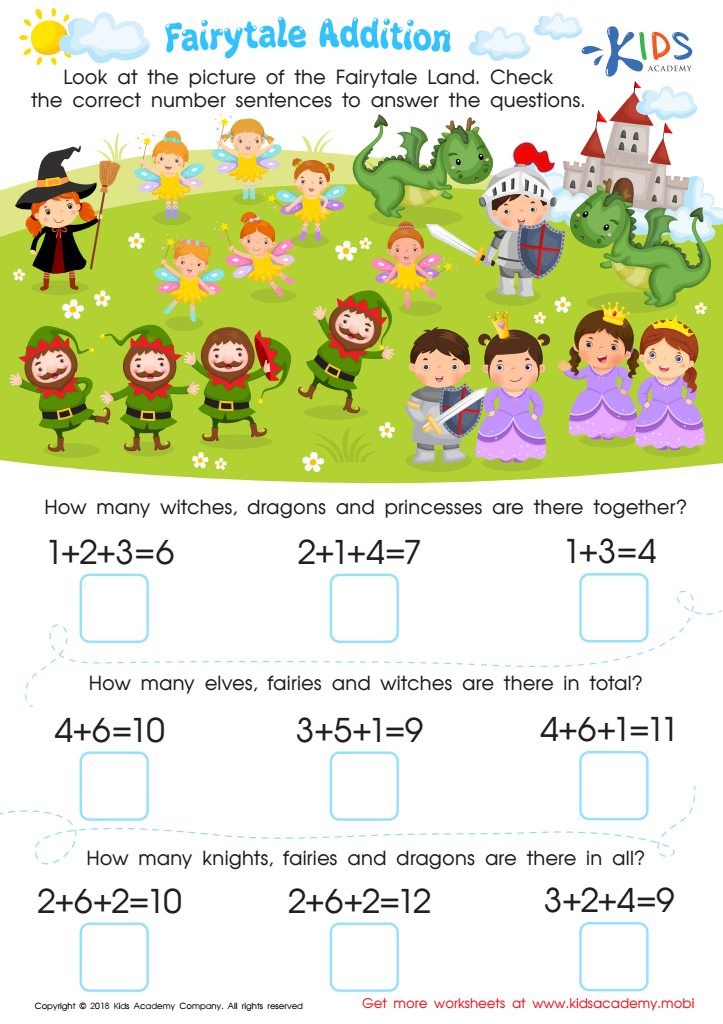
Fairytale Addition Worksheet
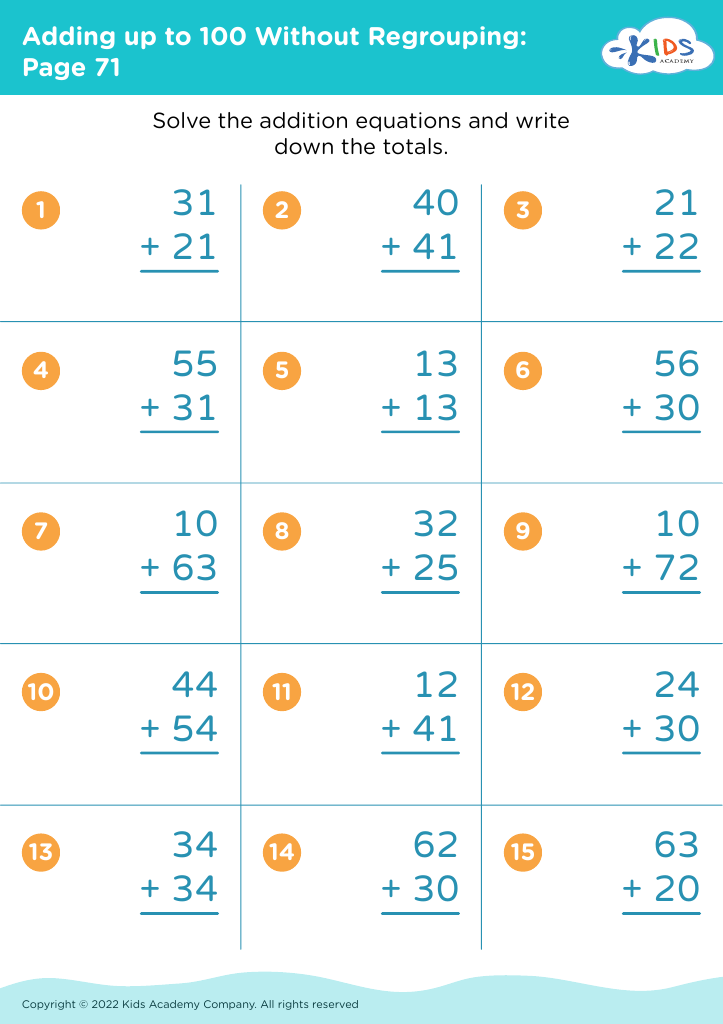
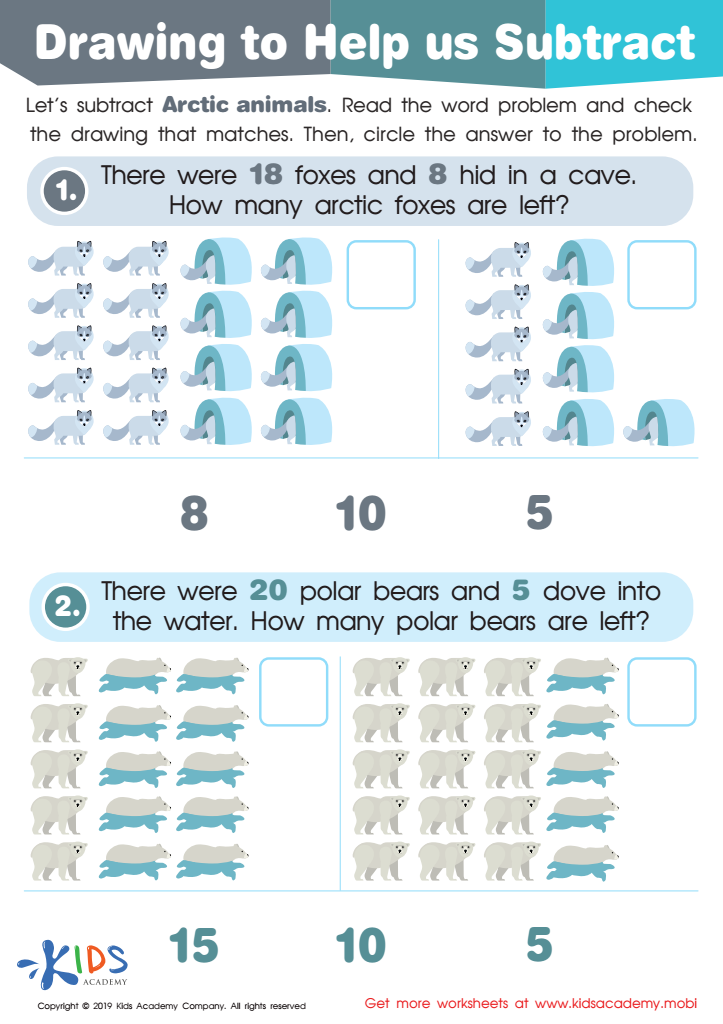
Drawing to Help Us Subtract Worksheet
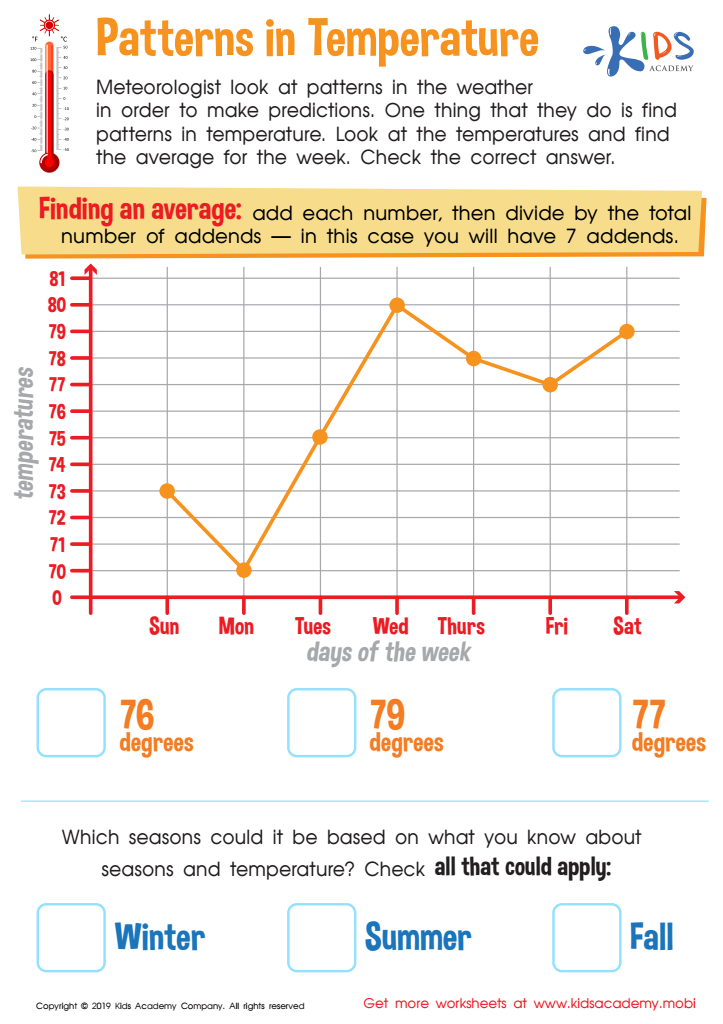
Patterns in Temperature Worksheet
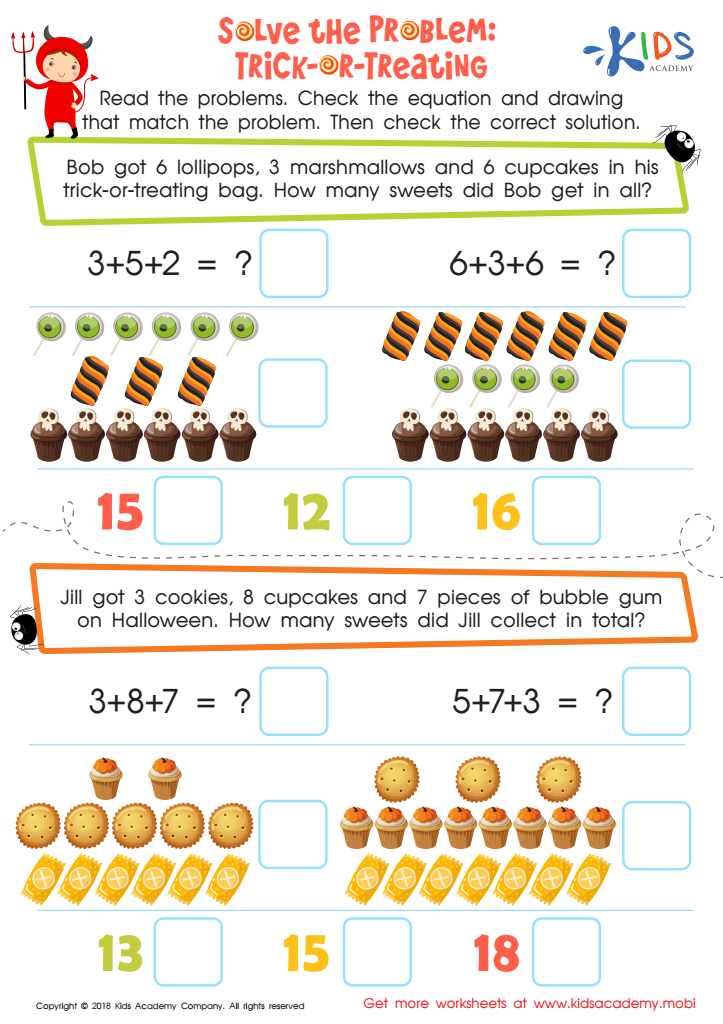
Solve the Problem: Trick–or–treating Worksheet
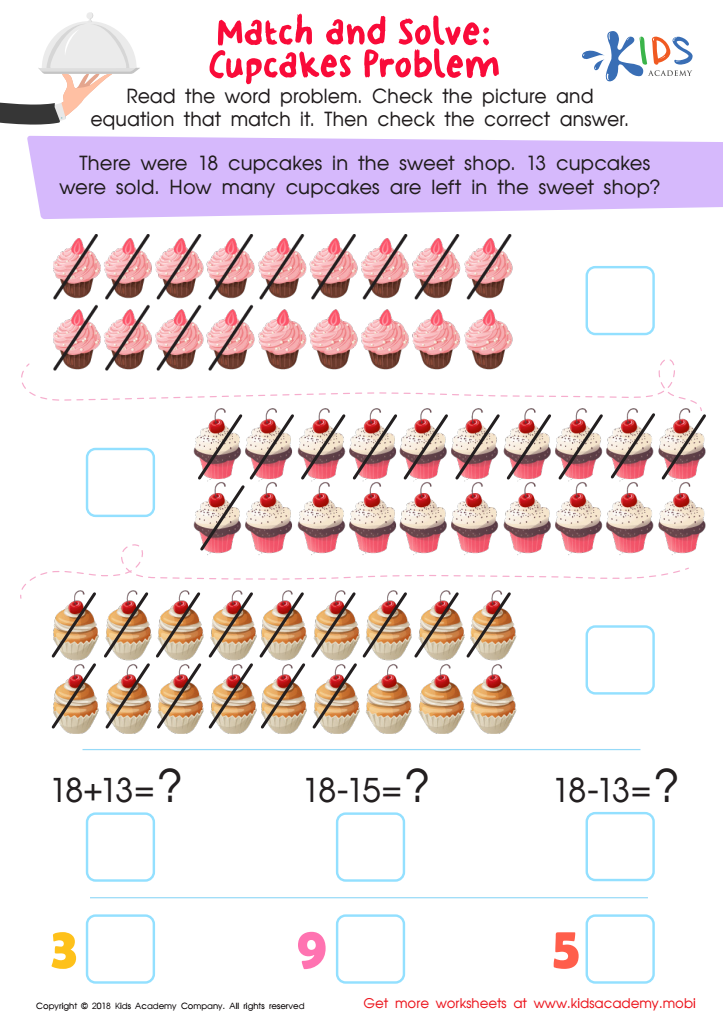
Match and Solve: Cupcakes Problem Worksheet





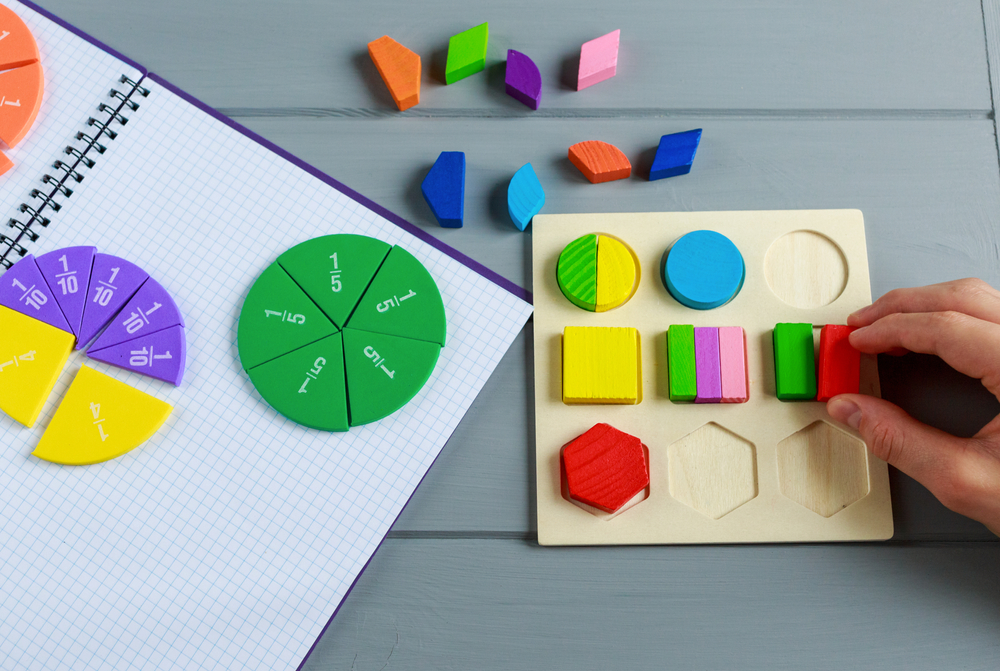


Parents and teachers should prioritize problem-solving skills in math for 8-year-olds because these skills are foundational for a child's overall academic development and future success. At this age, children are transitioning from basic arithmetic to more complex concepts, and cultivating problem-solving ability helps them engage with math in a deeper way. This set of skills fosters critical thinking, enabling children to analyze situations, identify patterns, and draw logical conclusions—all essential for navigating everyday life challenges.
Additionally, strong problem-solving skills in math can enhance a child's confidence and motivation. When children master math problems and see their progress, they develop a positive attitude towards learning and embrace challenges more readily. This mindset can translate to other subjects, nurturing a well-rounded student who values persistence and creative thinking.
Moreover, these skills encourage collaboration. Many problem-solving tasks involve teamwork, communication, and sharing strategies, which are vital life skills. By emphasizing math problem-solving, parents and teachers equip children with tools that will not only benefit them in academic settings but also prepare them for real-world situations. Ultimately, fostering these skills contributes to a child's holistic development and sets the stage for lifelong learning and adaptability.








