Fine Motor Skills Reading Worksheets for 8-Year-Olds - Page 2
31 filtered results
-
From - To
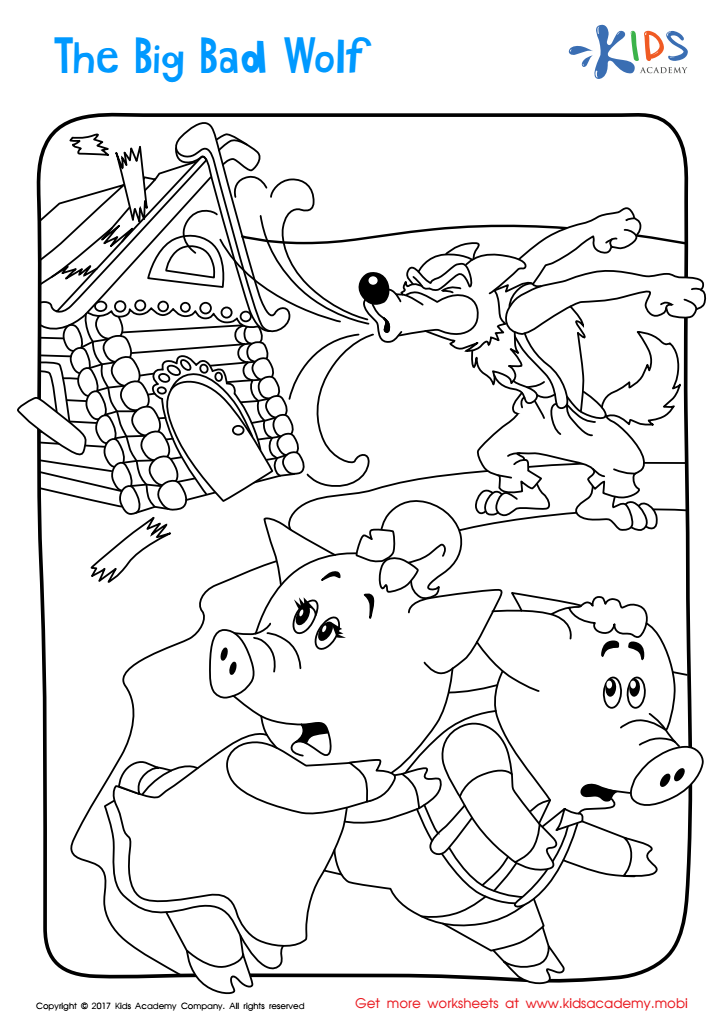
Big Bad Wolf Printable Coloring Page
 Assign to My Students
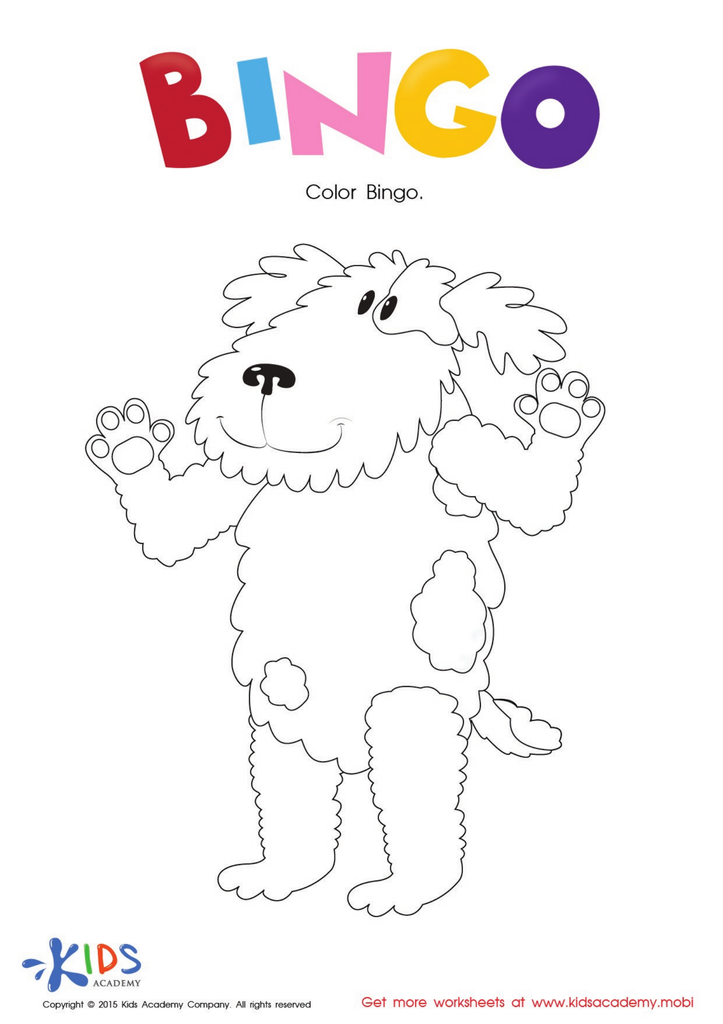
The Bingo Song: Coloring The Dog Worksheet
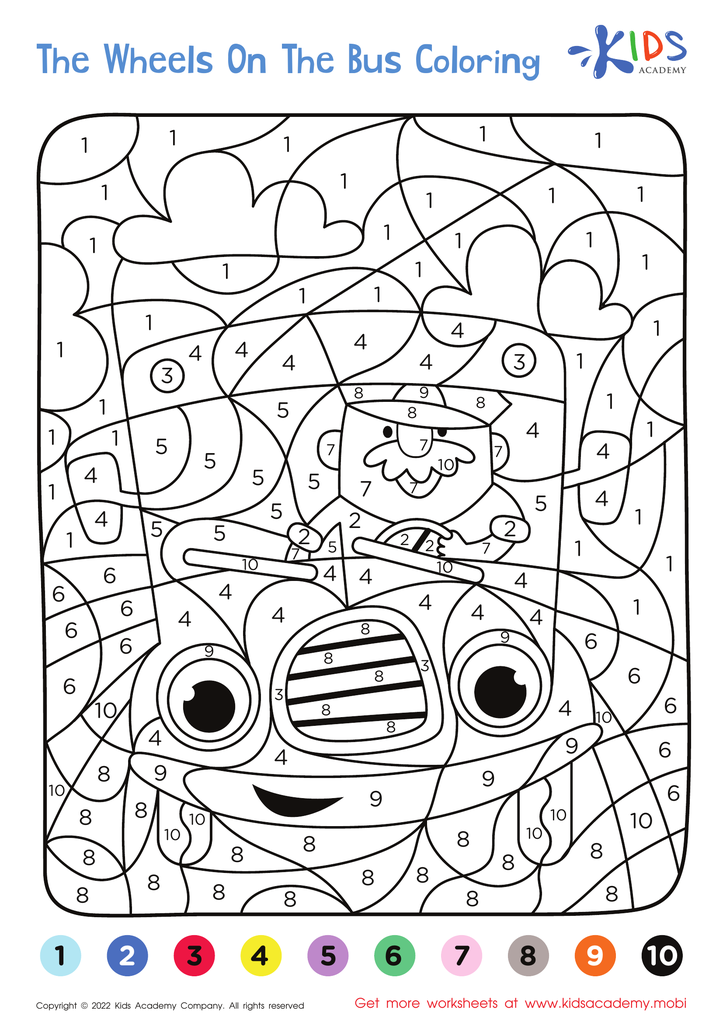
Wheels on the Bus – Coloring by Numbers
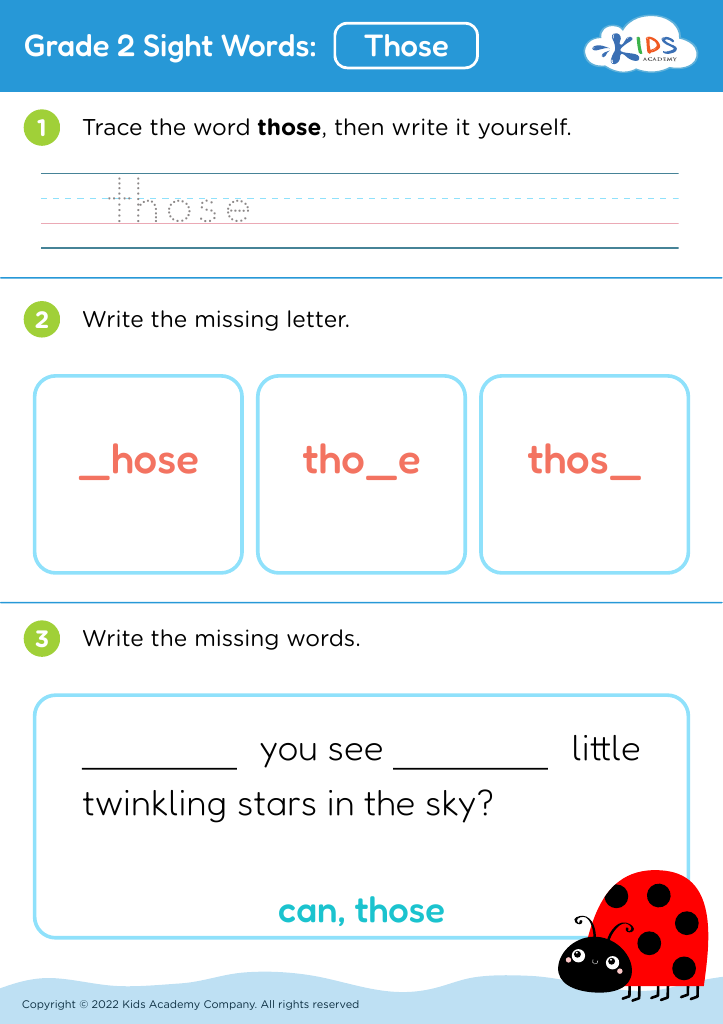
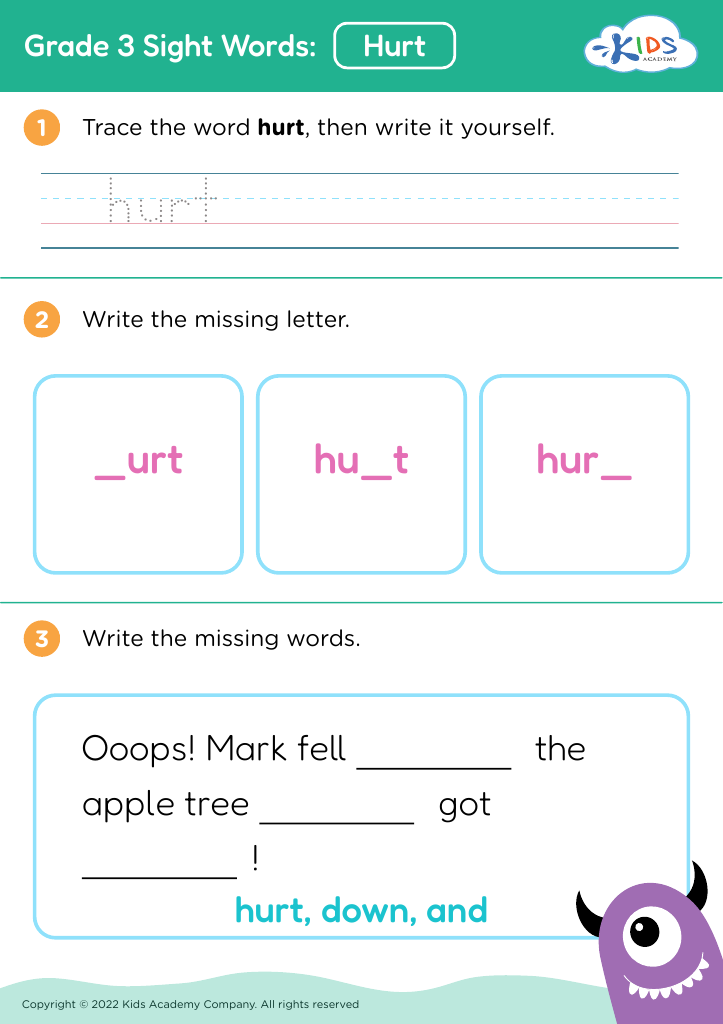
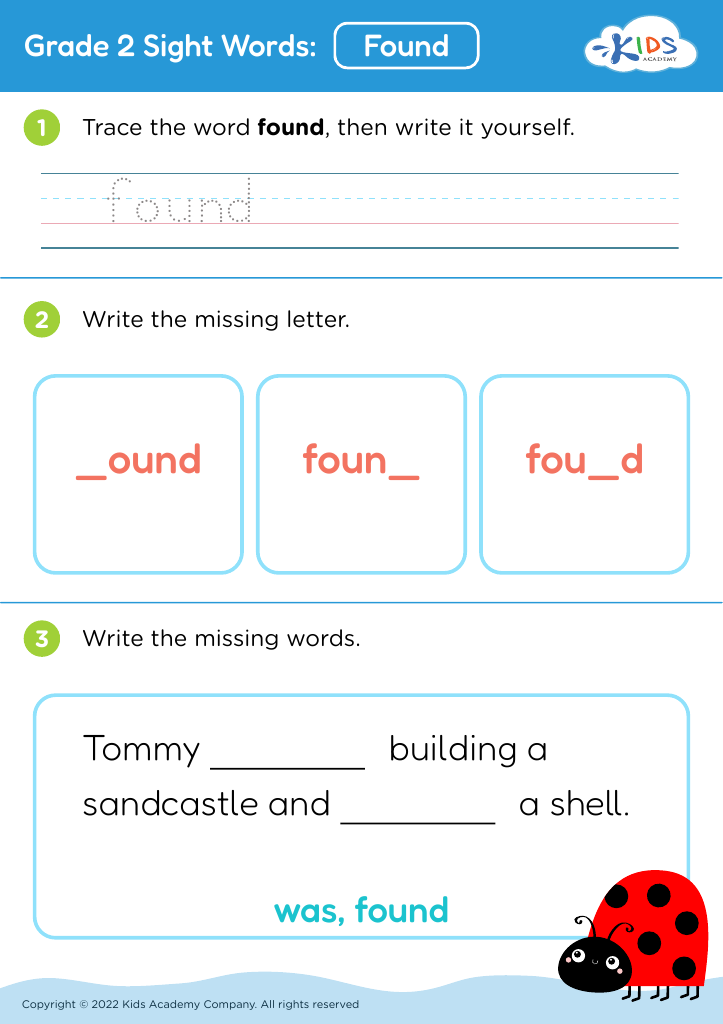
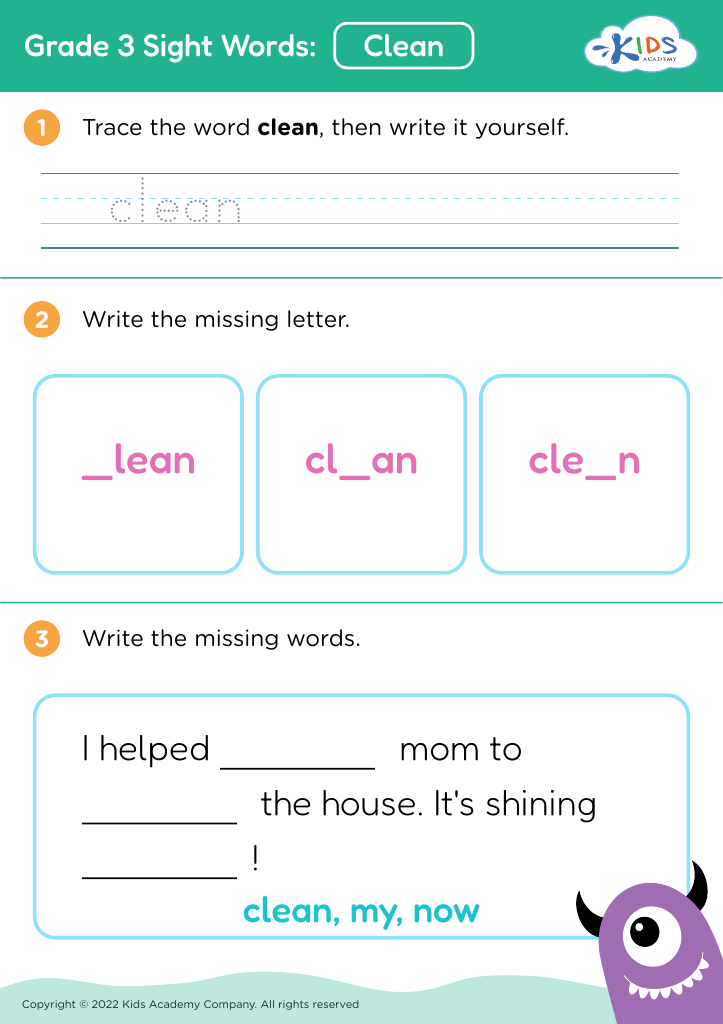








Fine motor skills play a critical role in the overall development of 8-year-olds, significantly impacting their reading and writing abilities. At this age, children are refining the small muscles in their hands and fingers, which are essential for tasks such as holding a pencil, turning pages, and manipulating small objects. Strong fine motor skills contribute to better handwriting and the ability to engage with books more effectively.
Teachers and parents should care about fine motor skills as they directly influence a child's confidence and communication. When children struggle with handwriting or physically handling books, they may feel frustrated, which can lead to decreased interest in reading. This can stifle their literacy development and love for learning.
Moreover, fine motor skills are linked to cognitive development; activities like cutting, pasting, and using scissors not only improve dexterity but can also enhance a child's ability to process information and develop problem-solving skills. Encouraging activities that foster these skills will create a positive impact on their educational experience, laying the groundwork for better academic performance and a lifelong love for reading. Ultimately, investing in the development of fine motor skills is essential to nurturing well-rounded, capable learners.








