Enhancing observational skills Science Worksheets for 8-Year-Olds
5 filtered results
-
From - To
Enhance your 8-year-olds' observational skills with our engaging Science Worksheets! Designed to nurture curiosity and critical thinking, these worksheets encourage children to observe their surroundings closely, helping them to make connections in nature and everyday life. With fun and interactive activities, including drawing, labeling, and comparing objects, students will develop essential skills that foster scientific inquiry. These worksheets are perfect for the classroom or at home, providing a comprehensive learning experience. Equip your young learners with the tools they need to become keen observers and budding scientists. Download now and watch their observation skills flourish!
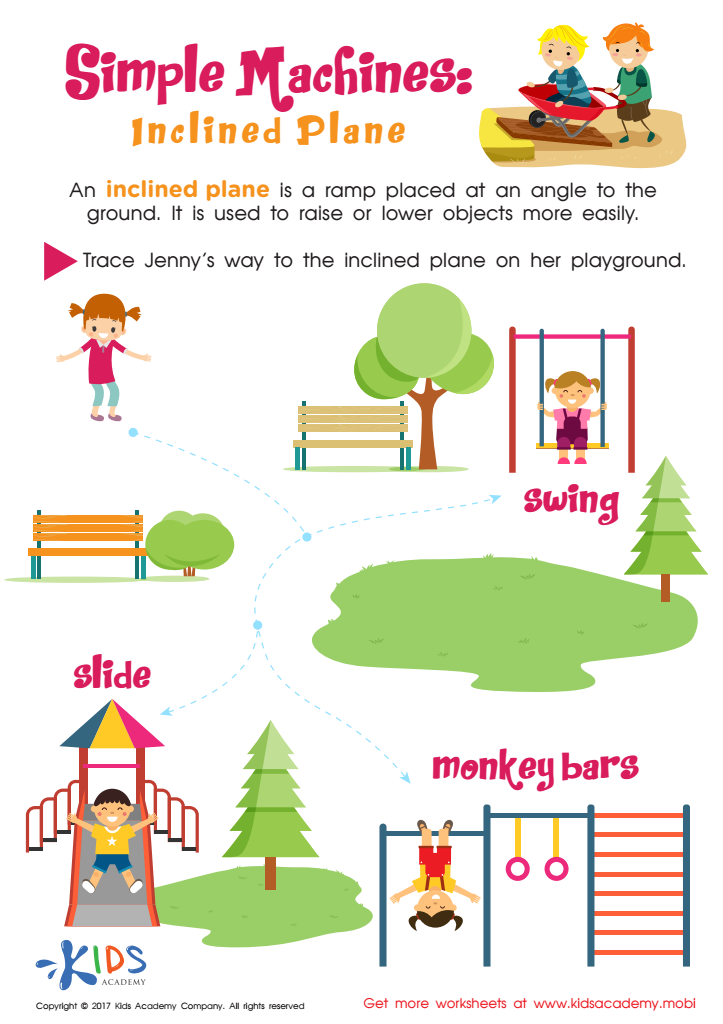
Simple Machines Inclined Plane Worksheet
 Assign to My Students
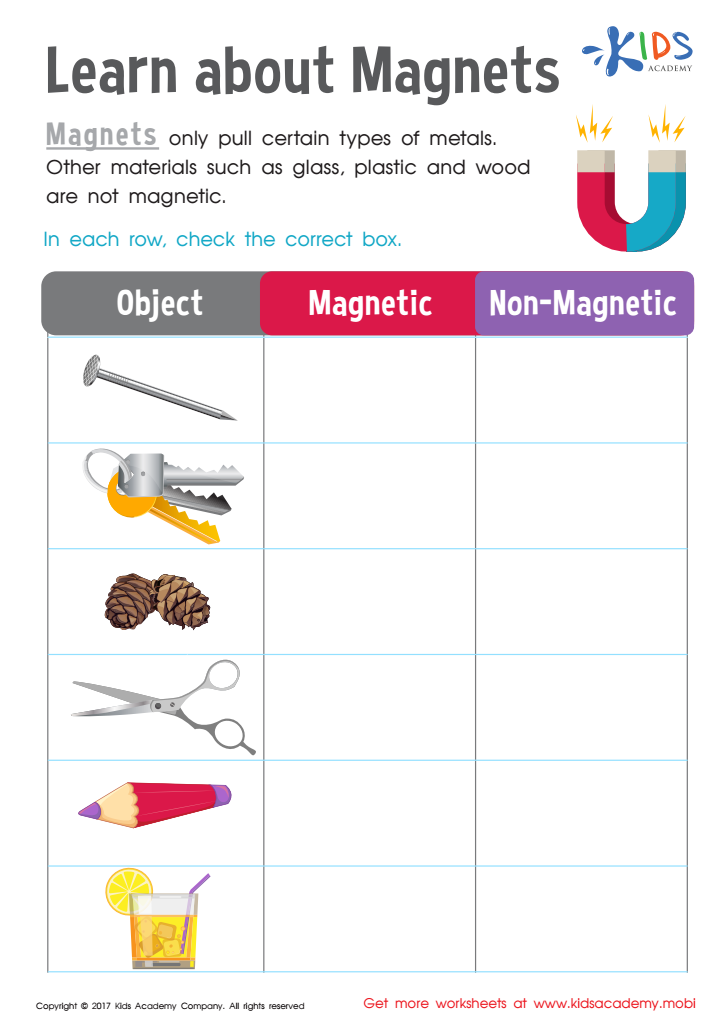
Magnetic Or Not Worksheet
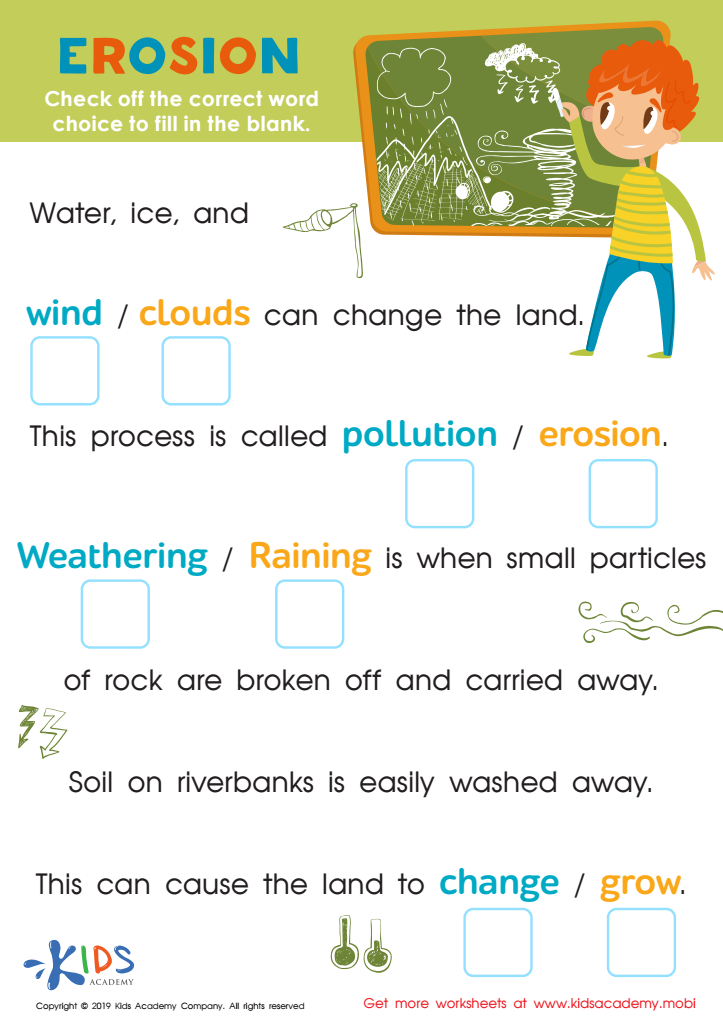
Erosion Worksheet
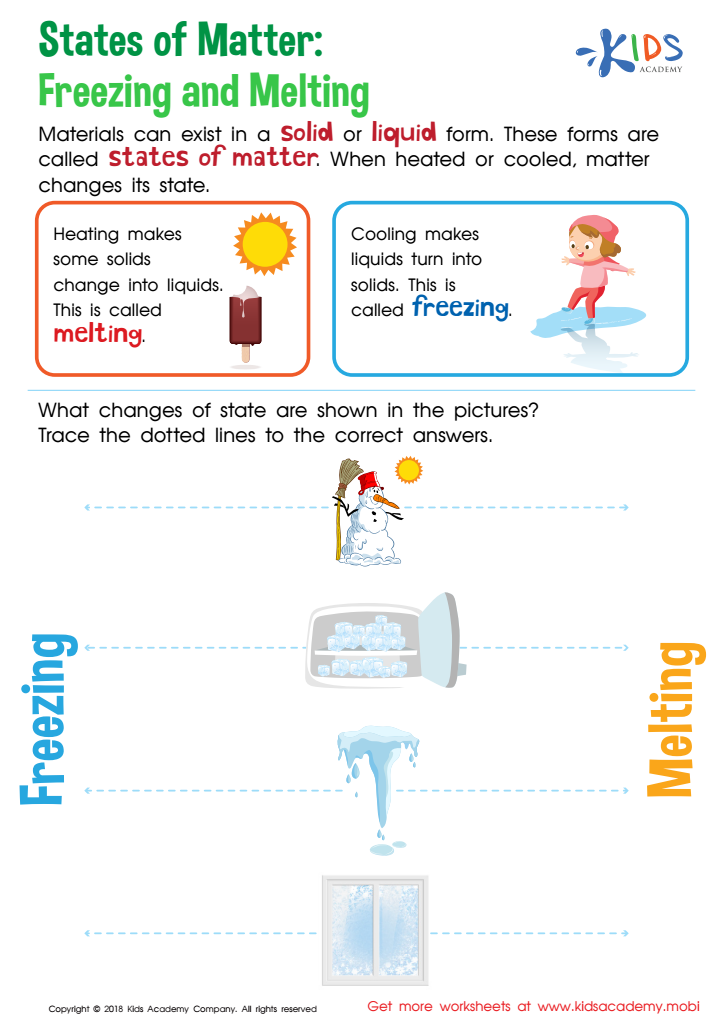
States of Matter: Freezing and Melting Worksheet
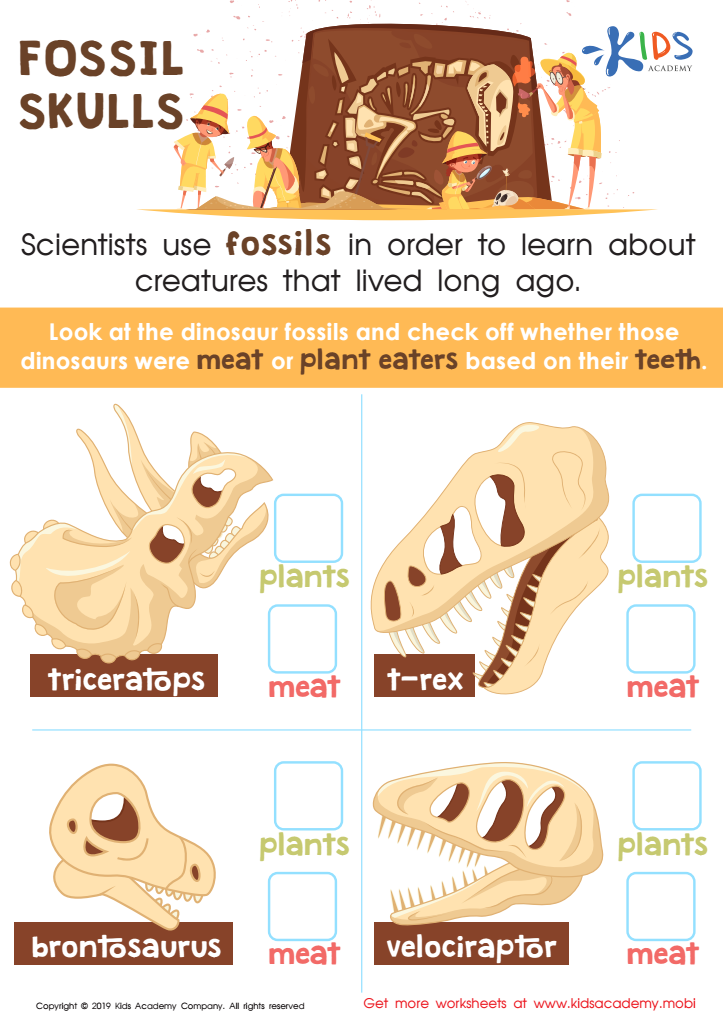
Fossil Skulls Worksheet


%20(1).jpg)





Enhancing observational skills in science for 8-year-olds is crucial for fostering critical thinking, creativity, and a deep understanding of the natural world. At this age, children are curious and eager to learn, and developing their observational skills helps them make connections between theoretical concepts and real-life experiences. When parents and teachers prioritize observational skills, they empower children to question, analyze, and interpret their surroundings, laying the groundwork for scientific inquiry.
Observational skills underlie many foundational practices in science, such as noticing patterns, making predictions, and conducting investigations. By encouraging children to observe closely, they strengthen their ability to gather information, distinguish between relevant and irrelevant data, and articulate their findings. This not only enhances their scientific literacy but also promotes engagement and a lasting interest in STEM fields.
Furthermore, observational skills contribute to other areas of development. They enhance communication and social skills, as children learn to express their insights and collaborate with peers. In a world increasingly driven by science and technology, equipping young learners with strong observational skills ensures they are prepared for future academic challenges and equipped to become informed citizens capable of making thoughtful contributions to society.







