Learning about ecosystems Science Worksheets for 8-Year-Olds
4 filtered results
-
From - To
Our "Learning about Ecosystems" science worksheets for 8-year-olds offer an engaging exploration into the intricate world of ecosystems. Tailored to capture young minds, these educational resources delve into habitats, food chains, and biodiversity. Each worksheet is designed to not only educate but also inspire curiosity and a love for nature. Interactive activities and thought-provoking questions make learning fun and effective. Perfect for both classroom and home use, our ecosystem worksheets align with educational standards, ensuring that every young scientist can discover the wonders of our natural world. Dive into learning and help nourish a future environmental steward today!
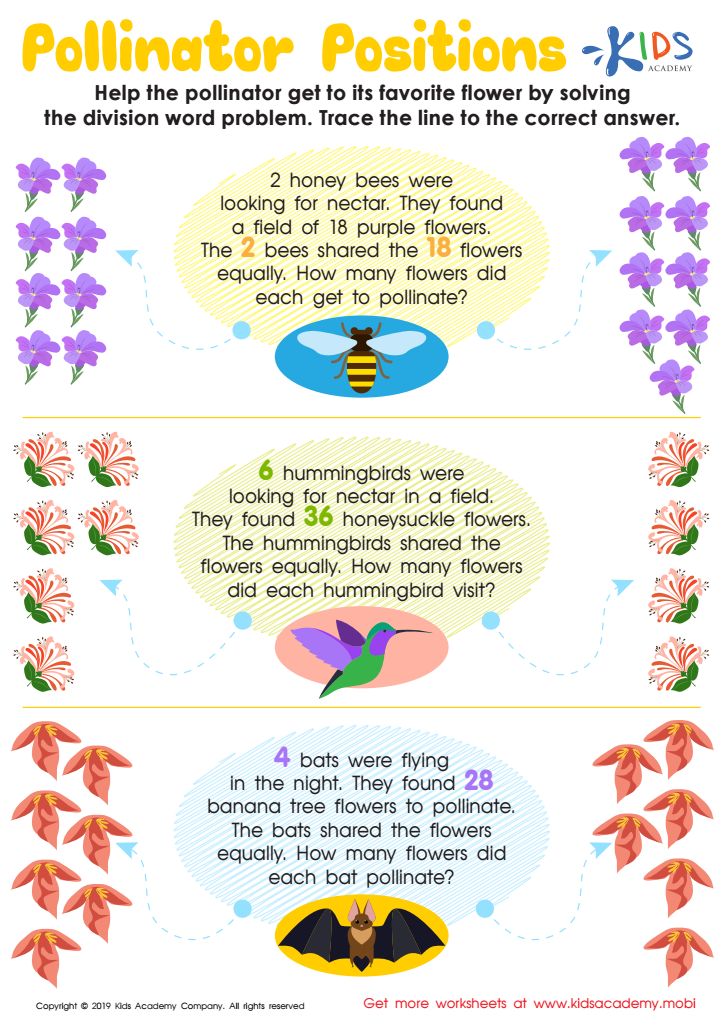
Pollinator Positions Worksheet
 Assign to My Students
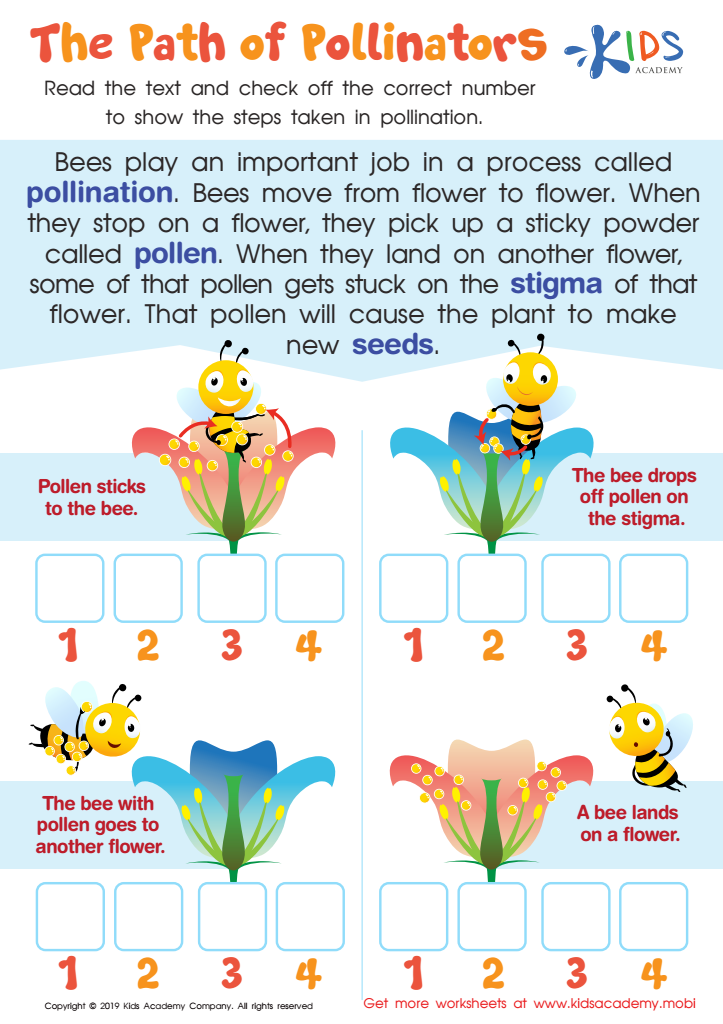
The Path of Pollinators Worksheet
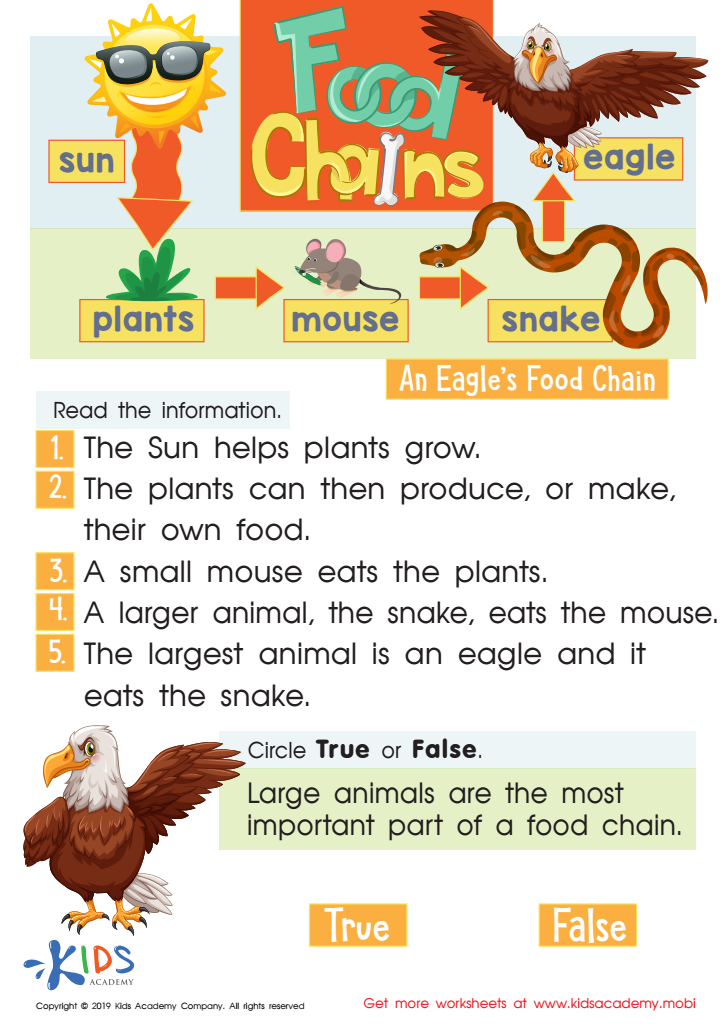
Food Chains Worksheet
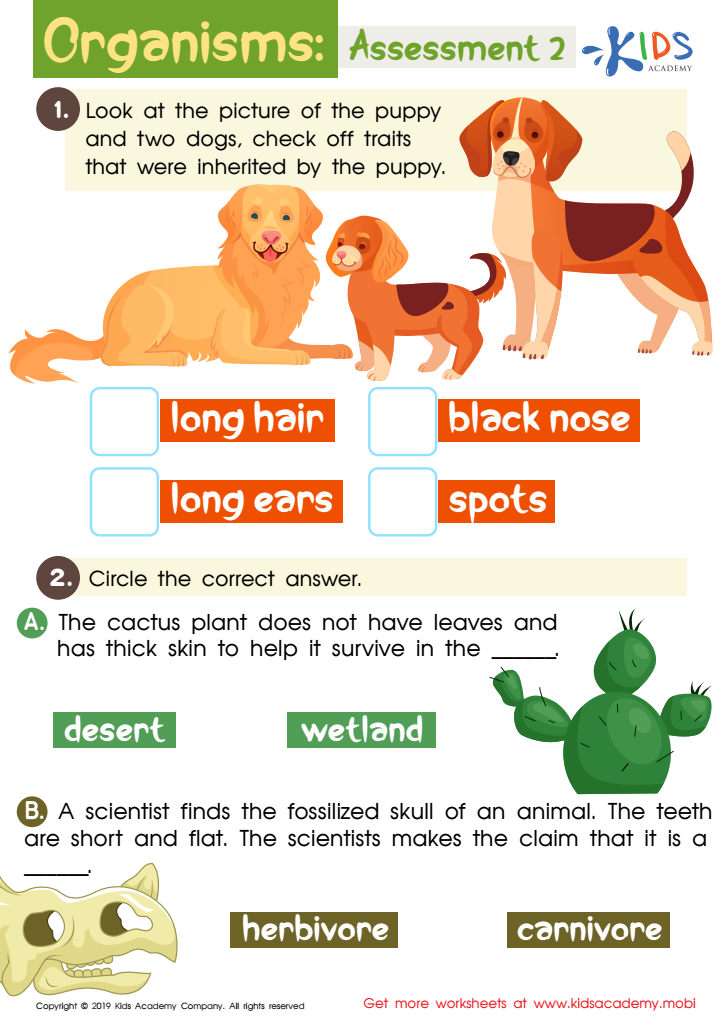
Organisms: Assessment 2 Worksheet







Learning about ecosystems science is crucial for 8-year-olds because it lays the foundation for environmental awareness and responsibility. Children are naturally curious about the world around them, and ecosystems science addresses this curiosity by teaching how living organisms, including humans, interact with their environment. This education promotes a sense of wonder and respect for nature, encouraging sustainable behaviors from a young age.
Understanding ecosystems helps children recognize the interconnectedness of life. It illustrates important concepts such as food chains, habitats, biodiversity, and the impact of human activities on nature. This knowledge fosters critical thinking and problem-solving skills as children learn to observe, question, and analyze how different elements of an ecosystem work together.
Parents and teachers play a crucial role in imparting these lessons because early exposure to environmental science shapes a child's worldview and habits. Engaging activities like exploring local parks, watching documentaries, or creating small ecosystems in jars can make these concepts come alive. Moreover, emphasizing ecosystems science contributes to a well-rounded education, aligning with STEM (Science, Technology, Engineering, and Mathematics) objectives and preparing children for future scientific learning.
Ultimately, teaching ecosystems science to young learners cultivates informed, environmentally conscious individuals who can make thoughtful decisions that will benefit the planet for generations to come.







