Number Recognition Science Worksheets for 8-Year-Olds
4 filtered results
-
From - To
Enhance your 8-year-old's learning experience with our engaging Number Recognition Science Worksheets! Designed to combine fun and education, these worksheets help children develop essential skills in identifying and understanding numbers through exciting scientific themes. Each activity encourages critical thinking, boosts problem-solving abilities, and fosters a love for learning. Our user-friendly format suits various learning environments, making it easy for parents and teachers alike. With captivating illustrations and hands-on exercises, kids will enjoy exploring numbers while connecting them to real-world science concepts. Discover a world of knowledge and creativity with our thoughtfully crafted worksheets today!
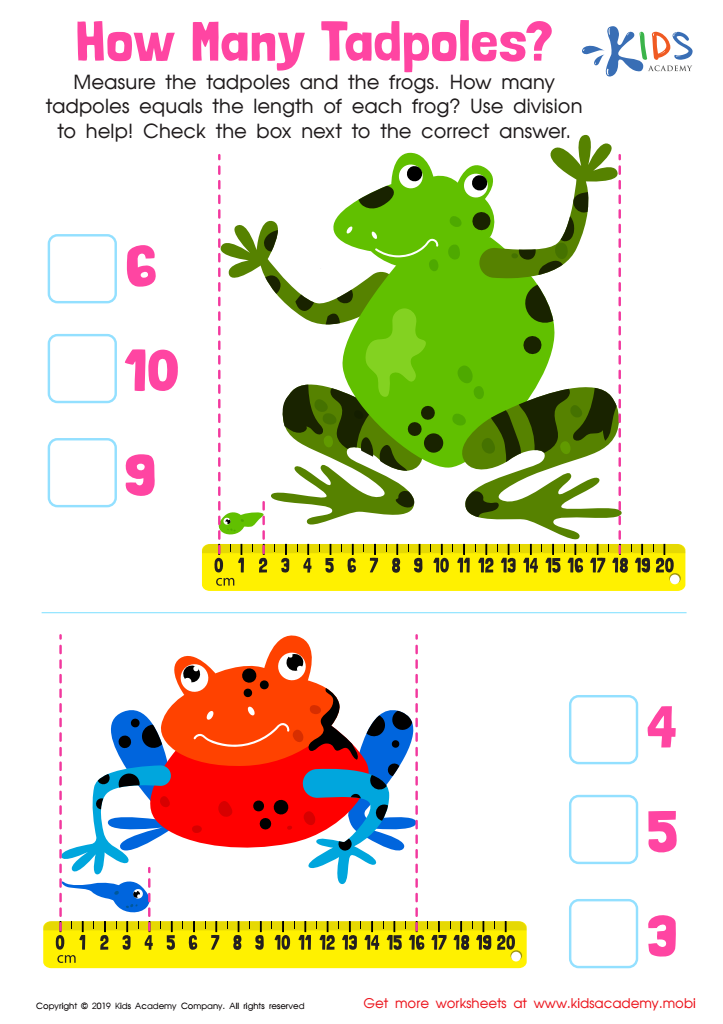
How Many Tadpoles Worksheet
 Assign to My Students
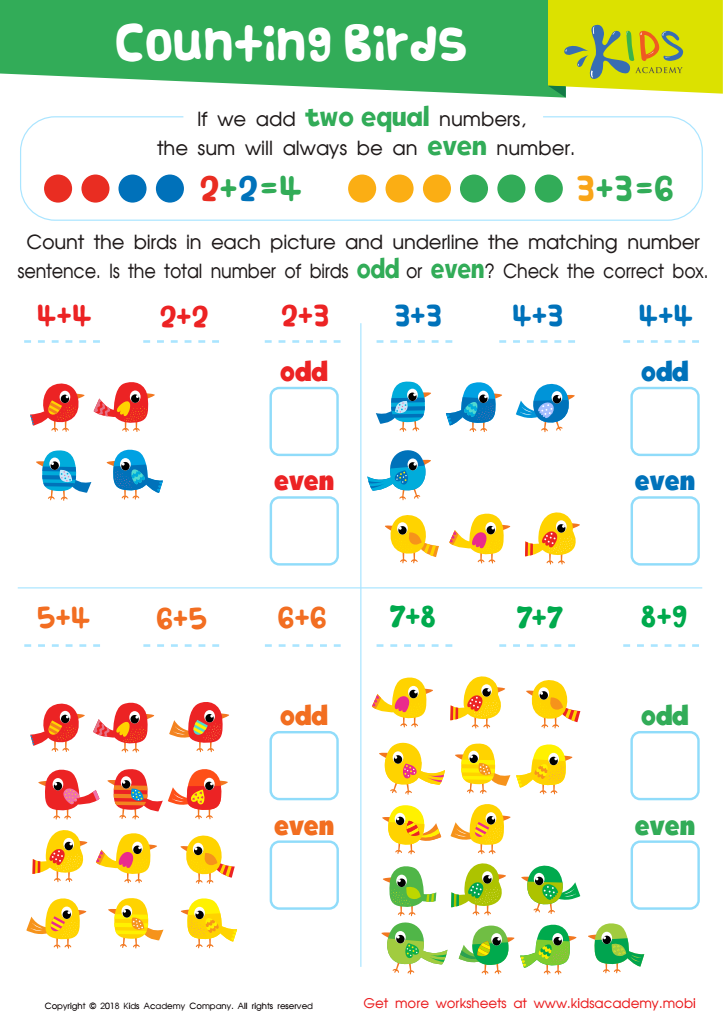
Counting Birds Worksheet
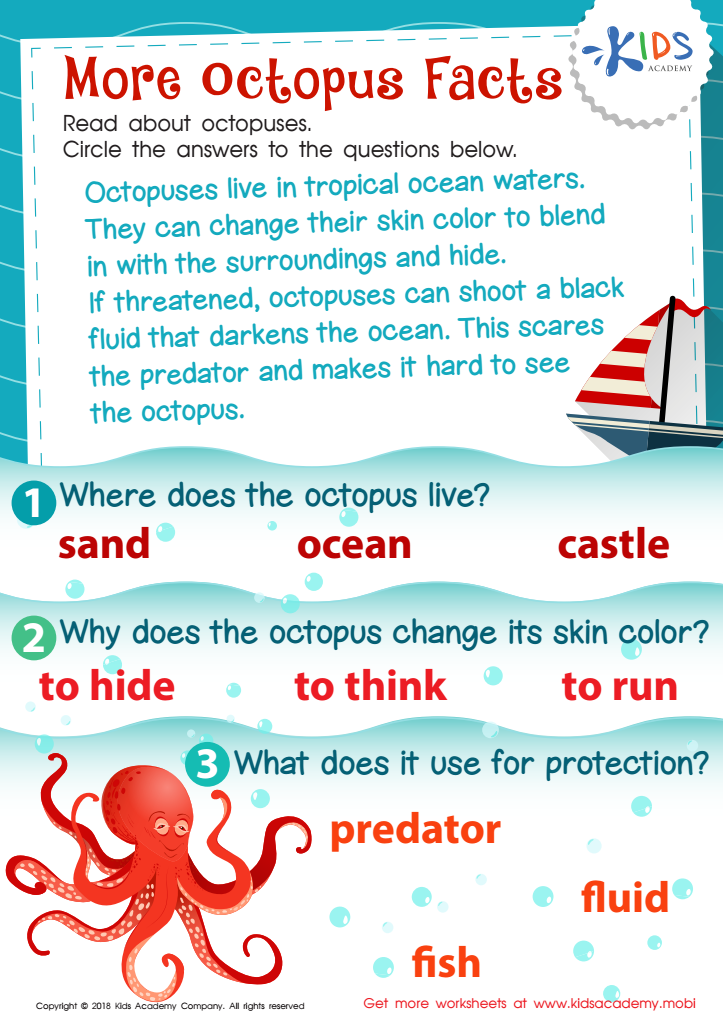
More Octopus Facts Worksheet
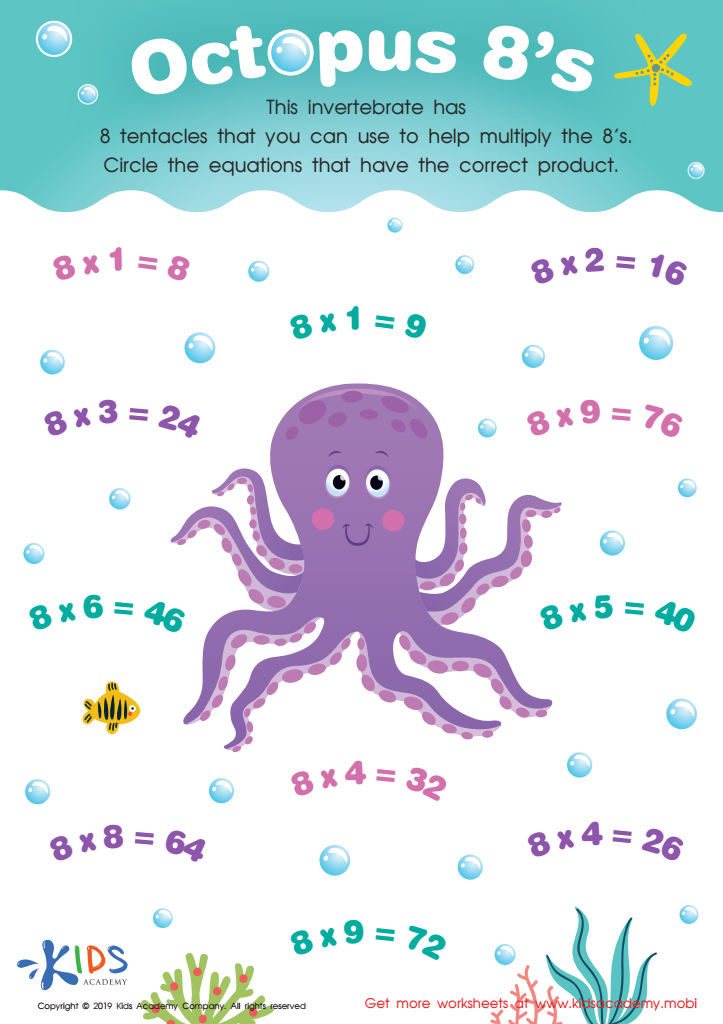
Octopus 8’s Worksheet








Number recognition is a critical foundational skill for 8-year-olds, serving as a building block for mathematical understanding and everyday problem-solving. At this age, children are developing strategies to understand more complex concepts such as addition, subtraction, and even multiplication. Grasping number recognition helps enhance cognitive skills, including memory and attention, which are essential for successful learning.
When parents and teachers prioritize number recognition, they equip children with the ability to identify numbers quickly and accurately. This skill fosters confidence in young learners, paving the way for a more positive attitude toward math. Such engagement is crucial during this pivotal developmental stage, as positive experiences in early education can lead to lifelong enthusiasm for learning.
Additionally, number recognition extends beyond academics, impacting real-life scenarios like managing money or telling time. Engaging in number-related activities and discussions at home or during lessons not only strengthens these skills but also promotes a collaborative learning environment. Moreover, understanding and recognizing numbers connects with problem-solving capabilities that build resilience in navigating unexpected challenges.
In summary, parental and teacher support in developing number recognition is essential for overall cognitive growth and academic success, enabling children to thrive in both educational and everyday contexts.







