
Vocabulary development Science Worksheets for 8-Year-Olds
8 filtered results
Difficulty Level
Grade
Age
-
From - To
Subject
Activity
Standards
Enhance your child's vocabulary with our engaging Science Worksheets tailored for 8-year-olds! These interactive resources provide a fun and educational way for children to build their science-related vocabulary through various activities such as word searches, matching exercises, and fill-in-the-blank challenges. Each worksheet is designed to reinforce key scientific concepts while promoting language skills. By integrating vocabulary development with science learning, your child will gain a deeper understanding of the world around them. Perfect for classroom or home use, our worksheets make learning enjoyable and effective. Explore our collection today and empower your child’s academic journey!
Favorites
With answer key
Interactive
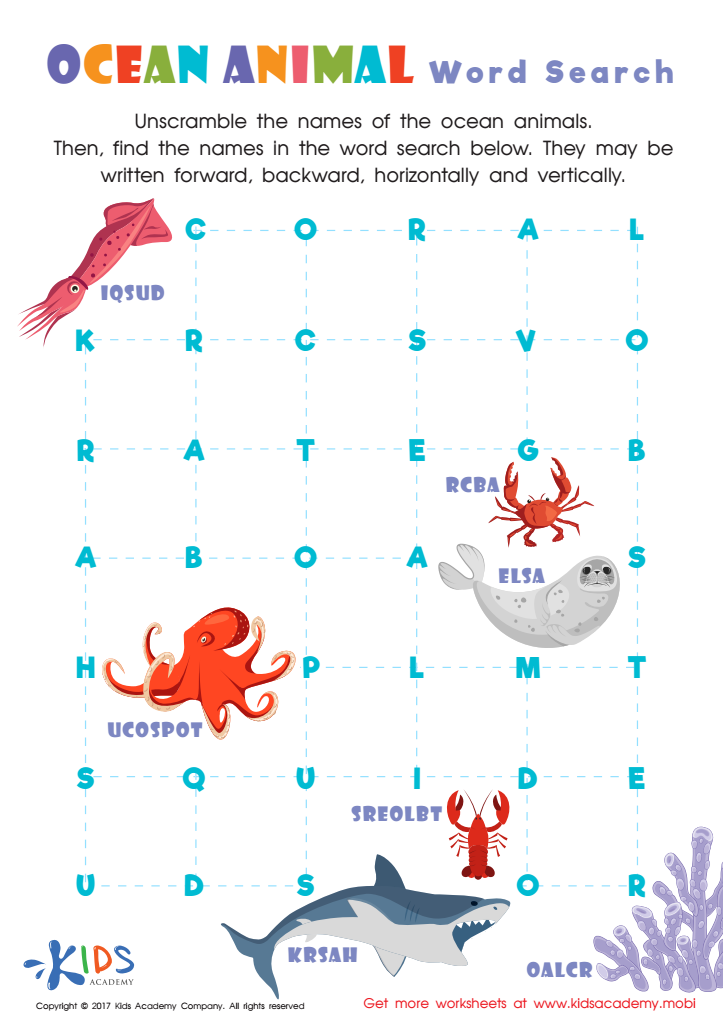
Ocean Animals Word Search Printable
Challenge your child to unscramble the names of ocean animals and find them in the word search. This ocean animals printable is a fun way to teach kids more about these fascinating creatures!
 Assign to My Students
Ocean Animals Word Search Printable
Worksheet
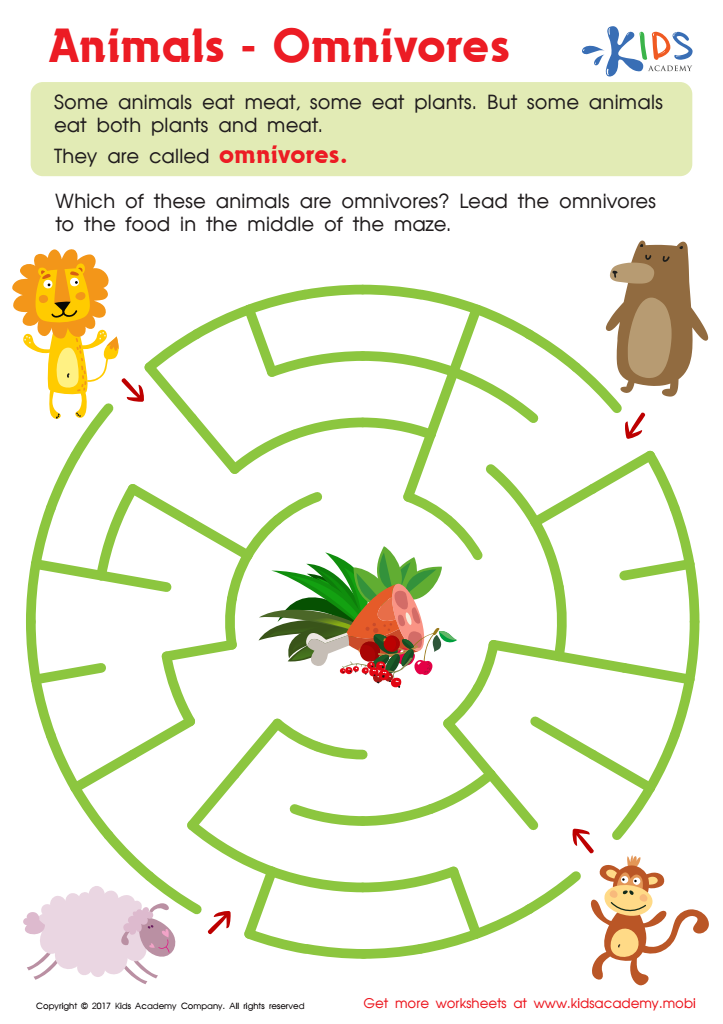
Omnivores Animals Worksheet
Kids can explore omnivores animals with this worksheet! It presents herbivores, carnivores and omnivores, with the main activity being a maze. Kids must guide a bear through it to get to its food. See how much they know about omnivores!
Omnivores Animals Worksheet
Worksheet
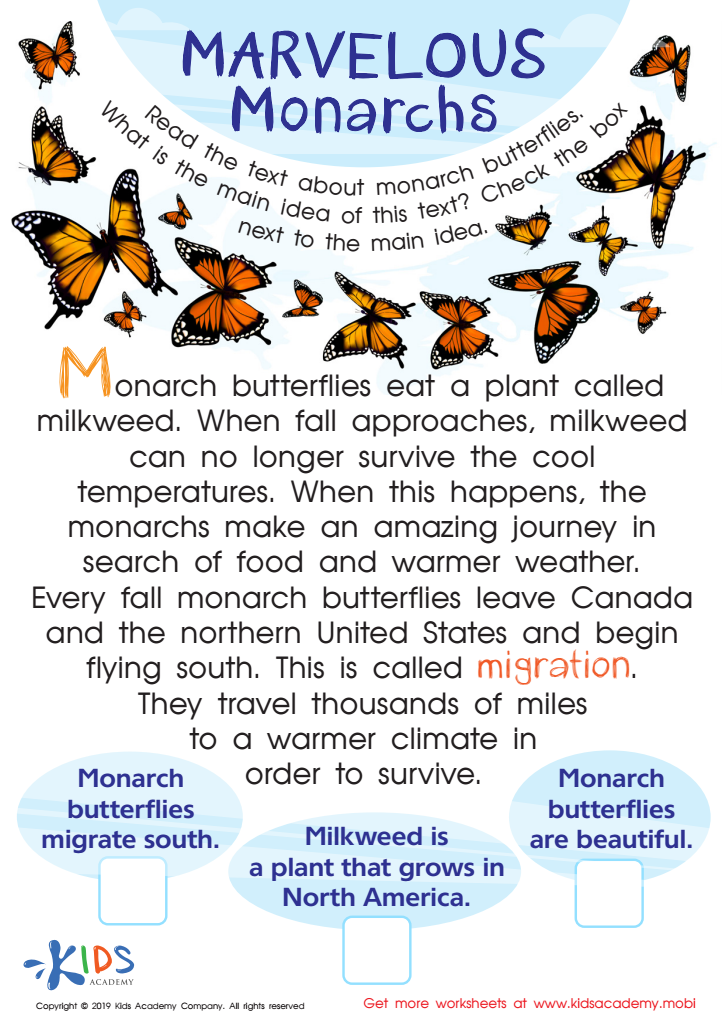
Marvelous Monarchs Worksheet
Help your kids have fun while reading - start with small words and short sentences. This worksheet can test your kids' reading and comprehension skills. Ask them to read the text about Monarch butterflies and help them locate the main idea.
Marvelous Monarchs Worksheet
Worksheet
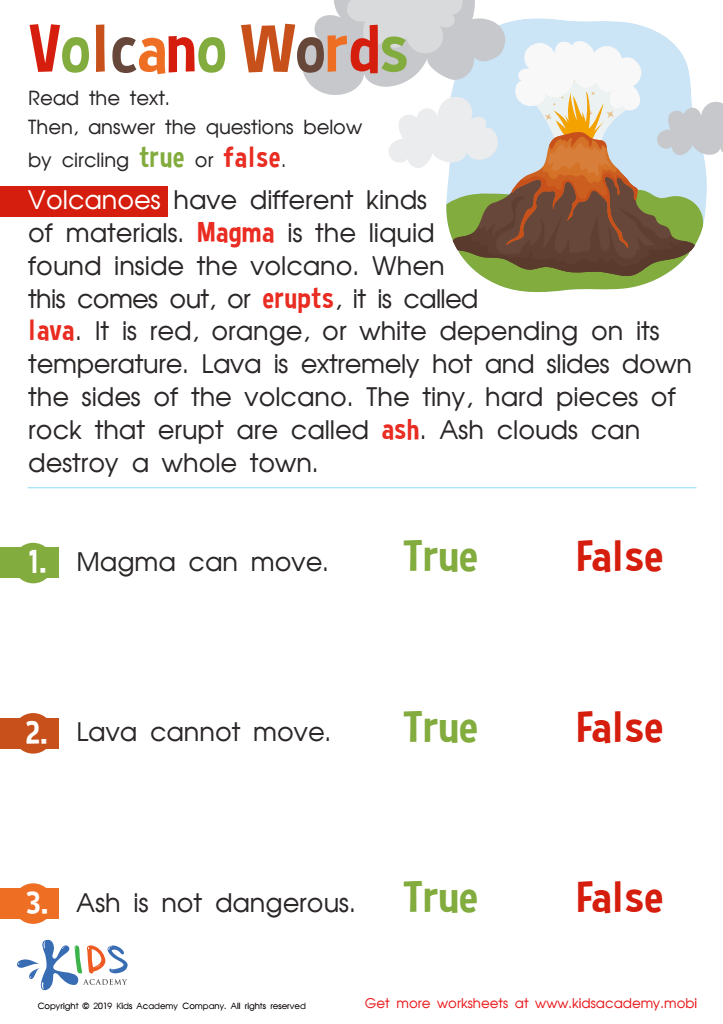
Volcano Words Worksheet
This worksheet helps kids focus and improve their reading comprehension skills. Start by reading a passage about volcanos and noting the bolded red words. Then answer true/false statements below, double-checking in the text if needed.
Volcano Words Worksheet
Worksheet
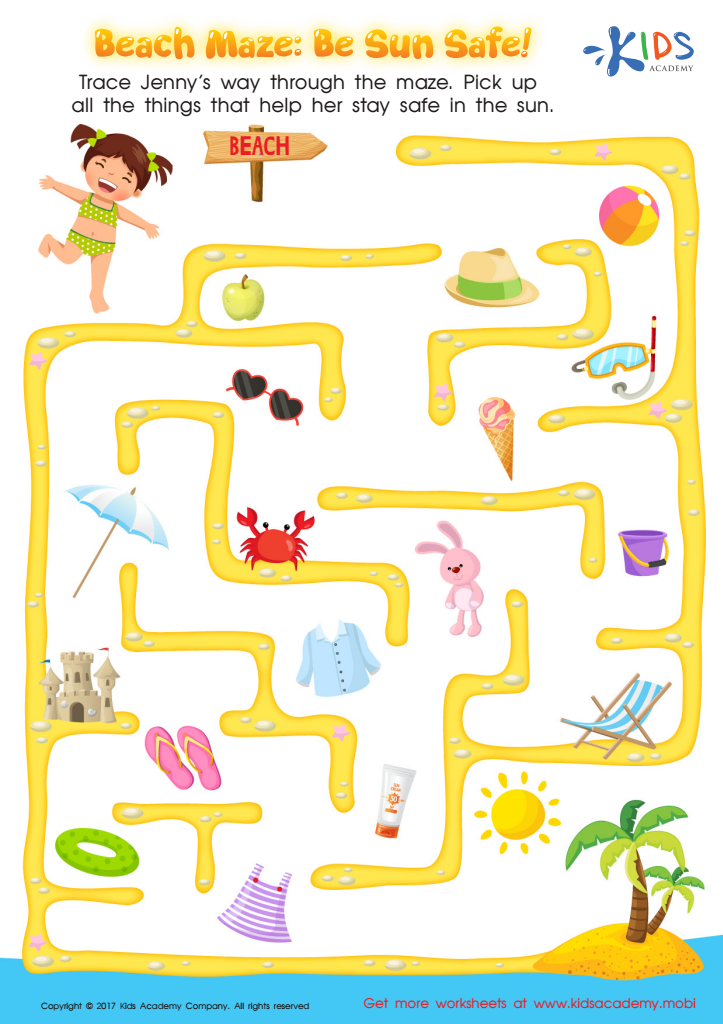
Beach Maze: Sun Safe Worksheet
Let's have fun in the sun! Use this worksheet to help guide your child - Jenny - through the maze and find the items she needs to stay safe. Your child will learn more about sun safety while they think through the maze and protect their skin.
Beach Maze: Sun Safe Worksheet
Worksheet
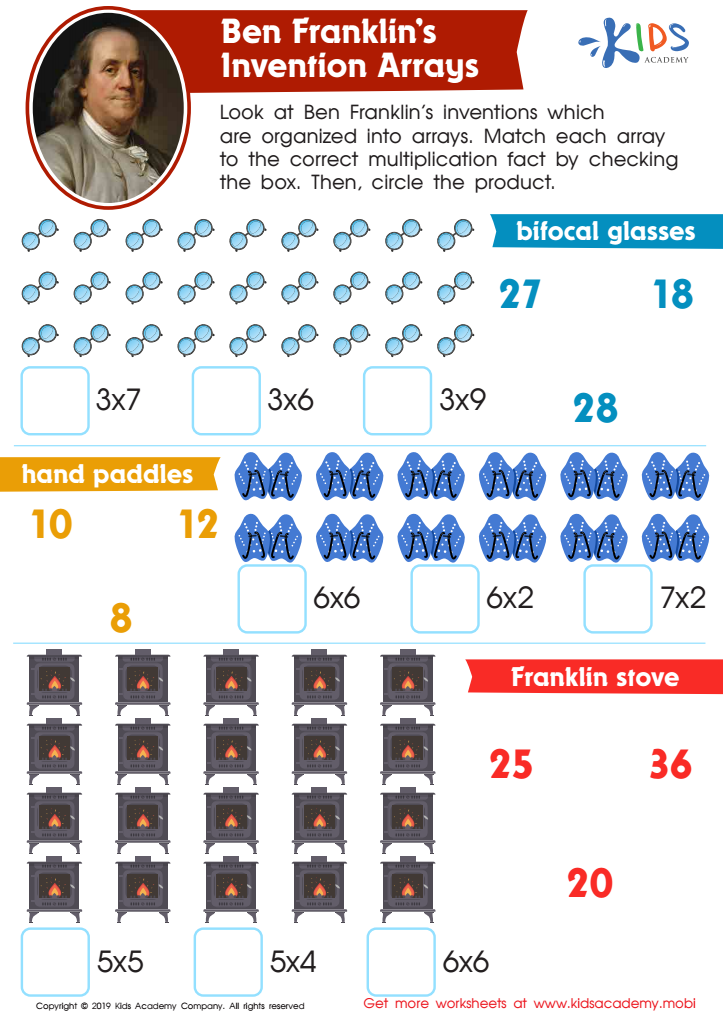
Ben Franklin’s Invention Arrays Worksheet
Have your child guess some of the inventors of the popular items we use today. For instance, the light bulb was invented by Thomas Edison. Look at Ben Franklin's inventions and help your kids match the arrays to the correct multiplication fact. Check the box and circle the product.
Ben Franklin’s Invention Arrays Worksheet
Worksheet
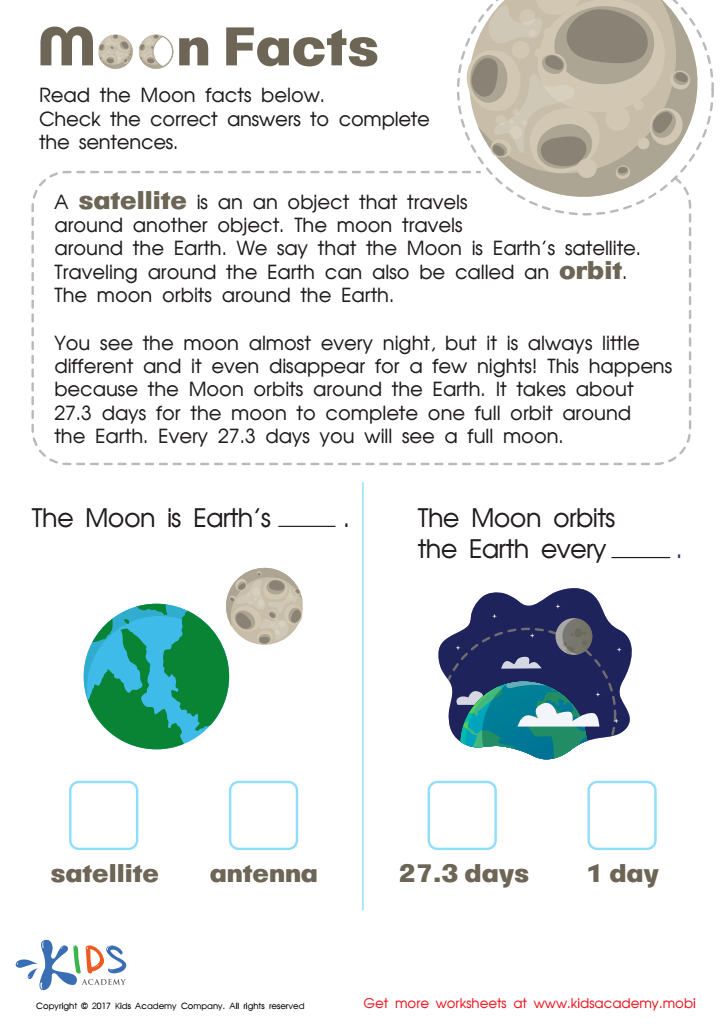
Moon Facts Worksheet
This worksheet challenges your child's reading comprehension. They'll learn all about satellites and the moon's orbit, observing the moon's fascinating phases!
Moon Facts Worksheet
Worksheet
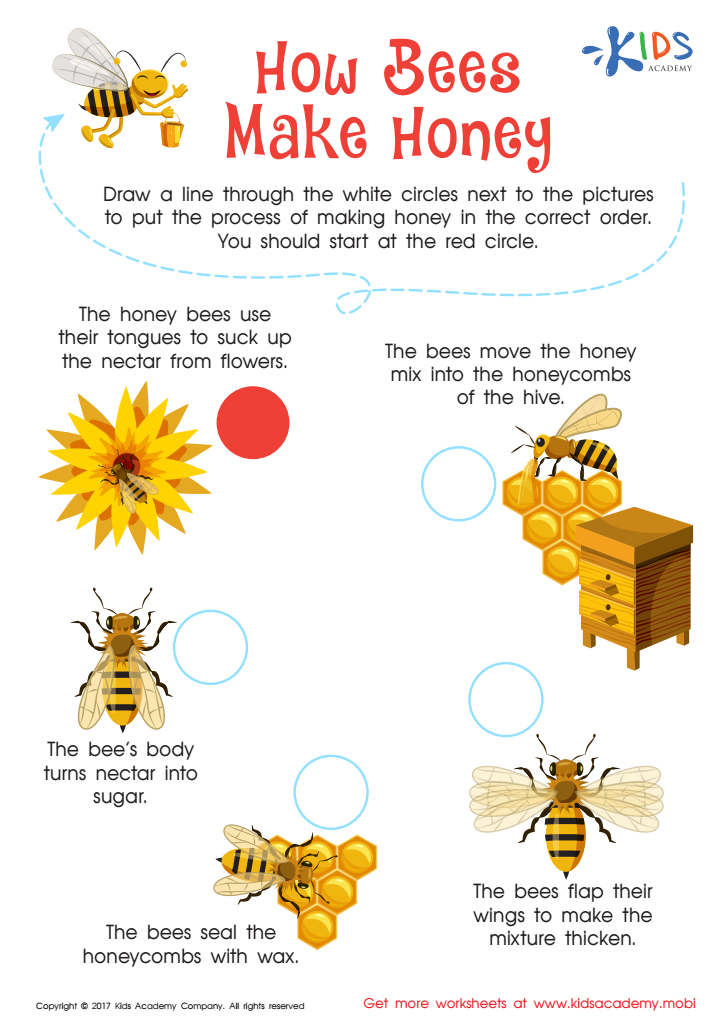
Honey Bee Worksheet
Kids learn about life science and the process of making honey with this sweet honeybee worksheet for 3rd grade. They identify the steps bees take and put the cycle in order, developing knowledge and appreciation for honeybees!
Honey Bee Worksheet
Worksheet
Join Kids Academy for Free
Who is primarily going to use this learning content?







Vocabulary development is crucial for 8-year-olds, particularly in the context of science, as it plays a foundational role in their overall learning and comprehension. When children expand their vocabulary, they enhance their ability to understand scientific concepts and communicate findings effectively. At this age, children begin to encounter more complex terms and ideas related to various scientific topics, from ecosystems to bodily functions.
A robust vocabulary allows children to formulate questions, articulate observations, and engage in discussions about their scientific explorations, promoting critical thinking. Additionally, vocabulary development aids in reading comprehension; understanding science texts becomes smoother, fostering a genuine interest in the subject.
For parents and teachers, prioritizing vocabulary development in science can significantly impact a child's academic success and self-confidence. Engaging in activities like reading science-related books, using visual aids, and incorporating practical experiments can enhance learning while stimulating curiosity about the world around them.
Ultimately, investing in vocabulary development creates a strong foundation for future learning, ensuring that children become well-rounded, informed individuals who can navigate and contribute to a scientifically literate society. Thus, supporting vocabulary growth is essential for cultivating the next generation of thinkers and innovators in science.







