
Vocabulary development Life Science Worksheets for 8-Year-Olds
3 filtered results
Difficulty Level
Grade
Age
-
From - To
Subject
Activity
Standards
Enhance your child's scientific vocabulary with our Life Science Worksheets specially designed for 8-year-olds. At Kids Academy, our printable worksheets focus on key life science concepts and terms, promoting comprehension and retention. Students will engage in diverse exercises that explore ecosystems, wildlife, plants, and more, making learning both fun and educational. Ideal for use in classrooms or at home, these worksheets cater to different learning styles, ensuring every student can expand their vocabulary effectively. Spark curiosity and foster a love for science with our expertly crafted resources, aligned with educational standards. Download now and watch your child’s vocabulary flourish!
Favorites
With answer key
Interactive
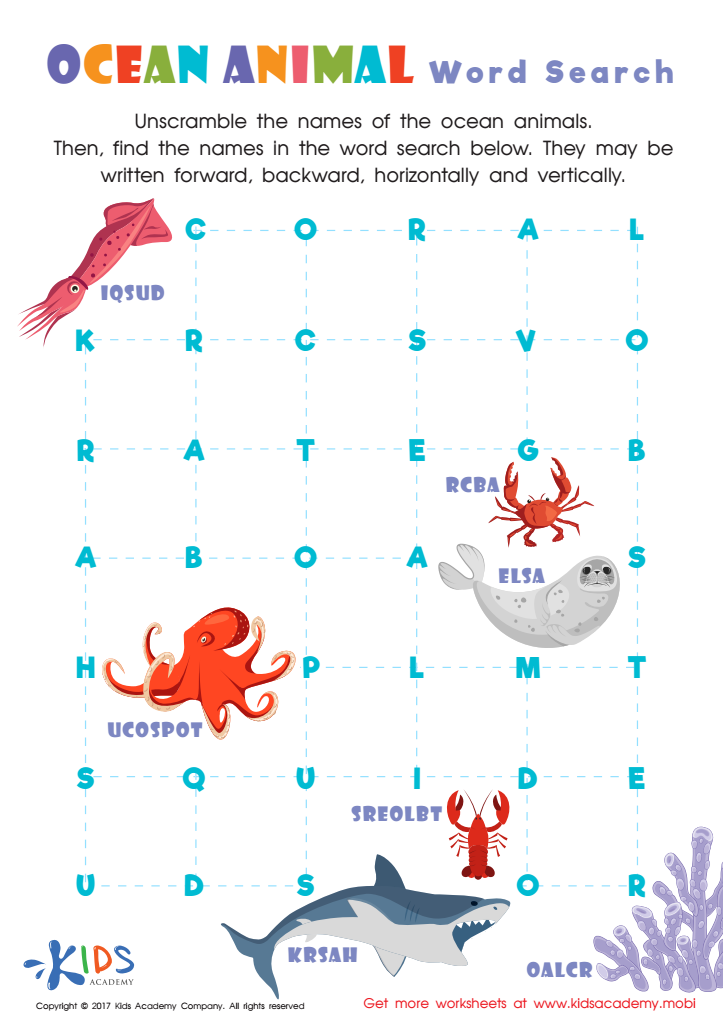
Ocean Animals Word Search Printable
Challenge your child to unscramble the names of ocean animals and find them in the word search. This ocean animals printable is a fun way to teach kids more about these fascinating creatures!
 Assign to My Students
Ocean Animals Word Search Printable
Worksheet
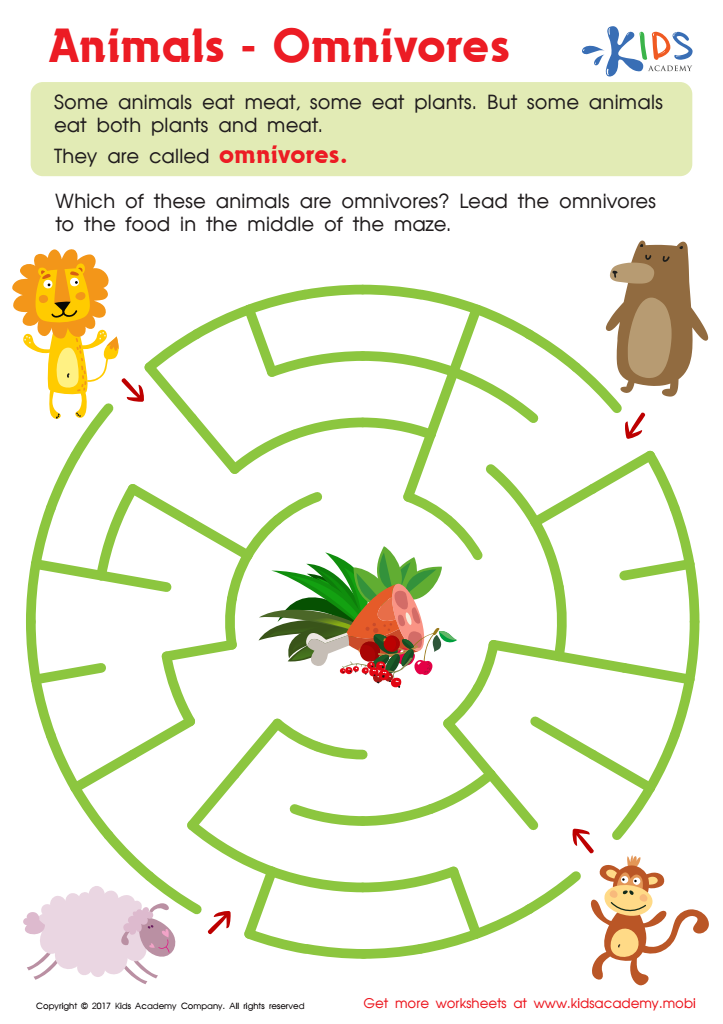
Omnivores Animals Worksheet
Kids can explore omnivores animals with this worksheet! It presents herbivores, carnivores and omnivores, with the main activity being a maze. Kids must guide a bear through it to get to its food. See how much they know about omnivores!
Omnivores Animals Worksheet
Worksheet
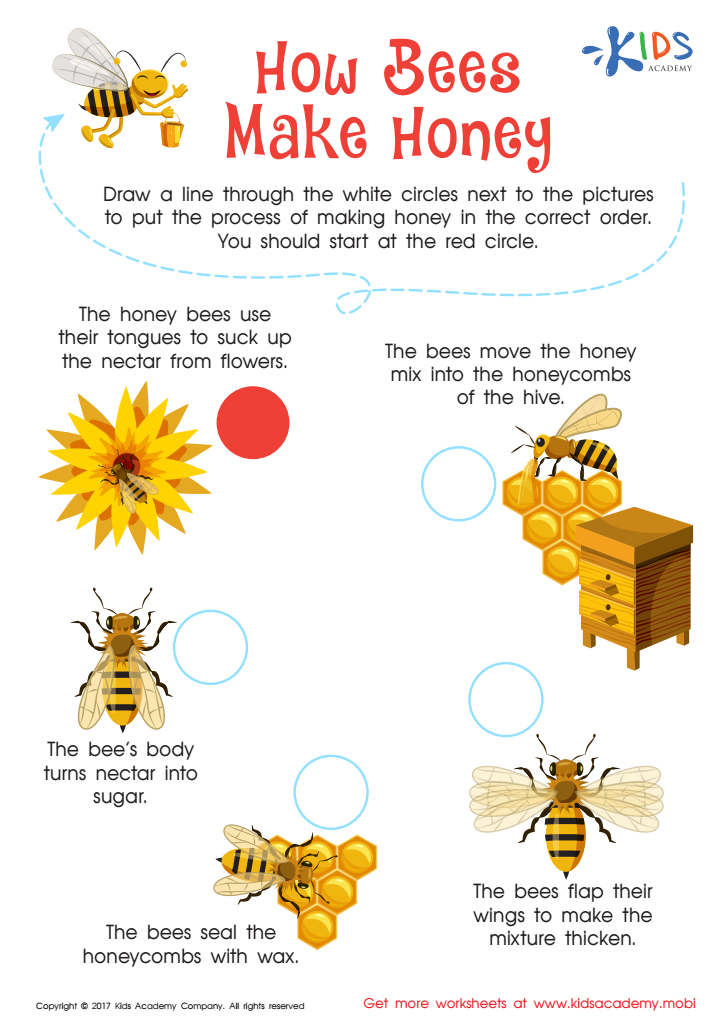
Honey Bee Worksheet
Kids learn about life science and the process of making honey with this sweet honeybee worksheet for 3rd grade. They identify the steps bees take and put the cycle in order, developing knowledge and appreciation for honeybees!
Honey Bee Worksheet
Worksheet
Join Kids Academy for Free
Who is primarily going to use this learning content?







Parents and teachers should prioritize vocabulary development in life sciences for 8-year-olds because it lays a critical foundation for both academic success and lifelong learning. At this age, children are naturally curious and begin to explore the world around them, making it an ideal time to introduce scientific concepts. By expanding their vocabulary, children not only learn the terminology to describe these concepts but also enhance their ability to think critically and understand complex ideas.
A strong vocabulary in life sciences enables children to engage with their environment more effectively. For instance, understanding words like "photosynthesis," "ecosystem," and "habitat" enriches their comprehension of how plants grow, animals live, and ecosystems function. This foundational knowledge is crucial as they progress to more advanced topics in science education.
Moreover, vocabulary development fosters improved reading comprehension and communication skills. When children encounter new scientific terms in texts or discussions, they are better equipped to grasp the subject matter and participate actively. This also boosts their confidence and encourages a positive attitude toward learning.
Ultimately, focusing on vocabulary development in life sciences helps cultivate curious, knowledgeable, and well-rounded individuals. It's an investment not just in their academic future but in their ability to understand and appreciate the natural world, inspiring a lifelong passion for discovery.








