Vocabulary expansion Plants and Animals Worksheets for 8-Year-Olds
8 filtered results
-
From - To
Explore our engaging Vocabulary Expansion: Plants and Animals Worksheets designed specifically for 8-year-olds! These dynamic resources enrich students’ language skills while cultivating their understanding of the natural world. By integrating key concepts related to plants and animals, children will enhance their vocabulary with relevant terms, improving reading comprehension and communication. Our interactive worksheets promote critical thinking and creativity, making learning enjoyable and effective. Ideal for classroom use or at-home practice, each worksheet is designed to captivate young learners’ interests in science. Unlock the fascinating world of nature while building essential vocabulary skills to support academic success! Join us on this learning adventure!
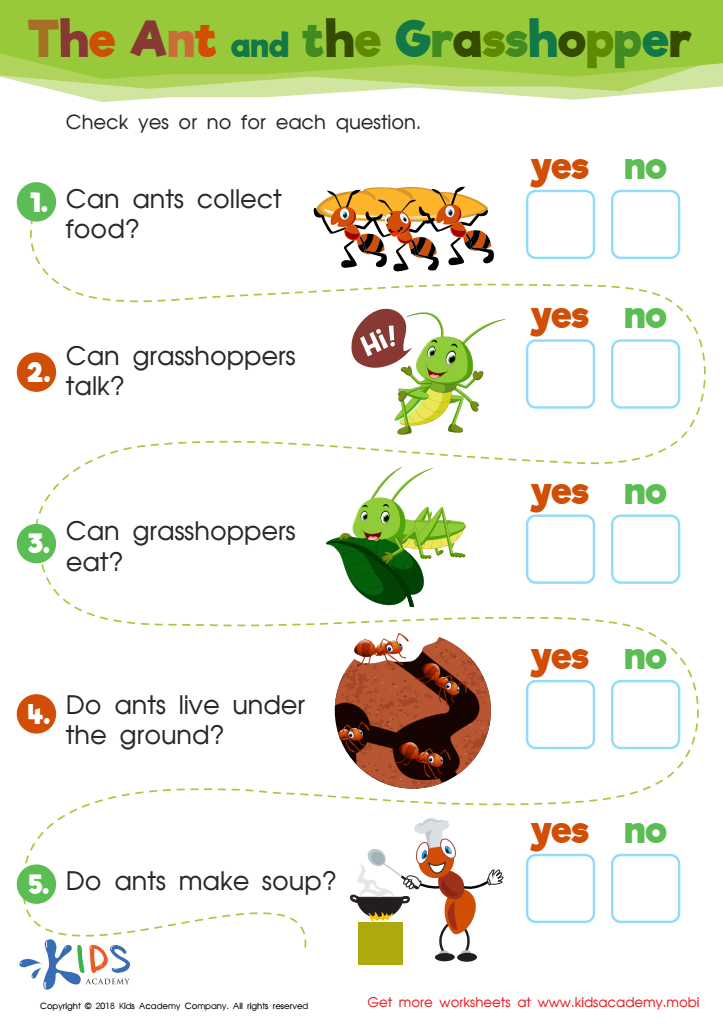
The Ant and The Grasshopper Worksheet
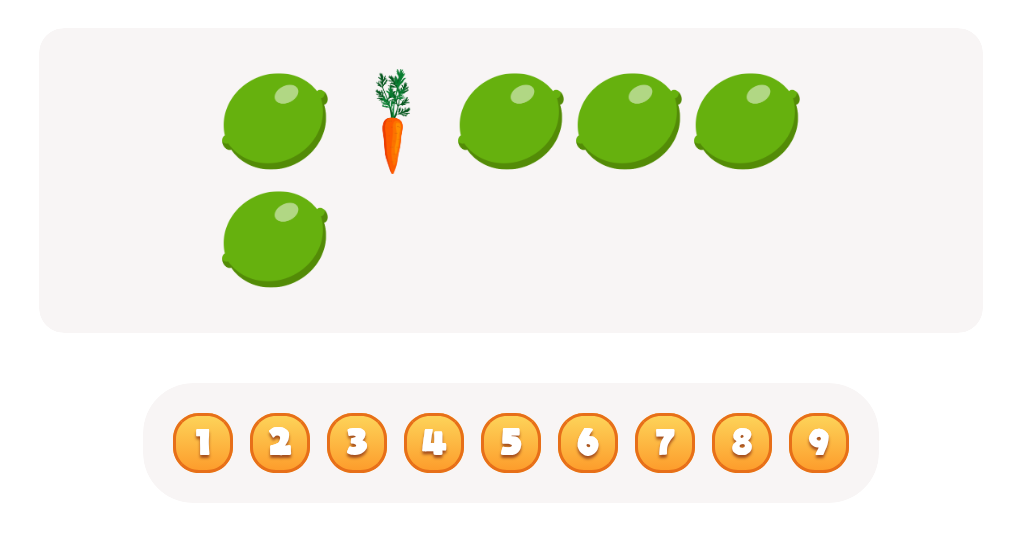

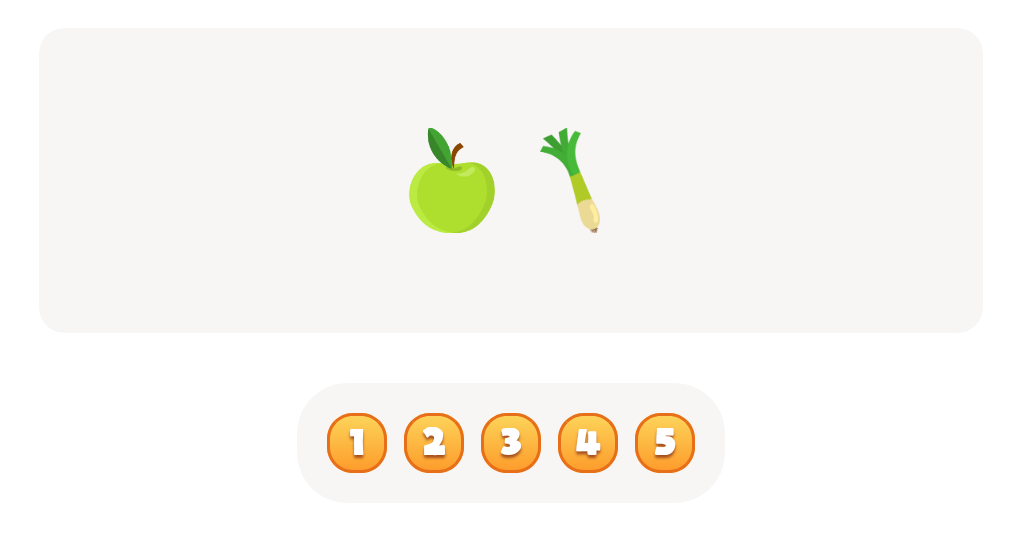
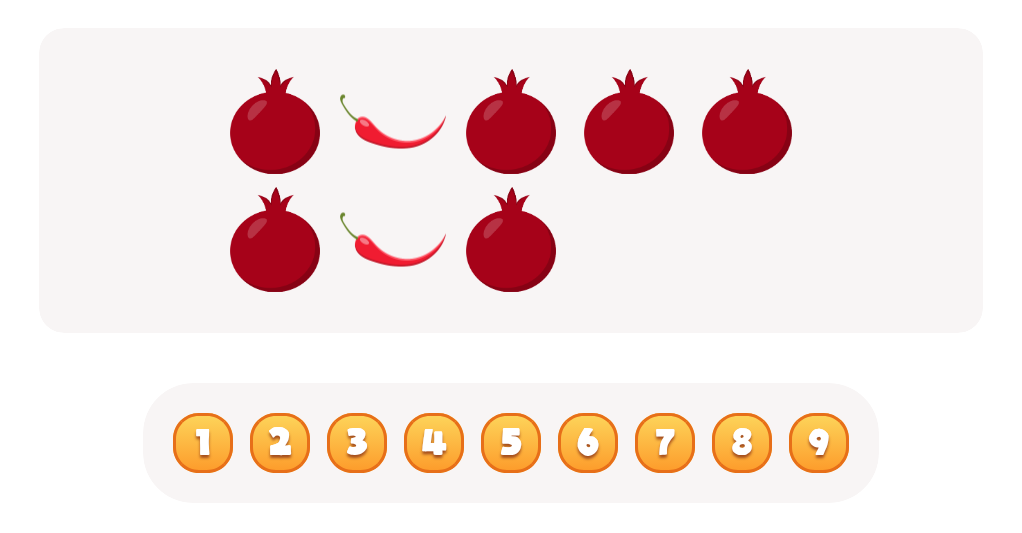
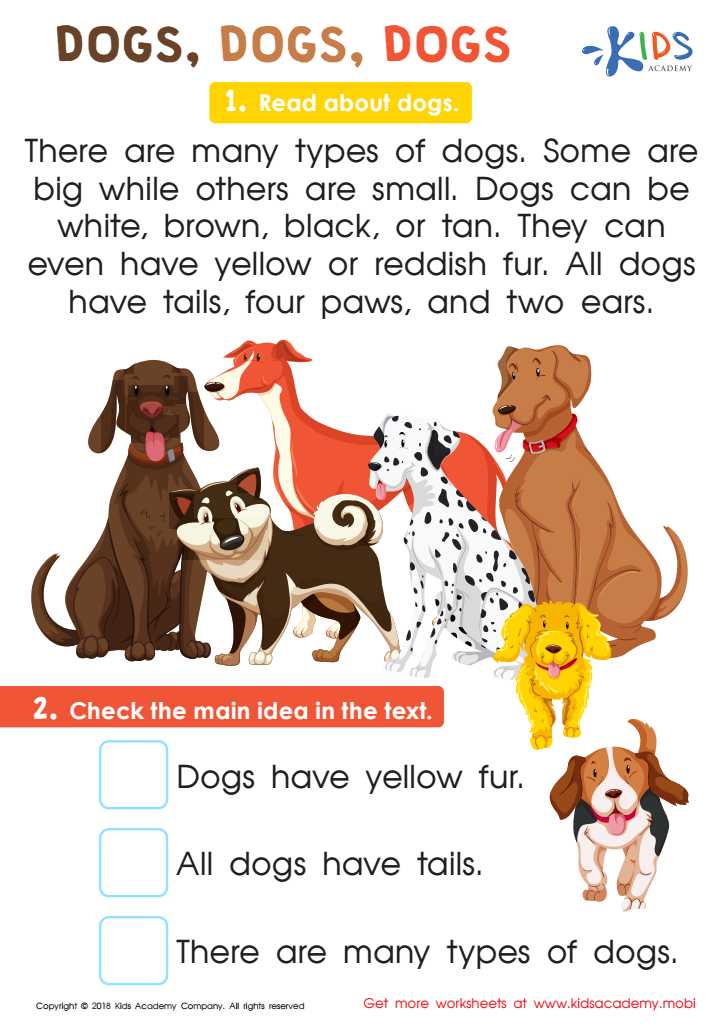
Dogs, Dogs Worksheet
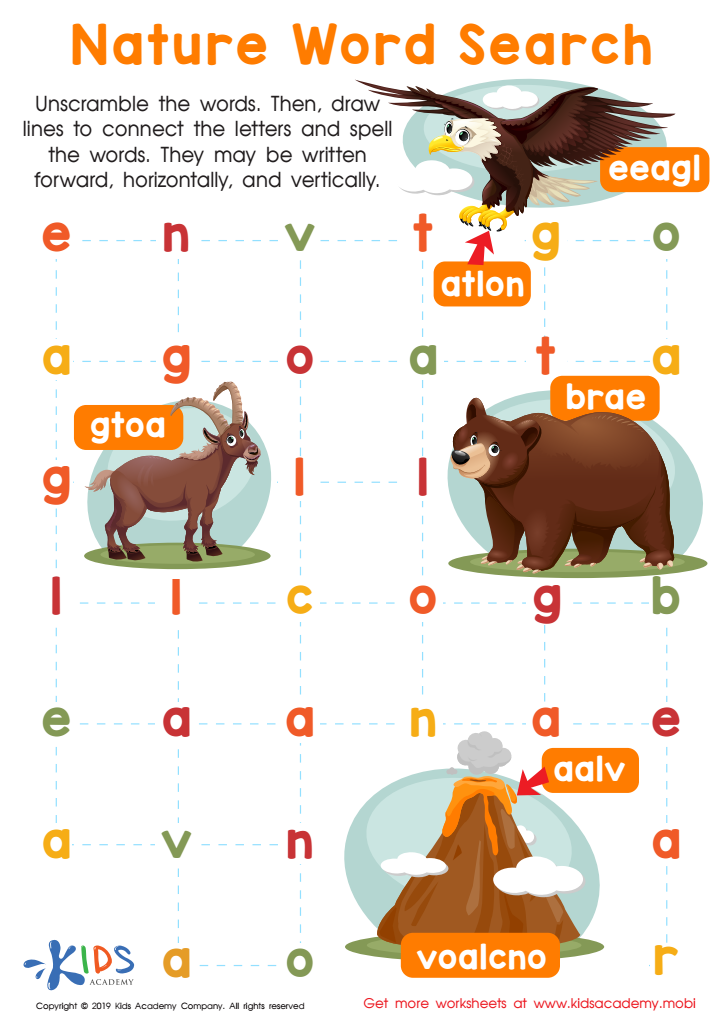
Nature Word Search Worksheet
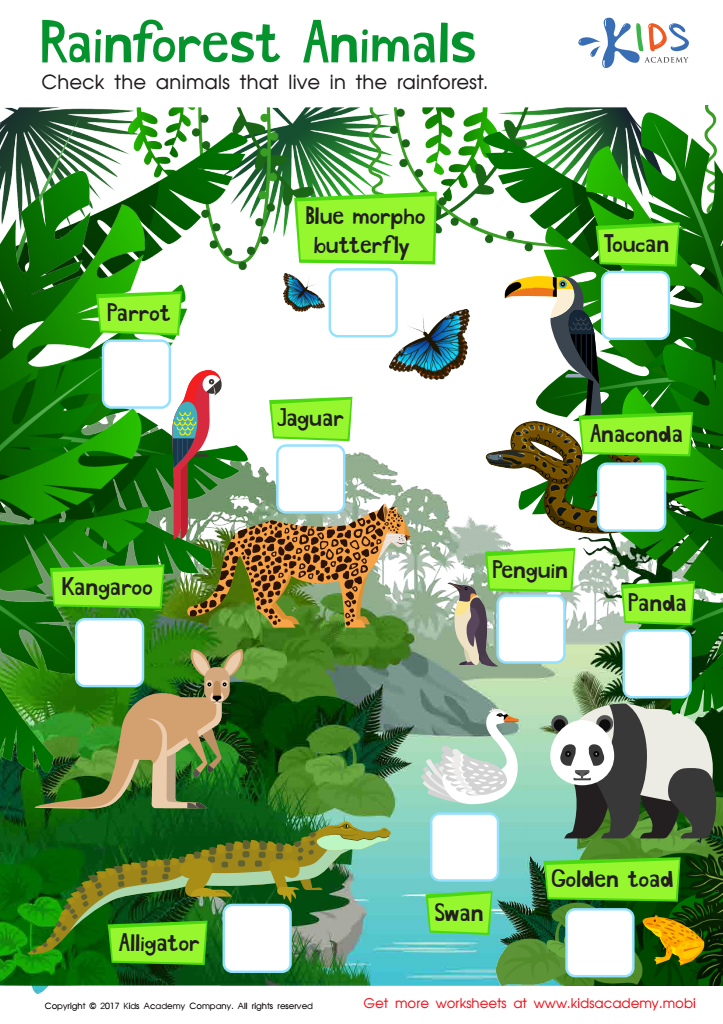
Rainforest Animals Worksheet
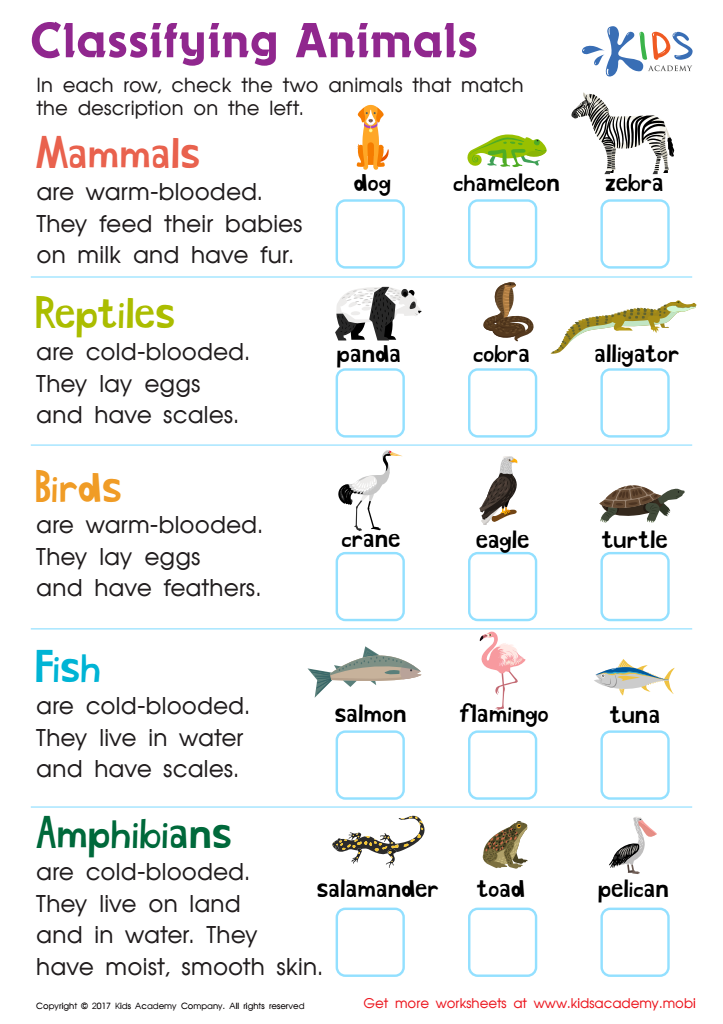
Classifying Animals Worksheet
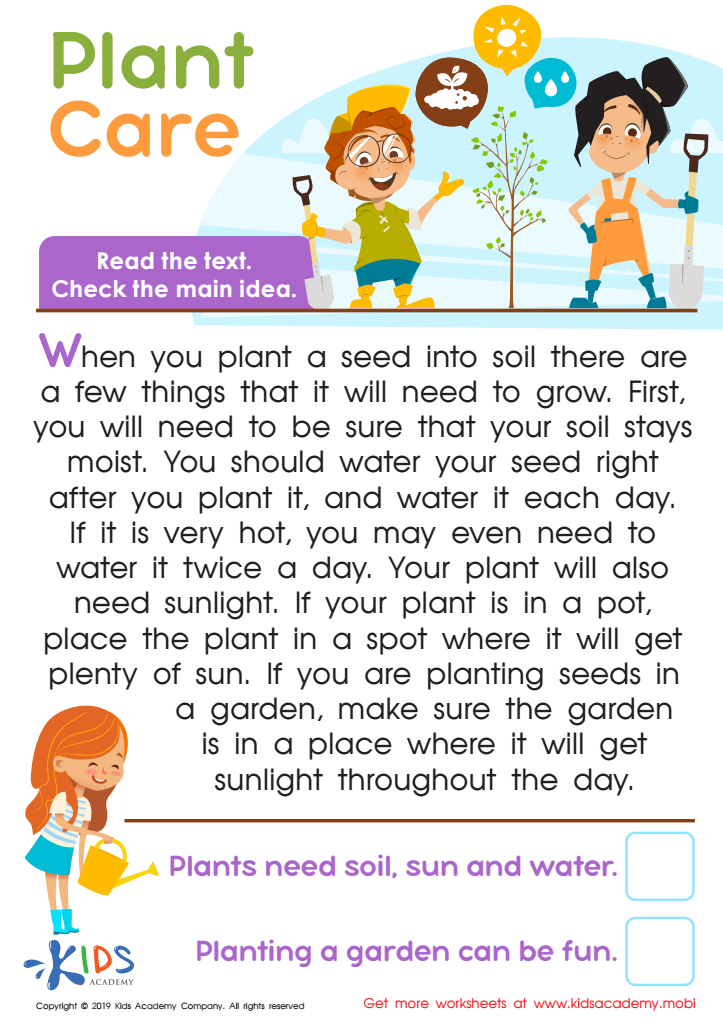
Plant Care Worksheet
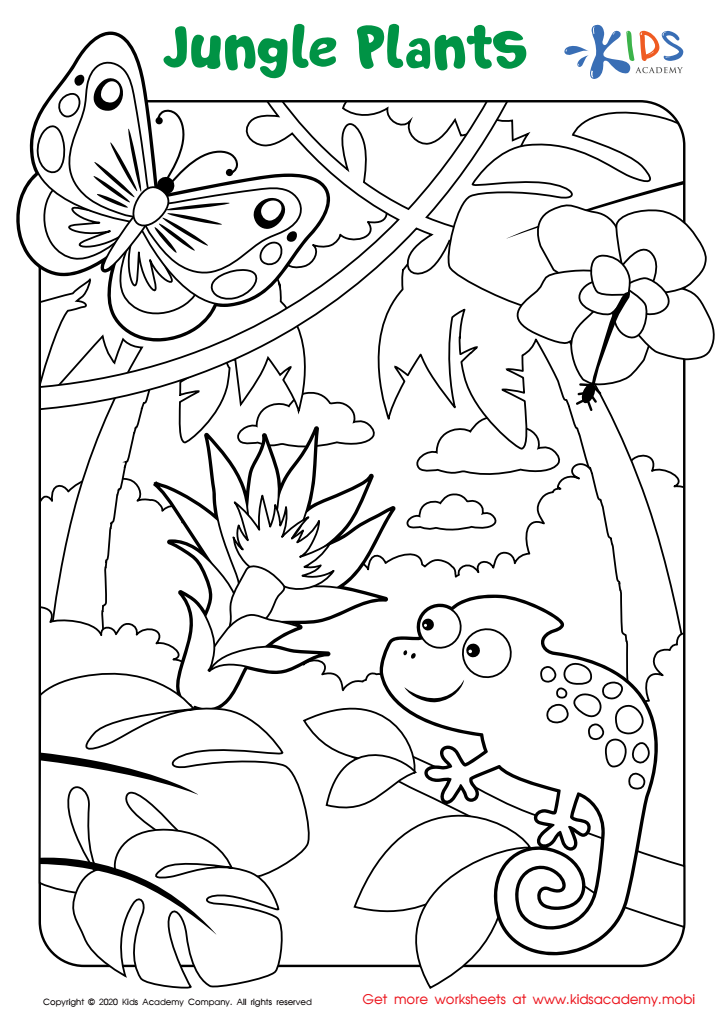
Jungle Plants Worksheet
 Assign to My Students
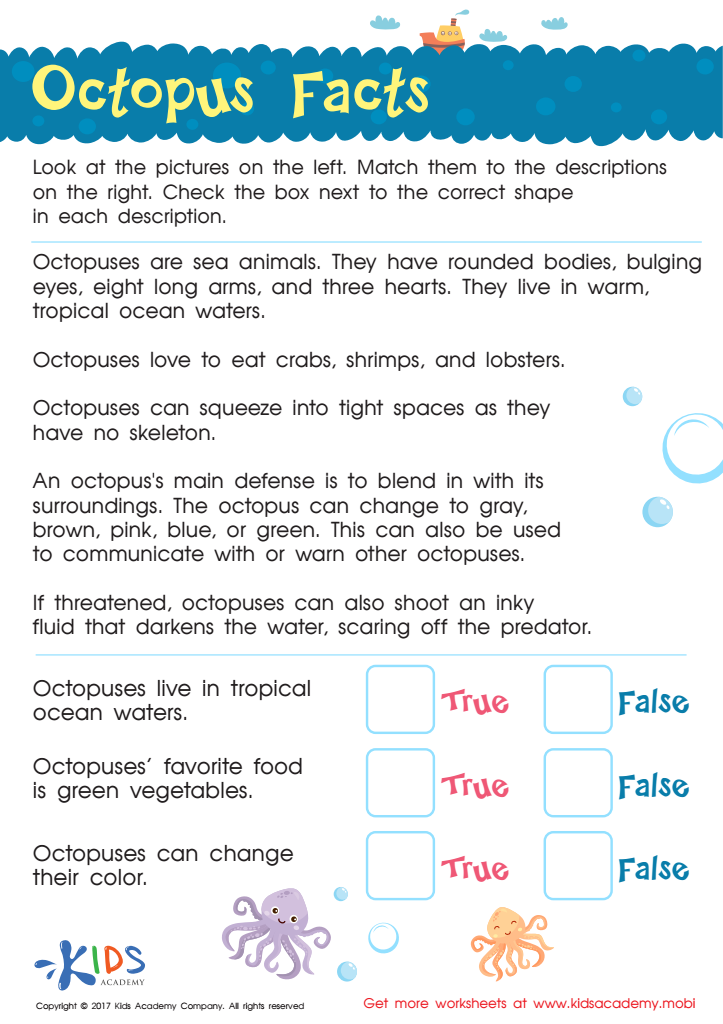
Octopus Facts Worksheet For Kids







Vocabulary expansion in the context of plants and animals is crucial for 8-year-olds for several reasons. First, this age group is at a key developmental stage where language acquisition accelerates, directly impacting their ability to communicate effectively. By enriching their vocabulary related to the natural world, children enhance their descriptive skills, allowing them to articulate observations and experiences more vividly.
Moreover, understanding terminology linked to plants and animals fosters a greater appreciation for biodiversity. This knowledge nurtures curiosity and sparks interest in environmental science and conservation efforts, essential topics in today’s world. A strong vocabulary enables children to engage with educational materials, ask questions, and participate in discussions about ecology, promoting critical thinking.
Teachers and parents play pivotal roles in this expansion process through nurturing exploration and providing opportunities for experiential learning, such as nature outings and interactive reading. Engaging in discussions regarding the morphology of plants and the behaviors of animals builds connections, enriching cognitive development.
Ultimately, enhancing vocabulary in this area not only supports academic development but also motivates young learners to become conscious global citizens, fostering a generation that values and protects the environment. Supporting vocabulary growth is thus an investment in both educational success and environmental stewardship.








