Color recognition Writing Worksheets for 8-Year-Olds
9 filtered results
-
From - To
Brighten up your child's learning journey with our Color Recognition Writing Worksheets designed for 8-year-olds! These engaging worksheets flawlessly merge color identification with handwriting practice, enhancing cognitive and motor skills while sparking creativity. Perfect for enriching school lessons or fun at-home activities, our resources align with educational standards. Kids will enjoy naming, sorting, and coloring various objects, all while refining their writing abilities. Easy to print and user-friendly, our worksheets make learning enjoyable and accessible. Foster a love for colors and develop essential skills with these delightful activities perfect for young learners.
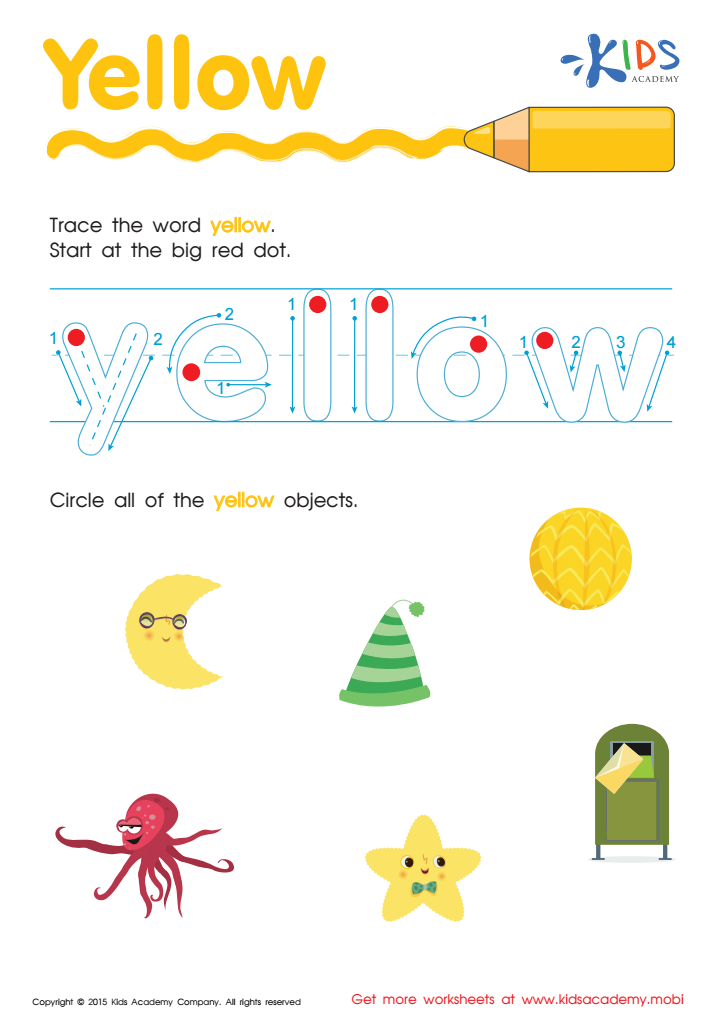
Yellow Tracing Color Words Worksheet
 Assign to My Students
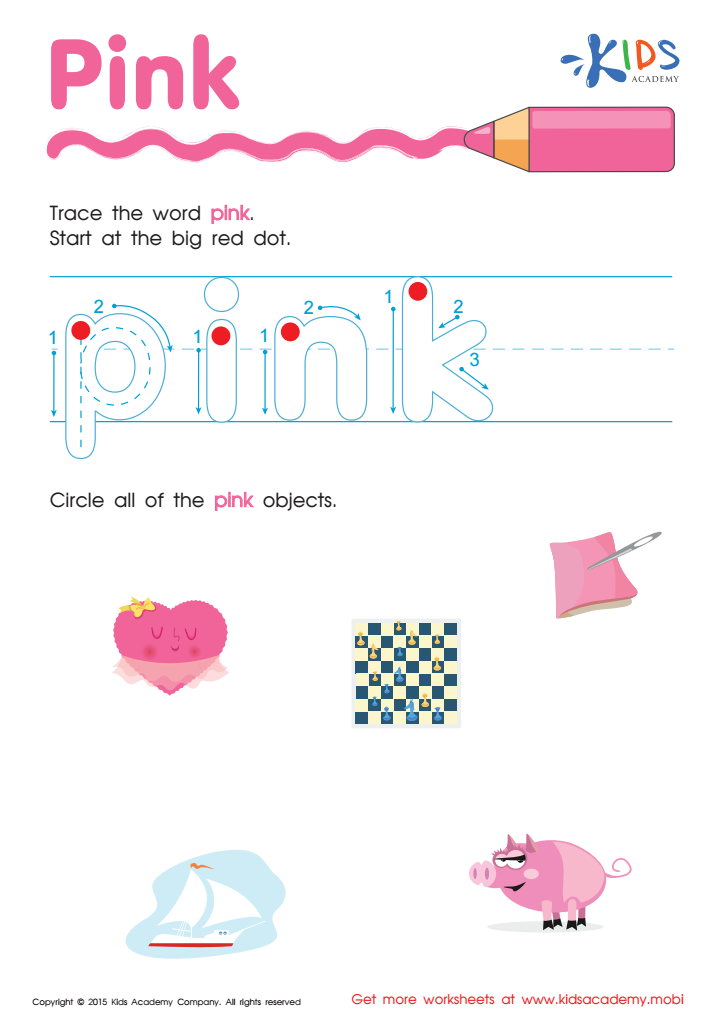
Pink Tracing Color Words Worksheet
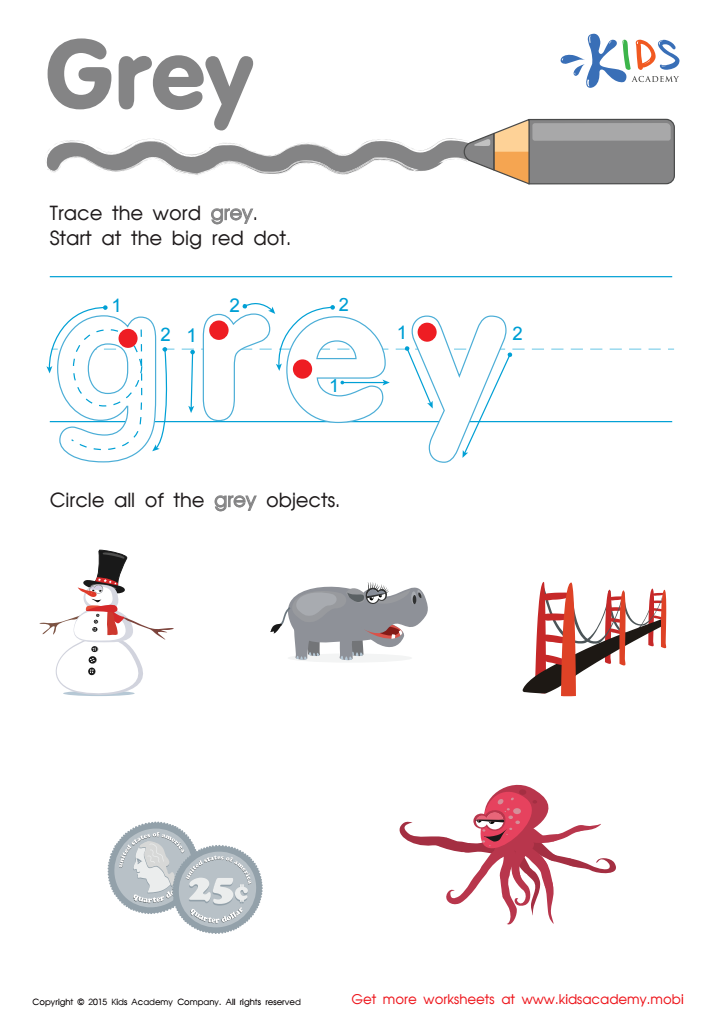
Grey Tracing Color Words Worksheet
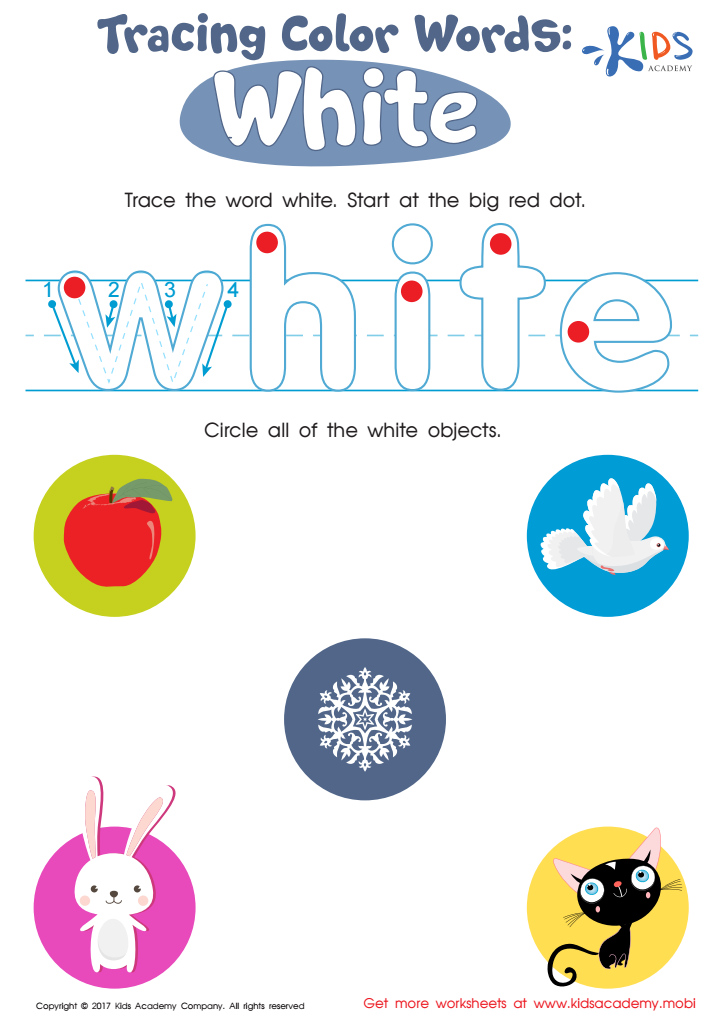
White Tracing Color Words Worksheet
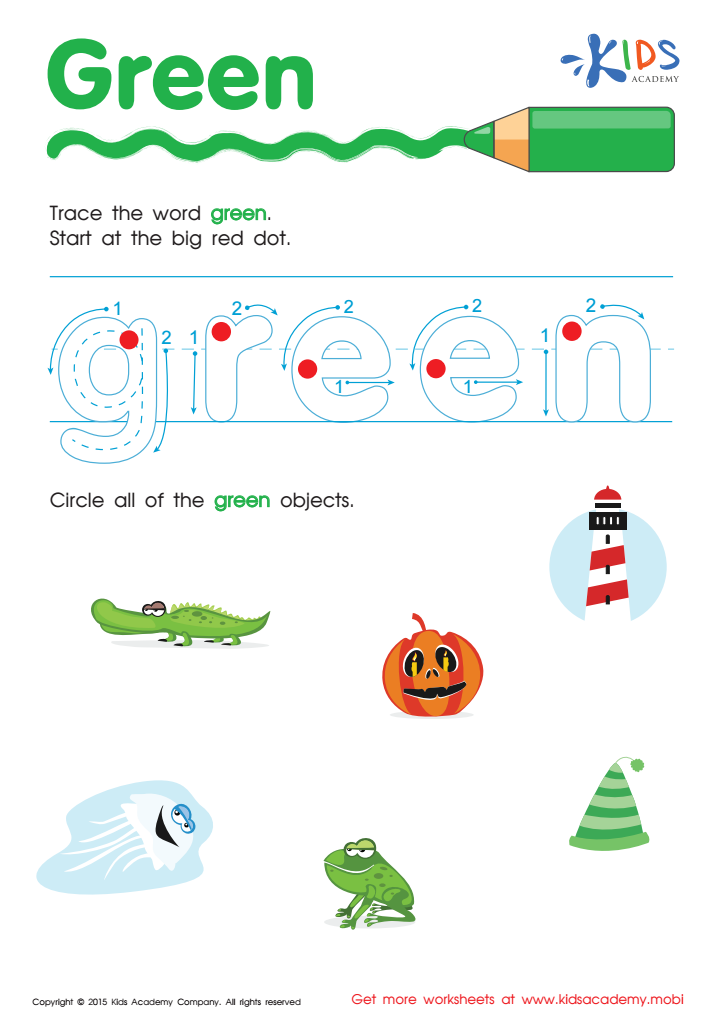
Green Tracing Color Words Worksheet
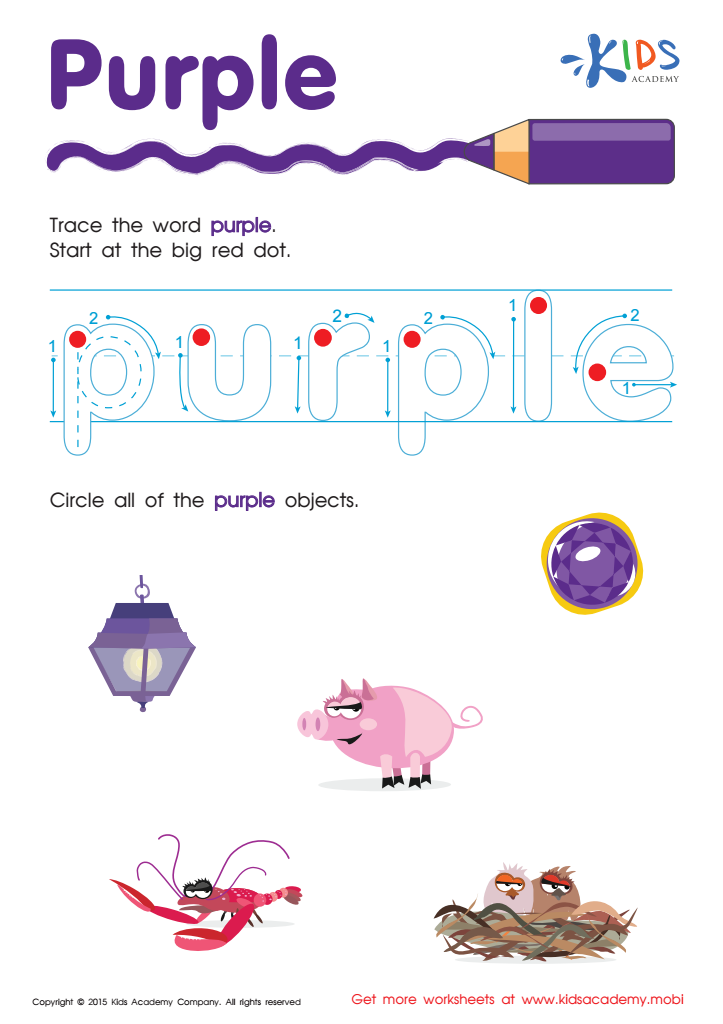
Purple Tracing Color Words Worksheet
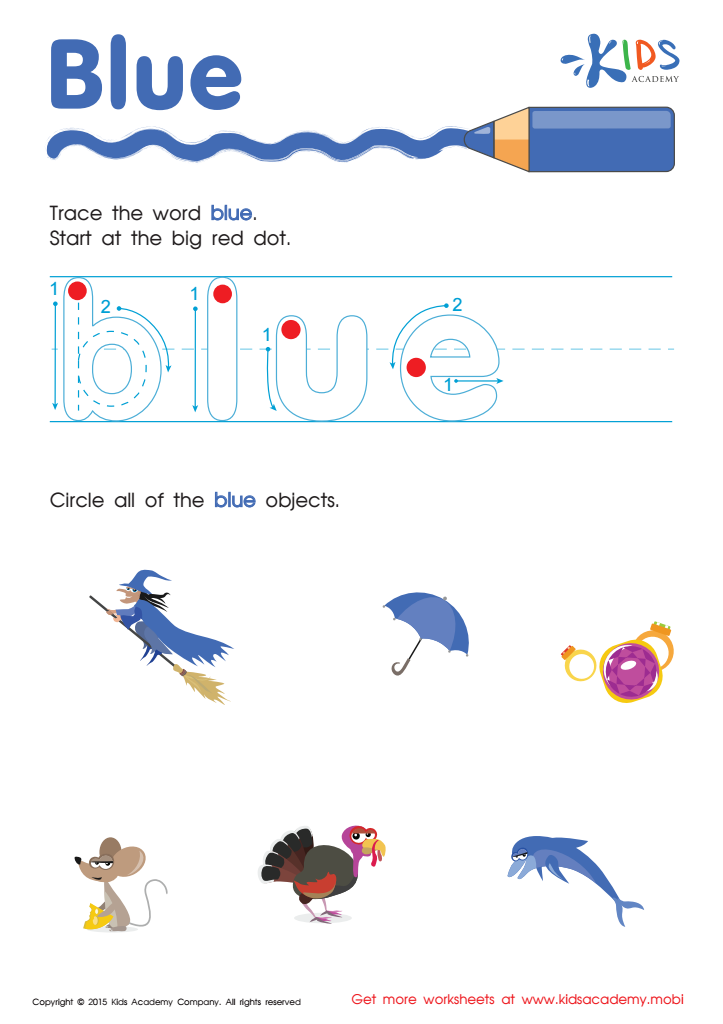
Blue Tracing Color Words Printable
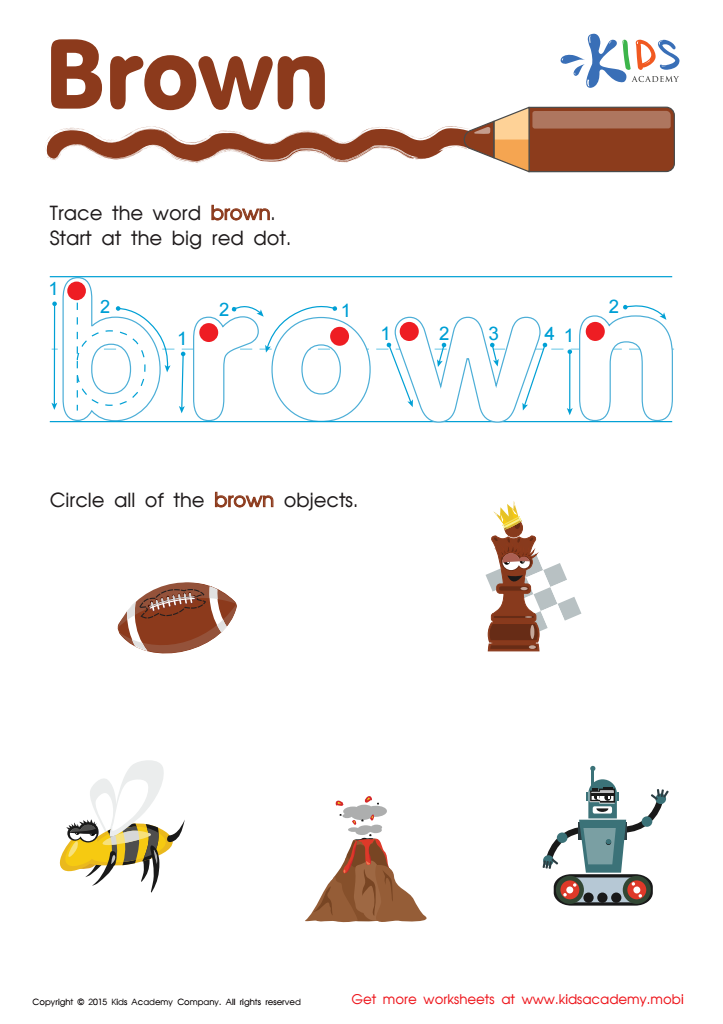
Brown Tracing Color Words Worksheet
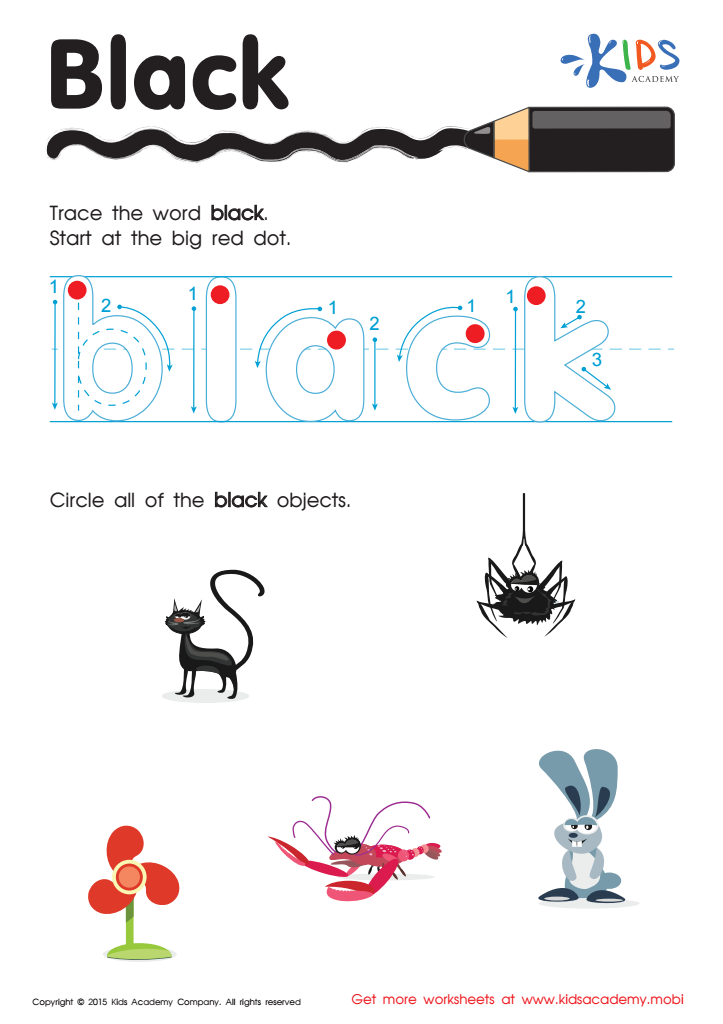
Black Tracing Color Words Printable








Parents and teachers should care about color recognition and writing for 8-year-olds as these skills play a vital role in holistic child development. Color recognition enhances cognitive development by enabling children to categorize, differentiate, and compare various visual stimuli, which is foundational for higher-order thinking processes. It also plays a crucial role in subjects like math and science, where understanding charts, graphs, and diagrams is important.
On the other hand, writing is a critical communication skill. At this age, children transition from learning to write to writing to learn. Good writing skills boost academic success, aid in expressing thoughts clearly, and enhance reading comprehension, as writing experience helps solidify the understanding of language structure and vocabulary.
Together, color recognition and writing can promote creativity and engagement. Engaging children in activities that combine these skills, such as color-coded writing prompts or illustrative journaling, makes learning interactive and enjoyable. For example, using different colors for various parts of speech can make grammar lessons more visual and easier to grasp. Encouraging children to write about objects around them using colors stimulates both their descriptive abilities and their observational skills.
Conclusively, fostering these skills from an early age equips children with essential tools for academic achievement and personal expression, laying a strong foundation for future learning and growth.








