Fine Motor Skills Numbers Worksheets for 9-Year-Olds
19 filtered results
-
From - To
Enhance your child's fine motor skills with our engaging Fine Motor Skills Numbers Worksheets designed specifically for 9-year-olds! These worksheets offer a fun and educational way for kids to practice number formation, improve hand-eye coordination, and strengthen the muscles needed for writing efficiently. By combining numbers with creative activities like tracing, coloring, and puzzle-solving, our worksheets make learning enjoyable and effective. Perfect for classroom use or at-home practice, our resources help young learners develop precision and dexterity. Download today and give your child the tools they need to succeed in math and beyond!
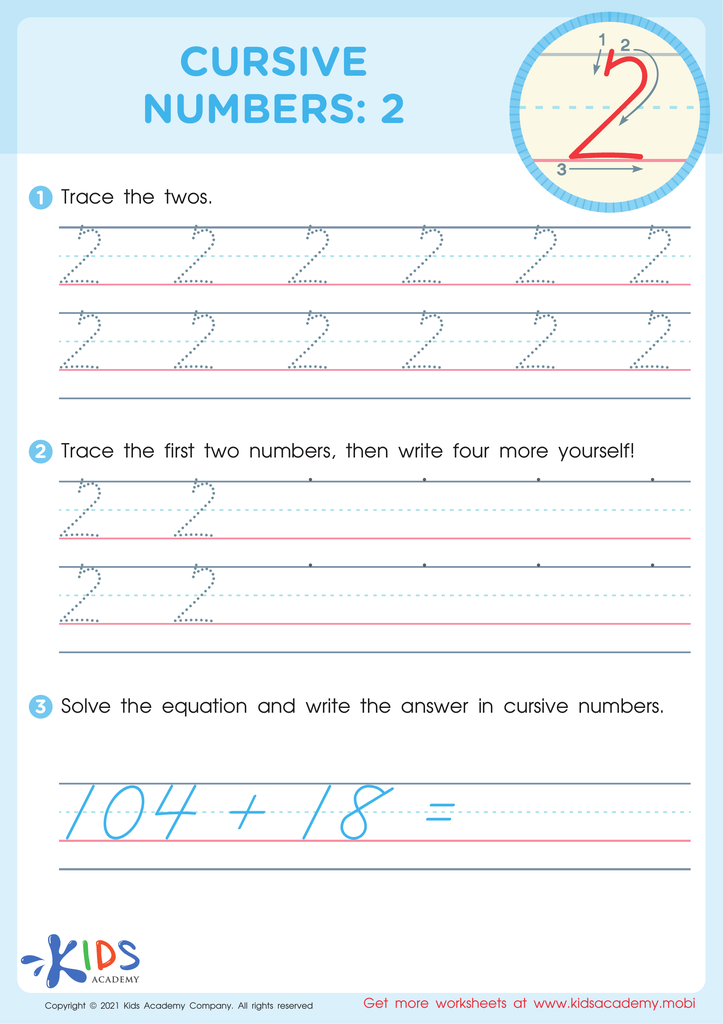
Cursive Numbers: 2 Worksheet
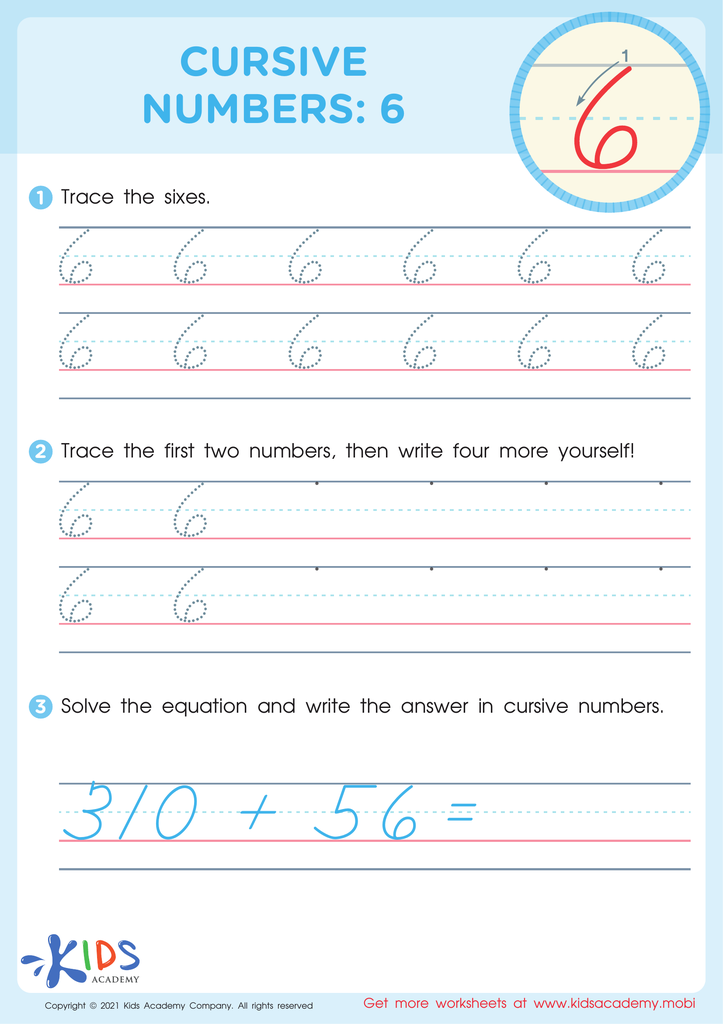
Cursive Numbers: 6 Worksheet
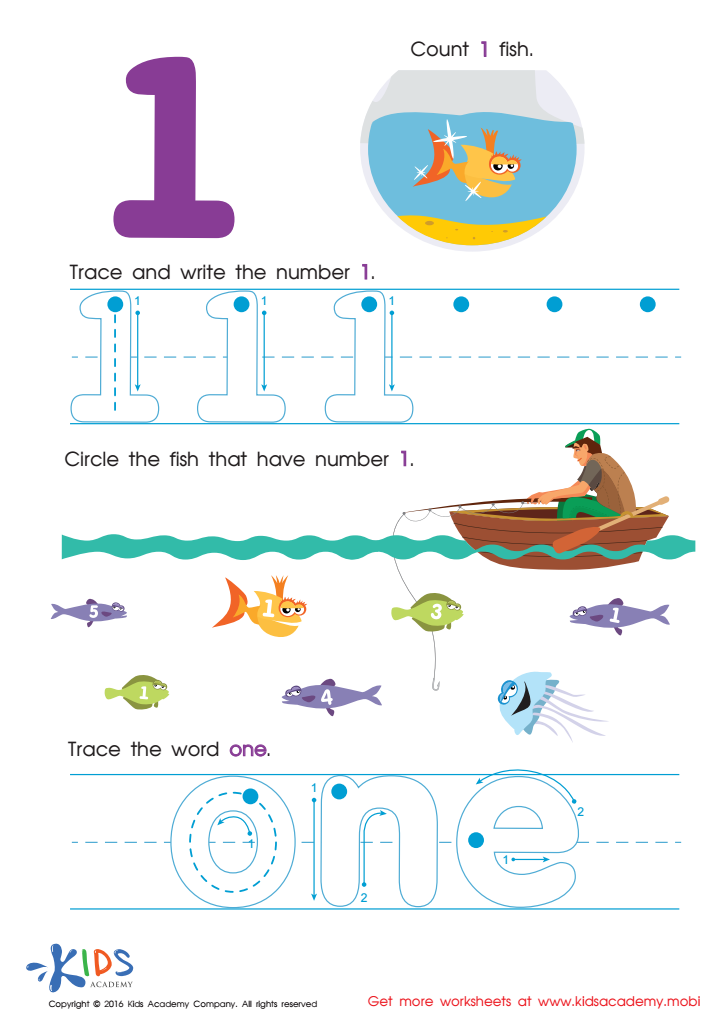
Learning to Write 1 Worksheet
 Assign to My Students
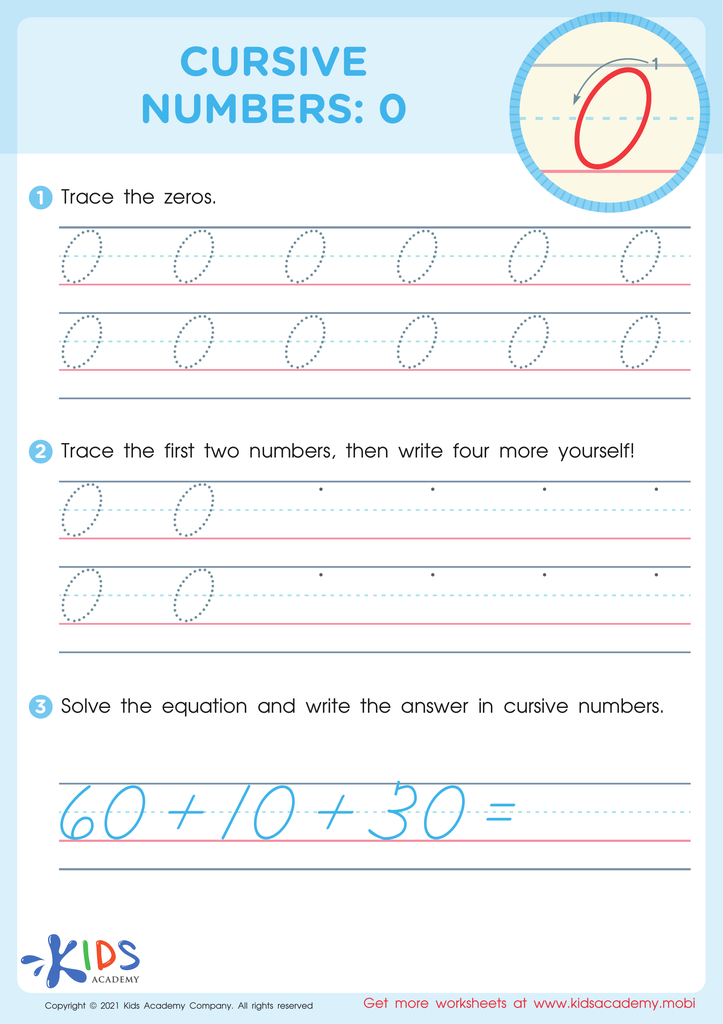
Cursive Numbers: 0 Worksheet
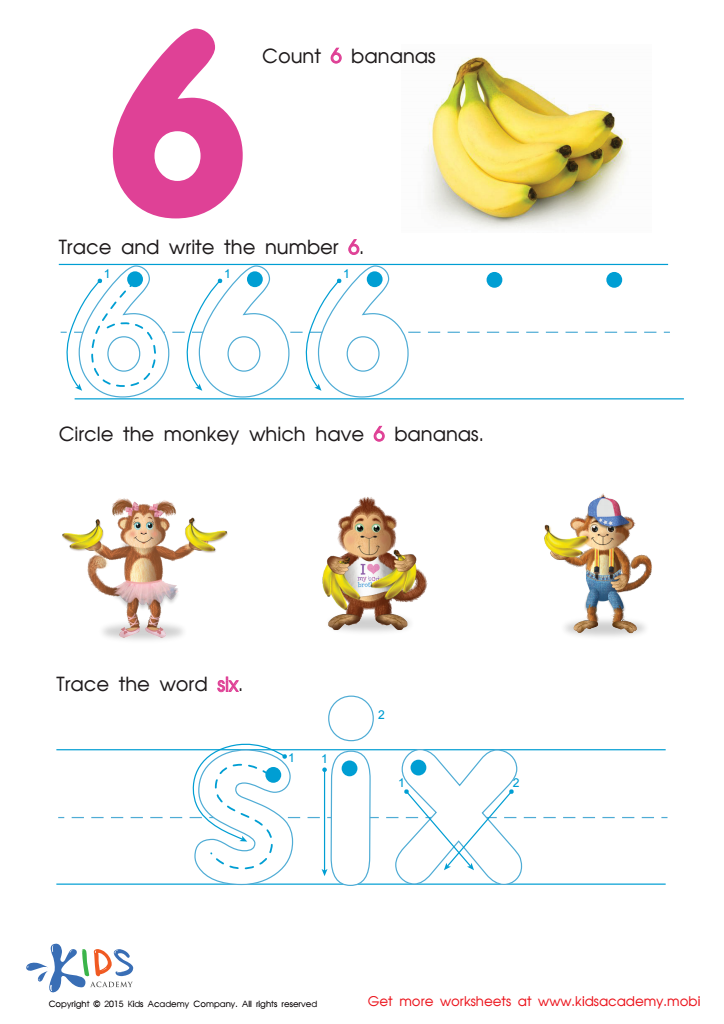
Tracing And Writing Number 6 Worksheet
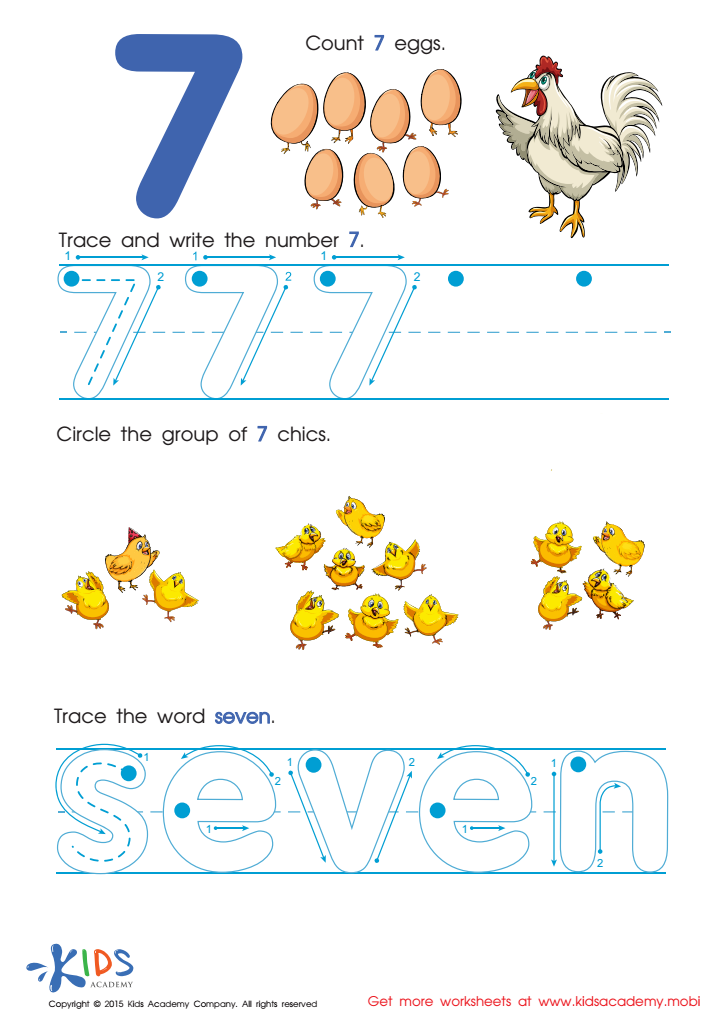
Trace And Write Number 7 with Fun Worksheet
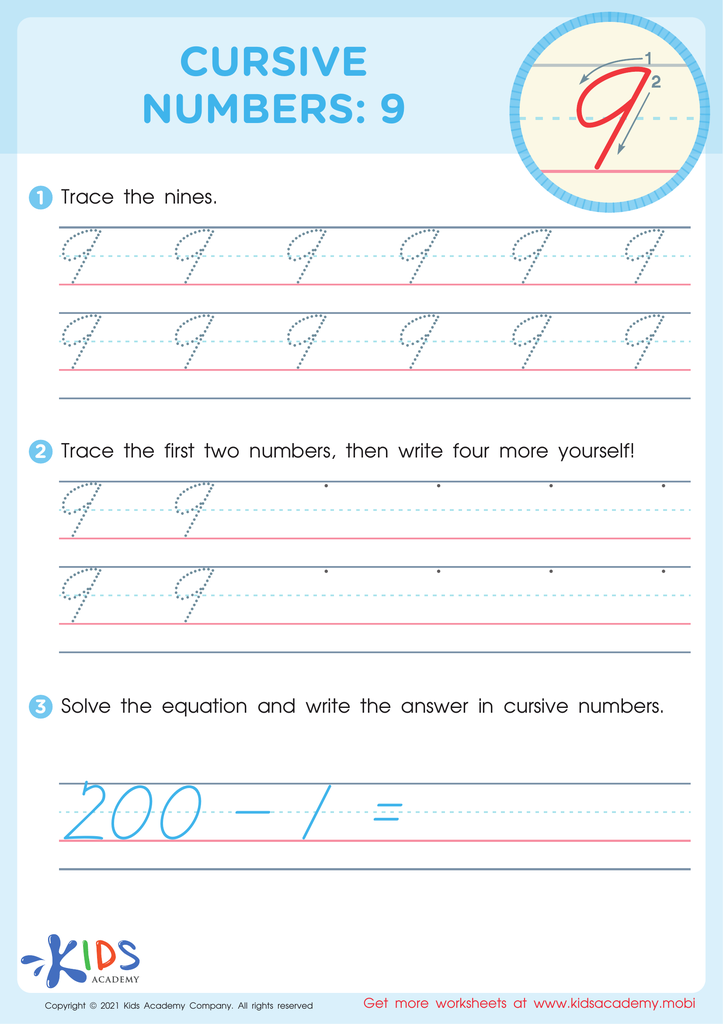
Cursive Numbers: 9 Worksheet
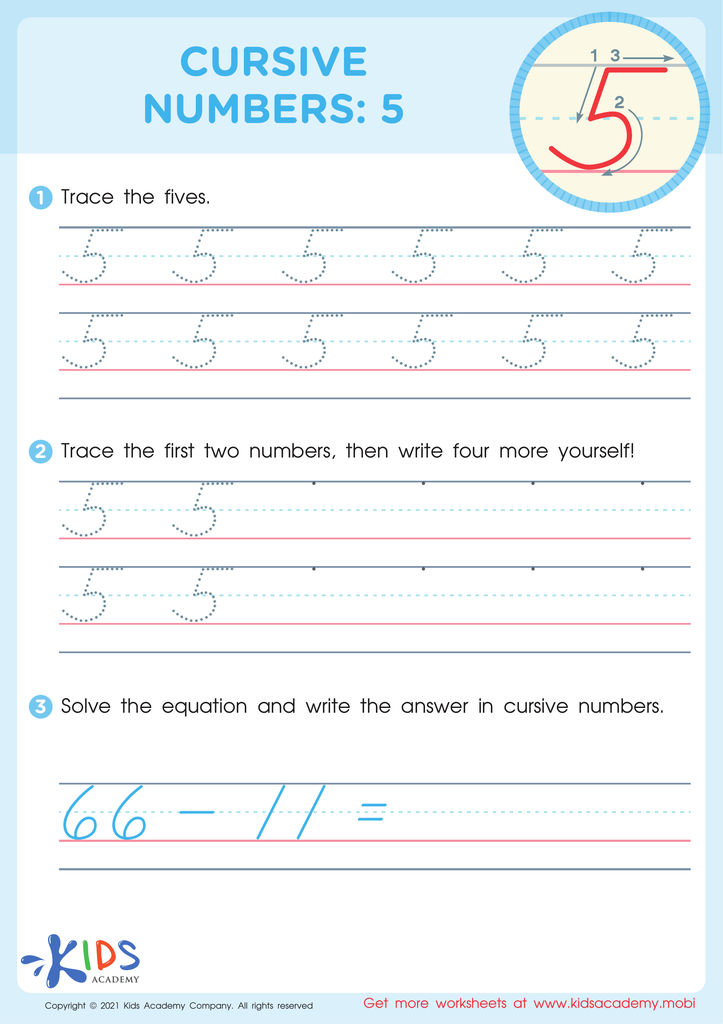
Cursive Numbers: 5 Worksheet
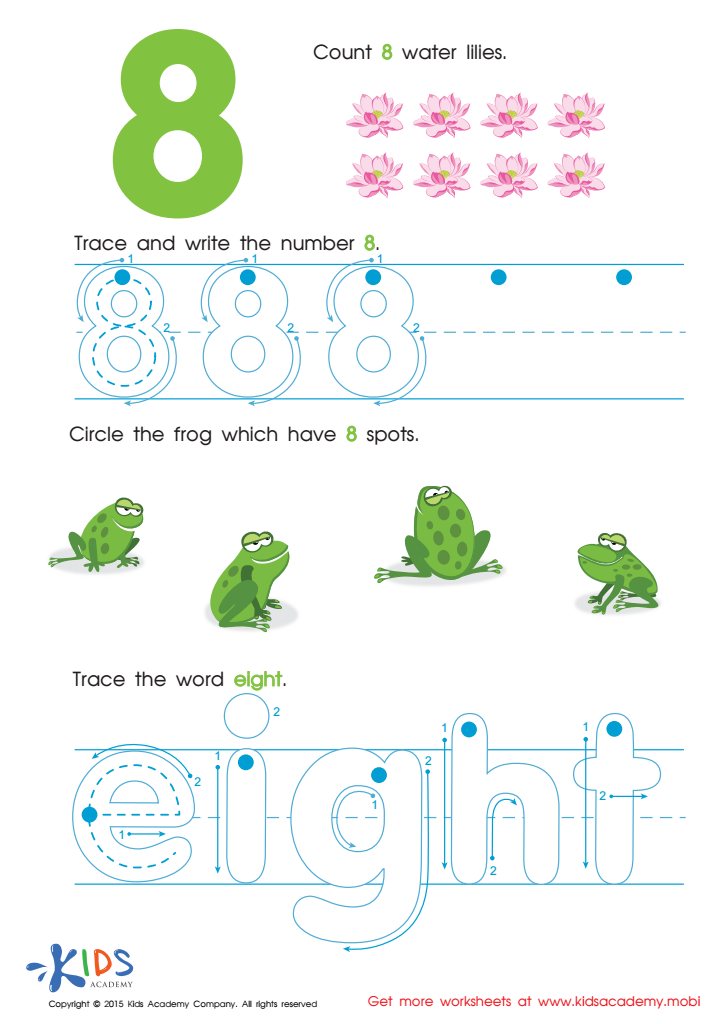
Learn Number 8 Easily Worksheet
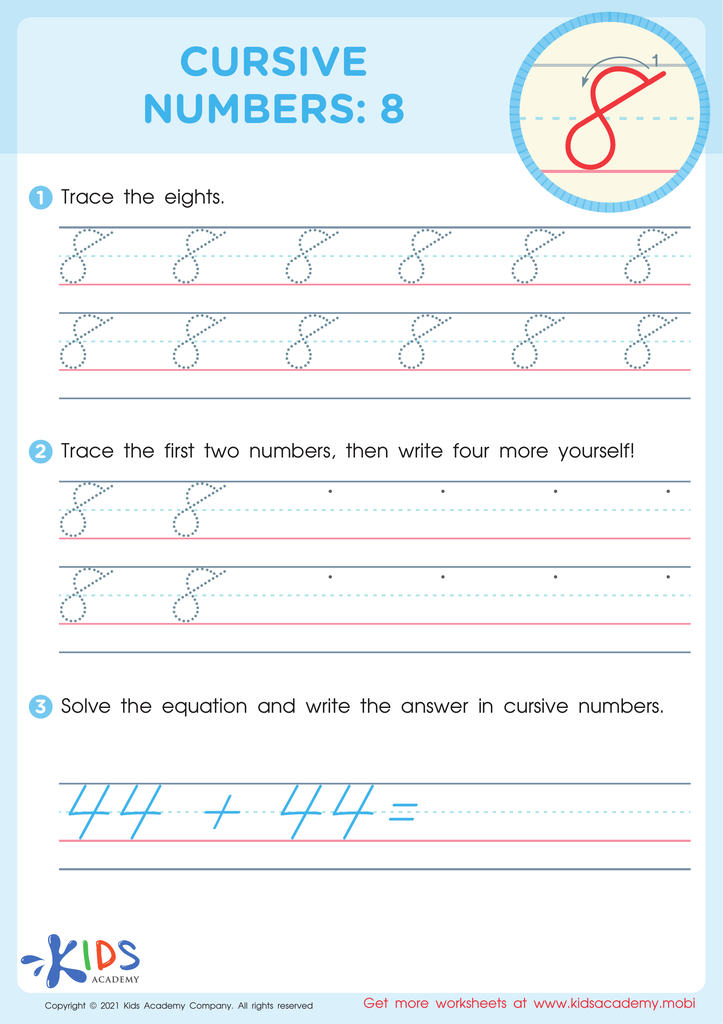
Cursive Numbers: 8 Worksheet
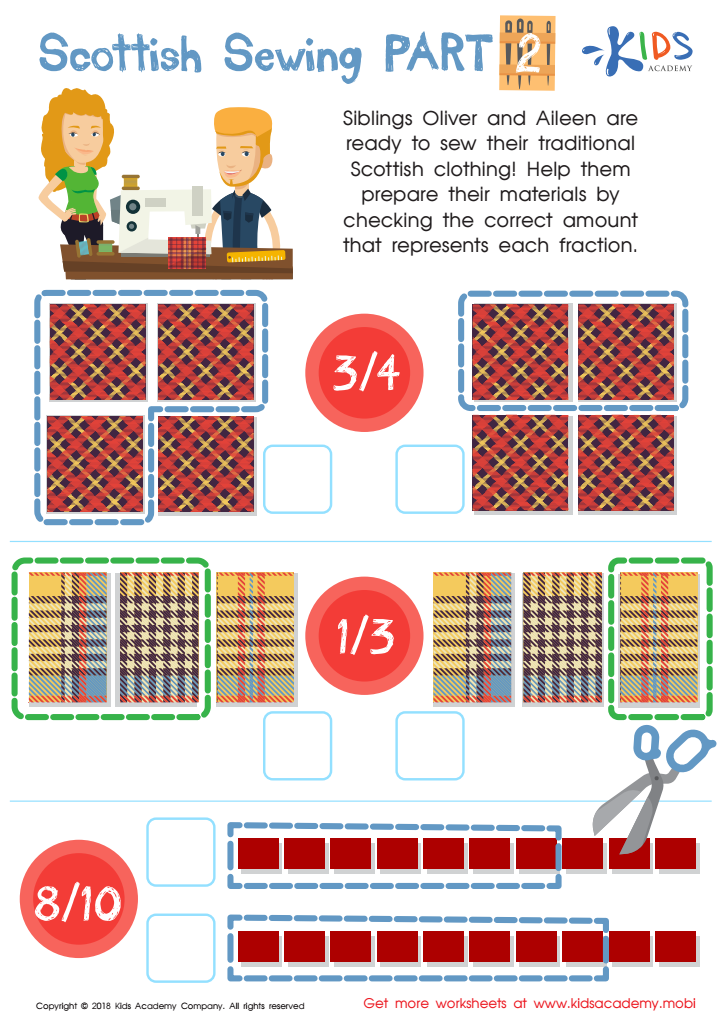
Scottish Sewing Part 2 Worksheet
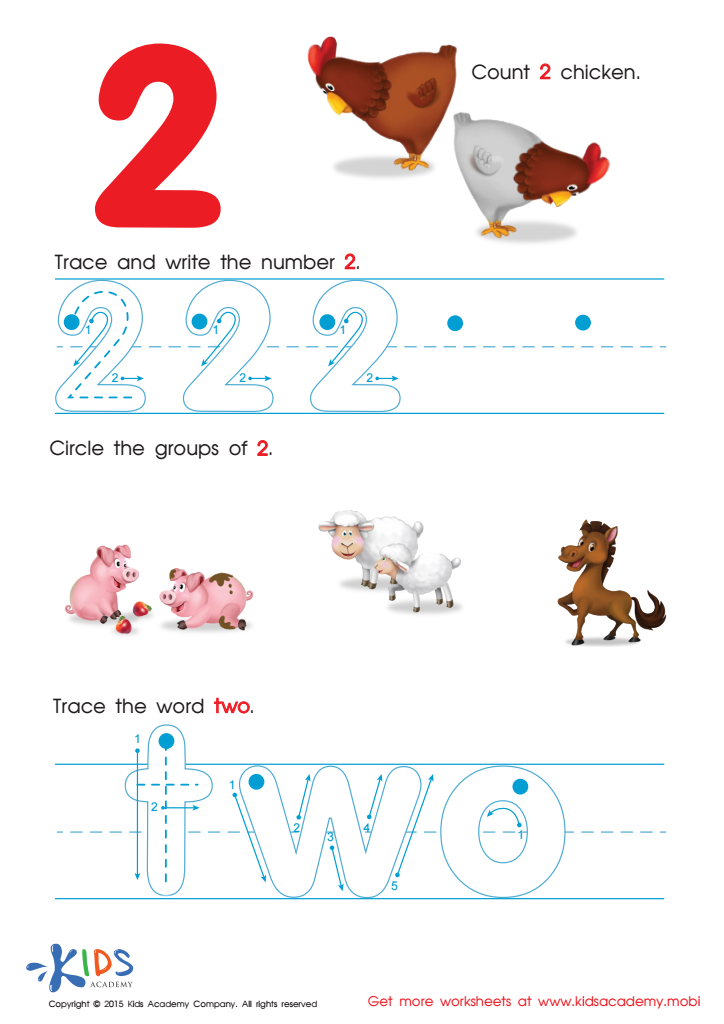
Learn to Write the Number 2 Worksheet
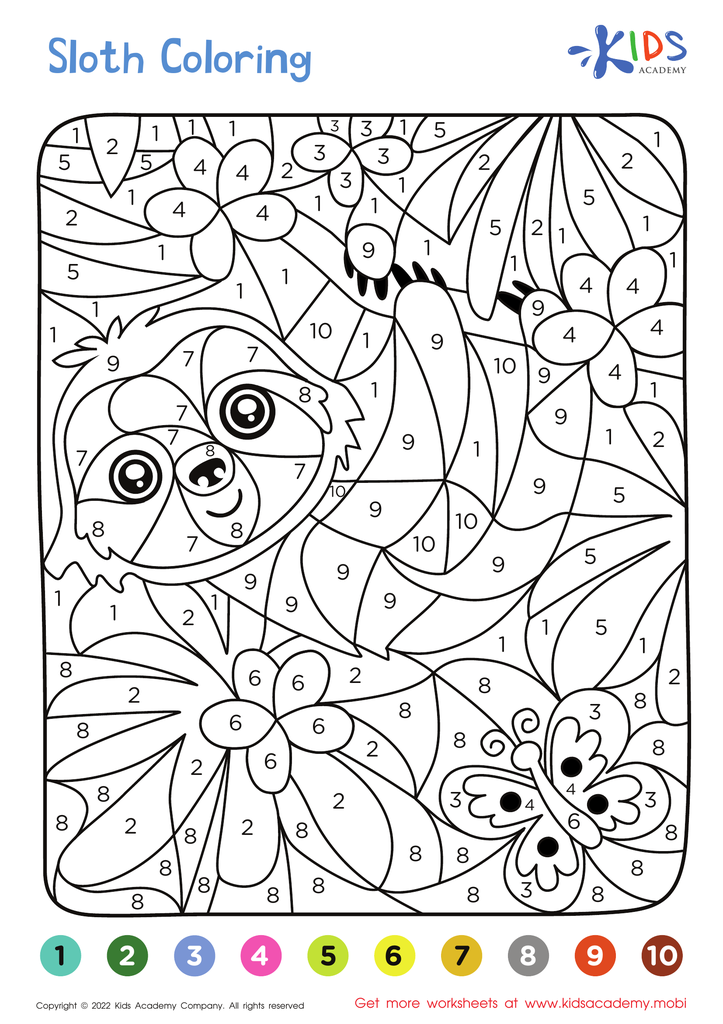
Sloth – Coloring by Numbers
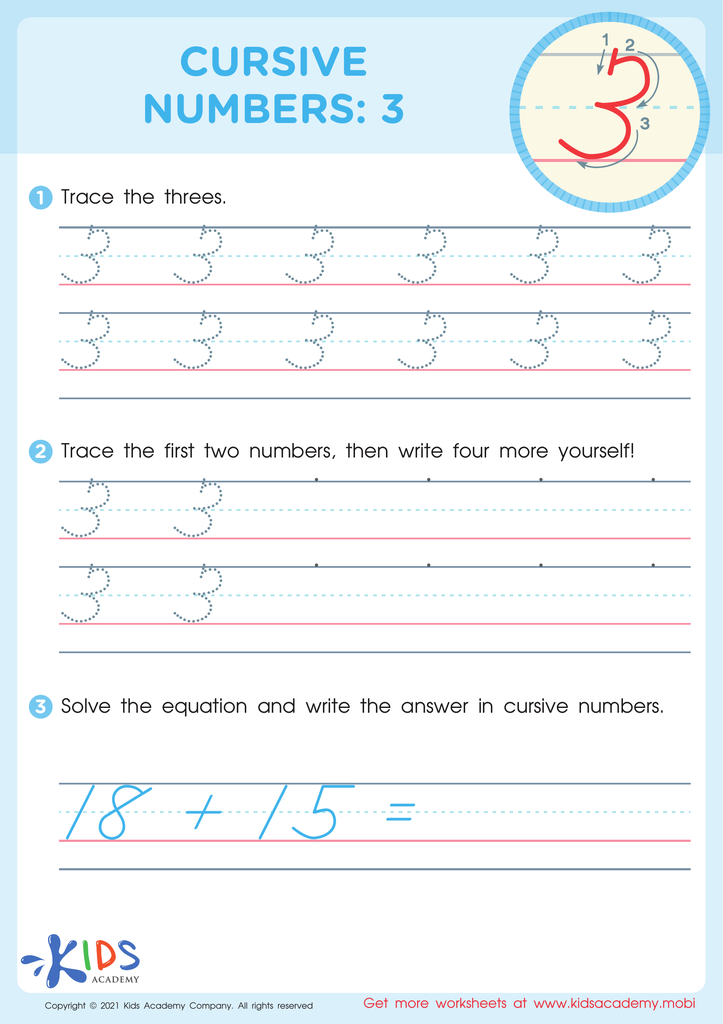
Cursive Numbers: 3 Worksheet
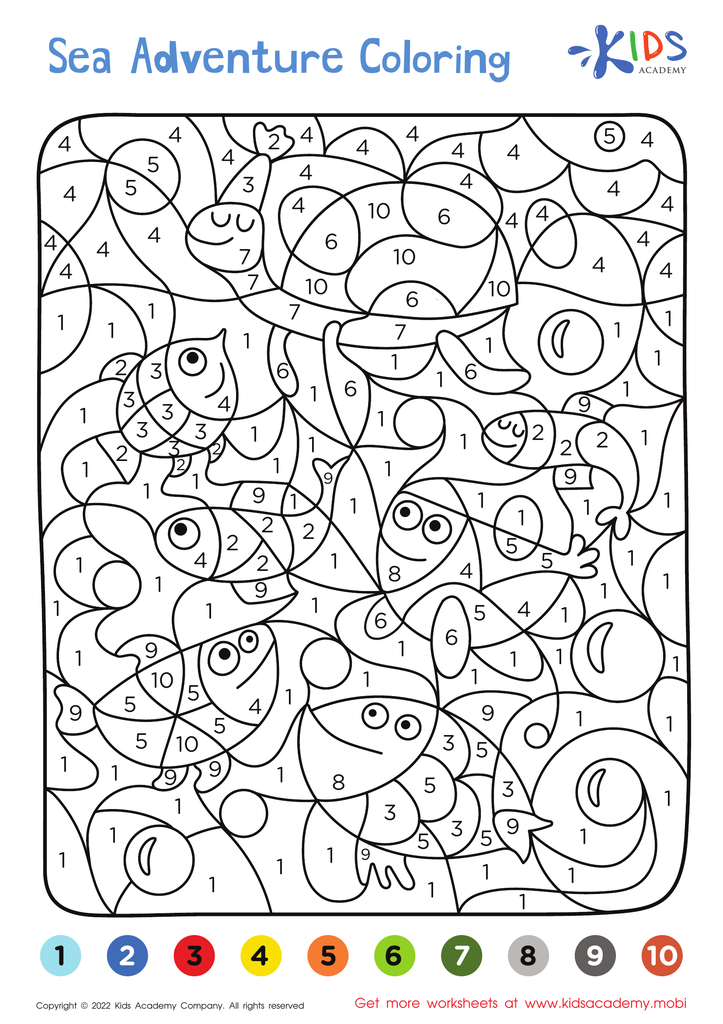
Sea Adventure – Coloring by Numbers
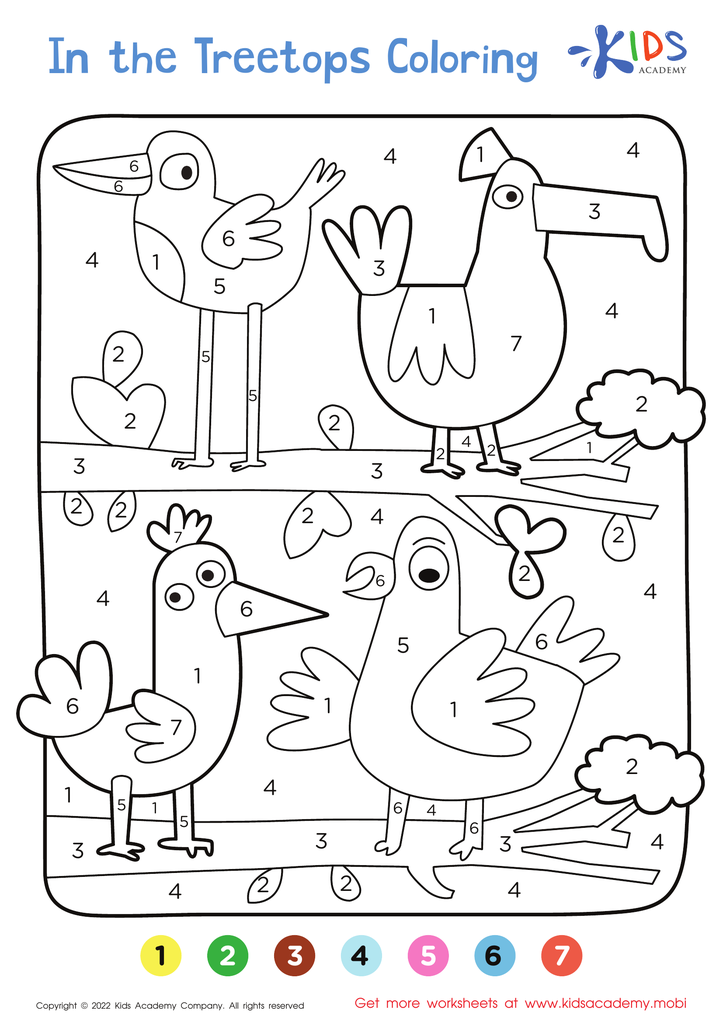
In the Treetops – Coloring Page
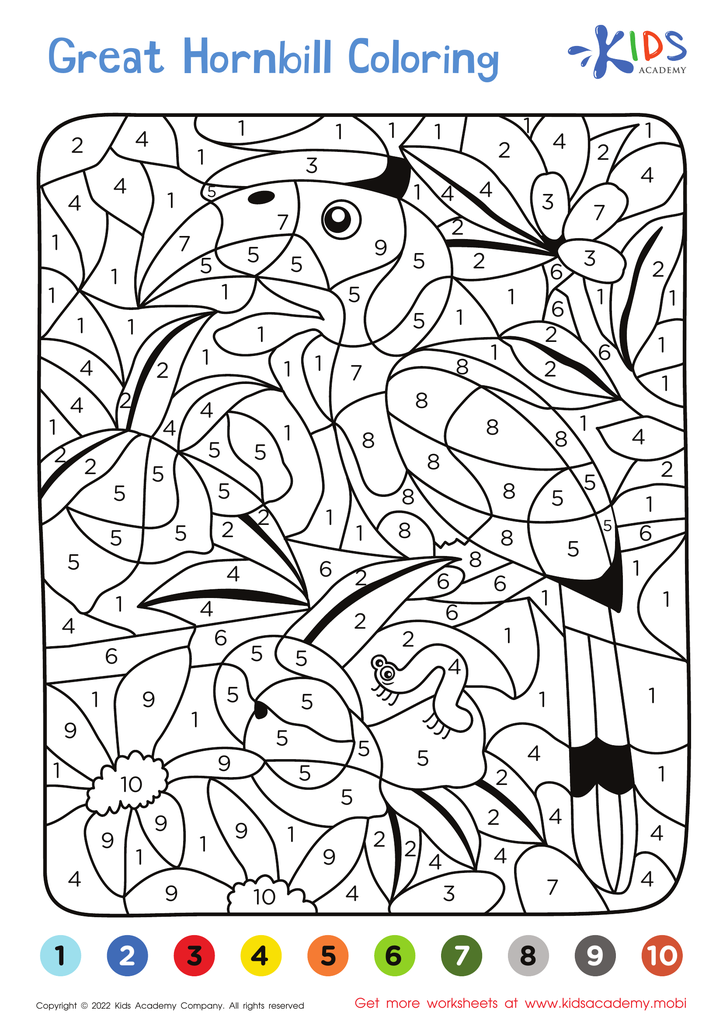
Great Hornbill – Coloring by Numbers
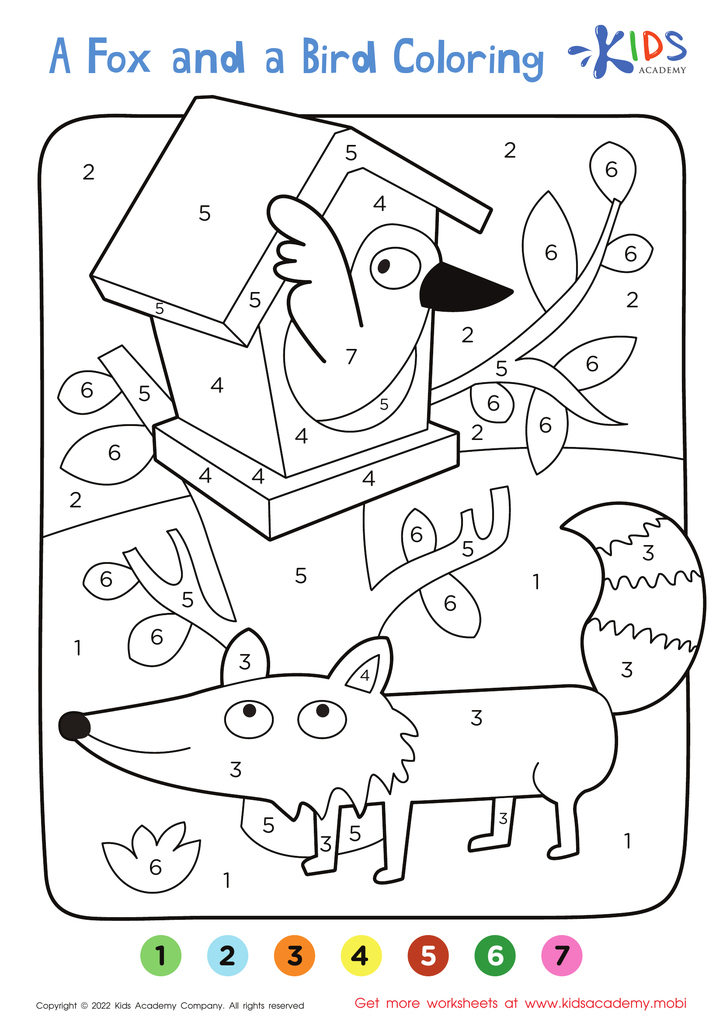
A Fox and a Bird – Coloring by Numbers
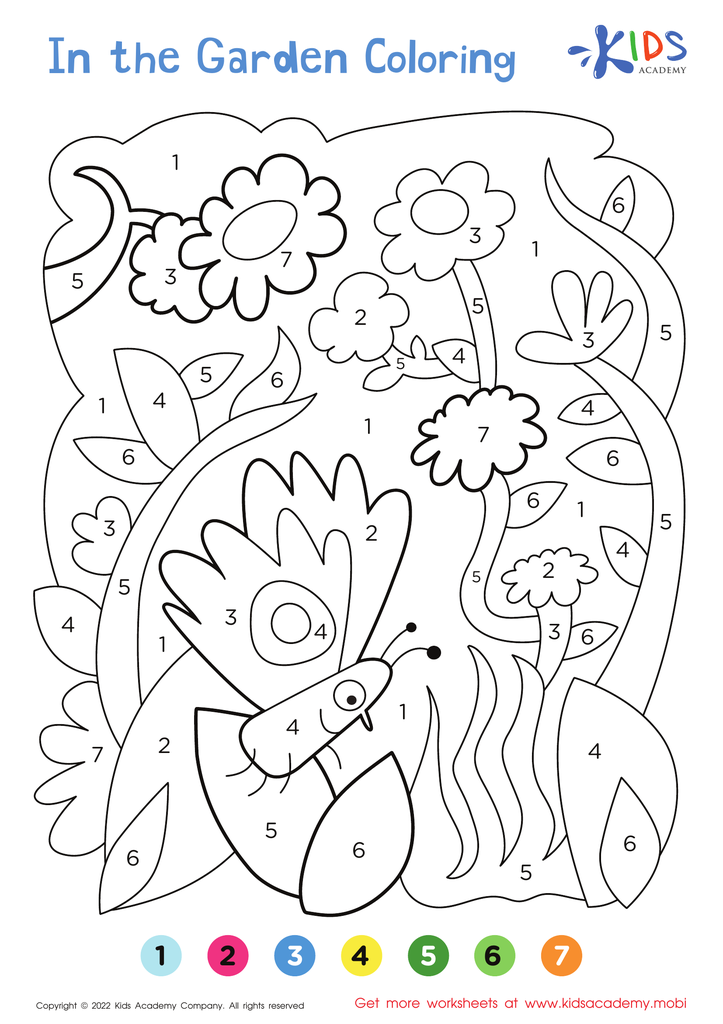
In the Garden – Coloring by Numbers







Fine motor skills are crucial for 9-year-olds as they directly impact a child's ability to perform everyday tasks efficiently and independently. At this age, refinement in these skills ensures that children can handle more complex activities like writing, using scissors, and tying shoelaces, which are essential for success in a classroom setting and daily life.
Proficient fine motor skills facilitate better handwriting, allowing children to focus more on content than the act of writing itself, which supports improved academic performance. Furthermore, these skills enhance a child’s ability to engage in creative activities such as drawing and crafting, boosting self-expression and problem-solving capabilities.
From a developmental perspective, fine motor skills are closely linked to cognitive abilities. Manipulating small objects and performing precise movements help strengthen neural connections in the brain, supporting areas involved in planning, attention, and spatial awareness. Mastery of these skills fosters a sense of competence and independence, reinforcing self-esteem and social confidence.
Parents and teachers play pivotal roles in monitoring fine motor development. By providing opportunities for practice, like puzzles, art projects, and handwritten assignments, they can markedly improve a child's motor coordination. Ignoring these skills can lead to difficulties in completing age-appropriate tasks, potentially leading to frustration, academic struggles, and diminished self-worth. Thus, prioritizing fine motor skill development is integral to a child’s holistic growth and future success.








