Filters

7 filtered results

Clear all filters
Favorites
With answer key
Interactive

7 filtered results

Difficulty Level

Grade


Explore our engaging Critical Thinking Science Worksheets designed specifically for 9-year-olds! These interactive and thoughtfully created resources aim to enhance your child's critical thinking skills while making science fun and accessible. Each worksheet encourages students to analyze information, draw connections, and solve problems through creative exercises. Topics include environmental awareness, scientific exploration, and hands-on experiments, fostering a love for learning and inquiry. Perfect for classroom activities or at-home learning, our worksheets provide the ideal balance of education and entertainment. Help your child become a confident thinker and a curious learner—check out our collection today and watch their understanding of science soar!

Check out this FREE Trial Lesson on Science for age 9!

Multiplication Arrays

Favorites
With answer key
Interactive
  • 9
  • Critical Thinking
  • Science
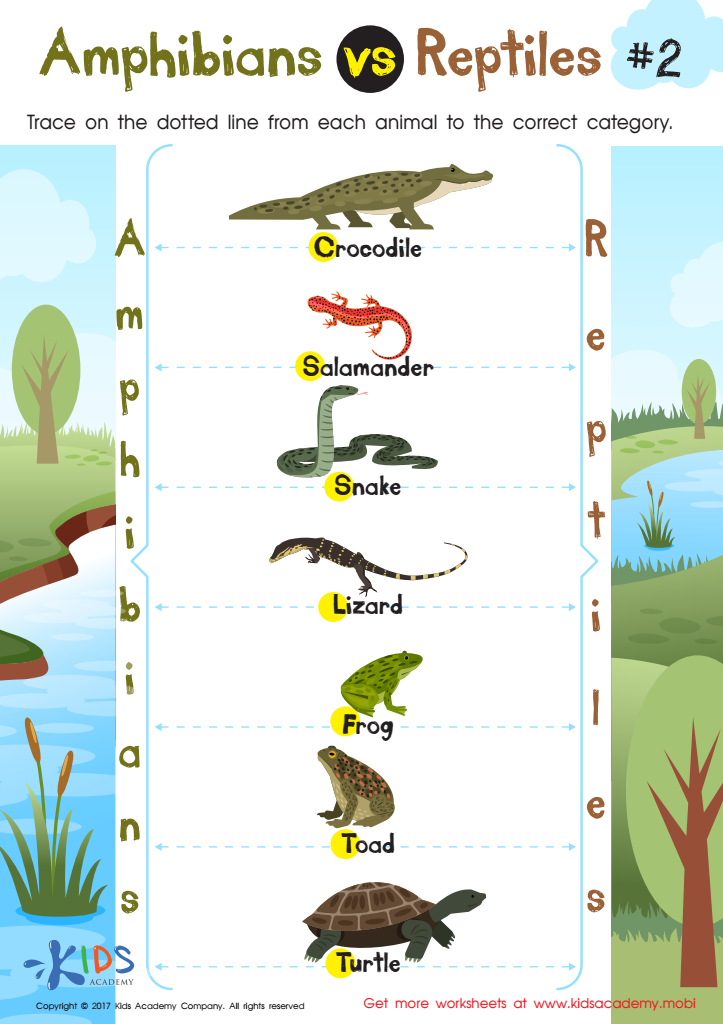
Amphibians vs Reptiles Worksheet for 3rd Grade

Amphibians vs Reptiles Worksheet for 3rd Grade

Let your 3rd grader challenge themselves and have fun by distinguishing between reptiles and amphibians. With this cool worksheet, they'll explore vivid pictures and learn about these fascinating creatures!
Amphibians vs Reptiles Worksheet for 3rd Grade
Worksheet
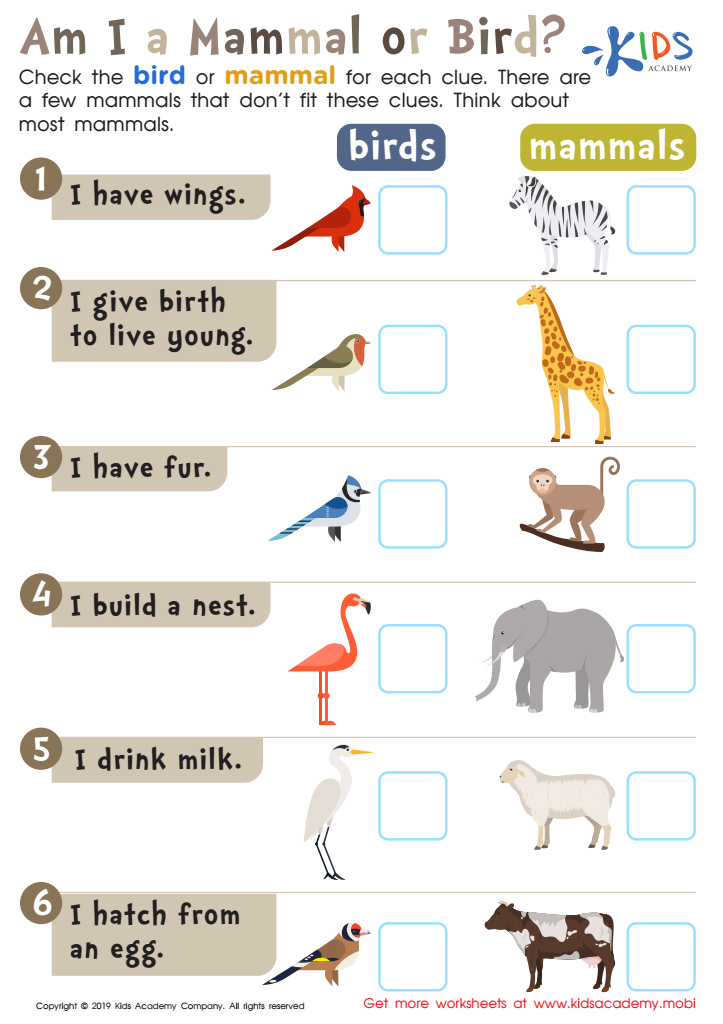
Am I a Mammal or Bird? Worksheet

Am I a Mammal or Bird? Worksheet

We categorize animals into groups such as mammals, birds, reptiles, etc. This worksheet helps kids understand the difference between birds and mammals. Read through the clues and think about each one. Then decide if it describes a bird or mammal, check the box and complete!
Am I a Mammal or Bird? Worksheet
Worksheet
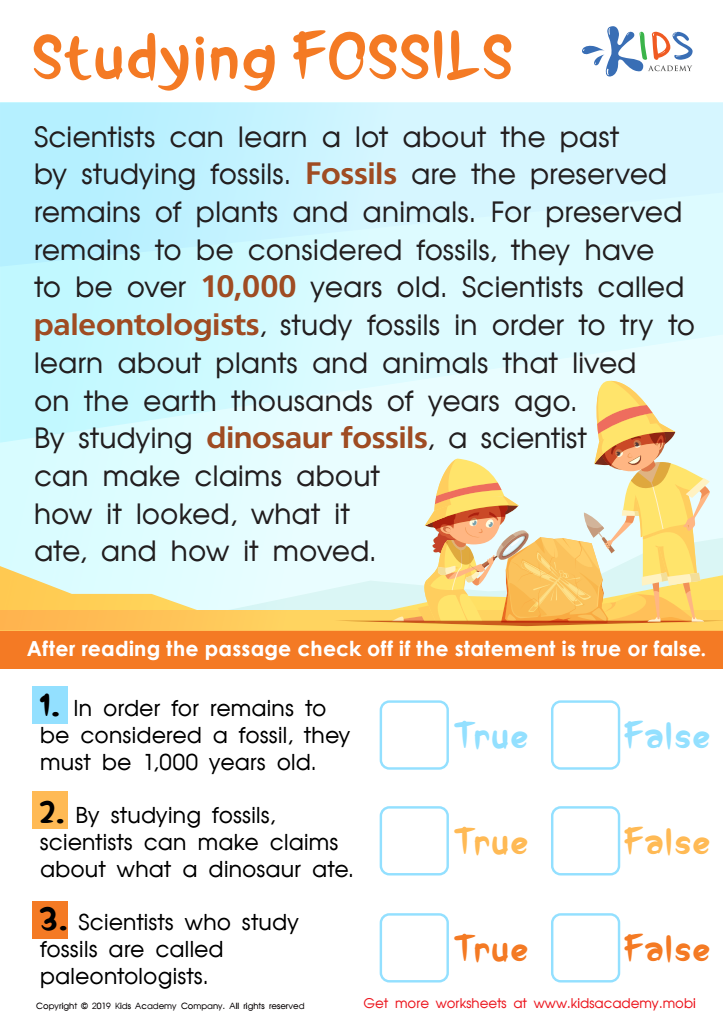
Studying Fossils Worksheet

Studying Fossils Worksheet

Fossils captivate children! It's no wonder why; when we learn about them, we are getting a glimpse into history and uncovering old mysteries! With this free download, kids will understand what a paleontologist is and how they use fossils to learn about long-gone plants and animals. They'll discover that old bones are priceless and that exploring ancient history can be exciting!
Studying Fossils Worksheet
Worksheet
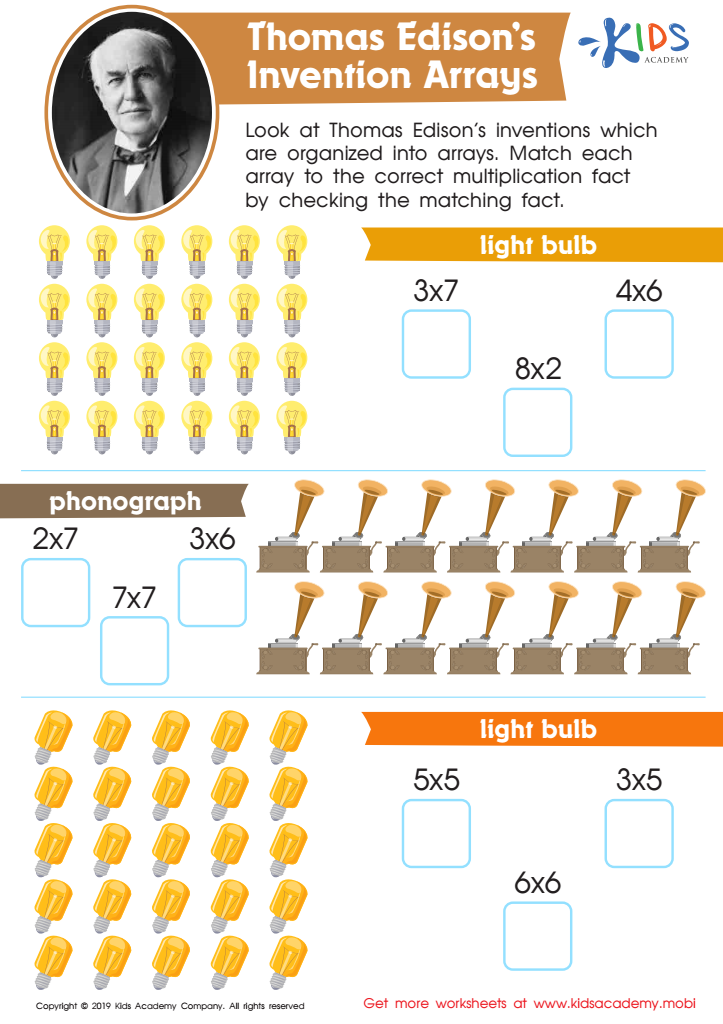
Thomas Edison’s Invention Arrays Worksheet

Thomas Edison’s Invention Arrays Worksheet

Test your students' knowledge on history by asking them what Thomas Edison invented. If they get the right answer, provide more information on other inventors. Check out this printout of Edison's light bulb inventions laid out in arrays. Get them to match each array to the correct multiplication fact.
Thomas Edison’s Invention Arrays Worksheet
Worksheet
Mountain Animals Worksheet
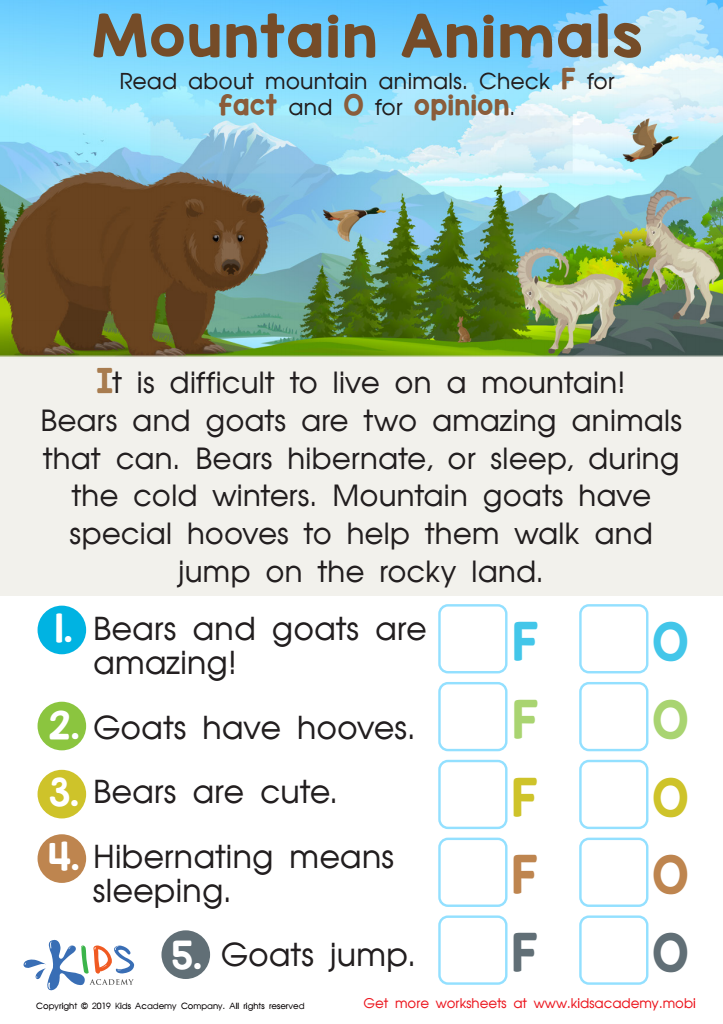
Mountain Animals Worksheet

Is mountain wildlife amazing? Fact or fiction? Help your child sharpen critical-thinking skills with this engaging worksheet. Featuring a fun nonfiction passage about animals like bears and goats, your child will read through the text and identify each statement as fact or fiction. Perfect for boosting reading comprehension and analytical abilities!
Mountain Animals Worksheet
Worksheet
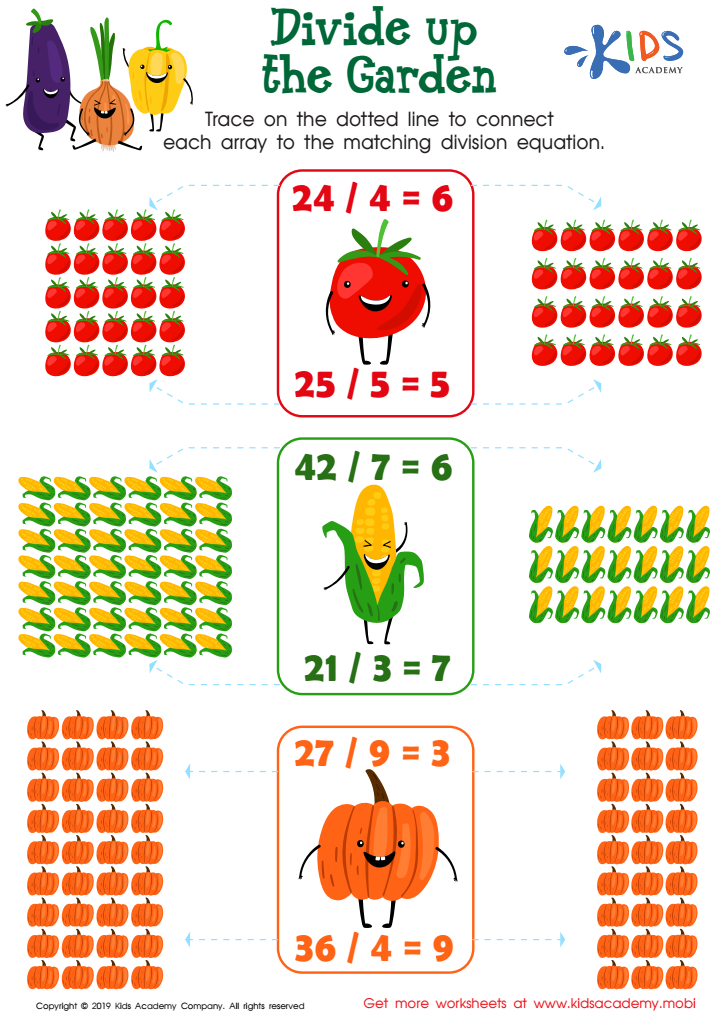
Divide up the Garden Worksheet

Divide up the Garden Worksheet

Dividing is simply grouping items into equal sets. This worksheet helps kids see division problems in array form. They'll match each equation with a picture group, using the lines provided. It's a great way for beginners to understand division more concretely.
Divide up the Garden Worksheet
Worksheet
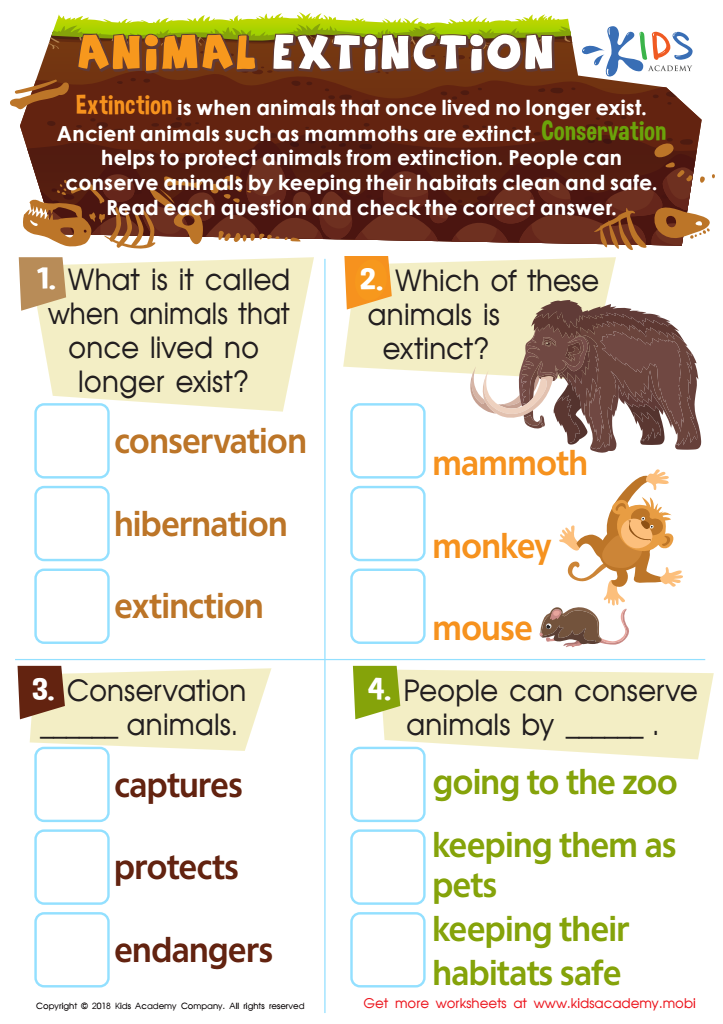
Animal Extinction Worksheet


Animal Extinction Worksheet

Children can learn how their actions can help endangered animals with this free PDF worksheet. It explains extinction, looks at the mammoth as an example, and poses questions about conservation. Keeping habitats clean and safe is key to protecting animals and keeping them abundant. Learning about this now can make a huge difference for future generations.
Animal Extinction Worksheet
Worksheet


Critical Thinking Science for 9-year-olds is essential for fostering a love of inquiry and developing vital skills that extend beyond the classroom. At this age, children are naturally curious and eager to explore the world around them. Encouraging critical thinking transforms this curiosity into analytical reasoning, helping students learn to evaluate information, ask meaningful questions, and solve problems creatively.

When parents and teachers emphasize critical thinking in science, they equip children with the tools to discern facts from misinformation. This is increasingly important in a world flooded with information. Children learn to think independently, reflect on their ideas, and engage in thoughtful discussions, preparing them for future academic challenges and everyday decision-making.

Moreover, integrating critical thinking in science nurtures skills such as teamwork, communication, and persistence, which are essential in today’s collaborative environments. It also explores concepts of scientific inquiry, encouraging collaboration and hands-on experiences where students experiment, interpret data, and draw conclusions, making learning engaging and relevant.

Ultimately, fostering critical thinking in young learners helps create informed, responsible citizens who can tackle future scientific and societal challenges, fostering innovation and improving problem-solving capabilities for generations to come.