Letter recognition Alphabet Worksheets - Page 2
91 filtered results
-
From - To
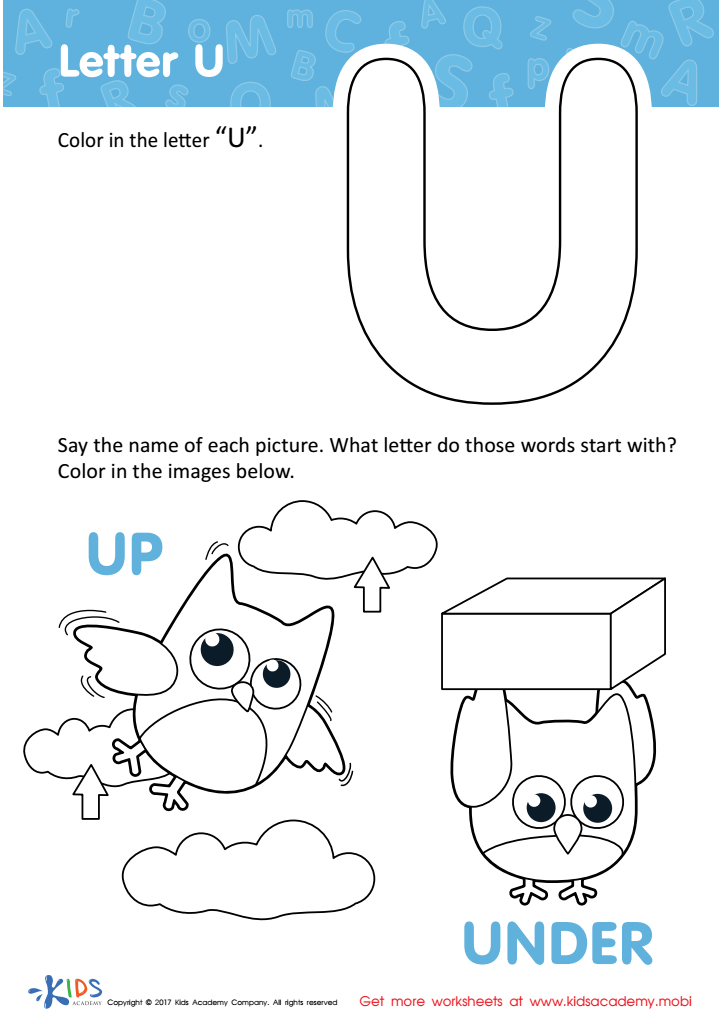
Letter U Coloring Sheet
 Assign to My Students
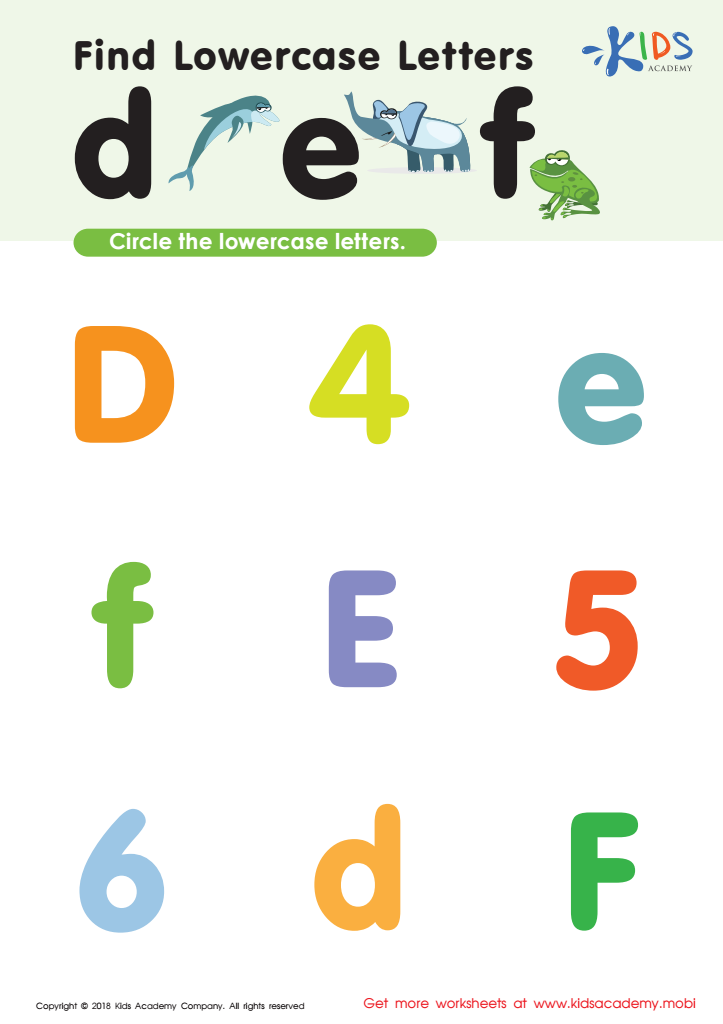
Find Lowercase Letters d e f Worksheet
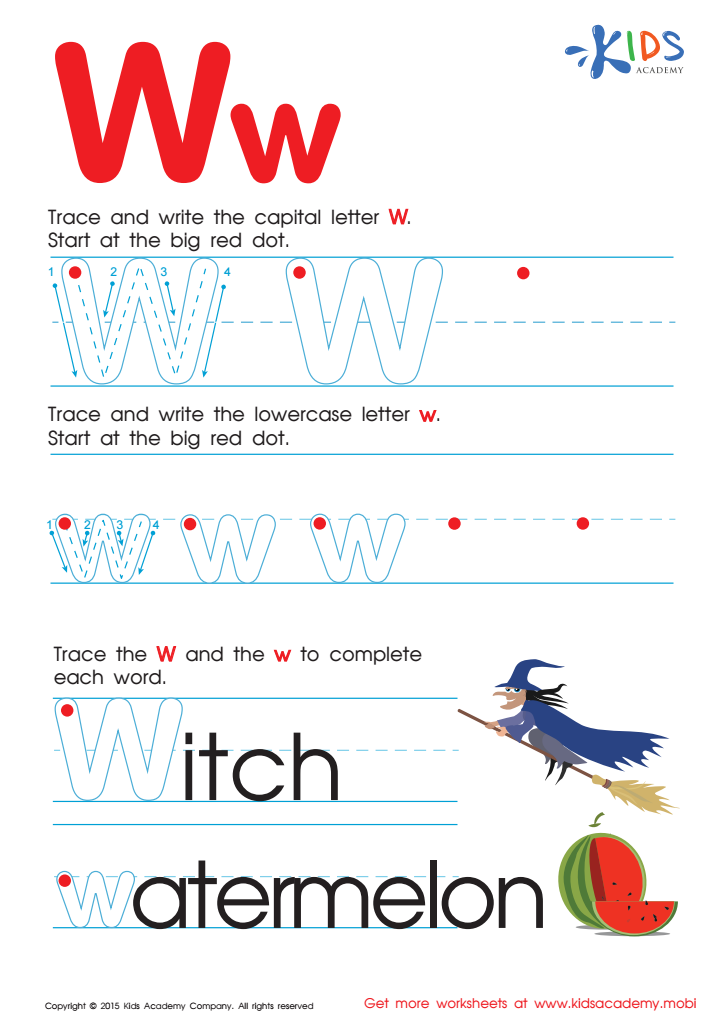
Letter W Tracing Page
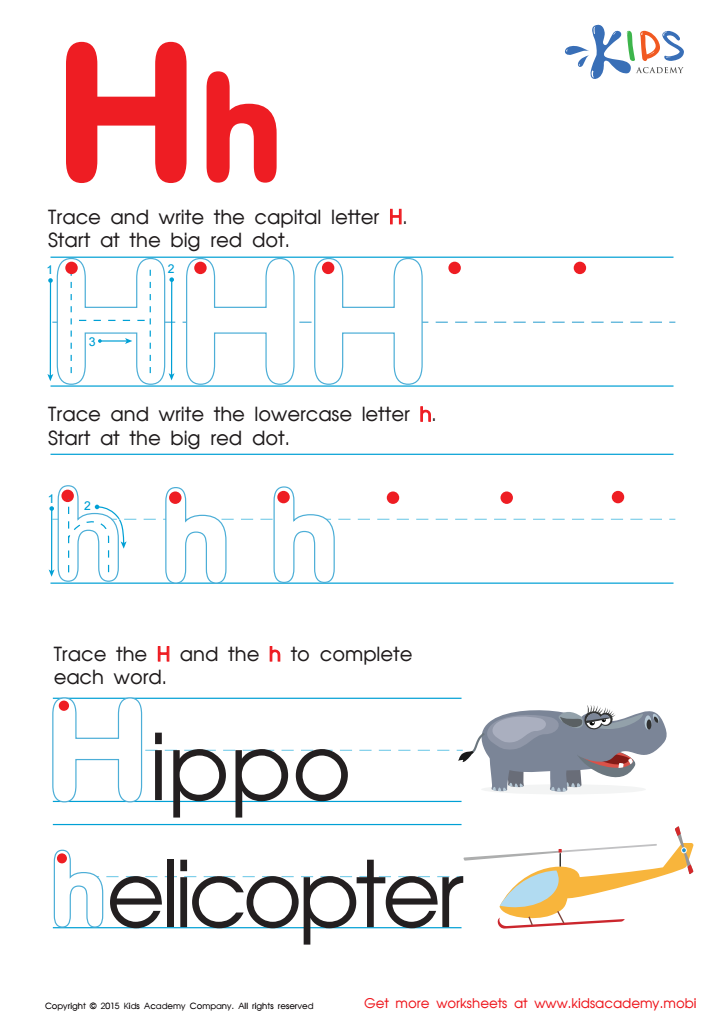
Letter H Tracing Page
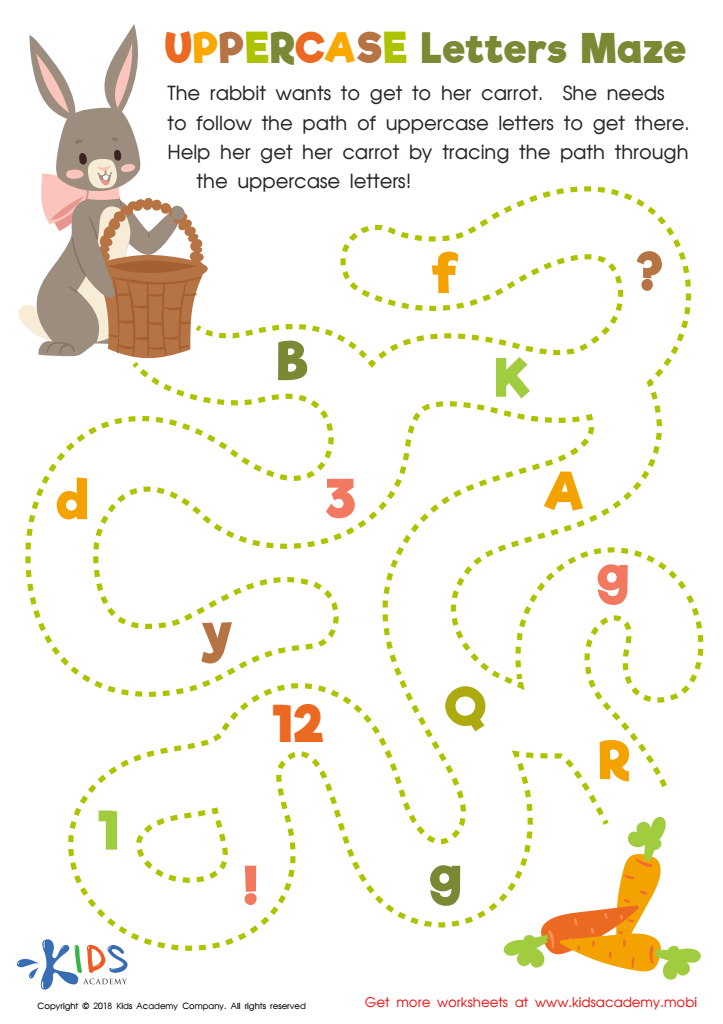
Uppercase Letters Maze Worksheet
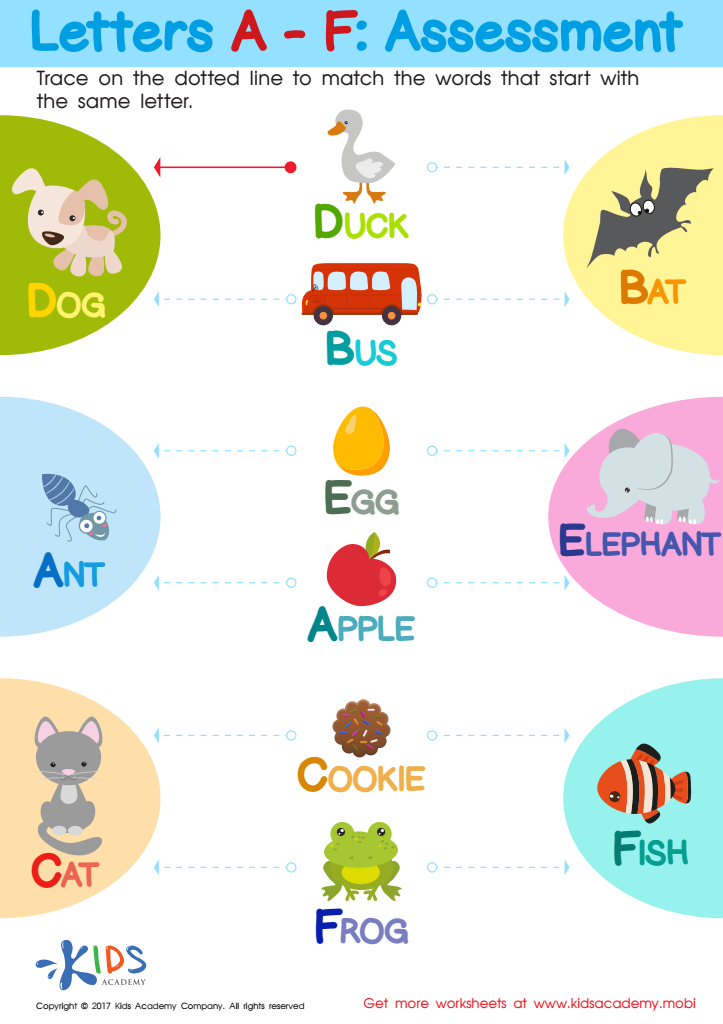
Letters A - F Worksheet
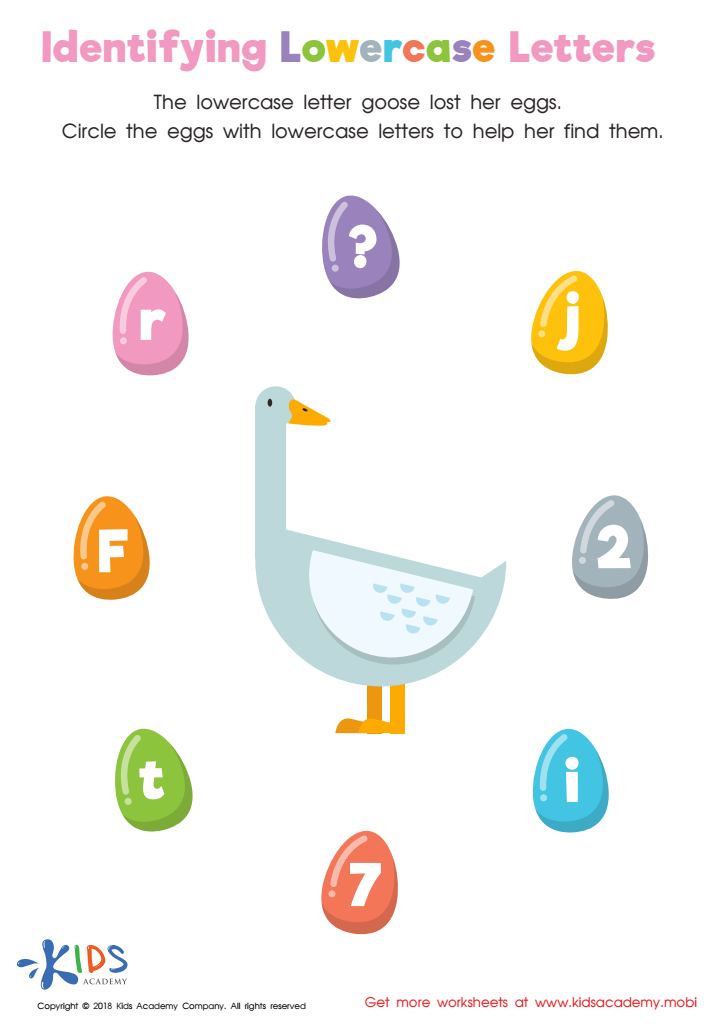
Identifying Lowercase Letters Worksheet
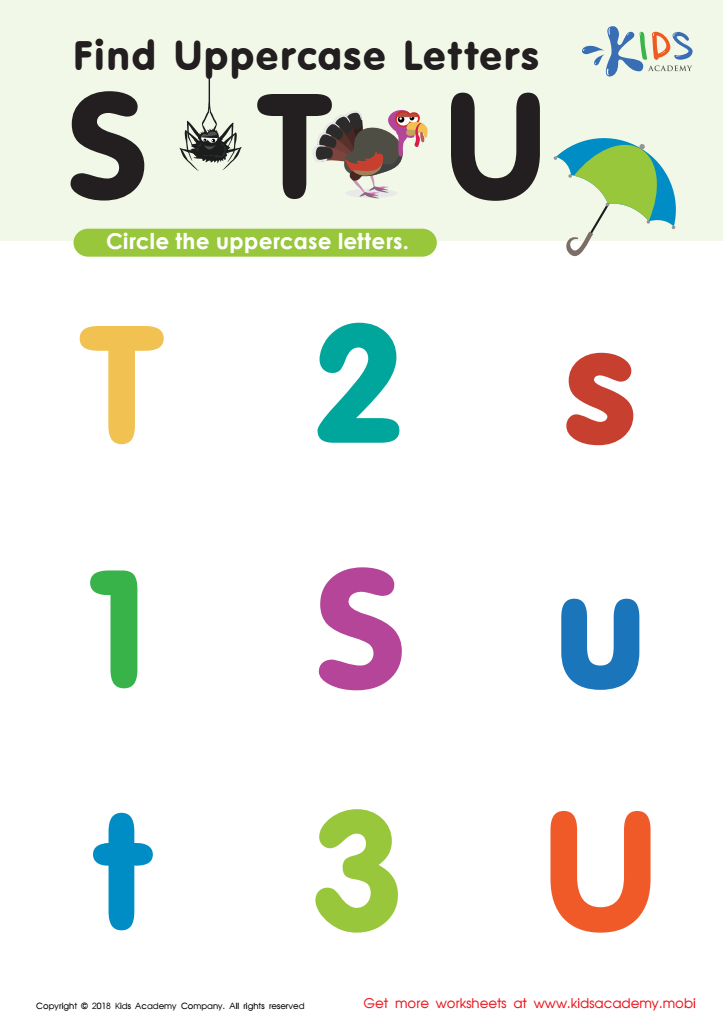
Find Uppercase Letters Worksheet
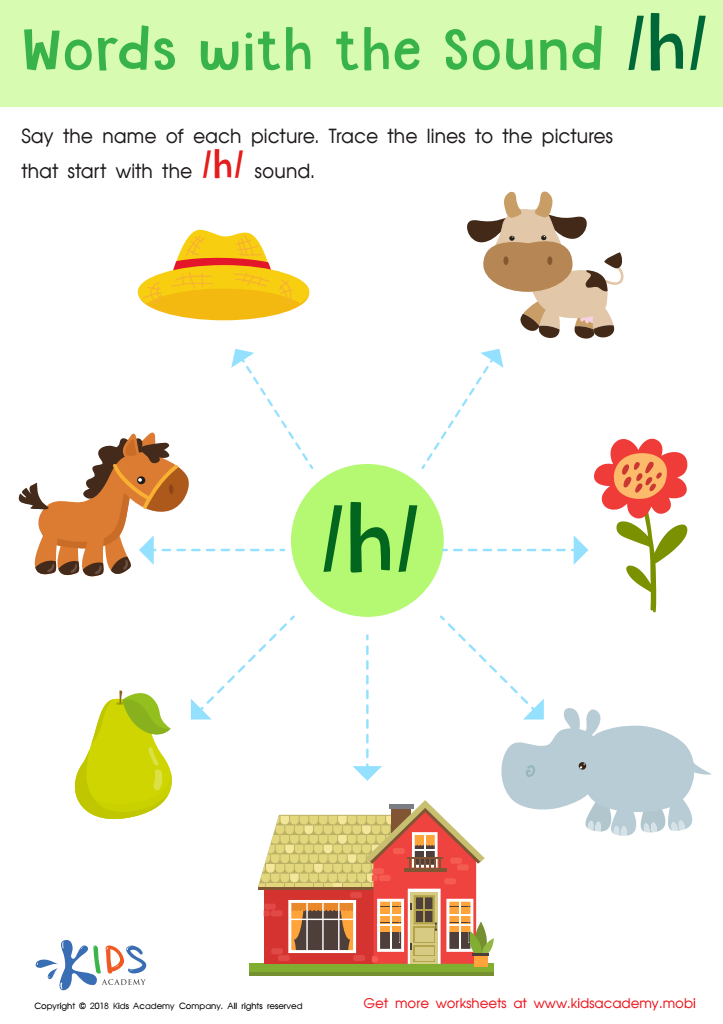
Words with sound h Reading Worksheet
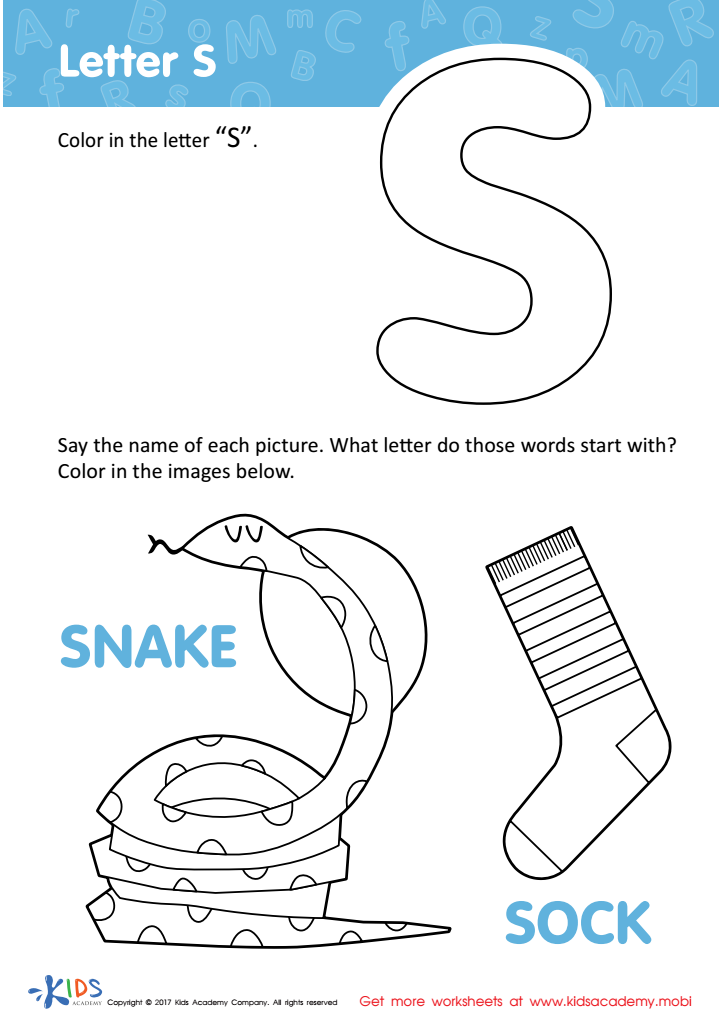
Letter S Coloring Sheet
Assign to My Students
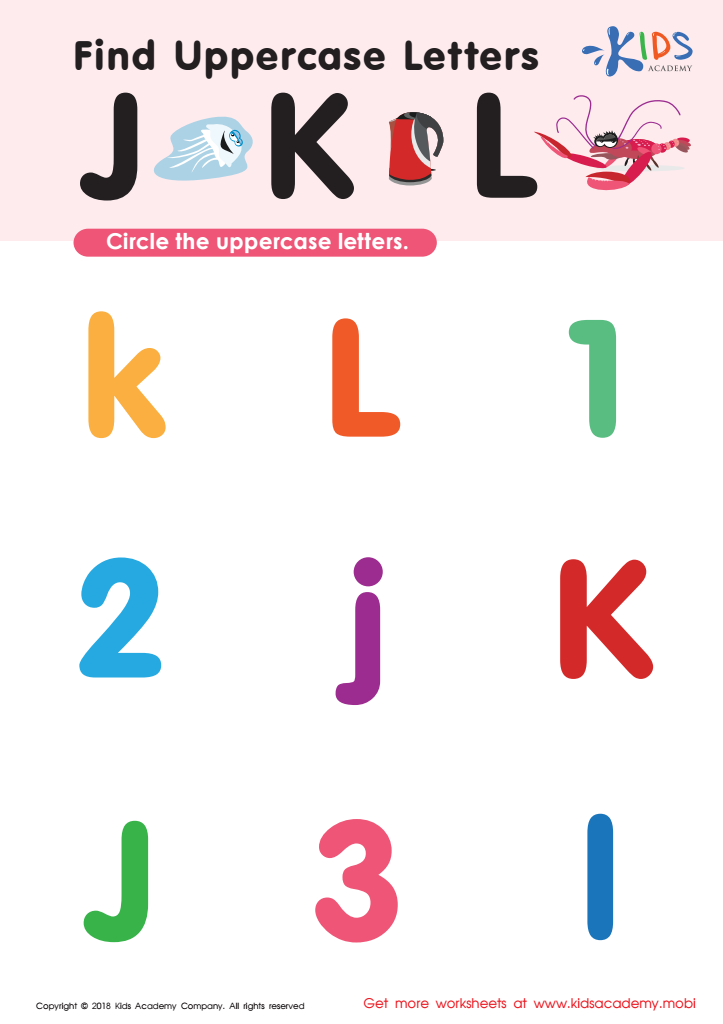
Find Uppercase Letters J, K, and L Worksheet
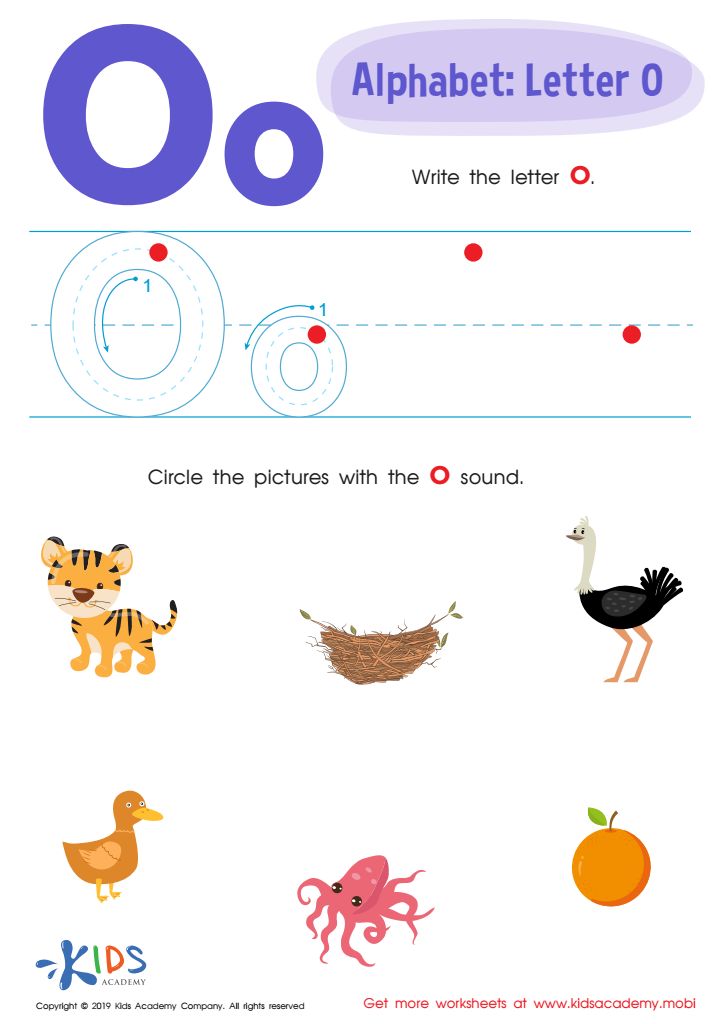
Letter O Tracing Worksheet
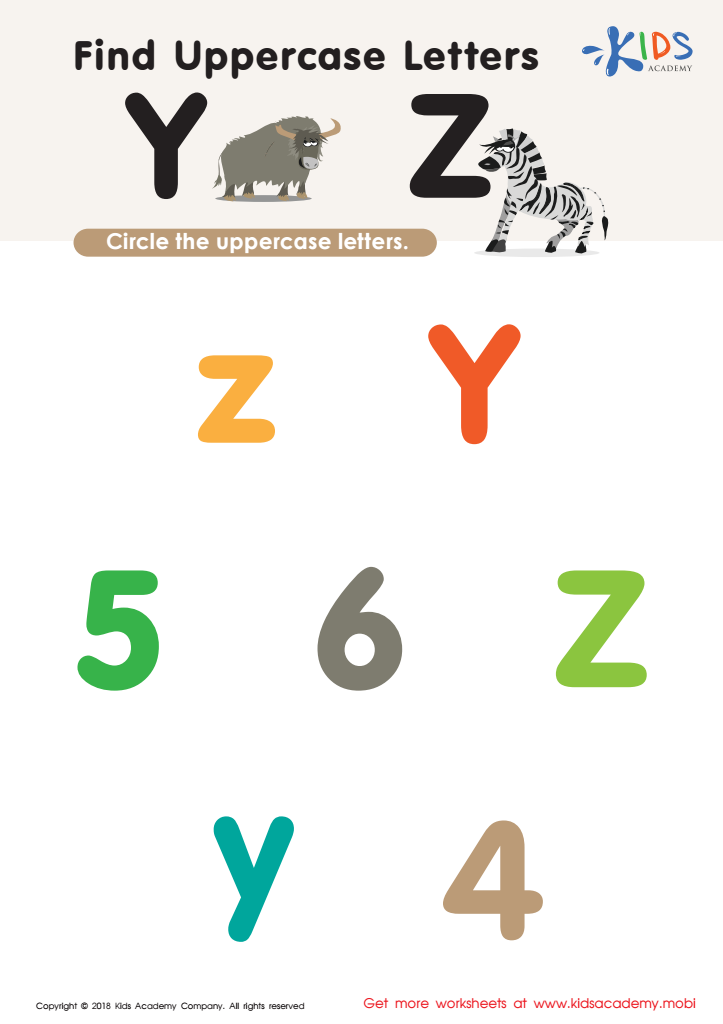
Find Uppercase Letters Y Z Worksheet
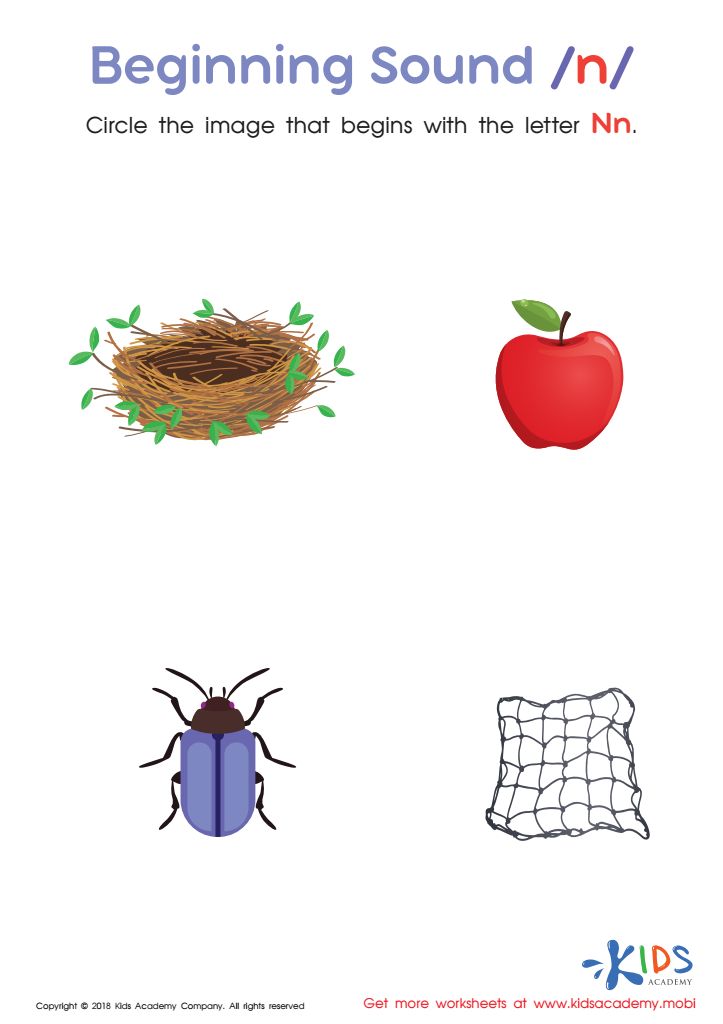
Beginning Sound «n» Worksheet
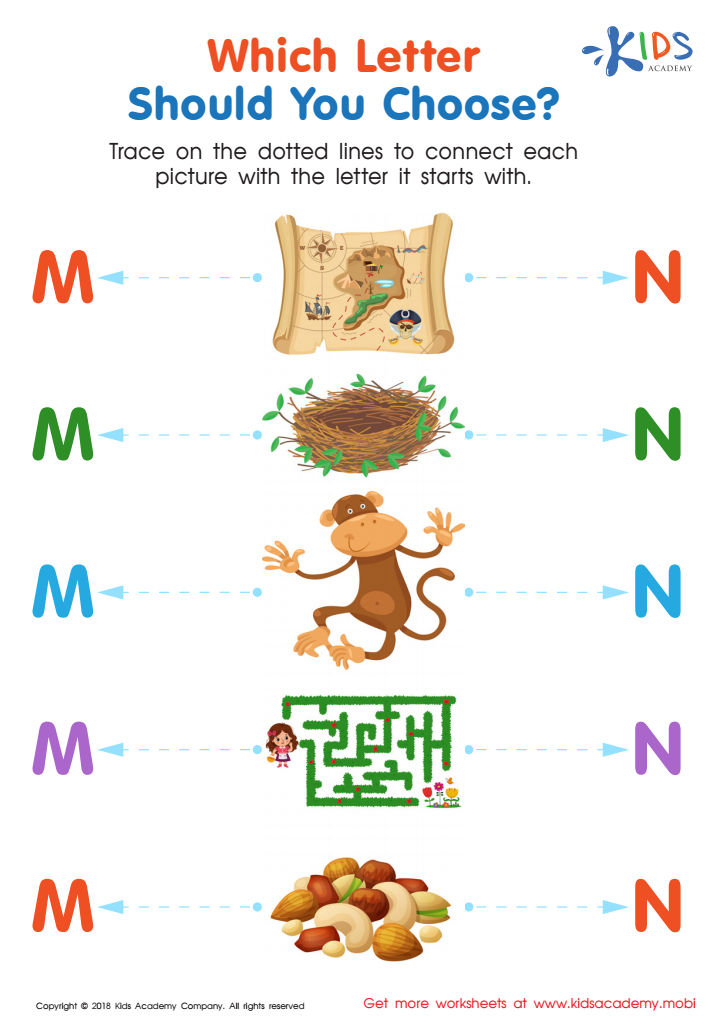
Which Letter Should you Choose? Worksheet
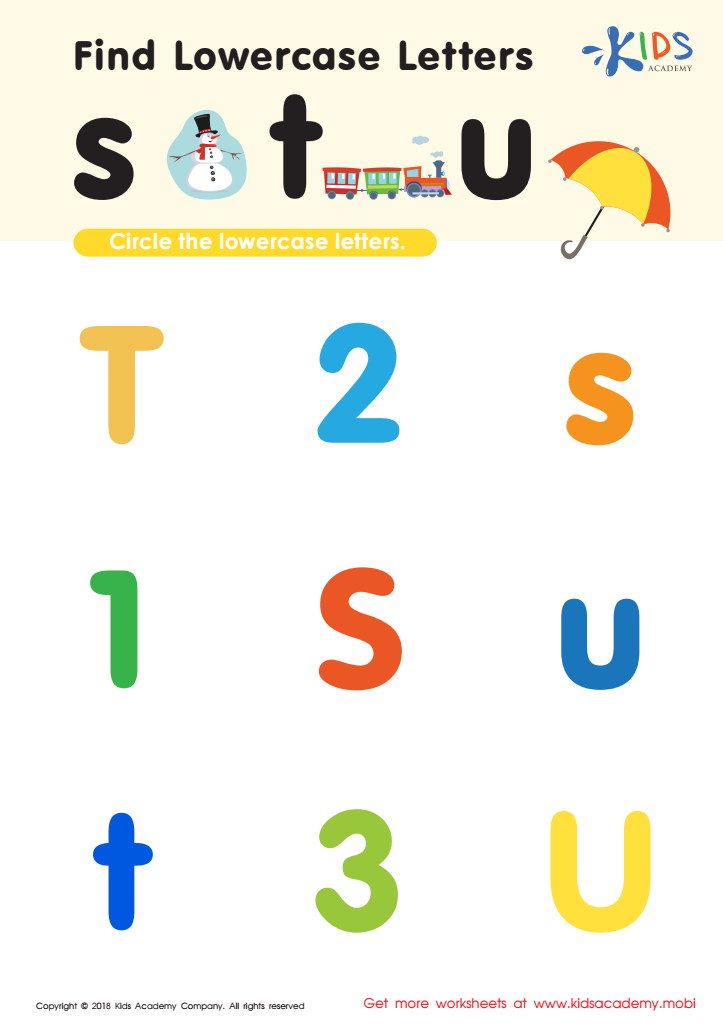
Find lowercase Letters s t u Worksheet
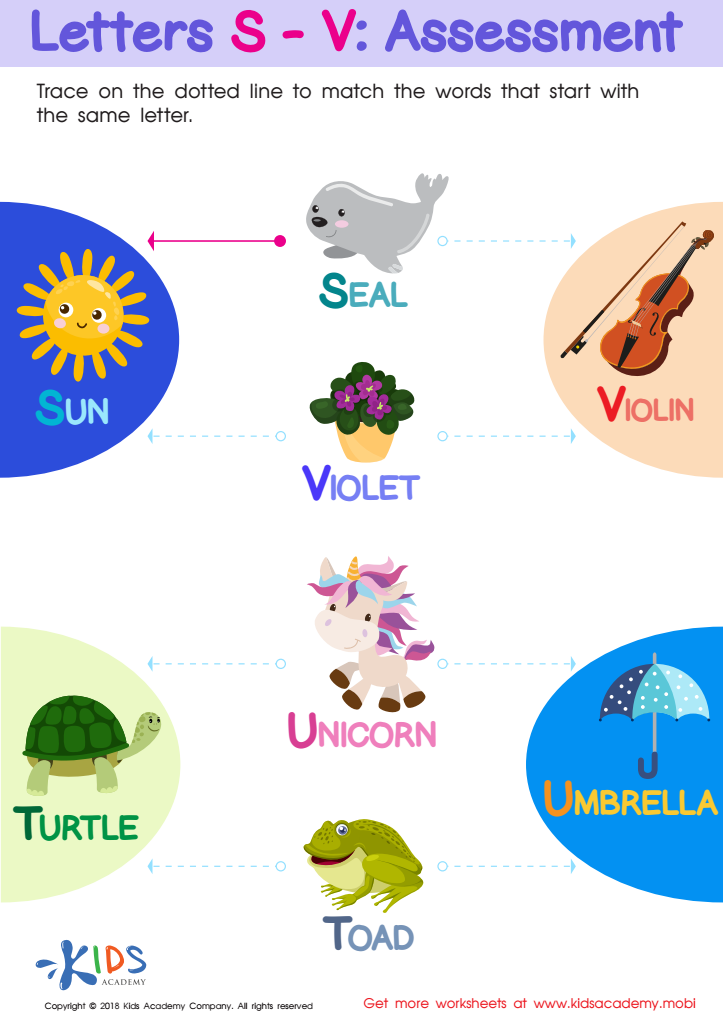
Letters S - V Tracing Worksheet
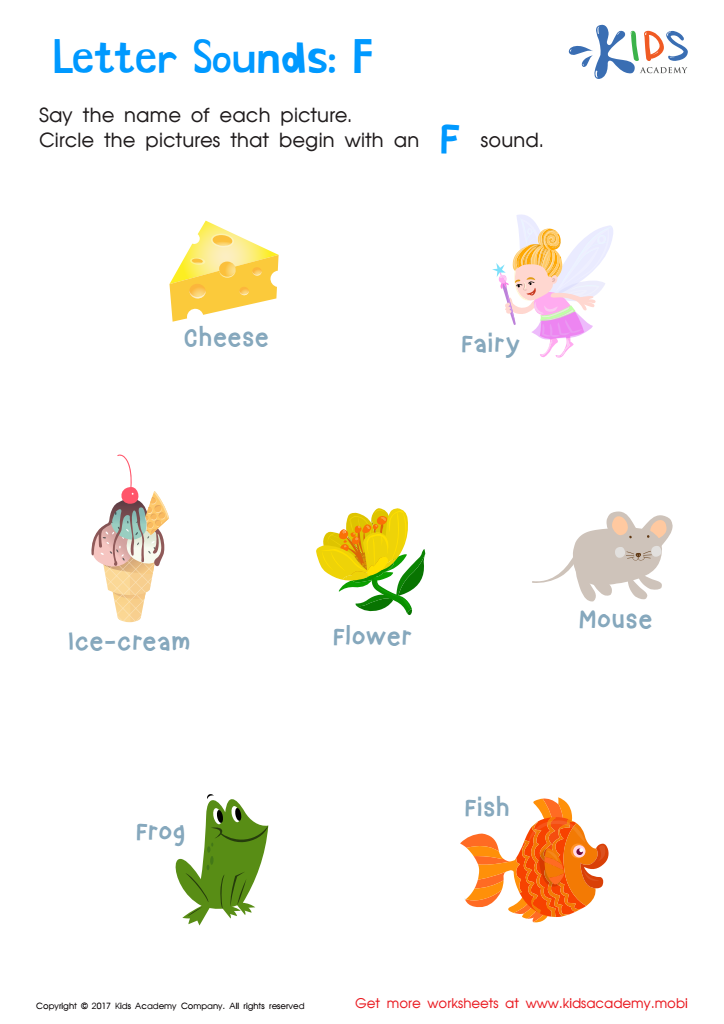
Letter F Sounds Worksheet
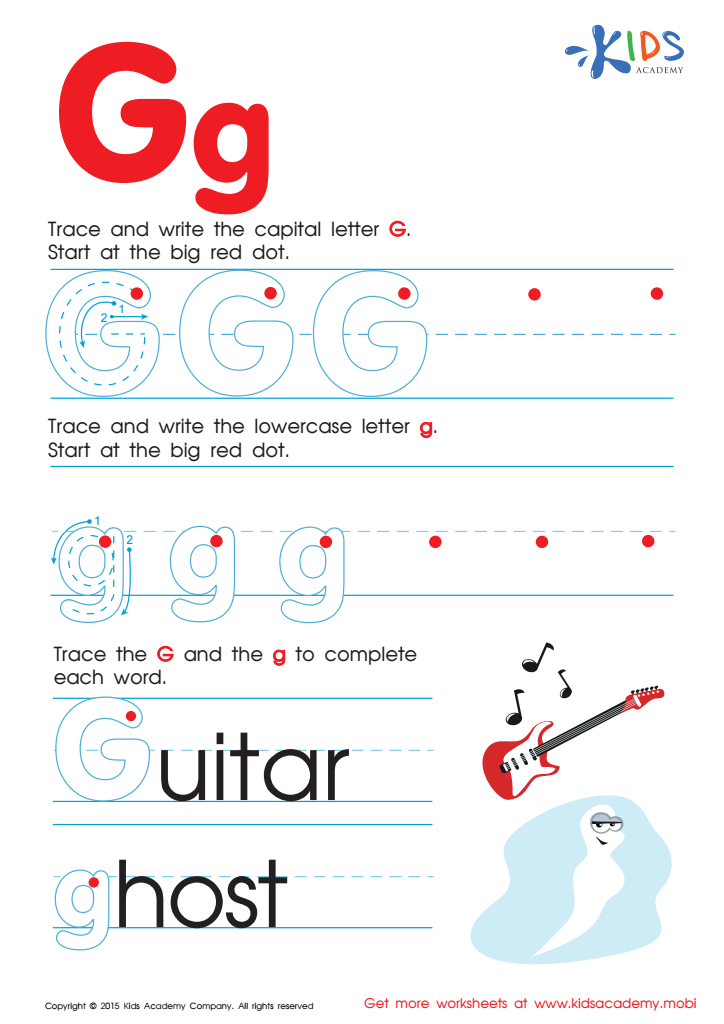
Letter G Tracing Page
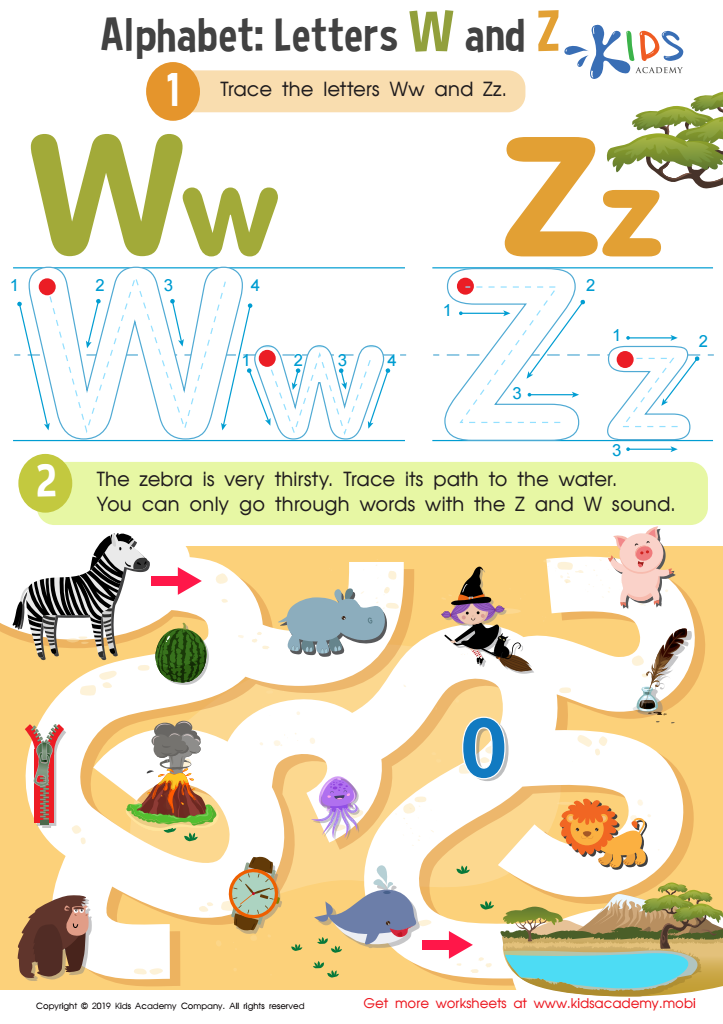
Letters W and Z Tracing Worksheet
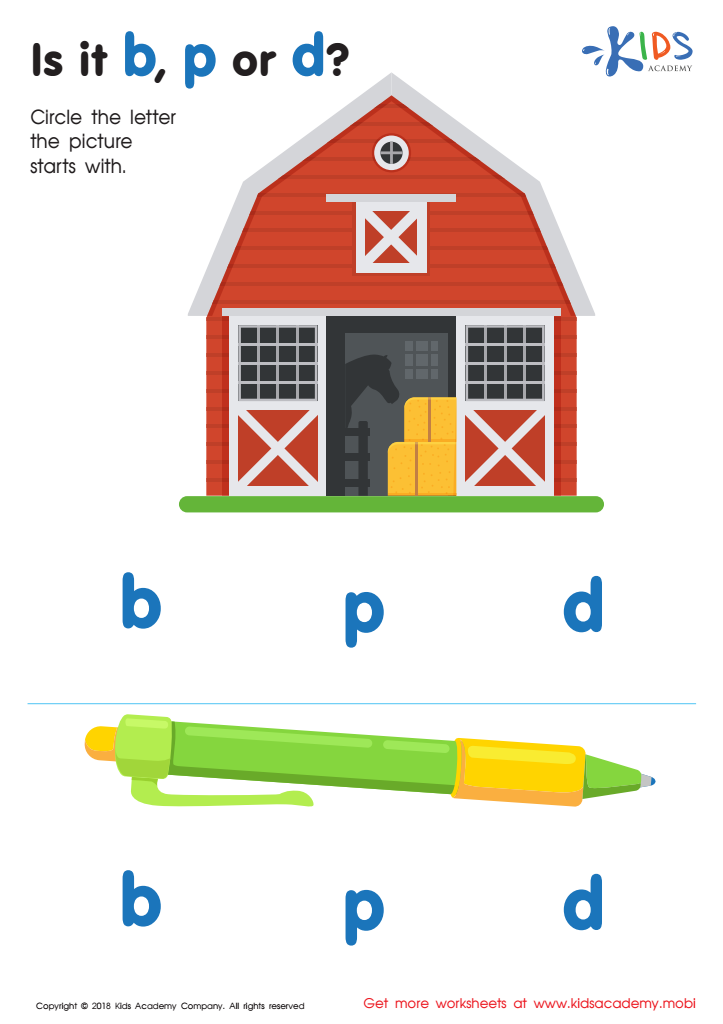
Is it b, p or d? Worksheet
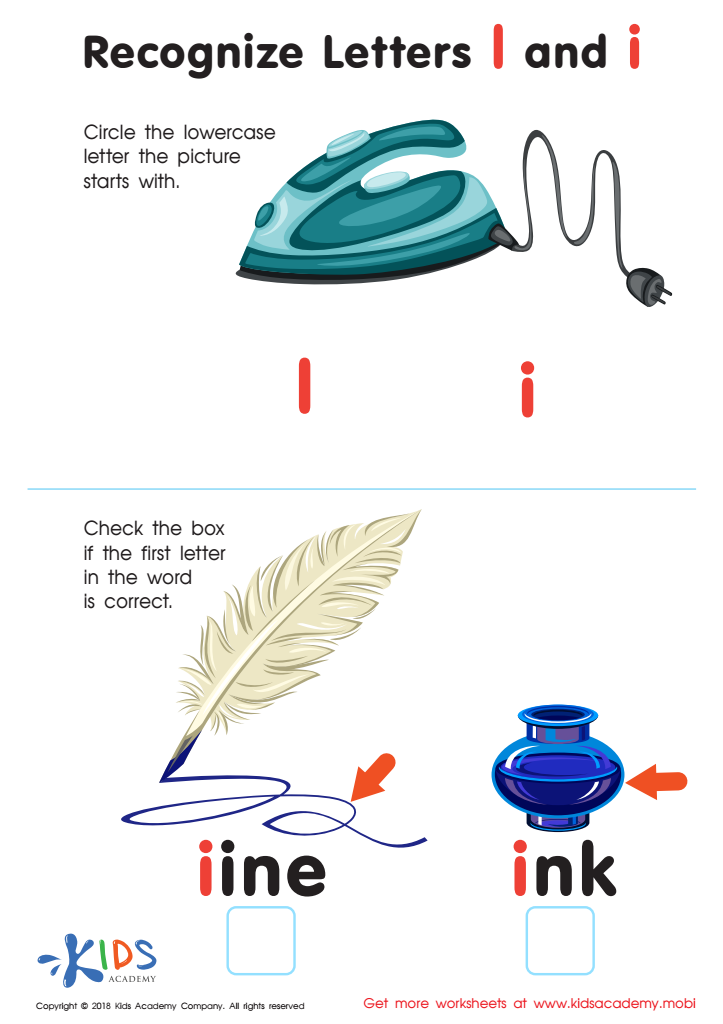
Recognize Letters l and i Worksheet
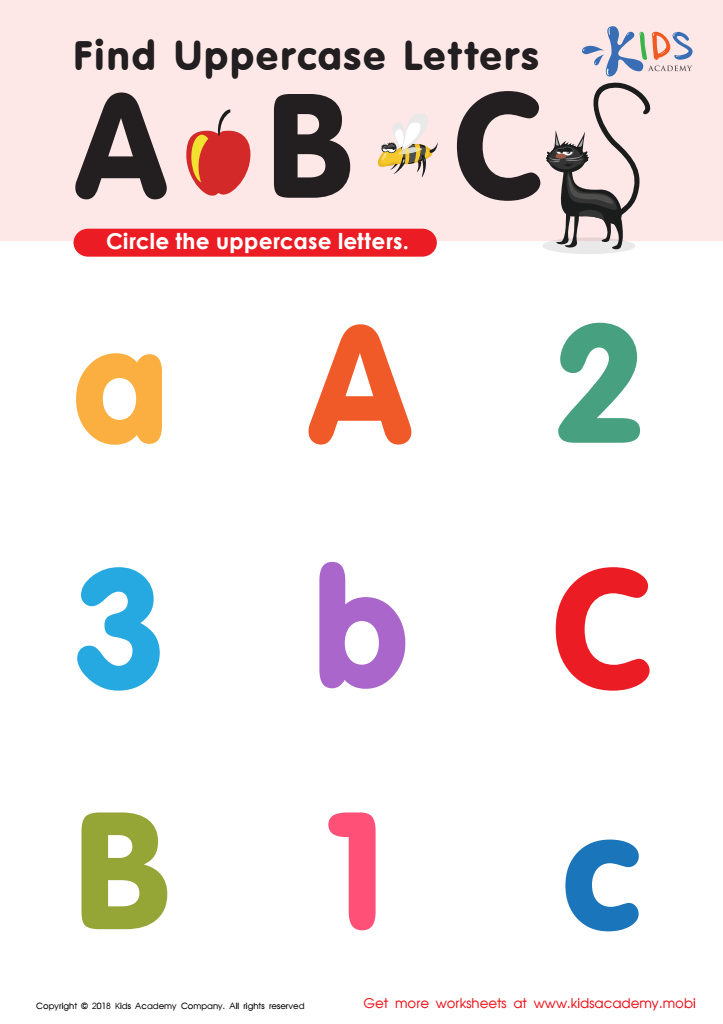
Find Uppercase Letters A, B, and C Worksheet
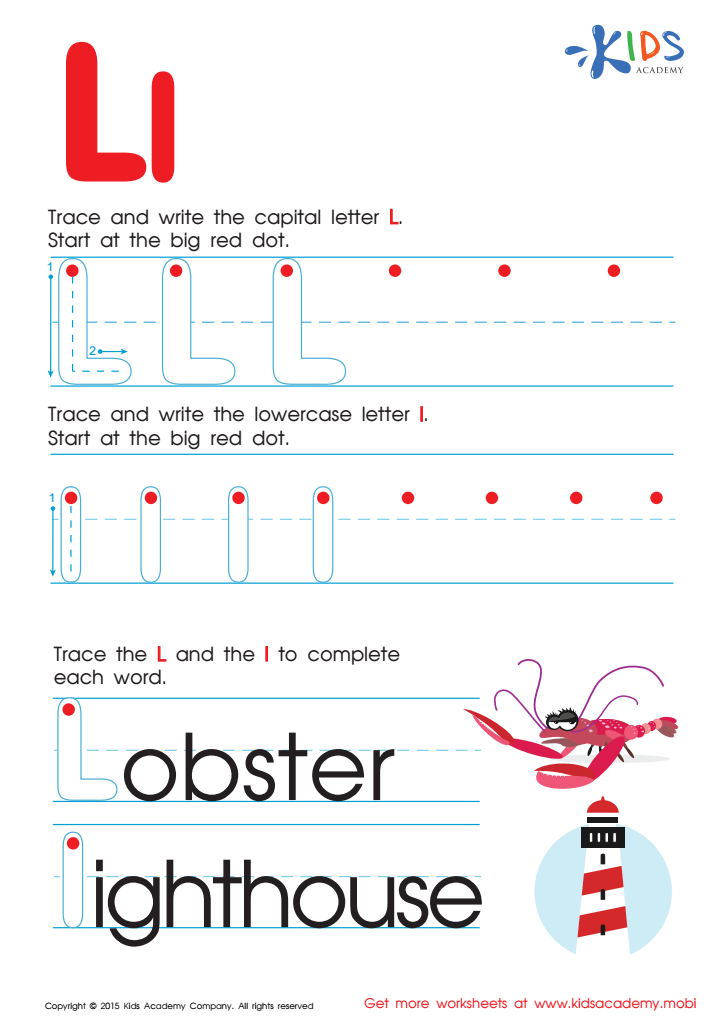
Letter L Tracing Page








Letter recognition is a fundamental skill that lays the groundwork for a child’s reading and writing development. Parents and teachers should care about this concept because it significantly impacts literacy proficiency. Recognizing letters helps children grasp that written language is composed of symbols representing sounds. When children can identify letters, they are able to begin decoding words, which is essential for reading comprehension.
Moreover, strong letter recognition skills promote confidence in young learners. When children are comfortable with the alphabet, they feel more empowered to engage in reading activities and participate in classroom discussions, fostering a love for literature. This sense of achievement encourages them to take on new challenges.
Parents play a crucial role in this process by integrating letter recognition into everyday activities, such as reading together or engaging in alphabet games. Teachers can reinforce these skills through structured lessons and interactive activities in the classroom.
In summary, letter recognition is a vital aspect of early literacy that influences reading and writing success. By prioritizing this skill, parents and teachers can foster a strong foundation in literacy, encouraging a lifelong passion for learning.







