Mazes Worksheets Activities With Answers for Ages 3-9 - Page 4
74 filtered results
-
From - To
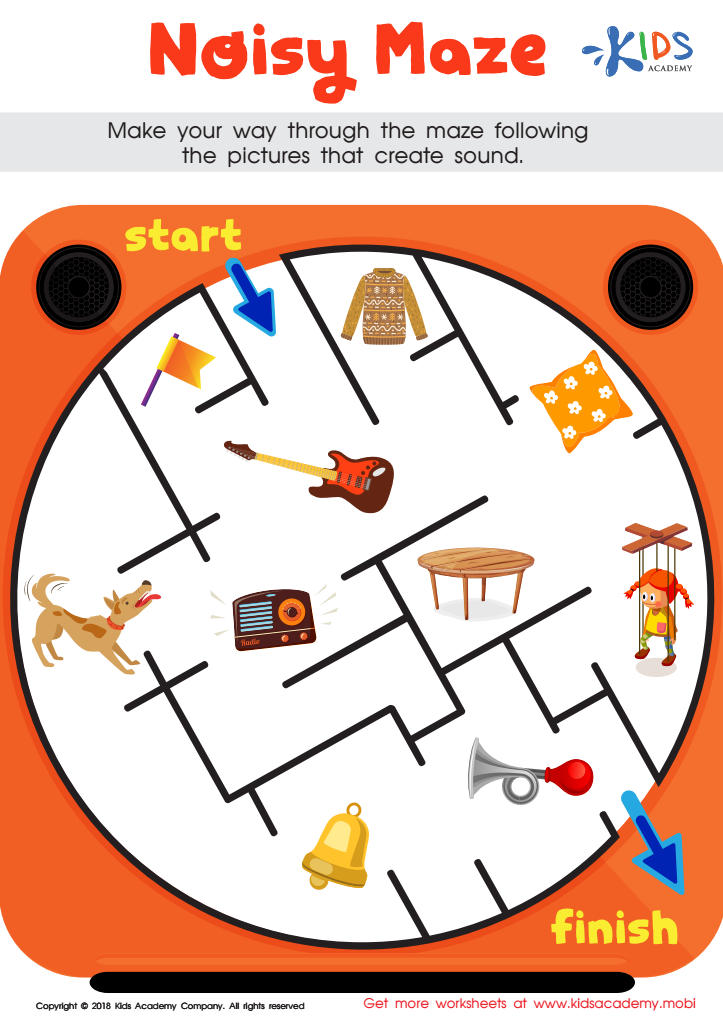
Noisy Maze Worksheet
 Assign to My Students
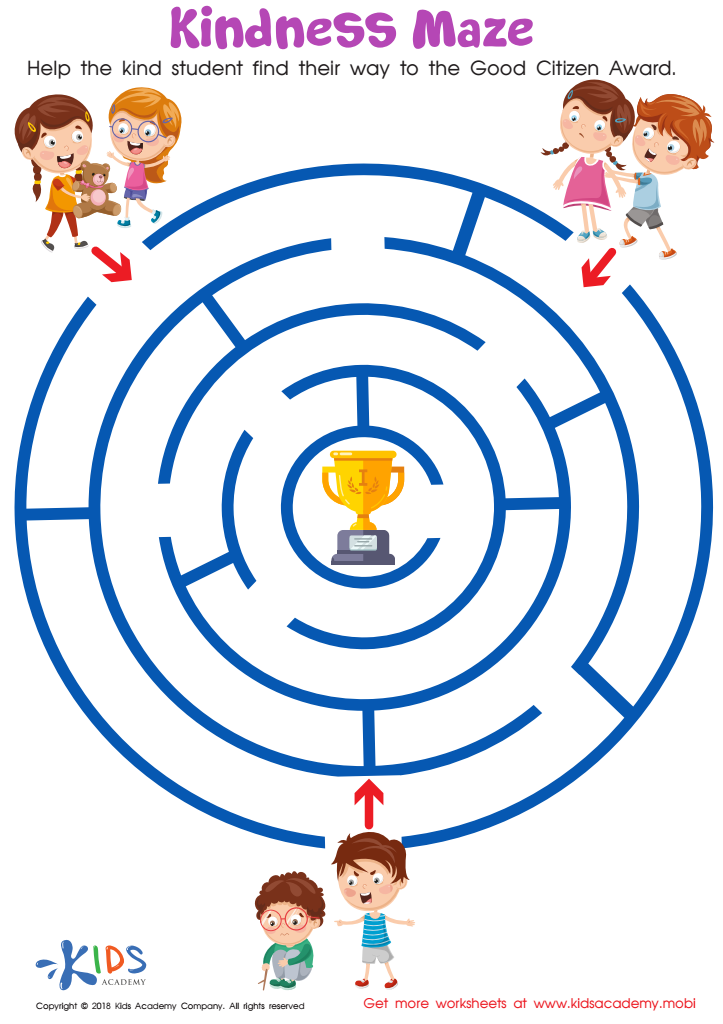
Kindness Maze Worksheet






Mazes are an engaging and beneficial activity for children aged 3-9, making them a valuable resource for both parents and teachers. Firstly, mazes enhance cognitive development by encouraging problem-solving skills and critical thinking. As children navigate through a maze, they must analyze the best paths, anticipate challenges, and make decisions, all of which contribute to their mental agility.
Furthermore, maze activities promote fine motor skills as children practice writing or drawing paths on paper, improving hand-eye coordination. This physical engagement is essential, especially for younger children who are still developing their motor control.
Additionally, maze activities can foster patience and persistence. Completing a maze provides a sense of achievement, teaching children the importance of perseverance when faced with difficulties. It also enables adults to engage in meaningful conversations about strategies and solutions, reinforcing social skills and teamwork.
Parents and teachers can integrate mazesp into learning routines to make education fun and immersive. This promotes not only academic skills but emotional intelligence, as children learn to manage frustration and celebrate their successes. Ultimately, maze activities serve as a multifaceted tool for development, making them worthy of attention from caregivers and educators alike.








