Tracing Letters Worksheets Activities With Answers for Ages 3-9 - Page 3
57 filtered results
-
From - To
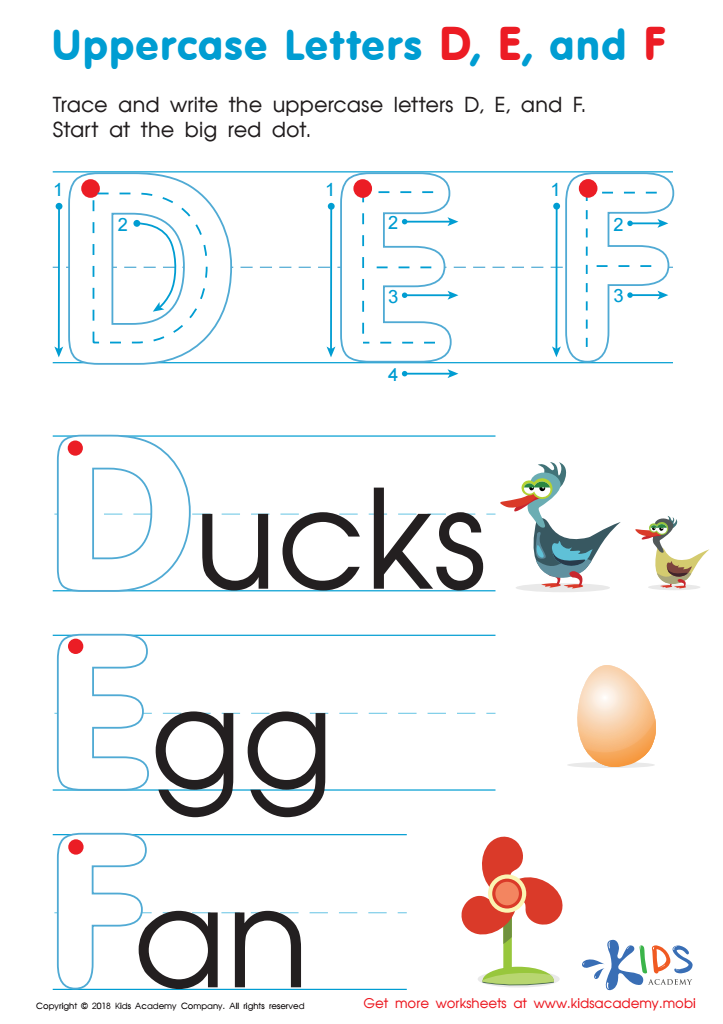
Uppercase Letters D, E, and F Worksheet
 Assign to My Students
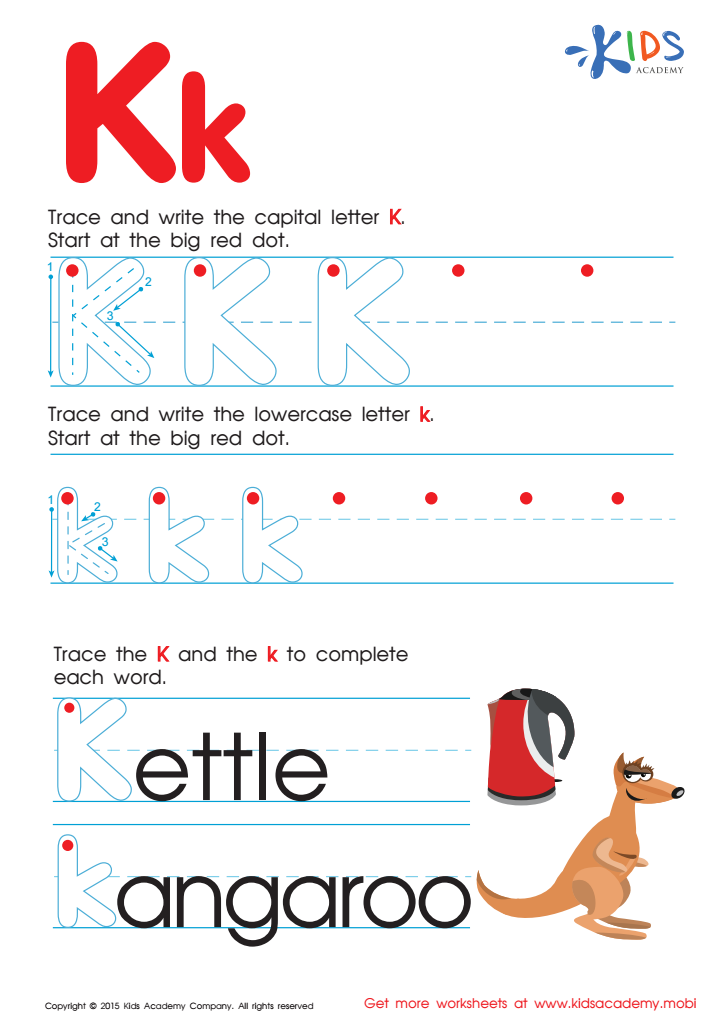
Letter K Tracing Page

Letter F Tracing Page

Uppercase Letters Y Z Worksheet
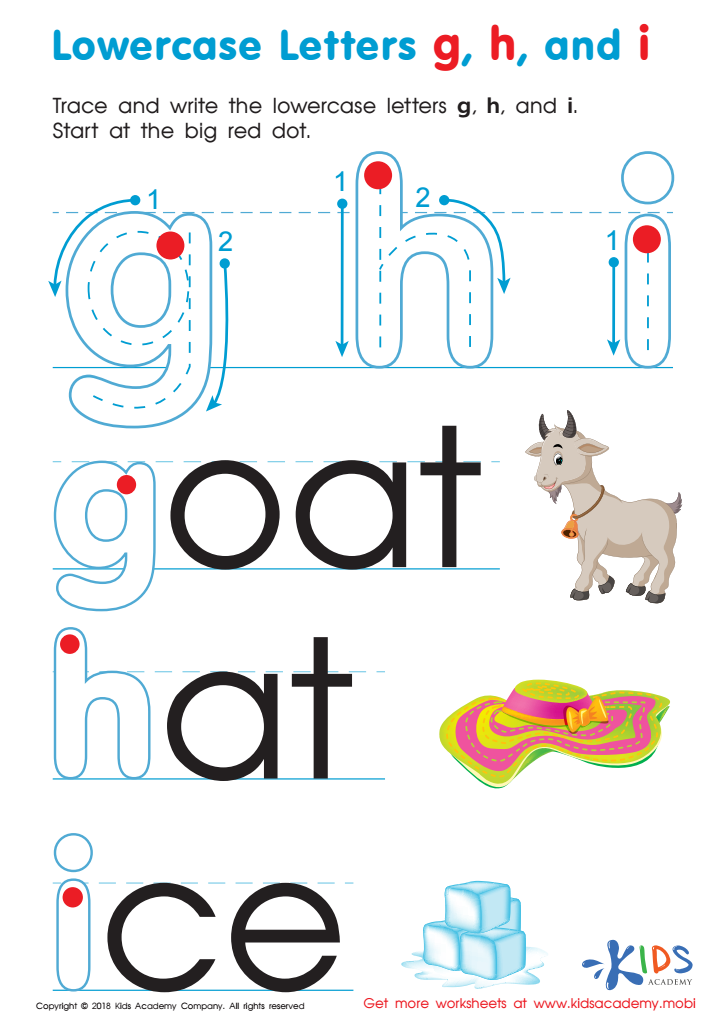
Lowercase Letters g h i Worksheet
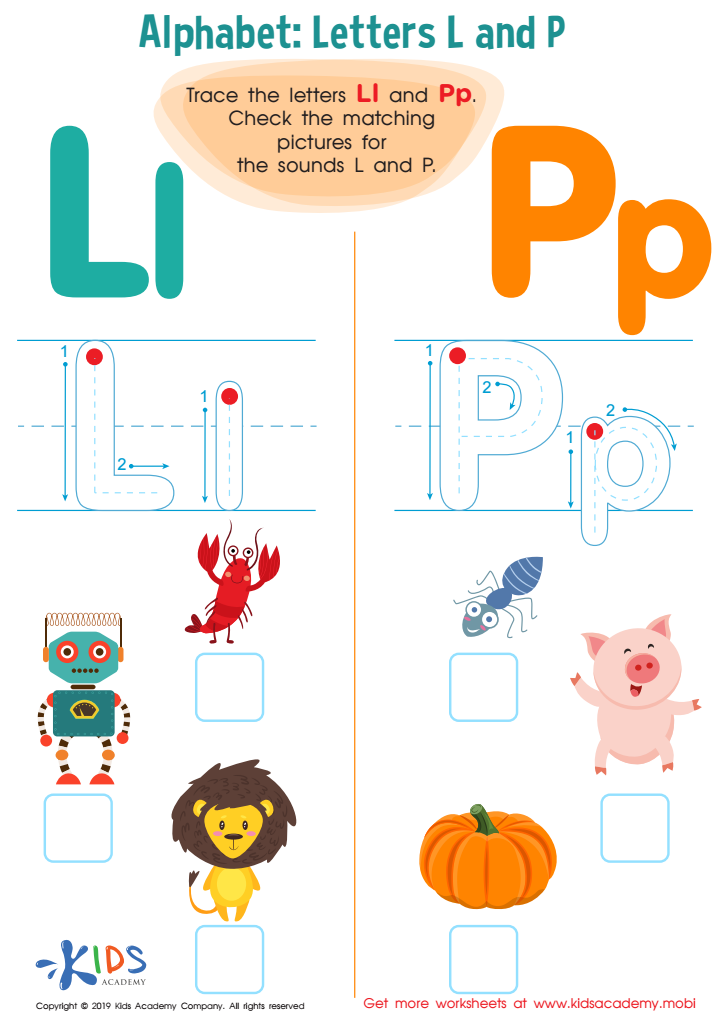
Letter L and P Tracing Worksheet
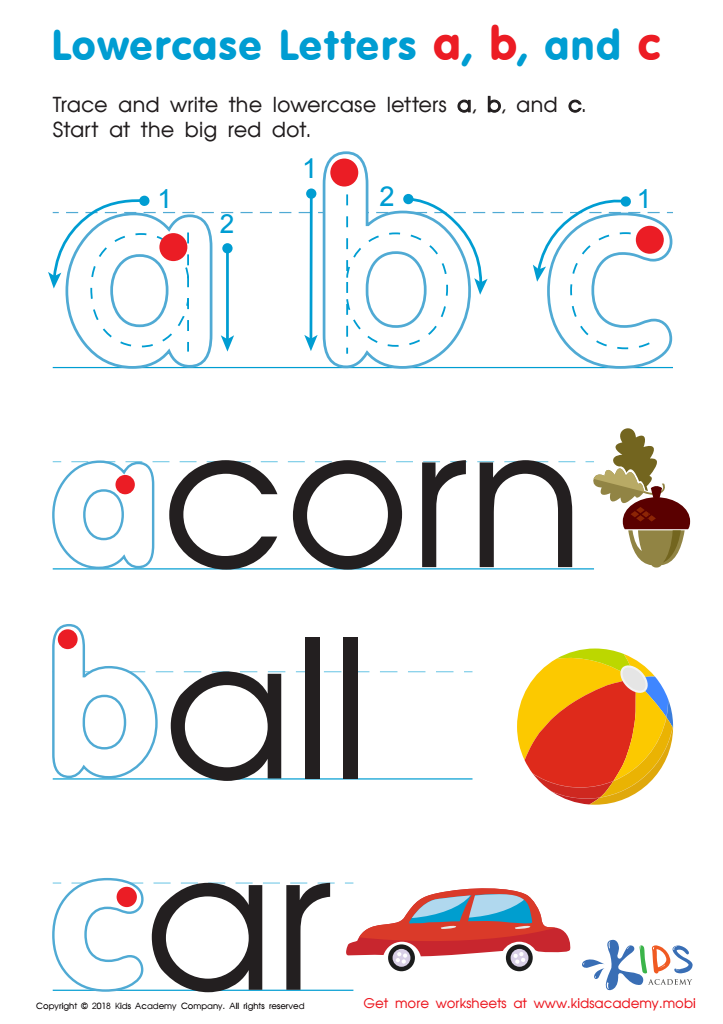
Lowercase Letters a b c Worksheet
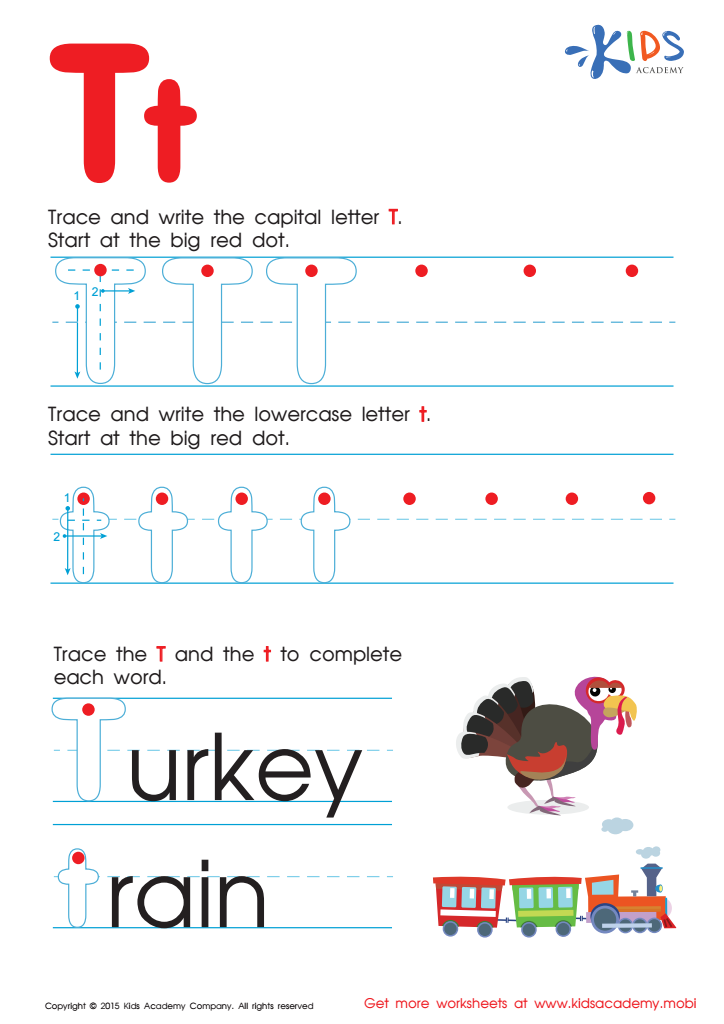
Letter T Tracing Page

Letter D Tracing Page



.jpg)




Tracing letters activities are vital for early childhood education, providing foundational skills for literacy development in children aged 3-9. Parents and teachers should prioritize these activities for several reasons.
Firstly, tracing letters enhances fine motor skills, which are crucial for writing. This physical practice helps children develop the hand-eye coordination necessary for forming letters accurately as they progress in their writing skills.
Secondly, these activities instill confidence in young learners. Mastering letter formation through tracing allows children to feel a sense of achievement, motivating them to engage further with writing tasks. It provides immediate feedback, allowing them to correct mistakes in a supportive environment.
Furthermore, tracing letters supports phonemic awareness, as children connect the shapes they are drawing with the sounds and letters of the alphabet. This early exposure boosts their reading readiness, making it easier for them to transition into more complex literacy tasks.
Lastly, structured tracing activities can be tailored to various skill levels, ensuring that every child, regardless of ability, finds success and remains engaged. By incorporating tracing letter activities, parents and teachers contribute to a well-rounded educational experience that prepares children for academic growth.








