Fairy Tales Worksheets Activities With Answers for Ages 4-8 - Page 3
62 filtered results
-
From - To
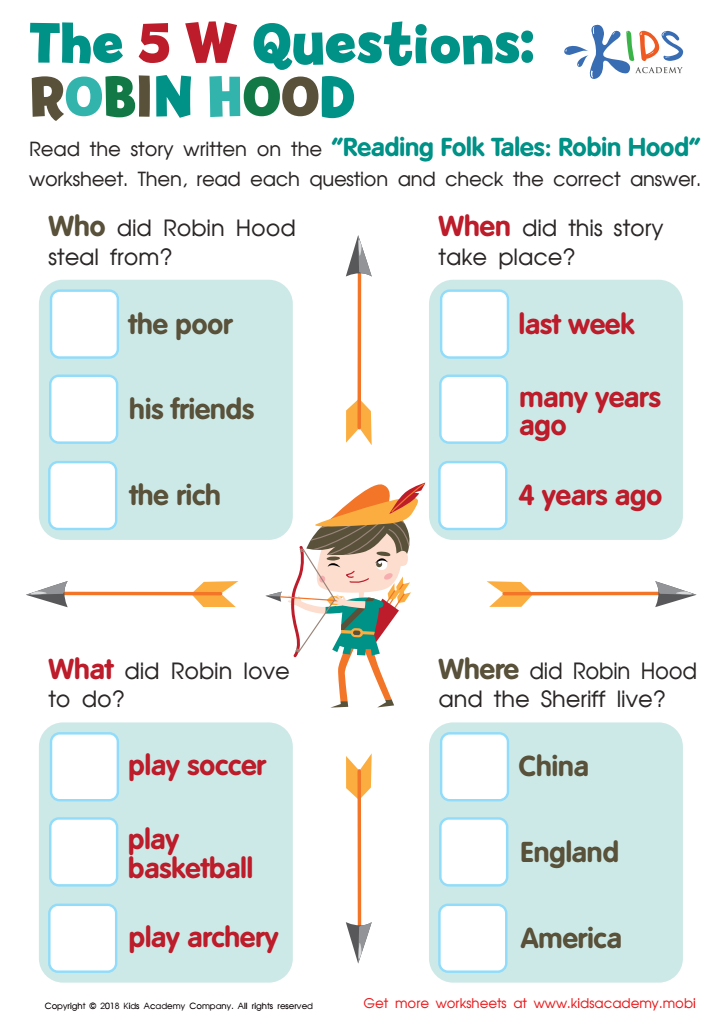
The 5 W Questions: Robin Hood Worksheet
 Assign to My Students
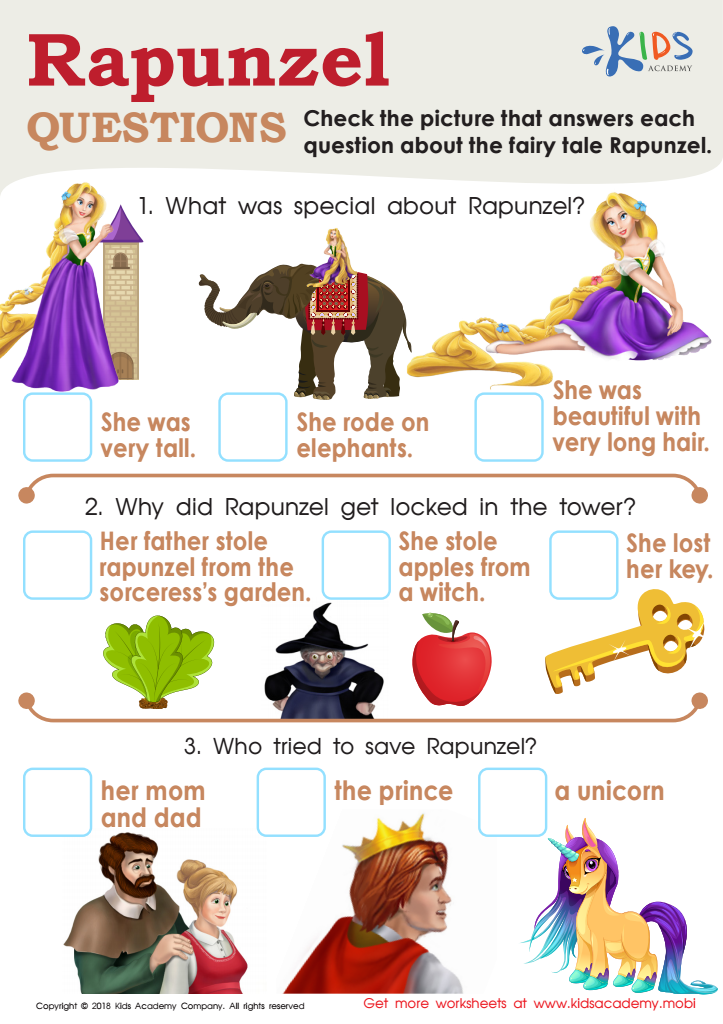
Rapunzel Questions Worksheet
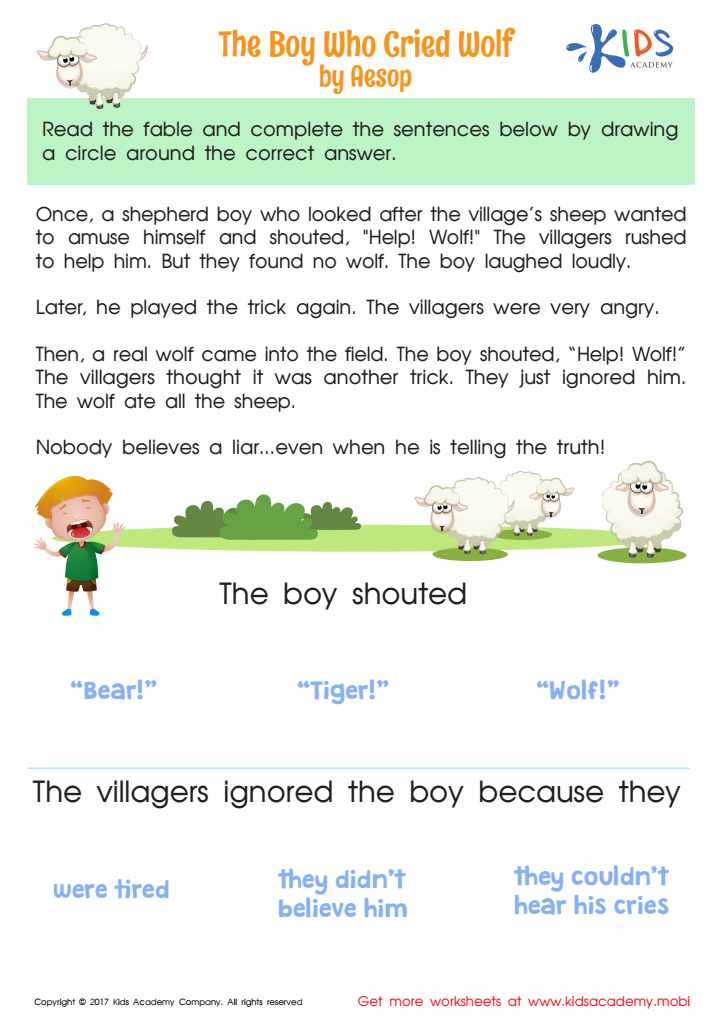
The Boy Who Cried Wolf Worksheet
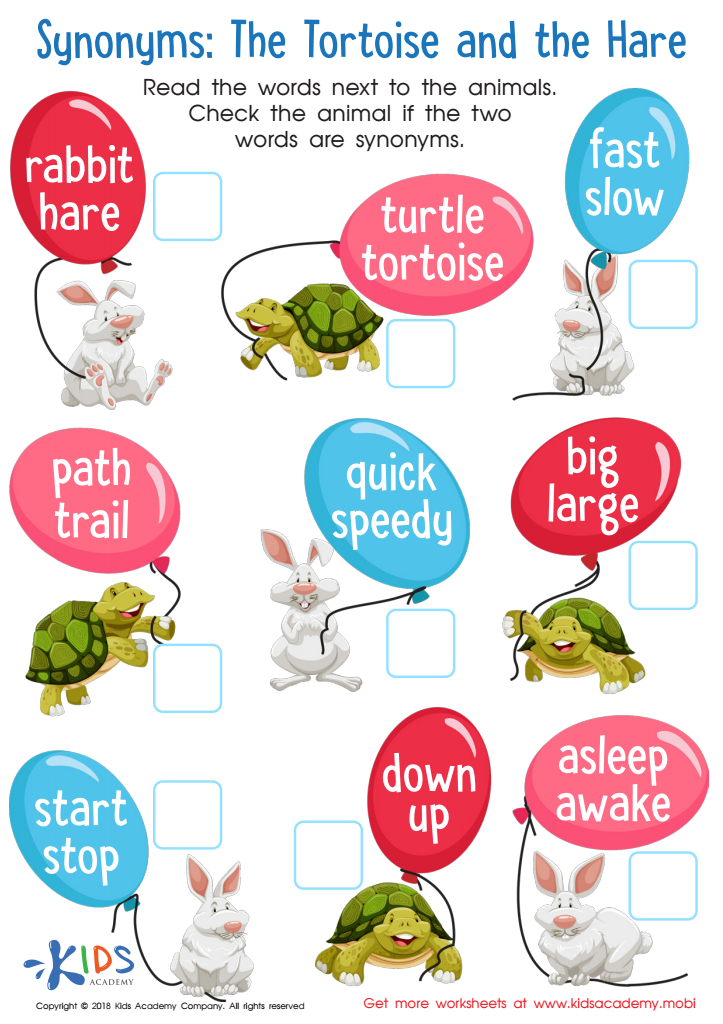
Synonyms: The Tortoise and Hare Worksheet
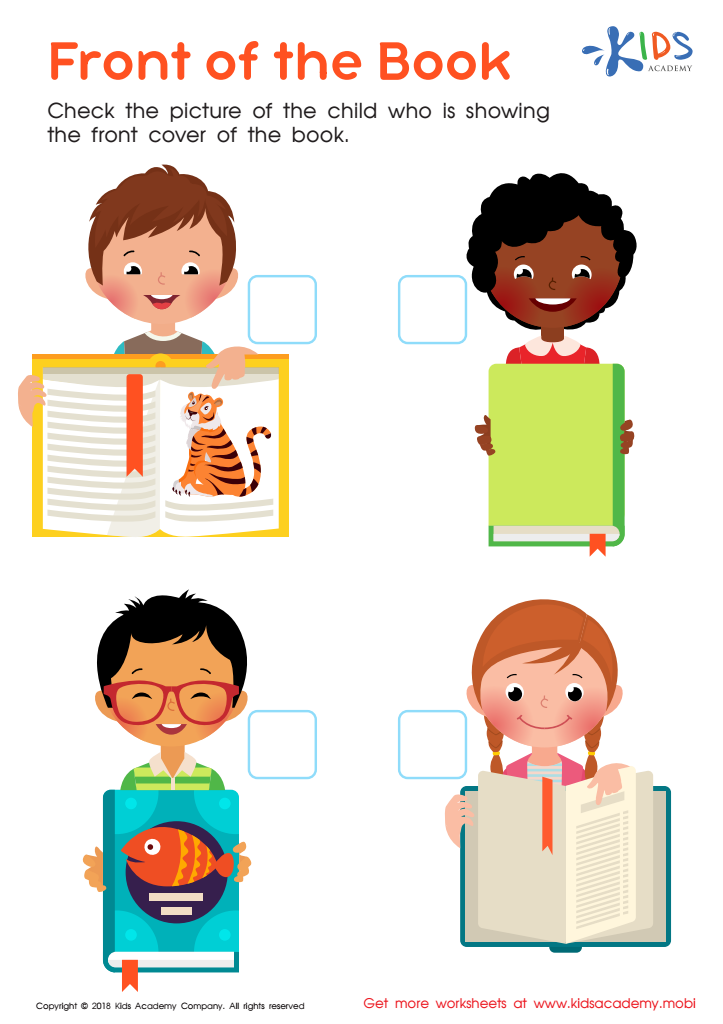
Front of the Book Worksheet
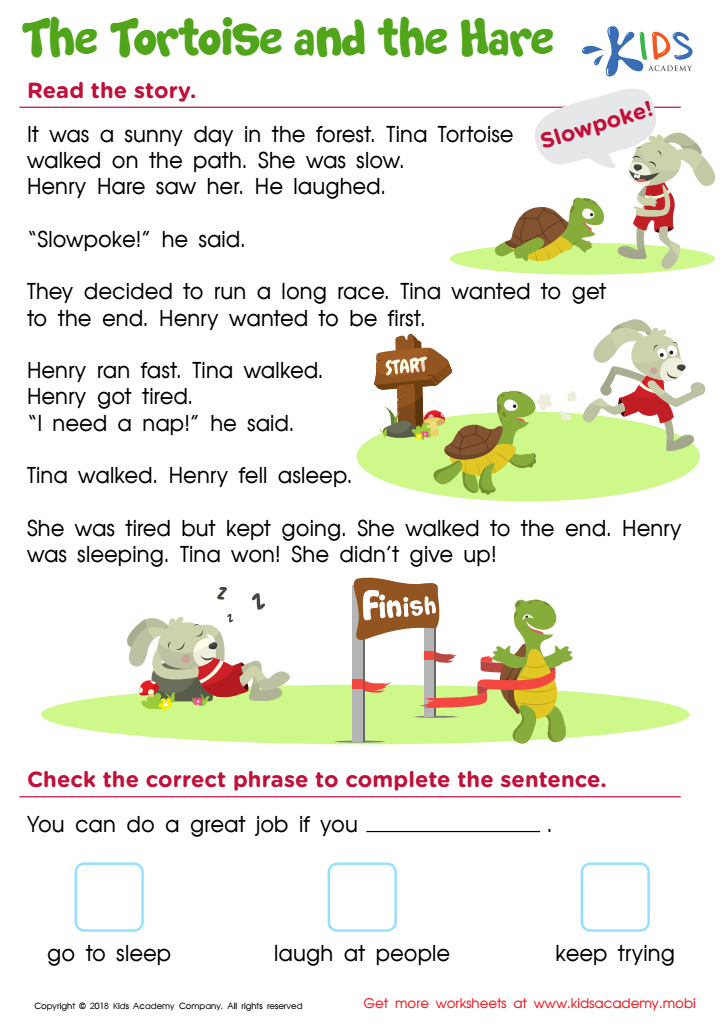
The Tortoise and the Hare Worksheet
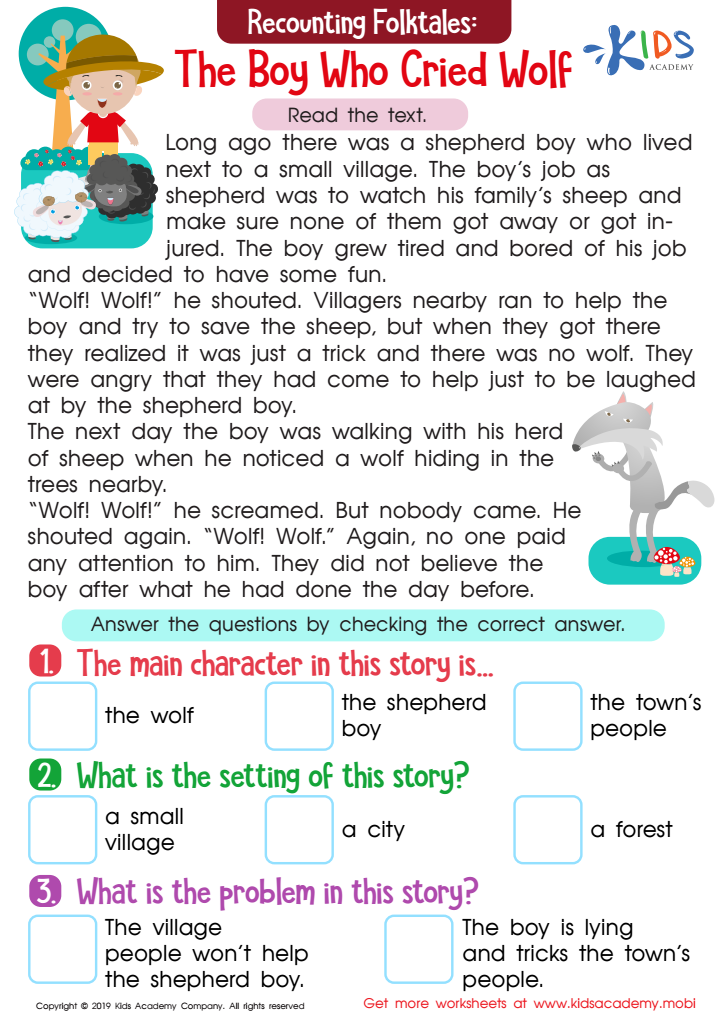
The Boy Who Cried Wolf Part 1 Worksheet
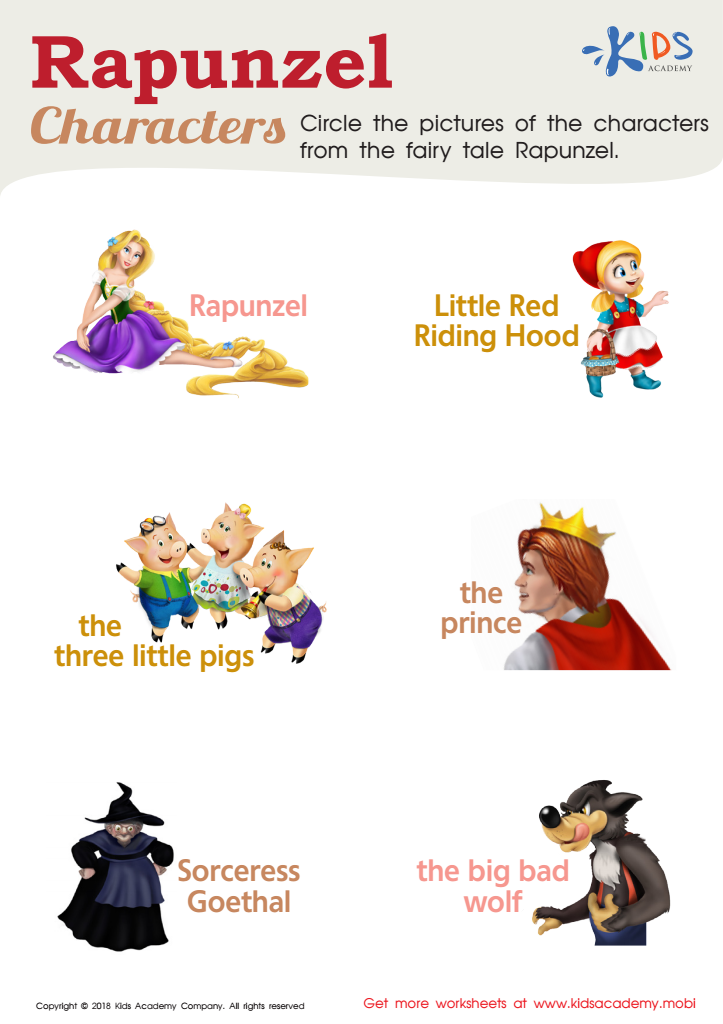
Rapunzel Characters Worksheet
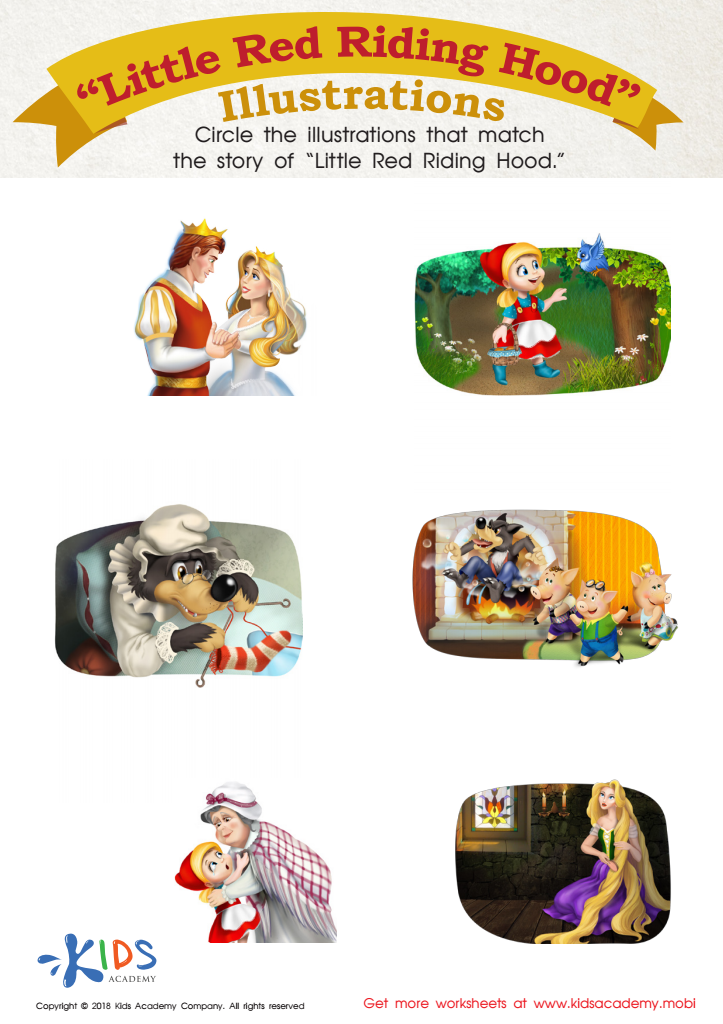
Little Red Riding Hood: Illustrations Worksheet
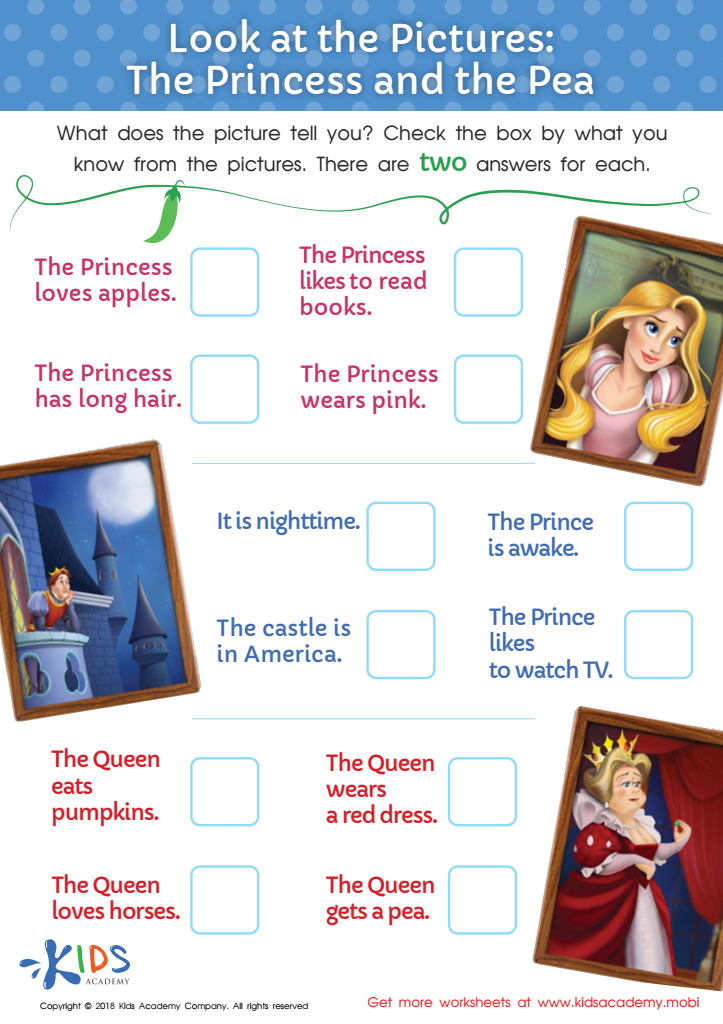
Look at the Pictures: The Princess and the Pea Worksheet
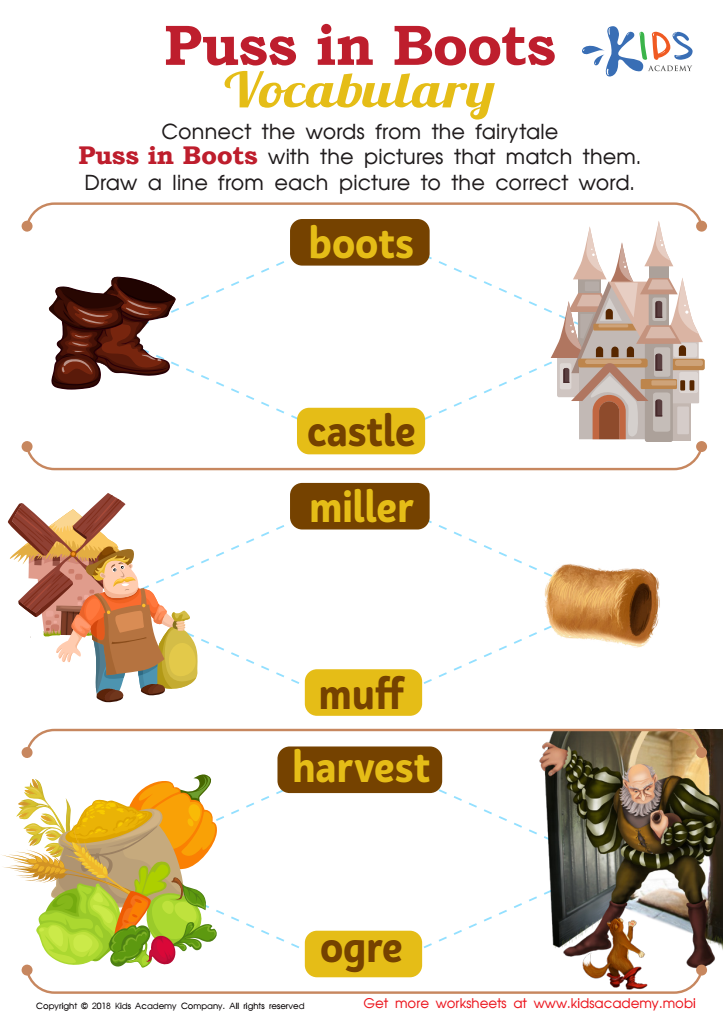
Puss in Boots Vocabulary Worksheet
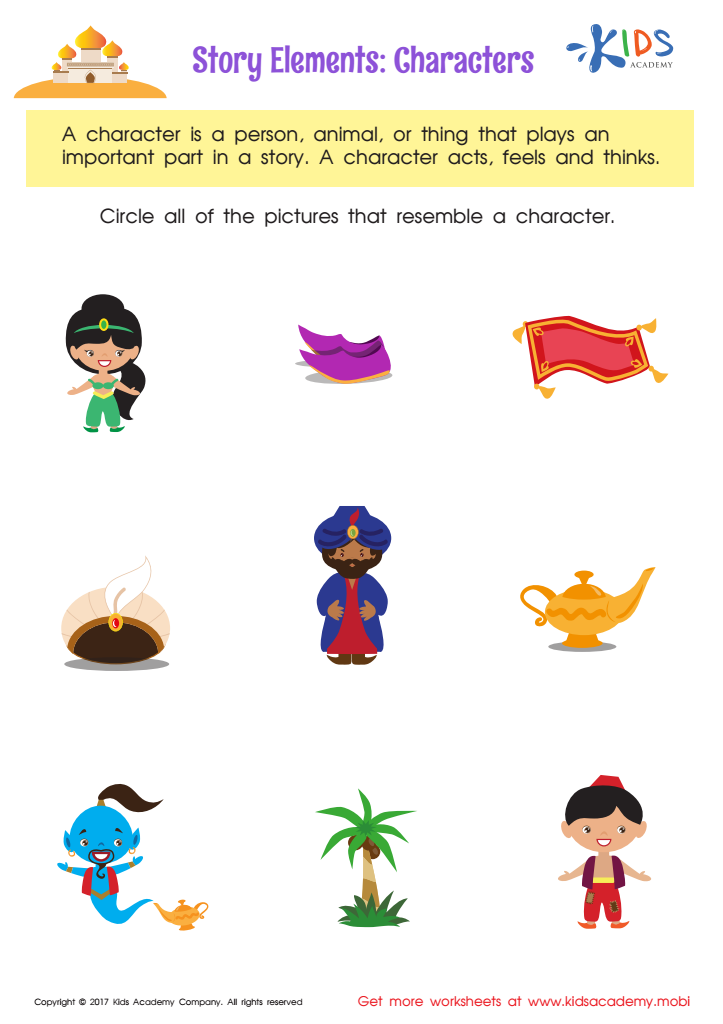
Story Elements Printable
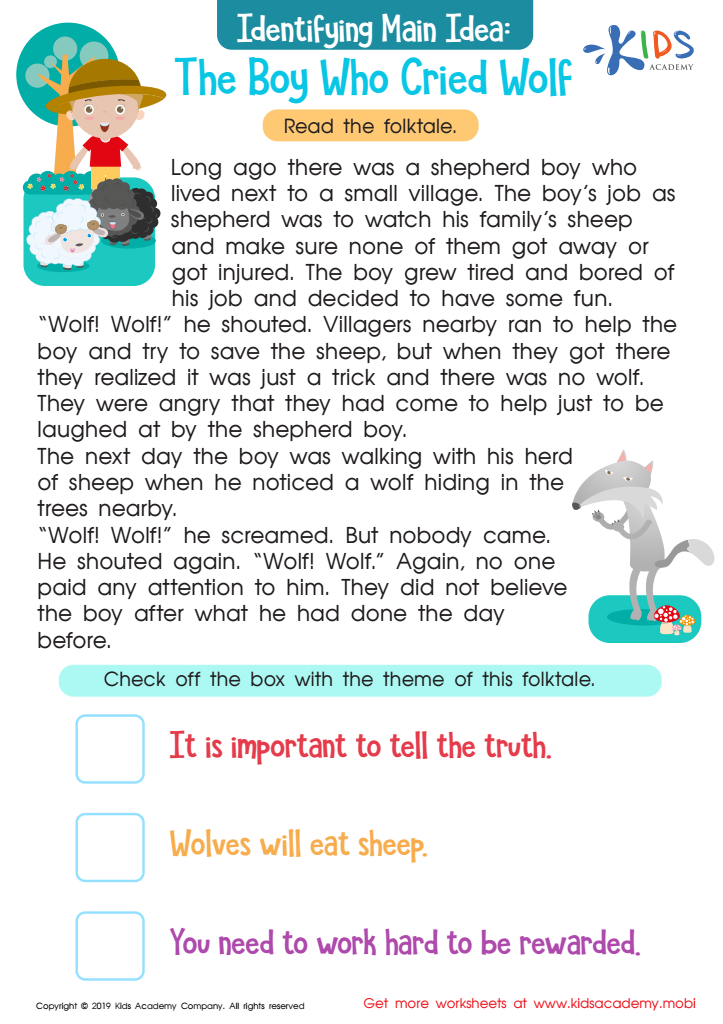
The Boy Who Cried Wolf Part 2 Worksheet
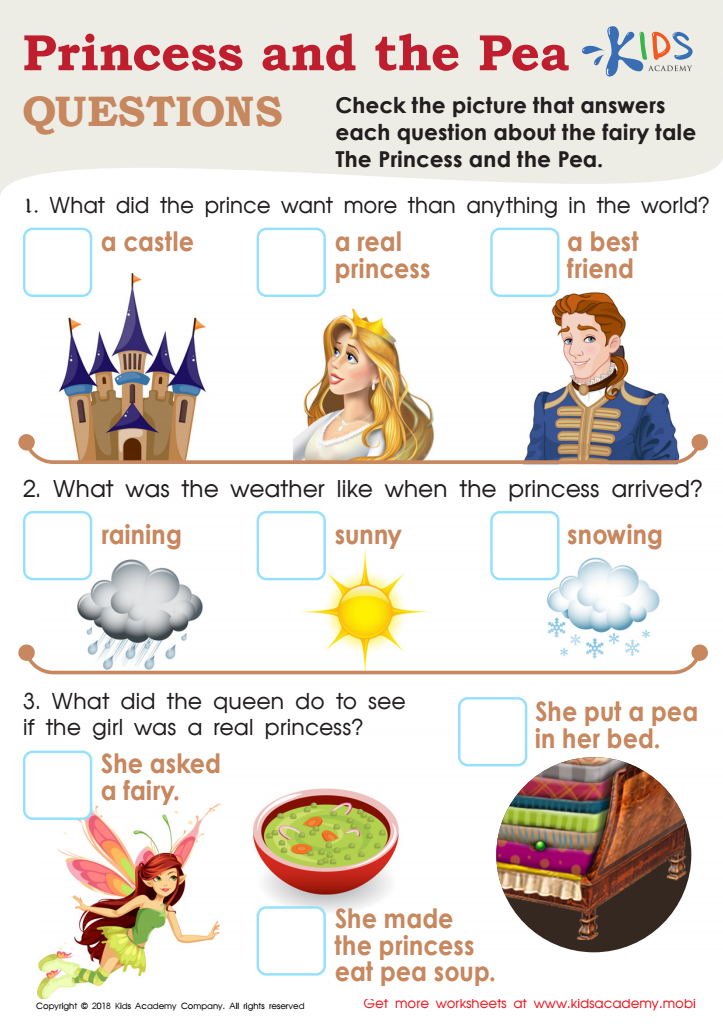
Princess and the Pea Questions Worksheet








Fairy tales play a crucial role in early childhood development, making activities centered around them particularly valuable for parents and teachers. Engaging young children (ages 4-8) in fairy tale activities fosters essential skills, including language development, critical thinking, and creativity. These stories serve as a rich source of vocabulary and narrative structure, helping children to enhance their listening and comprehension skills.
Furthermore, fairy tales often carry moral lessons and cultural significance, facilitating discussions about ethics and friendships. By exploring these tales, children can learn important values, such as kindness, honesty, and bravery. Activities related to fairy tales, such as role-playing, arts and crafts, or storytelling, also encourage collaboration and social interaction among peers, promoting emotional intelligence.
Additionally, fairy tale activities can provide a safe space for children to express themselves through imaginative play, boosting their confidence. Overall, parents and teachers should embrace fairy tale activities as a holistic approach to learning that not only entertains but also enriches children's cognitive, emotional, and social development. By valuing these activities, caregivers contribute to a well-rounded educational experience that lays the groundwork for lifelong learning and moral understanding.








