Logical Thinking Worksheets Activities With Answers for Ages 6-9 - Page 2
86 filtered results
-
From - To
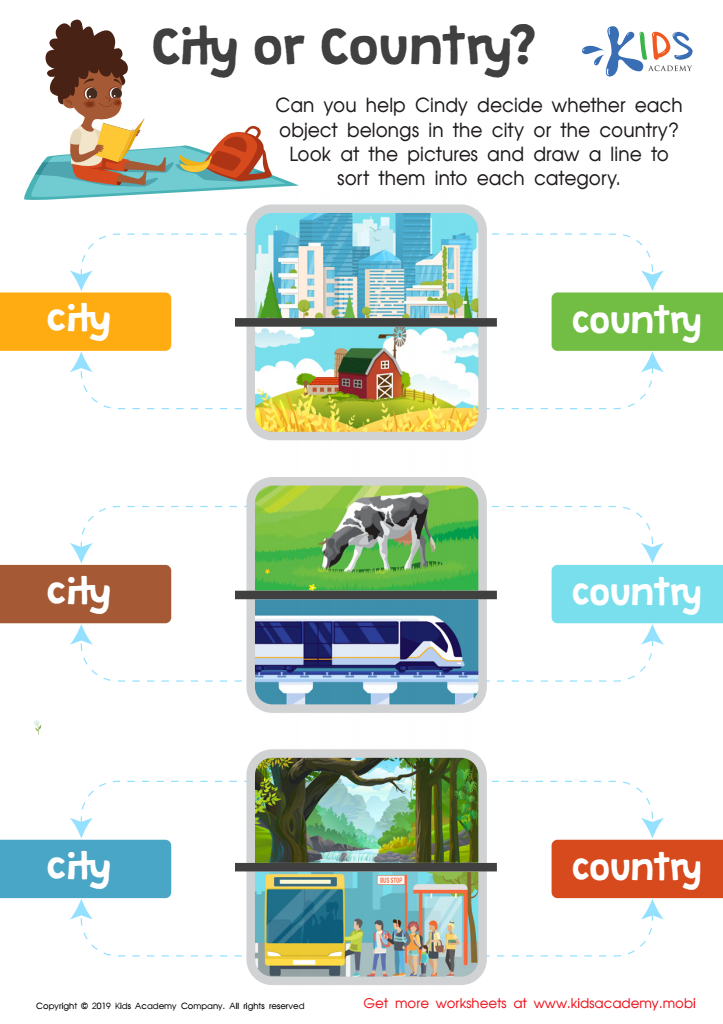
City or Country? Worksheet
 Assign to My Students
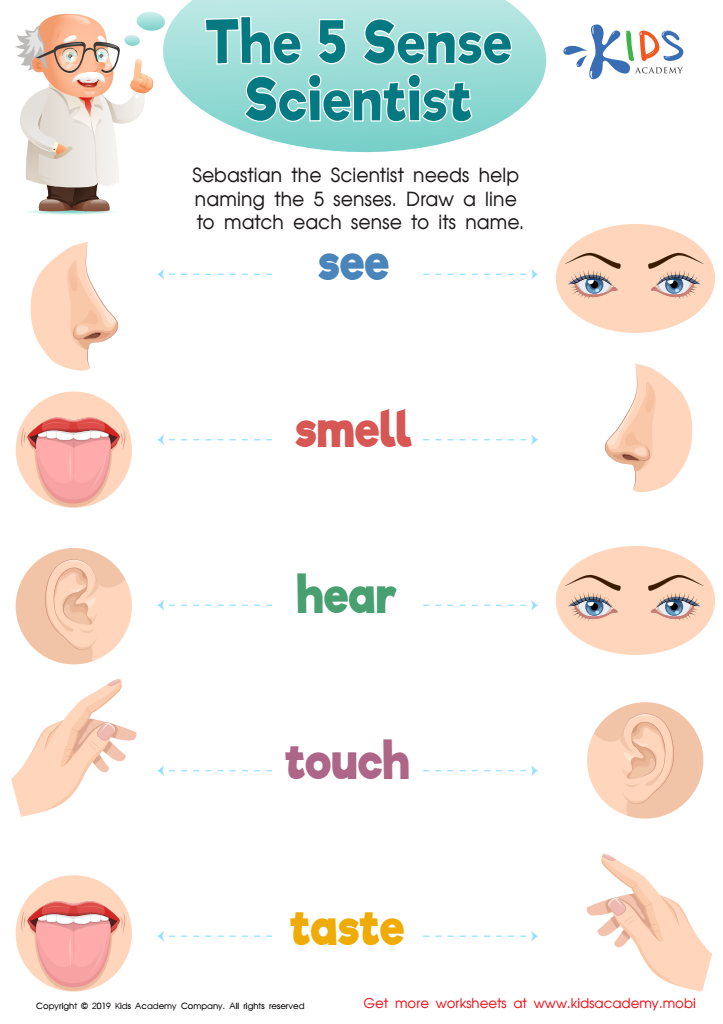
The 5 Sense Scientist Worksheet
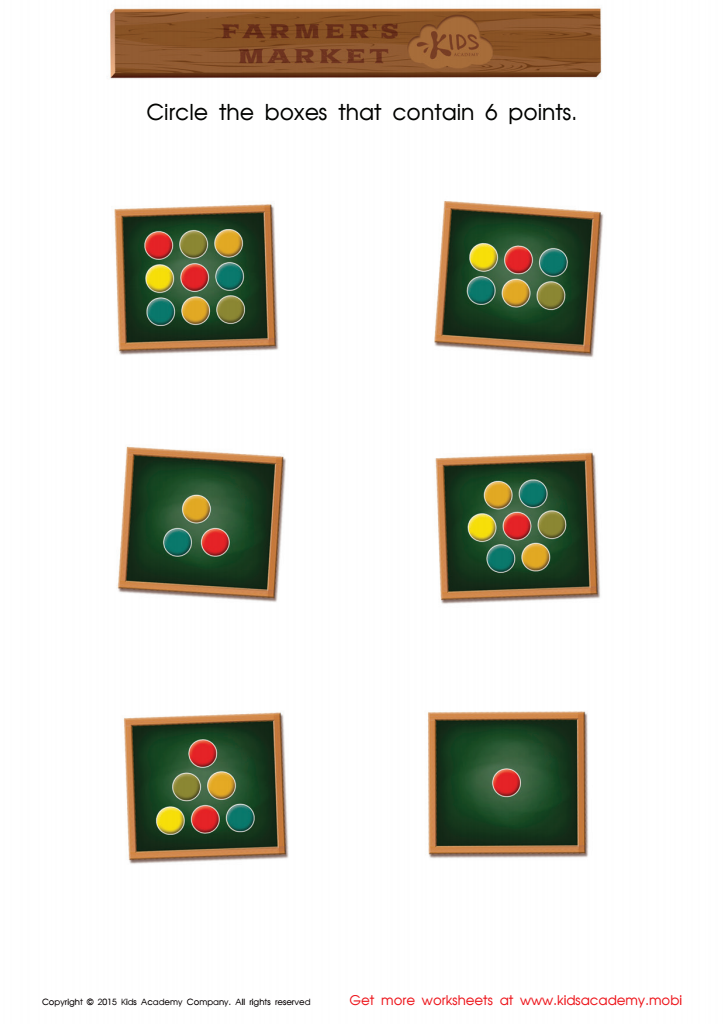
Count and Match Points 6 Math Worksheet
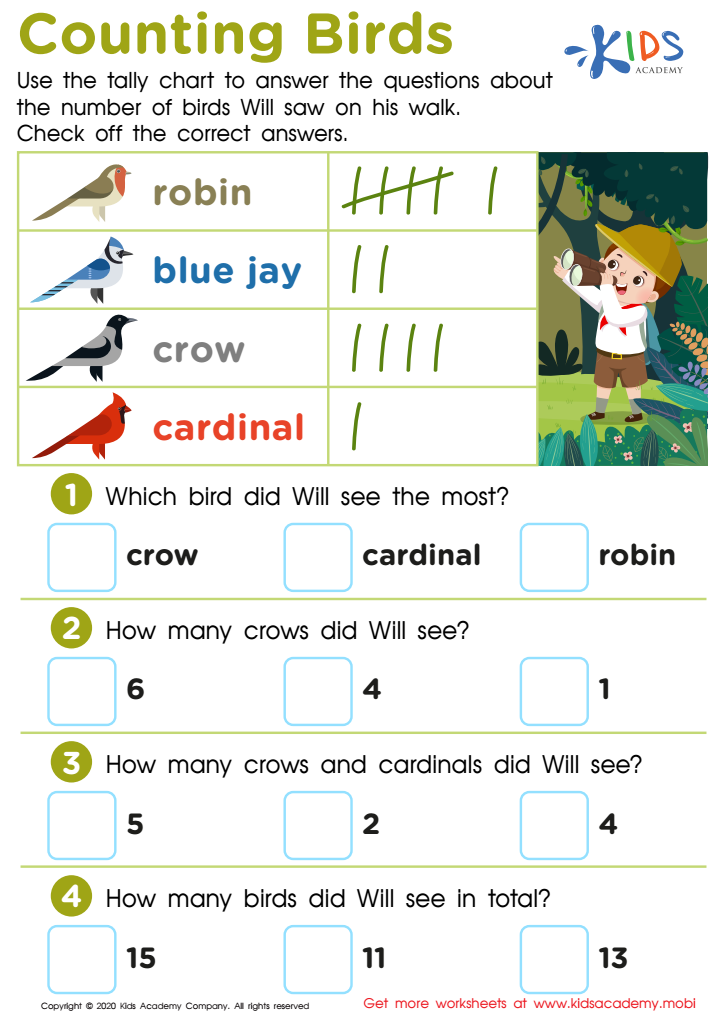
Counting Birds Worksheet
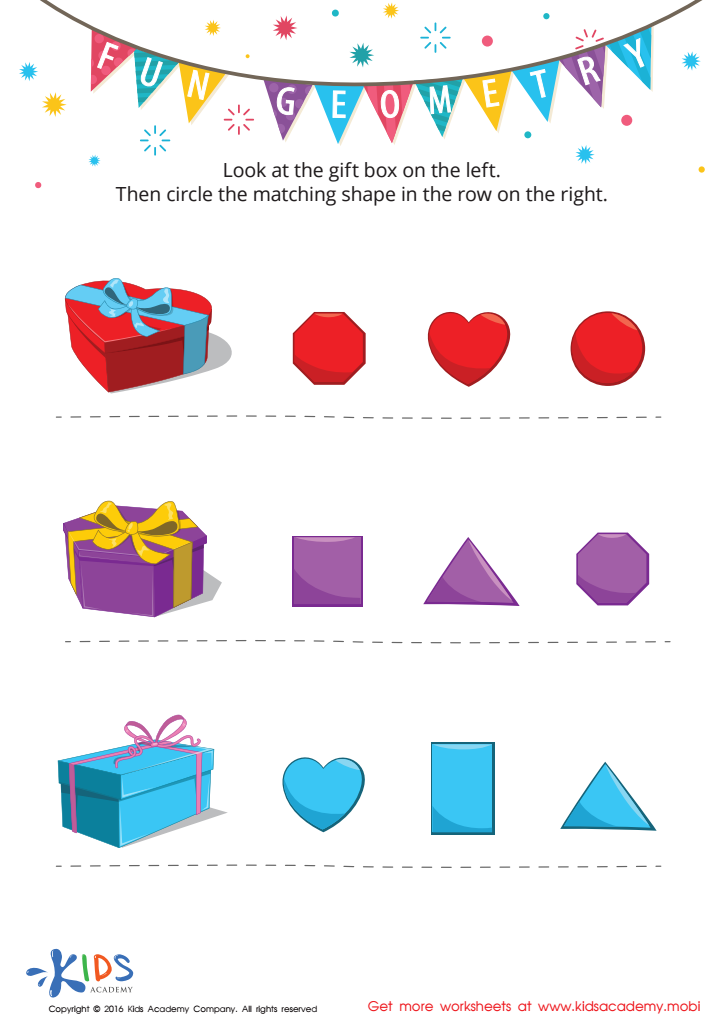
Fun Geometry Worksheet
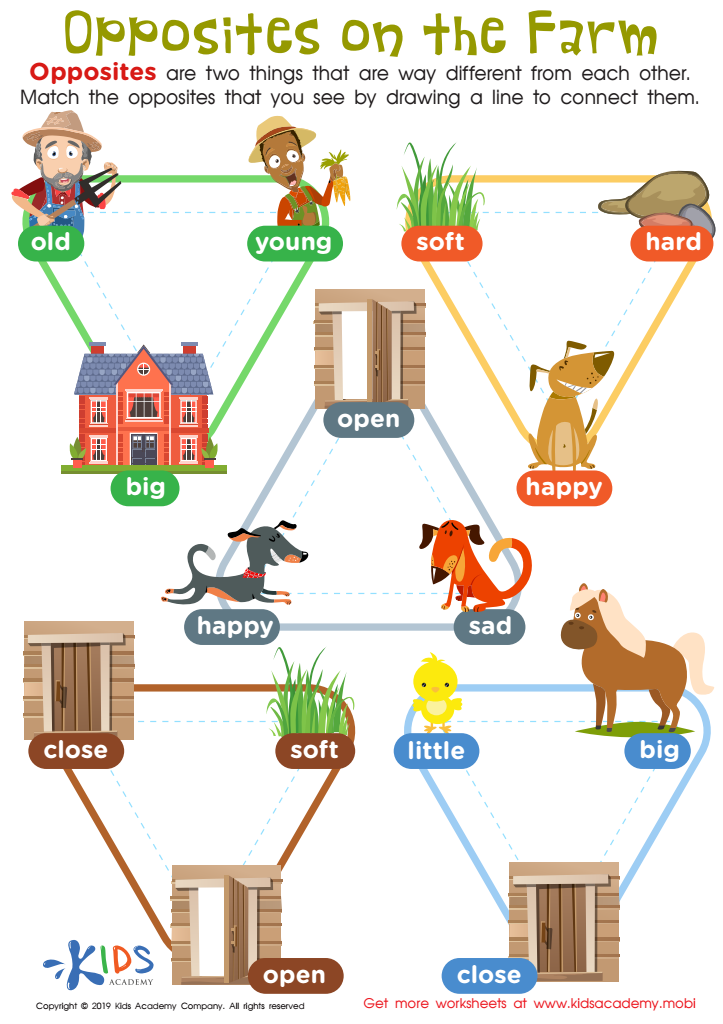
Opposites on the Farm Worksheet
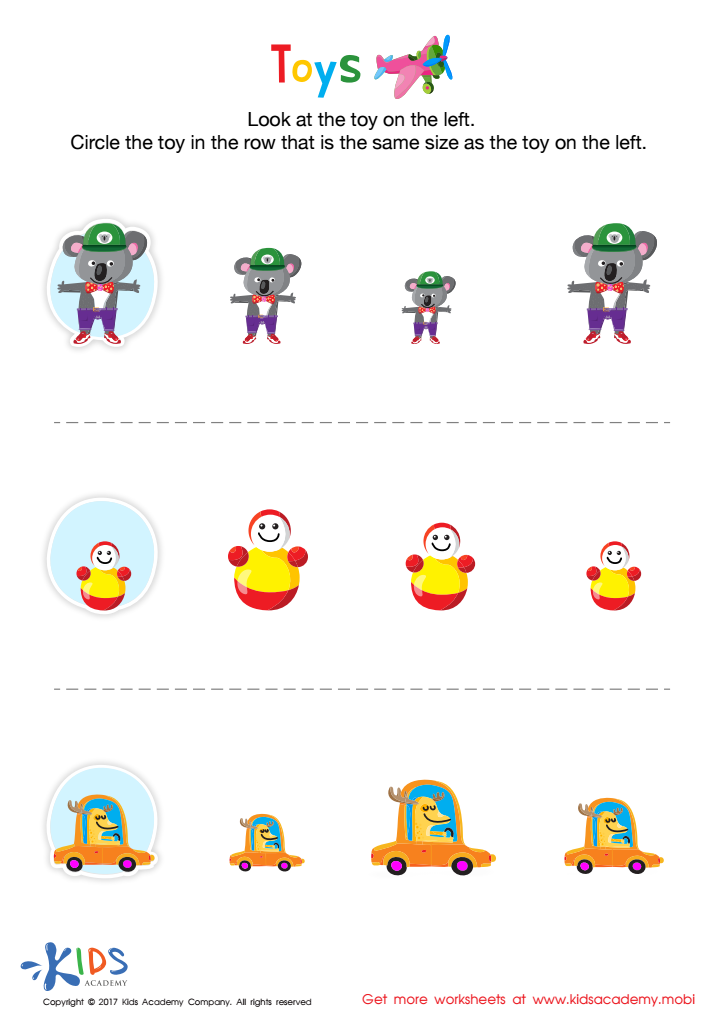
Matching: Classifying Toys by Size Worksheet
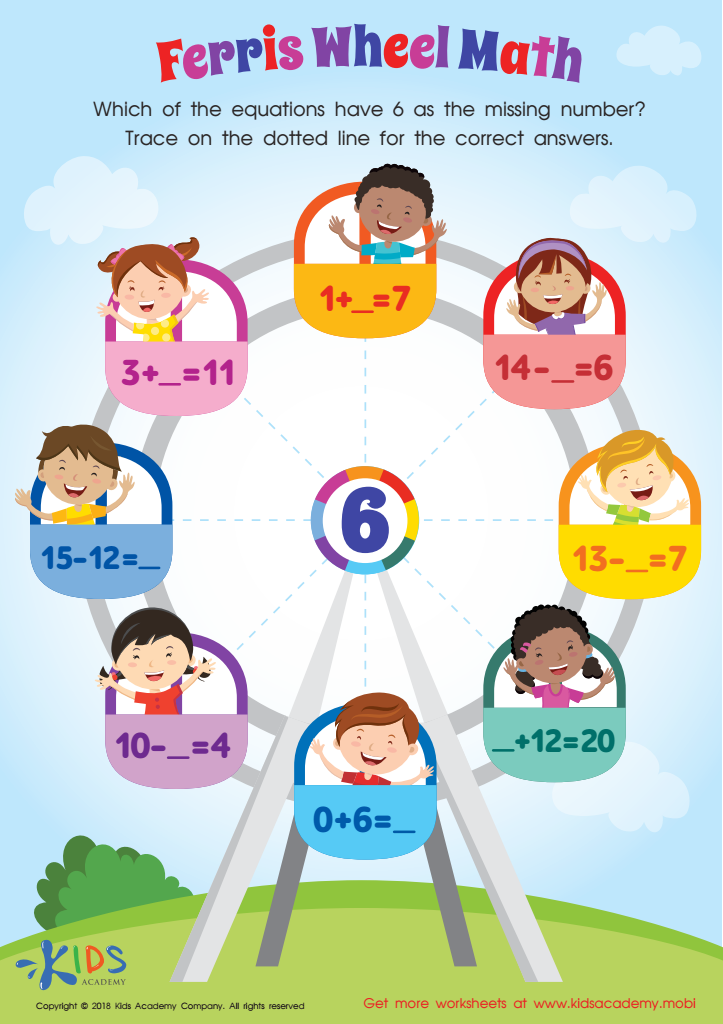
Missing Number: Ferris Wheel Math Worksheet
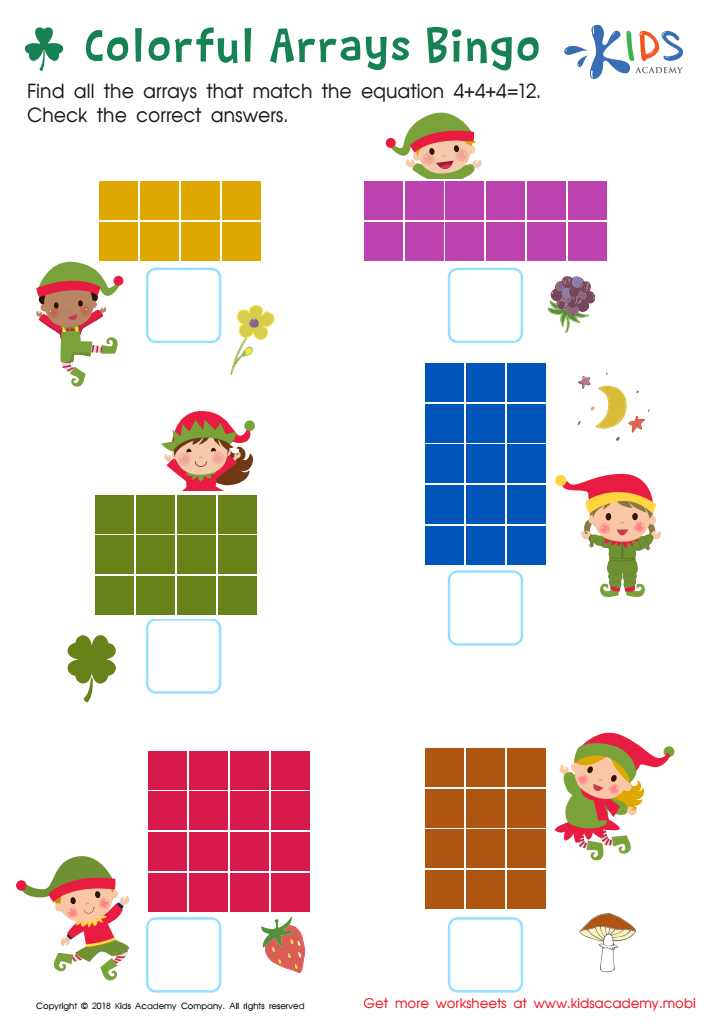
Colorful Arrays Bingo Worksheet

Identifying a Problem Worksheet
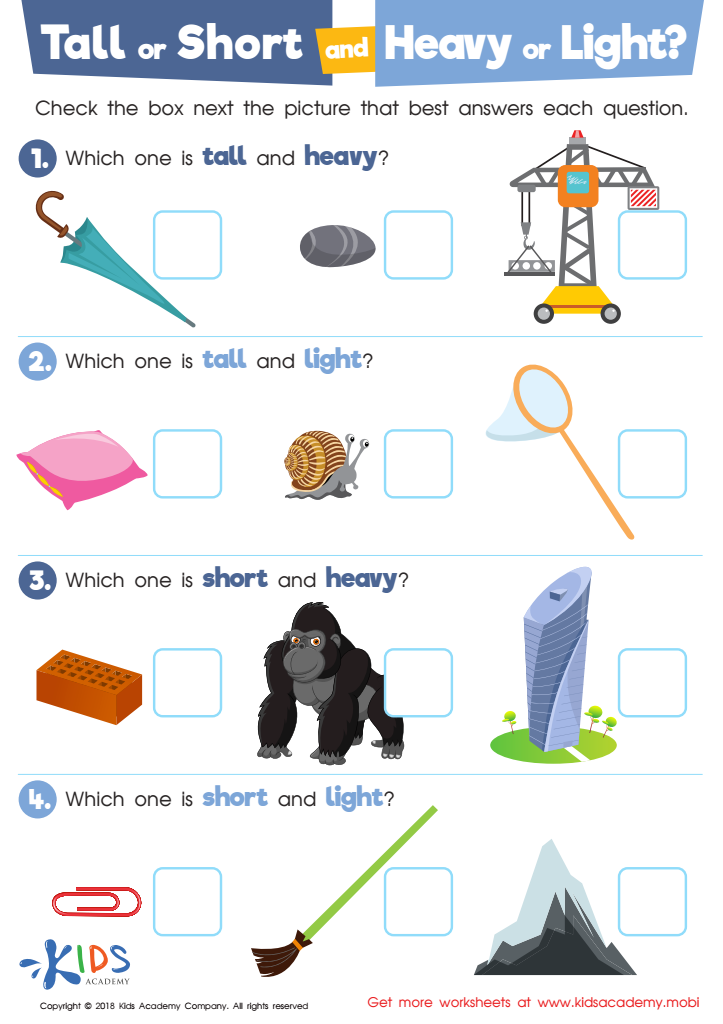
Tall or Short and Heavy or Light? Worksheet
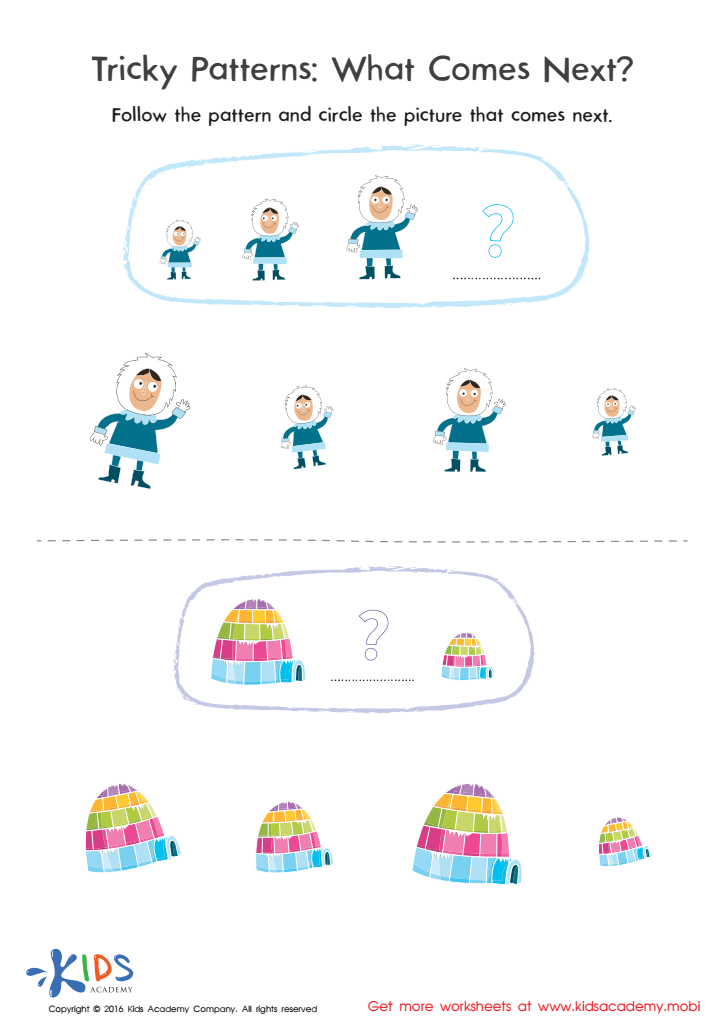
Tricky Patterns Size Worksheet
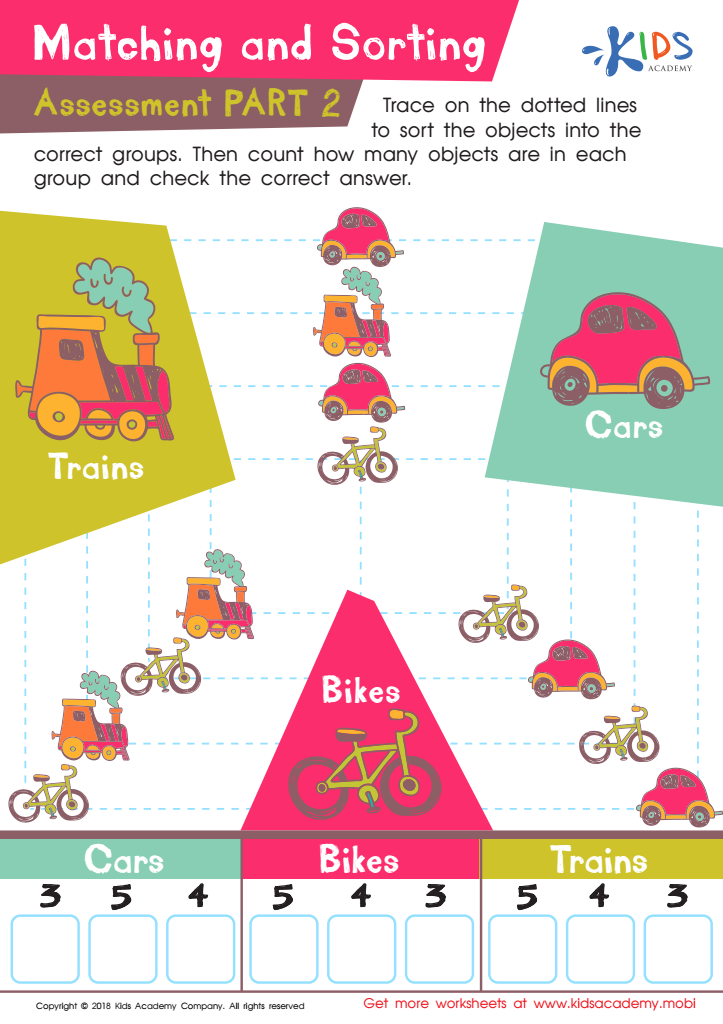
Matching and Sorting for Kindergarten: Assessment 2 Worksheet
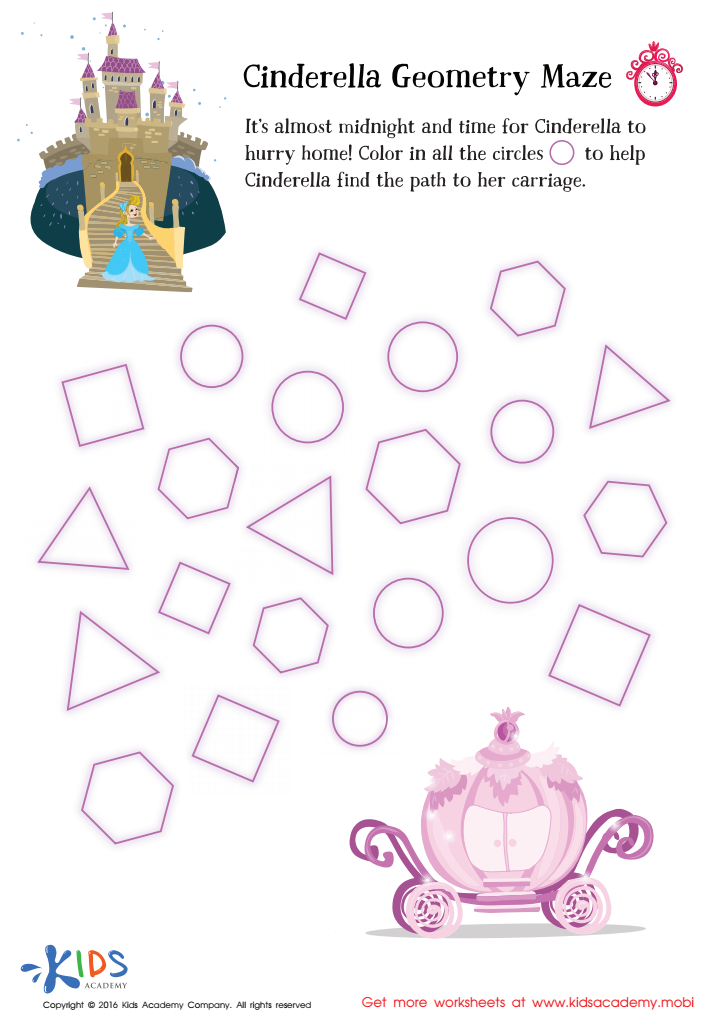
Cinderella Geometry Maze Worksheet
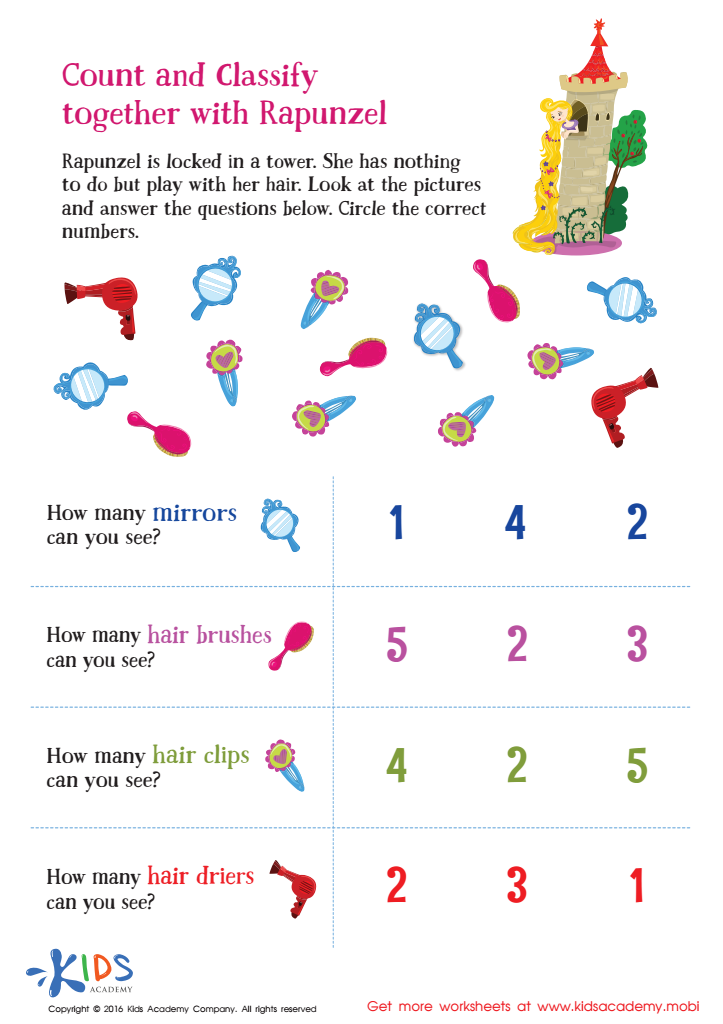
Fairy Tale Worksheet: Count and Classify with Rapunzel
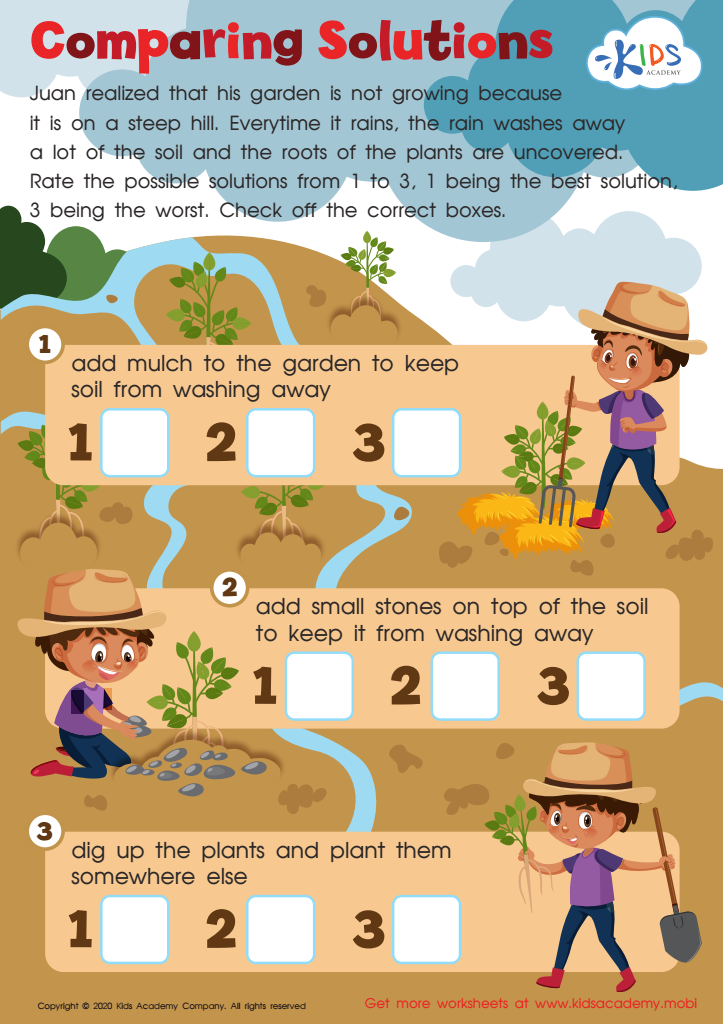
Comparing Solutions Worksheet

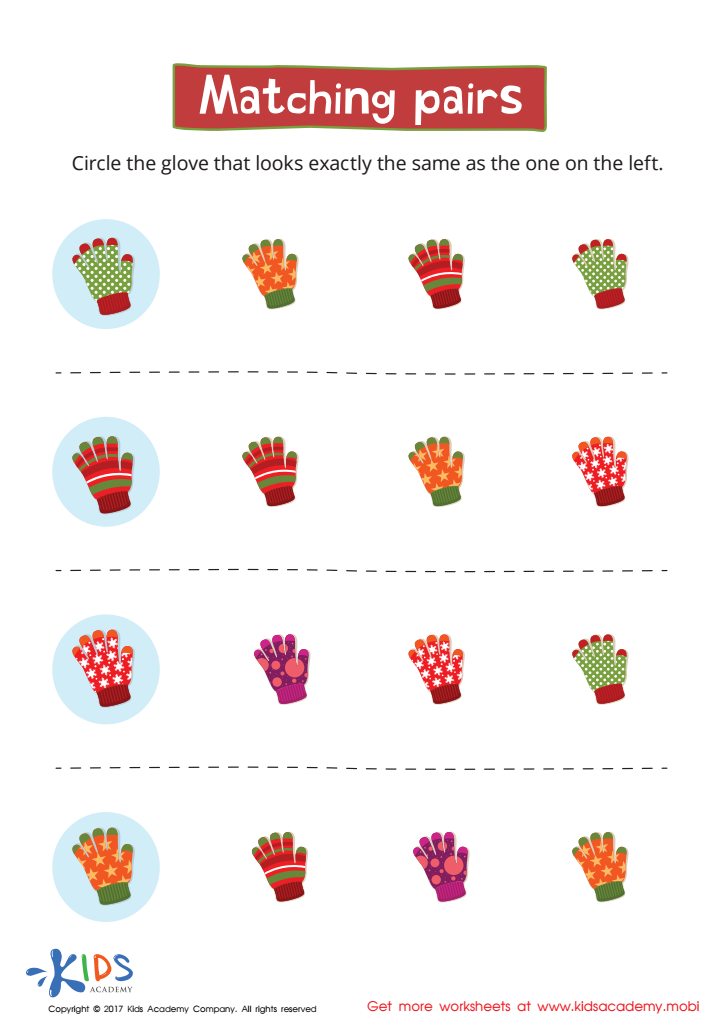
Matching: Matching Pairs Worksheet
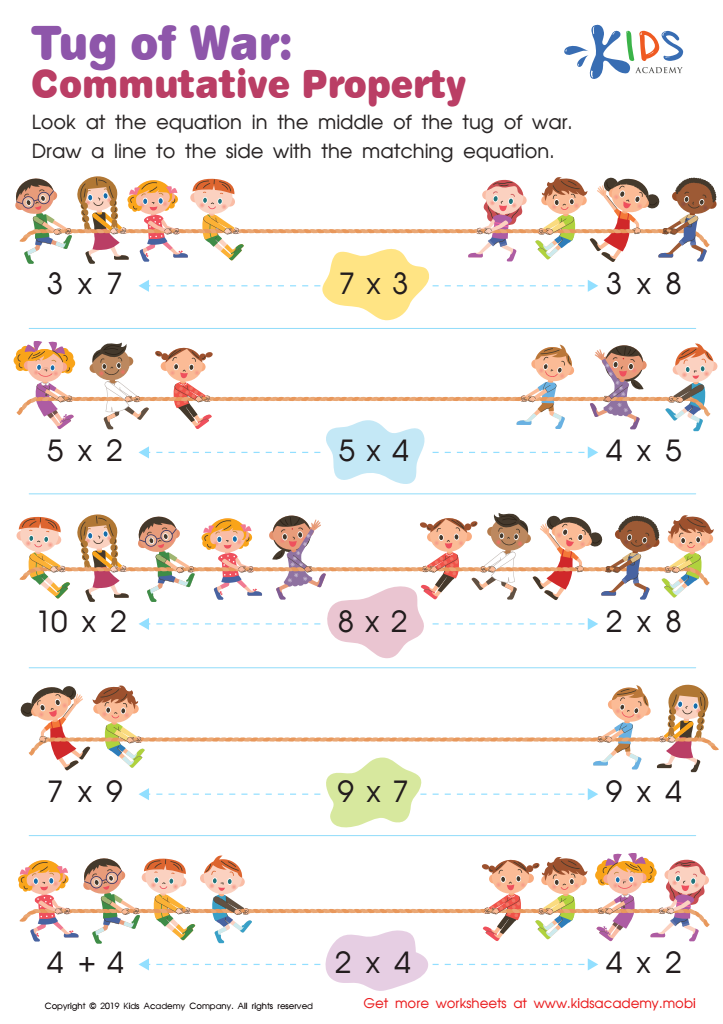
Tug of War: Commutative Property Worksheet
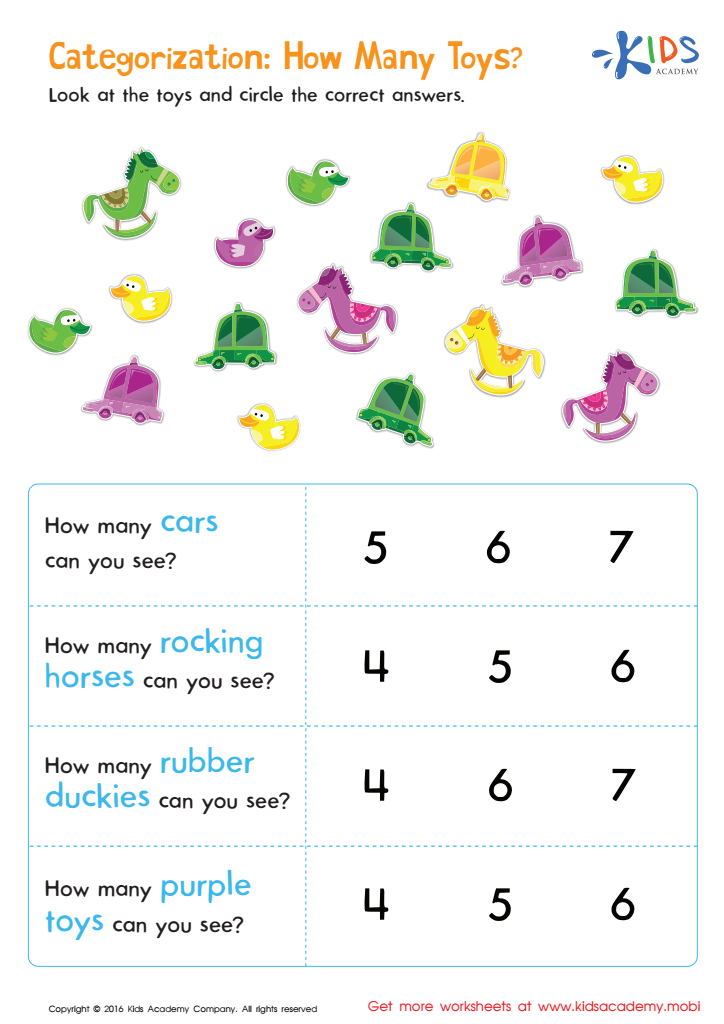
Classifying Toys by Type and Color Sorting Worksheet
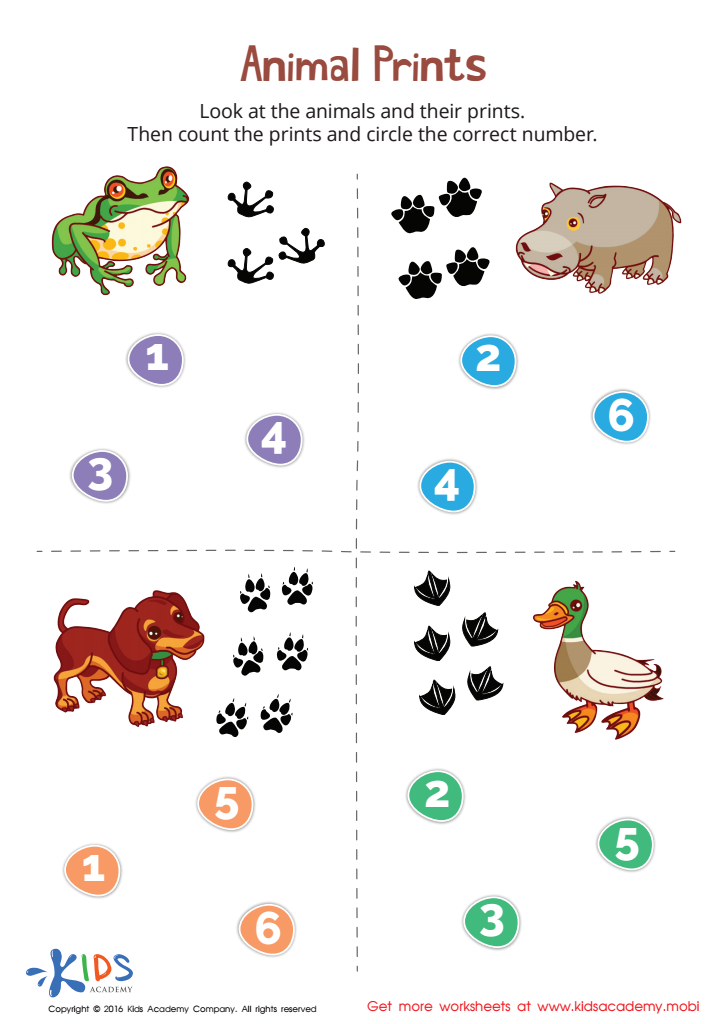
Animal Prints Match-Up Worksheet

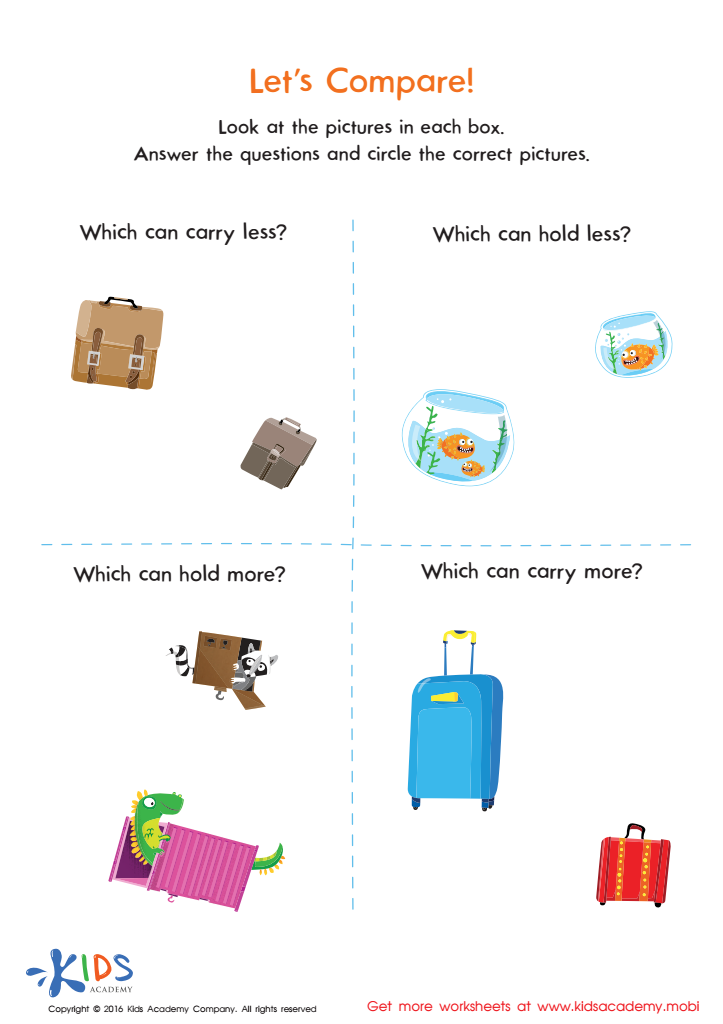
Let's Compare Worksheet: Big or Small







Parents and teachers should prioritize logical thinking activities for children ages 6-9 as they serve as foundational building blocks for critical thinking and problem-solving skills. During these formative years, children are naturally curious and eager to explore the world around them. Engaging them in logical thinking activities helps sharpen their reasoning abilities, enhances their capacity to make connections, and fosters creativity in approaching challenges.
These activities encourage cognitive development by promoting the identification of patterns, categorization of information, and systematic problem-solving techniques. As children navigate through puzzles, riddles, and games, they learn valuable skills such as patience, persistence, and confidence. Moreover, the interactive nature of these activities makes learning fun and engaging, which can significantly boost motivation.
By incorporating logical thinking activities into their routines, parents and teachers not only support academic success but also prepare children for future challenges in and out of the classroom. The skills gained through these exercises are transferable; they will serve children well in mathematics, science, and everyday life scenarios. Therefore, logical thinking activities are not just games—they are vital educational tools that lay the groundwork for lifelong learning and cognitive development.








