Easy Connect the Dots Worksheets Activities With Answers for Ages 6-7
9 filtered results
-
From - To
 Assign to My Students
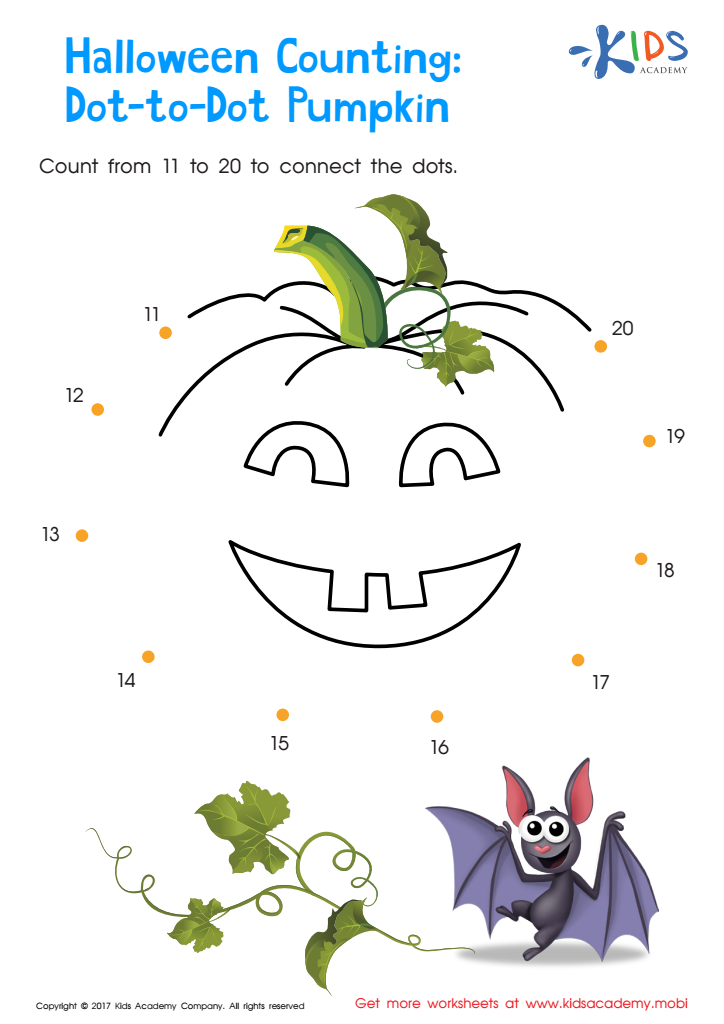
Ordering 11–20: Halloween Counting Worksheet
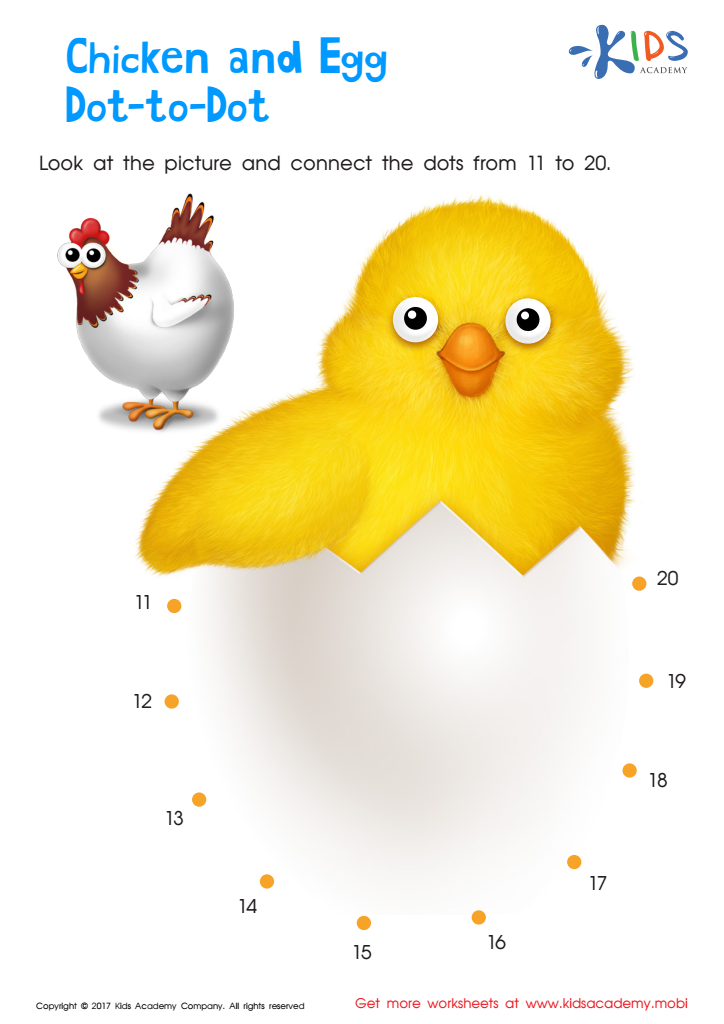
Ordering 11–20: Chicken & Egg Dot–to–dot Worksheet
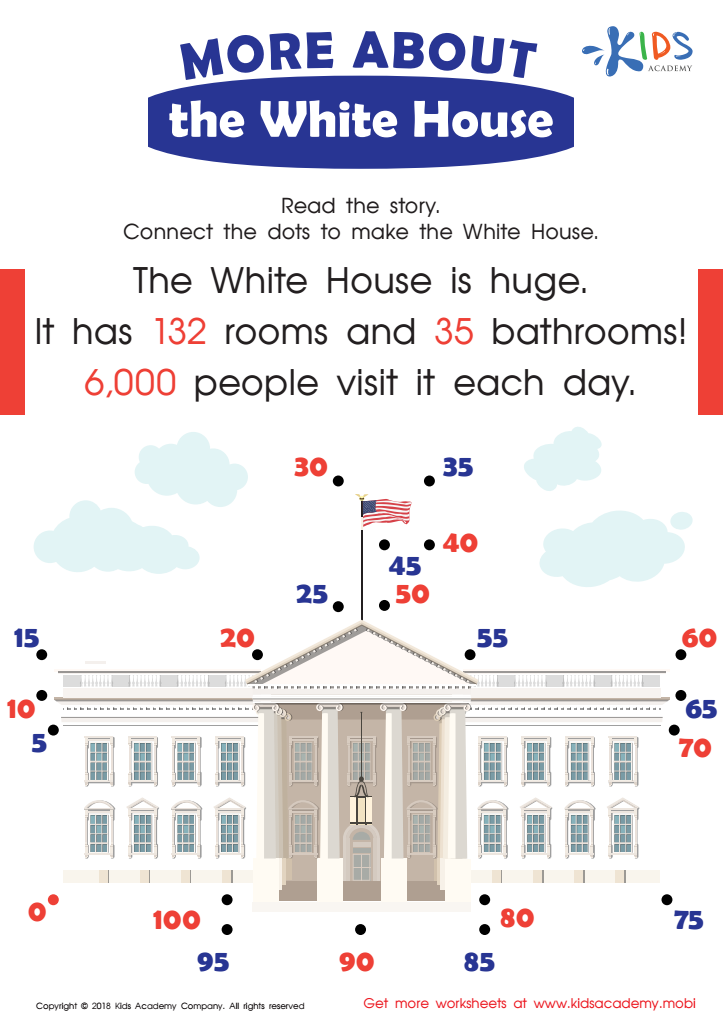
More About the White House Worksheet
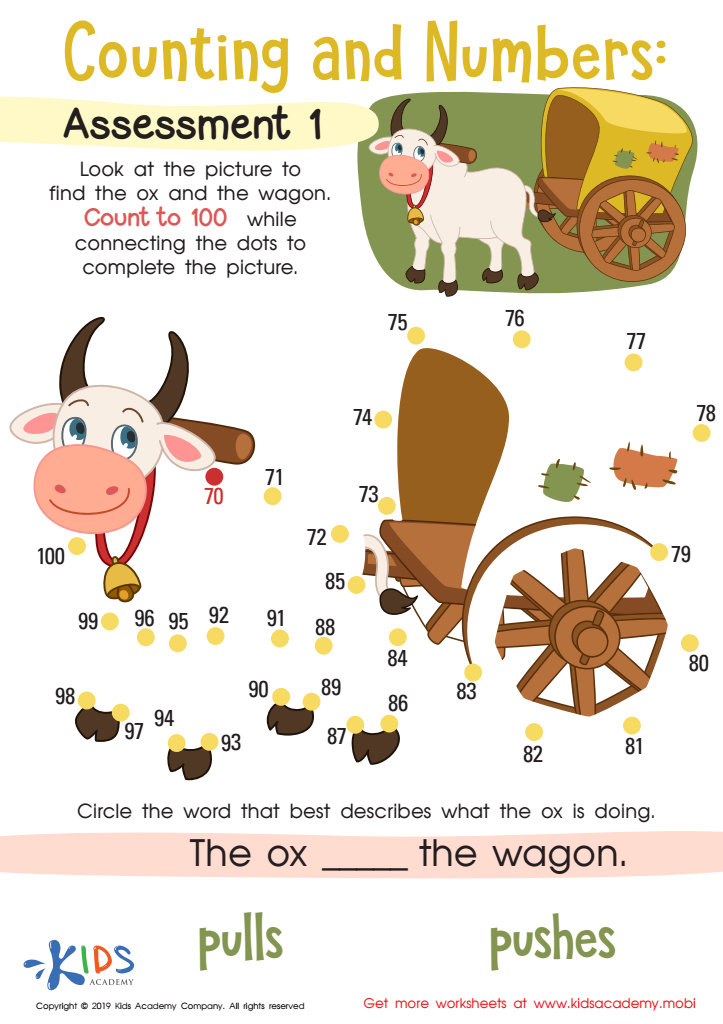
Counting and Numbers: Assessment 1 Worksheet
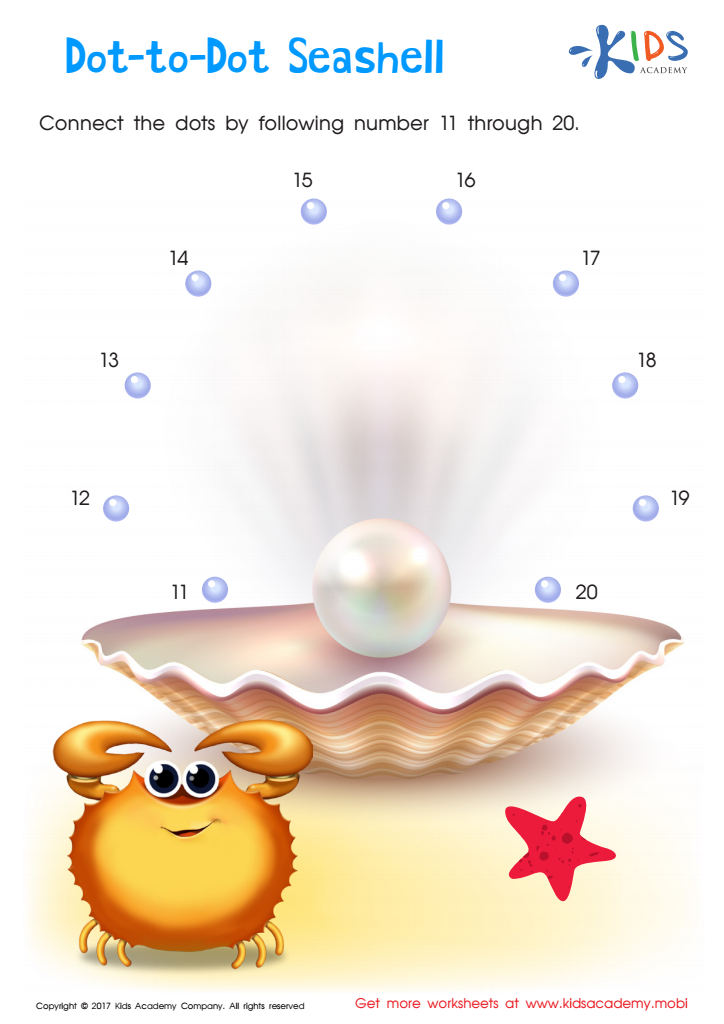
Ordering 11–20: Dot–to–dot Seashell Printable

Counting on the City Skyline: Dot-to-Dot Worksheet







Easy Connect the Dots Worksheets Activities with Answers offer a multitude of educational benefits that extend beyond just a fun pastime for children. These activities, well-known for their simplicity and engaging nature, are immensely useful in fostering a variety of skills in young learners. Let’s delve into why these straightforward exercises are an invaluable resource for child development.
Firstly, Easy Connect the Dots Worksheets Activities with Answers serve as an excellent tool for enhancing fine motor skills. As children connect one dot to the next, they practice holding the pencil correctly and drawing lines with precision. This repeated action strengthens their hand-eye coordination, which is crucial for a myriad of daily activities, including writing.
Moreover, these worksheets are pivotal in teaching number and letter recognition. Depending on the design of the worksheet, children can learn to count in sequence or get familiar with the alphabet as they connect dots labeled with numbers or letters. This dual approach not only solidifies their understanding of numerical and alphabetical order but also keeps them engaged through the anticipation of discovering what the completed image will reveal.
What makes Easy Connect the Dots Worksheets Activities particularly appealing is the inclusion of answers. This feature provides immediate feedback, allowing children to correct mistakes and understand the correct sequence, thus reinforcing learning. It also instills a sense of accomplishment upon completion of each worksheet, boosting their confidence and motivation to tackle more challenging activities.
Furthermore, these activities encourage patience and concentration. Children learn to follow through with tasks, meticulously connecting each dot until the picture is complete. This persistence is a valuable life skill, translating into improved focus and dedication in academic and personal pursuits.
In conclusion, Easy Connect the Dots Worksheets Activities with Answers are not just entertaining; they are educational powerhouses that contribute significantly to child development. They cultivate fine motor skills, number and letter recognition, provide immediate feedback for learning reinforcement, and foster patience and concentration. Thus, making them an essential part of early childhood education.








