Extra Challenge Logical Thinking Worksheets Activities With Answers for Ages 3-8
34 filtered results
-
From - To
Discover our "Extra Challenge Logical Thinking Worksheets Activities With Answers for Ages 3-8," designed to boost critical thinking and problem-solving skills in young learners. These engaging worksheets feature a variety of fun and stimulating tasks, including puzzles, shape recognition, and pattern identification, tailored specifically for children aged 3 to 8. With colorful illustrations and age-appropriate challenges, kids will enjoy enhancing their logical reasoning while developing essential cognitive skills. Each worksheet comes with an answer key, making it easy for parents and educators to facilitate learning and track progress. Perfect for at-home or classroom use, inspire your child's love for learning today!

Number Match Up Worksheet
 Assign to My Students
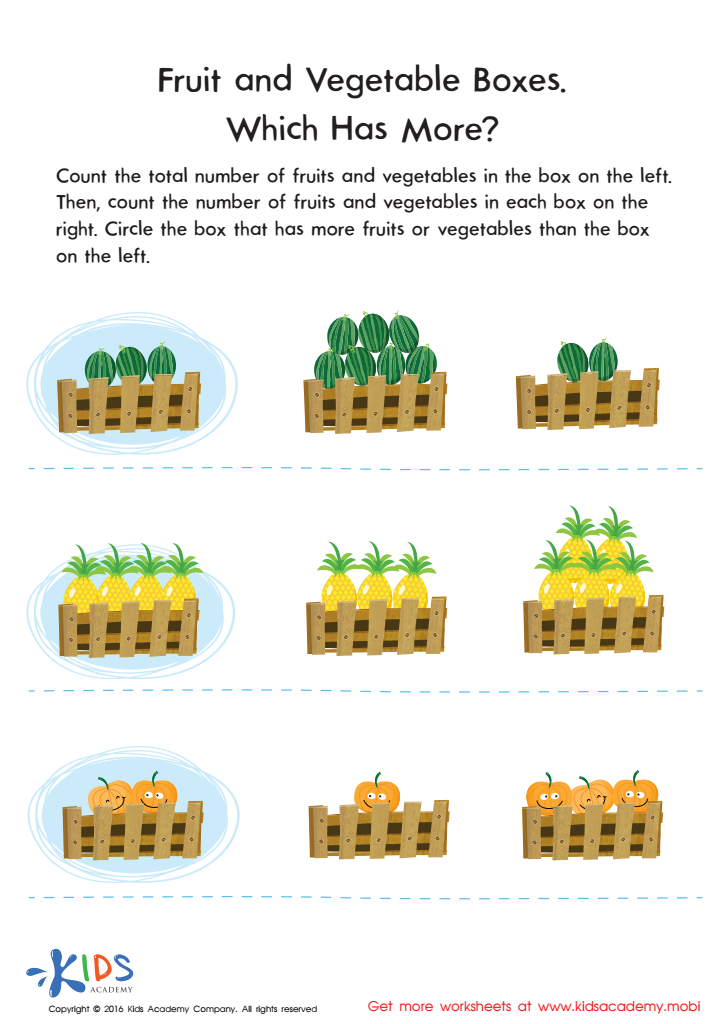
Which Has More? Size Worksheet
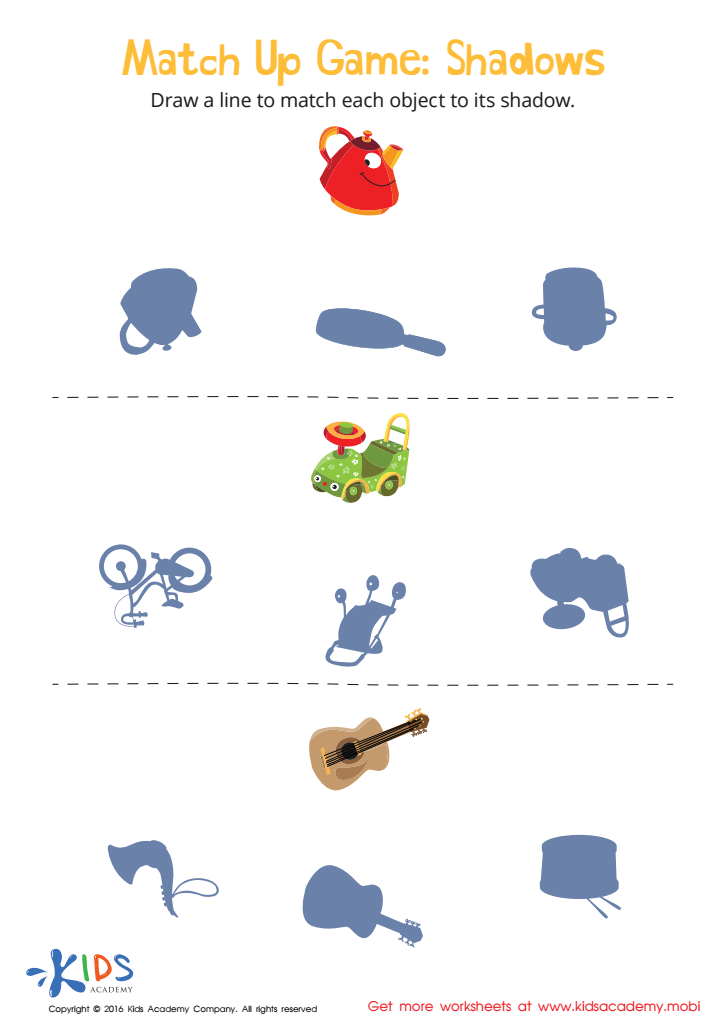
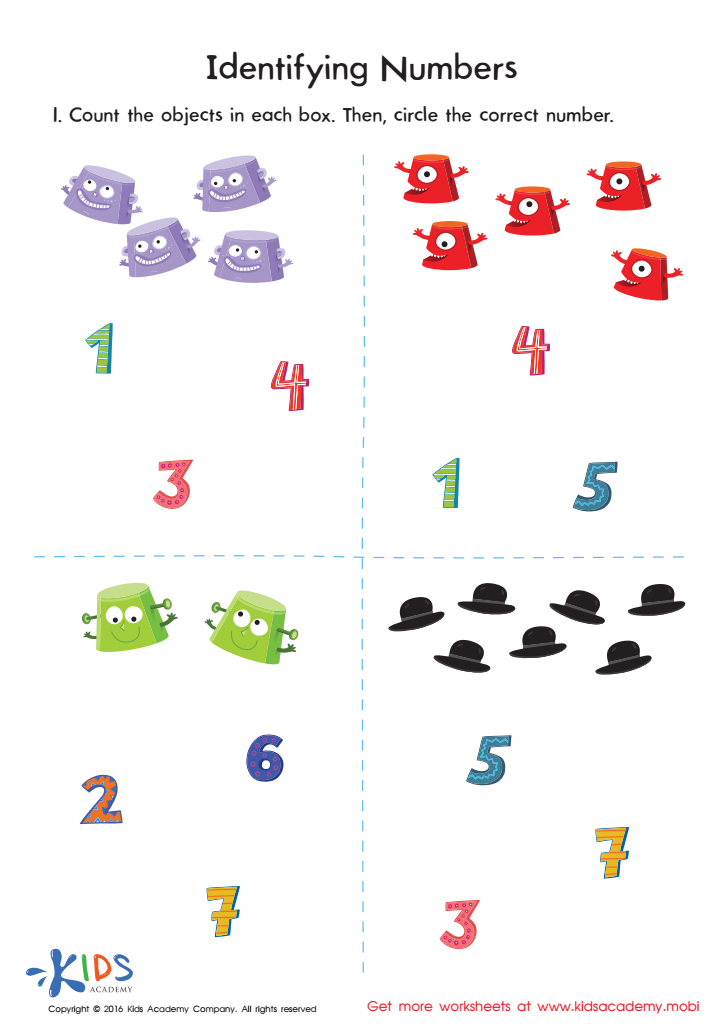

Seasons and Months Worksheet
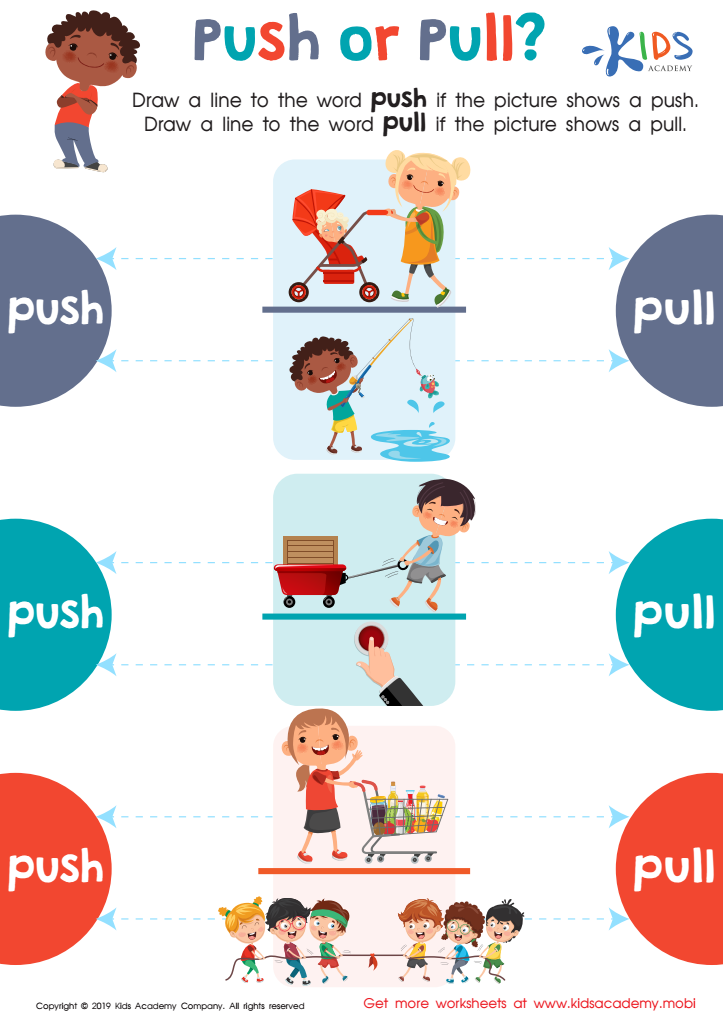
Push or Pull? Worksheet
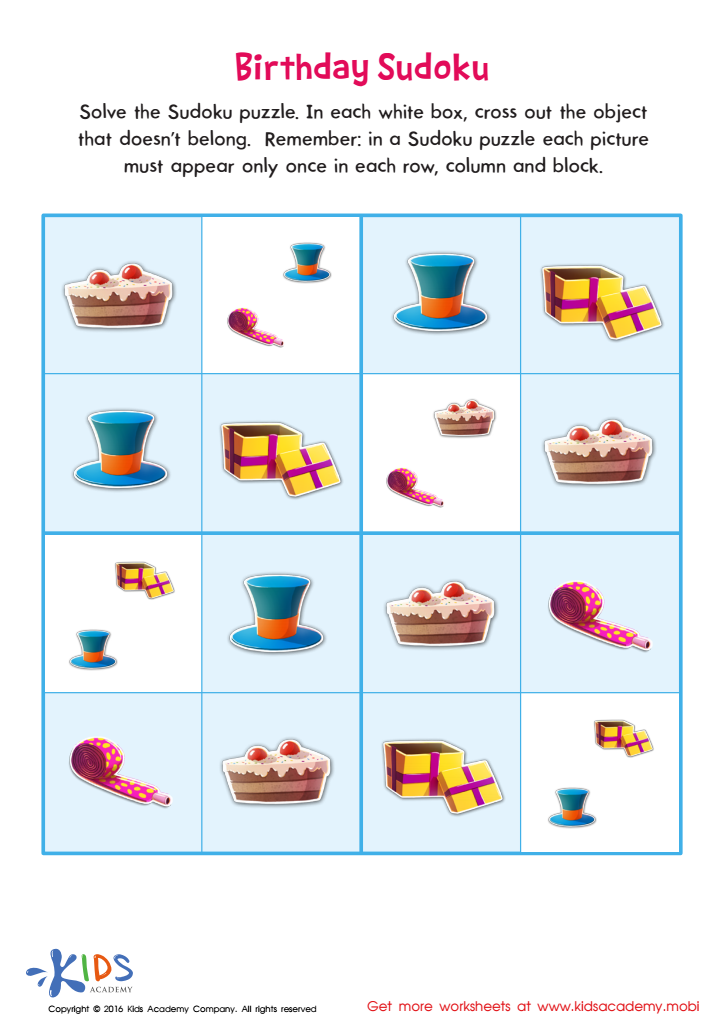
Birthday Sudoku Sorting Worksheet
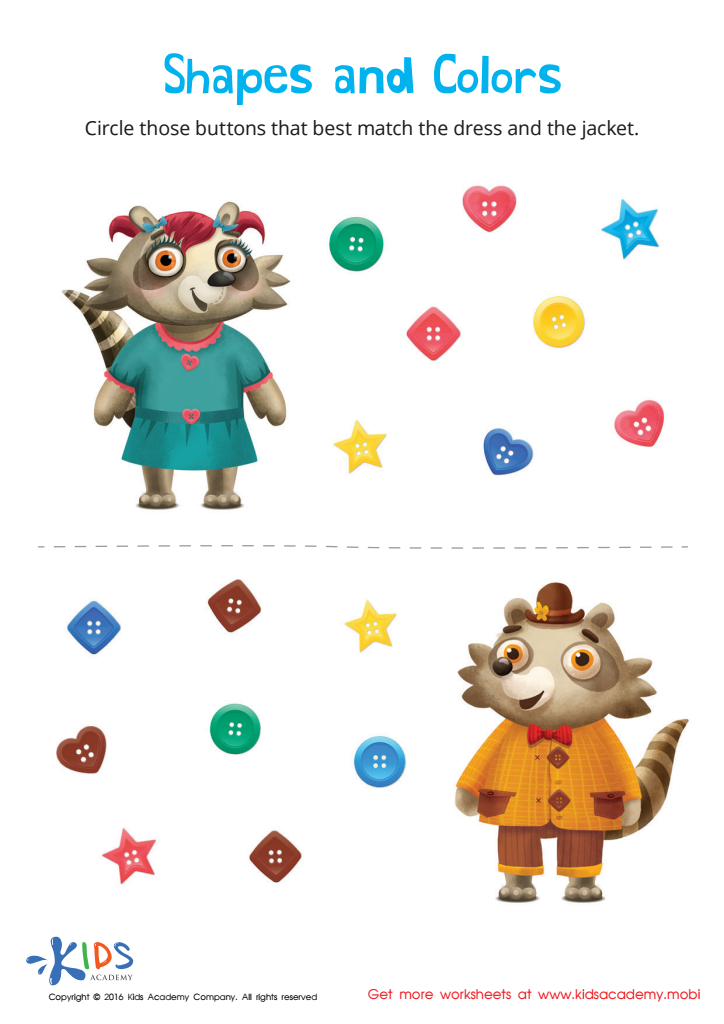
Matching: Shapes and Colors Worksheet
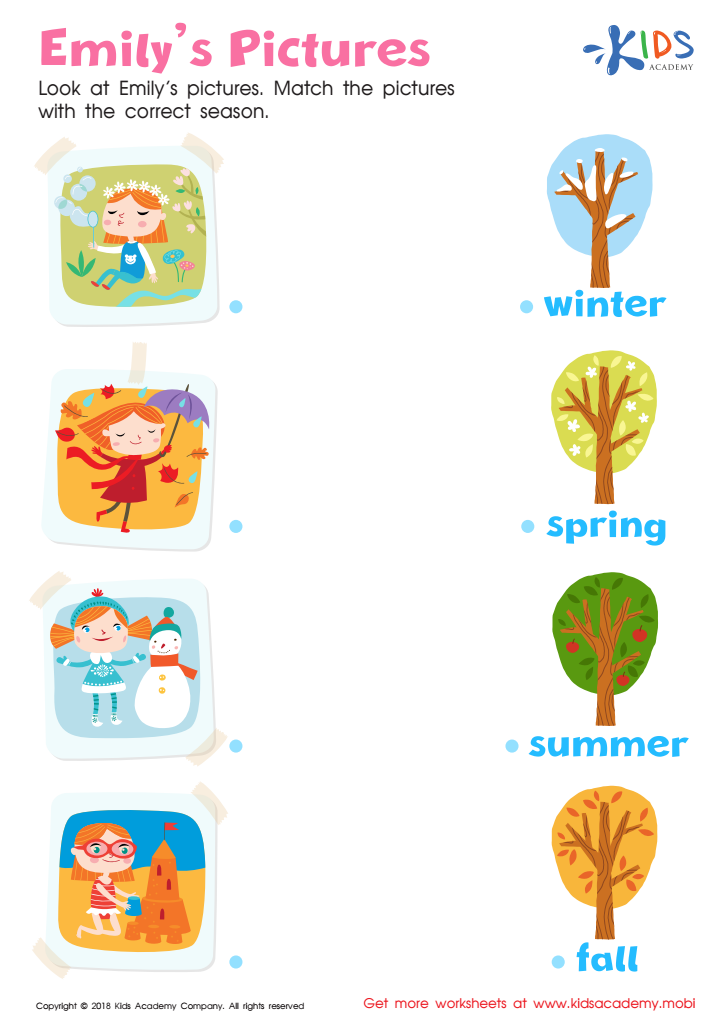
Emily's Pictures Worksheet
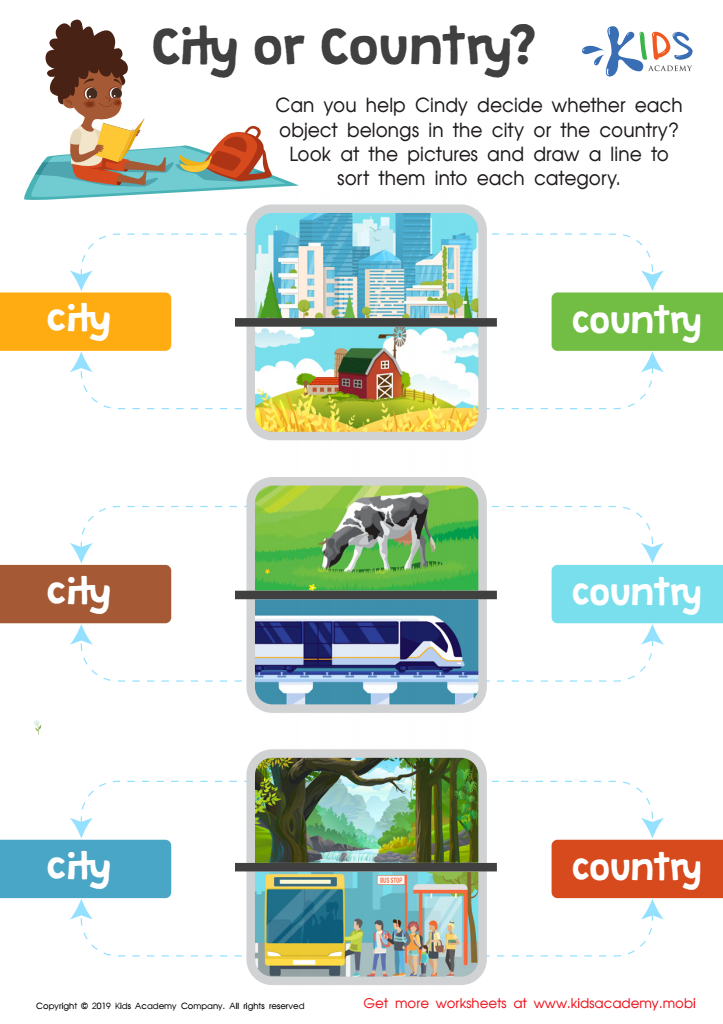
City or Country? Worksheet

Baby Animals Match-Up Worksheet

Count and Match Points 6 Math Worksheet
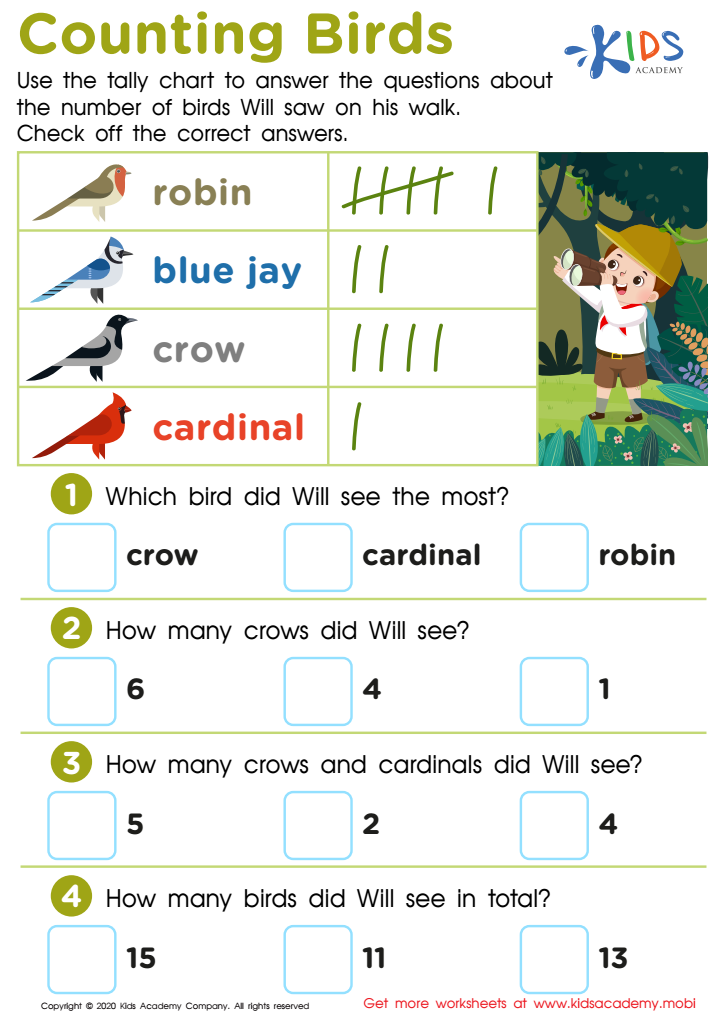
Counting Birds Worksheet

Fun Geometry Worksheet

Tricky Patterns Size Worksheet

Fairy Tale Worksheet: Count and Classify with Rapunzel
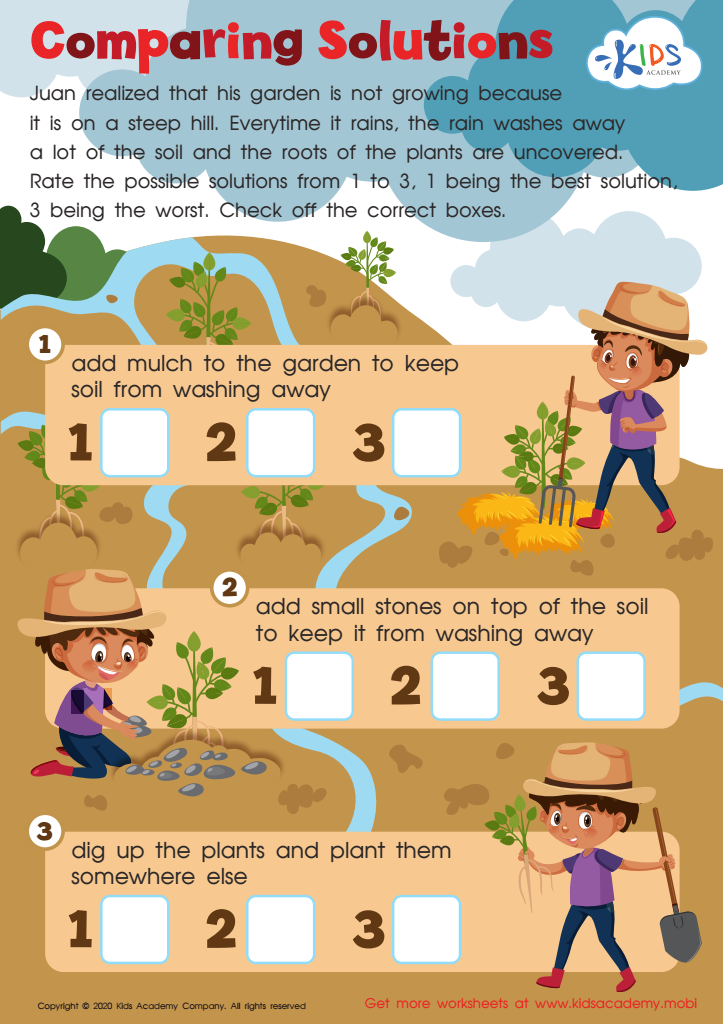
Comparing Solutions Worksheet
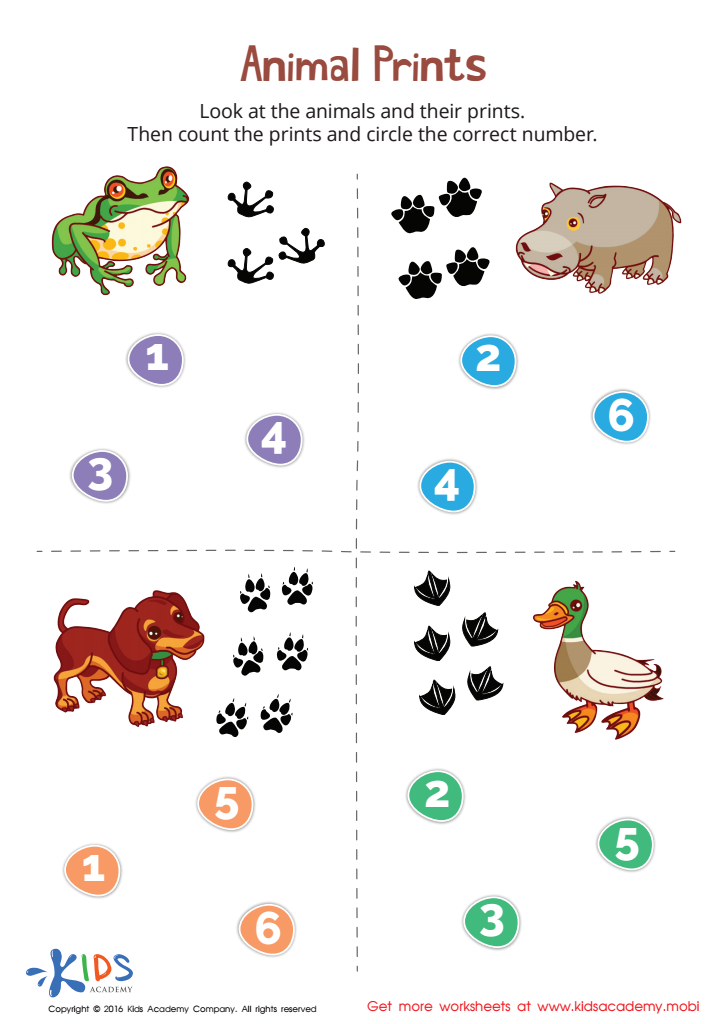
Animal Prints Match-Up Worksheet
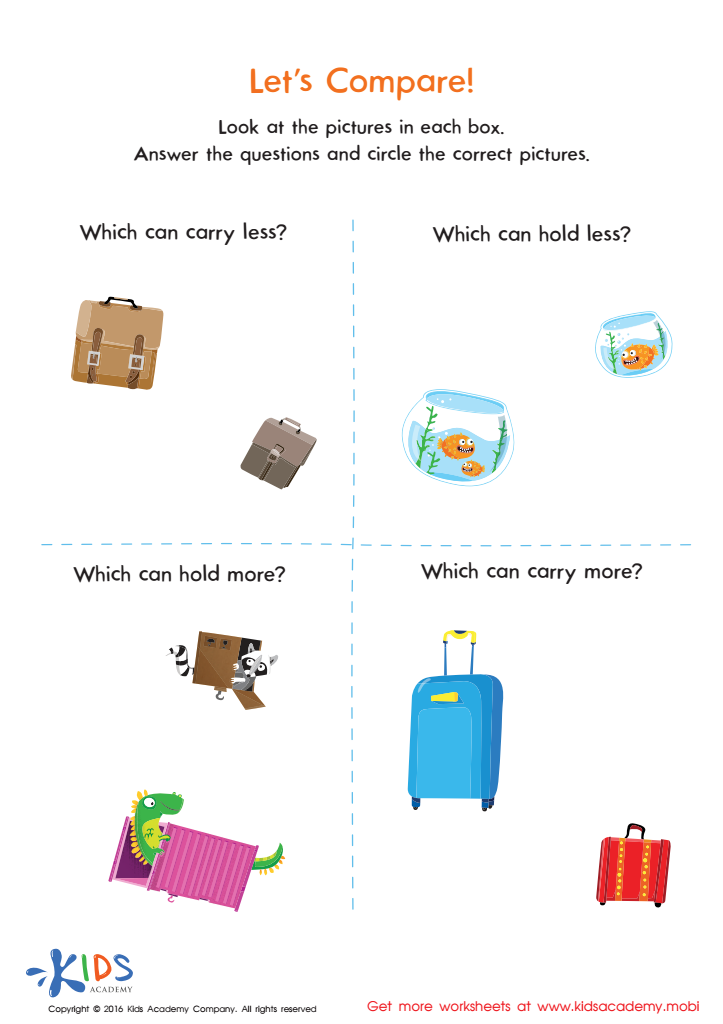
Let's Compare Worksheet: Big or Small
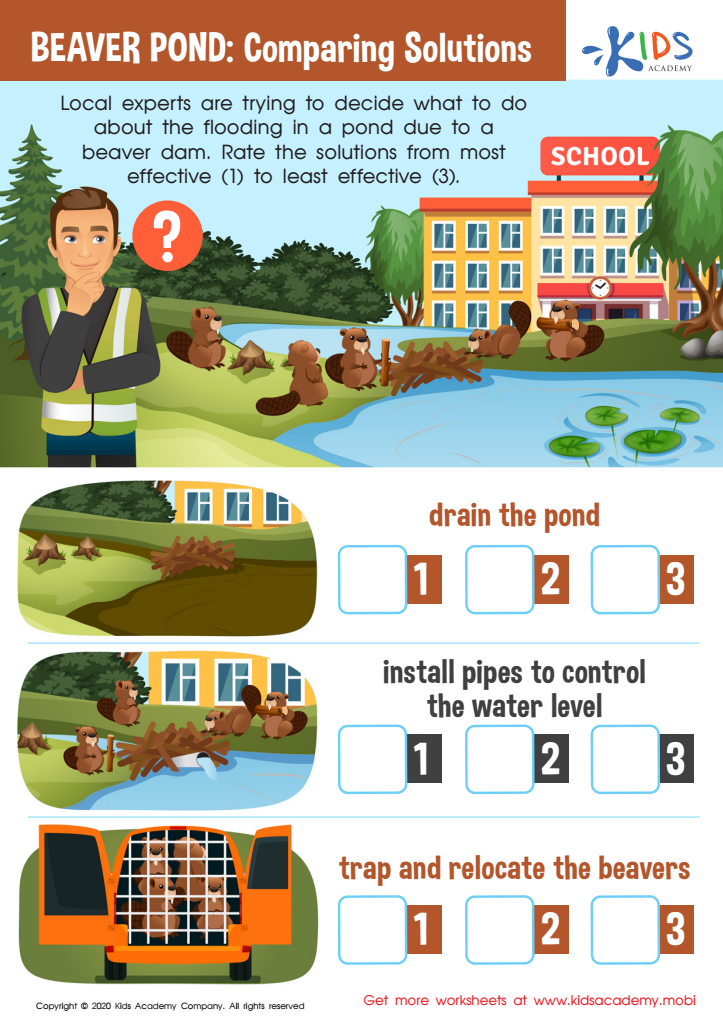
Beaver Pond: Comparing Solutions Worksheet
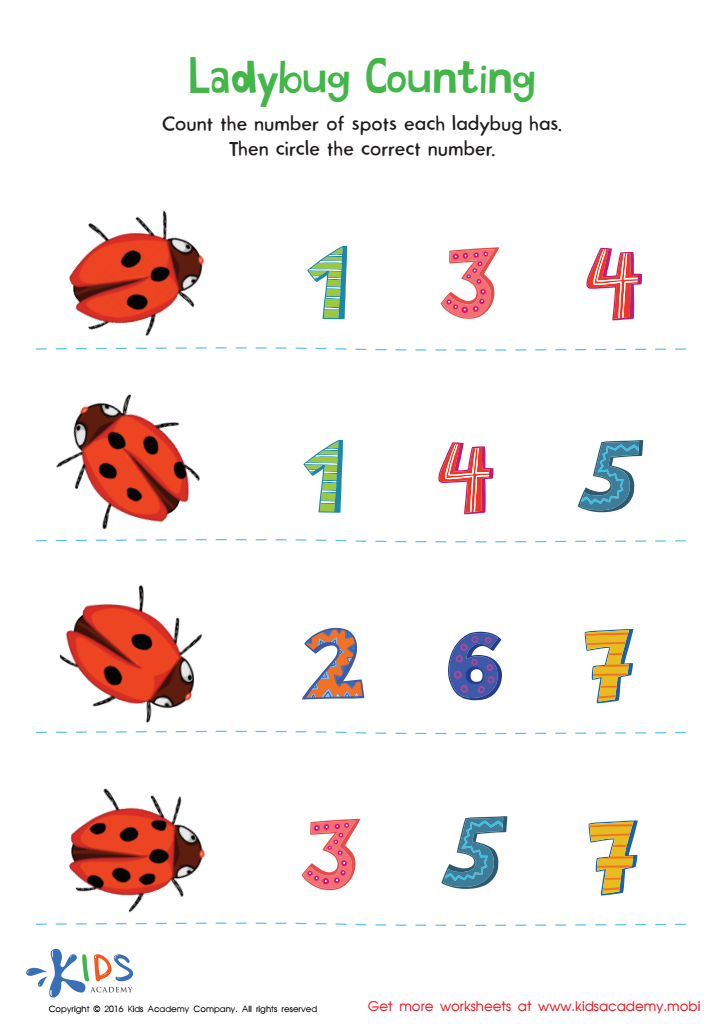
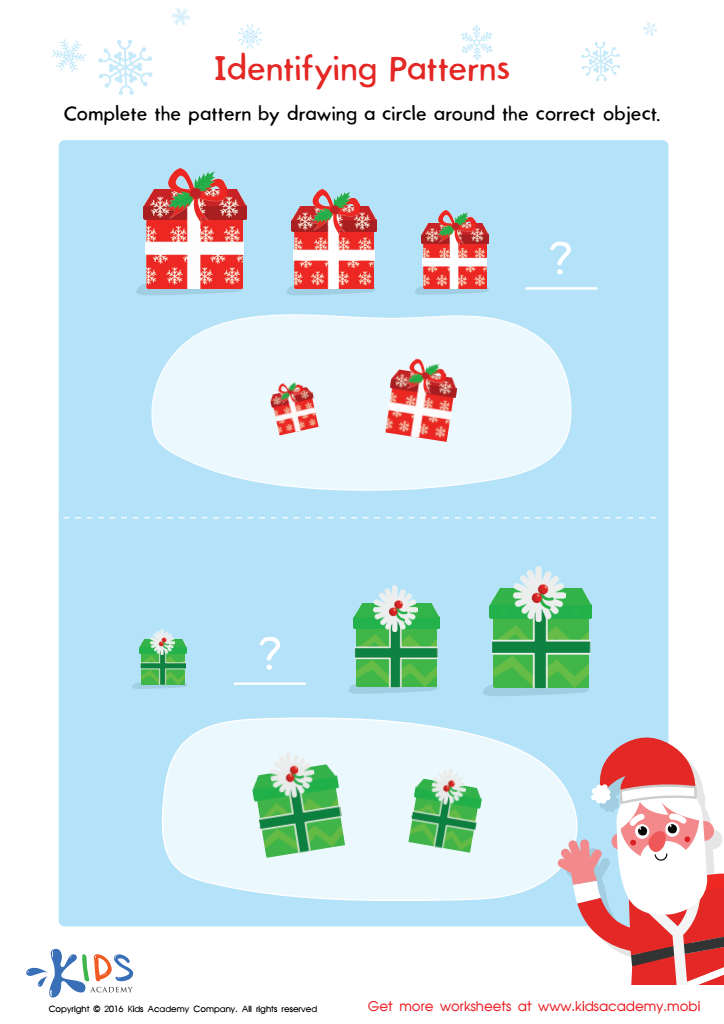
Identifying Patterns Worksheet
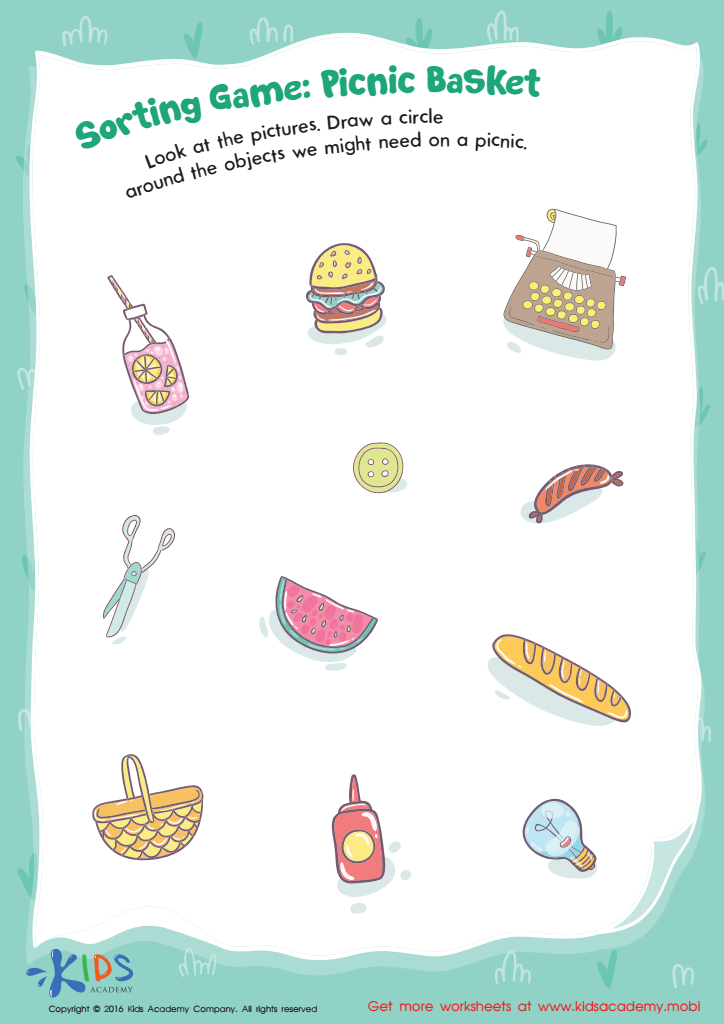
Picnic Basket Sorting Worksheet
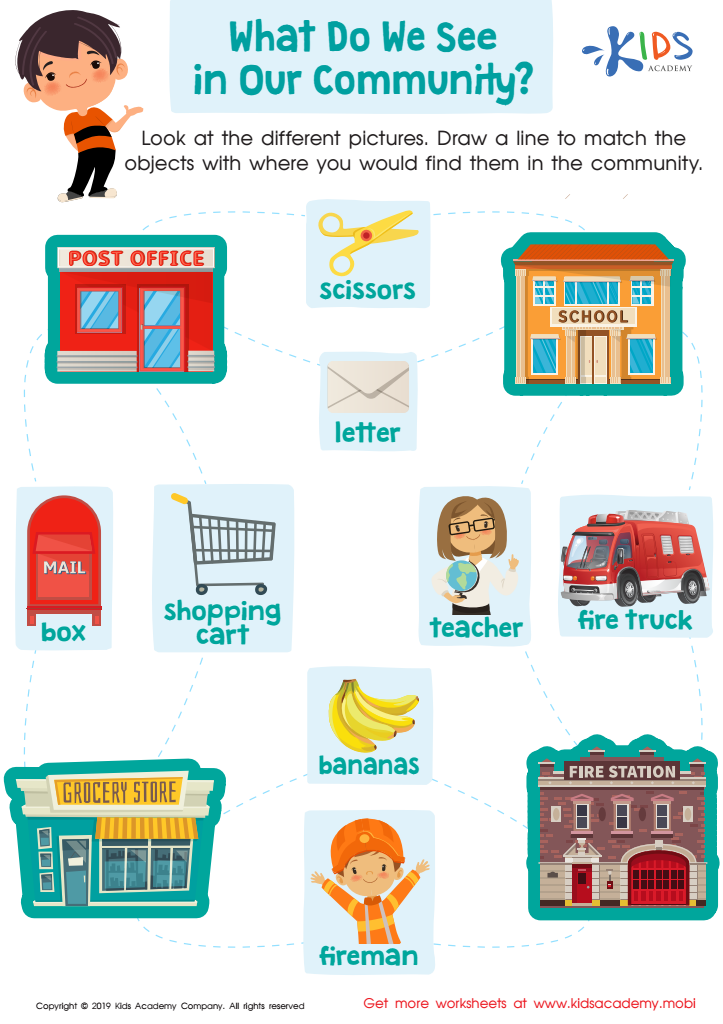
What Do We See in our Community? Worksheet








Parents and teachers should emphasize Extra Challenge Logical Thinking Activities for ages 3-8 because these activities significantly enhance critical cognitive skills essential for early development. Logical thinking helps children develop problem-solving abilities, boost their creativity, and improve their reasoning skills. By engaging in these activities, young learners are encouraged to think independently, fostering a sense of curiosity and exploration that is crucial at this stage of development.
Furthermore, these activities often stimulate cooperative play, promoting teamwork and communication among peers. This social interaction not only enhances logical reasoning but also builds emotional intelligence, teaching children how to collaborate and respect diverse perspectives.
Additionally, the structured yet fun nature of these challenges keeps children motivated and engaged, reinforcing perseverance when confronting difficulties. Addressing these challenges helps to cultivate a growth mindset, encouraging them to view obstacles as opportunities for growth.
Finally, equipping children with logical thinking skills early on lays a strong foundation for future academic success in subjects like mathematics and science, where analytical skills are paramount. In a rapidly changing world, nurturing these essential skills is critical for preparing children for the complexities they will later face. Thus, investing time in these activities promotes holistic development for children.








