Normal Matching Worksheets Activities With Answers for Ages 3-6 - Page 2
41 filtered results
-
From - To
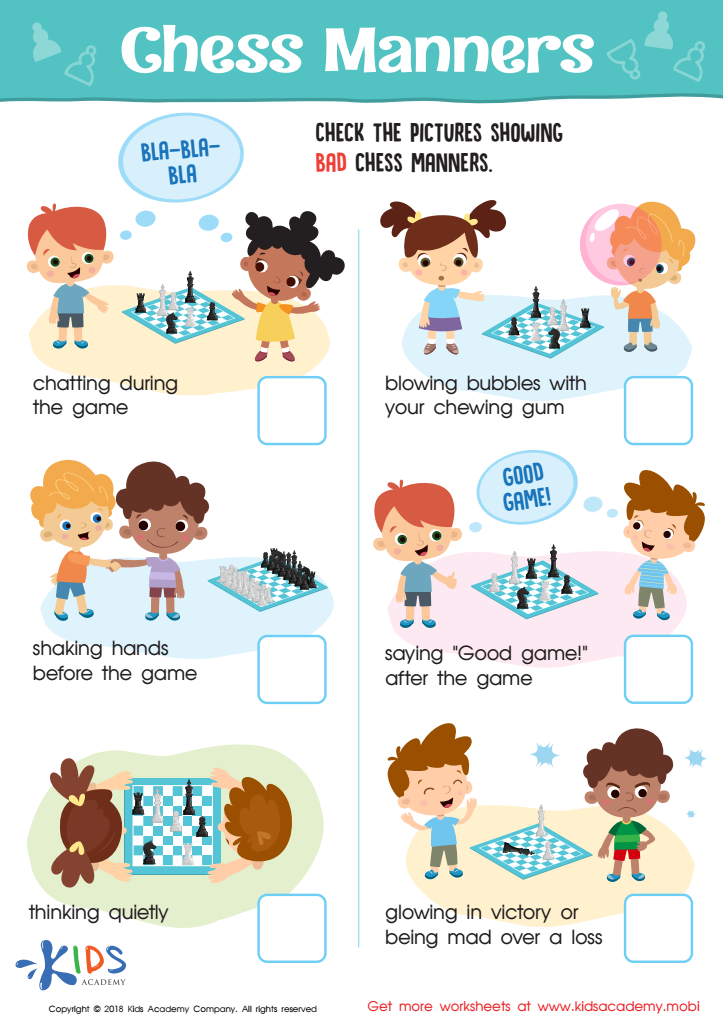
Chess Manners Worksheet
 Assign to My Students
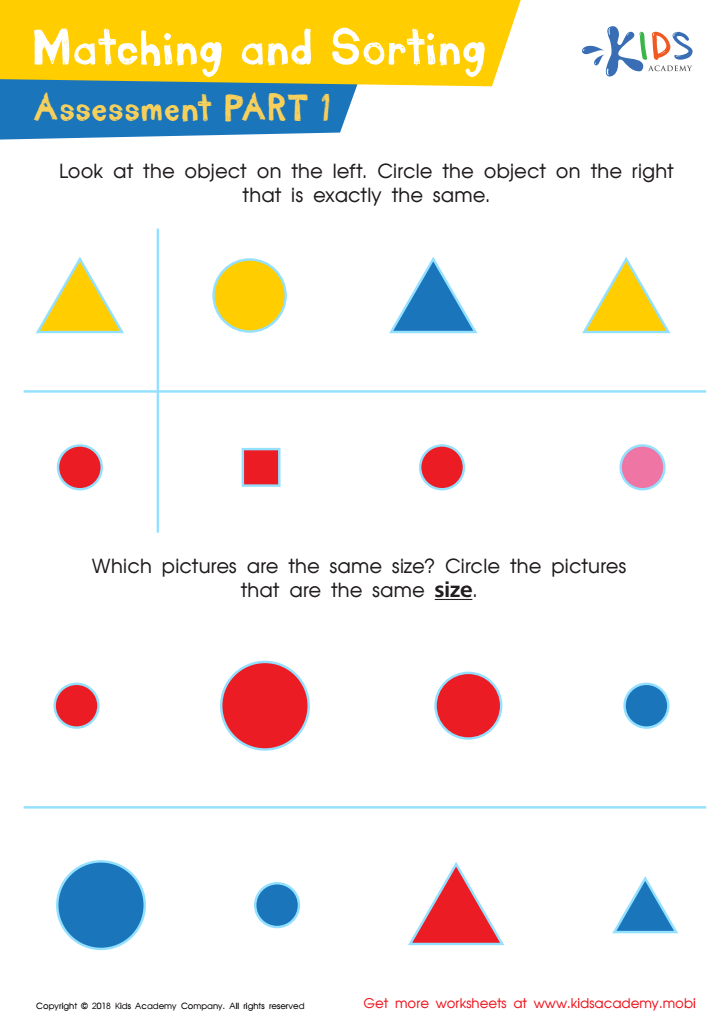
Matching and Sorting for Kindergarten: Assessment 1 Worksheet
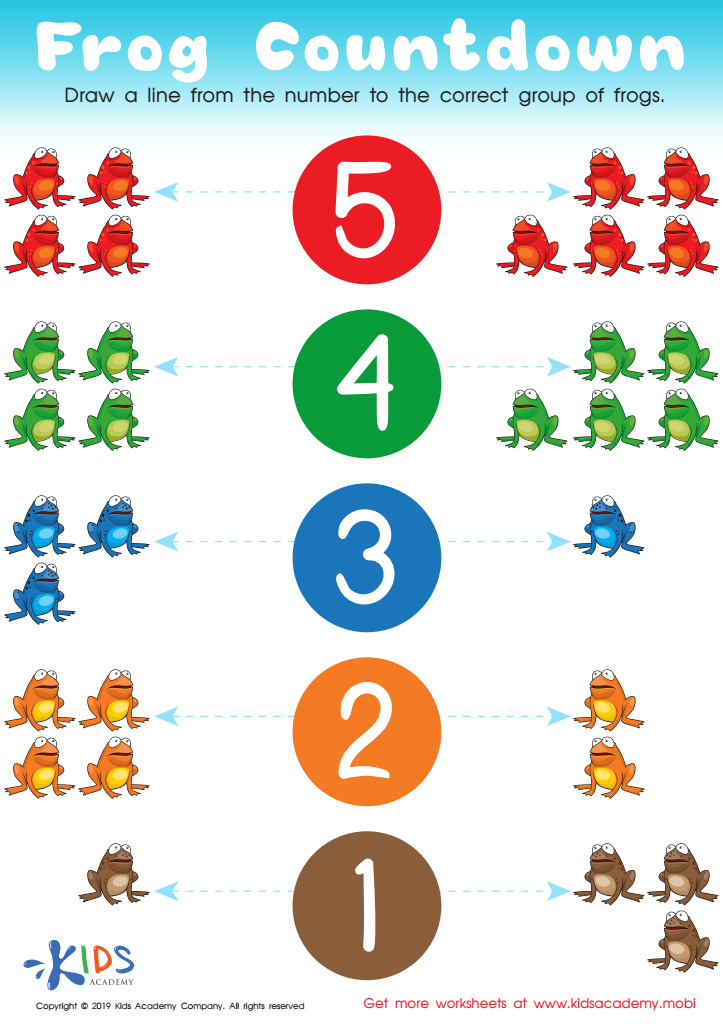
Frog Countdown Worksheet
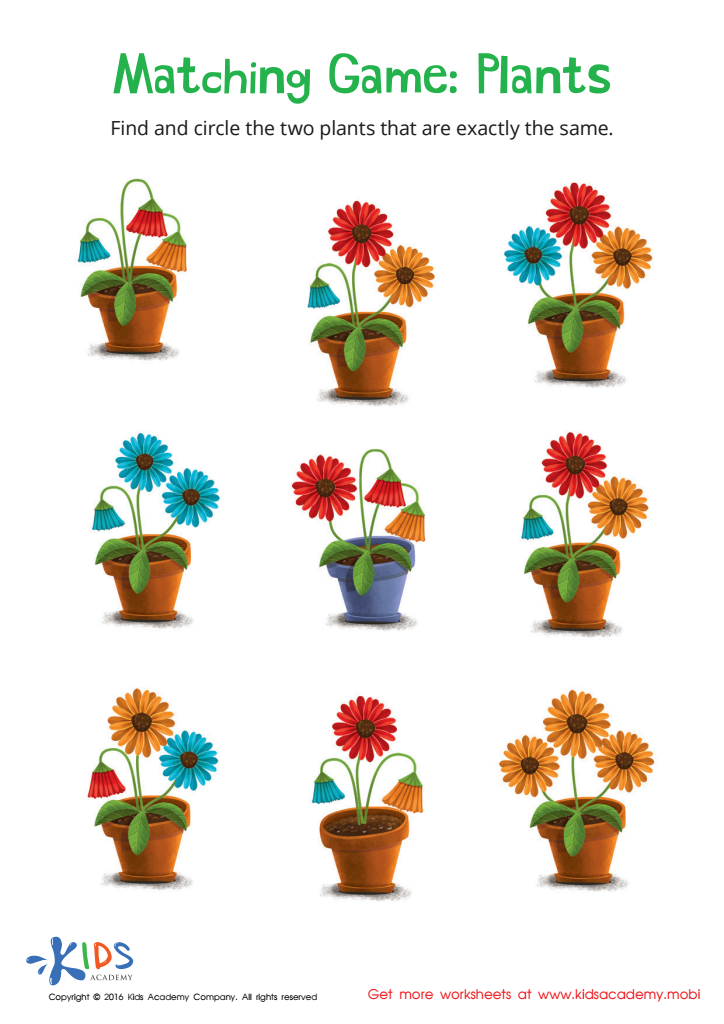
Matching: Plants Worksheet
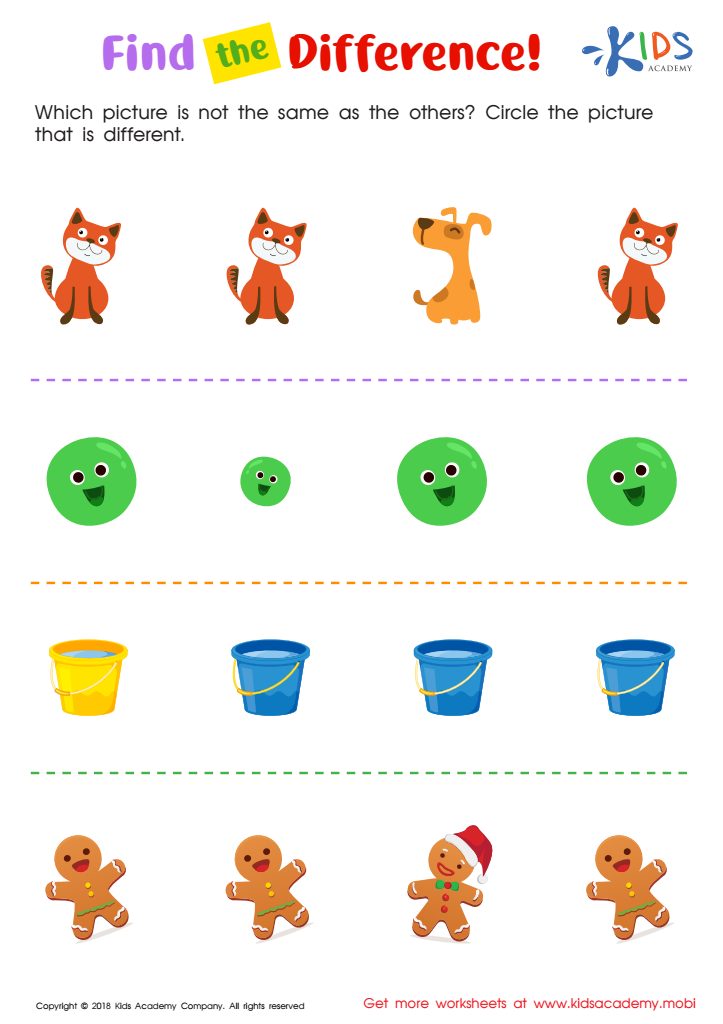
Find the Difference Worksheet
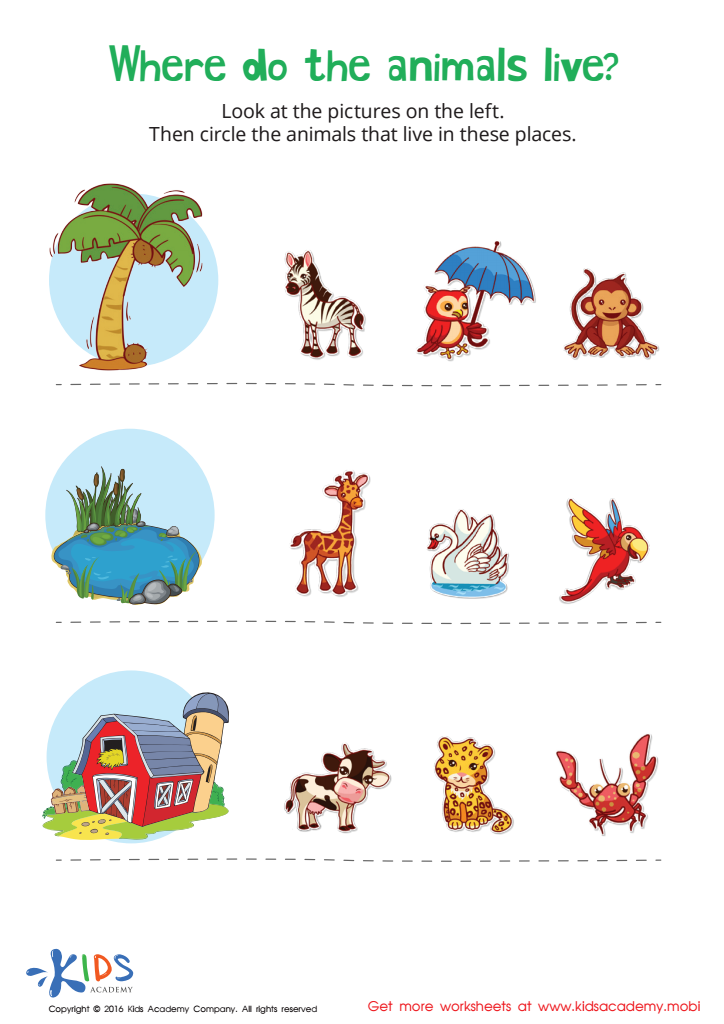
Where Animals Live Worksheet
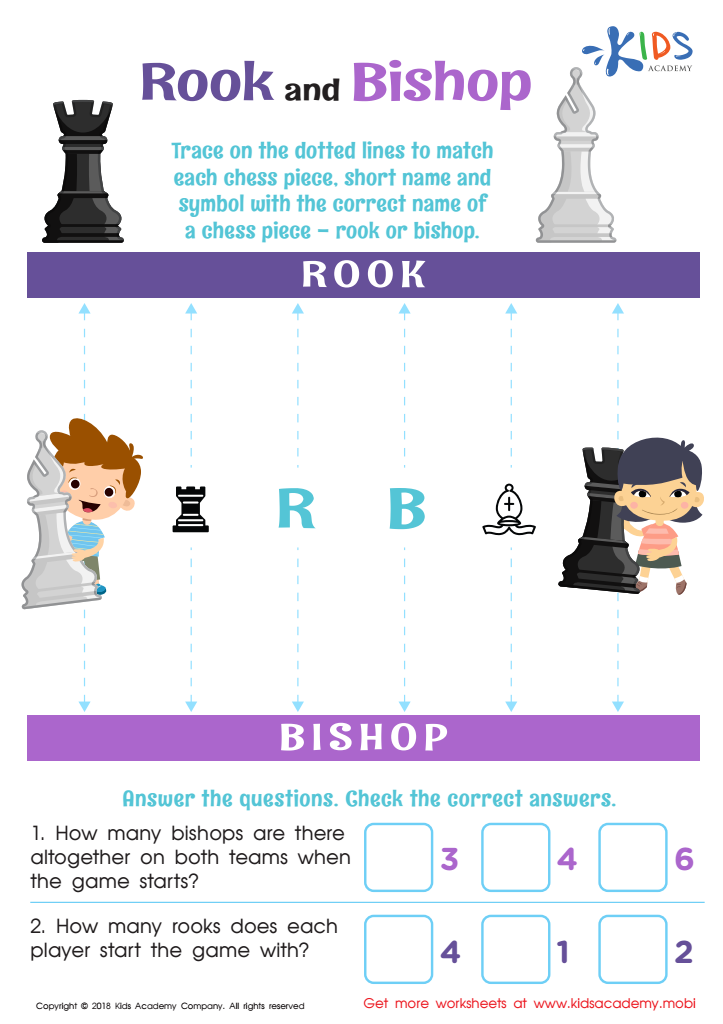
Rook and Bishop Worksheet
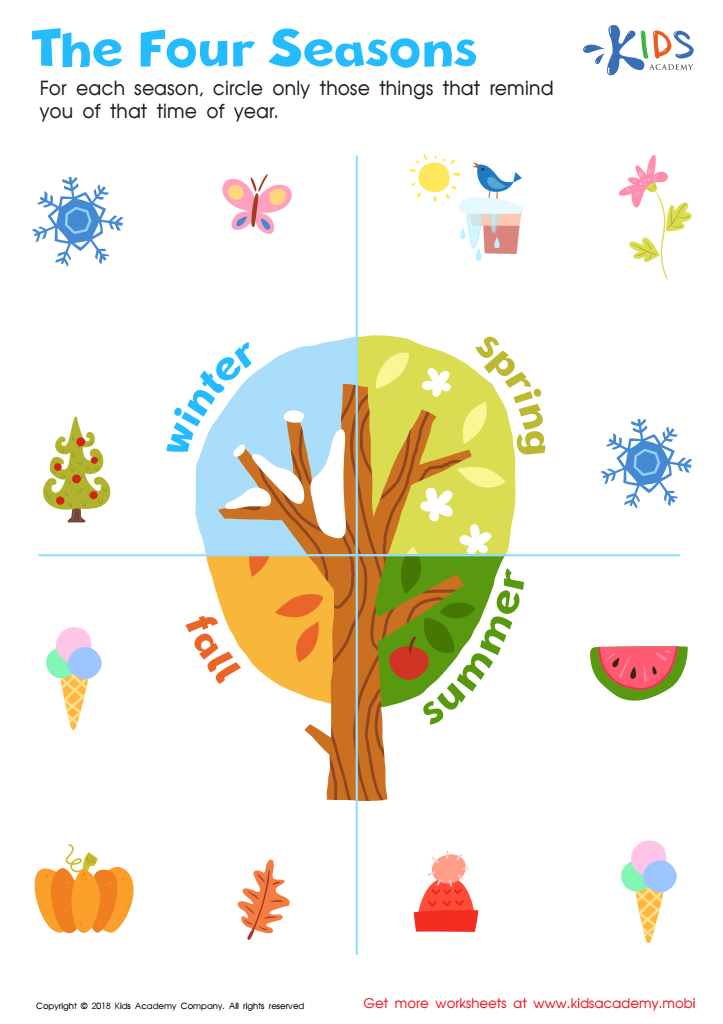
The Four Seasons Worksheet
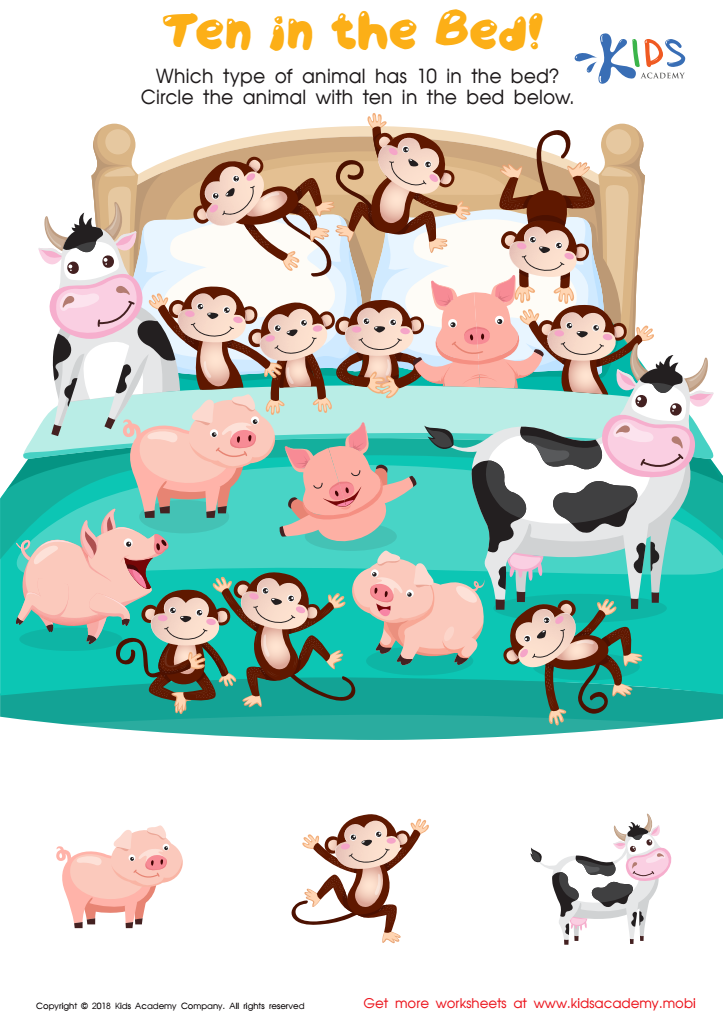
Ten in the Bed Worksheet
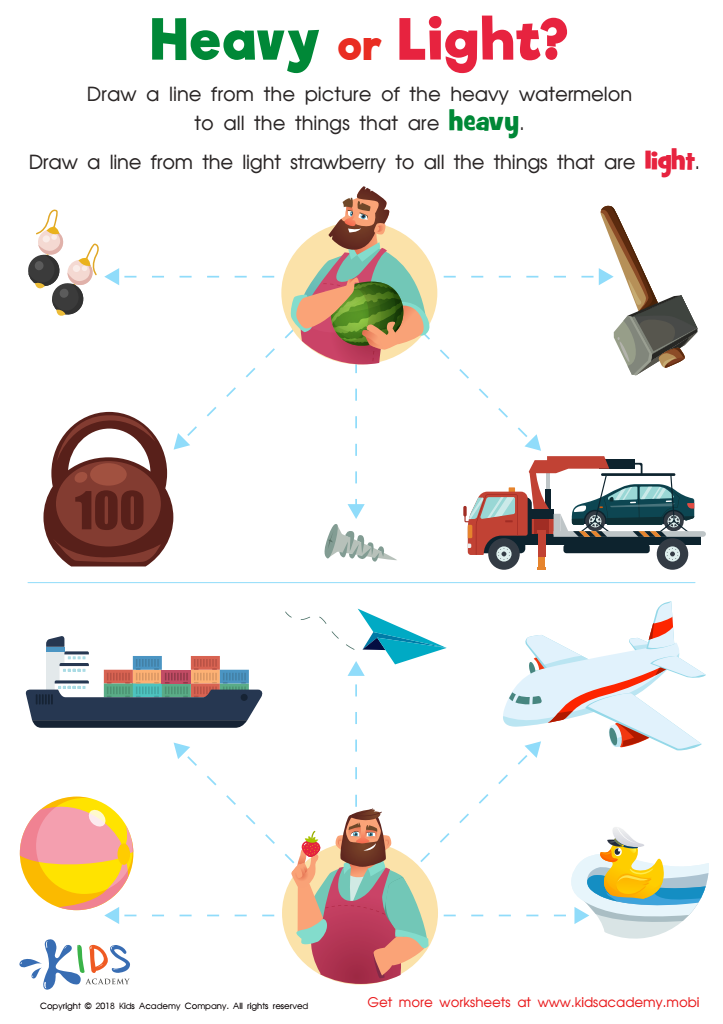
Heavy or Light? Worksheet
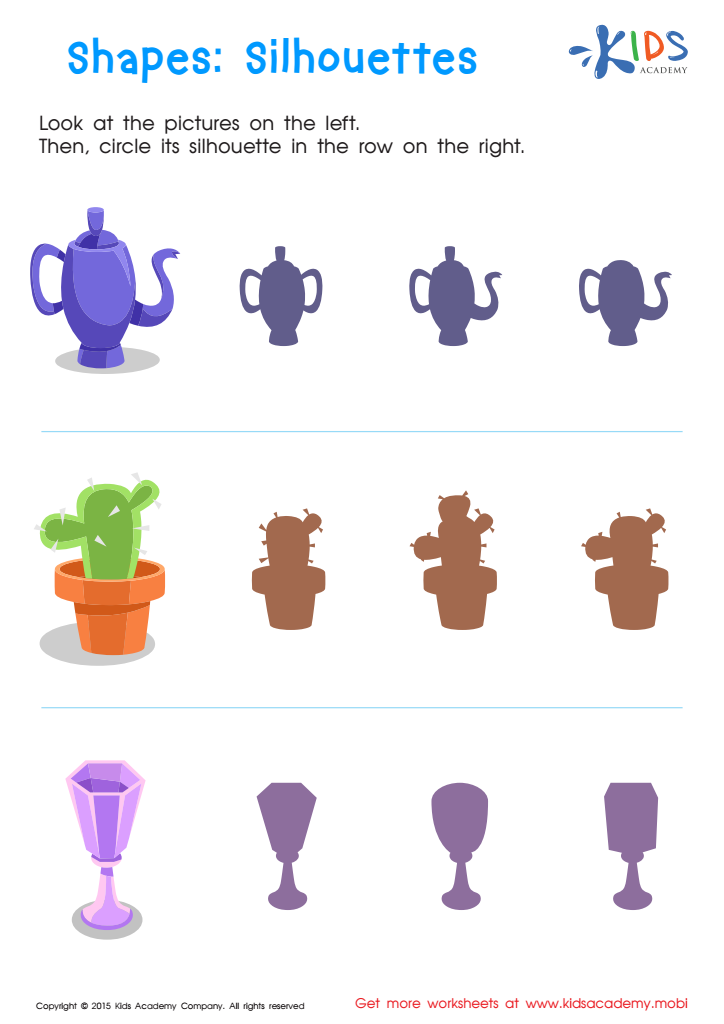
Silhouettes – Shapes Worksheet
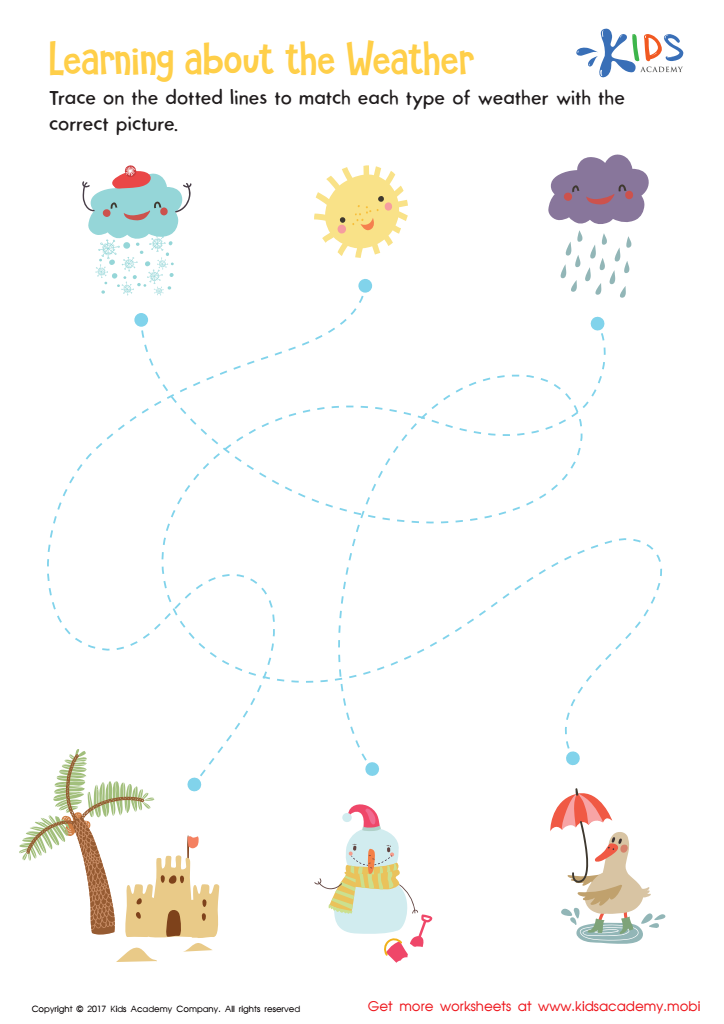
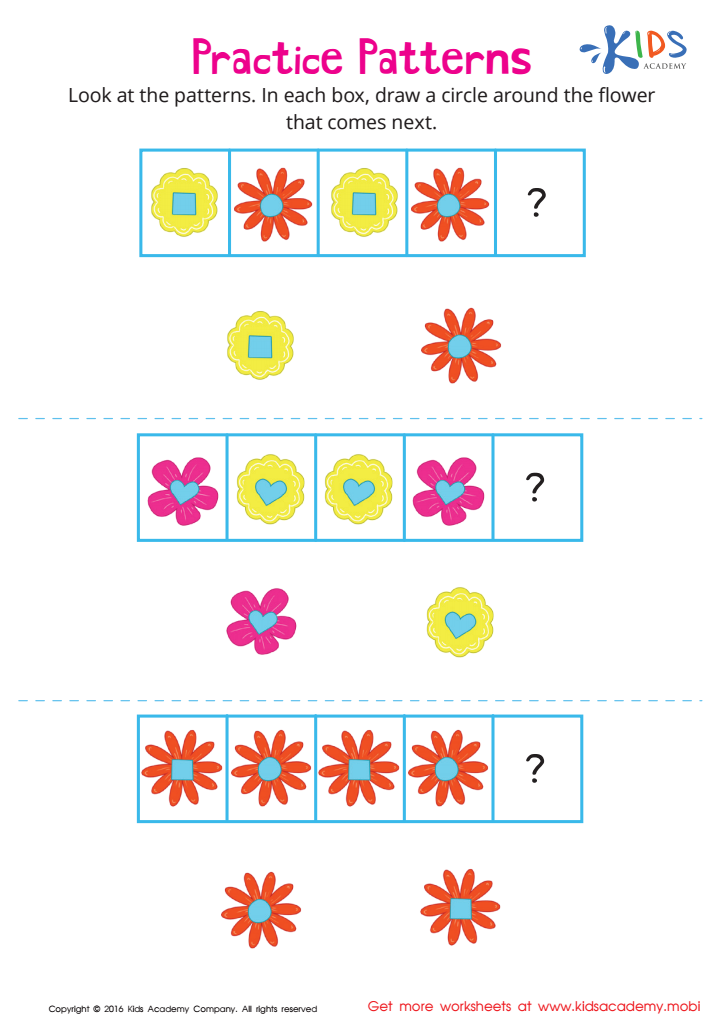
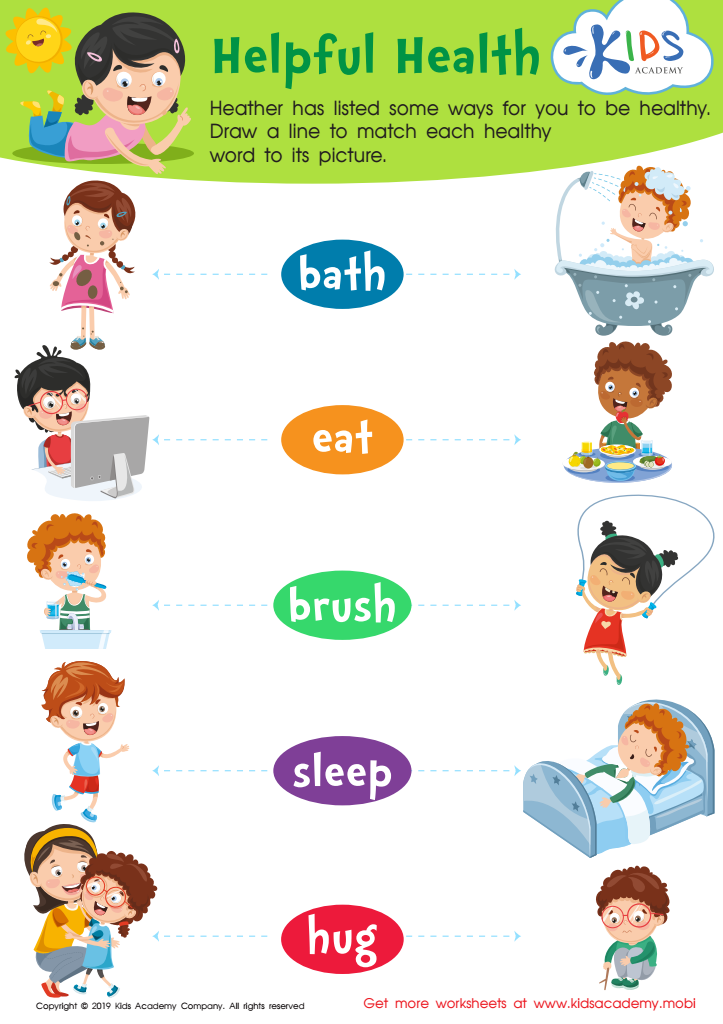
Helpful Health Worksheet
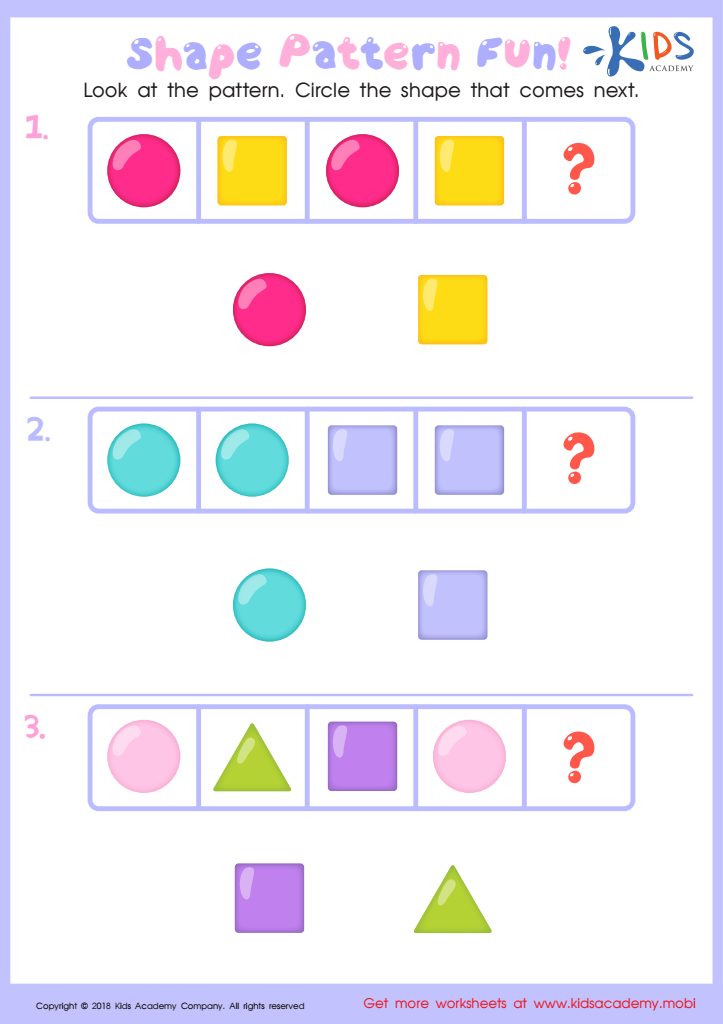
Shape Pattern Fun Worksheet
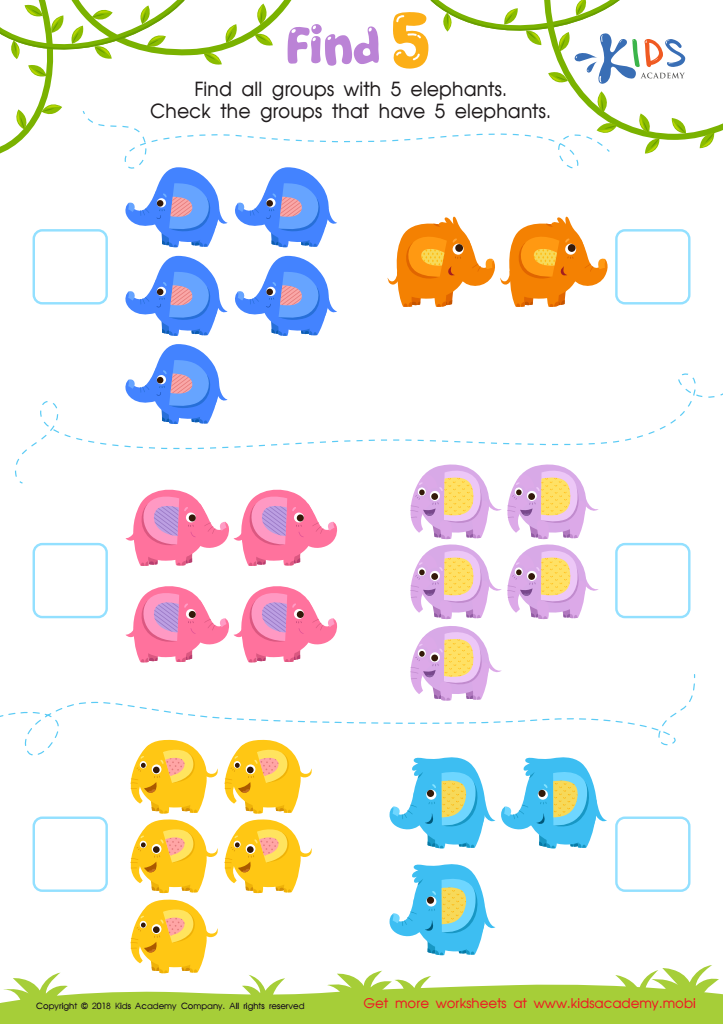
Find 5 Worksheet
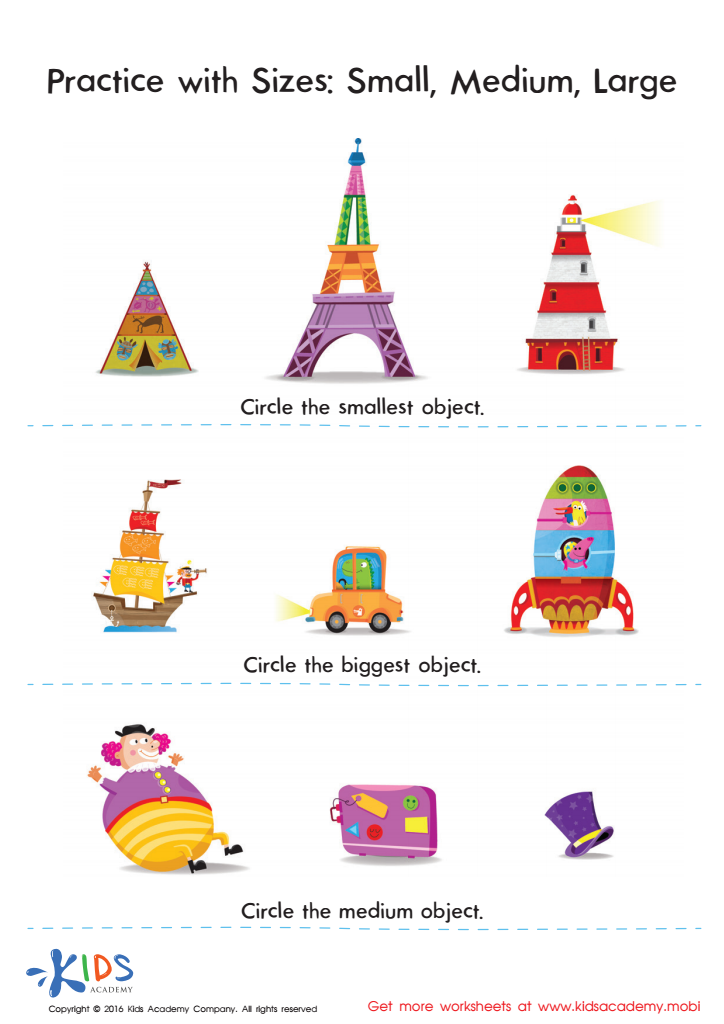







Normal matching activities are a vital component of early childhood education, particularly for children ages 3-6. These exercises help develop essential cognitive skills such as memory, attention, and problem-solving. At this stage, children are naturally curious and eager to engage in activities that stimulate their brains. Matching games—whether through cards, images, or objects—encourage children to make connections and recognize patterns, which are foundational skills for future learning.
For parents and teachers, incorporating normal matching activities into daily routines can significantly enhance a child's developmental trajectory. These activities can be easily tailored to align with the child's interests, such as animals, letters, or shapes, making learning fun and relatable. By engaging in matching activities, children also improve their fine motor skills as they manipulate objects and navigate their environment.
Moreover, these activities foster social skills, supporting collaboration and communication during group play. Parents and teachers should care about matching activities, as they not only enhance cognitive and physical skills but also create meaningful interactions that bolster children's self-esteem and excitement for learning. Ultimately, promoting these activities lays the groundwork for academic success and lifelong learning.








