Normal Knowledge Check Worksheets Activities With Answers for Ages 3-7 - Page 2
37 filtered results
-
From - To
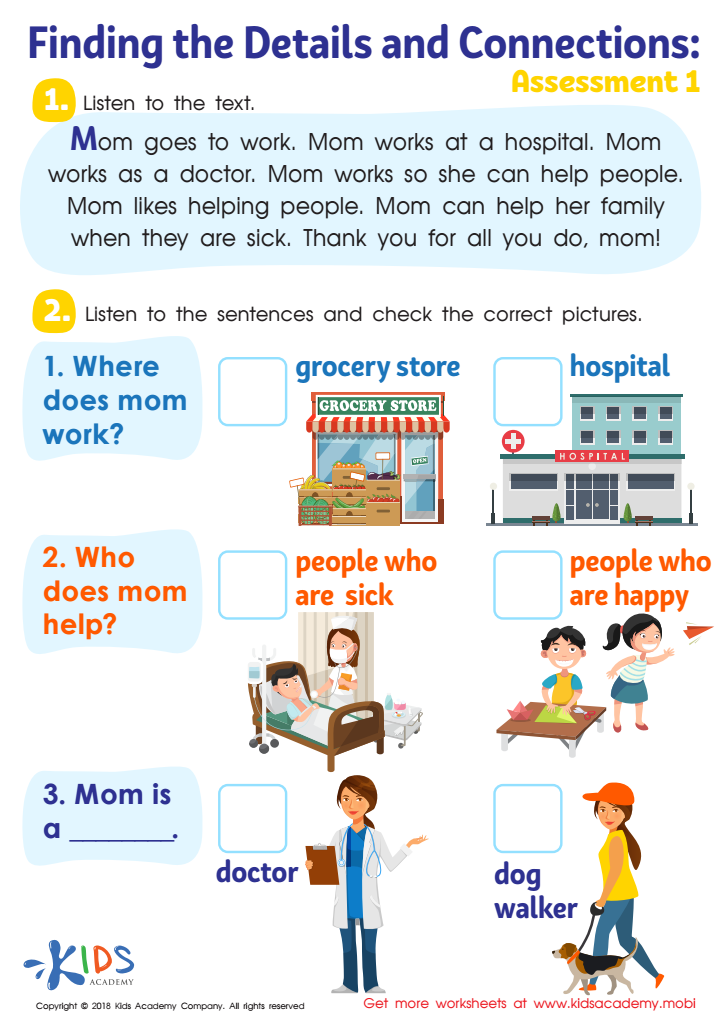
Finding the Details and Connections: Assessment 1 Worksheet
 Assign to My Students
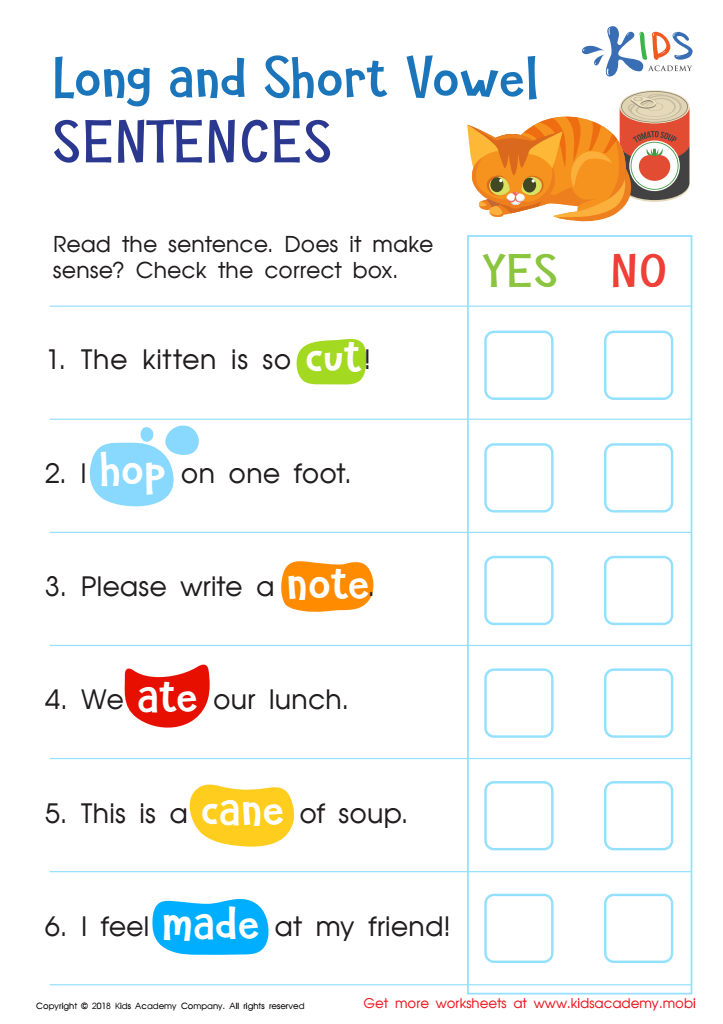
Long and Short Vowel Sentences: Assessment Worksheet
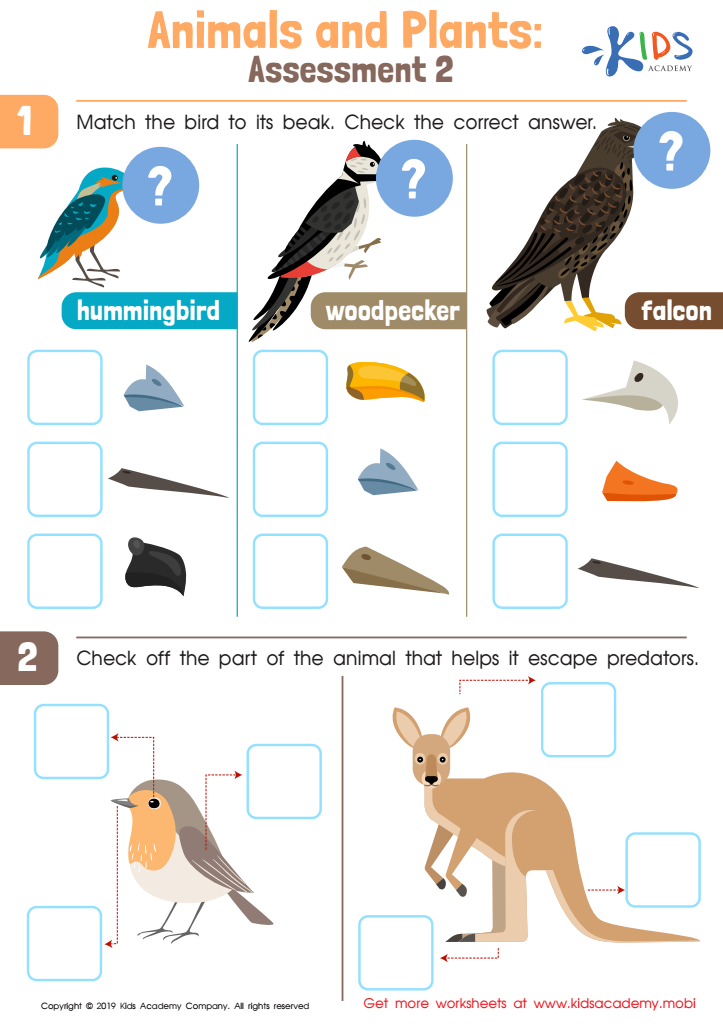
Animals and Plants: Assessment 2 Worksheet
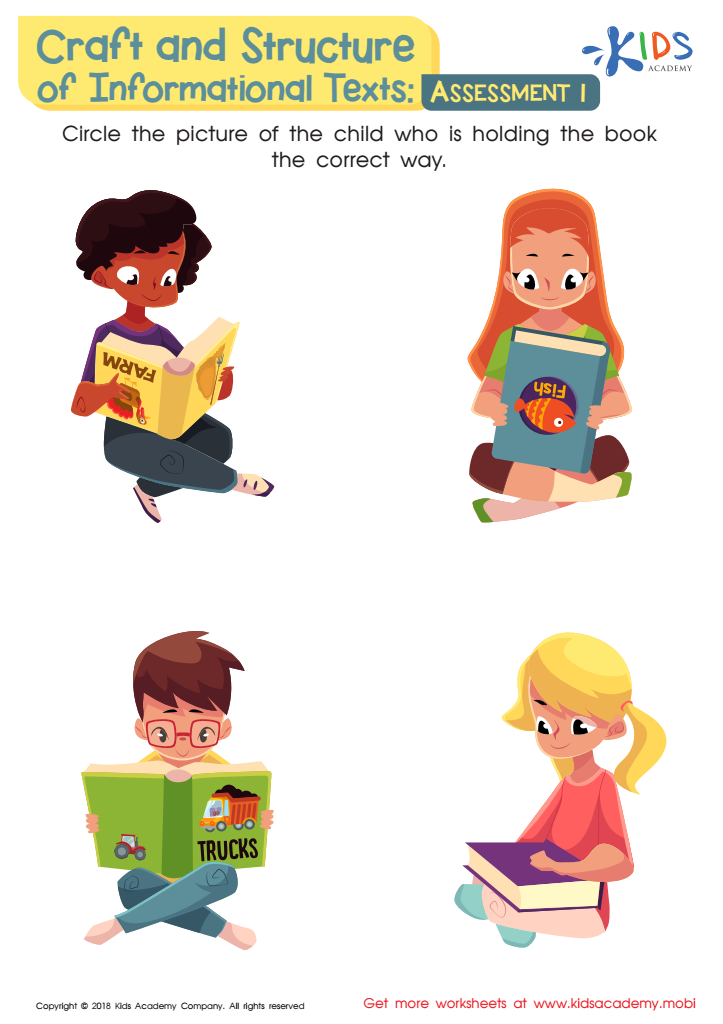
Craft and Structure of Informational Texts: Assessment 1 Worksheet

Assessment: First Thanksgiving Worksheet
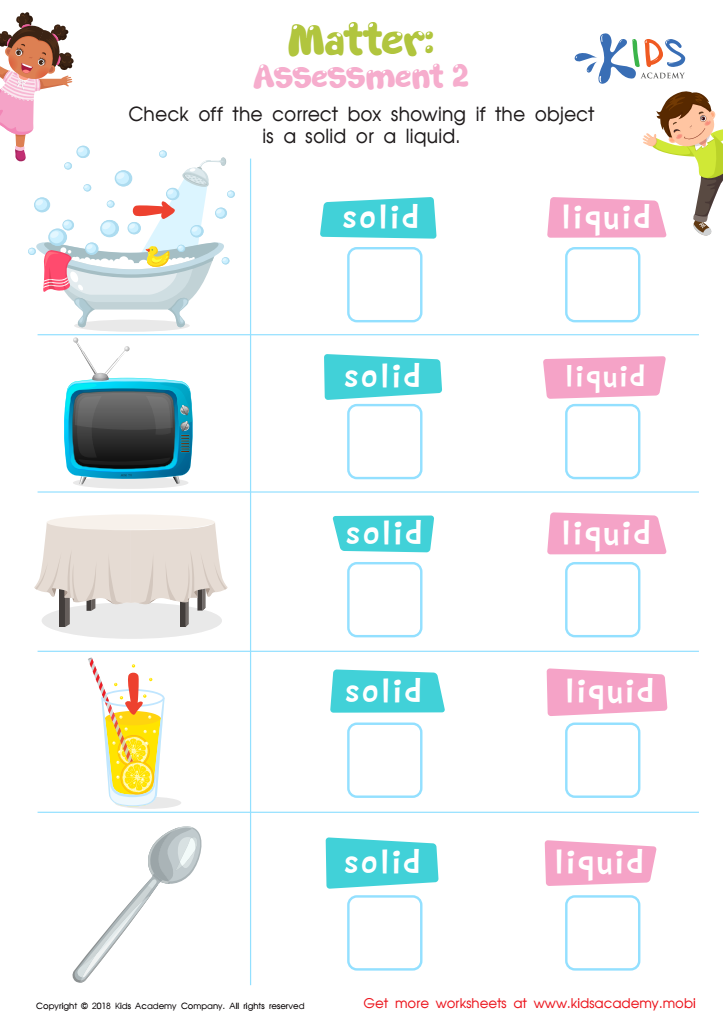
Matter: Assessment 2 Worksheet
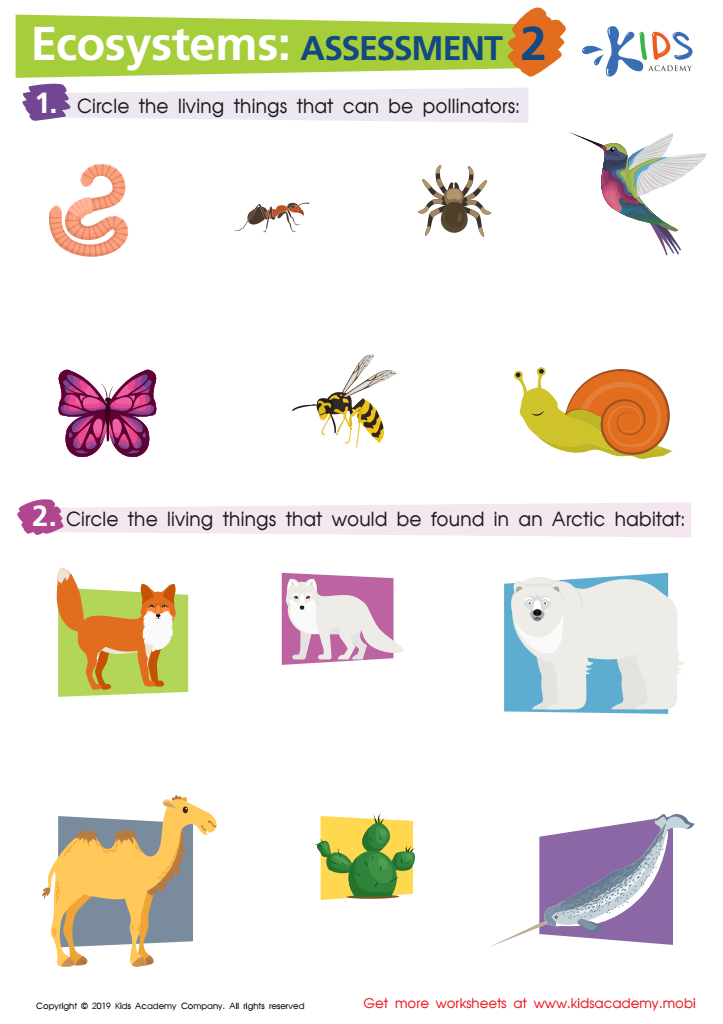
Ecosystems: Assessment 2 Worksheet
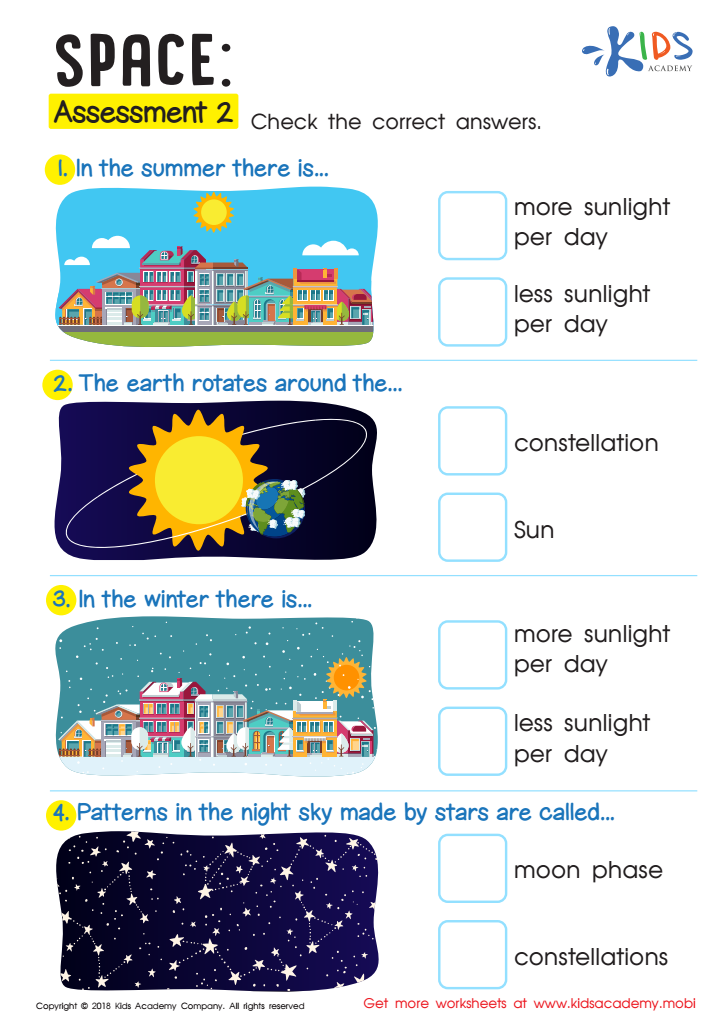
Space: Assessment 2 Worksheet
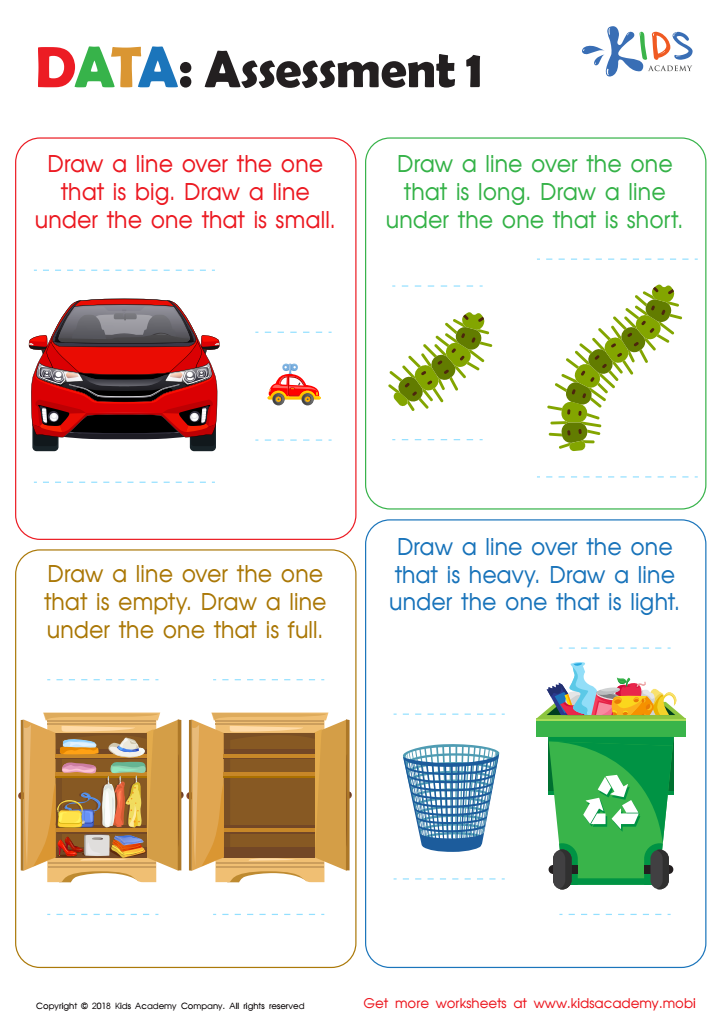
Data: Assessment 1 Worksheet
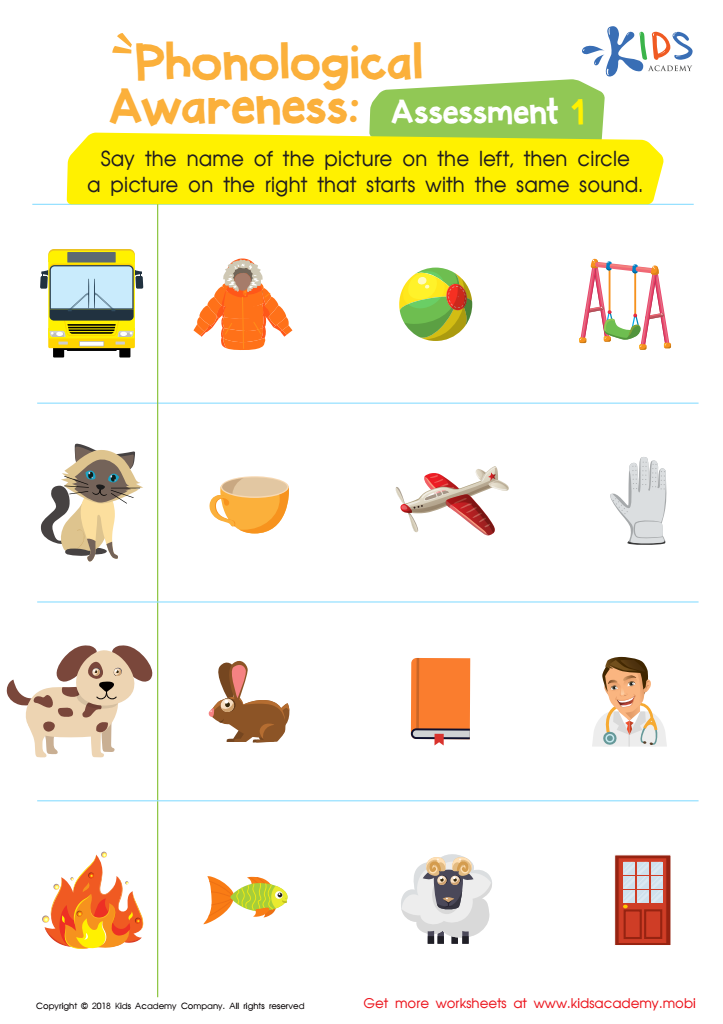
Phonological Awareness: Assessment 1 Worksheet
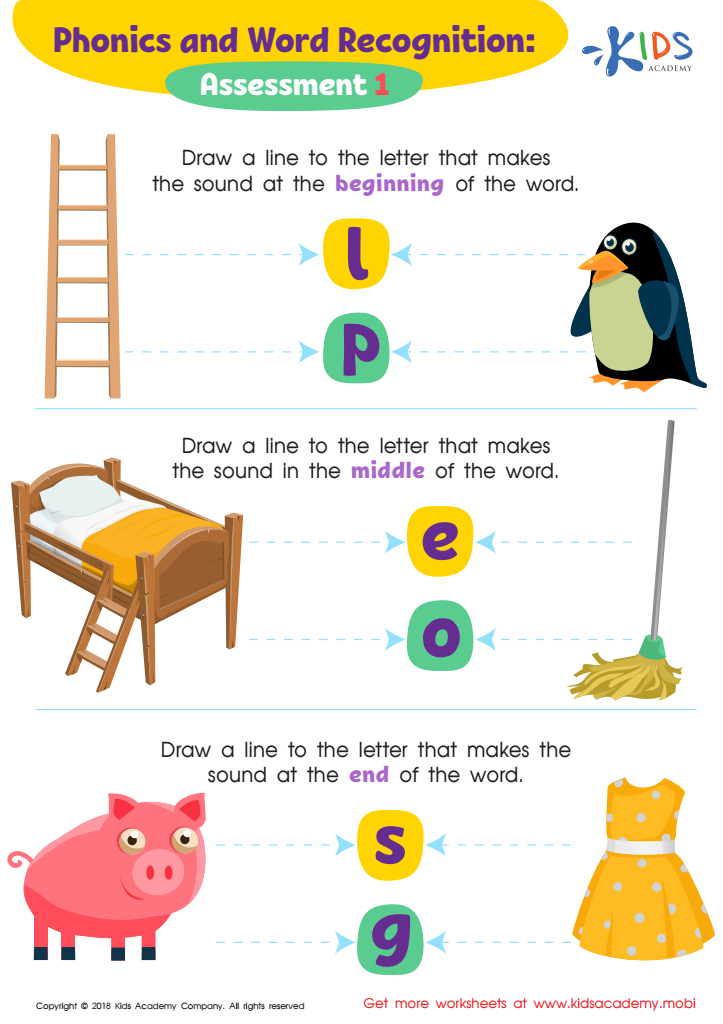
Phonics and Word Recognition: Assessment 1 ELA Worksheet
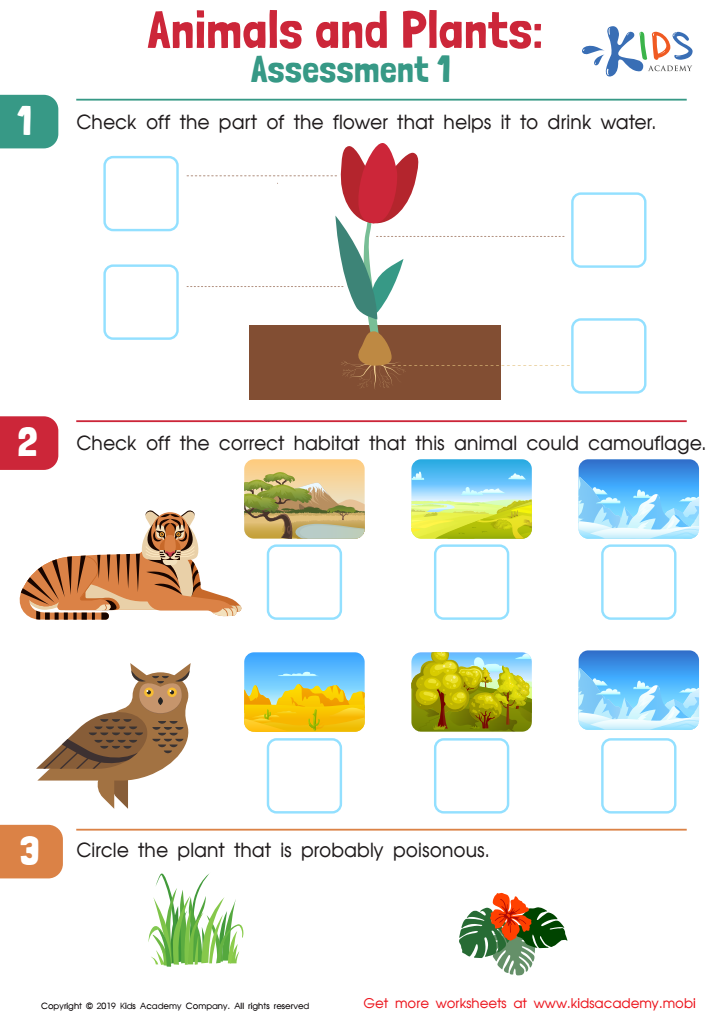
Animals and Plants: Assessment 1 Worksheet
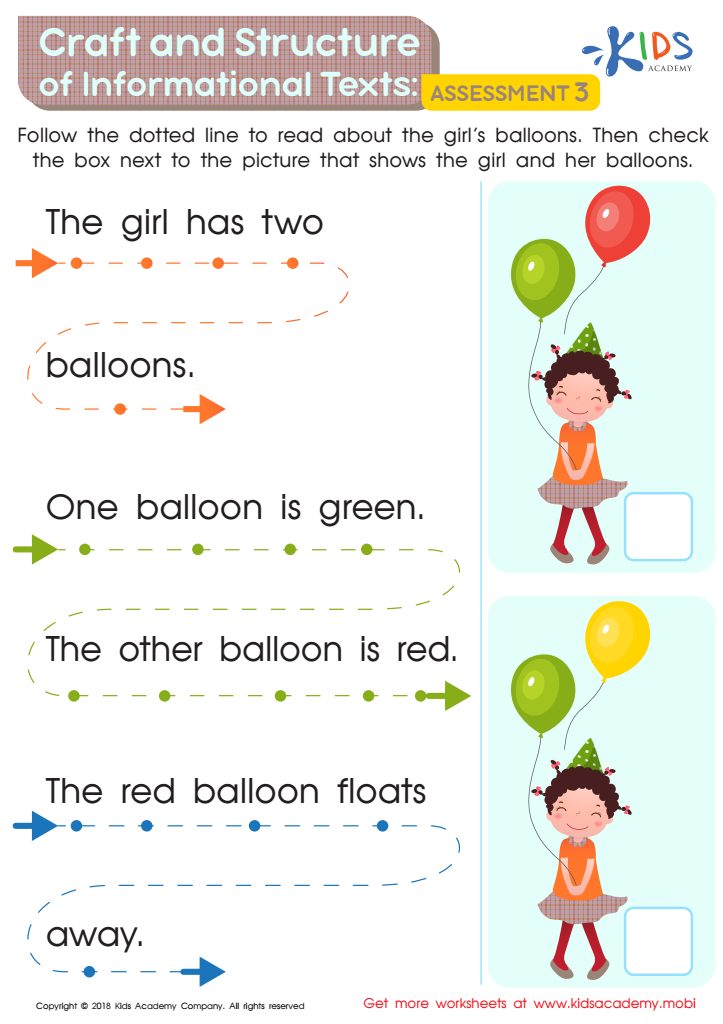
Craft and Structure of Informational Texts: Assessment 3 Worksheet



.jpg)




Parents and teachers should prioritize Normal Knowledge Check Activities for children aged 3-7 because these activities form a vital foundation in early childhood education. At this tender age, children are naturally curious and receptive to learning. Engaging in structured knowledge checks fosters cognitive development, enhancing critical thinking and problem-solving skills.
These activities encourage active learning, allowing children to explore concepts in a fun and interactive manner. They provide a clear assessment of a child's understanding, helping educators tailor instruction to meet individual needs. This not only boosts the child’s confidence but also engages parents in the educational process, allowing them to support learning at home.
Furthermore, knowledge checks help identify learning gaps early on, enabling timely interventions to support a child's development. They promote essential skills, including communication, collaboration, and creativity, which are crucial for success in later education.
Overall, Normal Knowledge Check Activities bridge school and home learning, providing numerous benefits that extend beyond academics. By using these tools, parents and teachers can create a nurturing environment that values inquiry and growth, helping children develop a lifelong love of learning.








