Normal Matching Worksheets Activities With Answers for Ages 3-7 - Page 2
41 filtered results
-
From - To
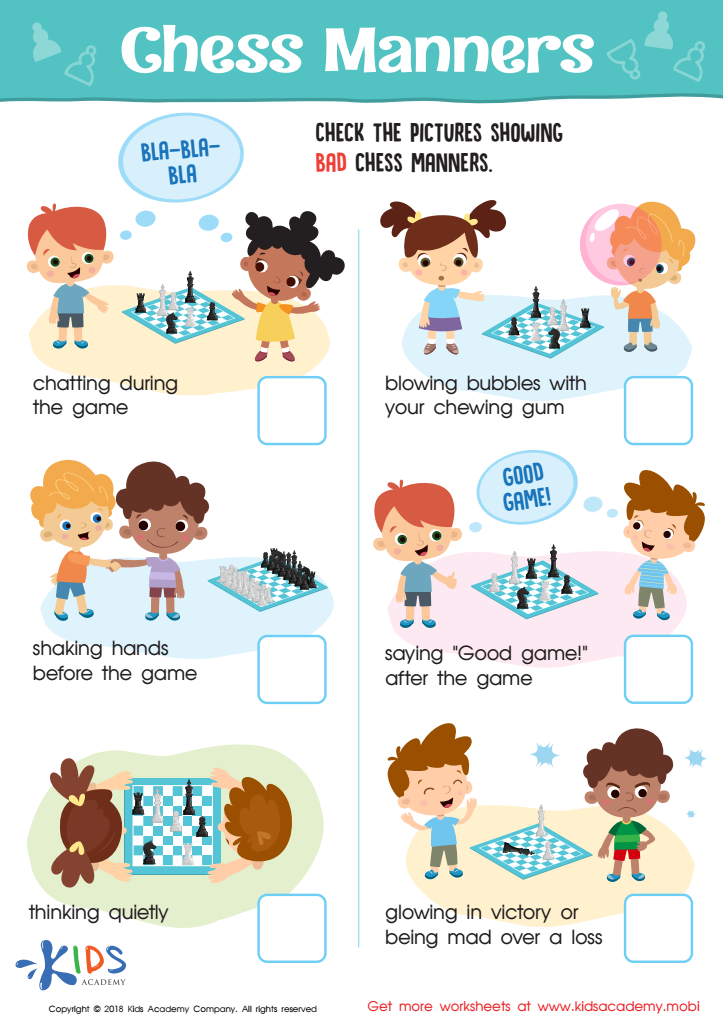
Chess Manners Worksheet
 Assign to My Students
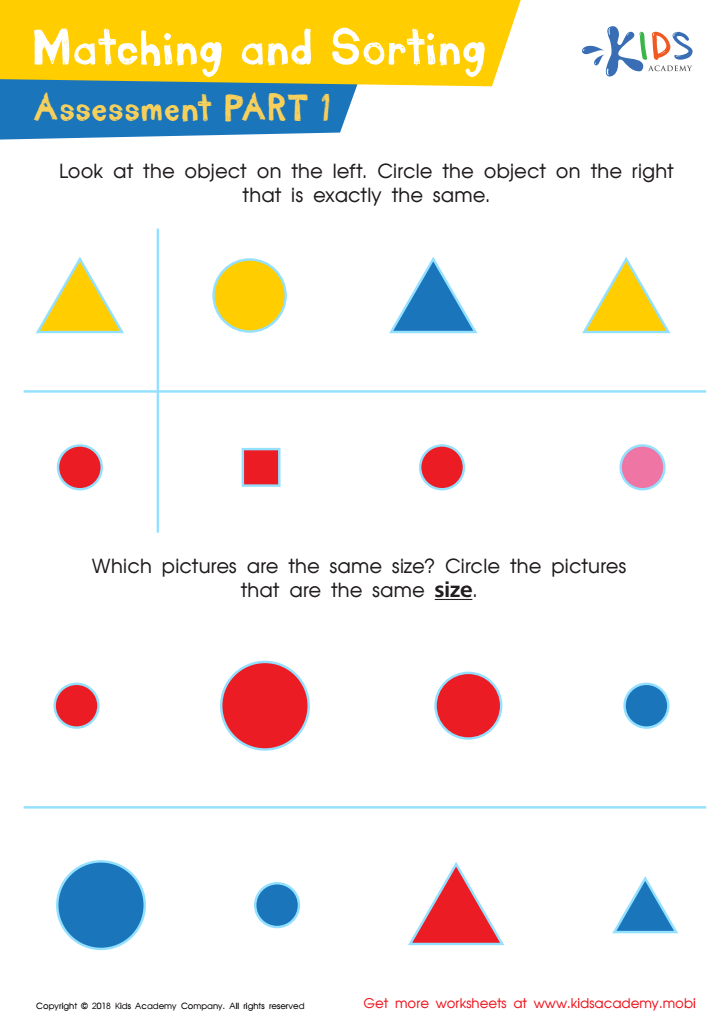
Matching and Sorting for Kindergarten: Assessment 1 Worksheet
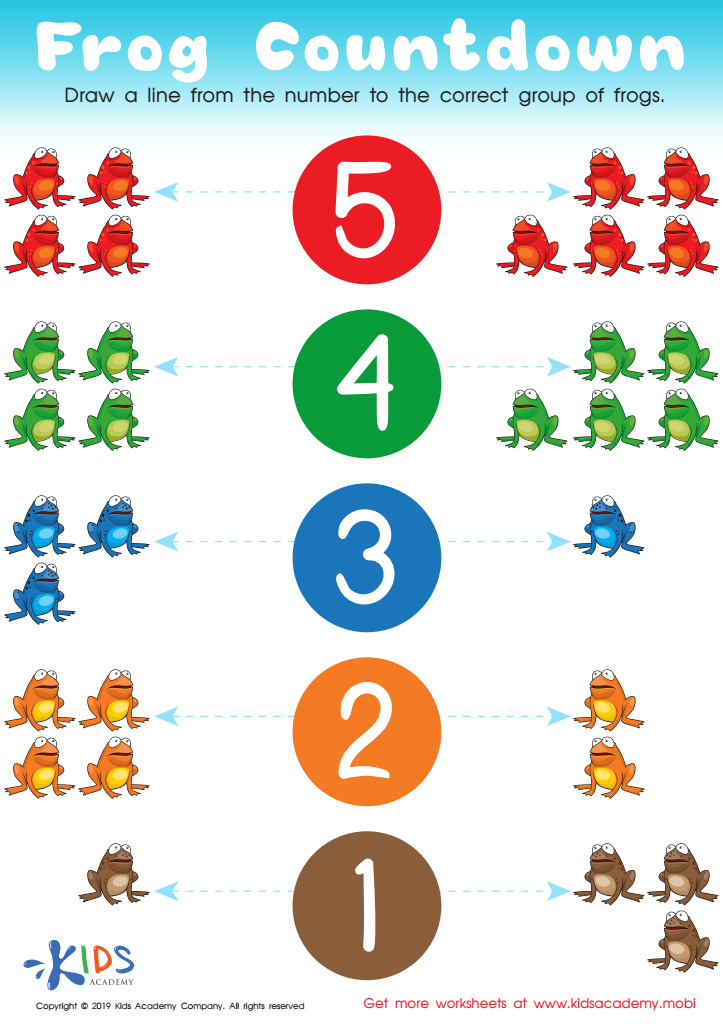
Frog Countdown Worksheet
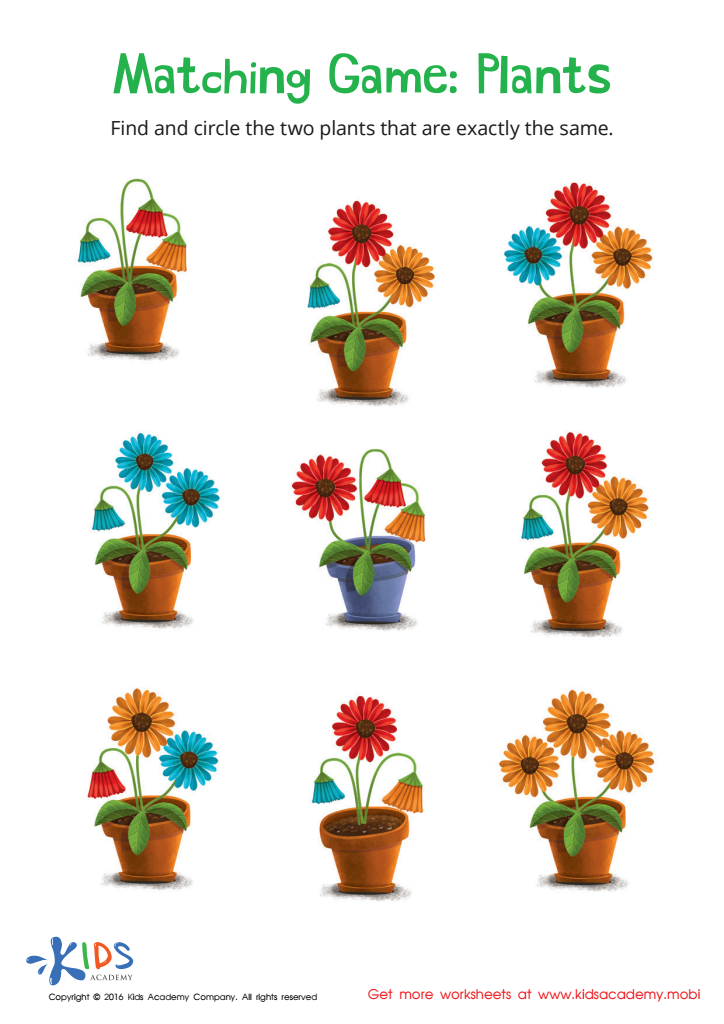
Matching: Plants Worksheet
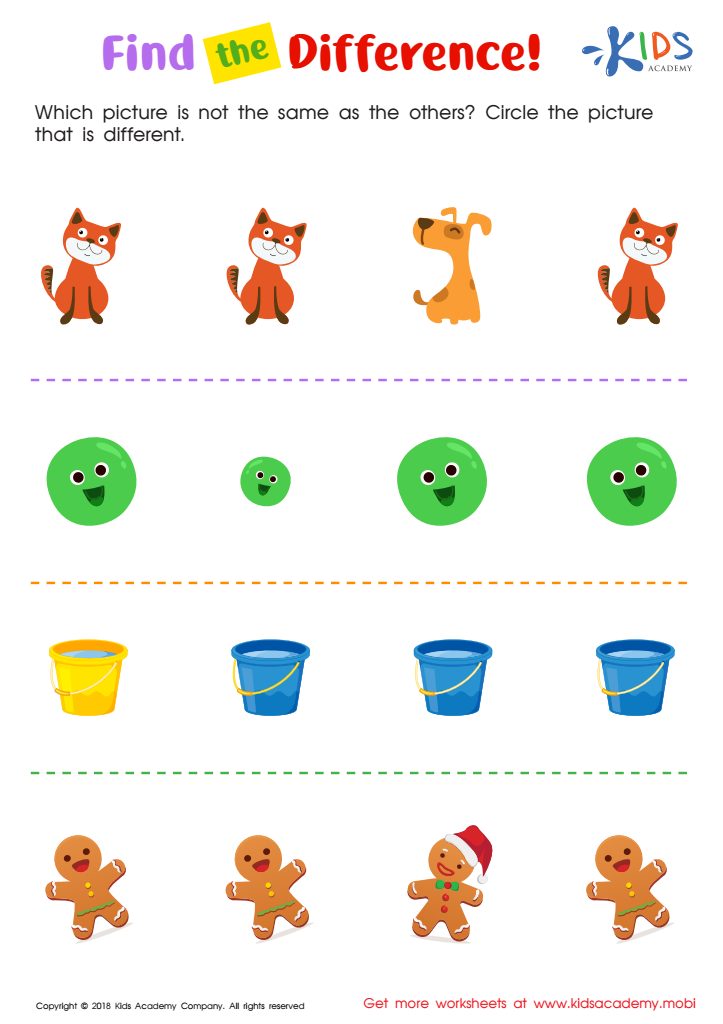
Find the Difference Worksheet
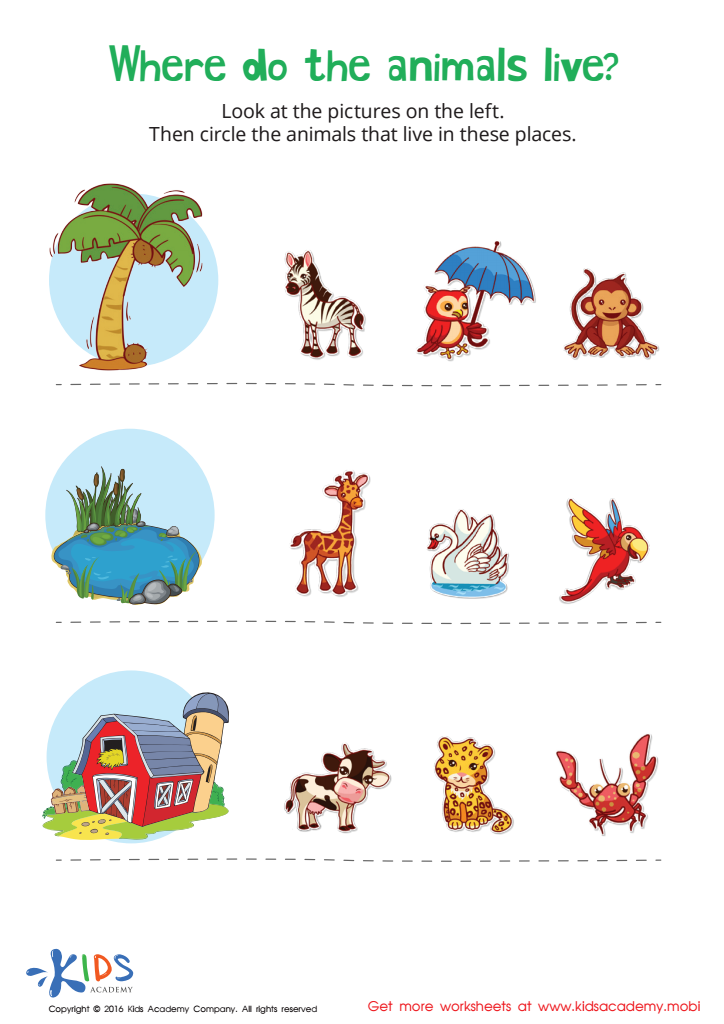
Where Animals Live Worksheet
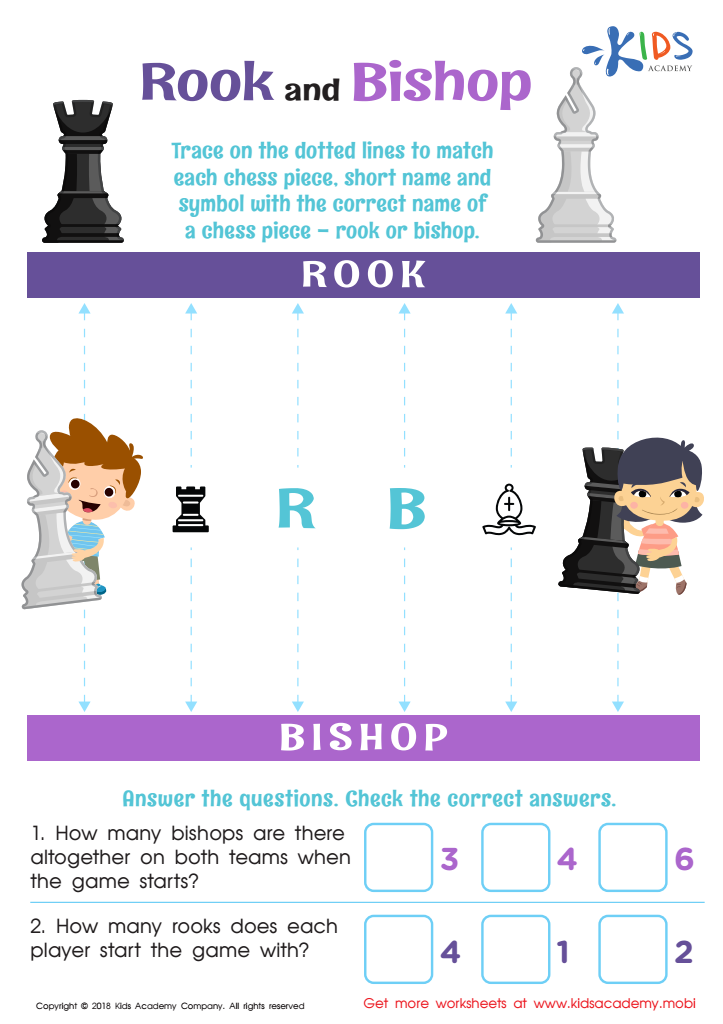
Rook and Bishop Worksheet
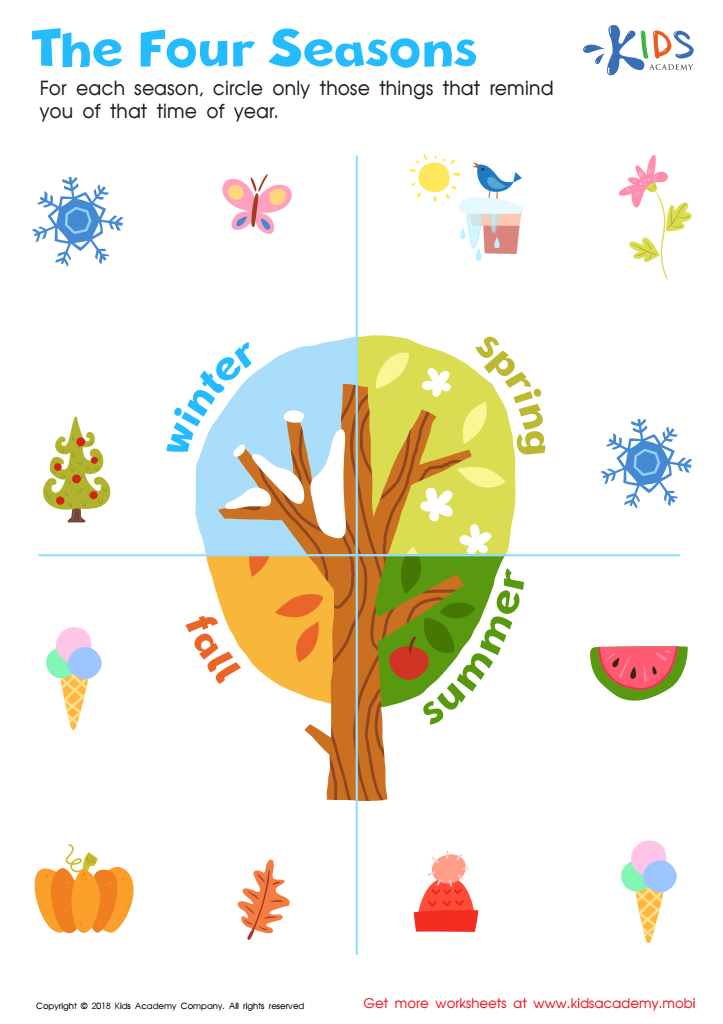
The Four Seasons Worksheet
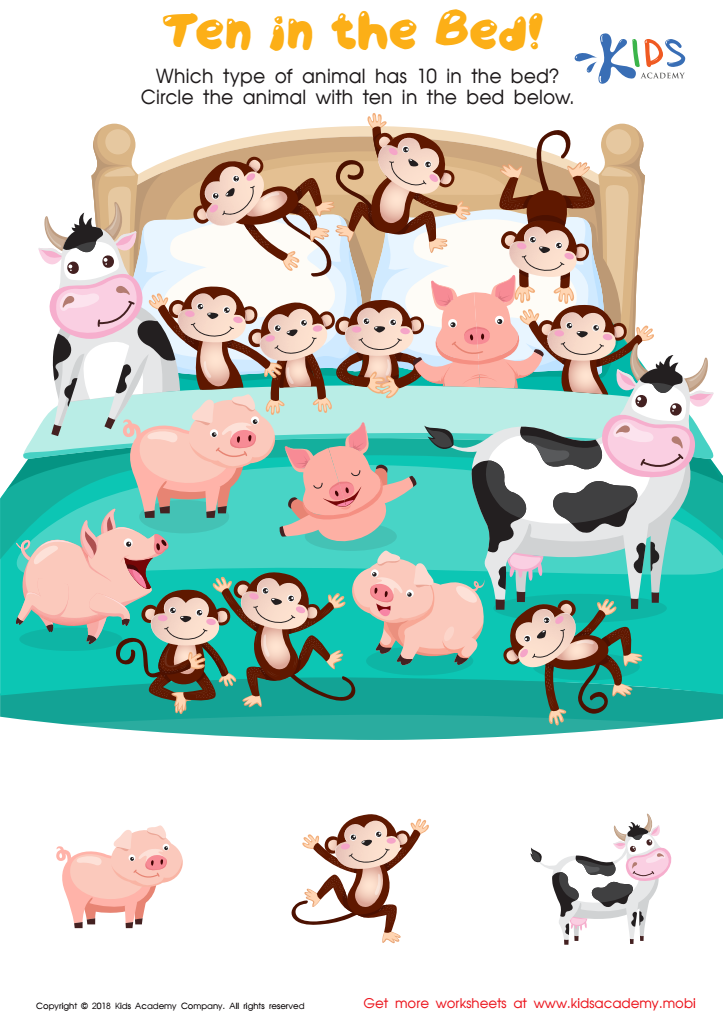
Ten in the Bed Worksheet
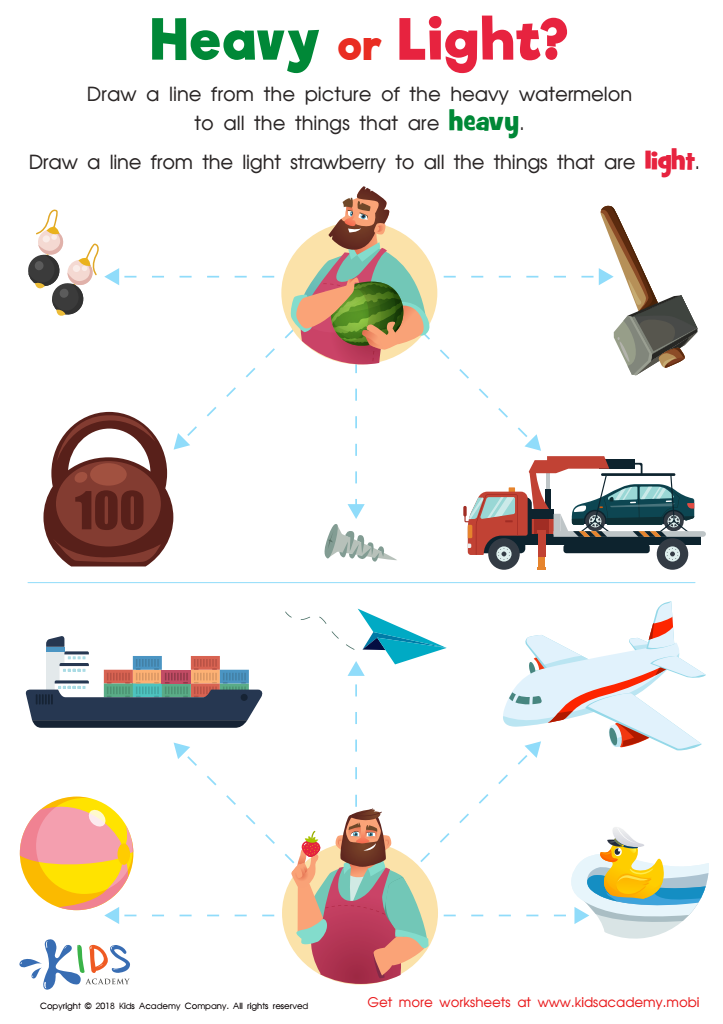
Heavy or Light? Worksheet
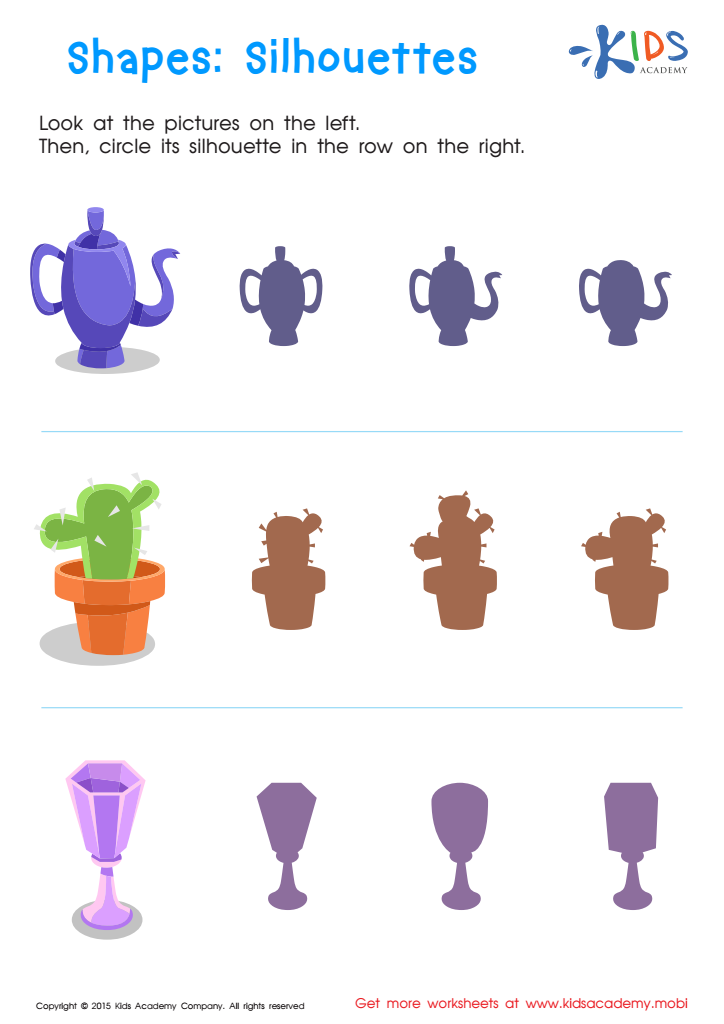
Silhouettes – Shapes Worksheet
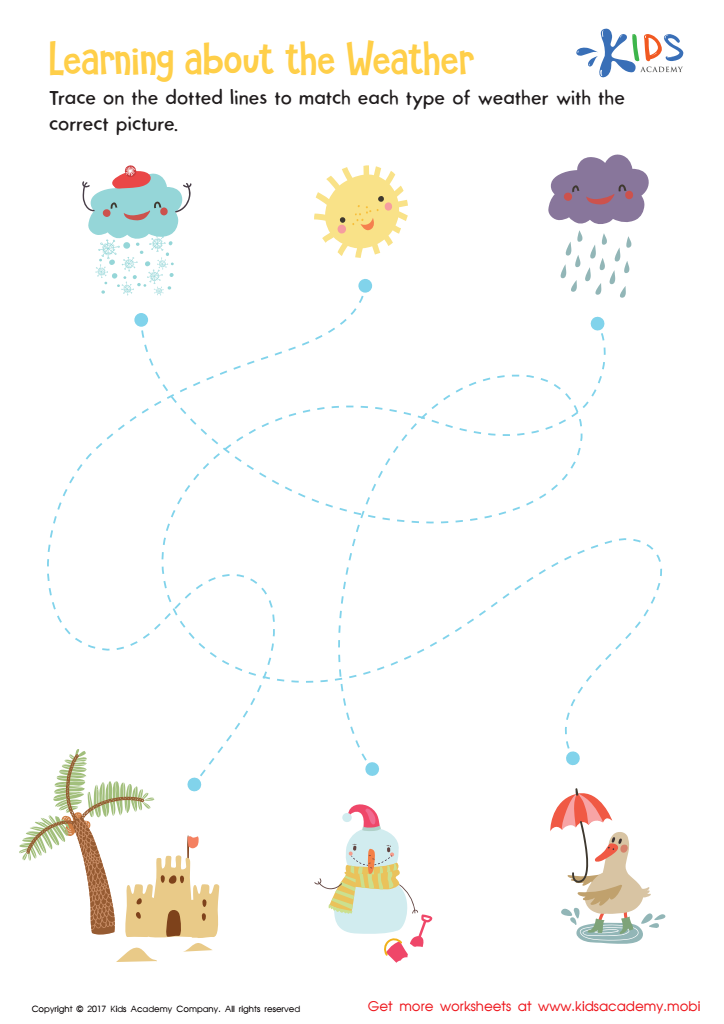
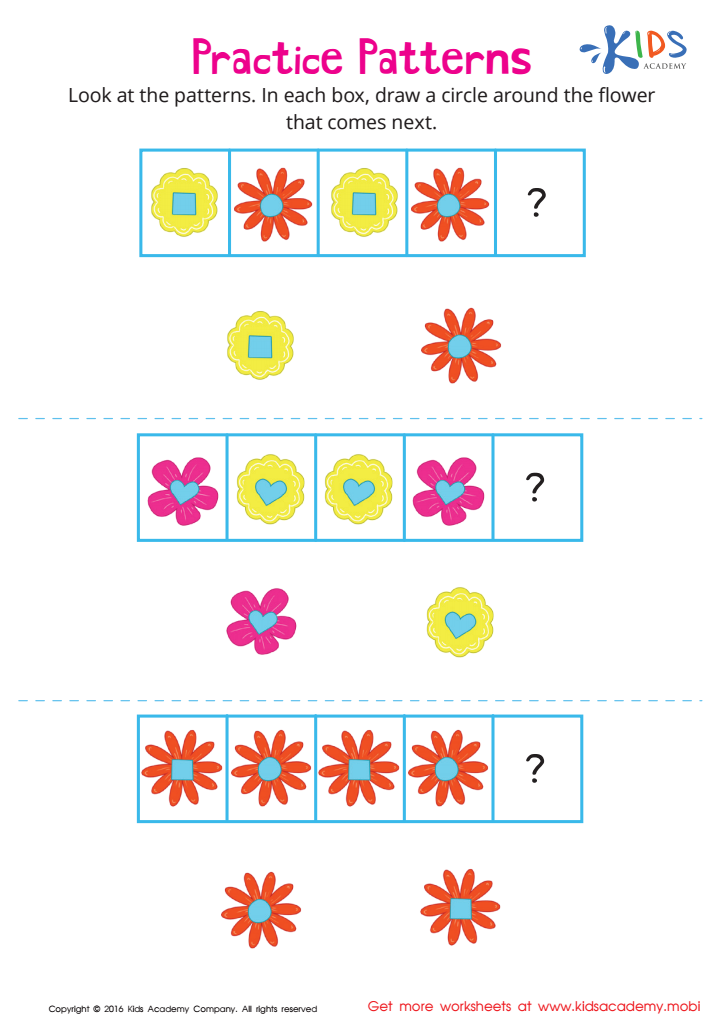
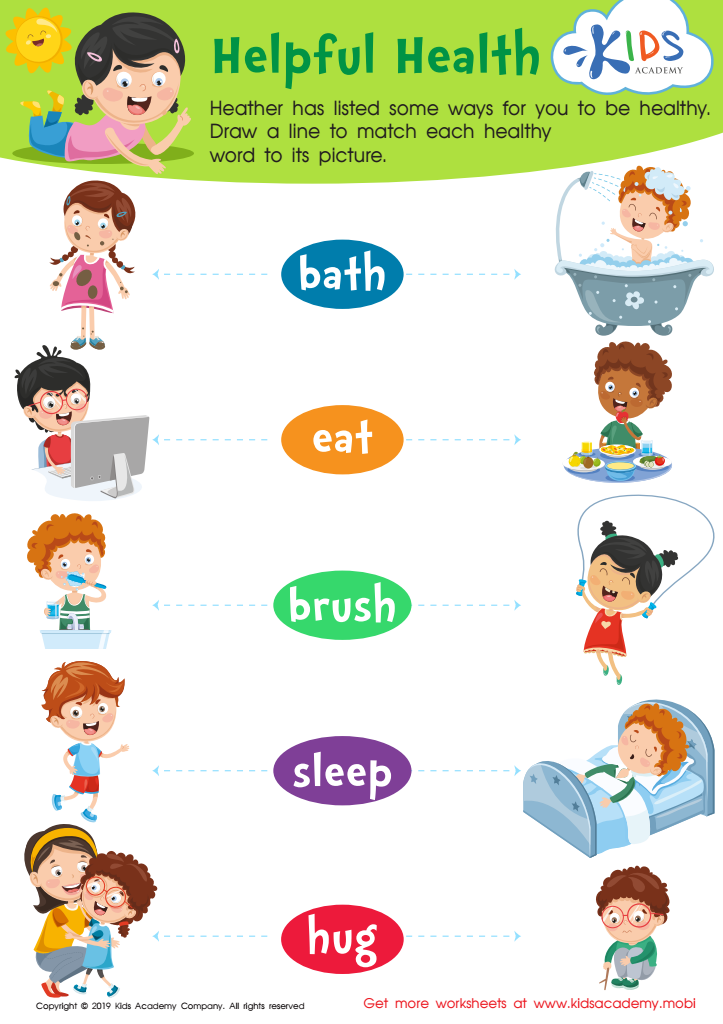
Helpful Health Worksheet
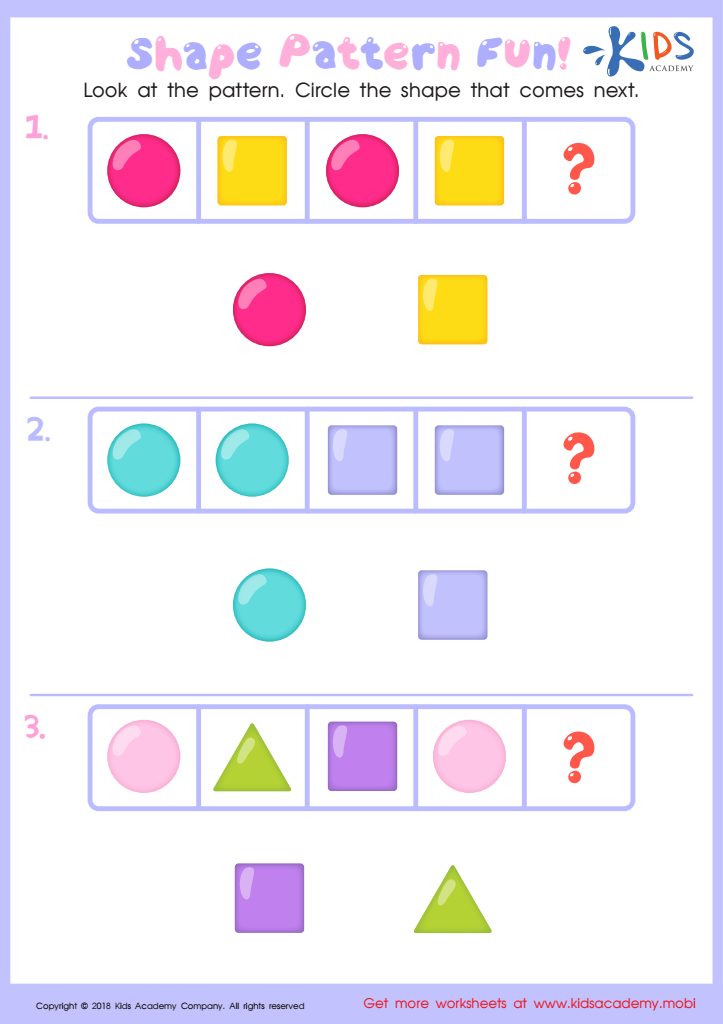
Shape Pattern Fun Worksheet
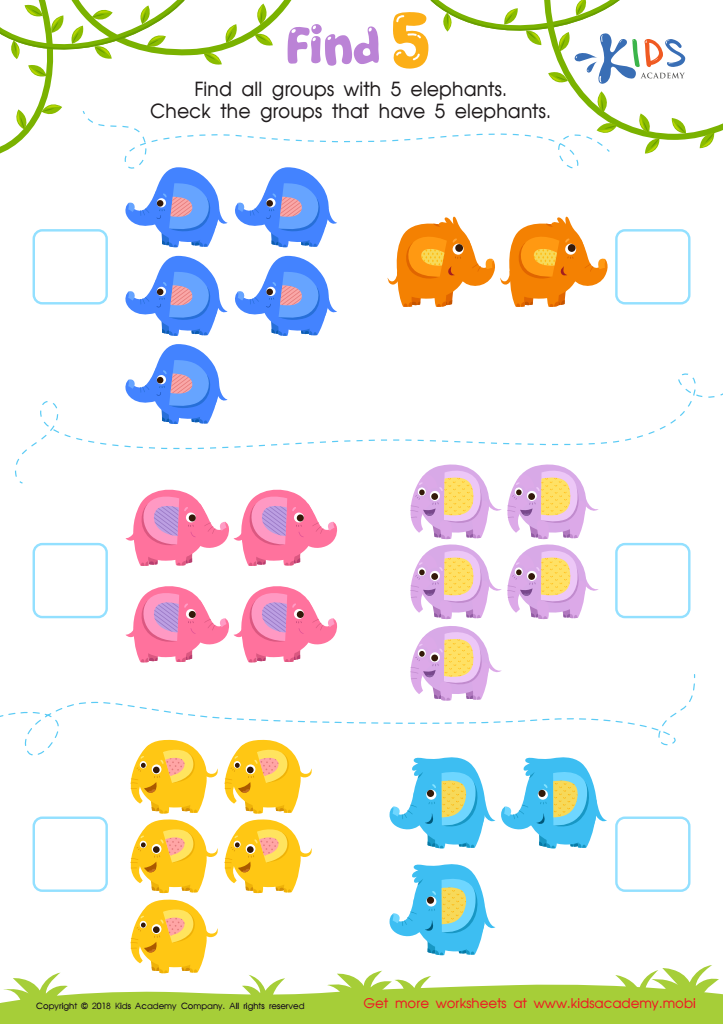
Find 5 Worksheet





.jpg)
Normal Matching Activities are essential for children aged 3-7 as they significantly contribute to cognitive, social, and emotional development. These activities, which involve pairing items with their corresponding counterparts—such as matching animals to their habitats or colors to objects—encourage critical thinking and problem-solving skills. As children engage in these tasks, they enhance their ability to recognize patterns and make connections, fundamental skills for future learning in subjects like mathematics and literacy.
Moreover, Normal Matching Activities foster language development as children learn to verbalize their thoughts and describe what they observe. They promote fine motor skills by requiring precision in manipulation and interaction with various materials. Such activities also serve as a platform for social interaction; when conducted in group settings, children practice sharing, cooperation, and turn-taking.
For parents and teachers, incorporating Normal Matching Activities into daily routines can make learning enjoyable, reinforcing educational concepts in a fun and interactive manner. By ensuring that these playful learning opportunities are part of a child’s early educational experience, caregivers empower them to establish a strong foundation for lifelong learning and curiosity. Ultimately, these activities nurture a well-rounded approach to childhood development, making them an invaluable resource for educators and parents alike.








