Normal Matching Worksheets Activities With Answers for Ages 3-8 - Page 2
42 filtered results
-
From - To
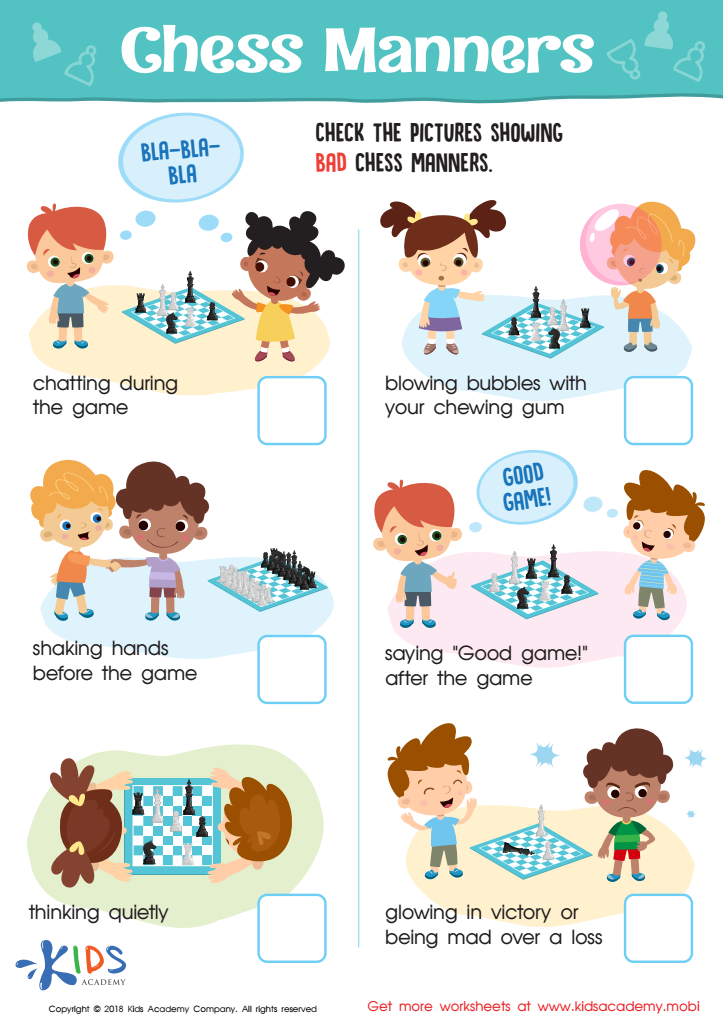
Chess Manners Worksheet
 Assign to My Students
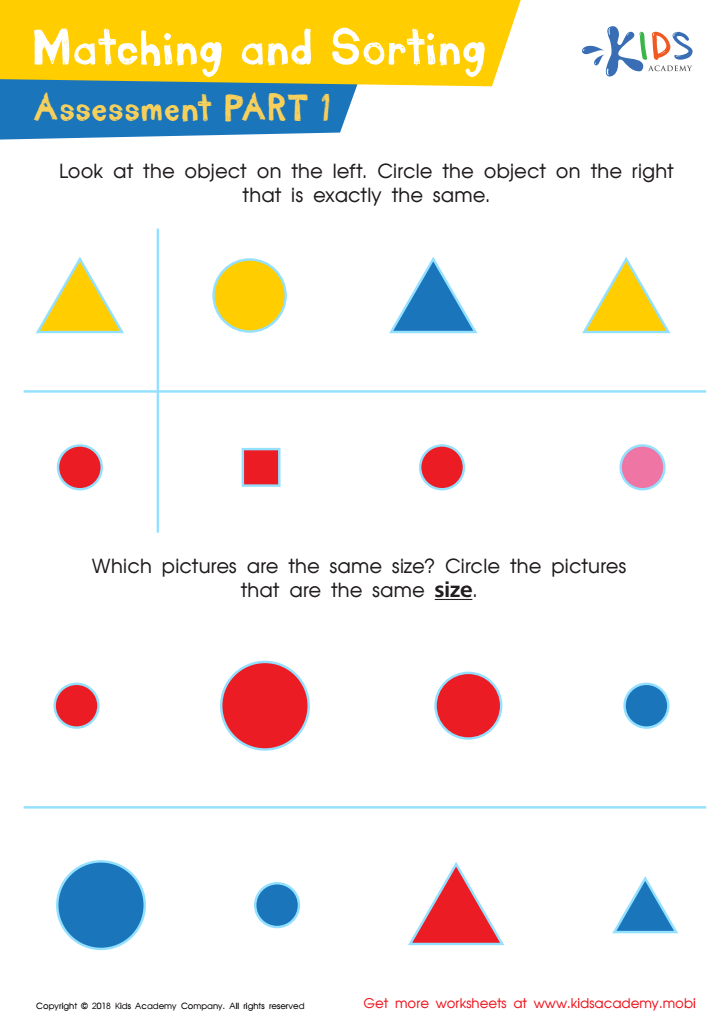
Matching and Sorting for Kindergarten: Assessment 1 Worksheet
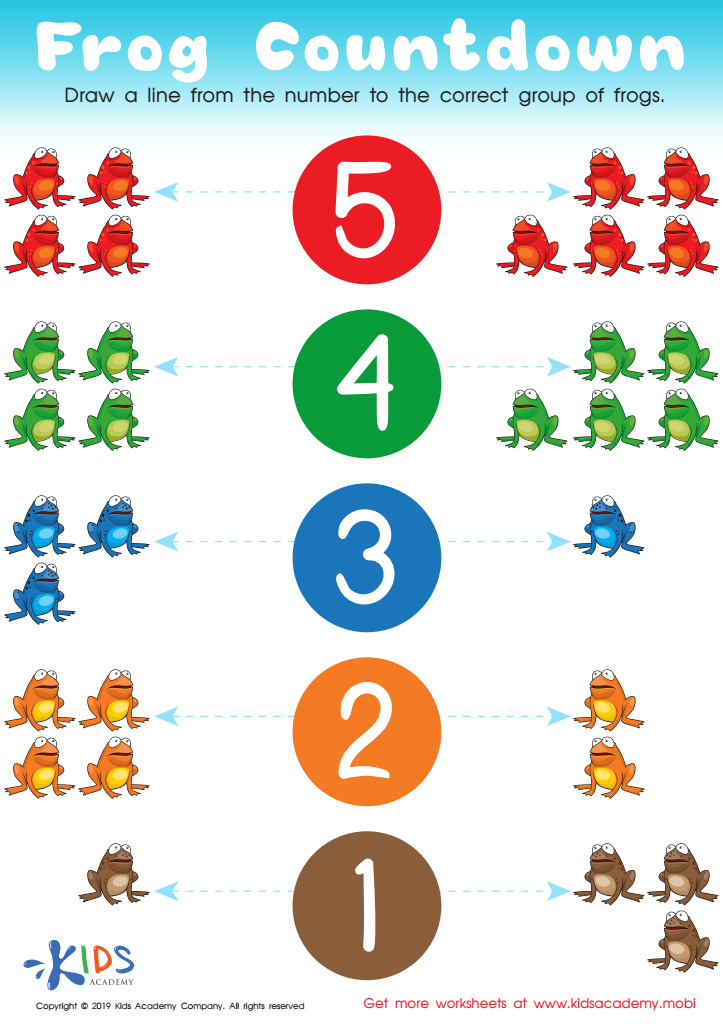
Frog Countdown Worksheet
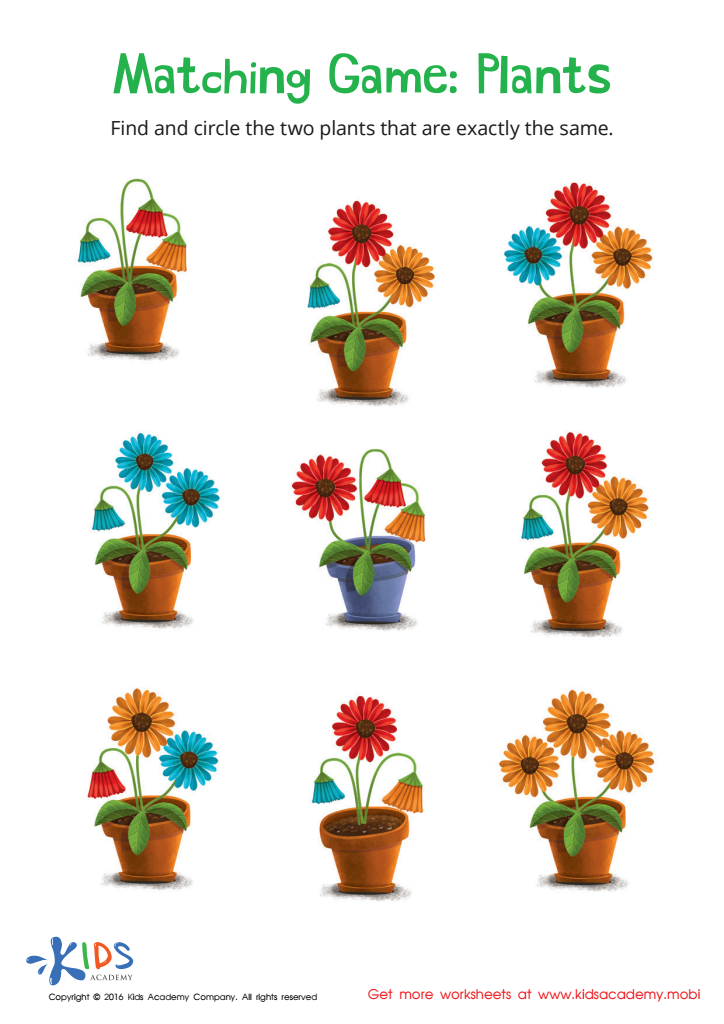
Matching: Plants Worksheet
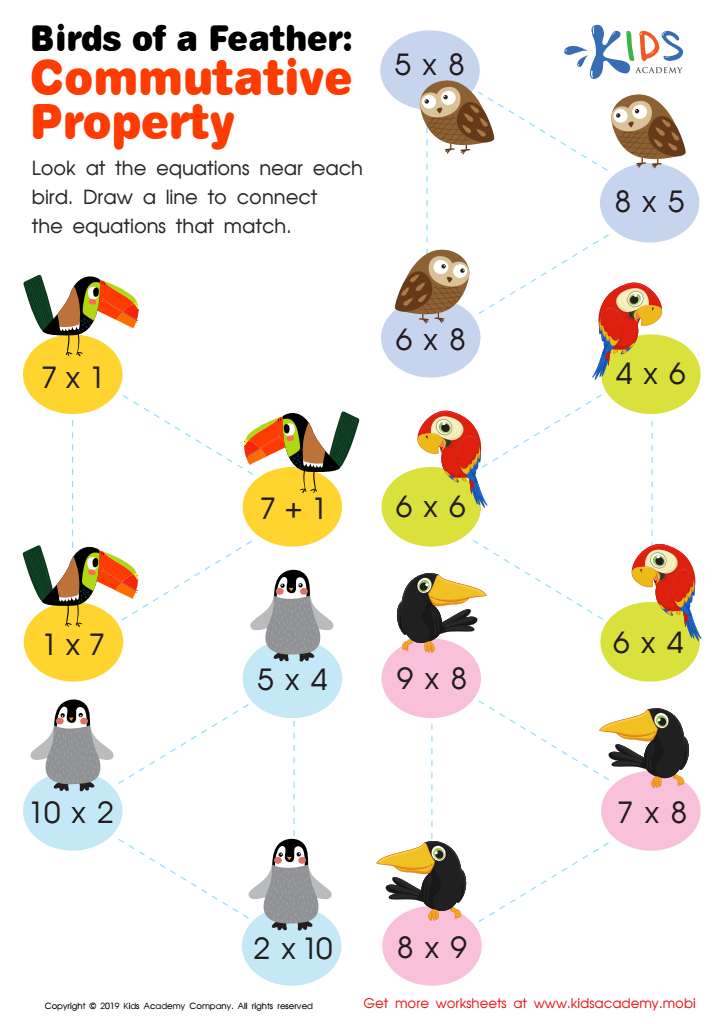
Birds of a Feather: Commutative Property Worksheet
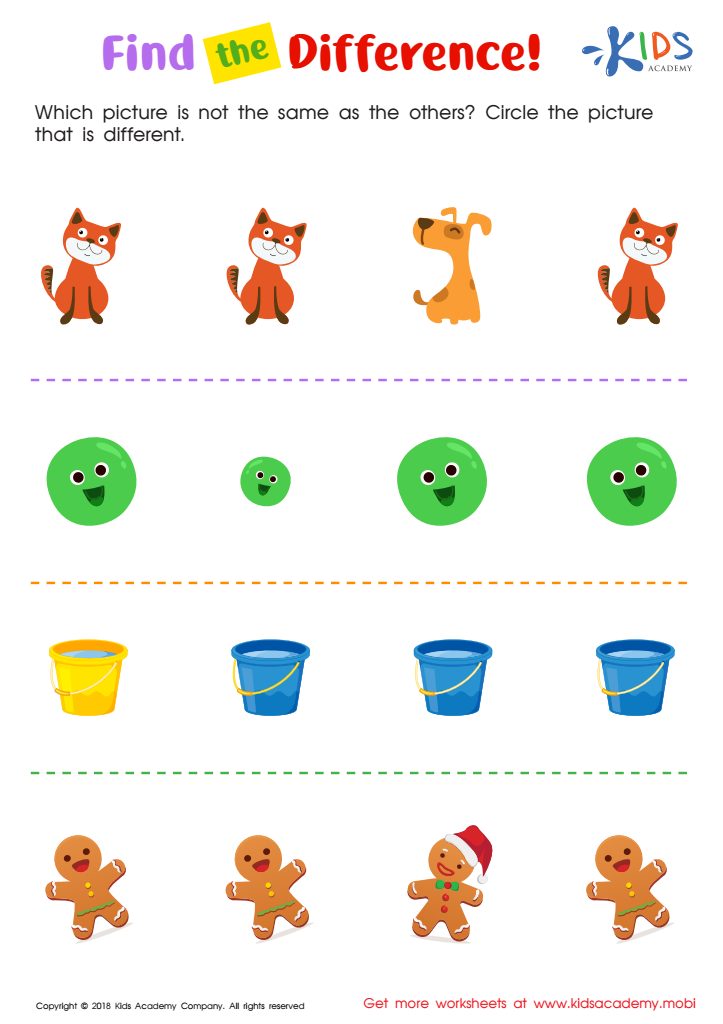
Find the Difference Worksheet
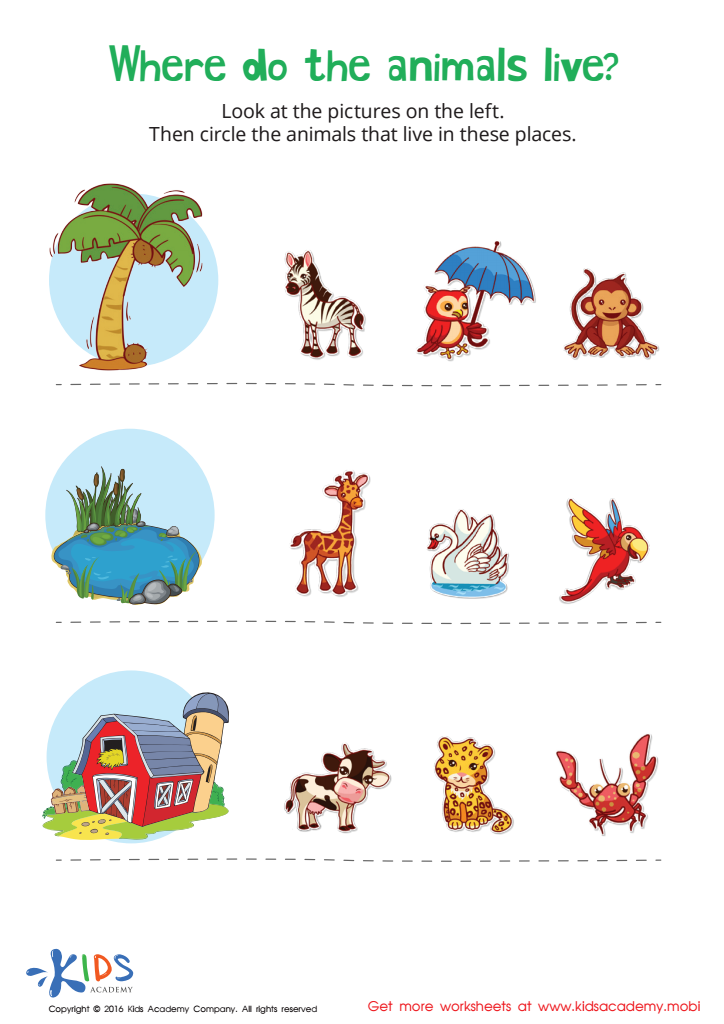
Where Animals Live Worksheet
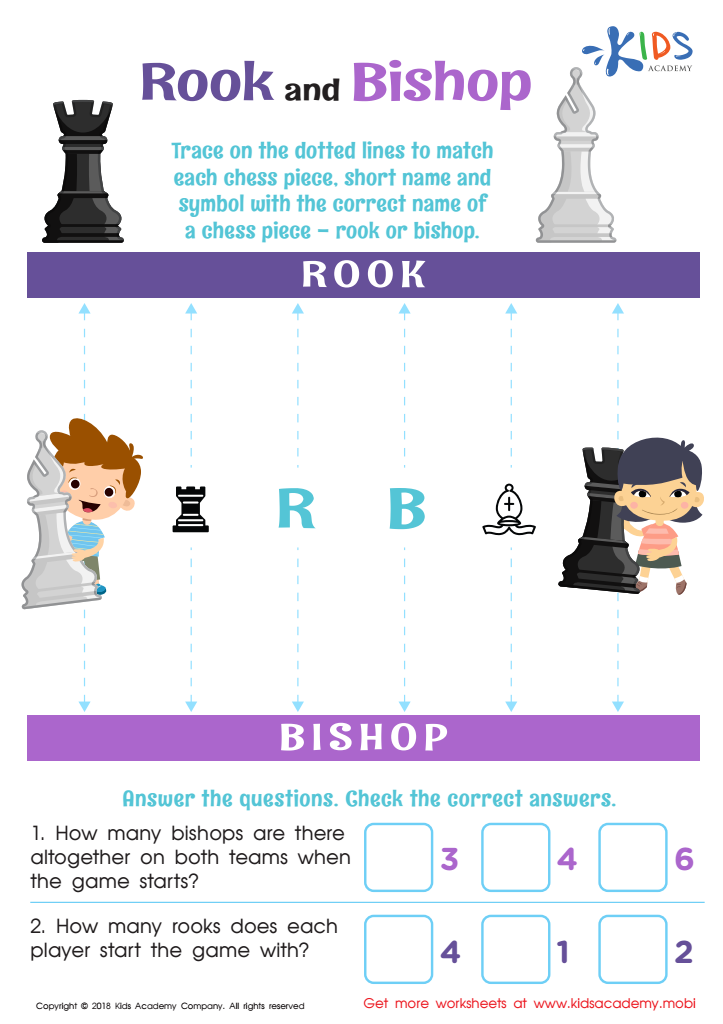
Rook and Bishop Worksheet
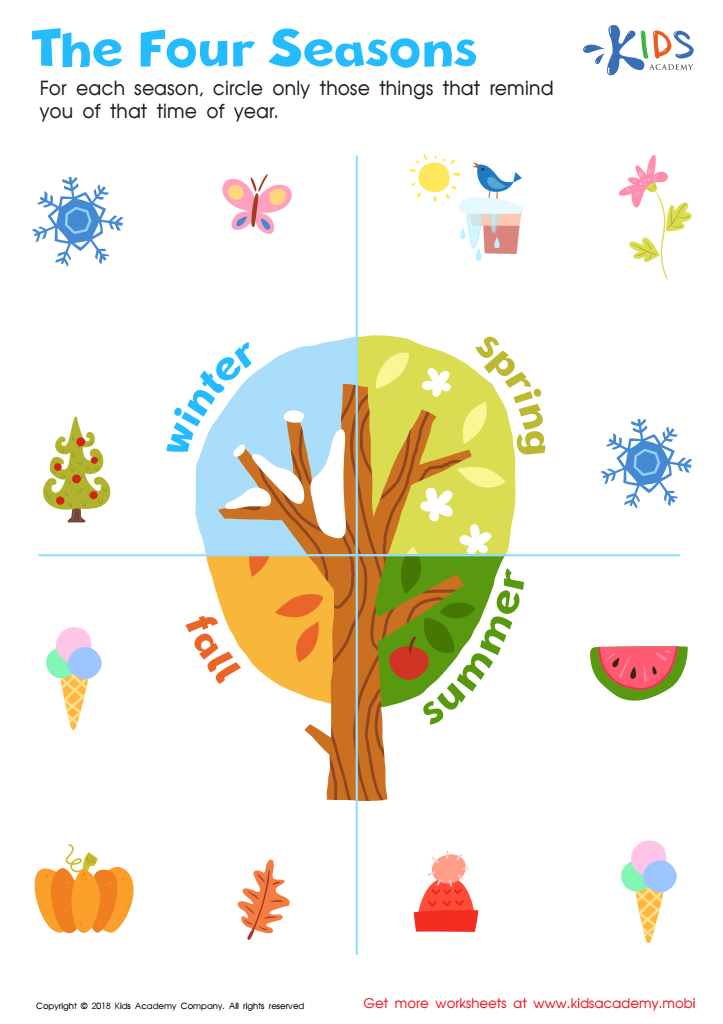
The Four Seasons Worksheet
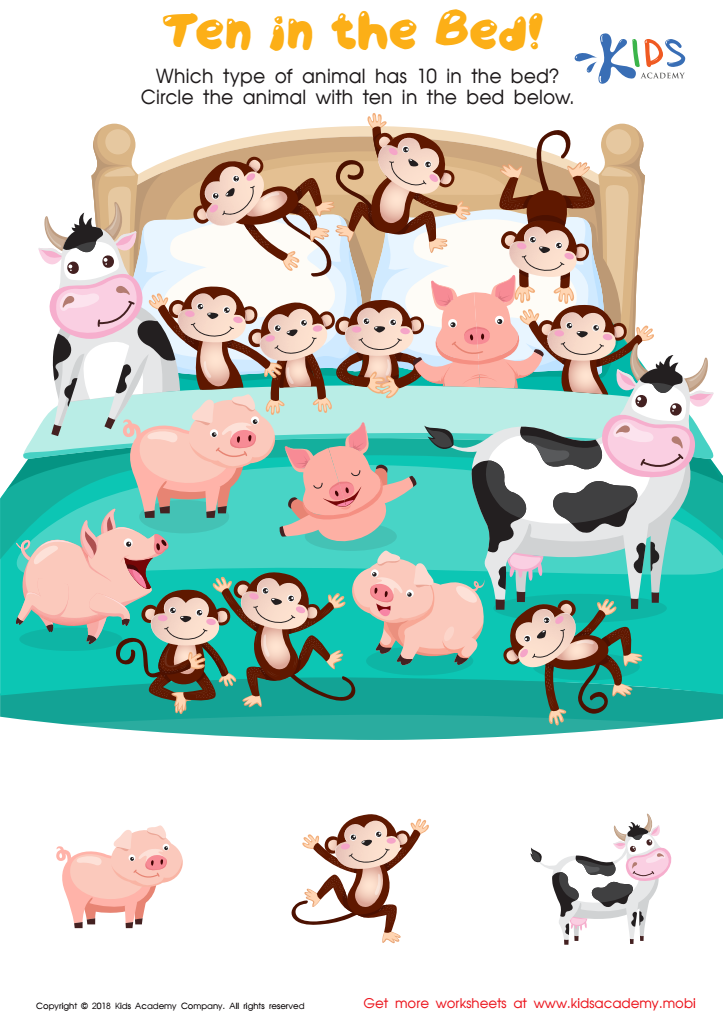
Ten in the Bed Worksheet
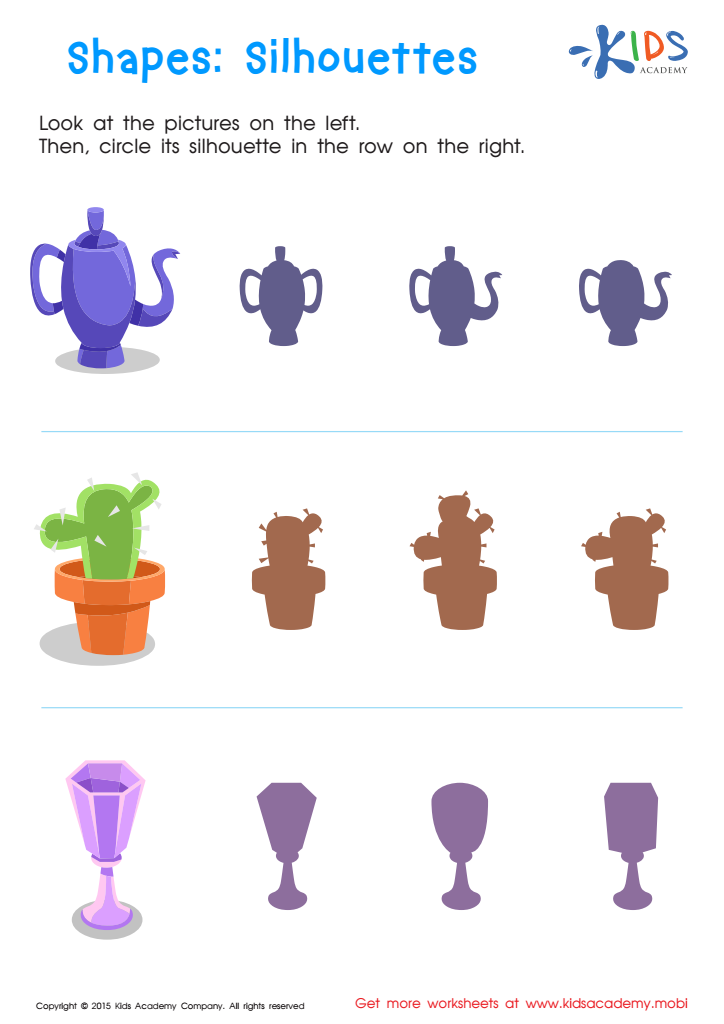
Silhouettes – Shapes Worksheet
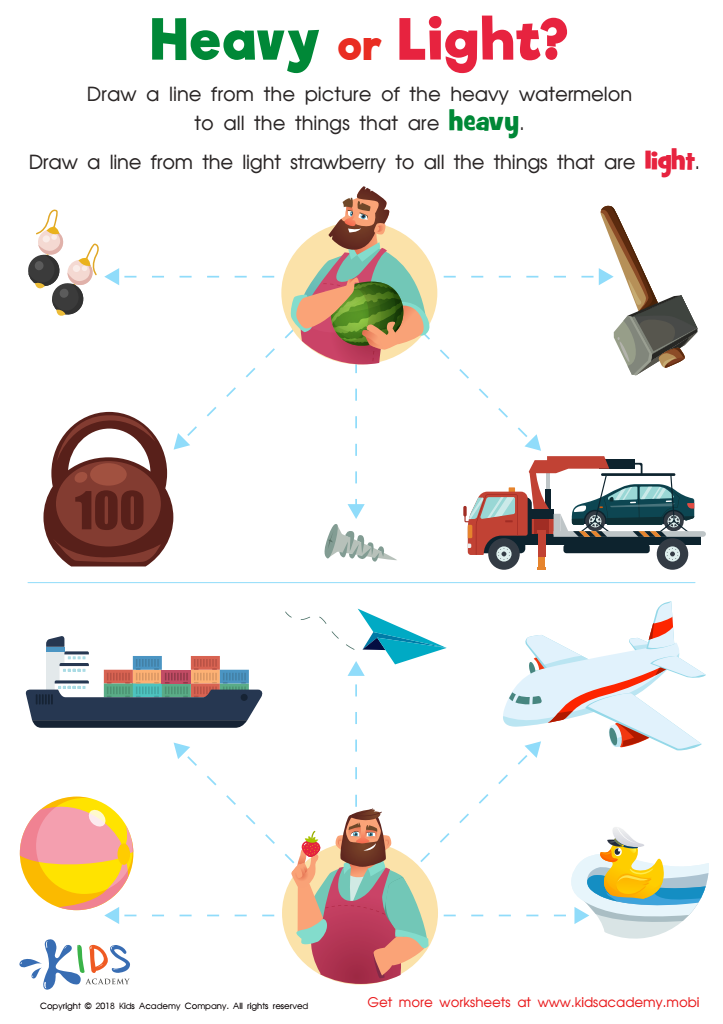
Heavy or Light? Worksheet
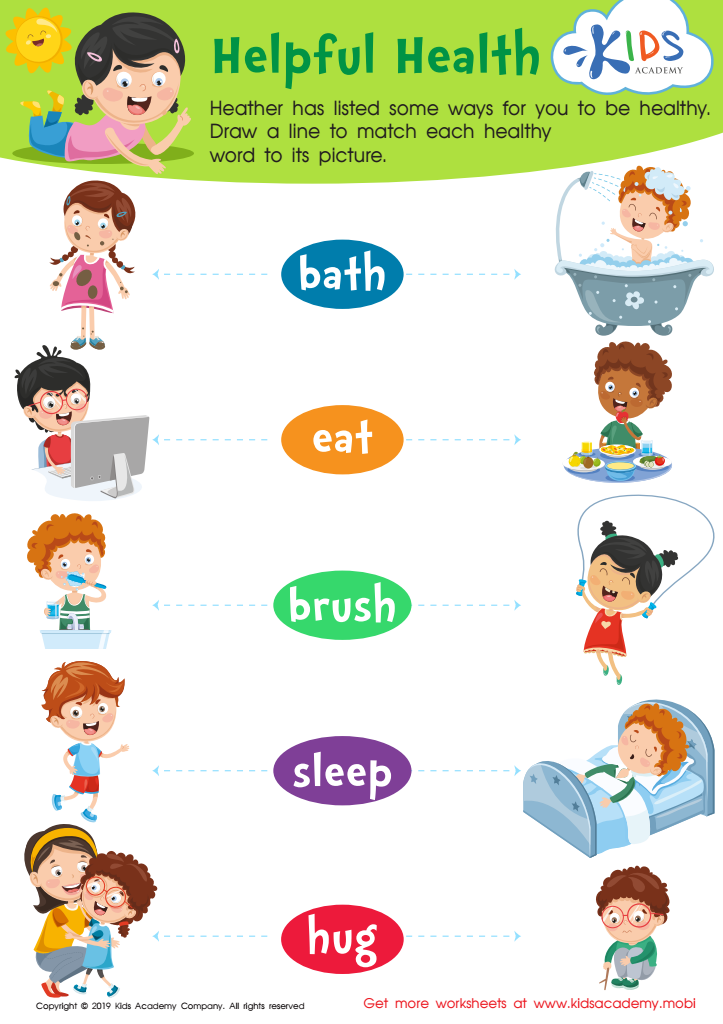
Helpful Health Worksheet
Shape Pattern Fun Worksheet
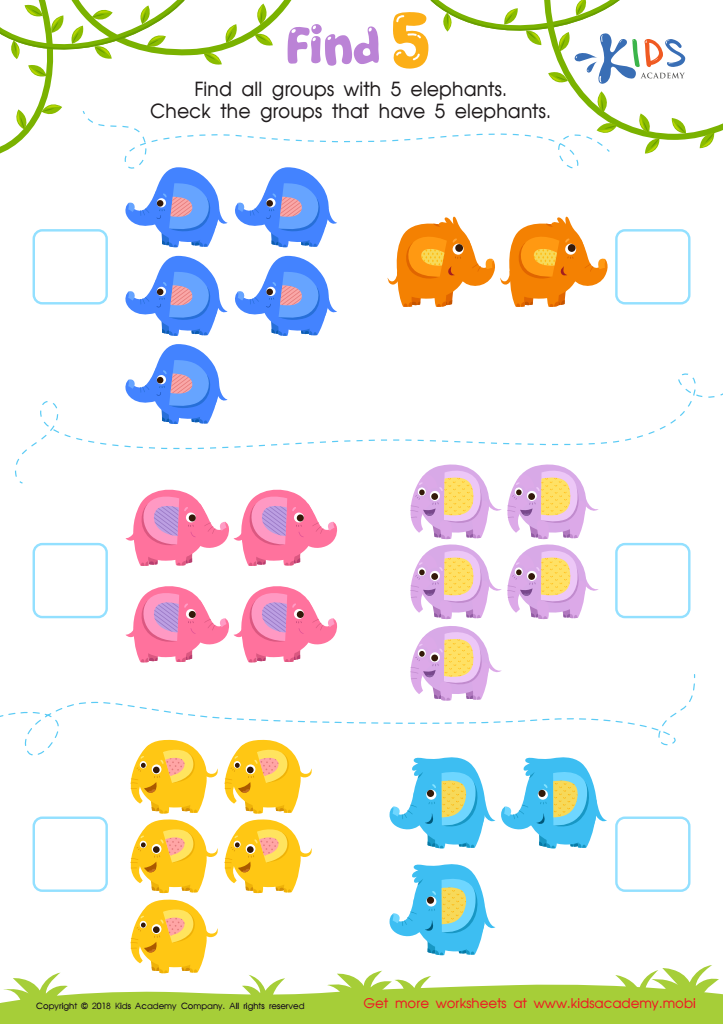
Find 5 Worksheet





Normal Matching Activities are essential tools for parents and teachers, particularly for children aged 3-8, as they support critical cognitive and social development during these formative years. These activities enhance children's memory, concentration, and critical thinking skills, laying the groundwork for future academic success. By engaging with matching games, children learn to recognize patterns, categorize objects, and develop fine motor skills as they handle physical or digital cards.
Additionally, normal matching activities can be tailored to fit various educational themes, making them versatile. They can introduce vocabulary, numbers, symbols, and even social skills, such as taking turns, sharing, and following instructions, thus promoting holistic development. For children who struggle with focus or organization, these activities provide structured yet enjoyable learning experiences that encourage persistence and resilience.
Furthermore, teachers and parents can easily adapt these activities to accommodate diverse learning styles and abilities, ensuring that every child is engaged and included. Ultimately, normal matching activities not only make learning fun but also foster meaningful parent-child or teacher-student interactions, creating a supportive environment that nurtures curiosity and a love for learning. Hence, incorporating these activities into early education practices can significantly impact children's overall growth.








