Normal Tracing Worksheets Activities With Answers for 3-Year-Olds - Page 3
62 filtered results
-
From - To
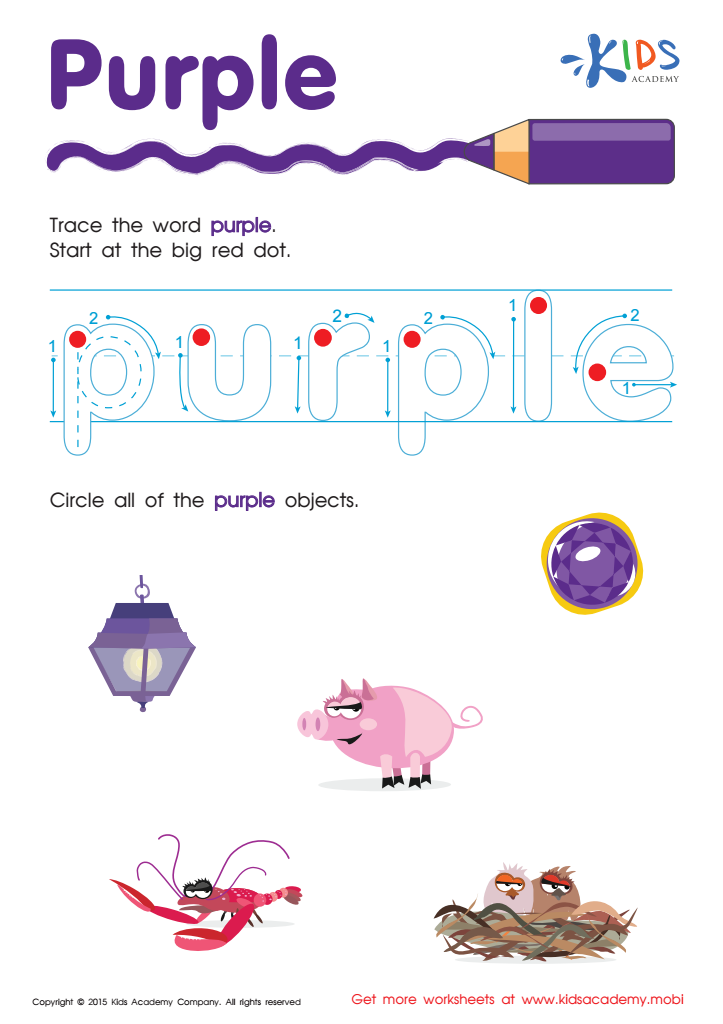
Purple Tracing Color Words Worksheet
 Assign to My Students
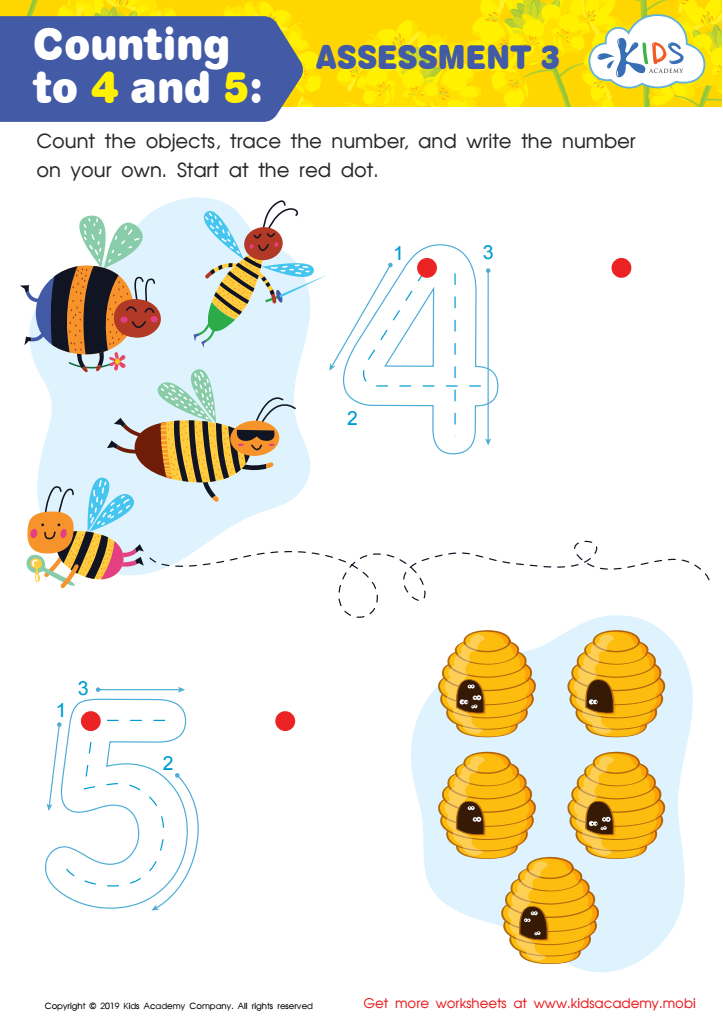
Counting to 4 and 5: Assessment 3 Worksheet
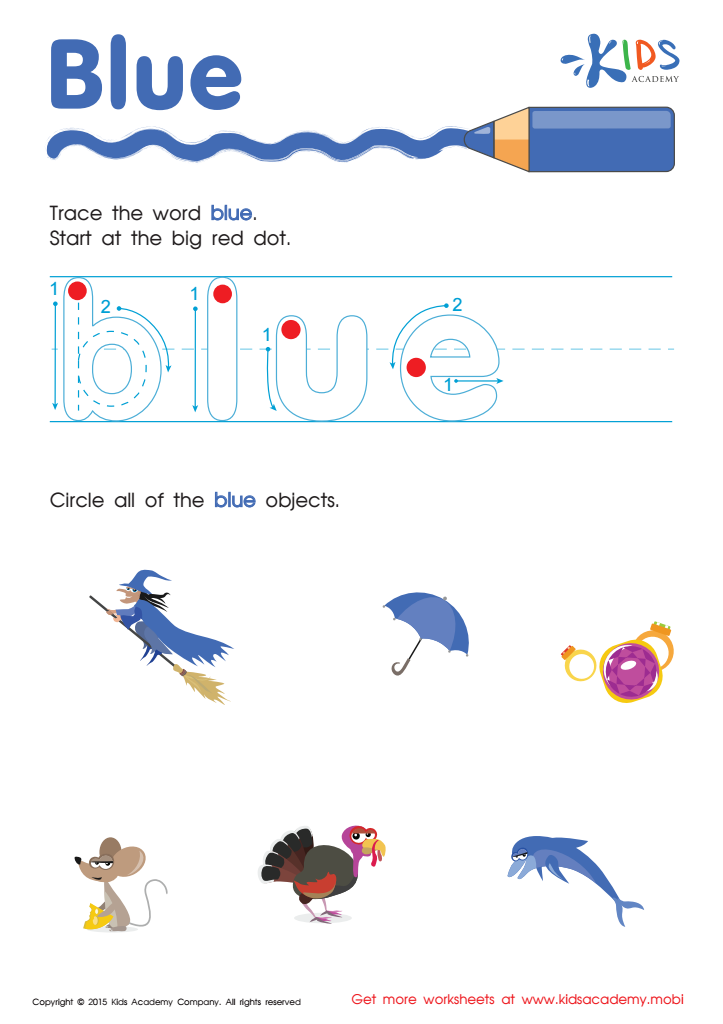
Blue Tracing Color Words Printable
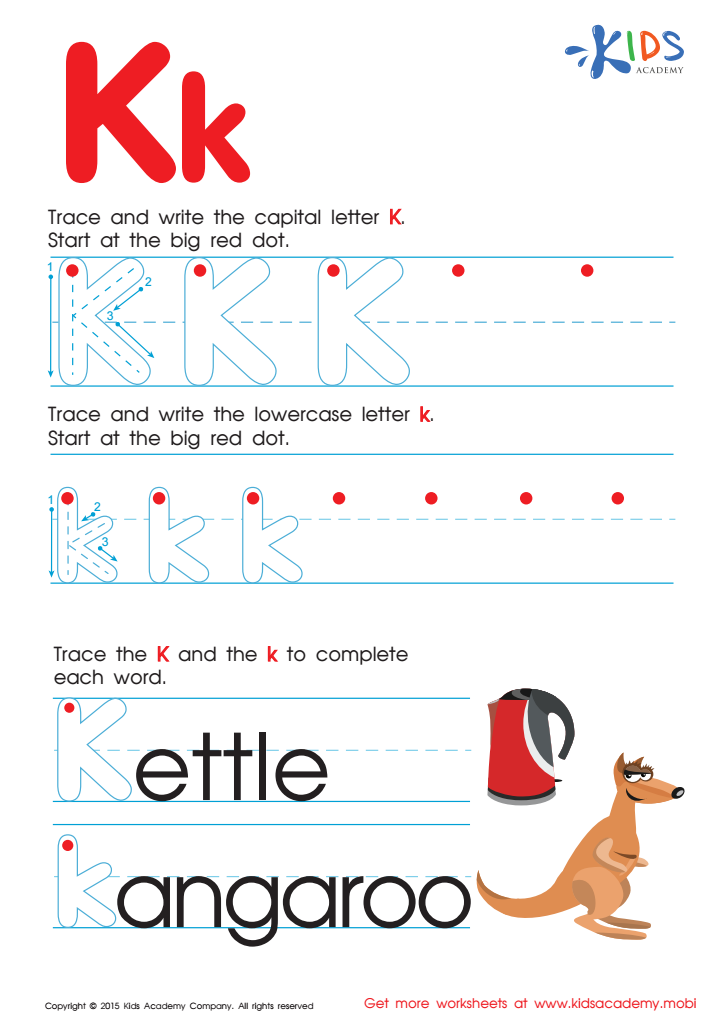
Letter K Tracing Page
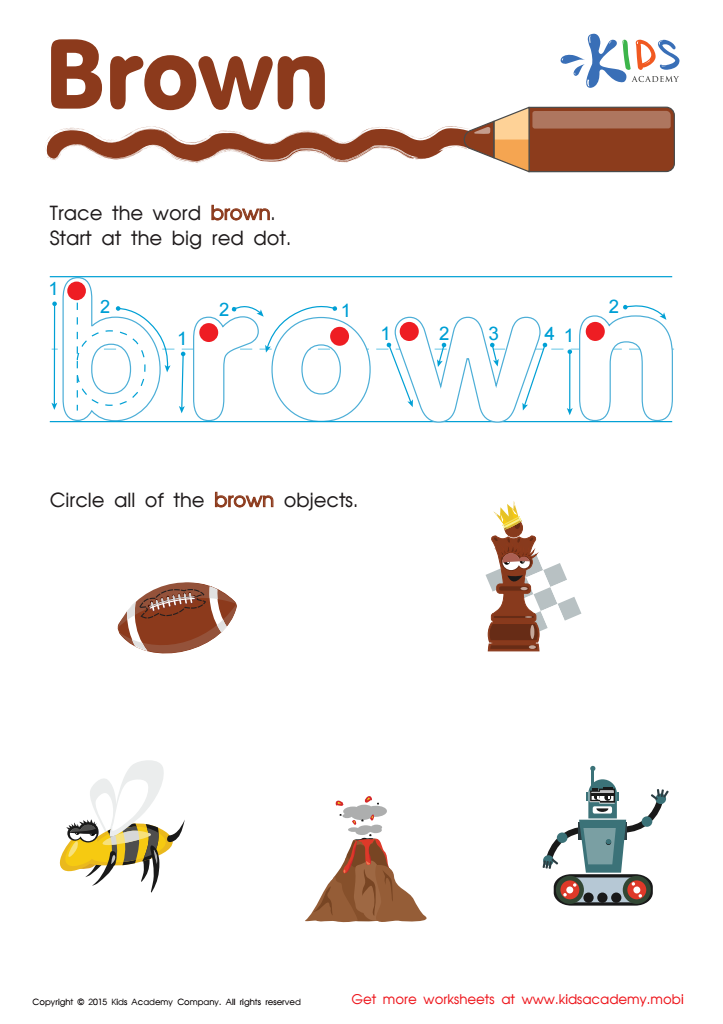
Brown Tracing Color Words Worksheet
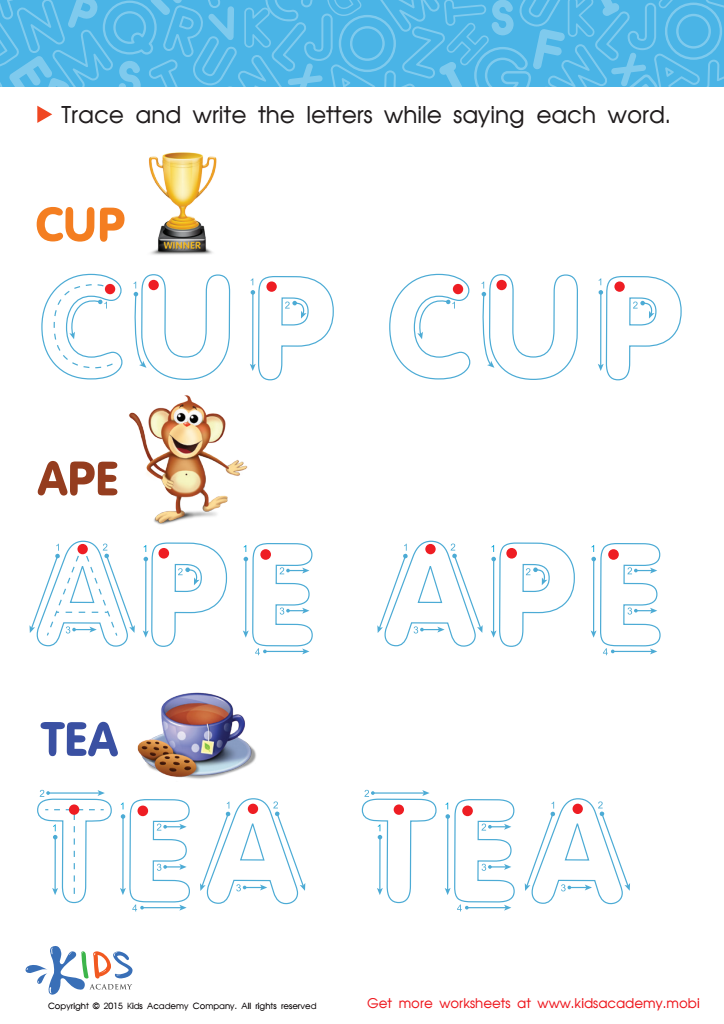
A Cup, an Ape and Tea Spelling Worksheet
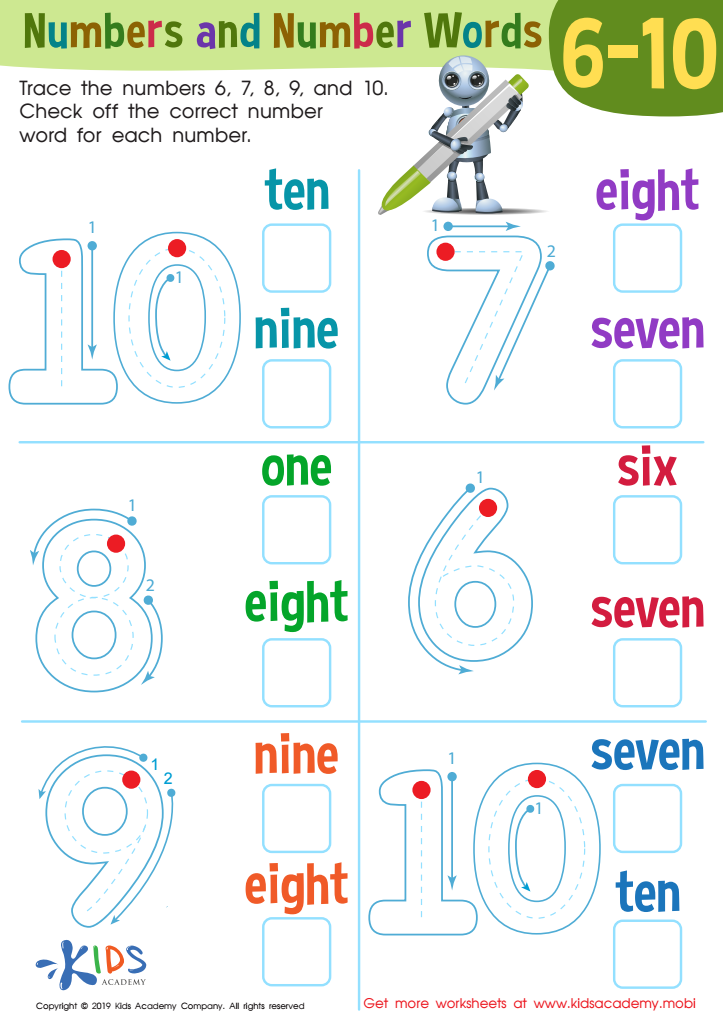
Numbers and Number Words 6–1 Worksheet
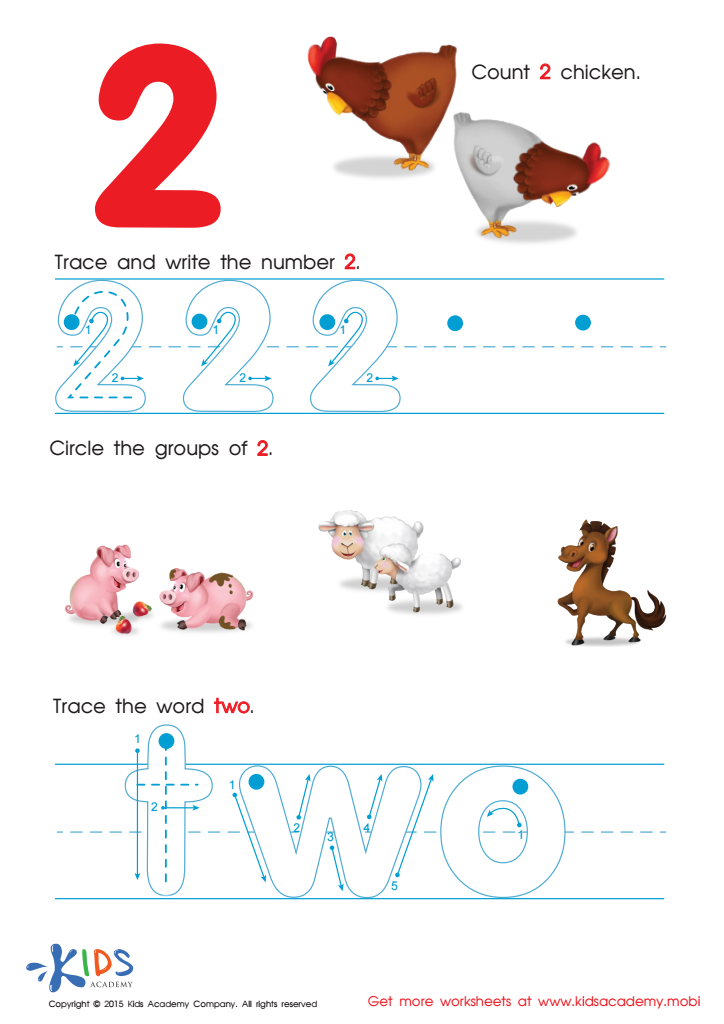
Learn to Write the Number 2 Worksheet
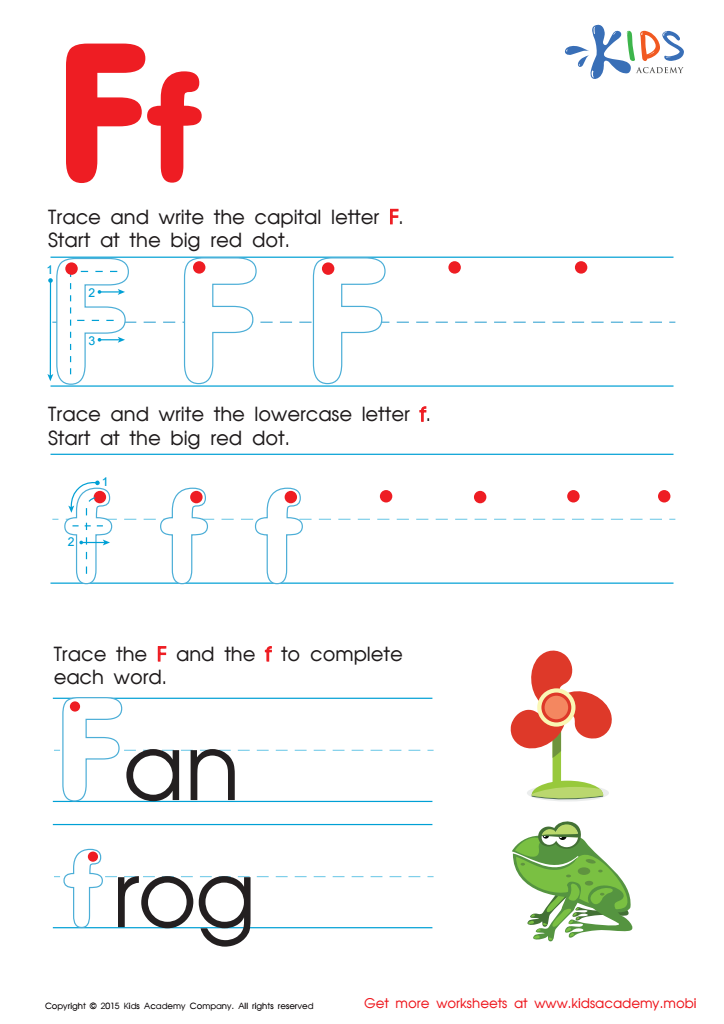
Letter F Tracing Page
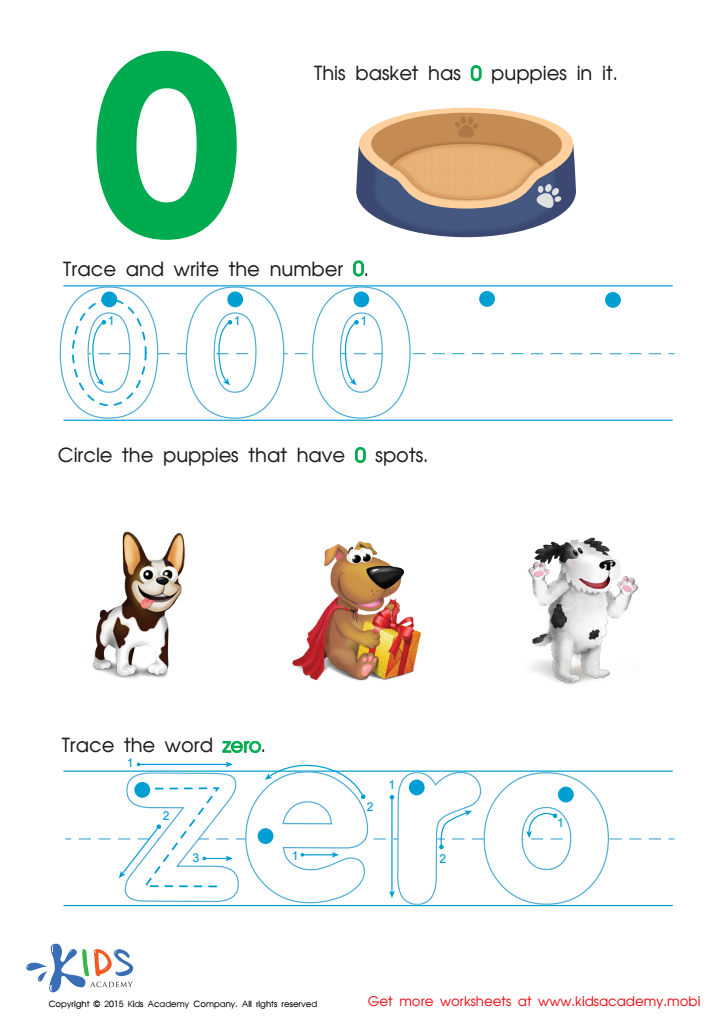
Trace And Write Number 0 Worksheet

Letter D Tracing Page
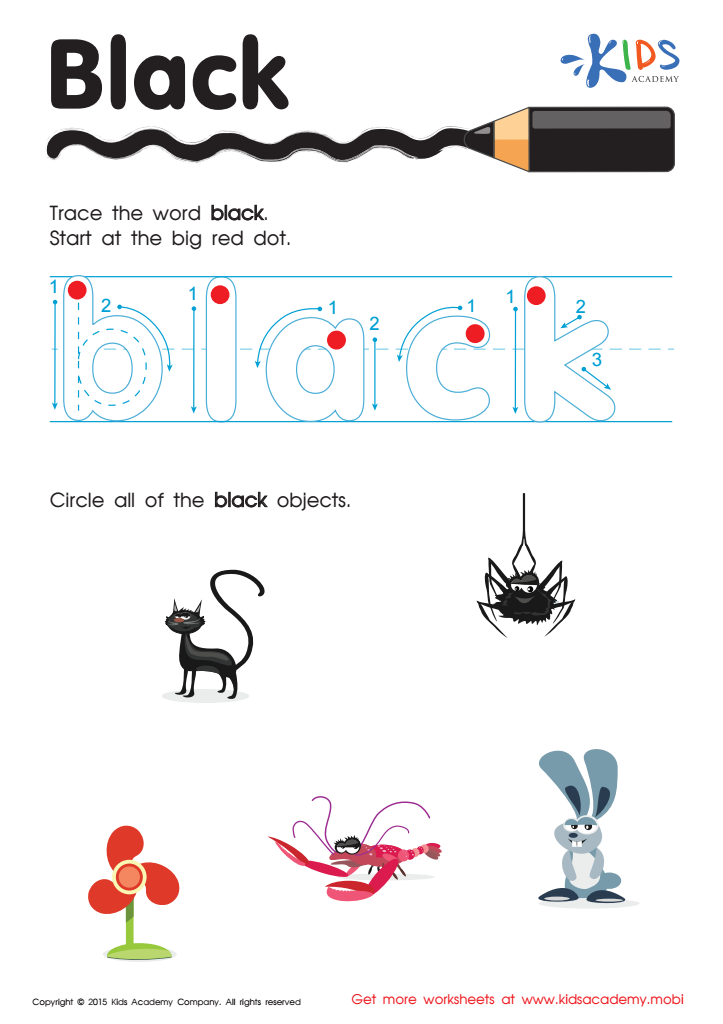
Black Tracing Color Words Printable
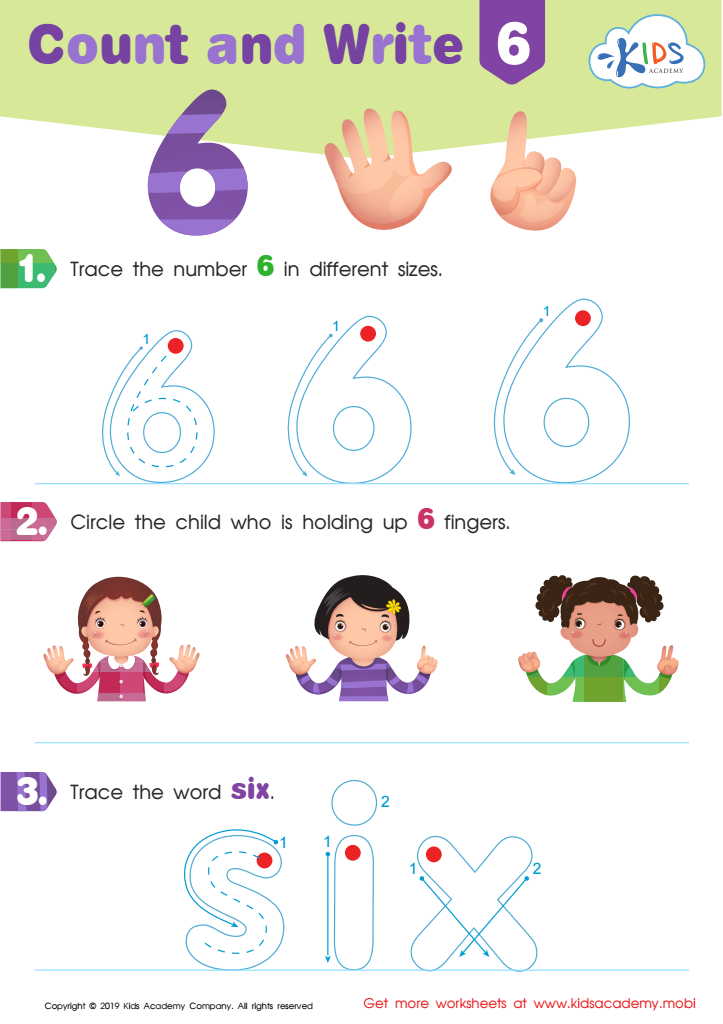
Count and Write 6 Worksheet
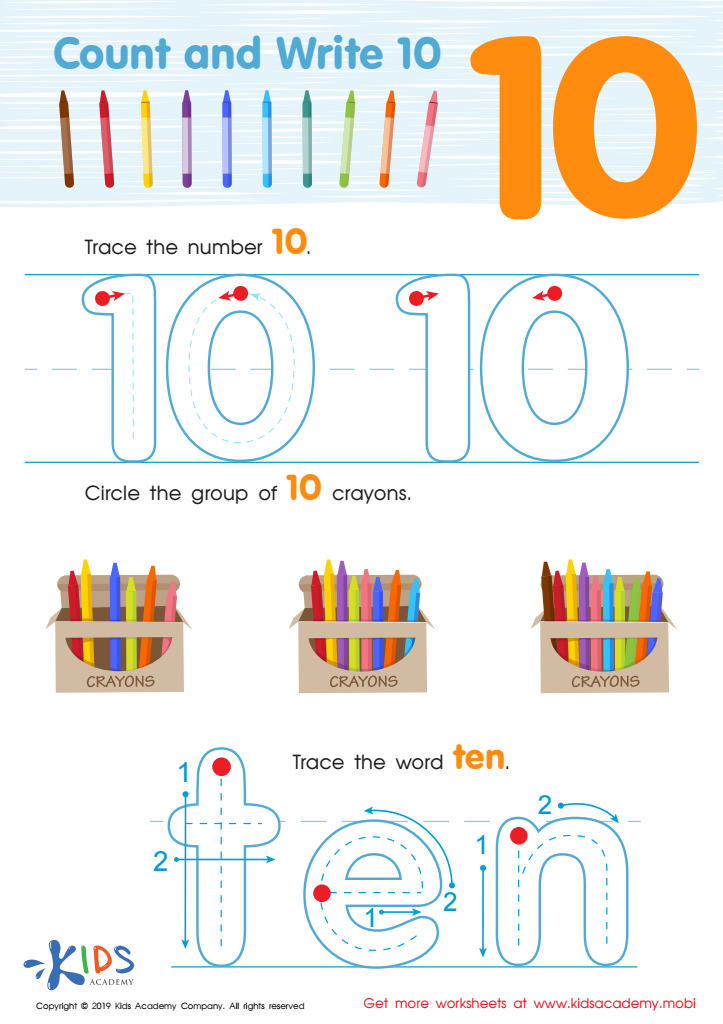
Count and Write 10 Worksheet




.jpg)



Normal Tracing Worksheets Activities with Answers are an essential tool in the educational toolkit for young learners, especially those in the foundational stages of their academic journey. These activities are designed not just to keep students engaged but to significantly enhance their learning experience in a multitude of ways.
First and foremost, tracing worksheets help in improving fine motor skills. The act of tracing lines, shapes, and letters requires control, precision, and coordination. As children engage in these activities, they develop the muscle strength and dexterity needed for writing. This foundational skill is crucial for their academic success, particularly in subjects that require a lot of writing.
Moreover, Normal Tracing Worksheets Activities with Answers provide immediate feedback to learners. This is invaluable for reinforcing learning and correcting mistakes in real-time. When students know the right answers and can compare their work against them, it fosters a sense of accomplishment and helps in building their confidence. It also aids educators and parents in identifying areas where a child might need additional support.
Another significant advantage is the enhancement of cognitive skills. Tracing activities require concentration and focus, which are critical cognitive skills. As students follow lines and replicate shapes, they are also learning to follow directions, recognize patterns, and understand spatial orientation. These skills are not only essential for academic success but are also crucial for daily life.
Furthermore, Normal Tracing Worksheets Activities with Answers are a fantastic way to introduce young learners to the concept of practicing until perfection. The repetitive nature of tracing encourages persistence and teaches children the importance of practice in mastering a skill.
In conclusion, Normal Tracing Worksheets Activities with Answers are more than just simple exercises. They are a comprehensive tool that aids in the development of fine motor skills, provides essential feedback, enhances cognitive abilities, and instills the value of practice. These activities are an indispensable part of early education, laying the groundwork for academic success and daily life skills.








