Normal Tracing Worksheets Activities With Answers for Ages 4-7 - Page 5
98 filtered results
-
From - To
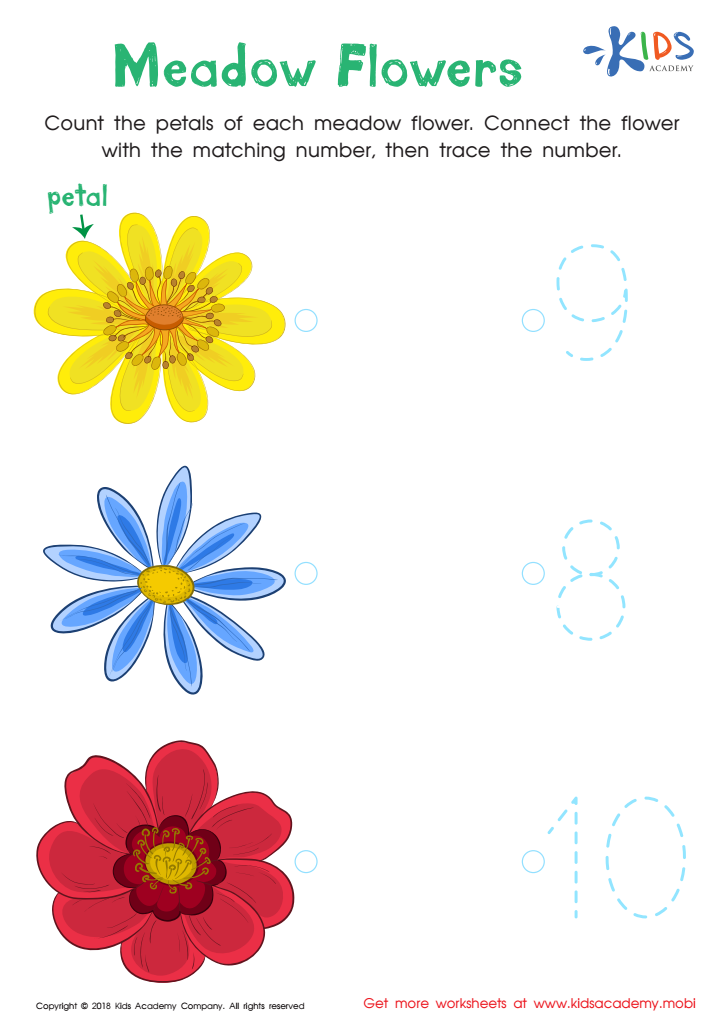
Kindergarten Number Tracing: Medow Flowers Worksheet
 Assign to My Students
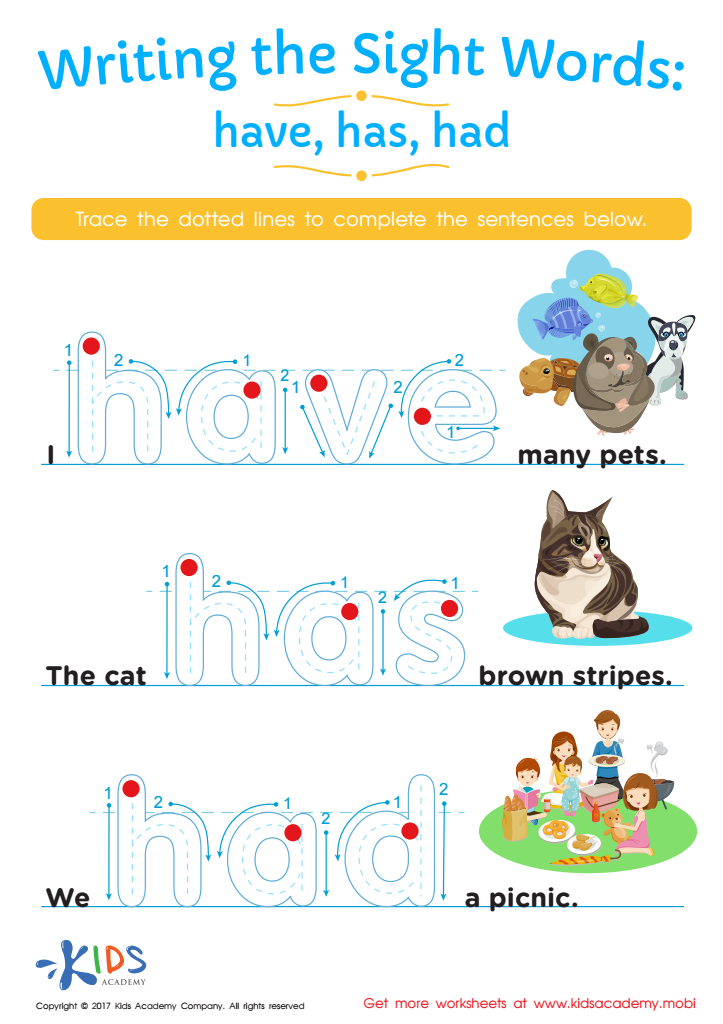
Have, Has, Had Worksheet Sight Words Worksheet







.jpg)
Normal tracing activities play a crucial role in the early development of children aged 4-7, making them an essential focus for parents and teachers. Firstly, these activities enhance fine motor skills, which are fundamental for tasks such as writing, buttoning clothes, and using scissors. By tracing shapes, letters, or numbers, children develop hand-eye coordination and dexterity, necessary for successful long-term academic pursuits.
Moreover, tracing reinforces cognitive skills. It introduces children to recognition and memory of shapes and letters, laying a solid foundation for reading and math concepts. Engaging with these activities helps to foster confidence as children experience tangible progress through their tracing attempts.
In addition, tracing encourages focus and concentration—skills vital for academic success. Parents and teachers can mix learning with fun through diverse tracing materials that boost interest and engagement.
Finally, tracing activities can serve as an avenue for parent-child interaction or teacher-student bonding, promoting a sense of community and support in learning environments. Thus, embracing tracing exercises uniquely benefits children by equipping them with essential life and academic skills critical for their future success.








