Filters

57 filtered results

Clear all filters
Favorites
With answer key
Interactive

57 filtered results

Difficulty Level

Grade


Check out this FREE Logical Thinking Trial Lesson for age 5-8!

Extend Patterns

Favorites
With answer key
Interactive
  • Logical Thinking
  • 5-8
  • With answer key
  • Normal
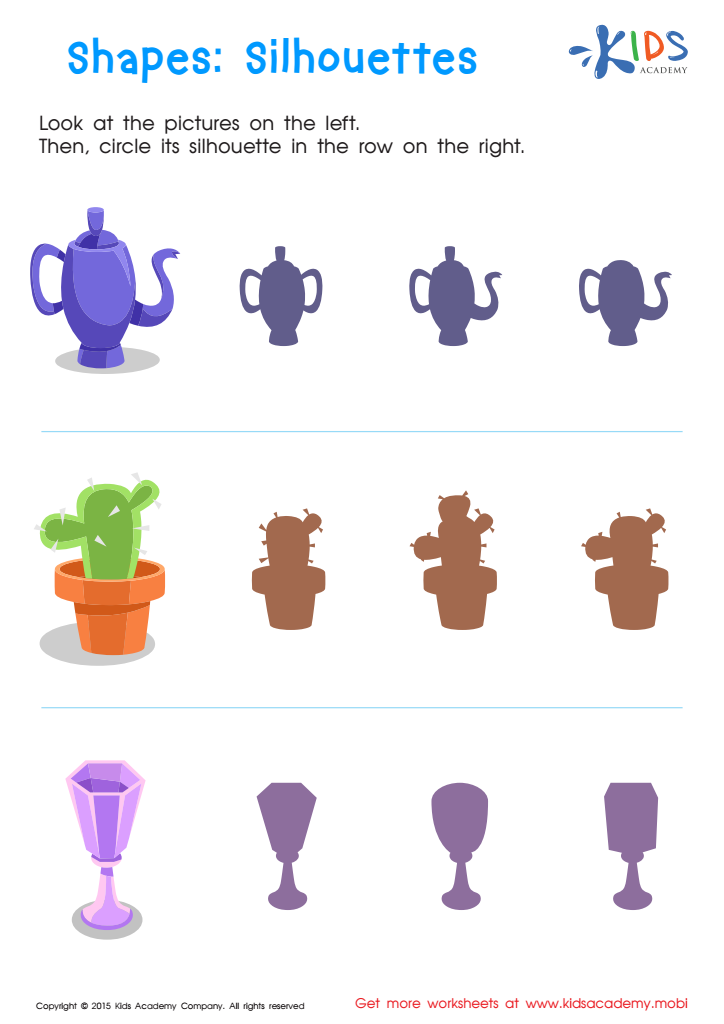
Silhouettes - shapes worksheet

Silhouettes – Shapes Worksheet

Kids can have fun while learning to compare sizes with this silhouettes shapes worksheet! Matching pictures to silhouettes helps them build early math skills, while enjoying the activity!
Silhouettes – Shapes Worksheet
Worksheet
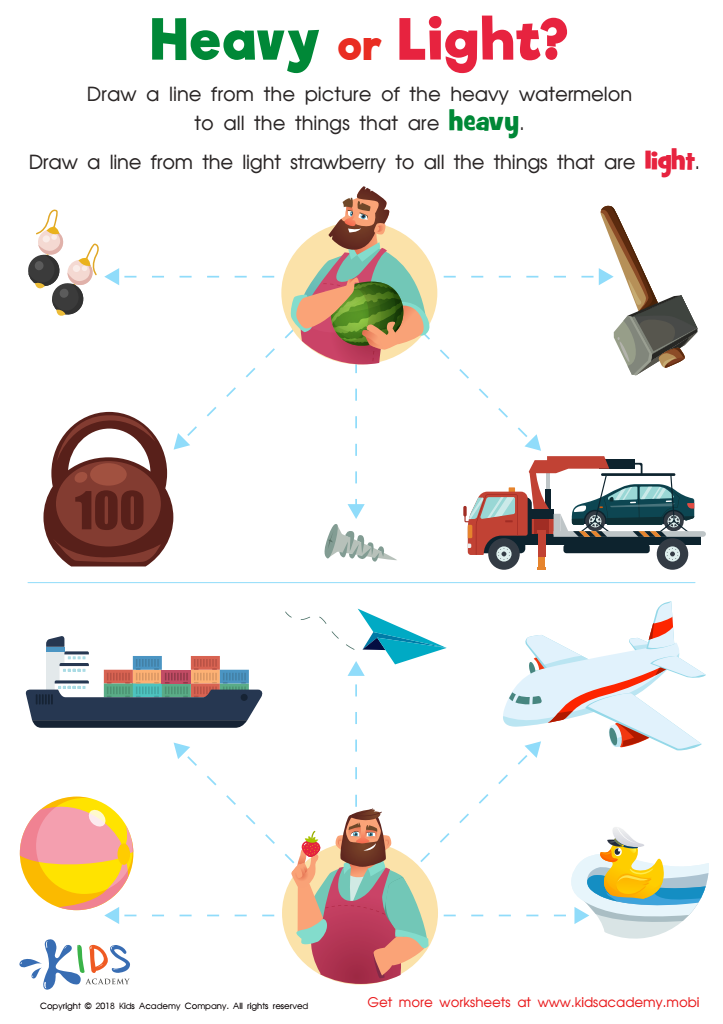
Heavy or Light? Worksheet

Heavy or Light? Worksheet

This fun, free worksheet helps kids build measurement skills and reinforce concepts of 'heavy' and 'light', while also improving their fine motor skills. Kids use traceable lines to connect the gentleman to objects they know, giving them a strong foundation for understanding weight.
Heavy or Light? Worksheet
Worksheet
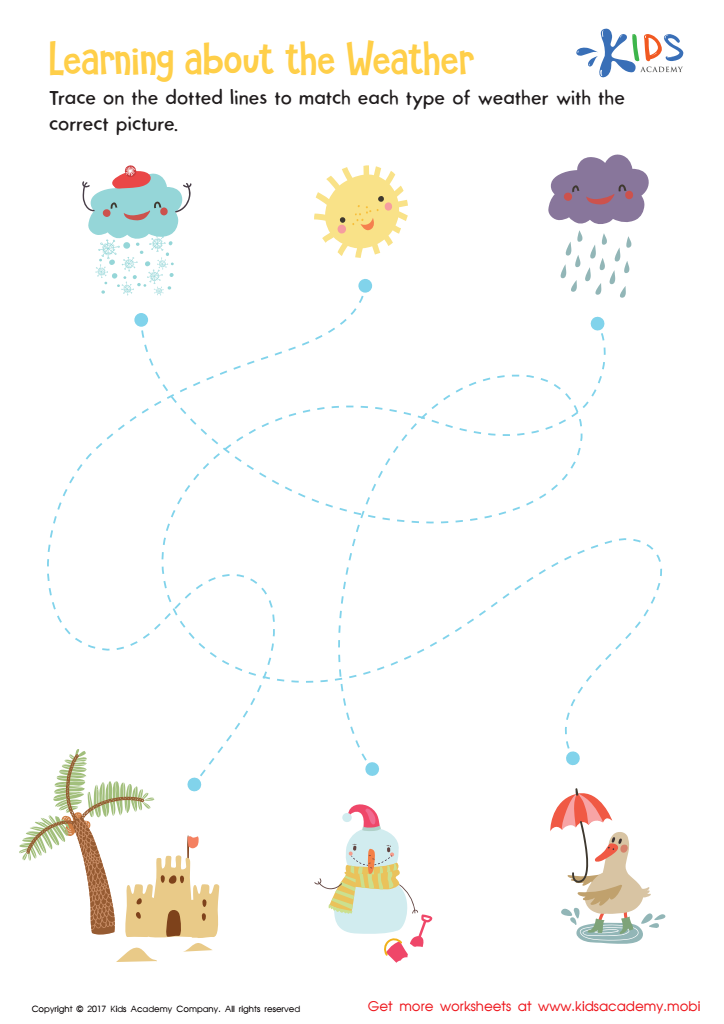
Weather Matching Worksheet

Learning About the Weather Worksheet

Learning About the Weather Worksheet
Worksheet
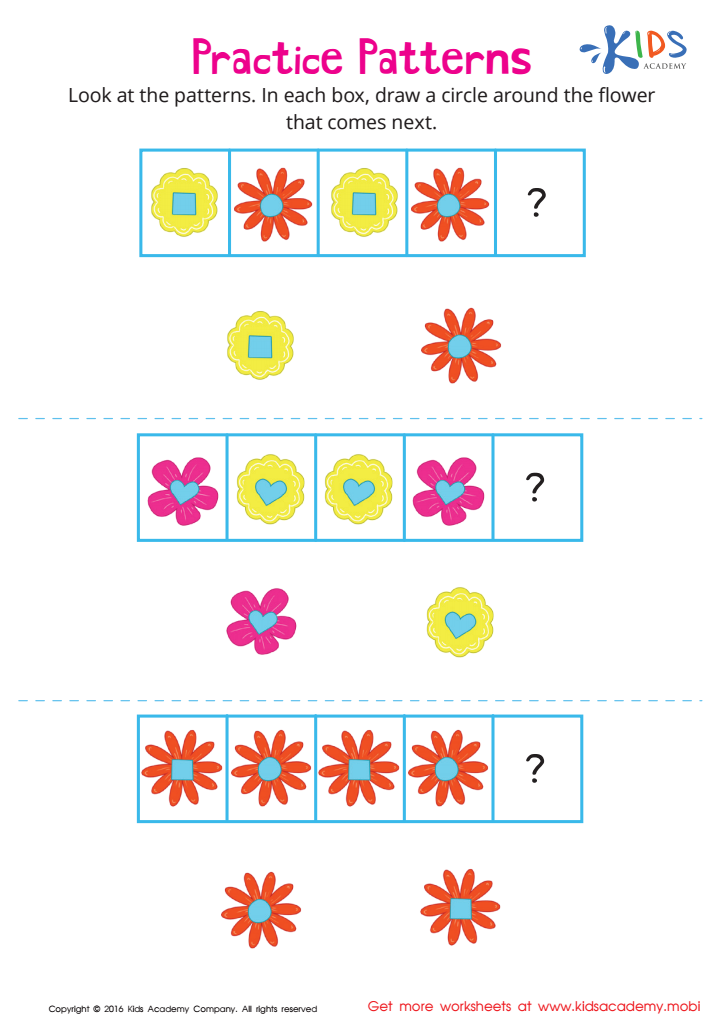
Pattern Recognition Worksheet

Practice Patterns Worksheet

Practice Patterns Worksheet
Worksheet
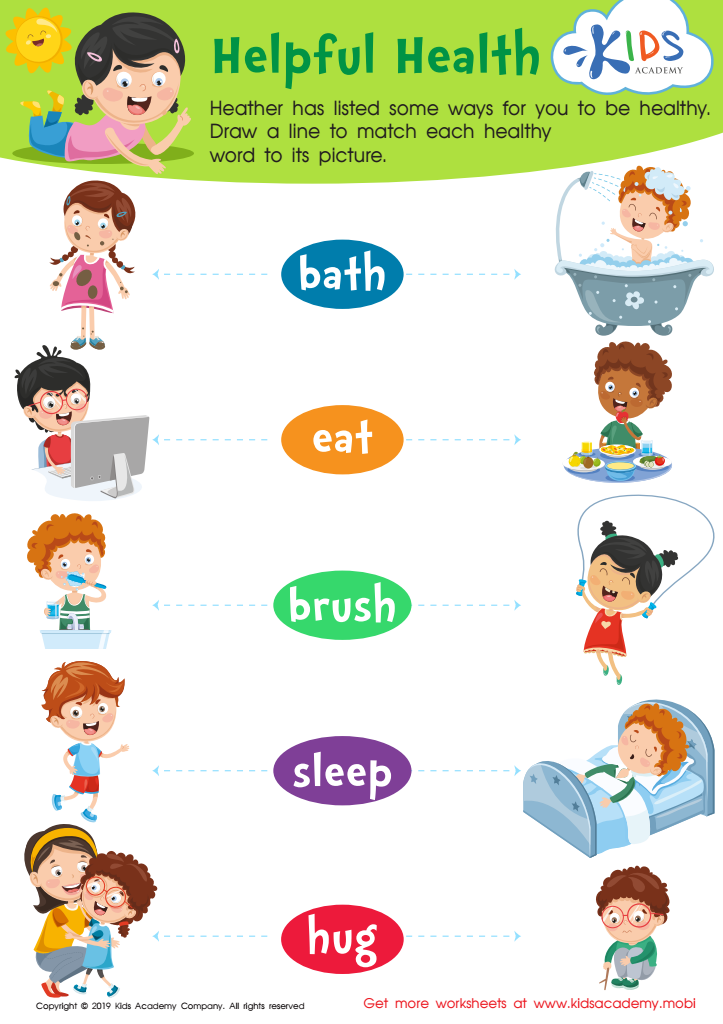
Helpful Health Worksheet

Helpful Health Worksheet

Kids can learn healthy habits with this free worksheet! With their pal Heather, they'll trace lines to connect health words with pictures like brushing teeth, hugging, and getting enough sleep. It's a great way to help young ones understand healthy activities.
Helpful Health Worksheet
Worksheet
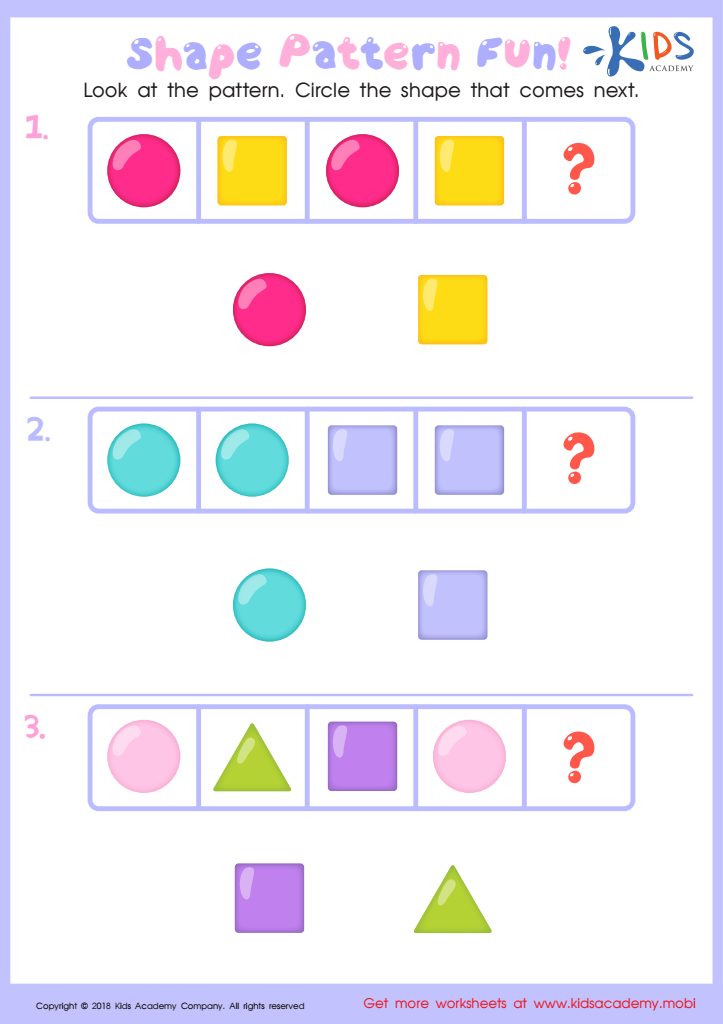
Shape Pattern Fun Worksheet

Shape Pattern Fun Worksheet

Challenge your kids to look at the pictures and identify colors, shapes and patterns. Ask them to circle the shapes that follow the sequence. See if they can spot the pattern and stick to it!
Shape Pattern Fun Worksheet
Worksheet
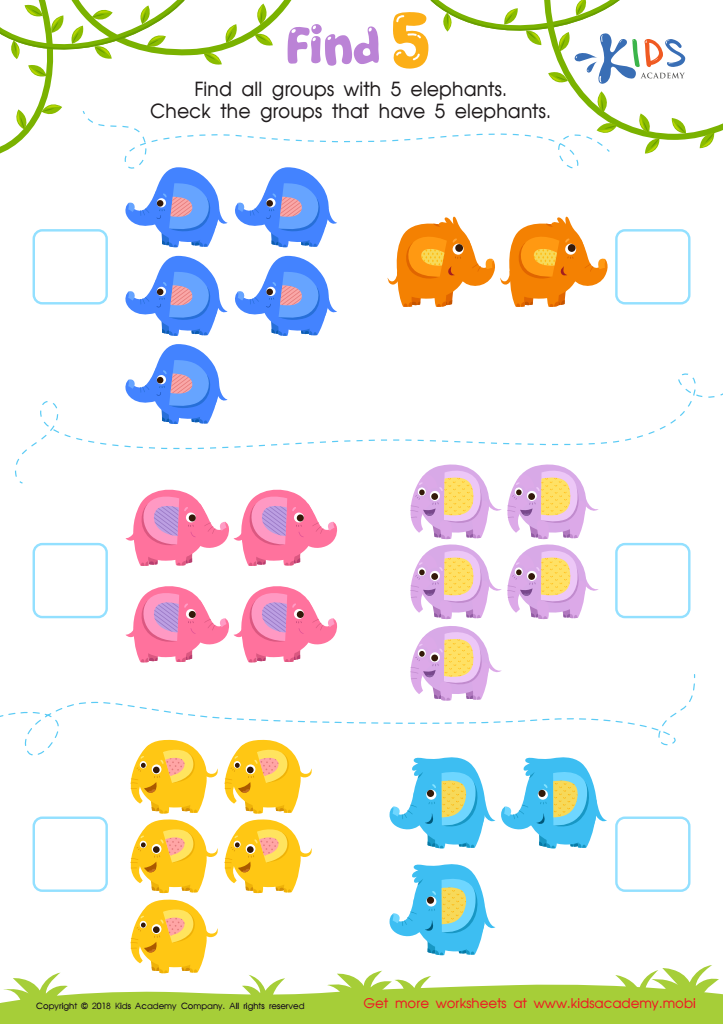
Find 5 Worksheet
Find 5 Worksheet

Find 5 Worksheet

Kids will love these cheery elephants that help them discover grouping and counting by fives. It's a great way to start learning addition and multiplication, while also developing fine motor skills. Download the free PDF and let the fun begin.
Find 5 Worksheet
Worksheet
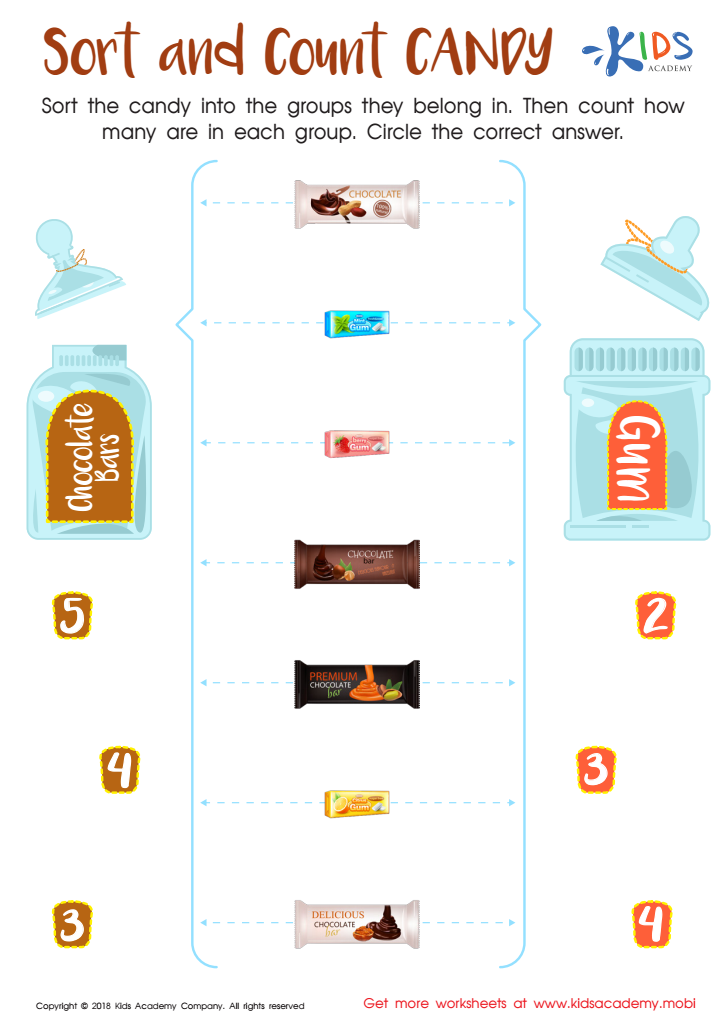
Sort and Count Candy Worksheet

Sort and Count Candy Worksheet

Sort chocolate and candy with your kids! Help them use recognizable items and pictures to sort, practice counting with one-to-one representation, and develop their fine motor skills with the traceable lines. Download this free worksheet to get started. Yum!
Sort and Count Candy Worksheet

Worksheet
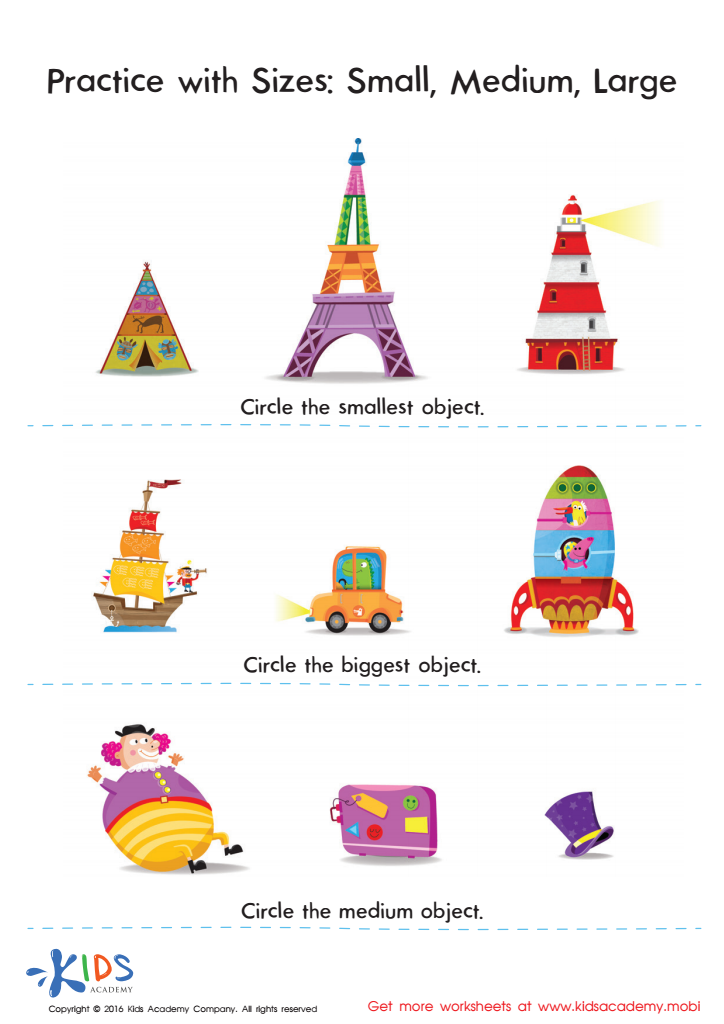
Size Worksheet: Big, Small, Medium

Practice with Sizes Size Worksheet

Practice with Sizes Size Worksheet
Worksheet


... 2 3

Parents and teachers should prioritize Normal Logical Thinking Activities for children aged 5-8 because such activities are foundational for cognitive development. At this critical stage, children are beginning to hone their reasoning skills, critical thinking, and problem-solving abilities. Engaging in logical thinking exercises helps them to identify patterns, understand cause-and-effect relationships, and make reasoned decisions.

These activities also foster early math and literacy skills, as they often require counting, sorting, reading instructions, and following sequences. By incorporating logic-based games and puzzles into their learning routine, children can enhance their concentration and patience, traits that are essential for successful learning throughout their academic journey.

Moreover, logical thinking activities often promote collaboration and communication among peers, allowing children to express their thought processes and work collectively to solve problems. Parents and teachers play a pivotal role in encouraging positive attitudes toward learning, and integrating these activities can help in nurturing a love for discovery and knowledge.

Additionally, having answers available aids parents and teachers in guiding discussions and helping children reflect on their thought processes, ensuring a more interactive and fulfilling learning experience. Ultimately, these activities not only bolster intellectual growth but also inspire confidence and independence in young learners.