Normal Tracing Worksheets Activities With Answers for Ages 5-8 - Page 5
98 filtered results
-
From - To
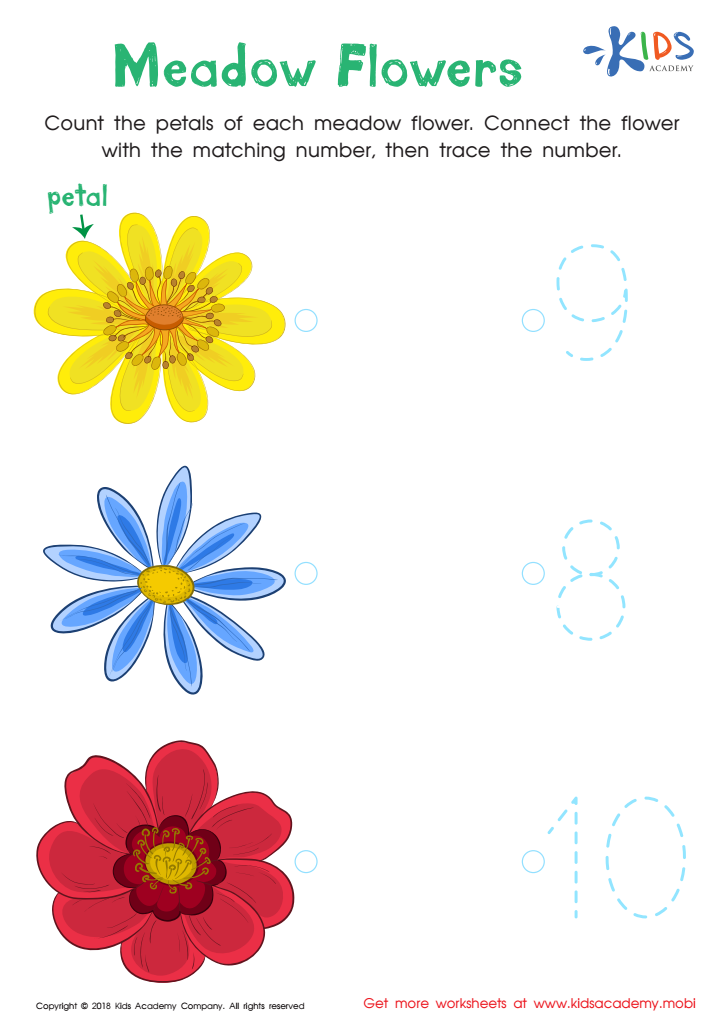
Kindergarten Number Tracing: Medow Flowers Worksheet
 Assign to My Students
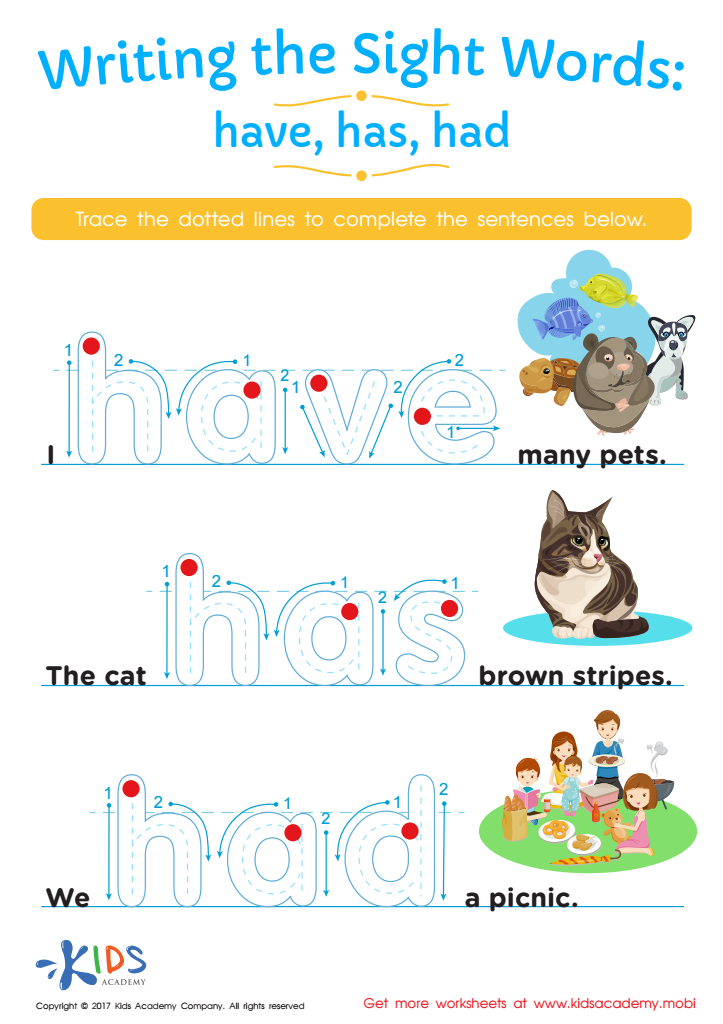
Have, Has, Had Worksheet Sight Words Worksheet







Normal tracing activities are essential for children aged 5-8 as they lay a strong foundation for literacy, handwriting skills, and cognitive development. Engaging in these activities helps children improve their fine motor skills, which are crucial for tasks like writing, drawing, and other daily activities. Tracing letter shapes and numbers allows children to develop muscle memory, aiding in better handwriting and coordination.
Parents and teachers should care about normal tracing activities because they foster a love for learning through fun and interactive engagement. These activities can enhance children’s recognition of letters and numbers, promoting early reading and mathematical skills. Additionally, tracing helps children understand the directionality of writing, paving the way for future learning.
These activities can also serve as a platform for learning phonetics and vocabulary when paired with letter sounds and words. They encourage independent practice, allowing children to enhance their self-confidence as they progress.
Providing answers to the tracing activities also allows parents and teachers to assess a child's understanding and cater to their learning needs. Overall, normal tracing activities are an enjoyable and effective way to support children's academic growth while nurturing their creativity and curiosity.








