Place Value Worksheets for Ages 3-6 - Page 2
44 filtered results
-
From - To
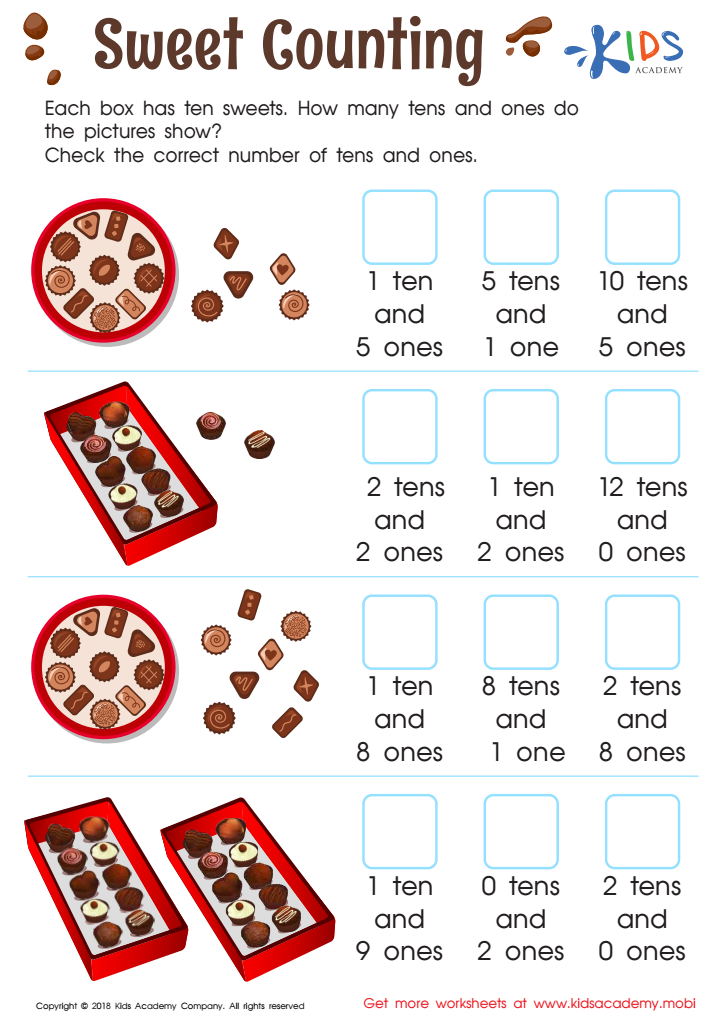
Sweet Counting - Part 2 Worksheet
 Assign to My Students
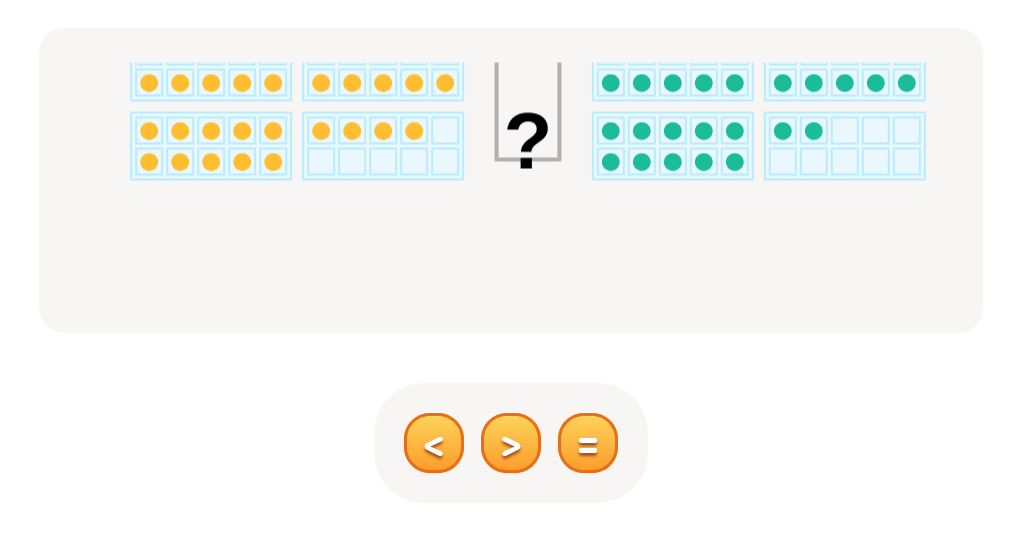

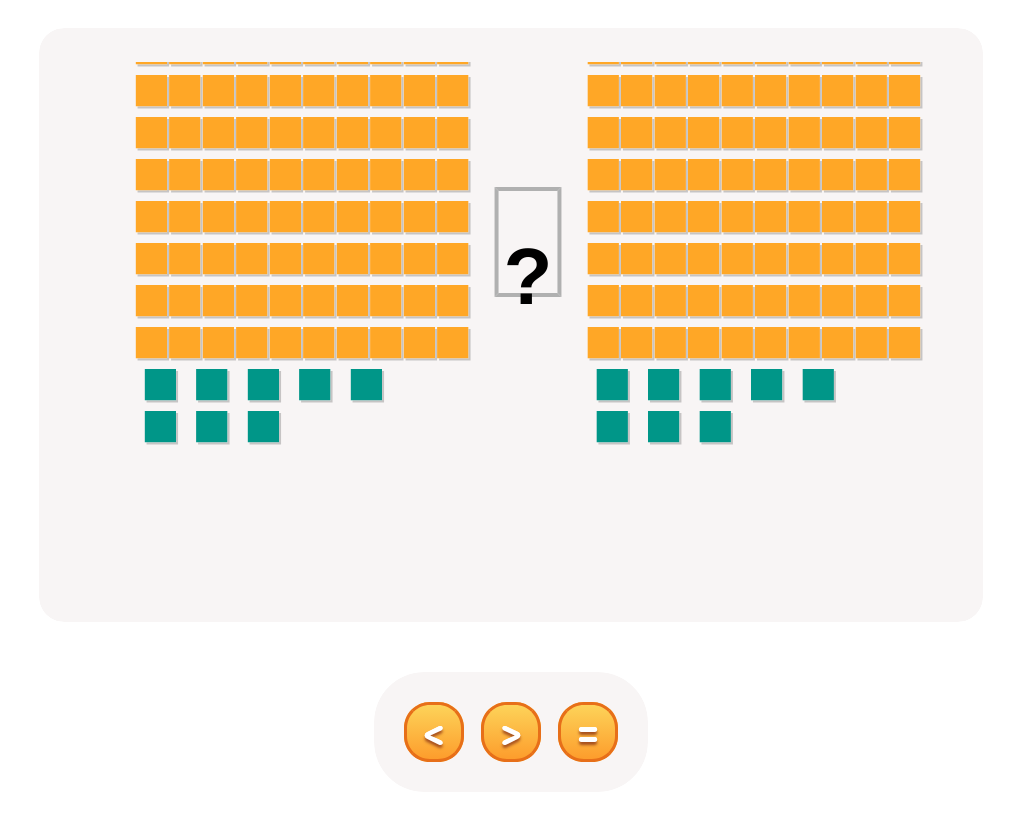
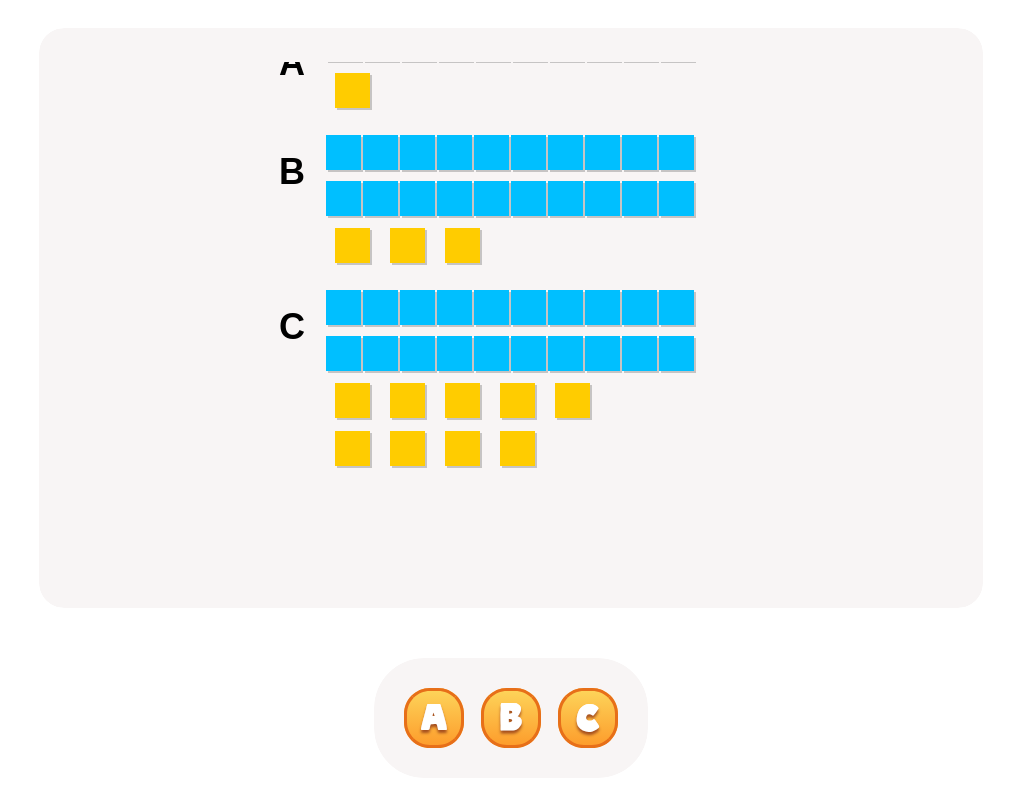
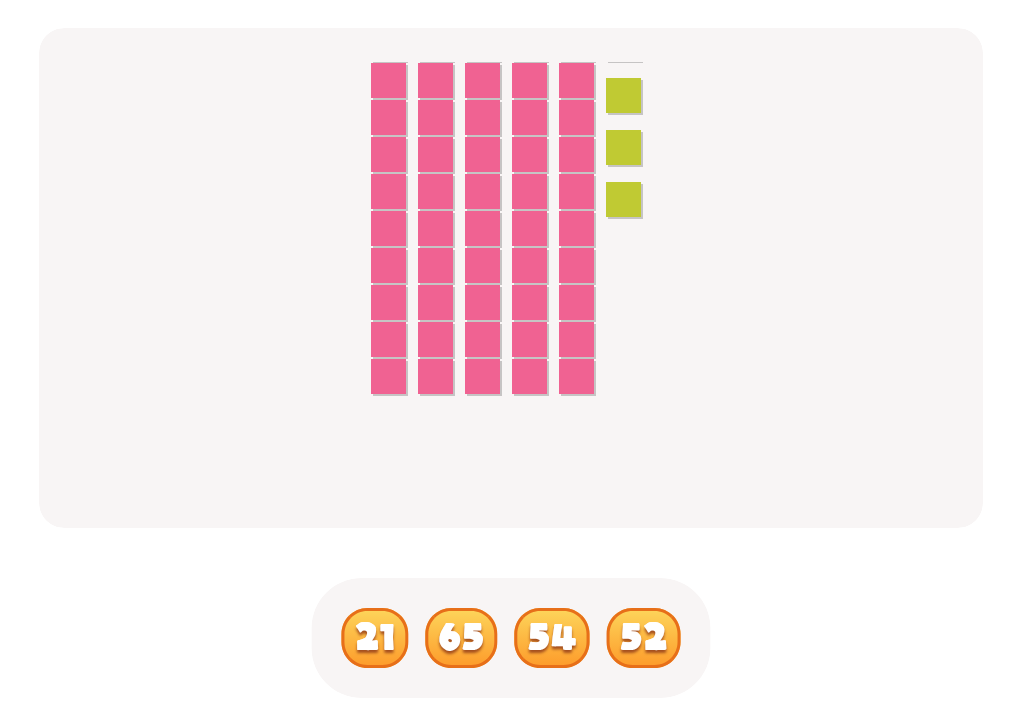
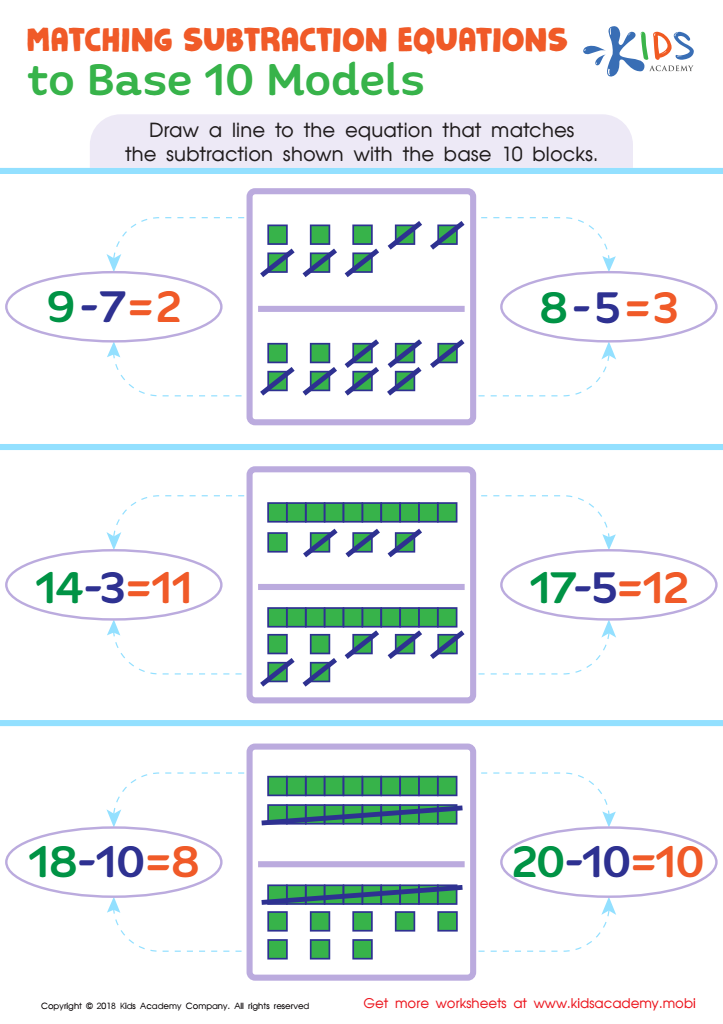
Matching Subtraction Equations To Base 10 Models Worksheet
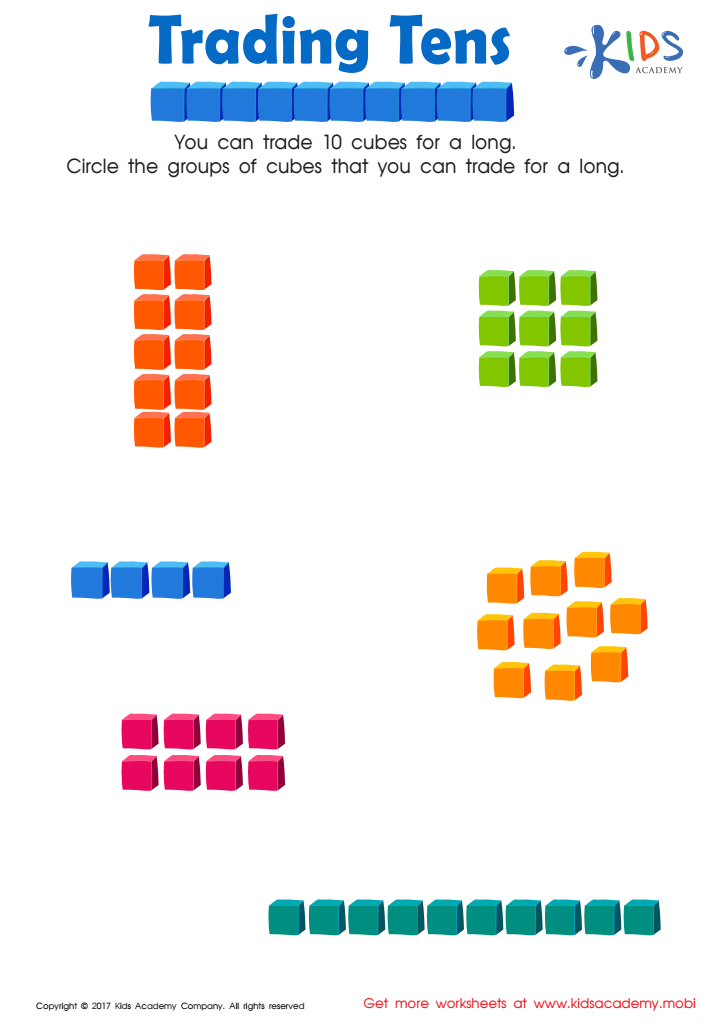
Trading Tens Worksheet
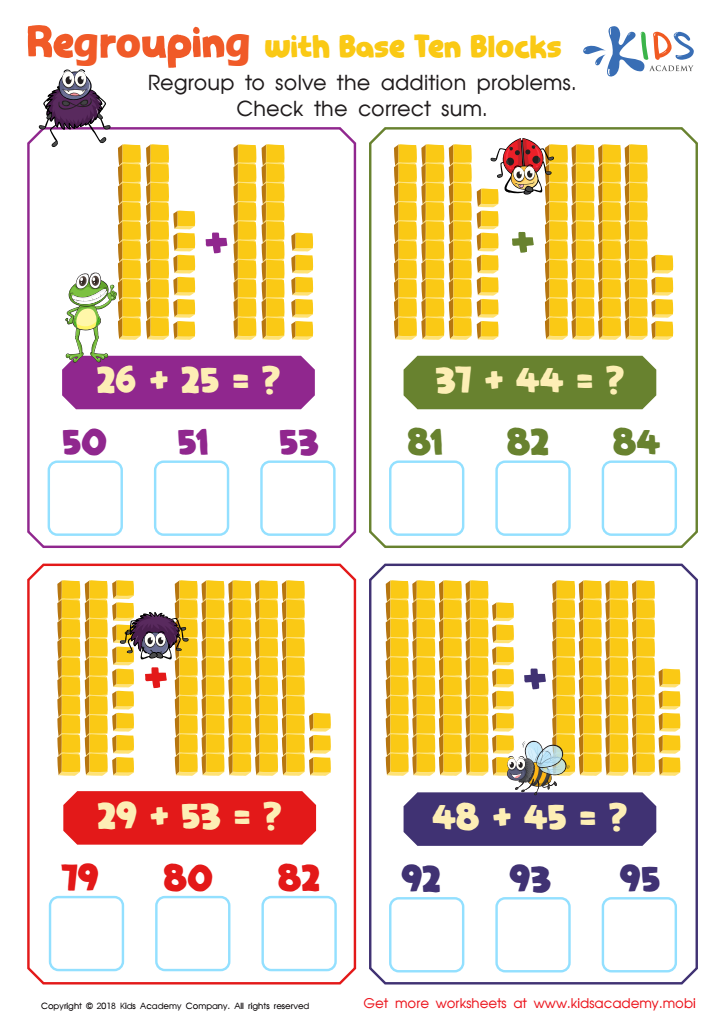
Regrouping With Base Ten Blocks Worksheet
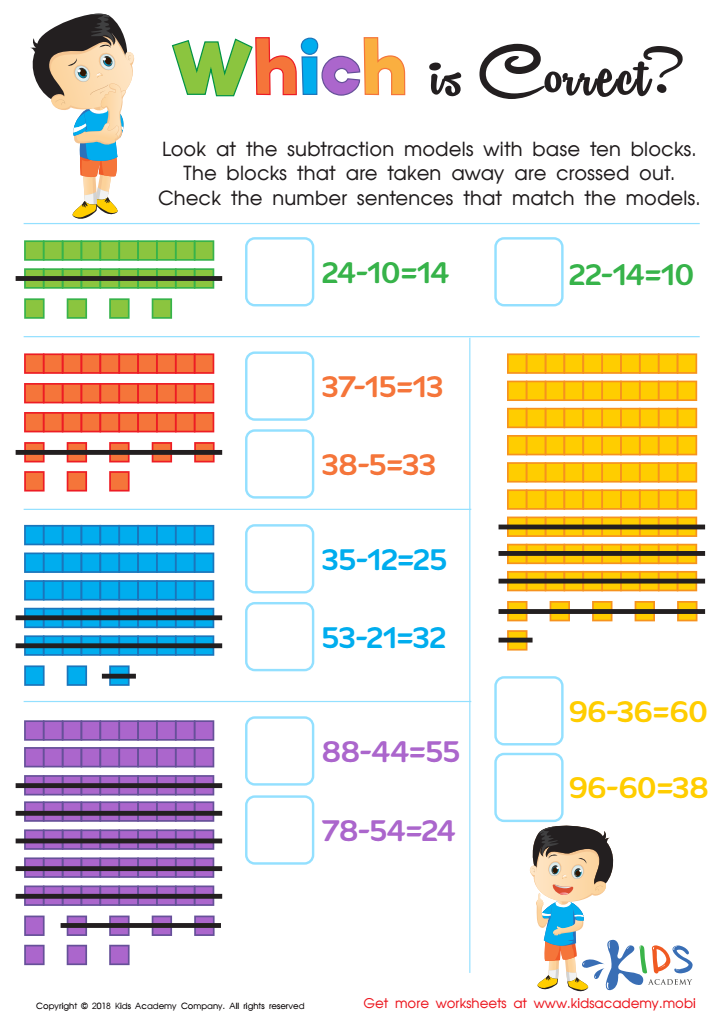
Which Is Correct? Math Worksheet
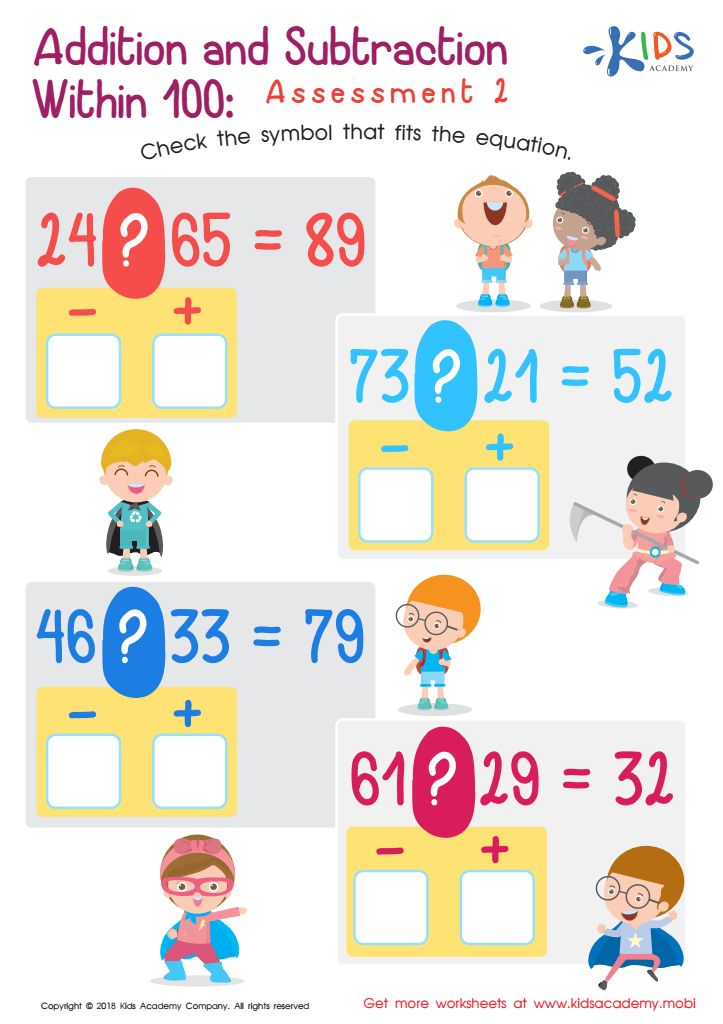
Addition and Subtraction Within 1: Assessment 2 Worksheet
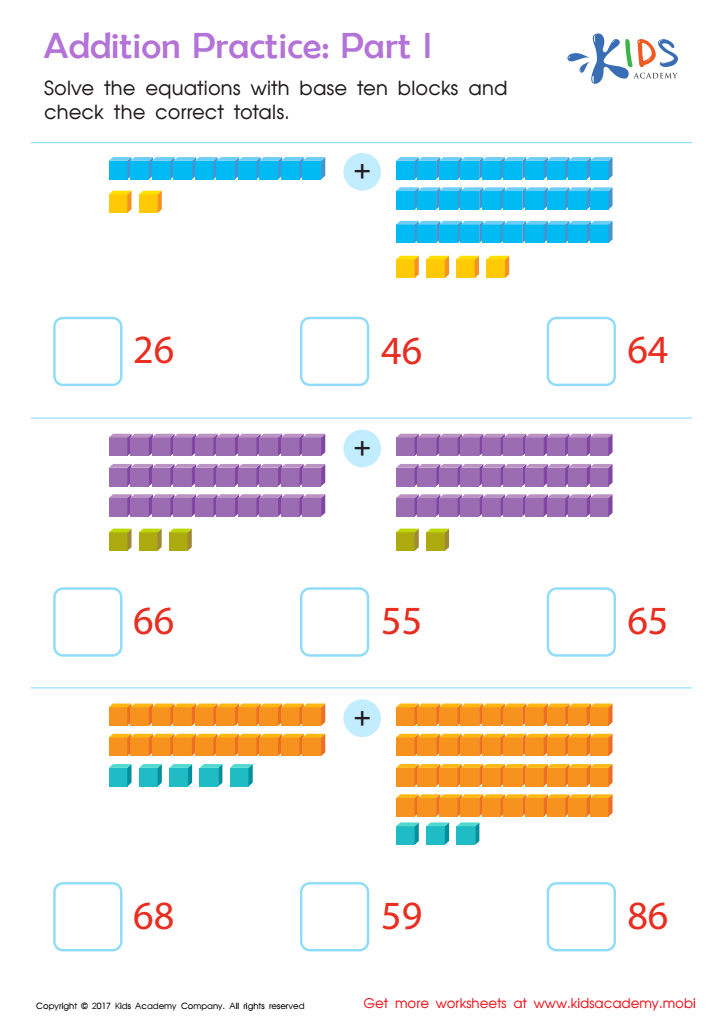
Addition Practice Sheet: Part 1
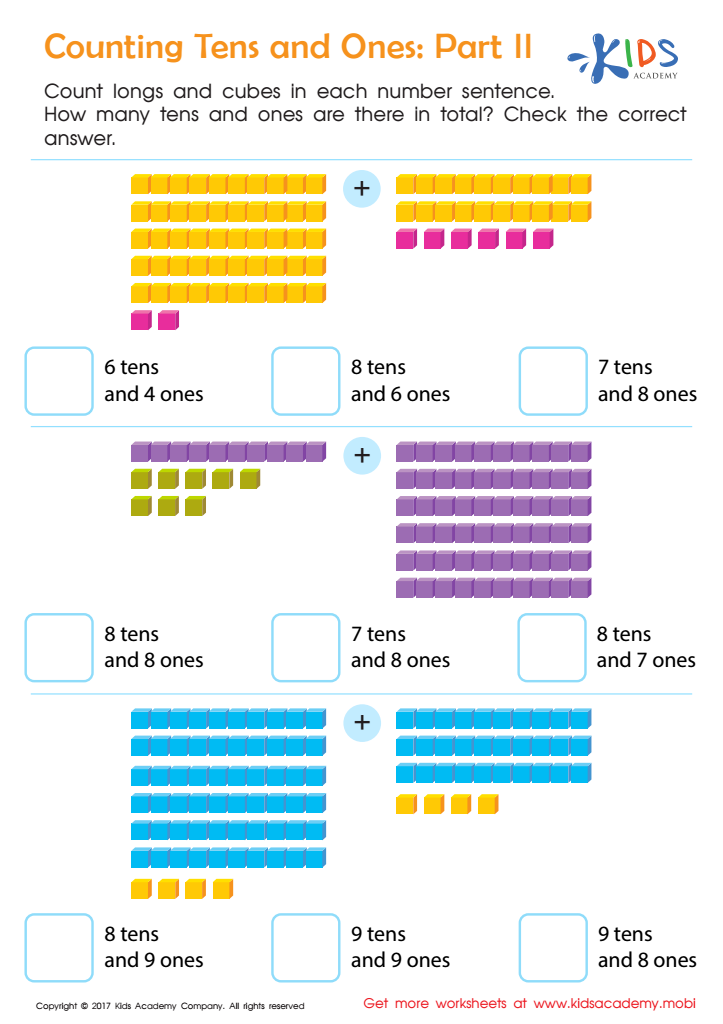
Counting Tens and Ones: Part 2 Worksheet
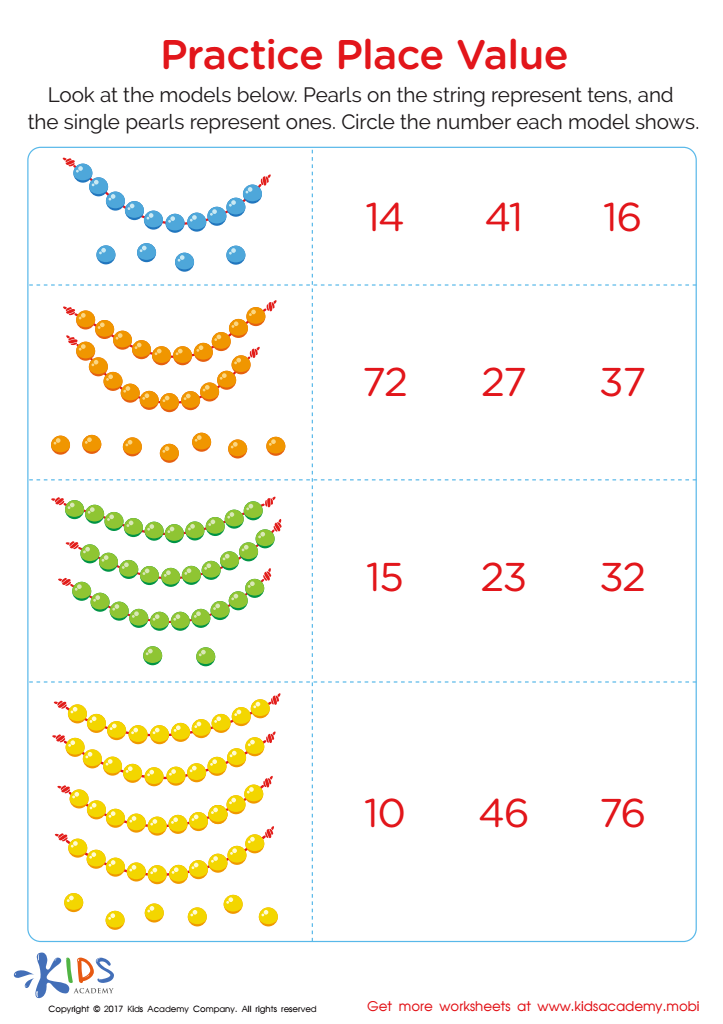
Practice Place Value Printable
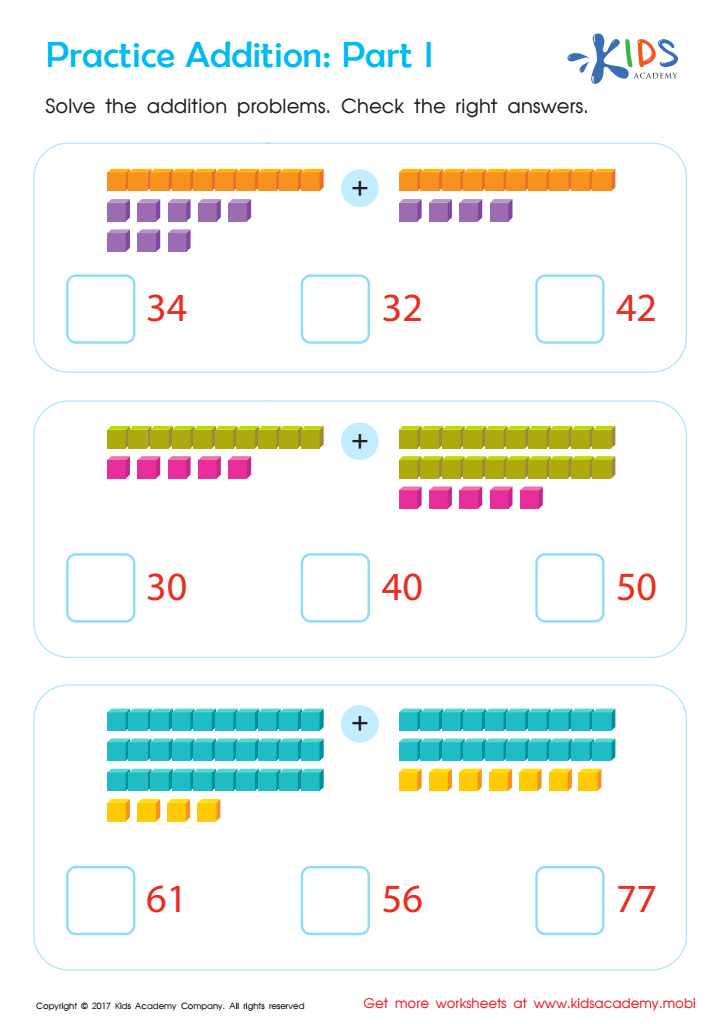
Practice Addition: Part 1 Worksheet
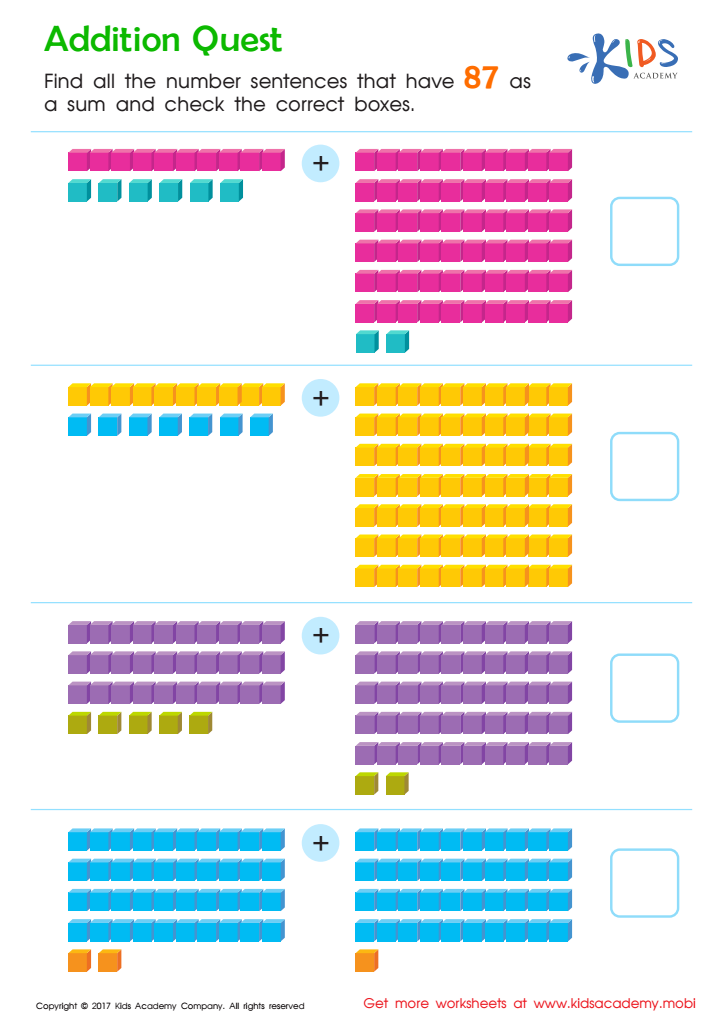
Addition Quest Worksheet: Part 1
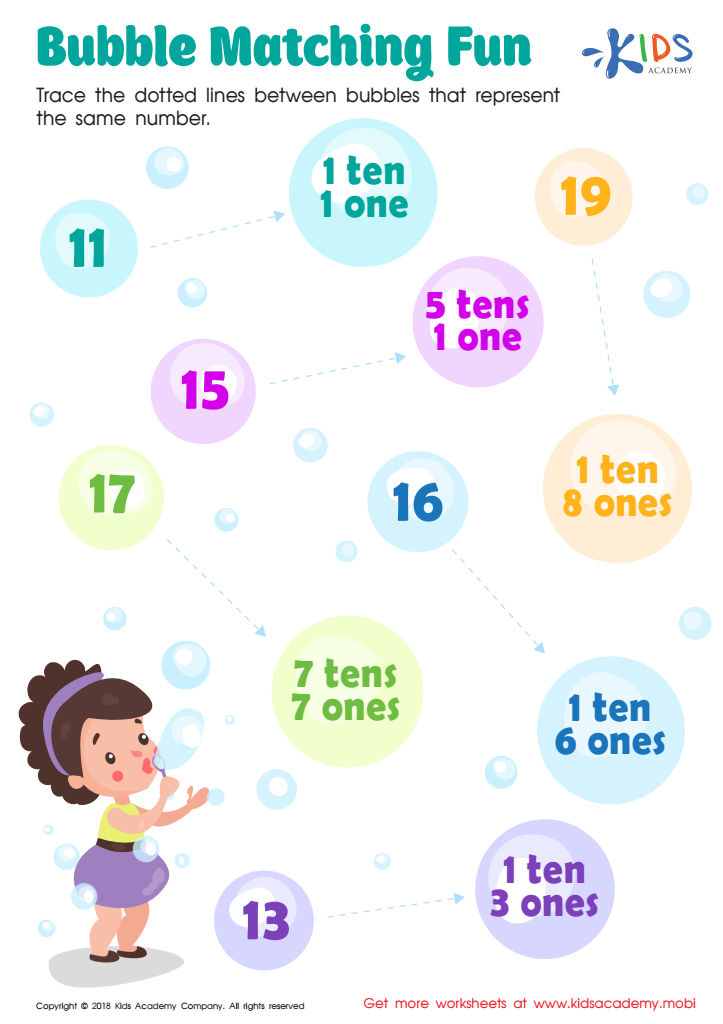
Bubble Matching Fun Worksheet
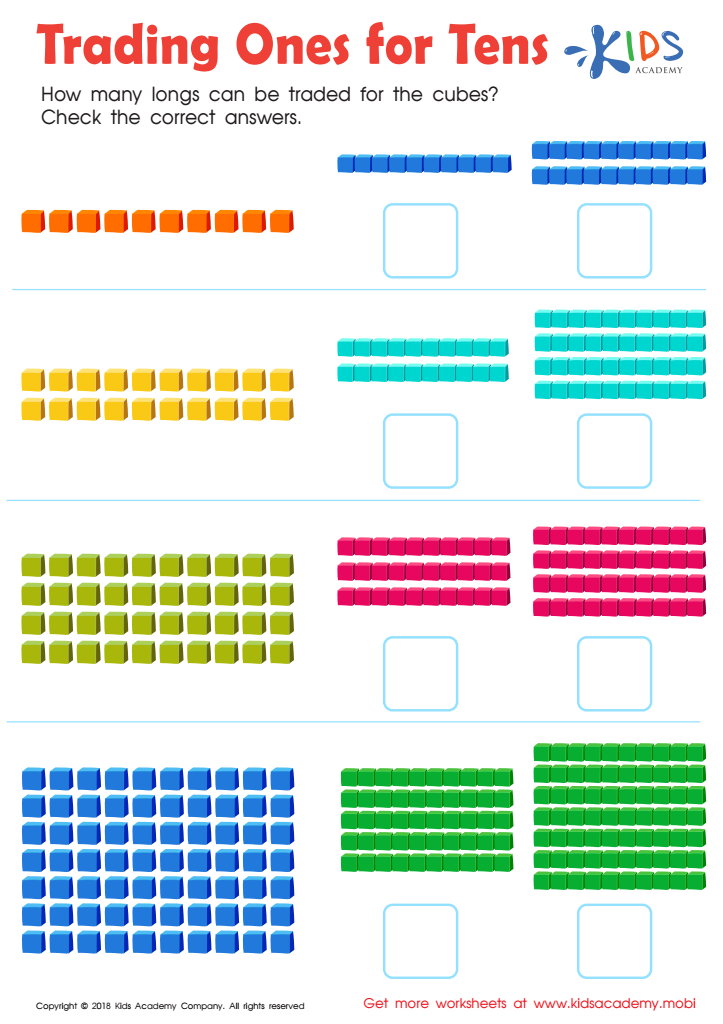
Trading Ones for Tens Worksheet: Part 2
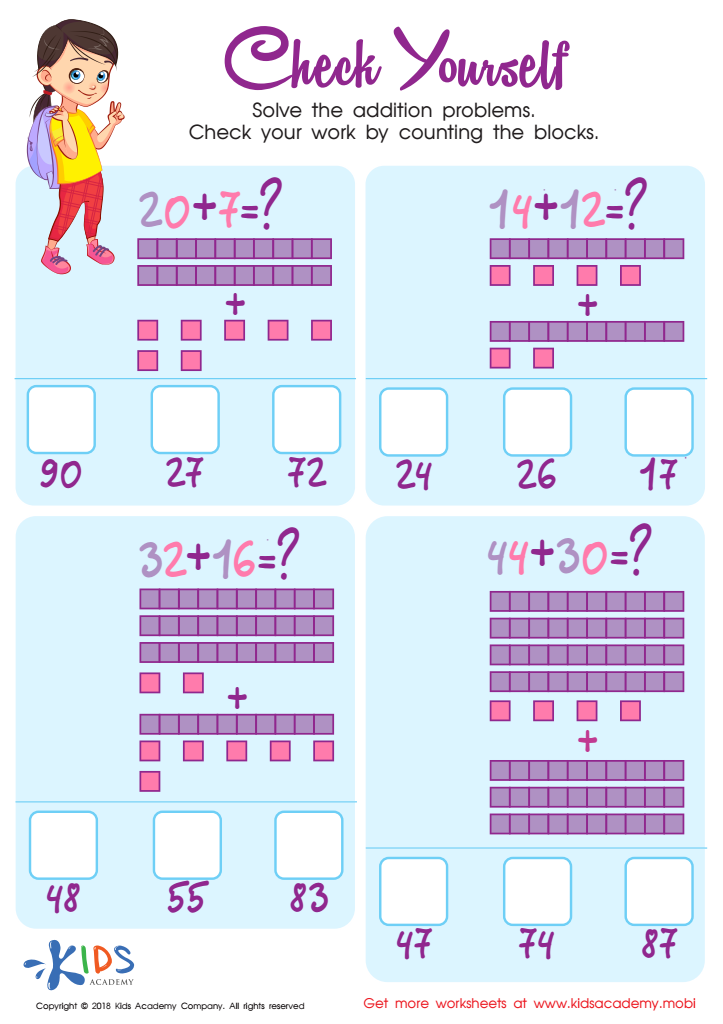
Adding with Base 1 Blocks Worksheet: Check Yourself
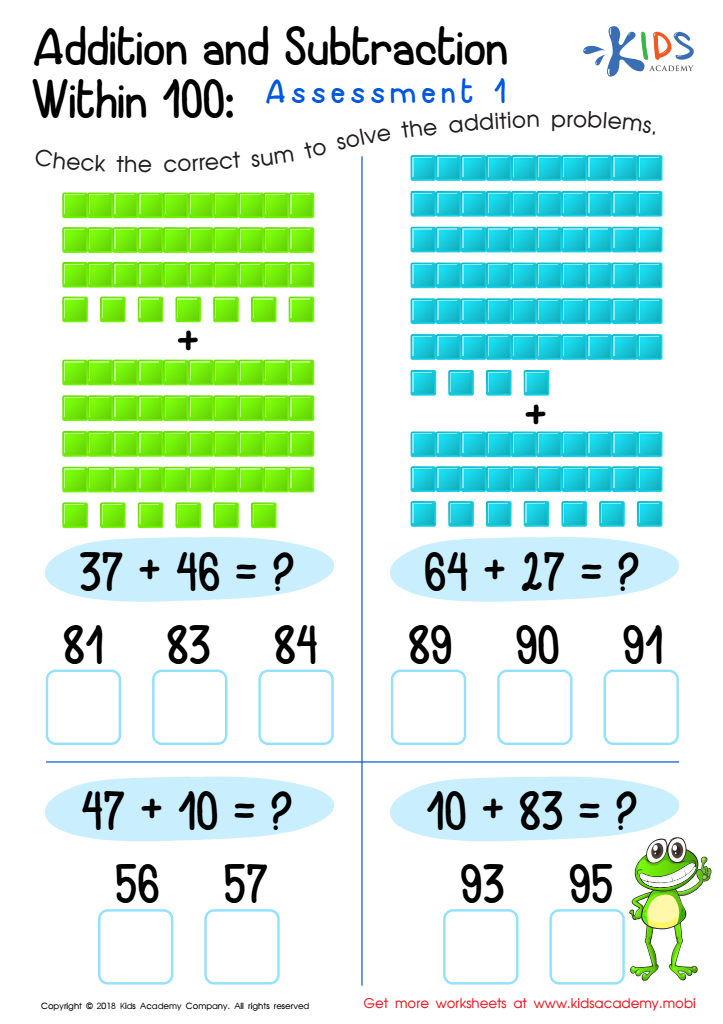
Addition and Subtraction Within 1: Assessment 1 Worksheet
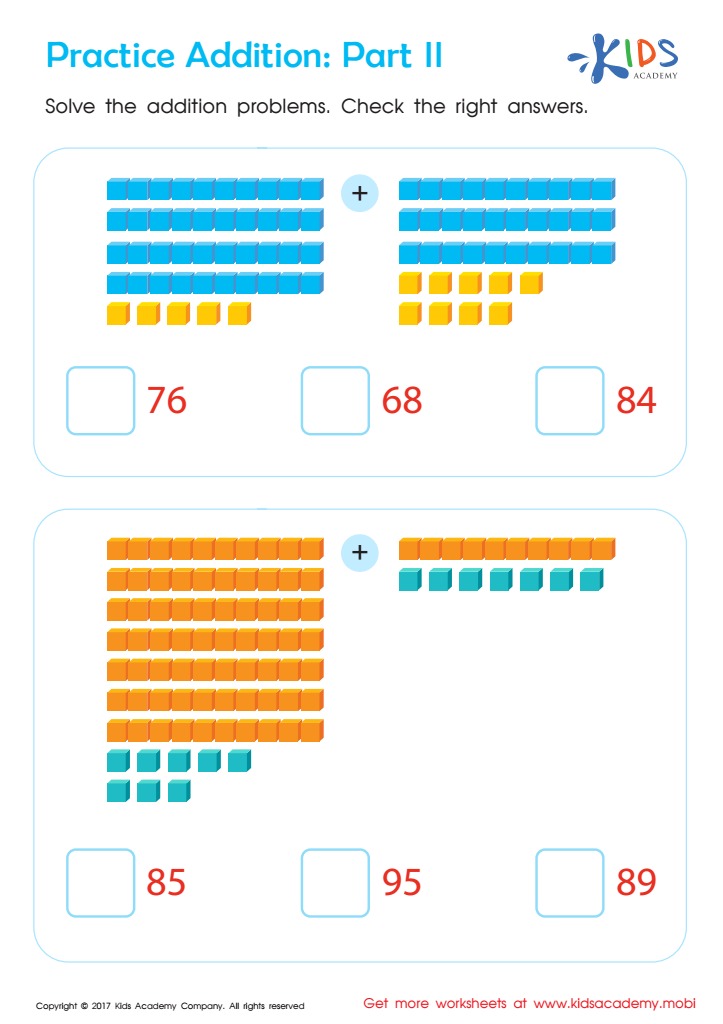
Practice Addition: Part 2 Worksheet
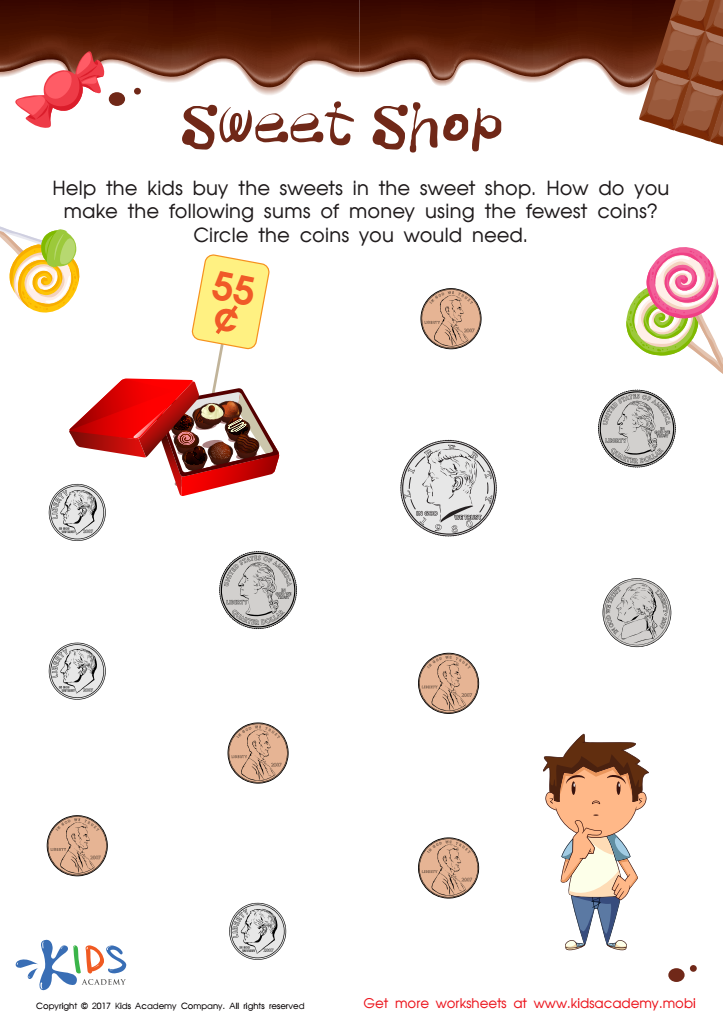
Sweet Shop – Counting Coins Worksheet
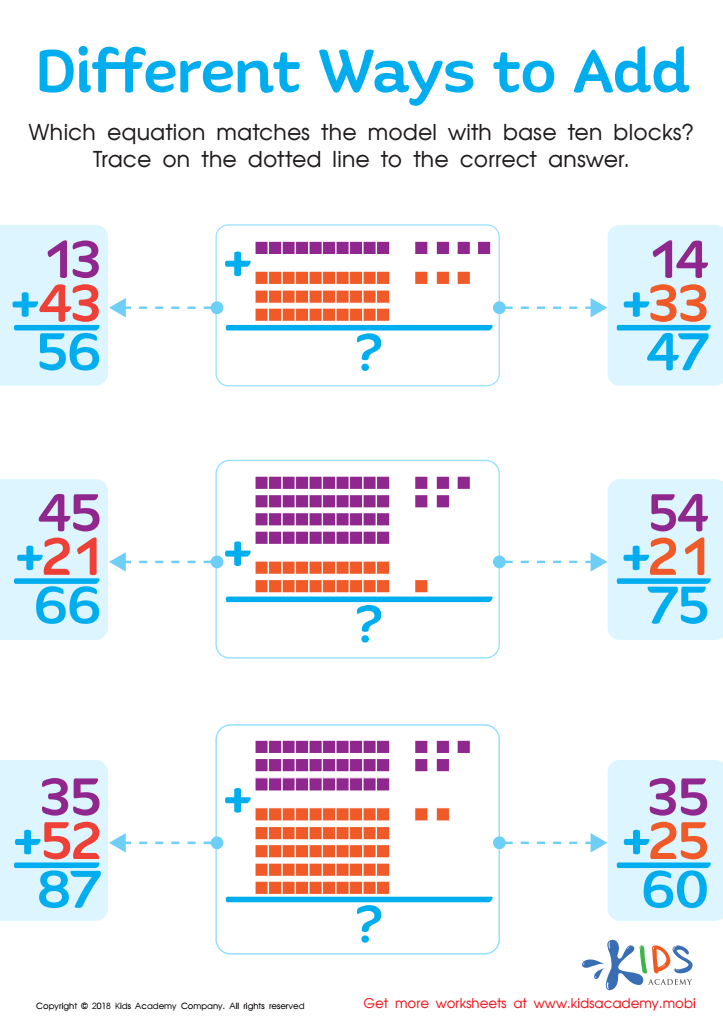
Different Ways to Add Worksheet
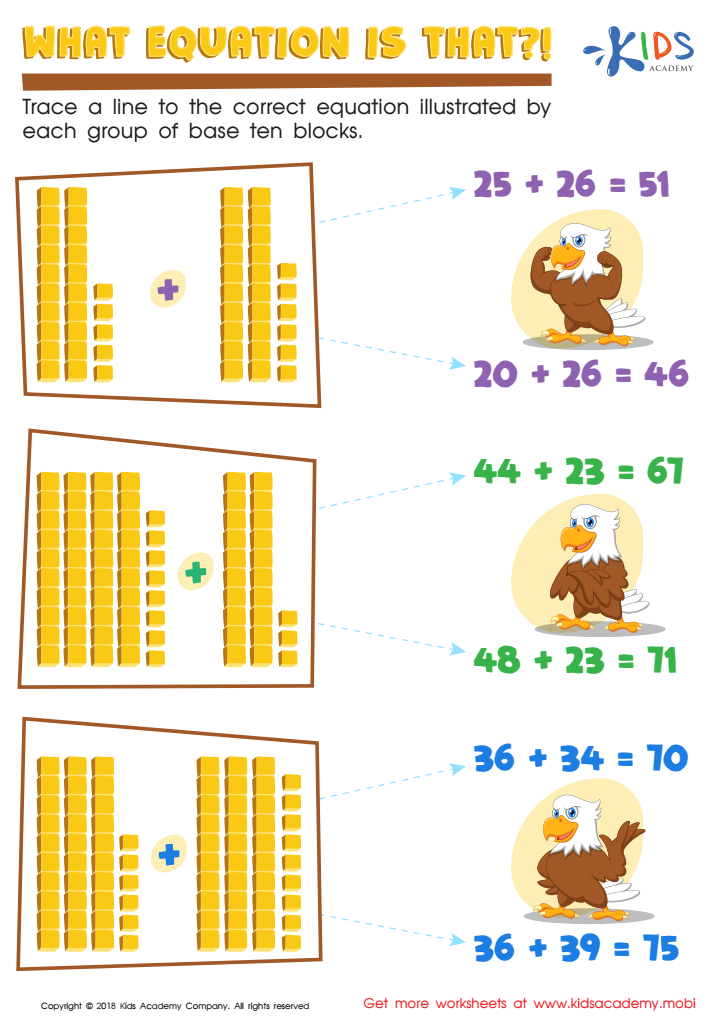
What Equation Is That? Worksheet
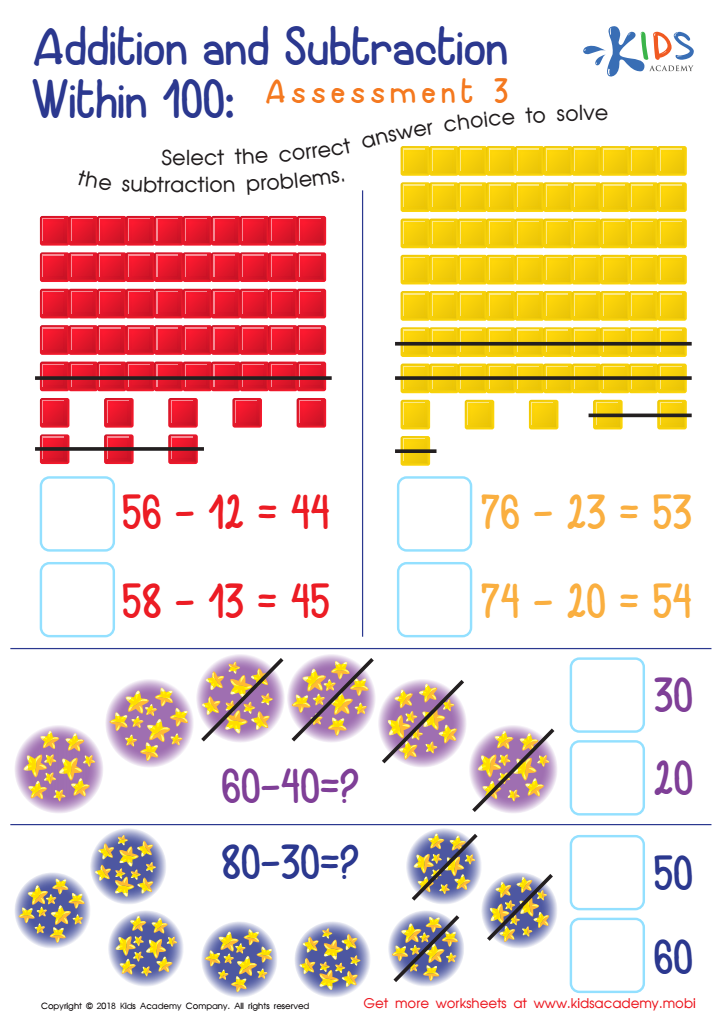
Addition and Subtraction Within 1: Assessment 3 Worksheet






Place value is a fundamental concept in early mathematics that helps children understand the role of numbers in our number system. For children aged 3-6, developing a solid grasp of place value sets the foundation for future mathematical learning. It fosters number sense—the ability to understand and manipulate numbers—which is crucial for their continued success in math.
At this age, when children are just beginning to learn about numbers, understanding place value helps them recognize that digits have different values depending on their position. For instance, in the number 56, the 5 represents "50," while the 6 stands for "6." This differentiation is vital for performing operations like addition and subtraction later on.
Additionally, place value encourages critical thinking and problem-solving skills. Activities like grouping objects into tens and ones lay the groundwork for more complex concepts such as rounding and multi-digit operations.
When parents and teachers emphasize place value, they not only support early numeracy skills but also boost confidence and a positive attitude towards mathematics. This early engagement serves to promote a lifelong appreciation for math, making it an important area of focus in early childhood education.








