Word Problems Worksheets for Ages 3-6 - Page 3
112 filtered results
-
From - To
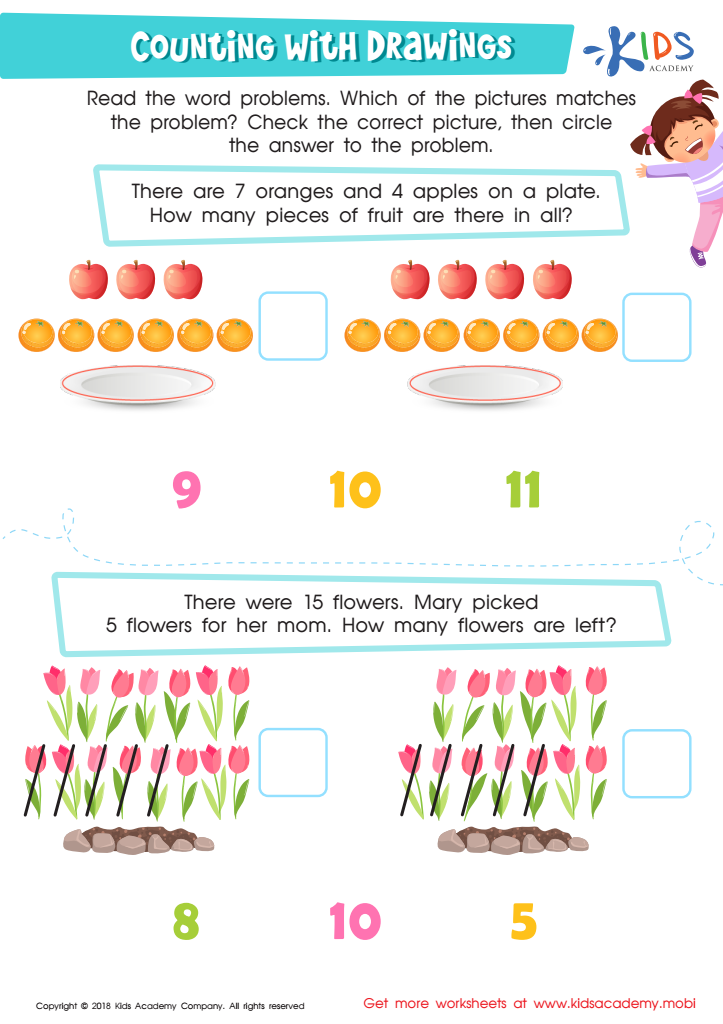
Counting with Drawings: Fruits & Chocolates Worksheet
 Assign to My Students
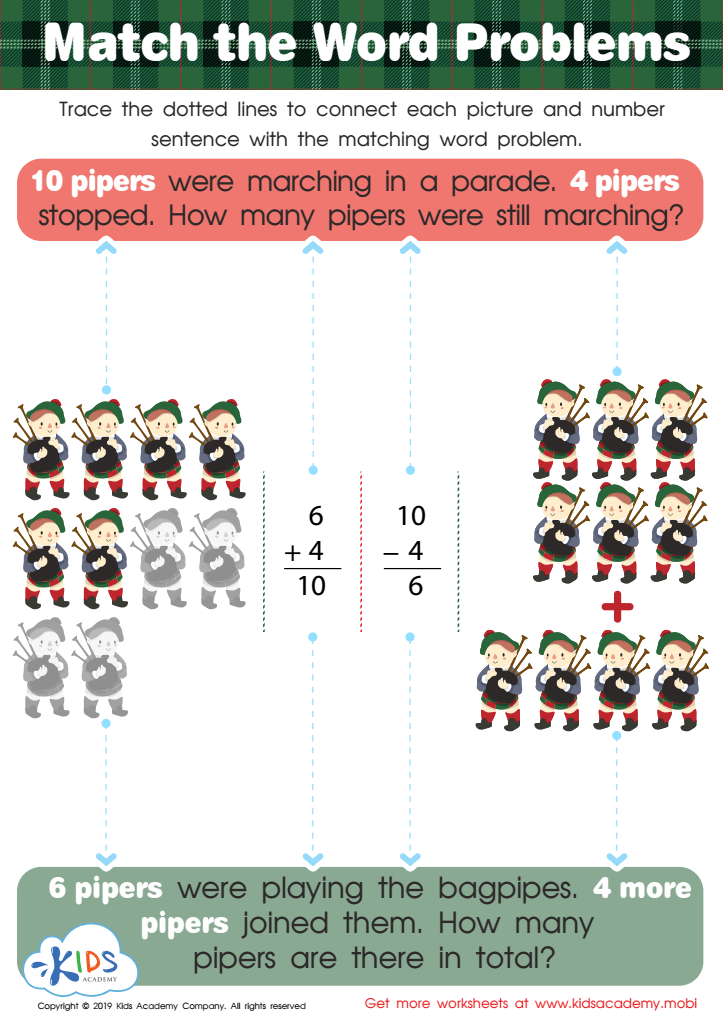
Match the Word Problems Worksheet
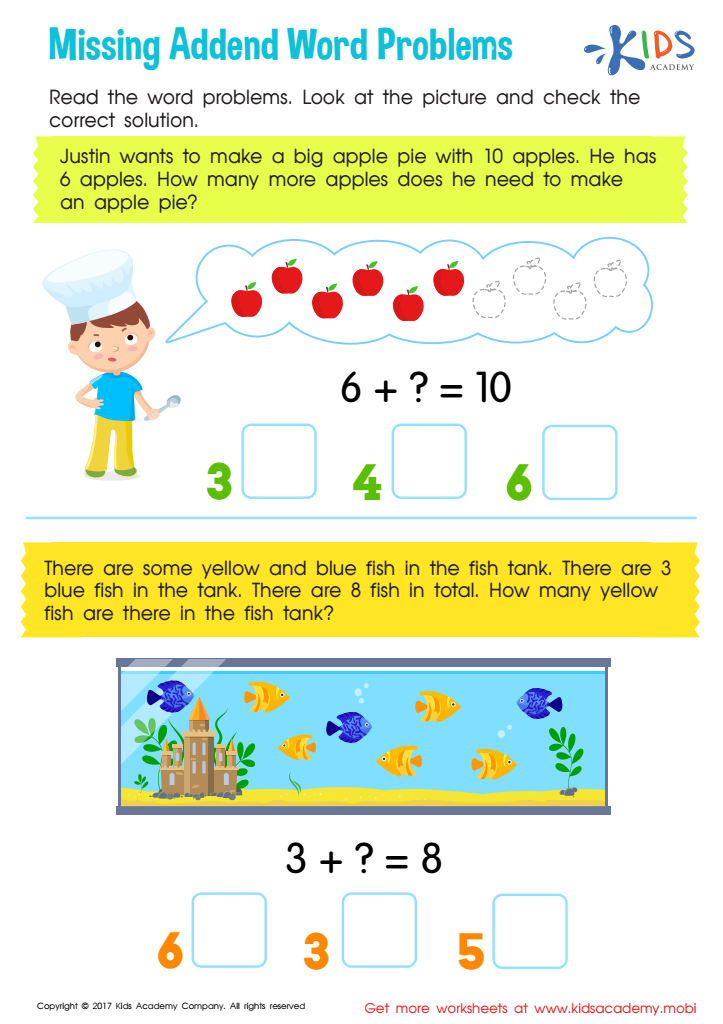
Missing Addend Word Problems Worksheet
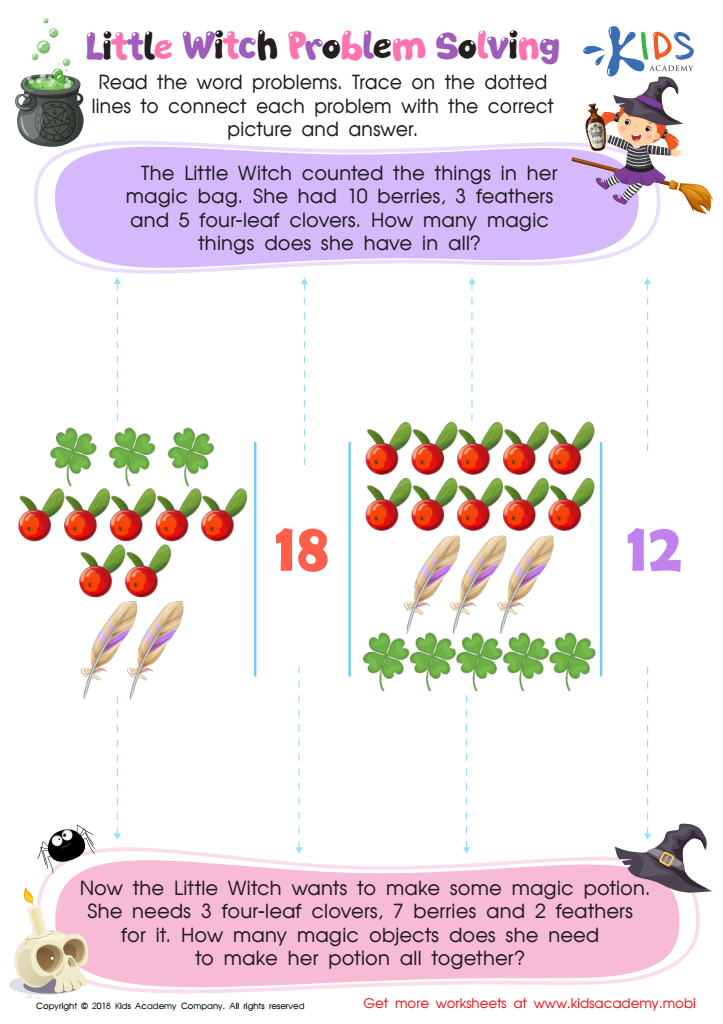
Little Witch Problem Solving Worksheet
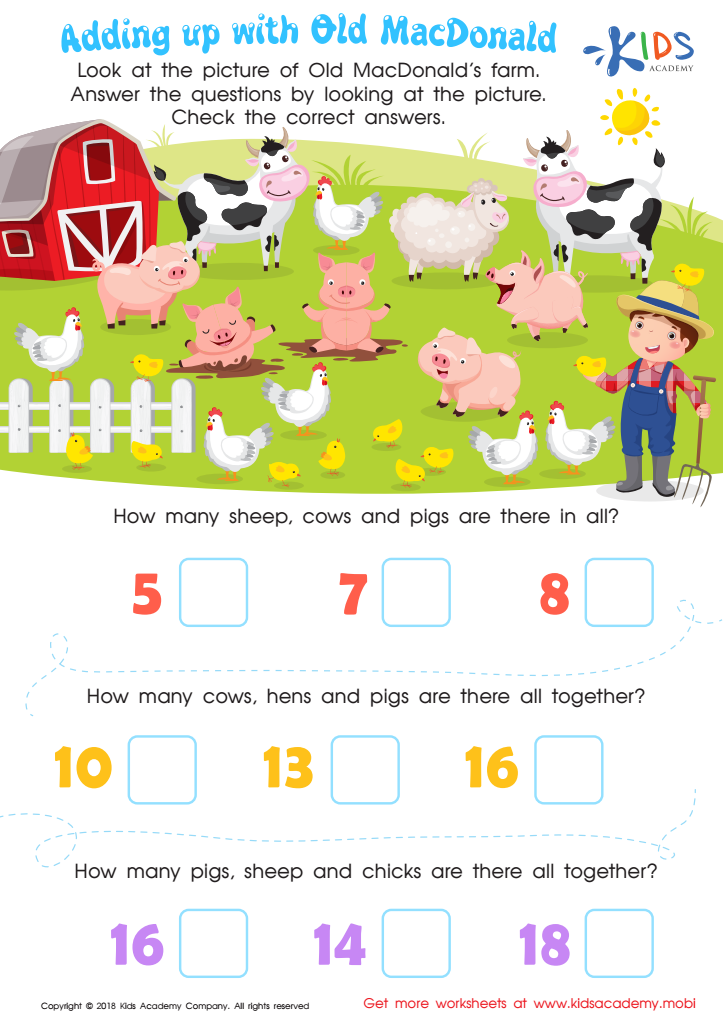
Adding Up with Old MacDonald Worksheet
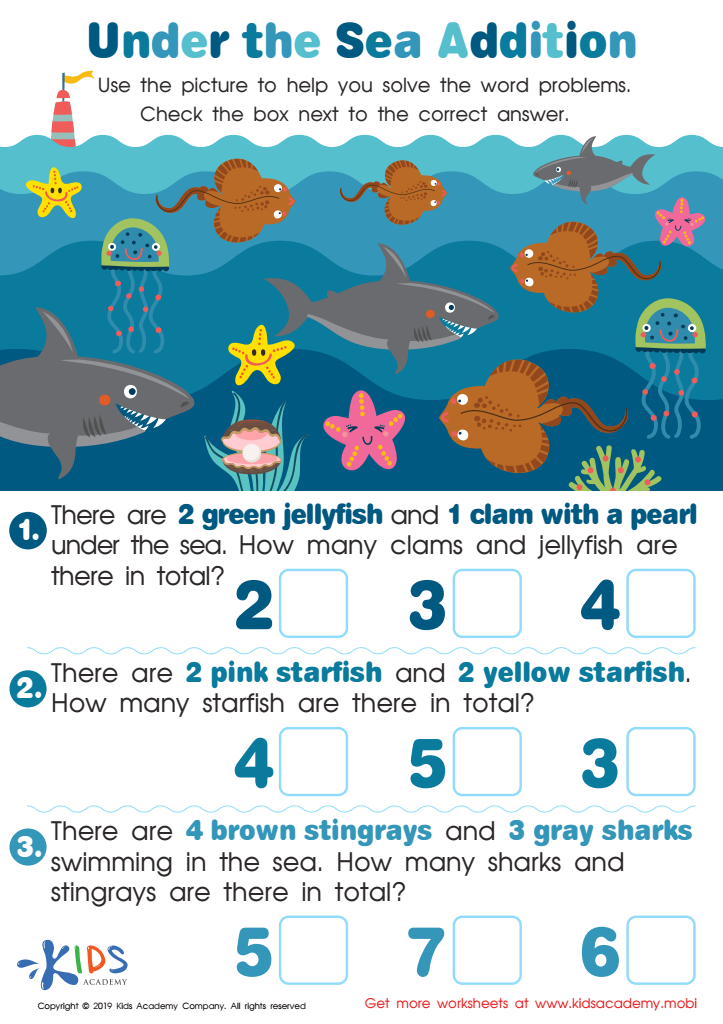
Under the Sea Addition Worksheet
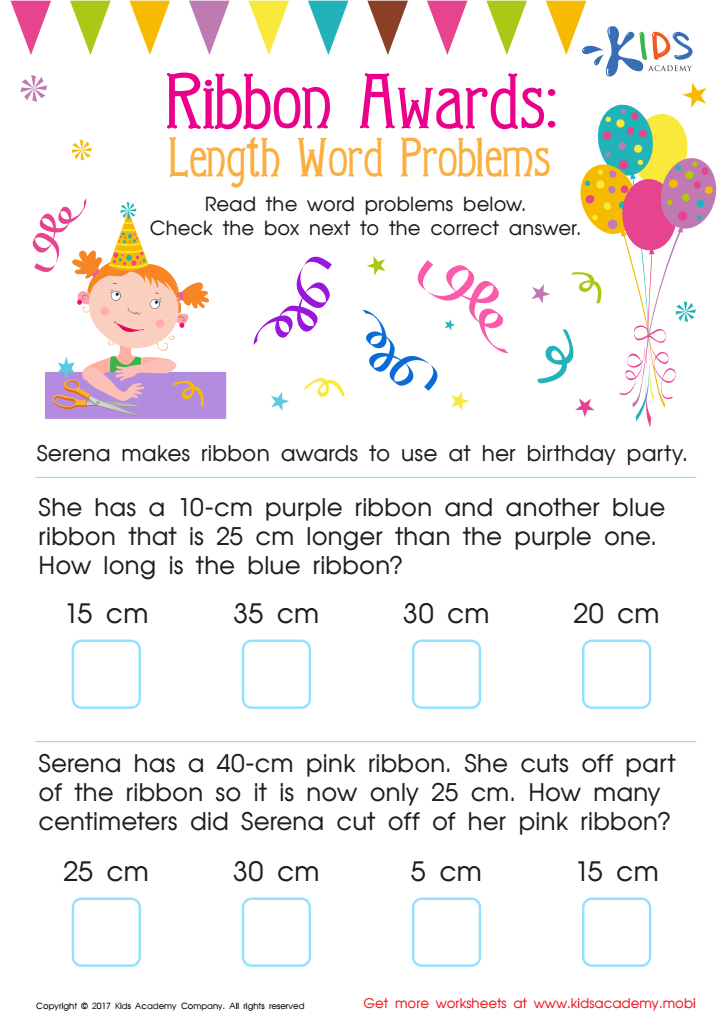
Length Word Problems Worksheet
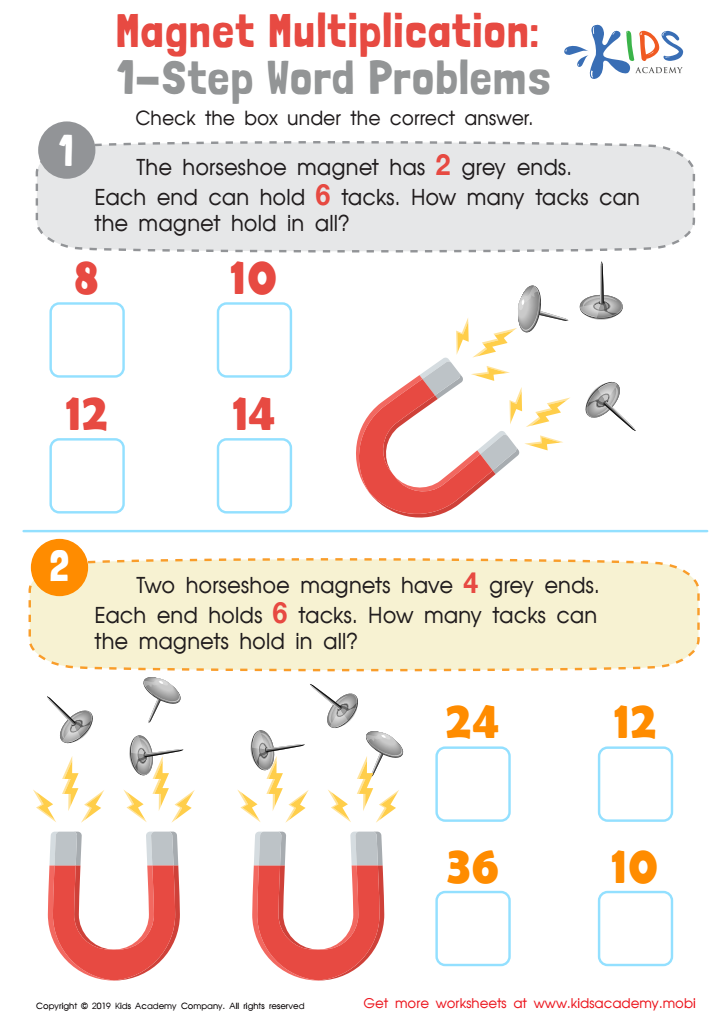
Magnet Multiplication: 1-Step Word Problems Worksheet
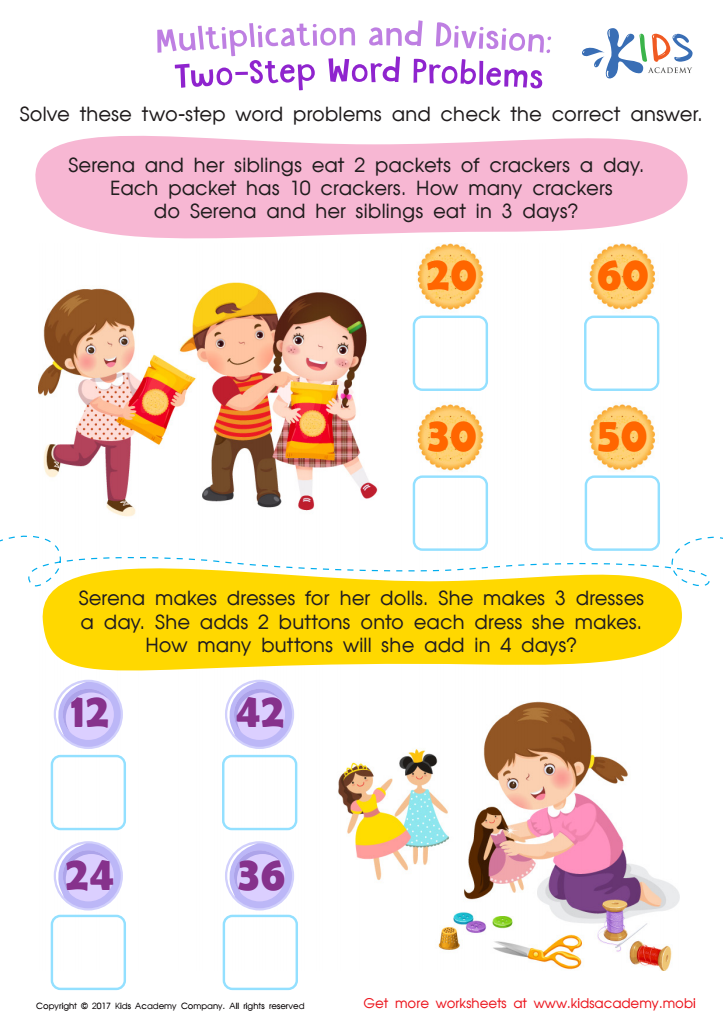
Two Step Word Problems Worksheet
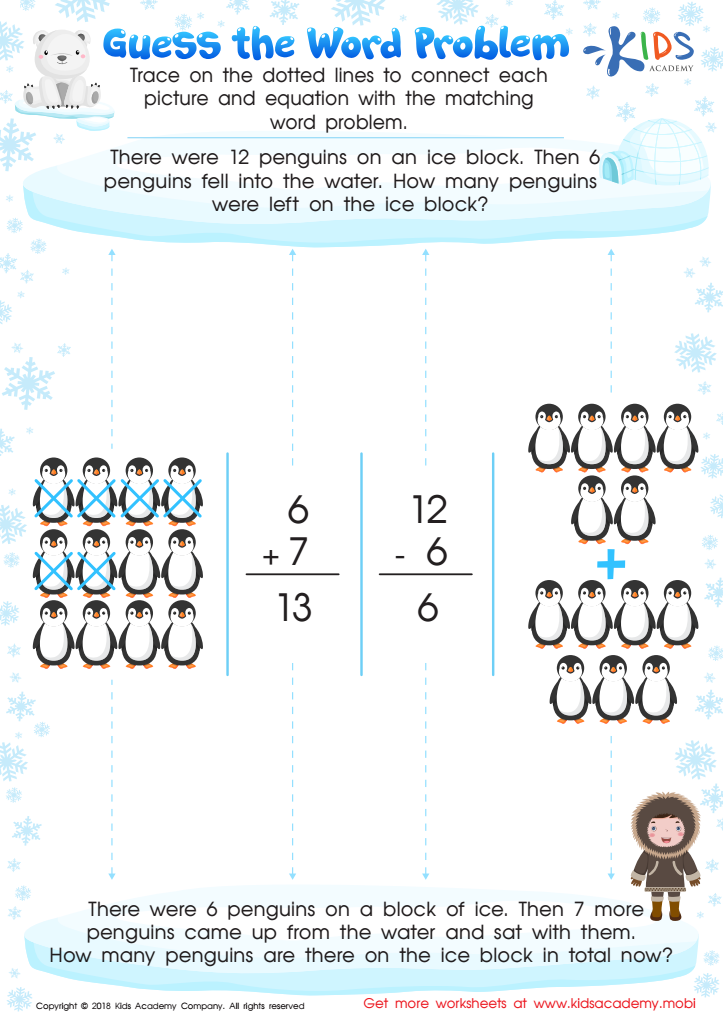
Guess the Word Problem Worksheet
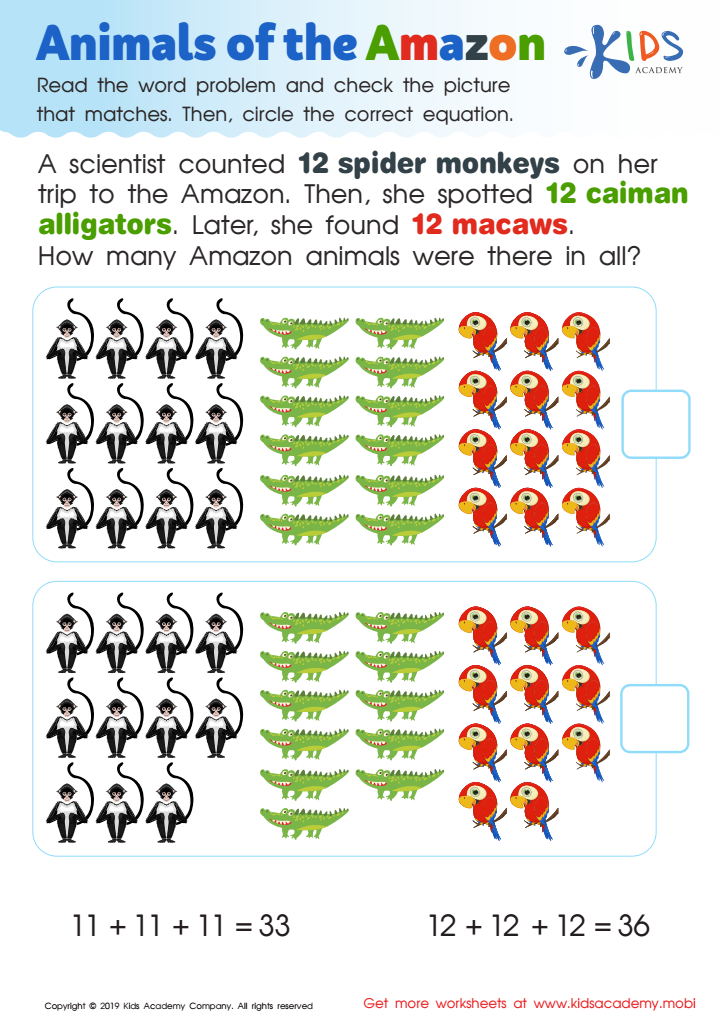
Animals of Amazon Worksheet
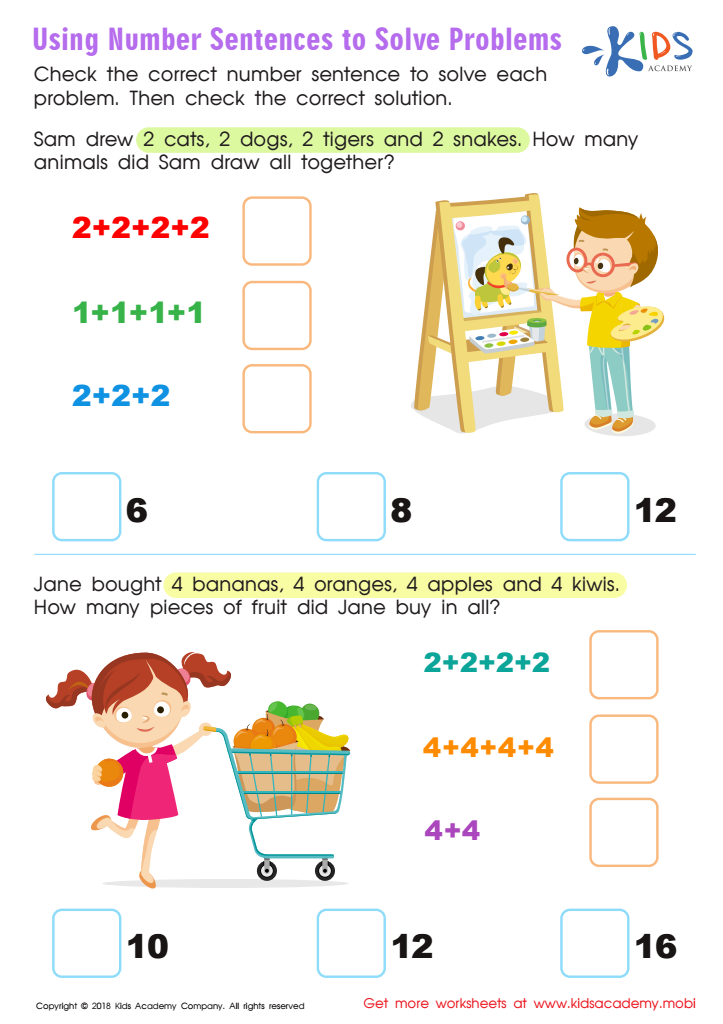
Using Number Sentences to Solve Problems Worksheet
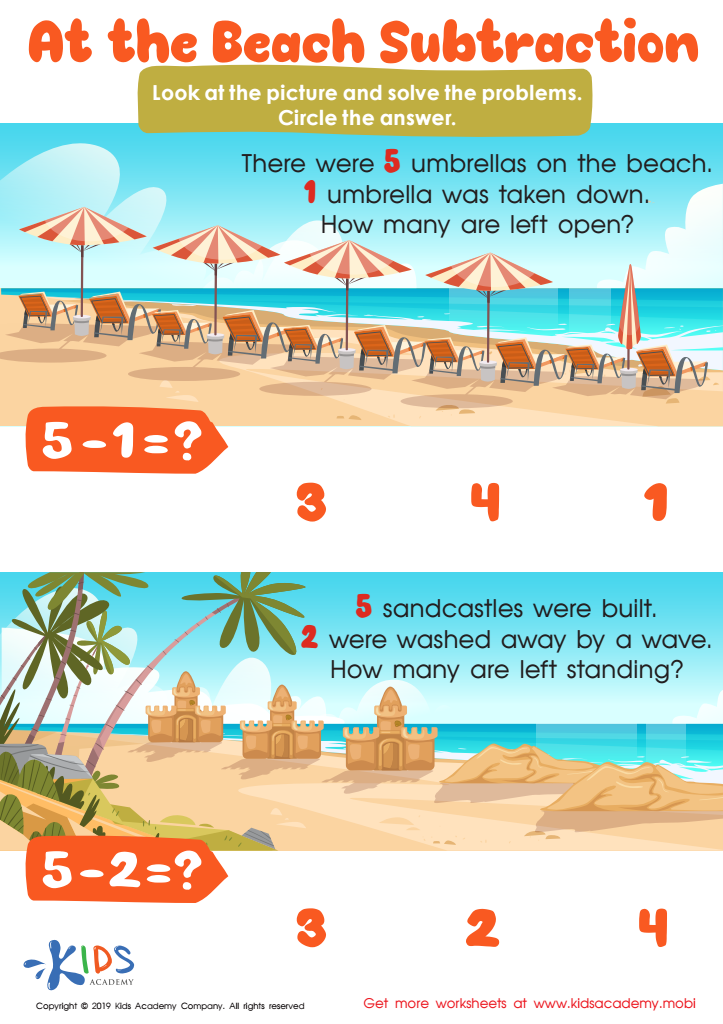
At the Beach Subtraction Worksheet
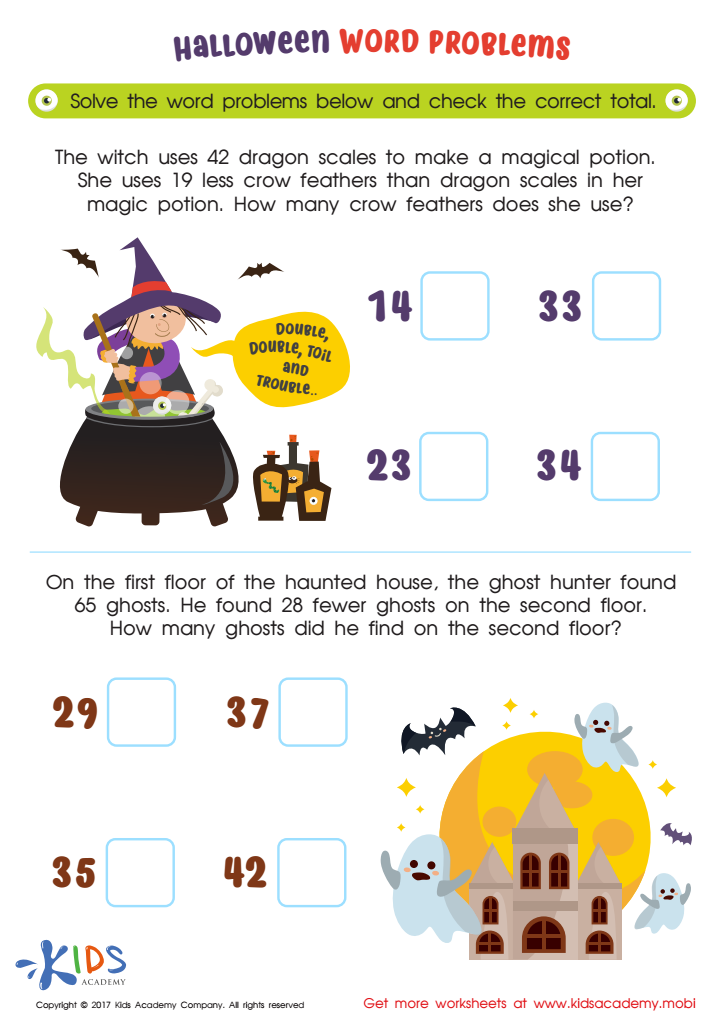
Halloween Word Problems Printable
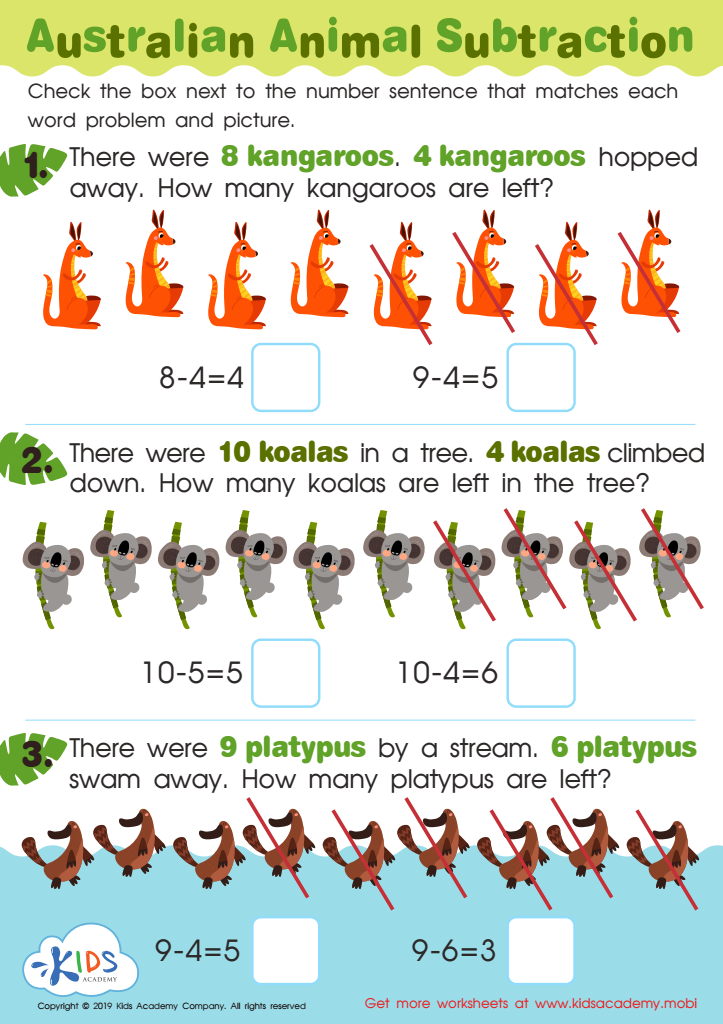
Australian Animal Subtraction Worksheet
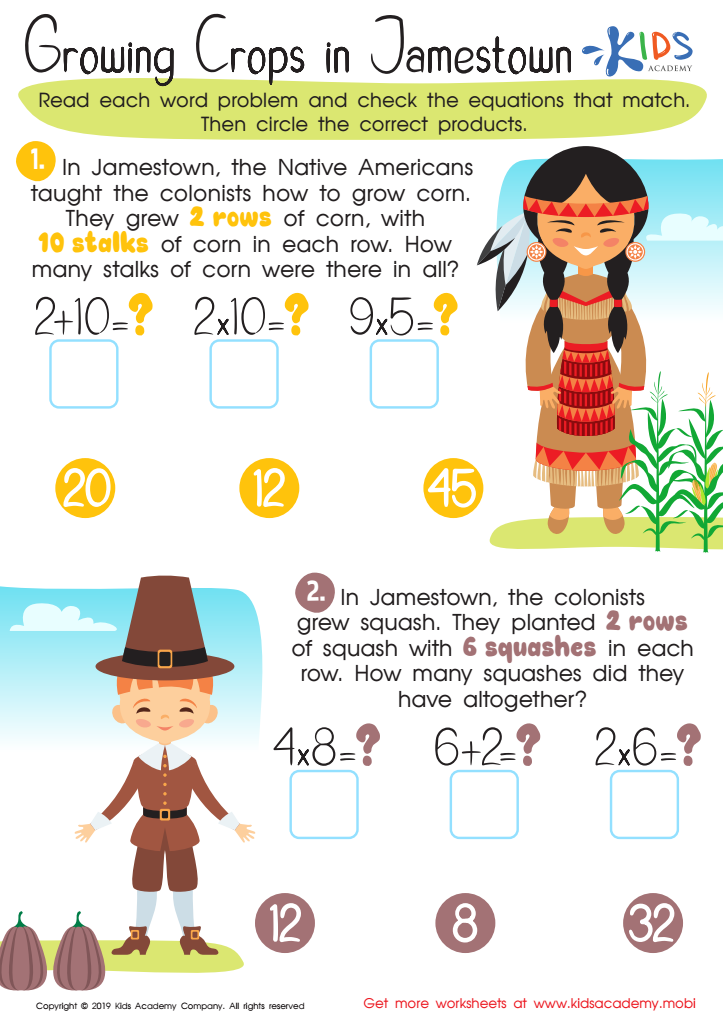
Growing Jamestown Worksheet
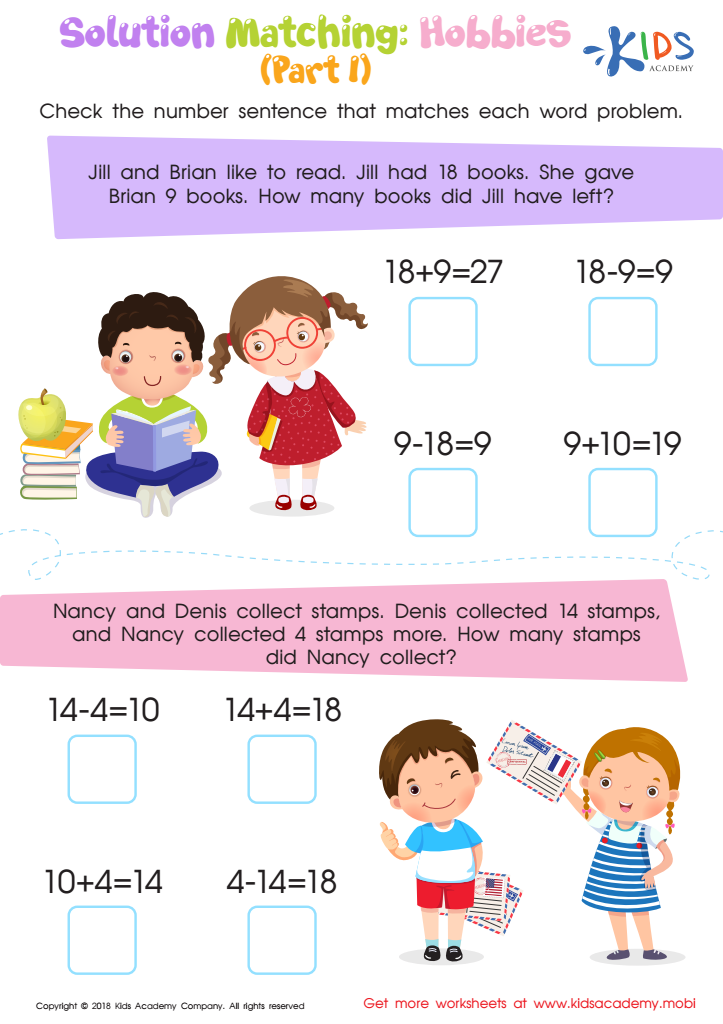
Solution Matching: Hobbies. Part 1 Worksheet
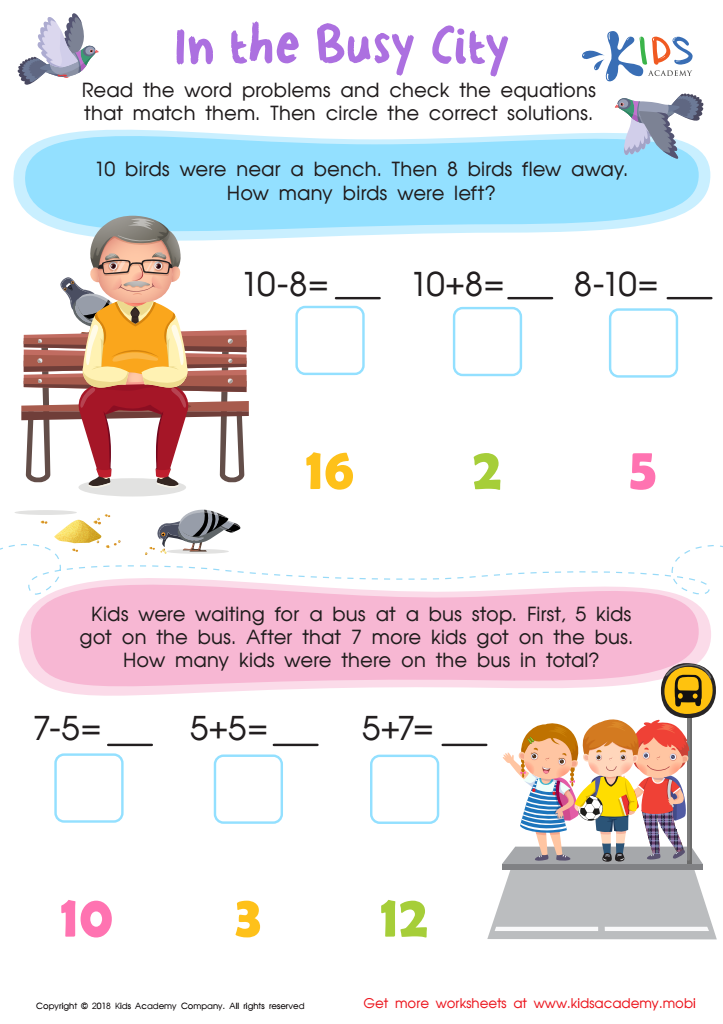
In the Busy City Word Problems Worksheet
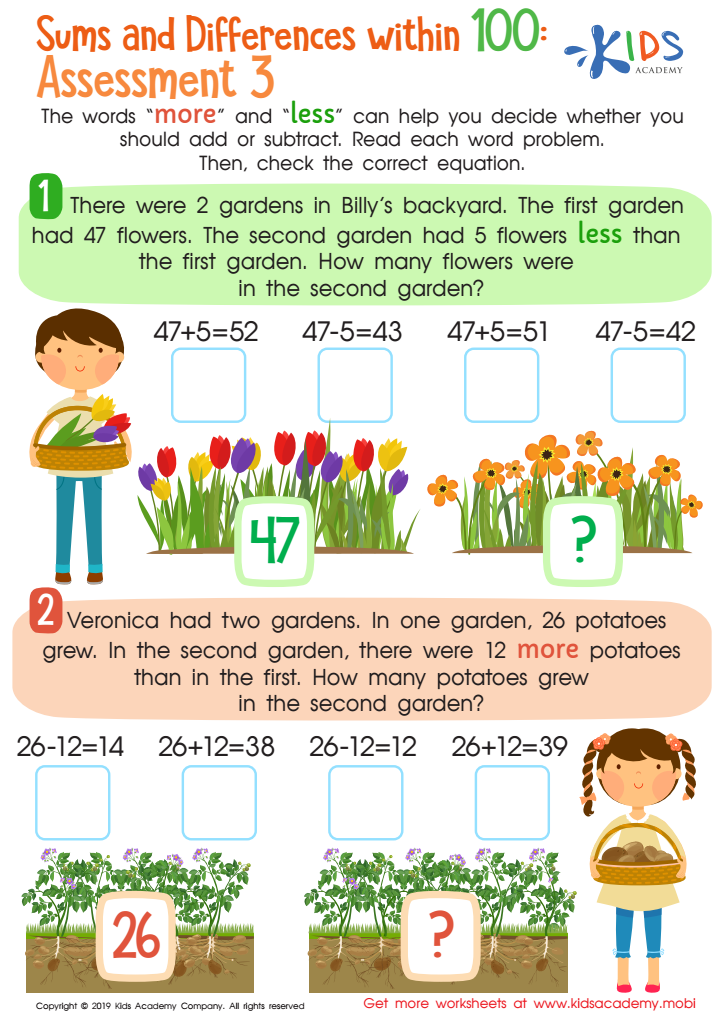
Sums and Differences Within 1 - Assessment 3 Worksheet
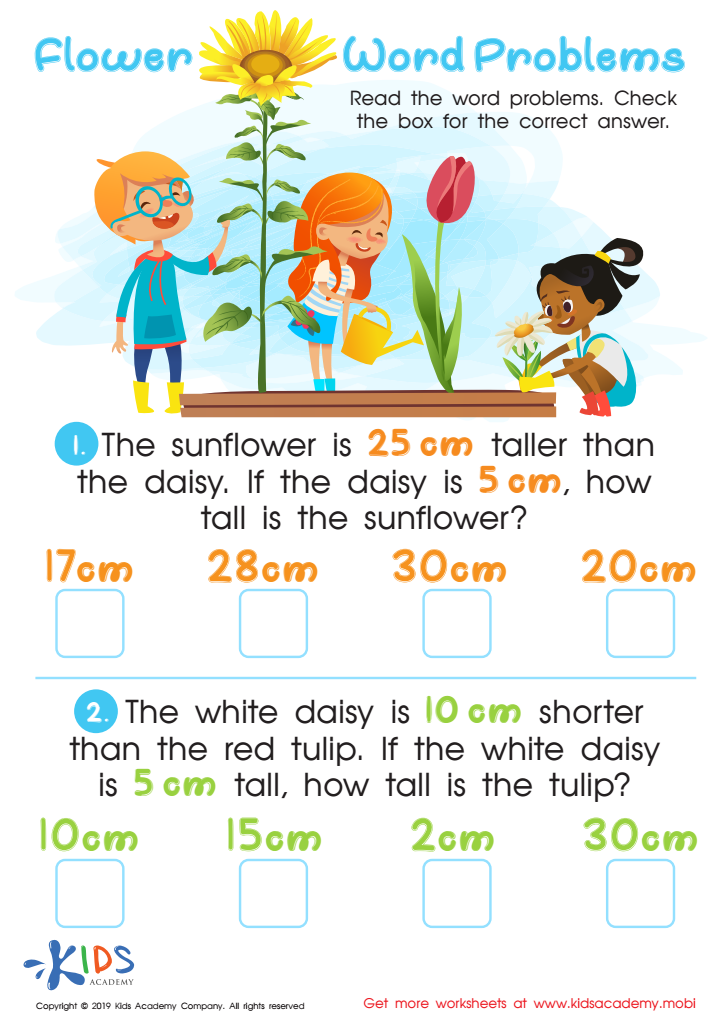
Flower Word Problems Worksheet
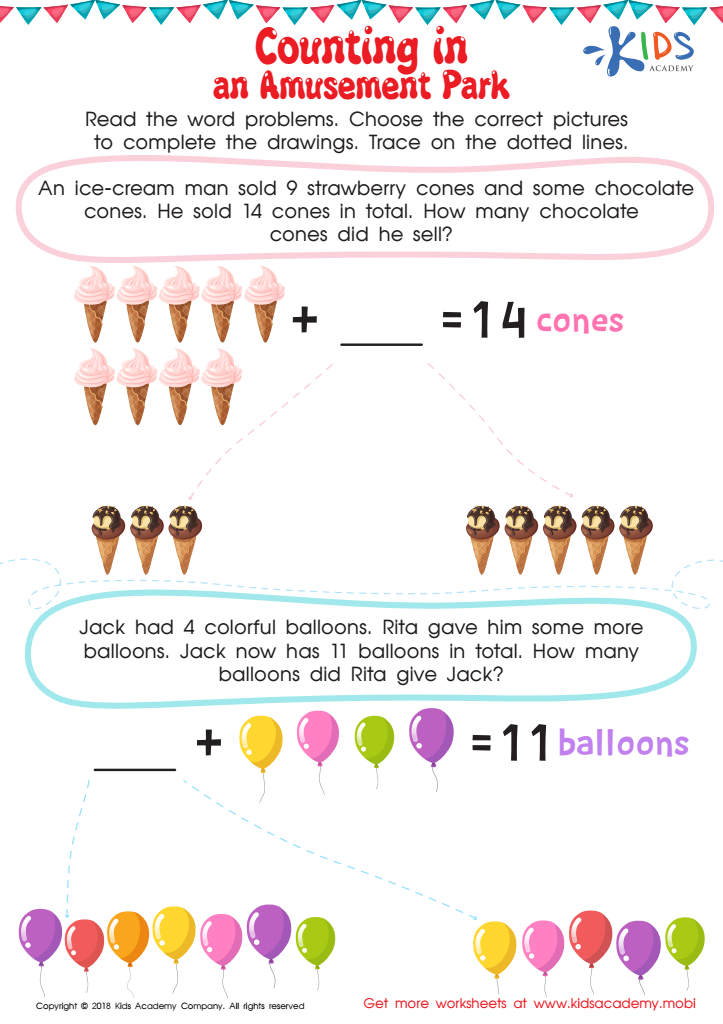
Counting in an Amusement Park Worksheet
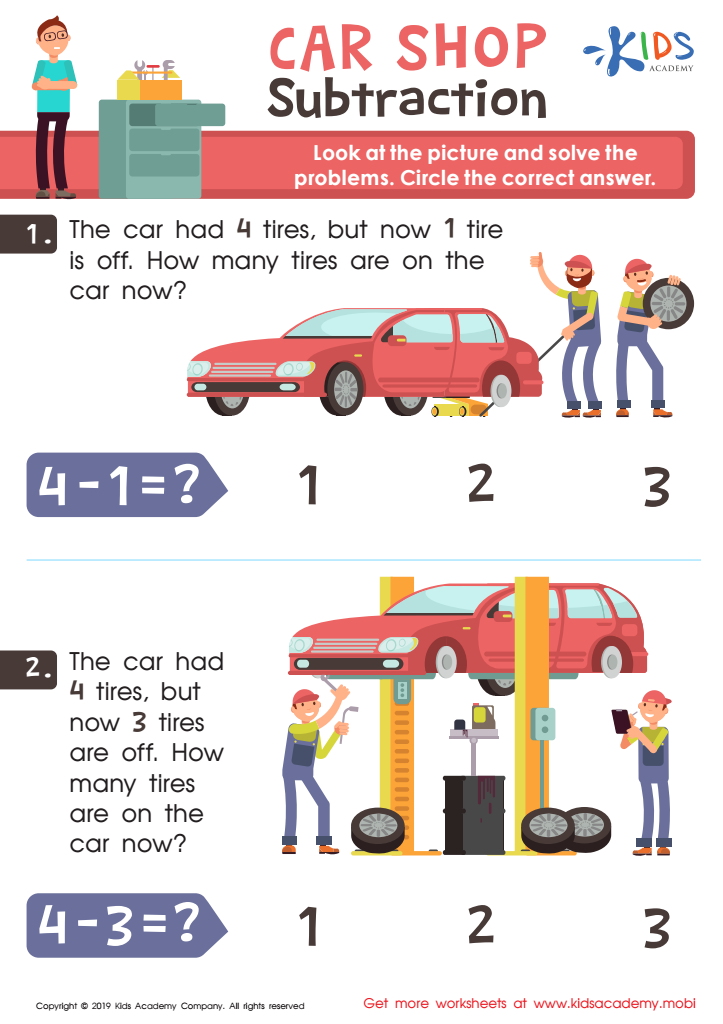
Car Shop Subtraction Worksheet
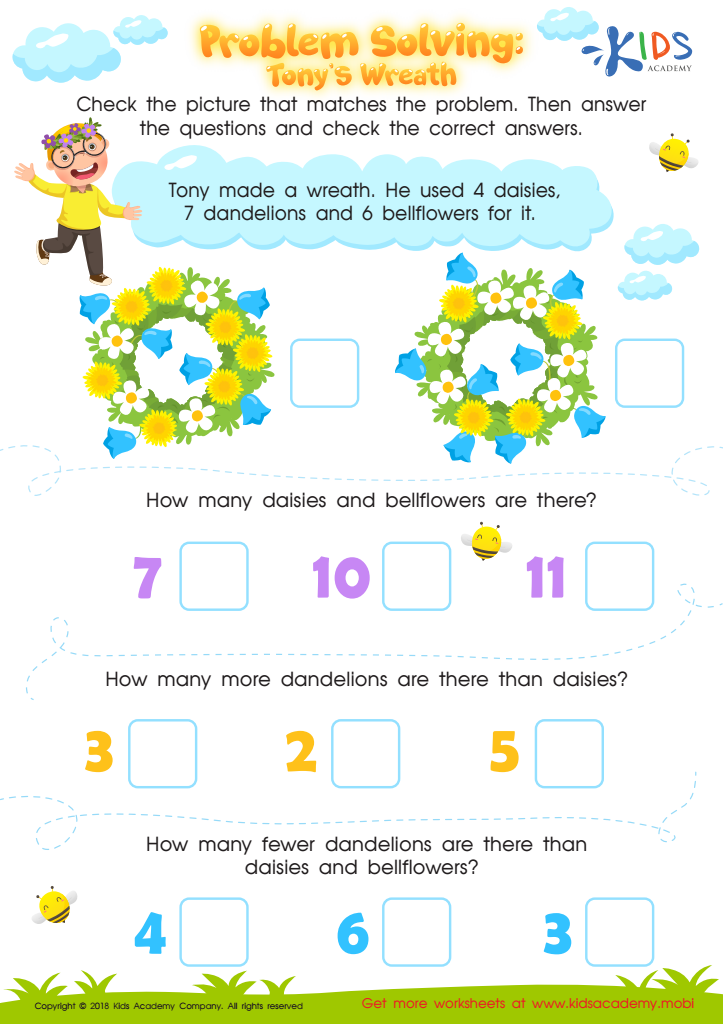
Problem Solving: Tony's Wreath Worksheet
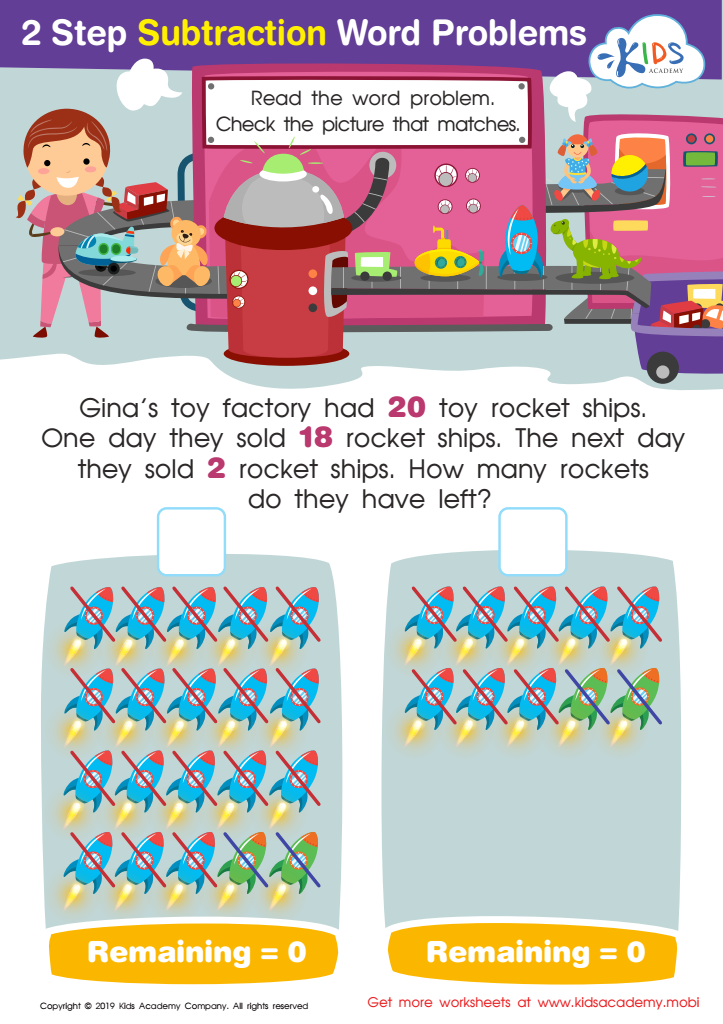
Step Subtraction Word Problems Worksheet








Word problems play a crucial role in the early mathematical development of children aged 3-6. For both parents and teachers, engaging with word problems offers numerous benefits that extend beyond basic arithmetic. Firstly, they foster critical thinking skills, asking young learners to interpret language, comprehend context, and extract meaningful information, all essential for reasoning.
Additionally, word problems bridge the gap between math and real-life situations, making mathematics relatable and practical. This real-world application sparks curiosity and encourages problem-solving in everyday scenarios, like sharing snacks or counting toys. Moreover, the language used in word problems enhances verbal skills. Children learn to articulate their thought processes, developing communication and vocabulary, which are vital for overall literacy.
These problems also promote a growth mindset. As children navigate challenges in problem-solving, they learn resilience and perseverance. Mistakes are pathways to learning, which helps them develop confidence in their abilities.
Ultimately, by incorporating word problems into learning, parents and teachers cultivate not just foundational math skills, but also critical life skills, making it essential to advocate for their inclusion in early education. Engaging with word problems nurtures well-rounded individuals ready to tackle future challenges.








