Community Worksheets for Ages 3-6 - Page 2
30 filtered results
-
From - To
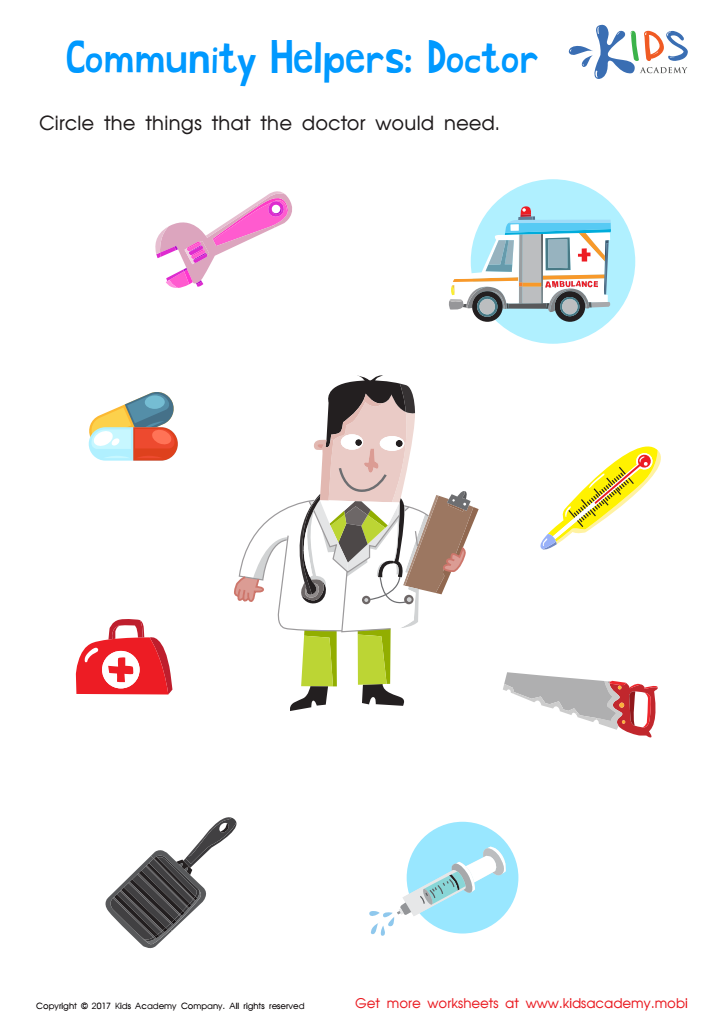
 Assign to My Students
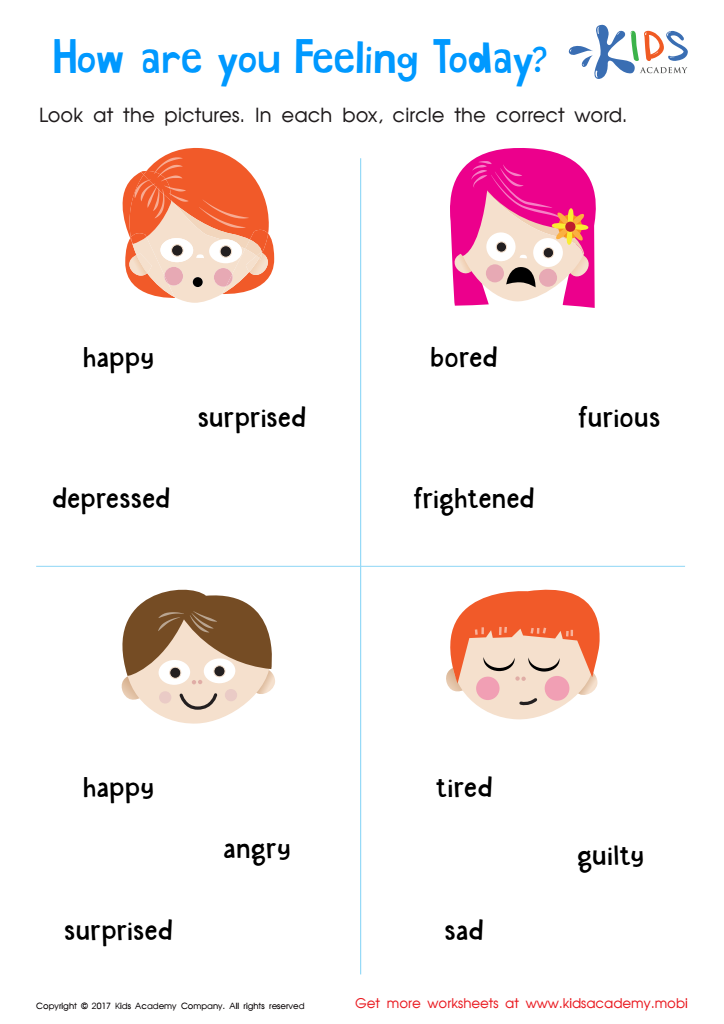
Understanding Feelings Worksheet
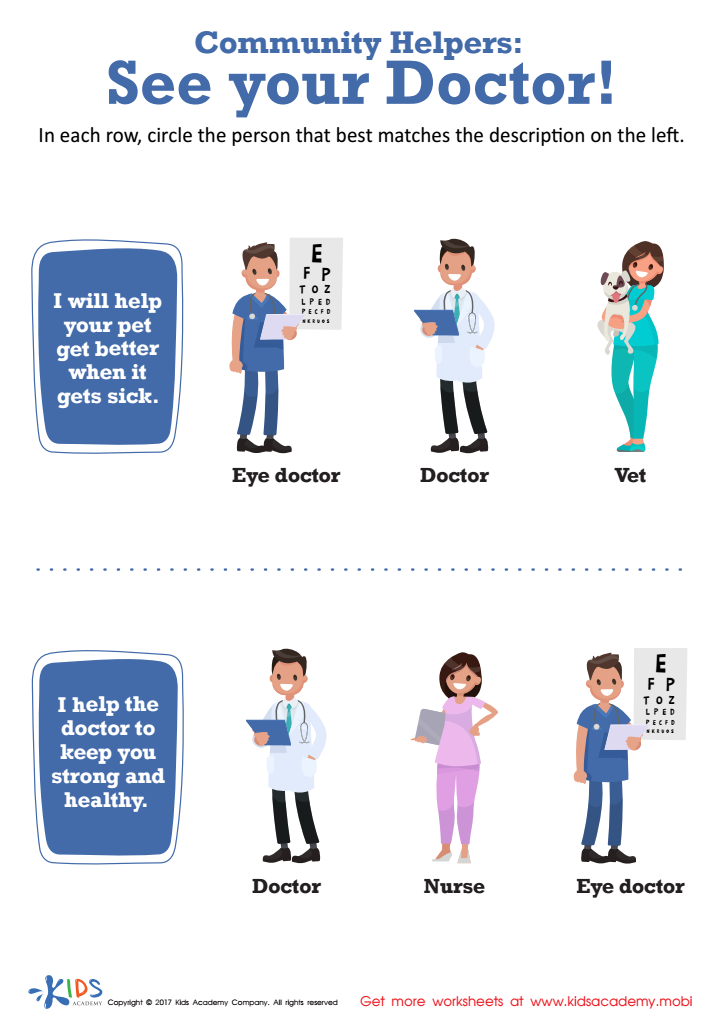
See Your Doctor (Part 2) Printable
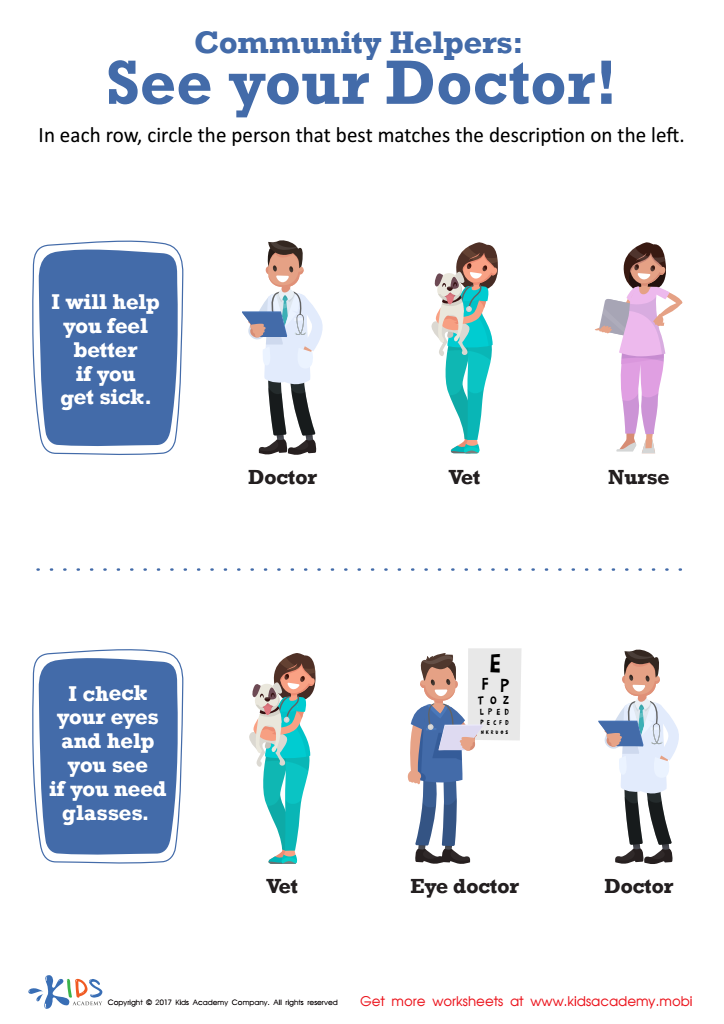
See Your Doctor (Part 1) Printable
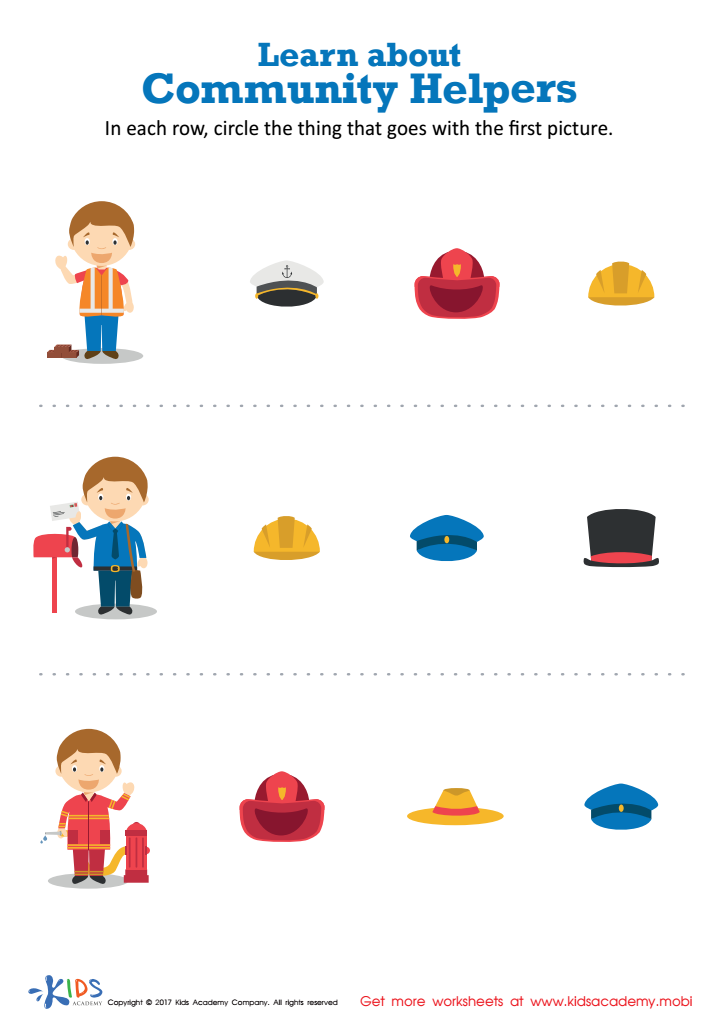
Learn about Community Helpers Printable
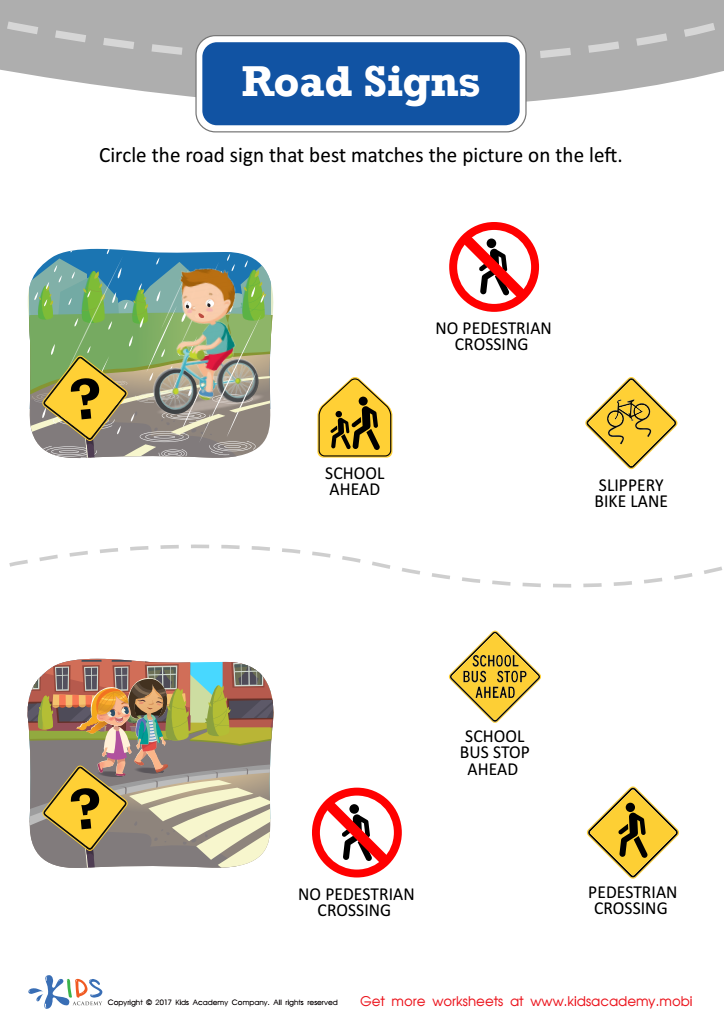
Road Signs (Part 2) Printable








Community plays a vital role in the development of children aged 3-6 years, a period marked by significant growth in social, emotional, and cognitive skills. Parents and teachers should care about fostering a strong sense of community for several reasons.
Firstly, children learn by observing their environment and interactions. A supportive community provides opportunities for children to engage with peers, adults, and diverse cultures, helping them develop empathy, cooperation, and effective communication skills. These early social experiences lay the groundwork for future relationships.
Secondly, community involvement enhances learning. When parents and teachers collaborate with local organizations, children benefit from a richer educational experience that can include field trips, workshops, or projects that connect classroom learning with real-world settings.
Moreover, a sense of belonging within a community boosts children's self-esteem and emotional well-being. When children feel accepted and valued, they are more likely to explore, take risks, and express themselves freely, fostering a lifelong love for learning.
Finally, community engagement encourages parents and teachers to work together in supporting children's development, establishing clear channels for communication and shared goals. By prioritizing community, we equip young learners with the skills and social connections necessary for future success.