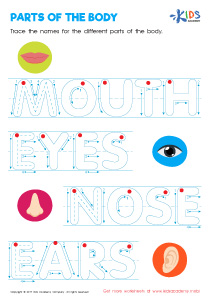
Space Worksheets for Ages 3-6
6 filtered results
-
From - To
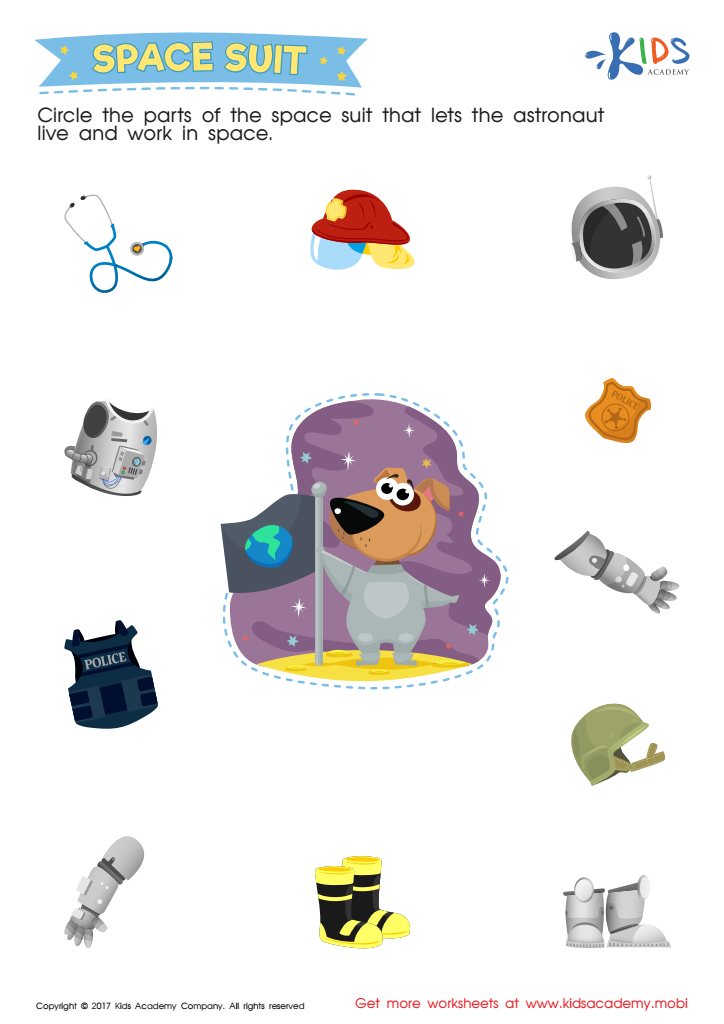
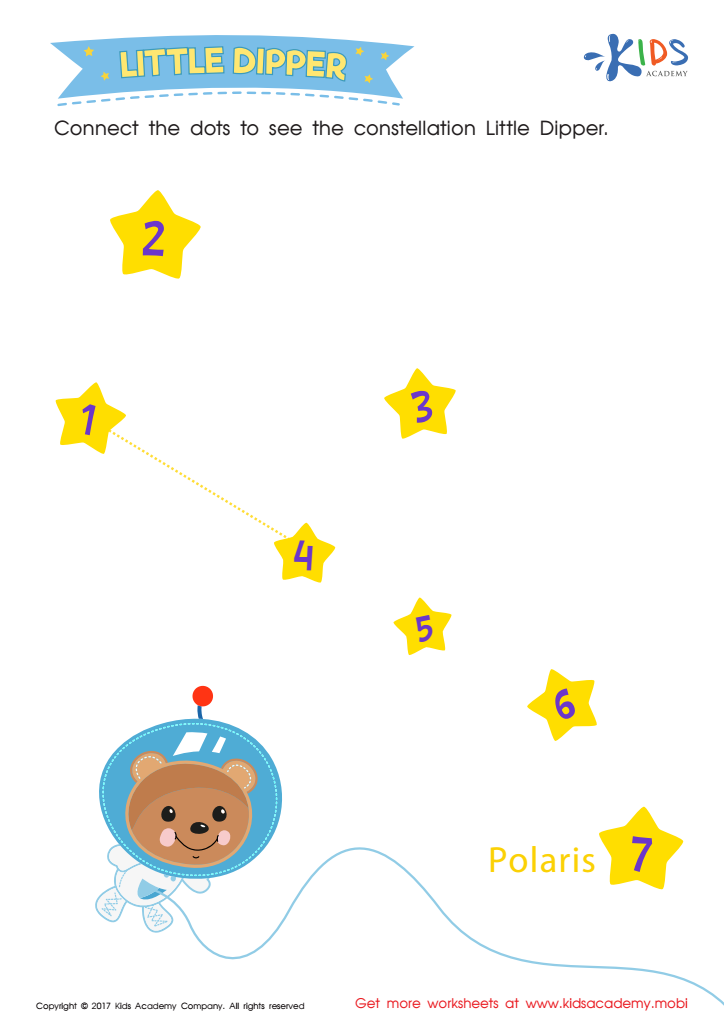
Introduce young learners to the wonders of space with our "Space Worksheets for Ages 3-6". These worksheets are designed to captivate curious minds and foster early learning through engaging, age-appropriate activities. Children will explore planets, stars, rockets, and more while developing crucial skills in counting, matching, and sequencing. Each worksheet combines fun illustrations with educational content, making learning about space both enjoyable and informative. Ideal for preschool and kindergarten students, these printable worksheets provide a perfect blend of entertainment and education, sparking a passion for astronomy and scientific discovery in your child’s formative years.
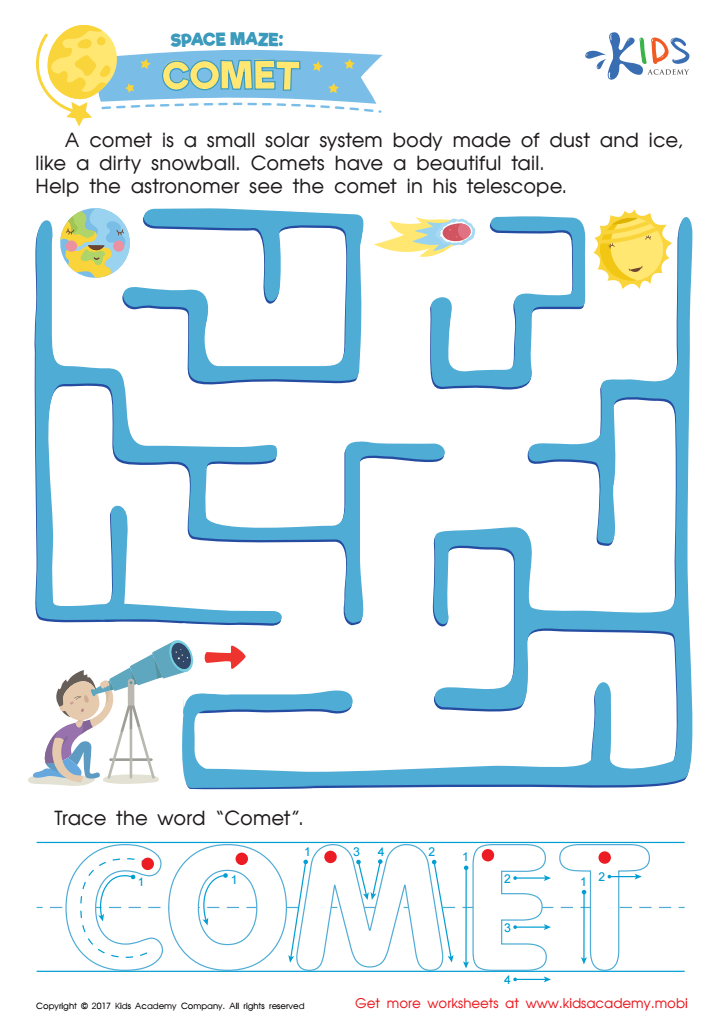
 Assign to My Students
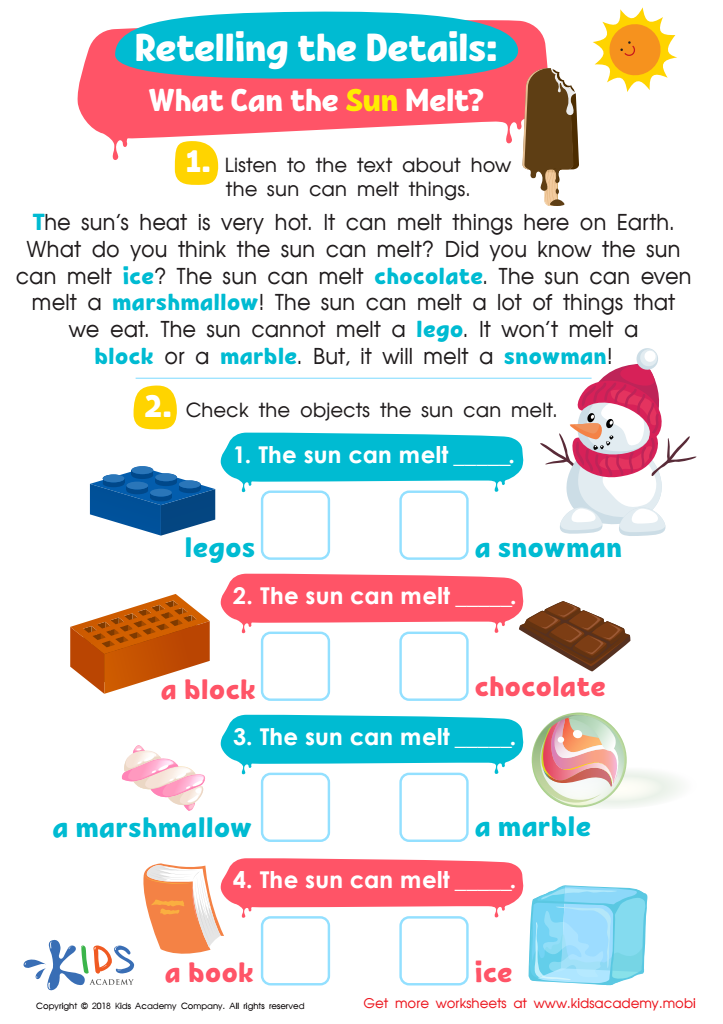
Retelling the Details: What Can the Sun Melt? Worksheet
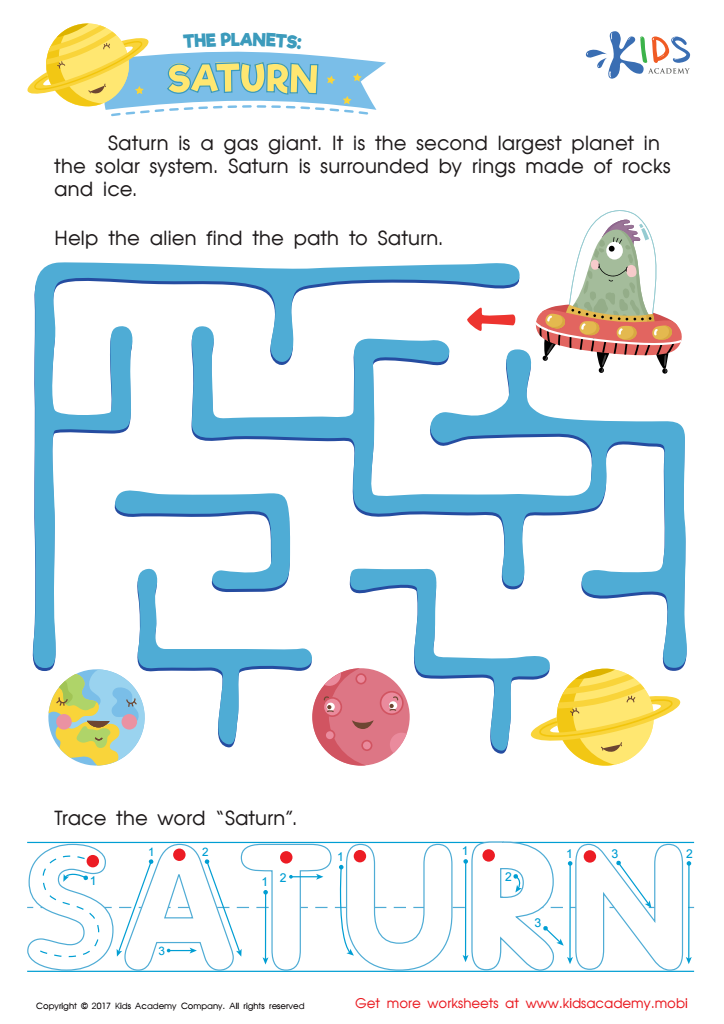
The Planets: Saturn Printable
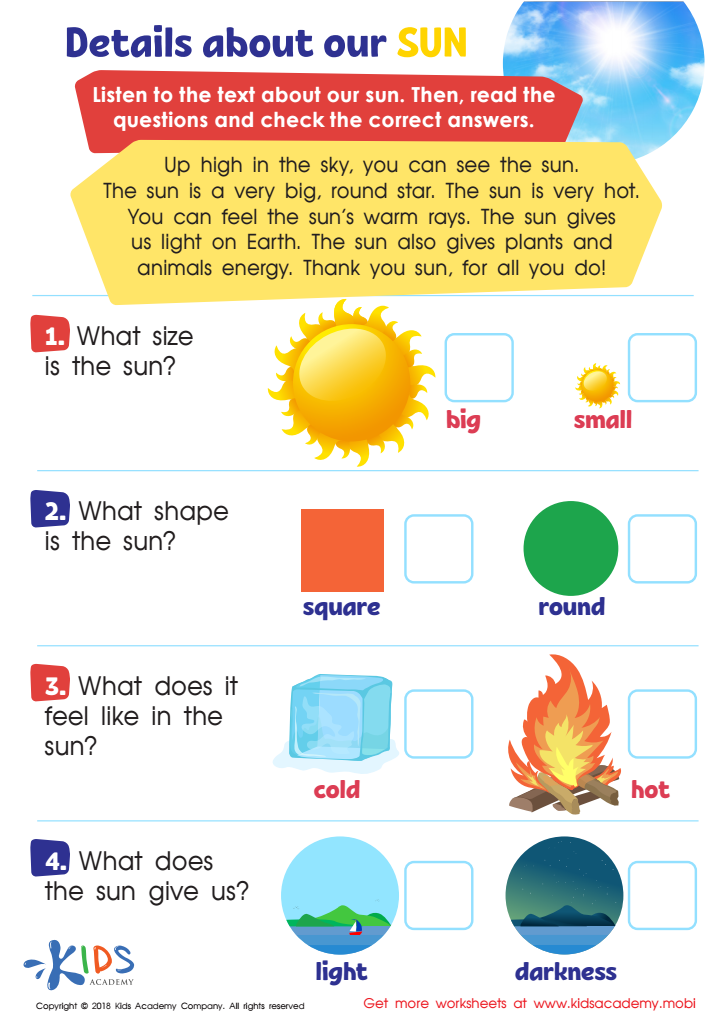
Details About Our Sun Worksheet





Engaging children aged 3-6 with space is immensely valuable for their development. At this formative stage, young minds are exceptionally curious, and exploring space can cater to their natural eagerness to learn. Introducing space-related topics stimulates their imagination, fostering creativity as they ponder the mysteries of the universe. This sense of wonder and curiosity can lay the groundwork for a lifelong interest in science and learning.
Learning about space also nurtures cognitive development. Through space-themed activities, children can develop crucial skills such as counting (e.g., number of planets), recognizing patterns (e.g., day and night cycles), and understanding basic scientific concepts like gravity and the properties of different planets. Spatial awareness and memory are also enhanced as they learn about various celestial objects' positions and movements.
Furthermore, exploring space promotes language development. Vocabulary expands with terms like "astronaut," "planet," and "telescope," while discussing space-themed stories and activities aids in developing better communication skills. Social skills are honed through collaborative activities like building model rockets or playing space-related games with peers, highlighting teamwork and cooperation.
In summary, engaging young children with space is more than just fun – it stimulates their curiosity, supports cognitive and language development, and fosters essential social skills, laying a robust foundation for their future educational journey.