ABC Order Worksheets for Ages 3-7 - Page 2
26 filtered results
-
From - To
Letter T Tracing Page
 Assign to My Students





Letter D Tracing Page








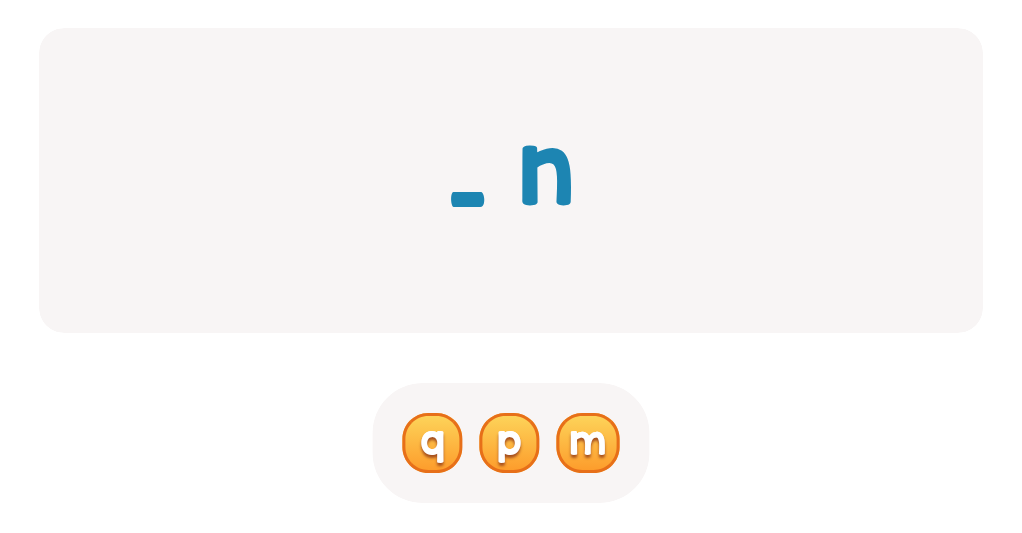
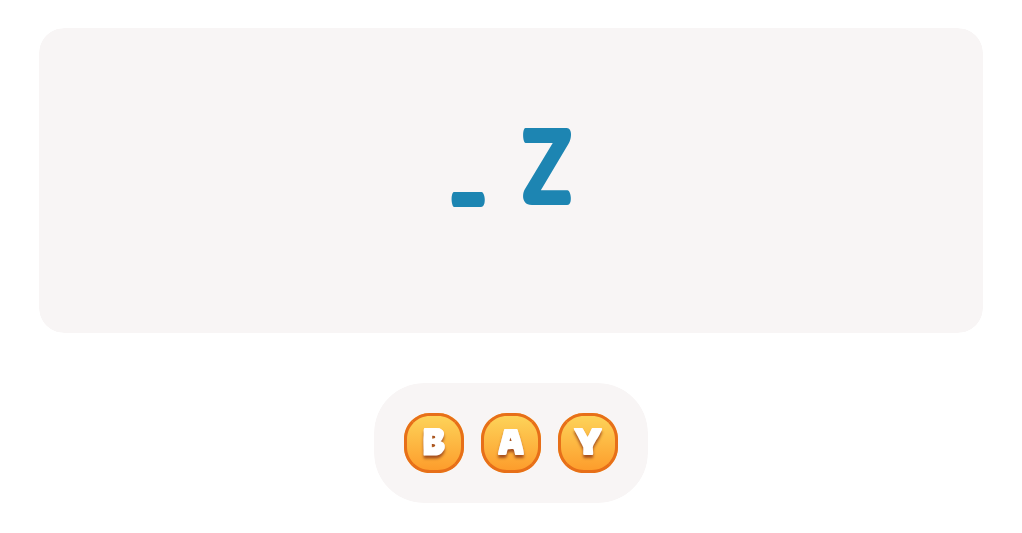
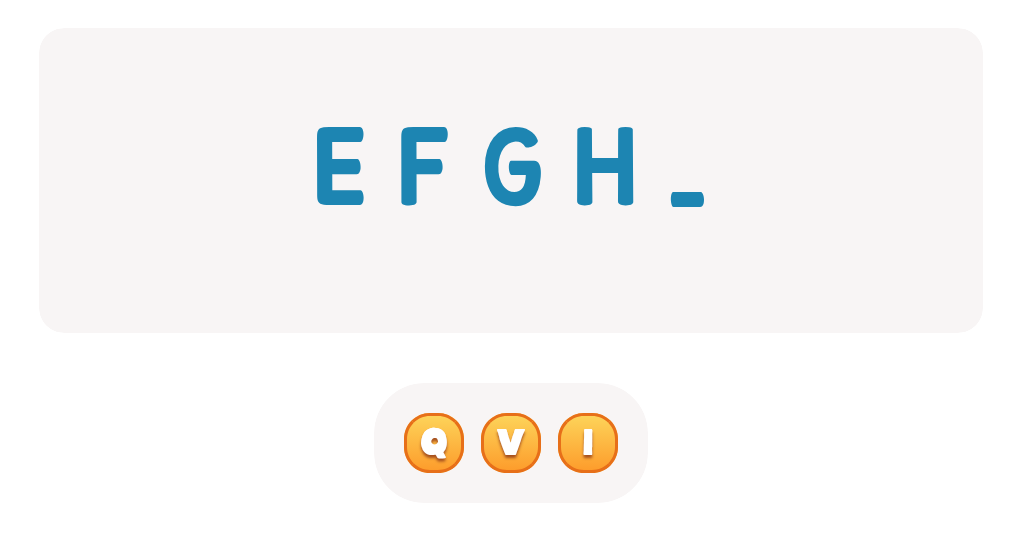
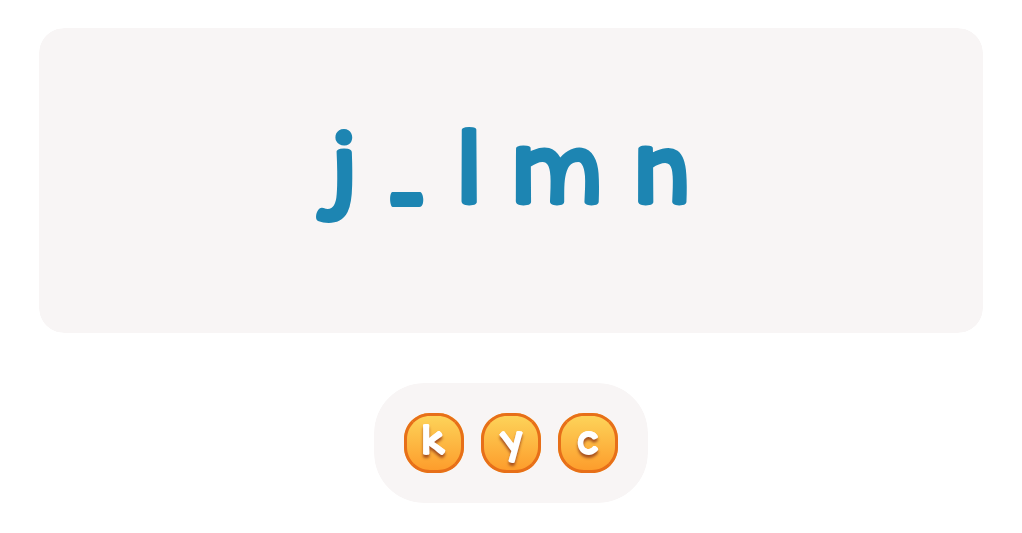
Teaching young children the ABC order is crucial for their cognitive and literacy development. For ages 3-7, mastering the alphabet and understanding its order lays the foundation for reading and writing skills. When children learn ABC order, they develop phonemic awareness, which helps them recognize that letters represent sounds, ultimately enabling them to decode words.
Additionally, understanding alphabetical order enhances organizational skills. Children often encounter lists, dictionaries, and encyclopedias as they grow, making it important for them to navigate information efficiently. Familiarity with ABC order helps them locate words quickly and understand resource structures, which promotes independent learning.
Moreover, engaging with letters and sequences fosters a sense of achievement and confidence. For parents and teachers, this presents an opportunity to introduce fun activities, such as alphabet songs, games, and interactive storytelling, making learning enjoyable.
Encouraging children to practice arranging their names, toys, or books alphabetically can promote collaboration, communication, and social skills. Ultimately, a solid grasp of ABC order not only enriches a child’s elementary education but also supports lifelong learning habits, making it an invaluable focus for parents and educators alike.