Phonics Worksheets for Ages 3-7 - Page 10
224 filtered results
-
From - To
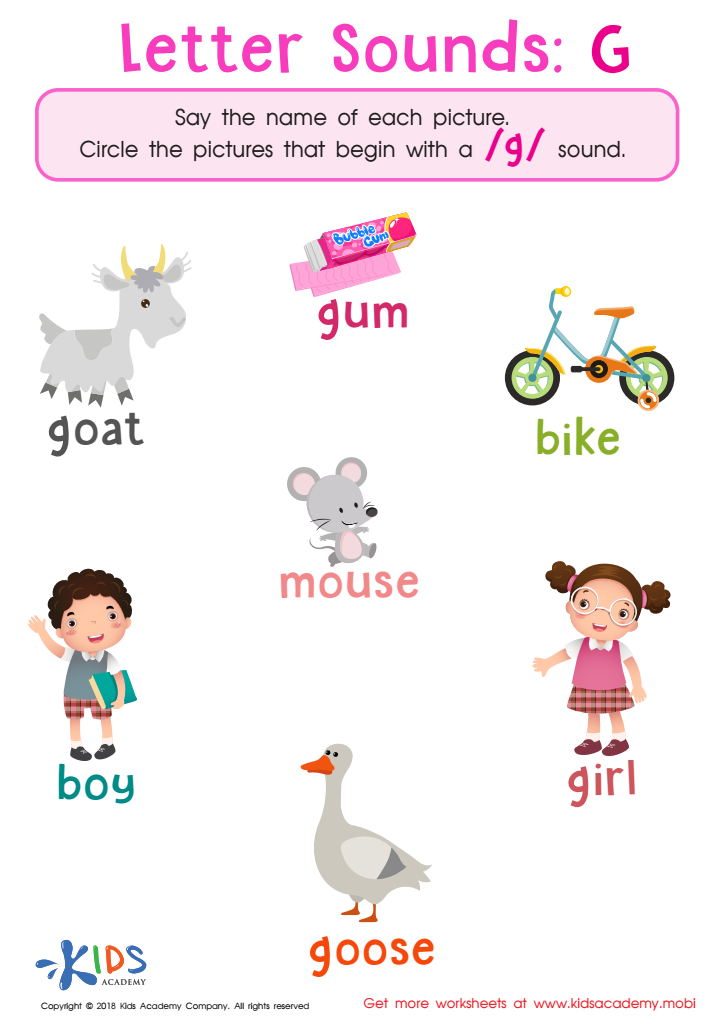
Letter G Sounds Worksheet
 Assign to My Students
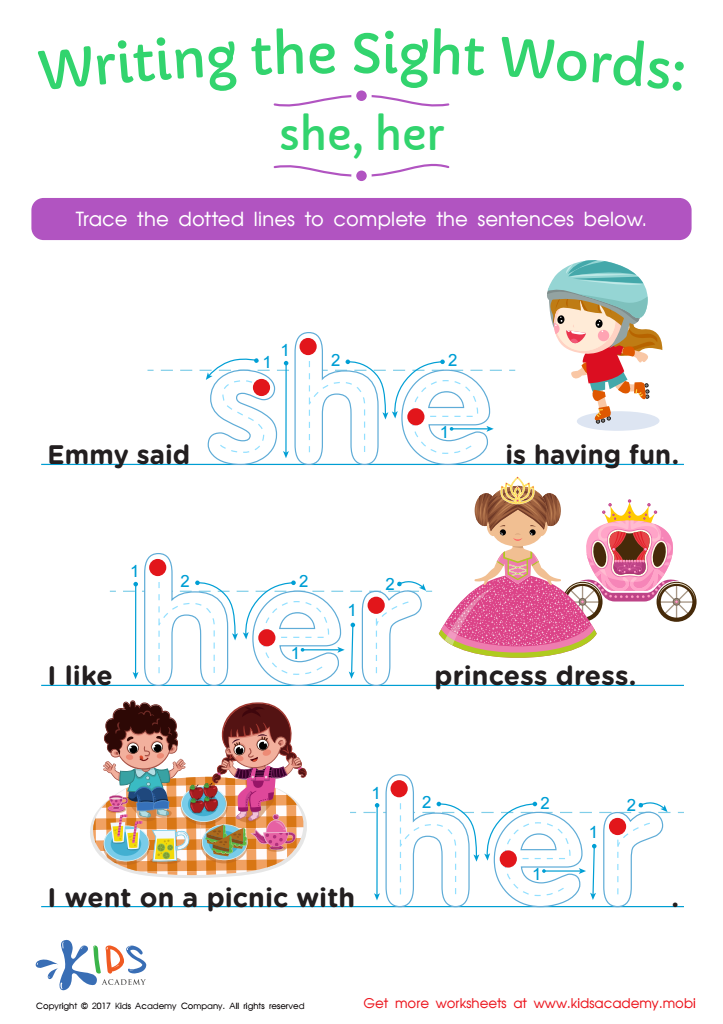
She, Her Printable Sight Words Worksheet
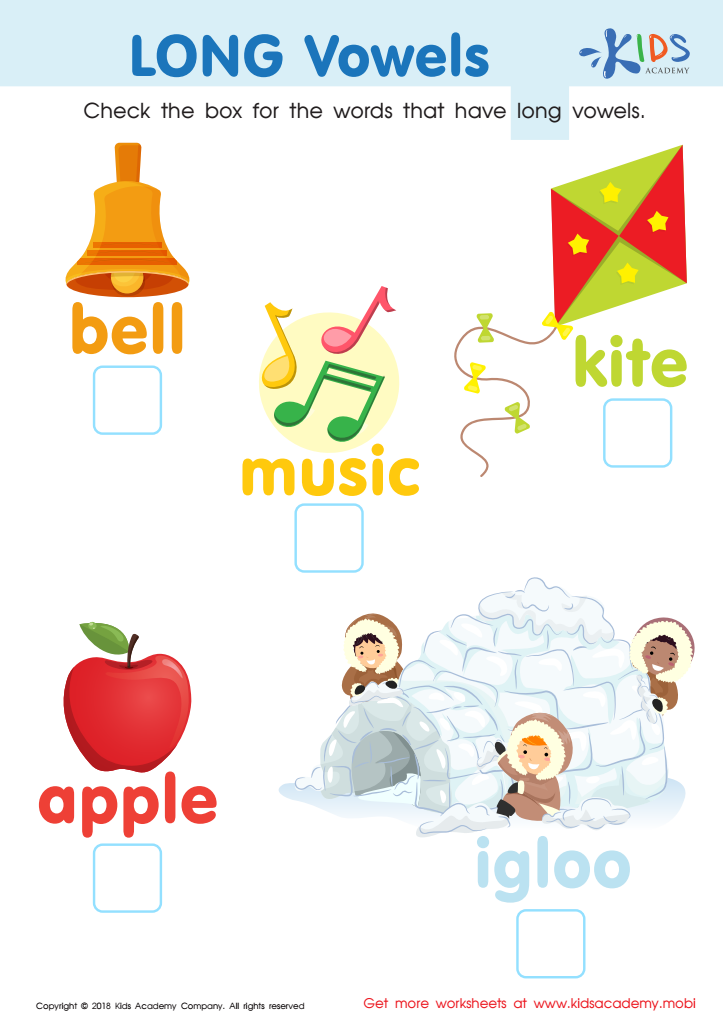
long vowels Worksheet
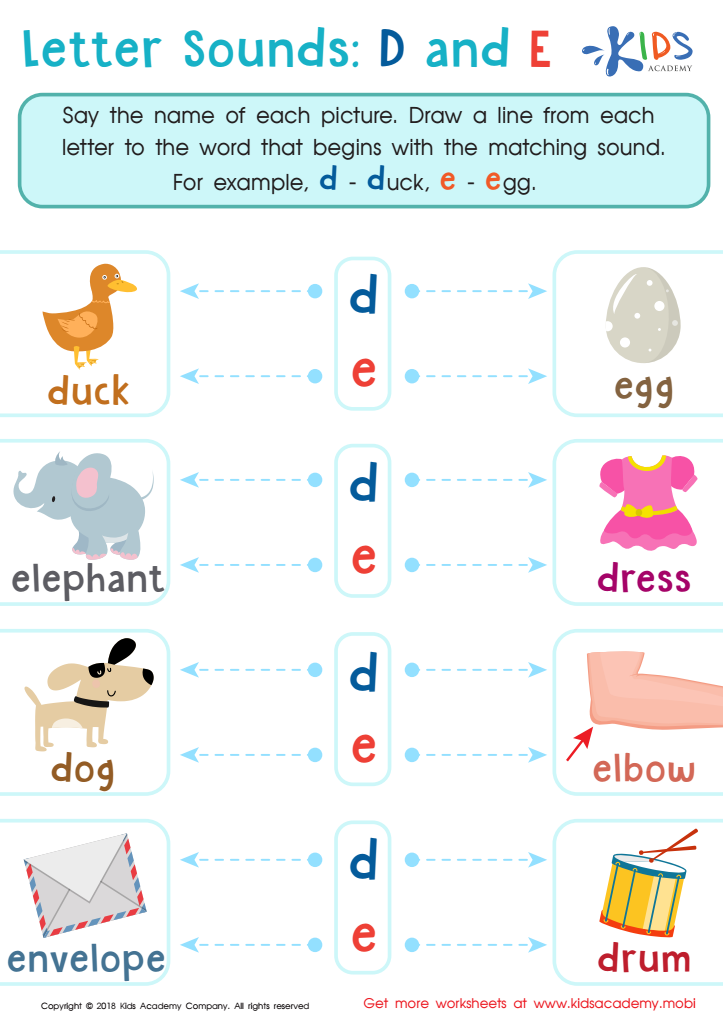
Letter D and E Sounds Worksheet
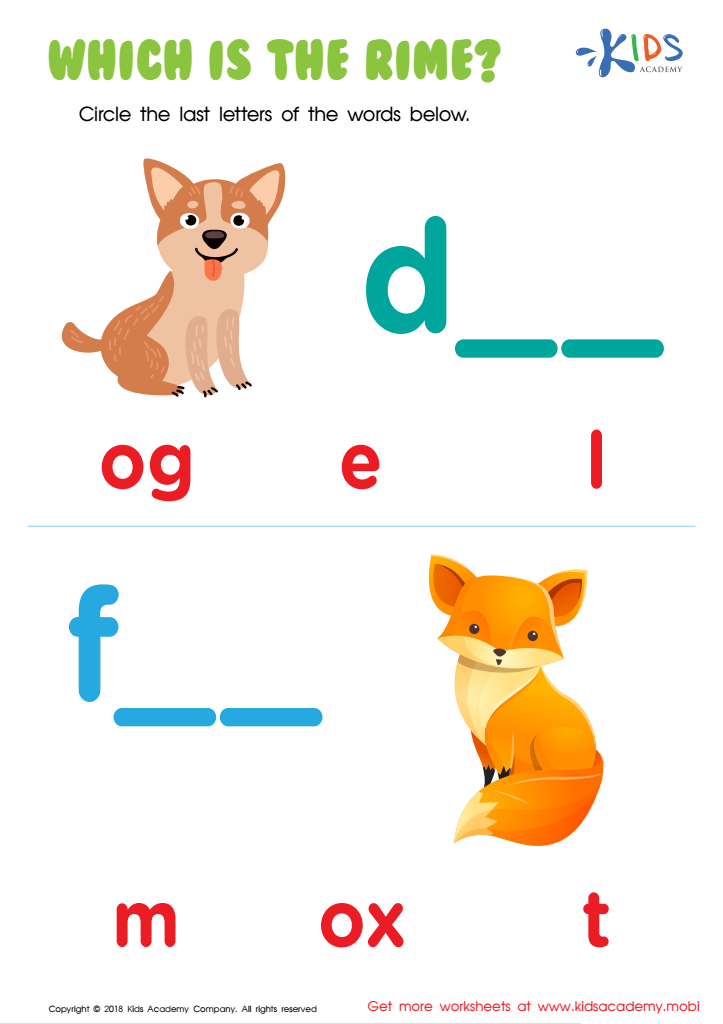
Which Is the Rime? Worksheet
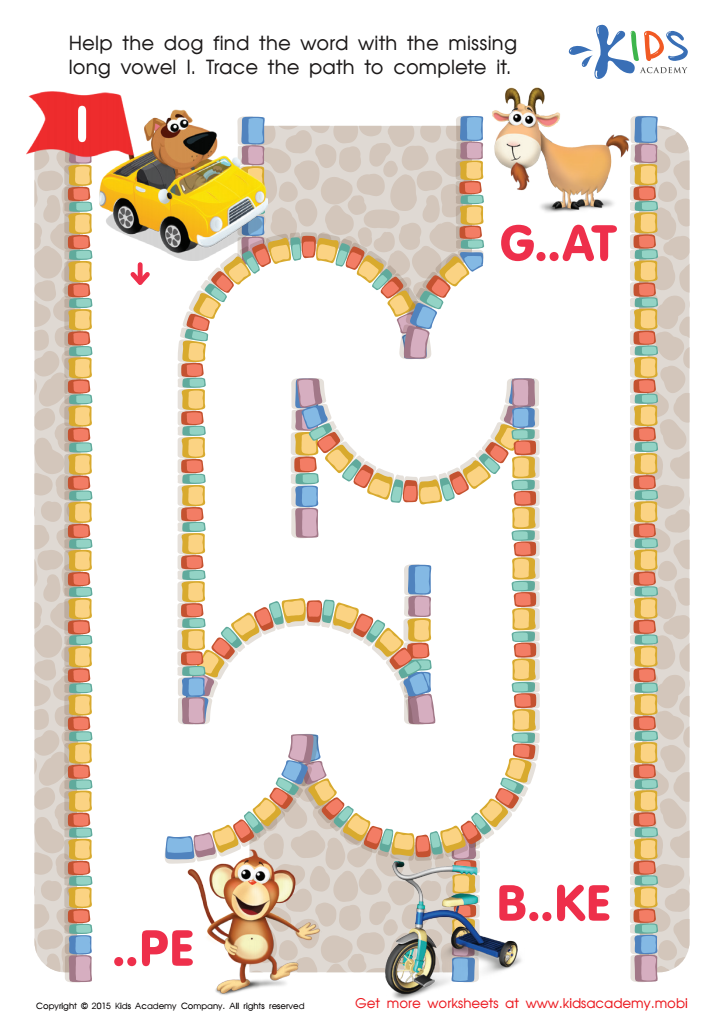
Long Vowel Sound I Worksheet
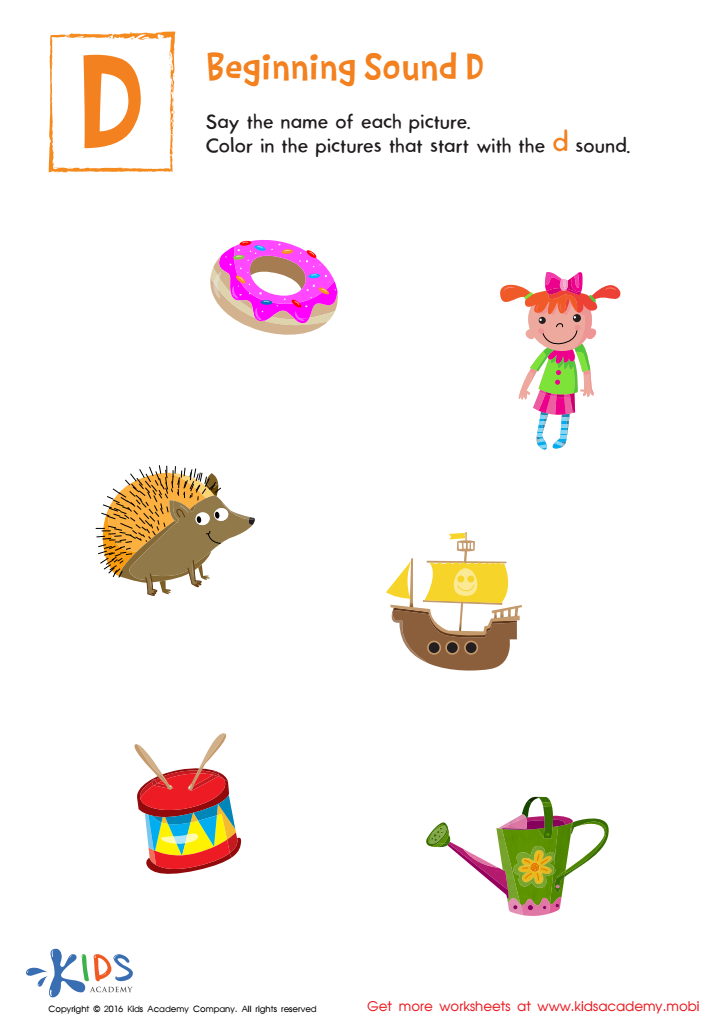
Beginning Sound D Worksheet
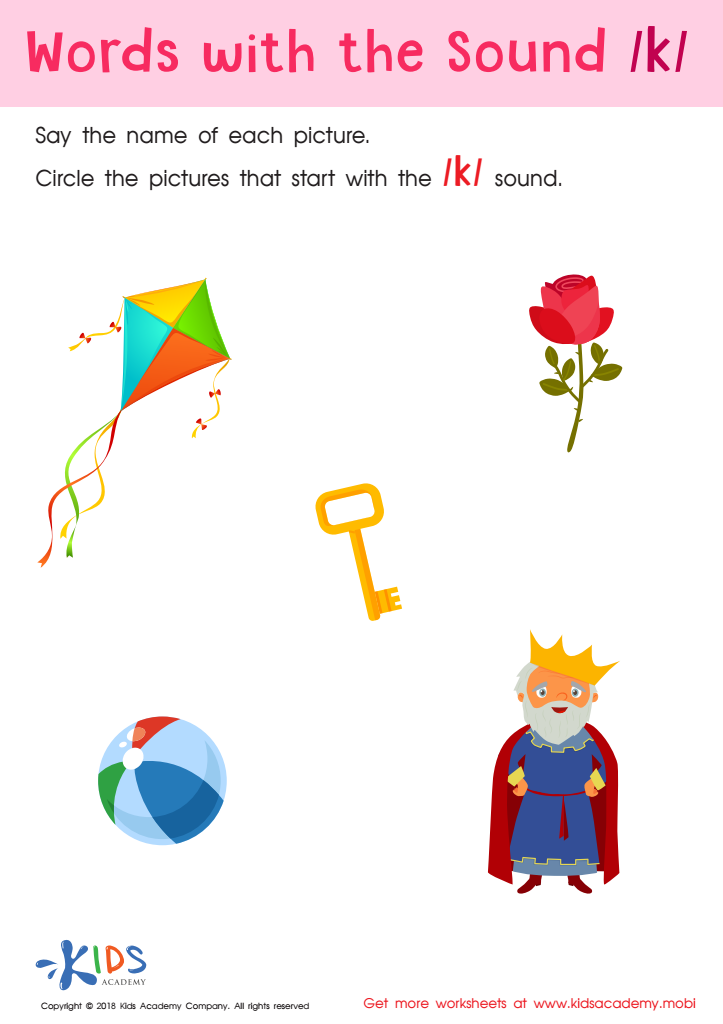
Words with sound k Reading Worksheet








Phonics is a critical component of early literacy development for children aged 3 to 7, and it is essential for parents and teachers to prioritize this method of teaching. Phonics involves understanding the relationship between sounds (phonemes) and their corresponding letters or groups of letters (graphemes). This foundational skill enables children to decode words, boosting their reading fluency and comprehension.
A strong grasp of phonics provides children with the tools necessary to read independently, facilitating their exploration of books and learning materials beyond the classroom. Research has consistently shown that a phonics-based approach enhances reading skills, leading to better academic performance as these children progress through their educational journey.
Additionally, phonics assists in developing spelling skills, which is critical for effective writing. Encouraging phonics at an early age fosters confidence and a love for reading, thereby promoting lifelong learning.
For parents and teachers, incorporating phonics activities—such as games, songs, and hands-on practice—into daily routines can help reinforce these skills in engaging ways. By caring about phonics instruction, parents and teachers lay the groundwork for literacy success, enabling children to communicate, think critically, and engage with the world around them.







