Animals Worksheets for Ages 3-7 - Page 3
52 filtered results
-
From - To
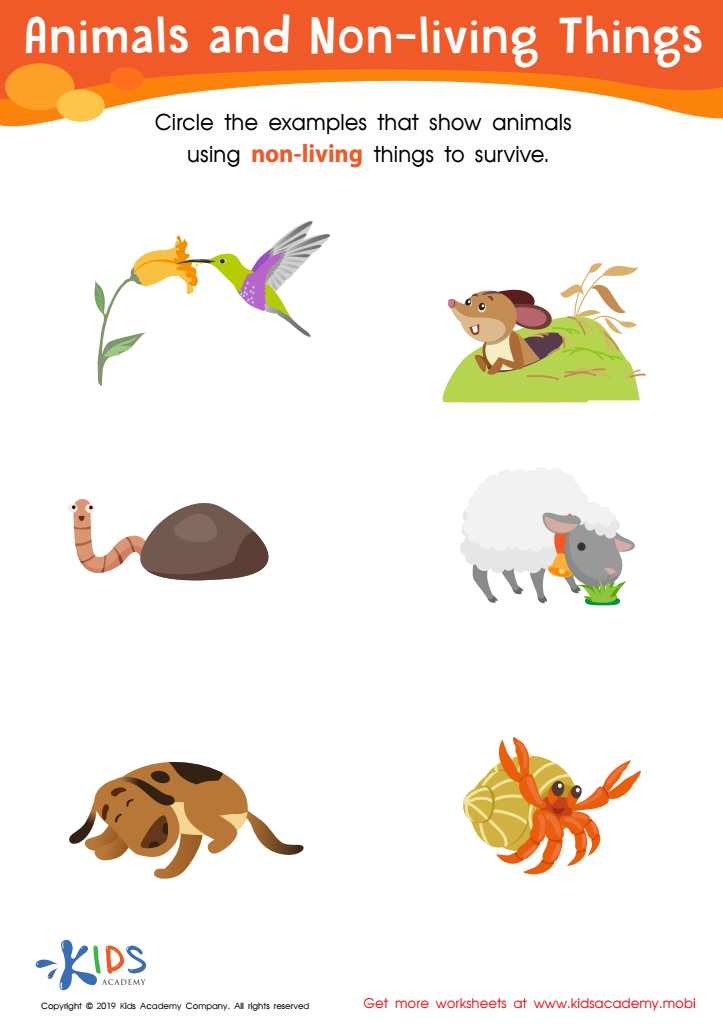
Animals and Non-Living Things Worksheet
 Assign to My Students
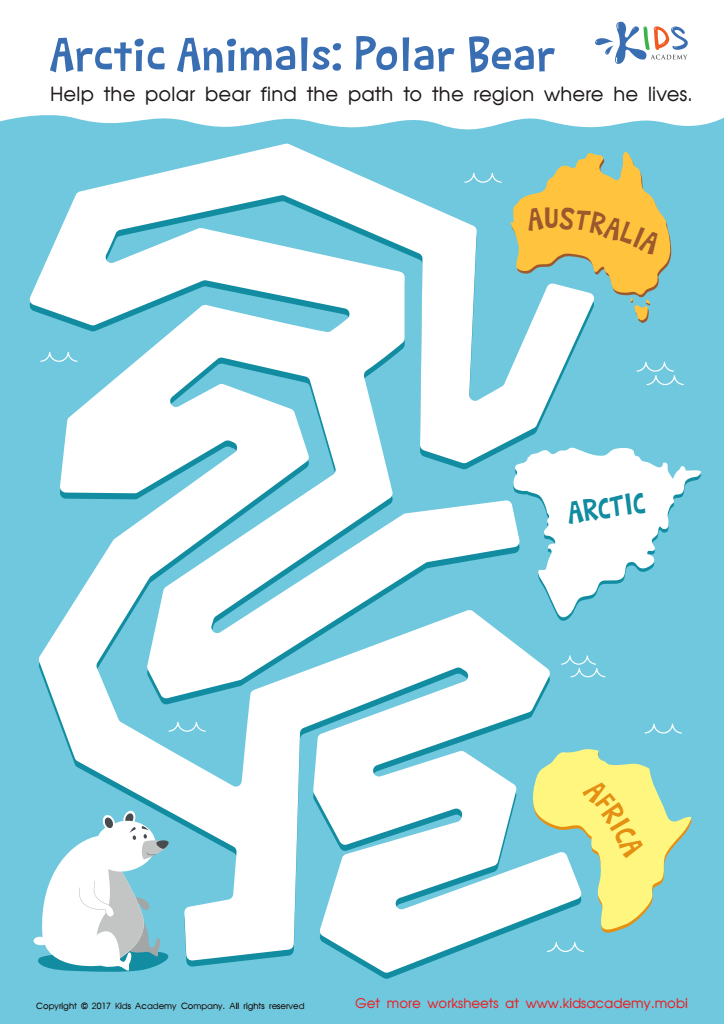
Arctic Animals: Polar Bear Worksheet
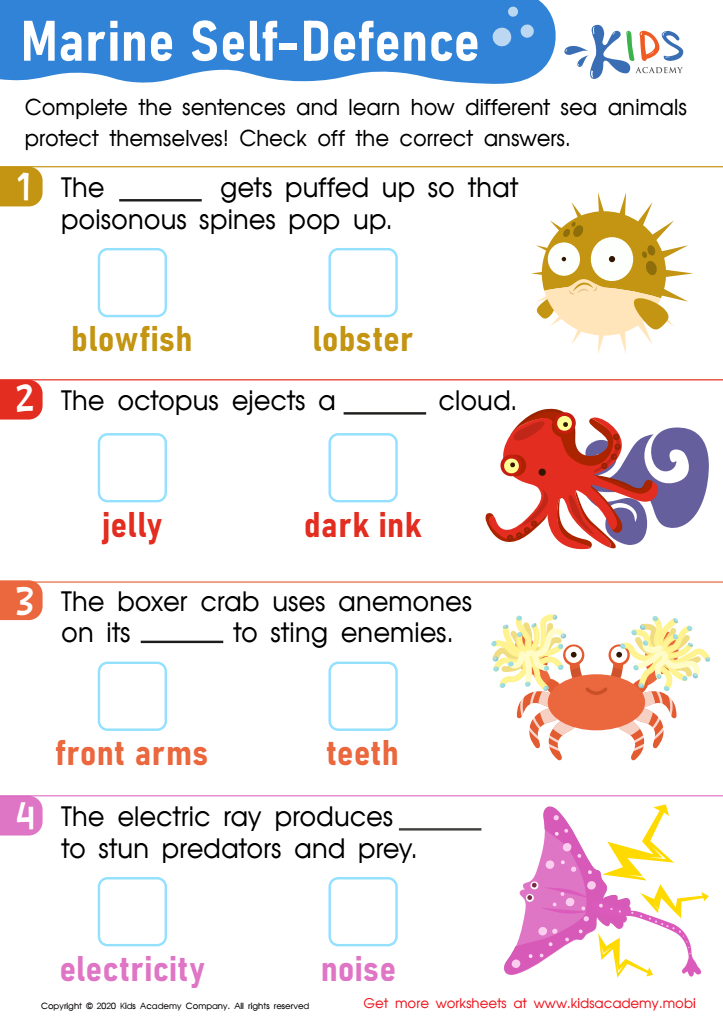
Marine Self-Defence Worksheet
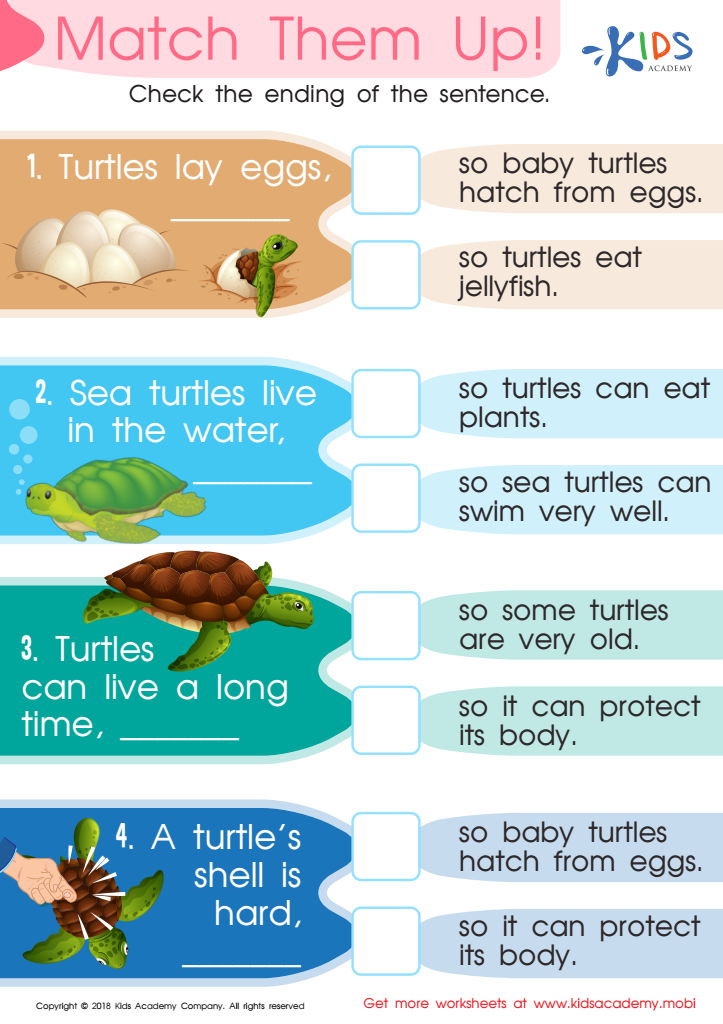
Match Them Up Worksheet








Caring for animals is a vital aspect of children's development, especially for those in the age group of 3-7 years. At this developmental stage, children are avid learners and highly impressionable, often absorbing information and values from their surroundings. Introducing them to animals fosters empathy, responsibility, and compassion—traits essential for their emotional and social growth.
Animals can provide a unique, hands-on learning experience. For instance, observing animal behavior can teach children about life sciences, while taking care of pets helps them understand basic needs, such as food, water, shelter, and love. Moreover, interacting with animals can improve communication skills and cognitive abilities; naming animals or describing their characteristics can add to linguistic and observational skills.
Exposing children to animals can also have immense therapeutic benefits, such as reducing stress and anxiety, and improving attention span. For kids who might be struggling with emotional challenges, animals often provide unconditional love and a sense of security, potentially improving mental well-being.
Incorporating animal-related activities in daily routines or educational curriculums builds a foundation of appreciation for living beings and the environment that can extend into adult life. Therefore, the engagement with animals at a young age can have far-reaching impacts, promoting a nurturing mindset and respectful attitudes towards all forms of life.