Comparing Numbers Worksheets for Ages 3-8 - Page 2
52 filtered results
-
From - To
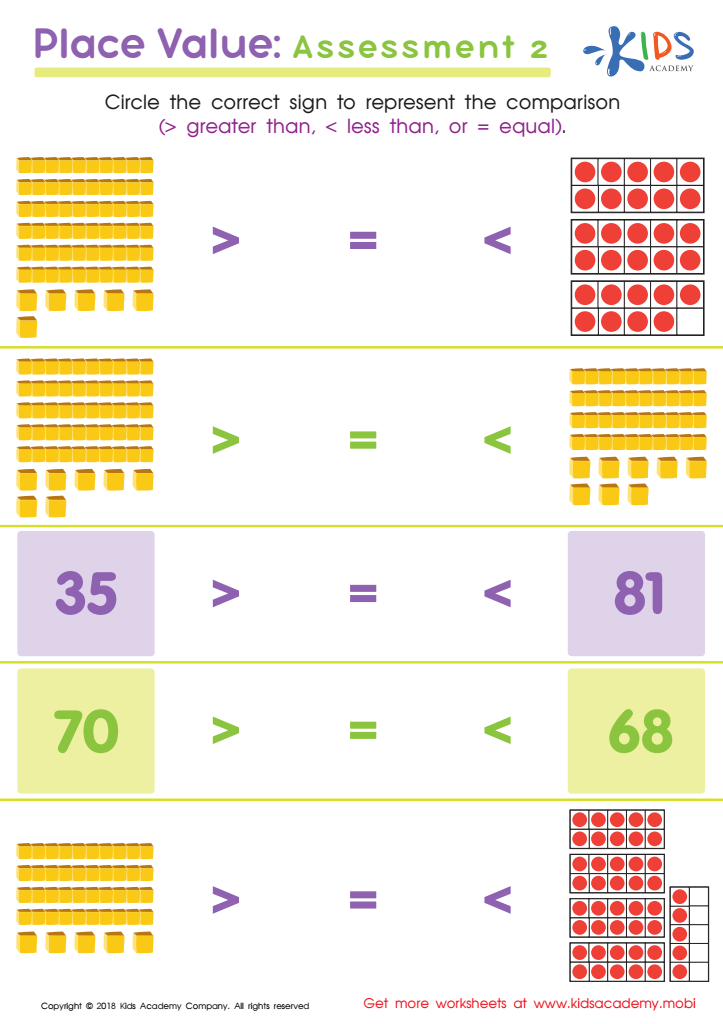
Place Value: Assessment 2 Worksheet
 Assign to My Students
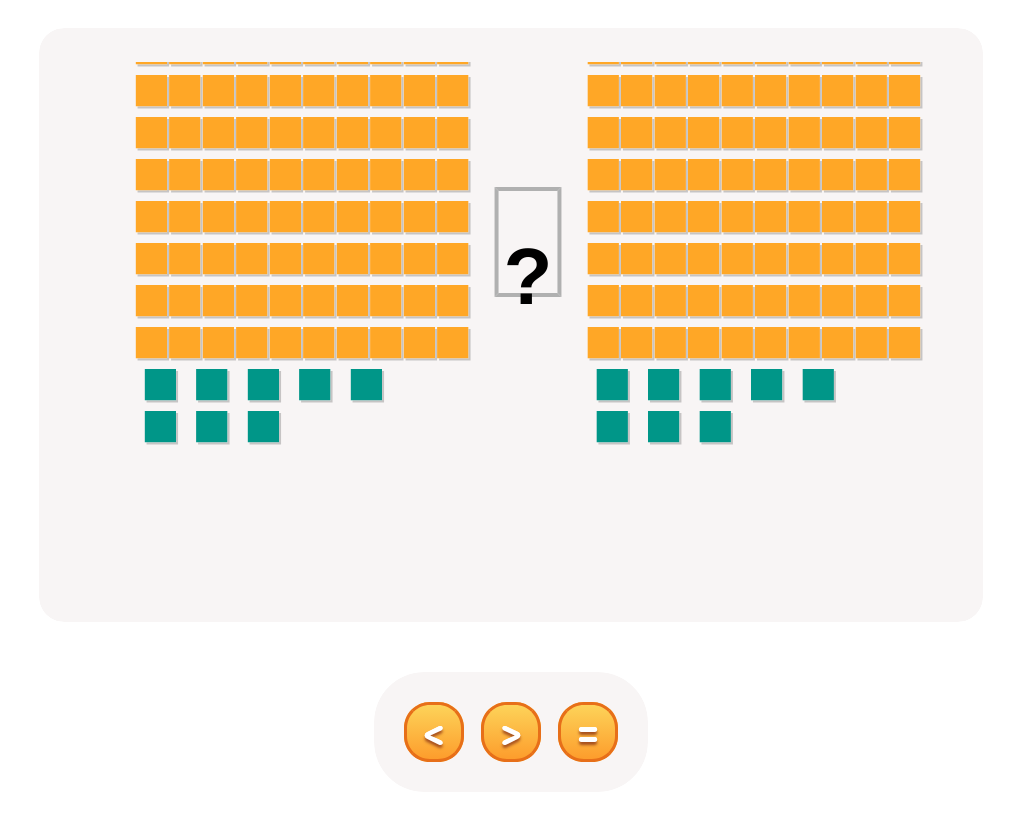

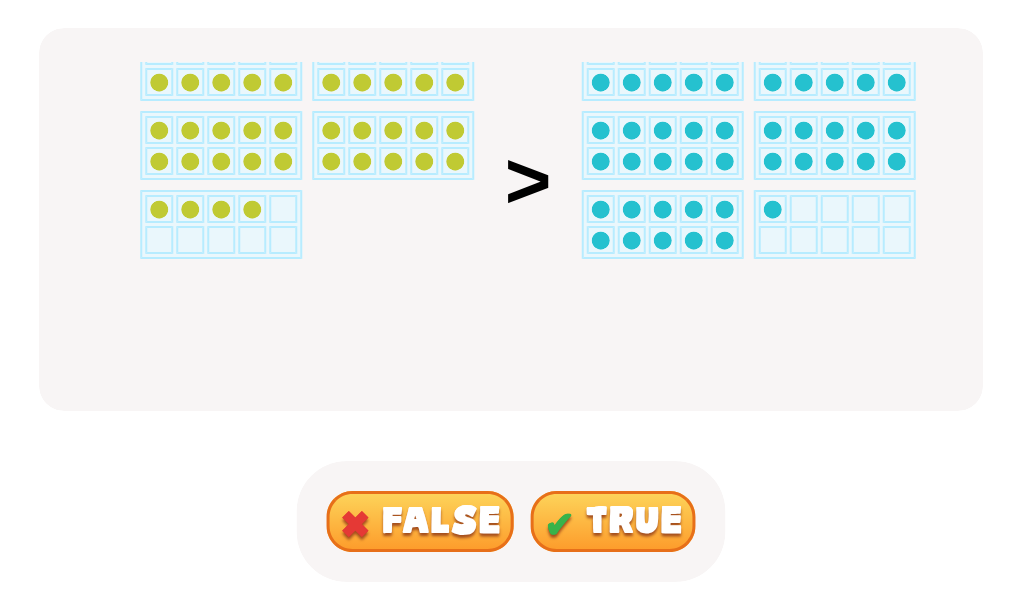
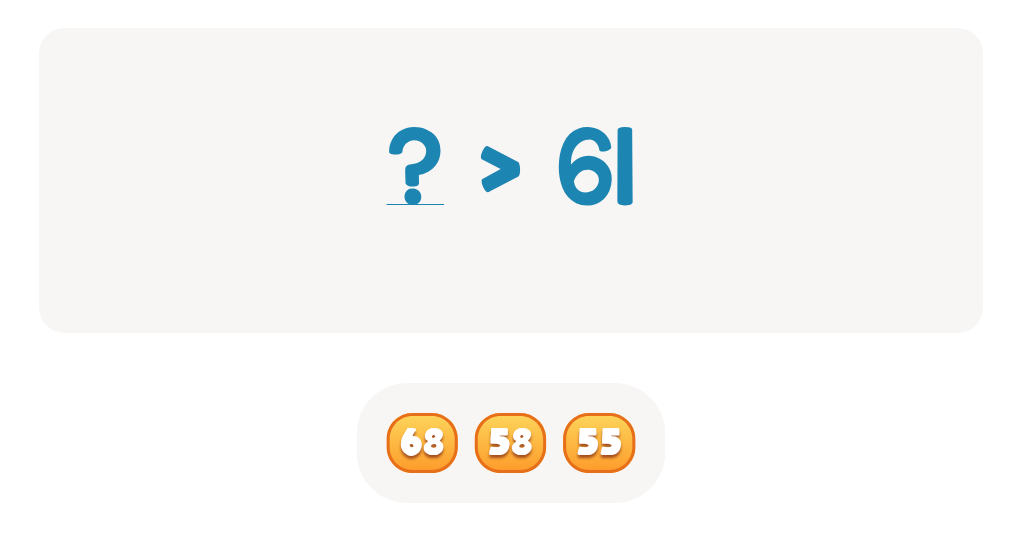
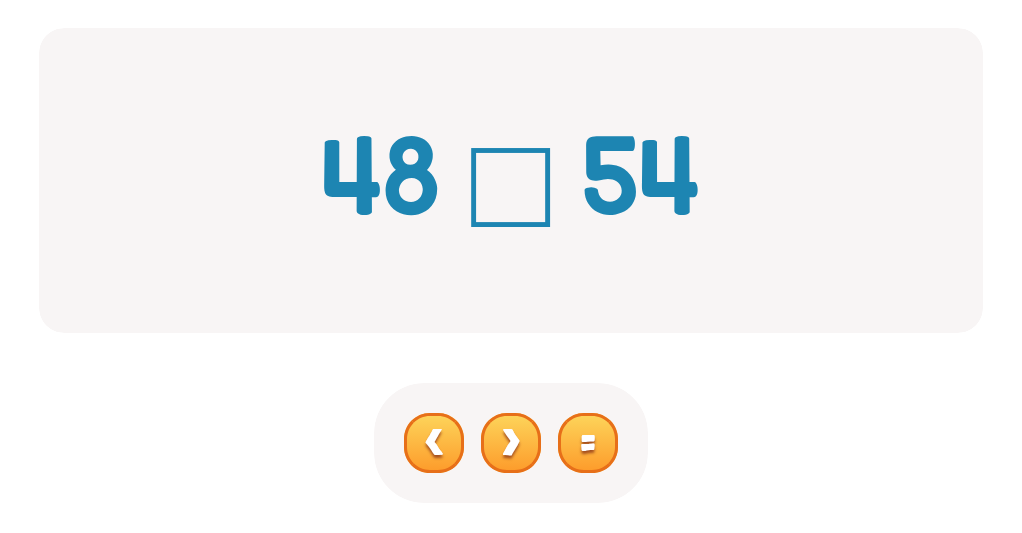
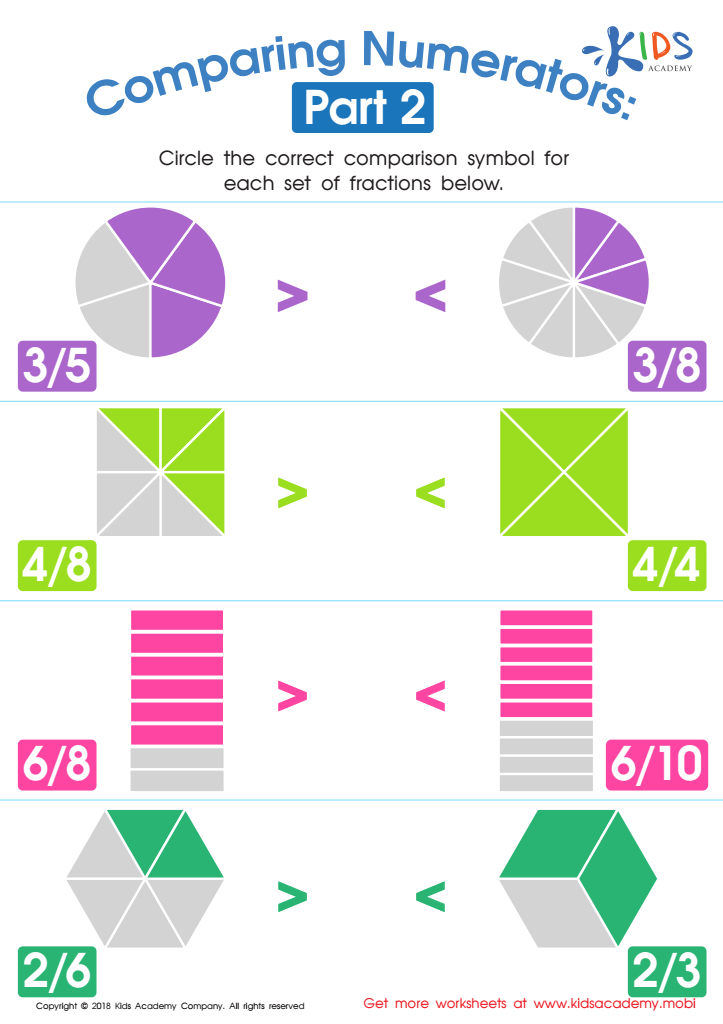
Comparing Numerators Part 2 Worksheet
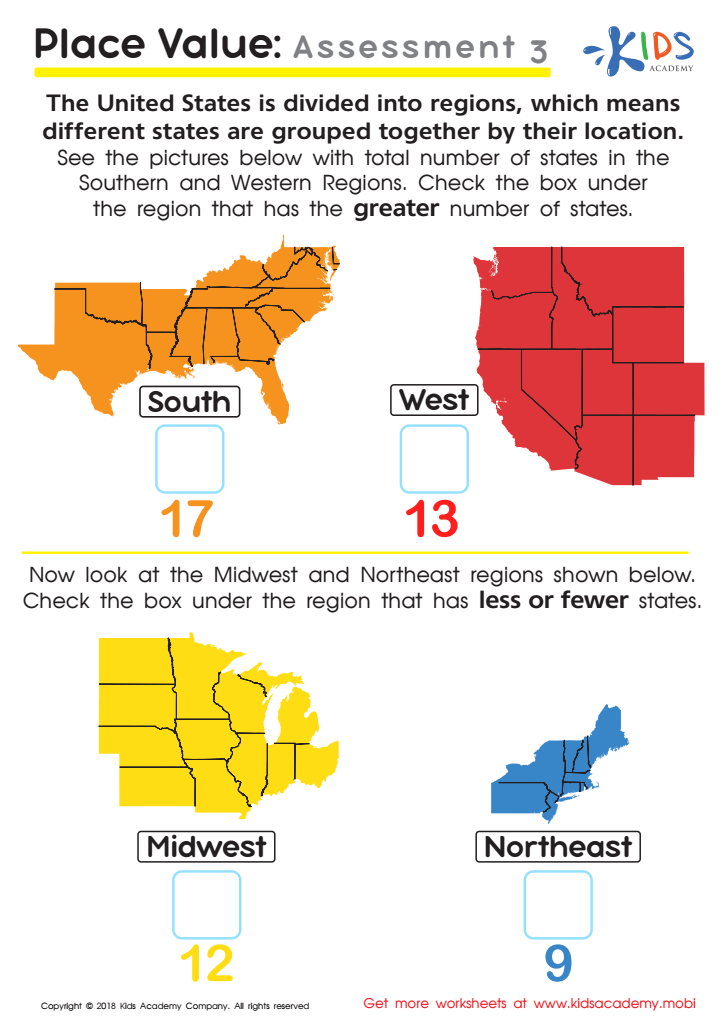
Place Value: Assessment 3 Worksheet
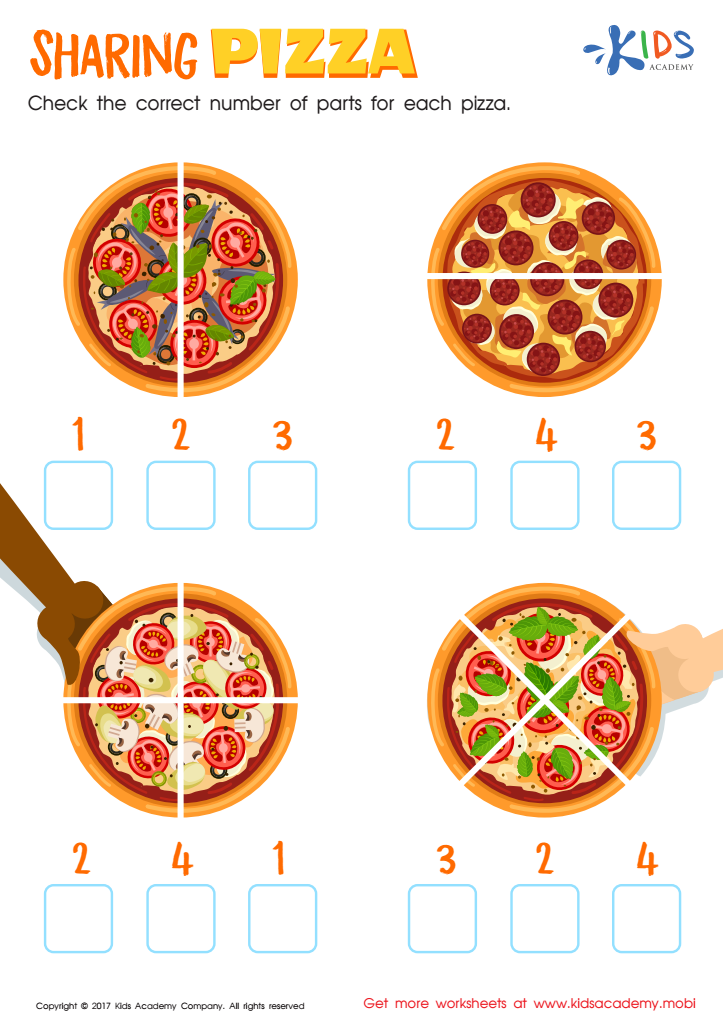
Sharing Pizza Worksheet
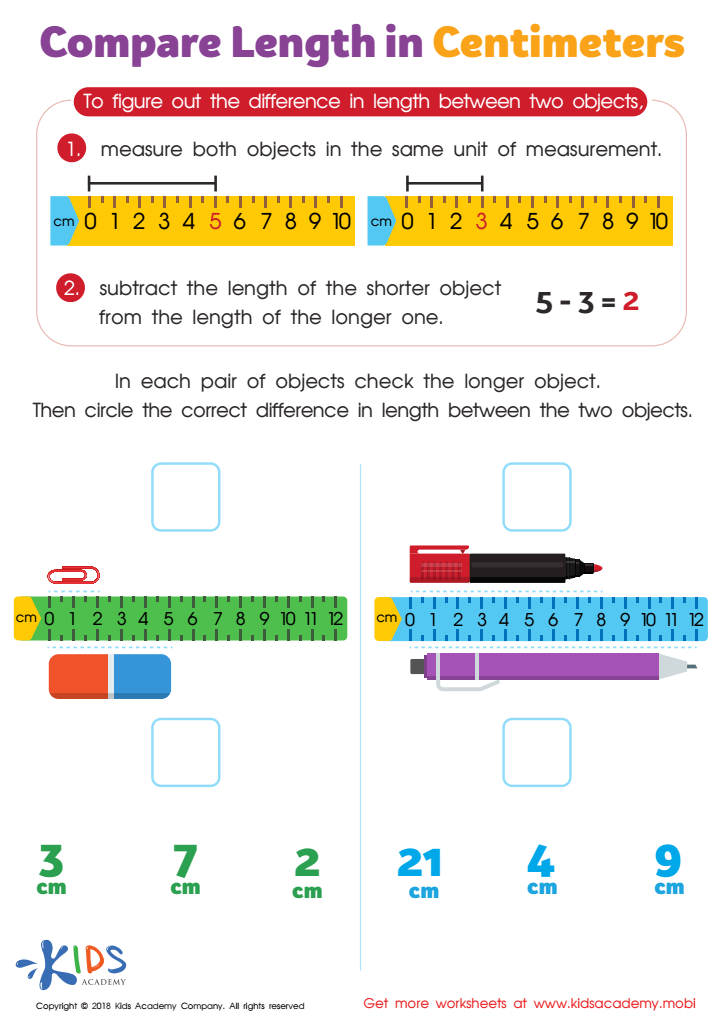
Compare Length in Centimeters Worksheet
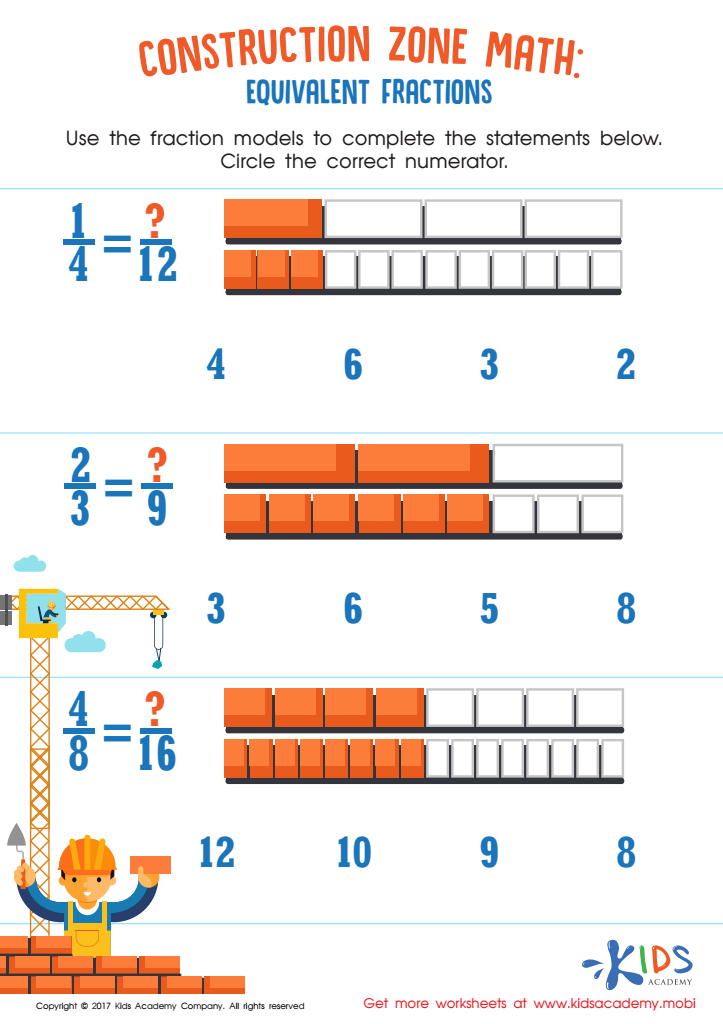
Equivalent Fractions Worksheet
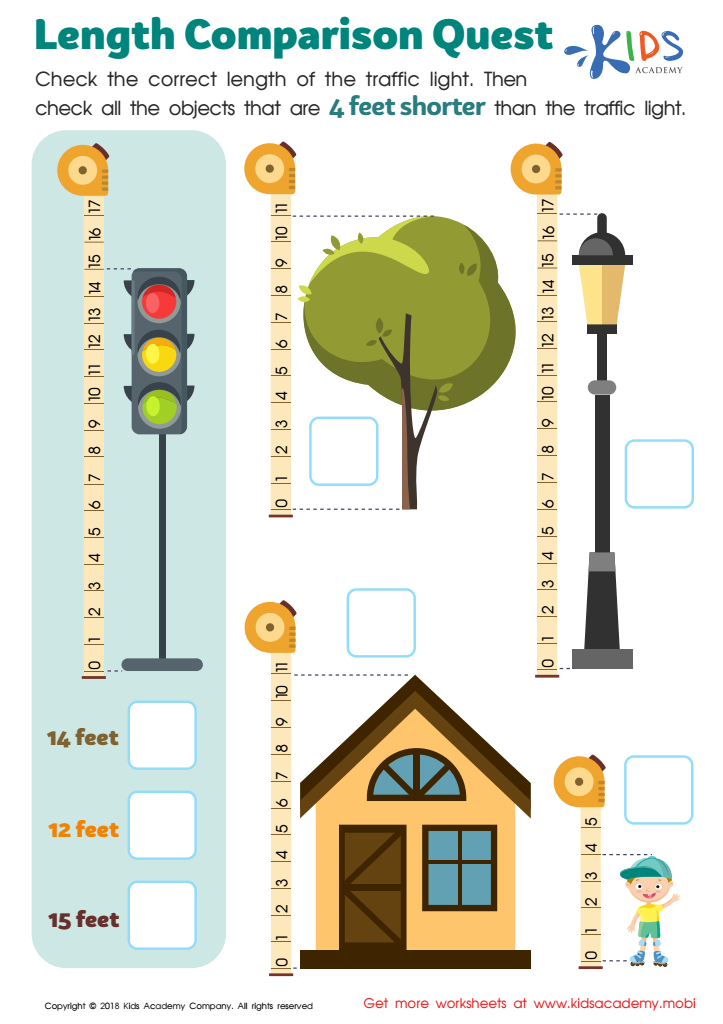
Length Comparison Quest Worksheet
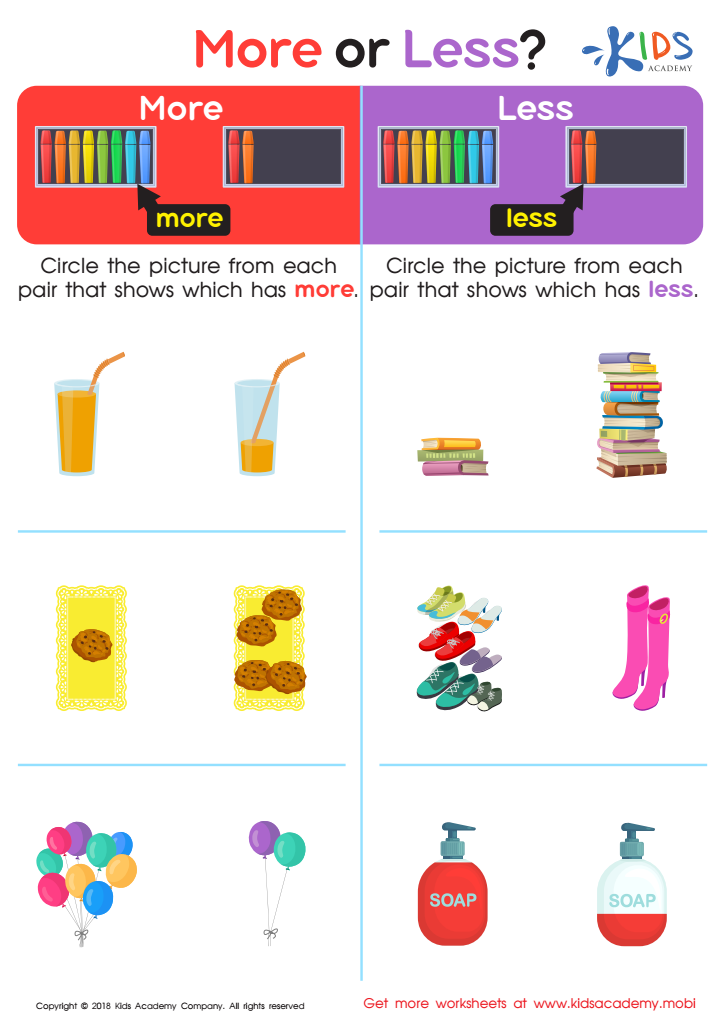
More or Less? Worksheet
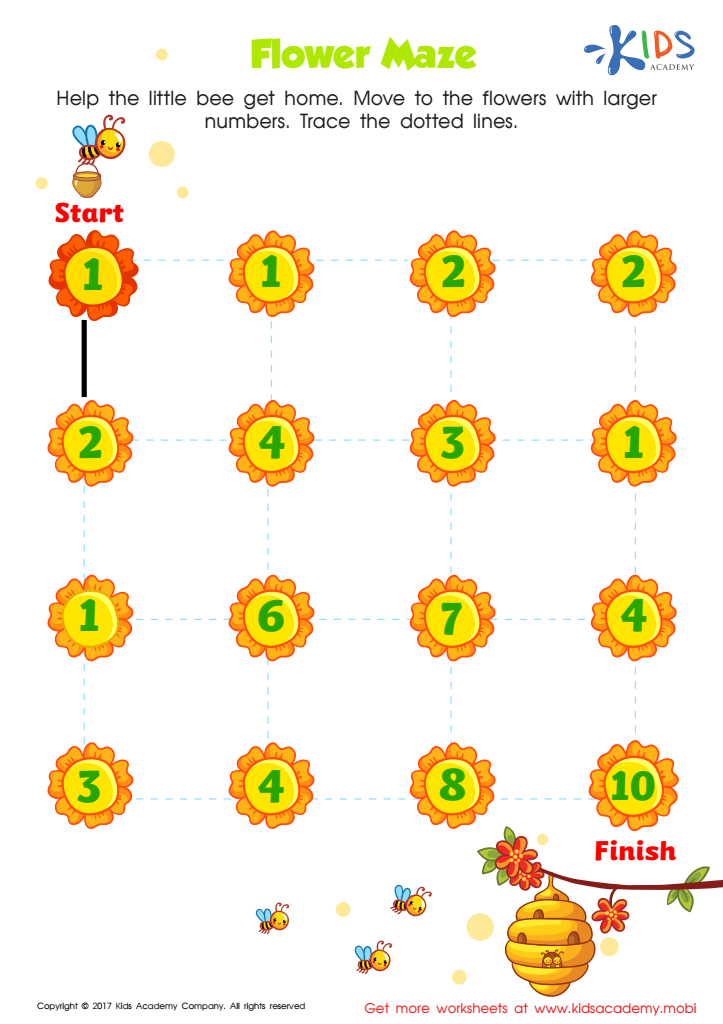
Number Maze For Kindergarten Printable
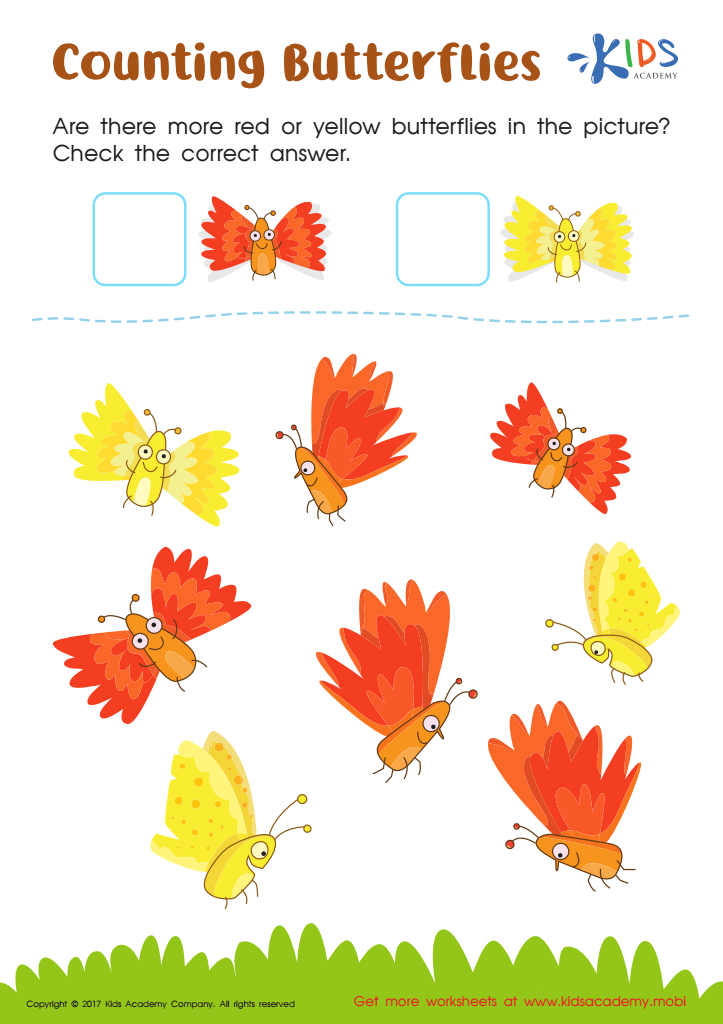
Counting Butterflies Worksheet
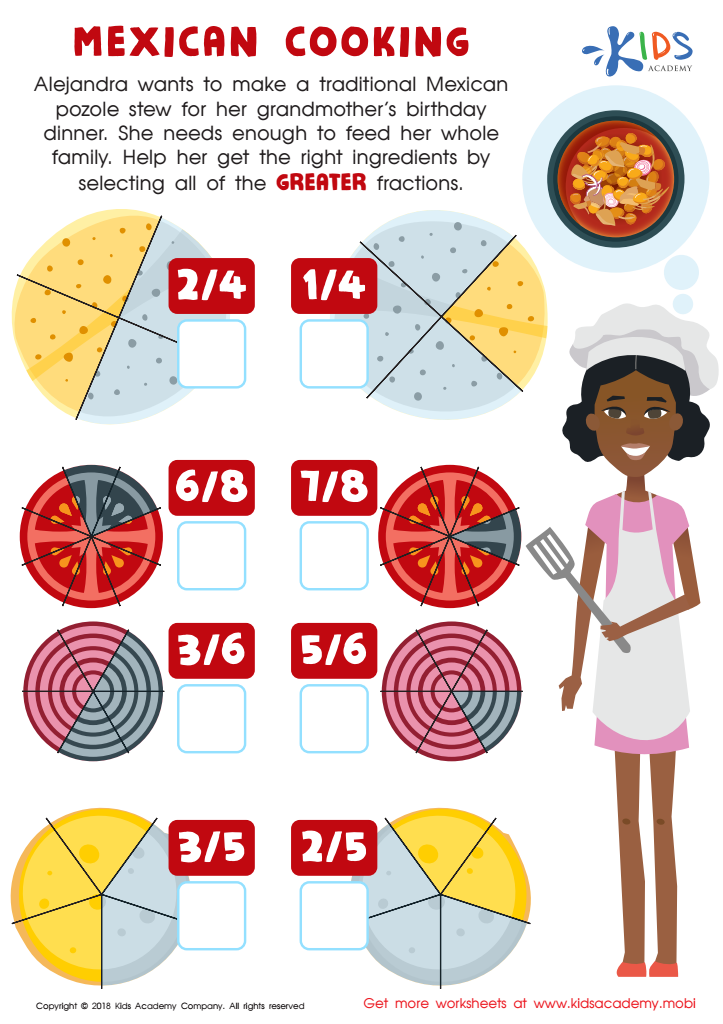
Mexican Cooking Worksheet
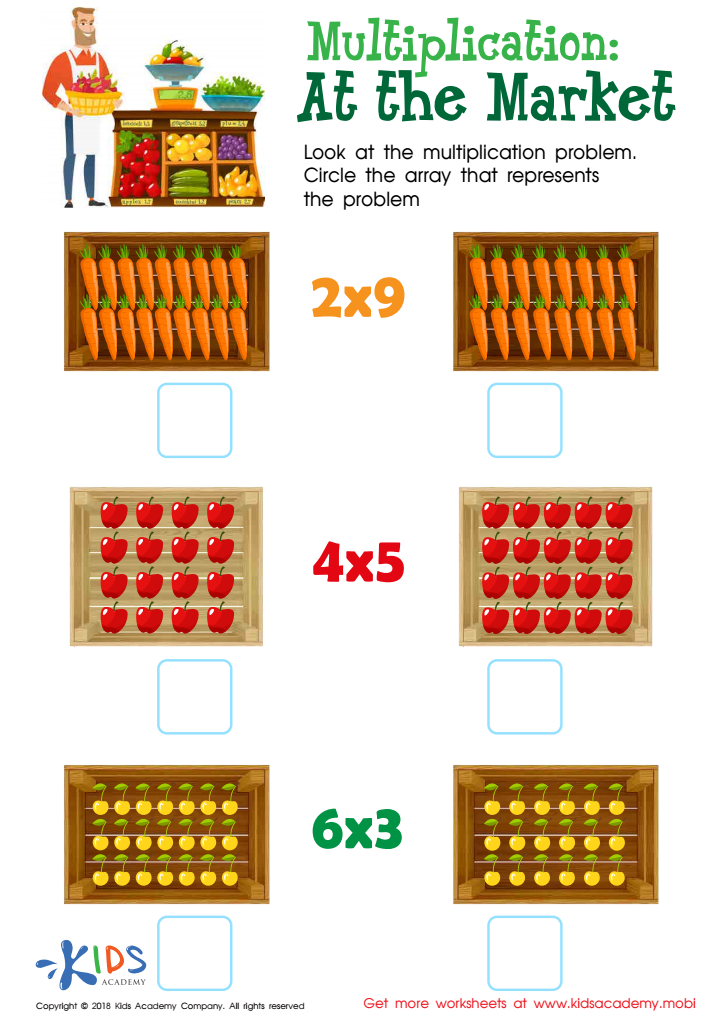
At the Market Worksheet
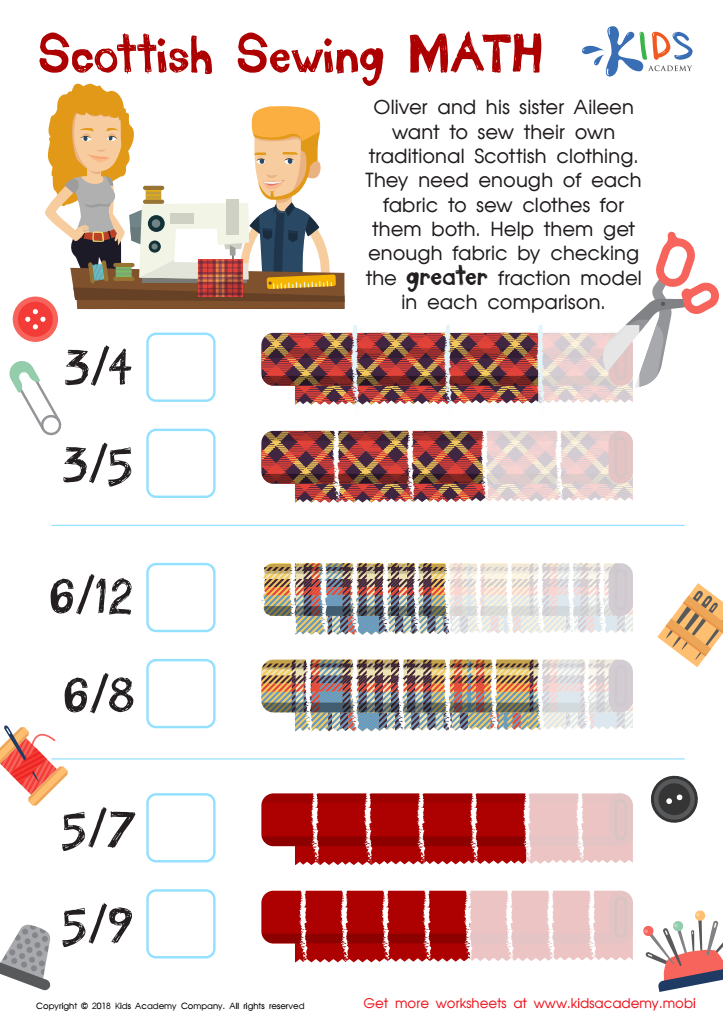
Scottish Sewing Math Worksheet
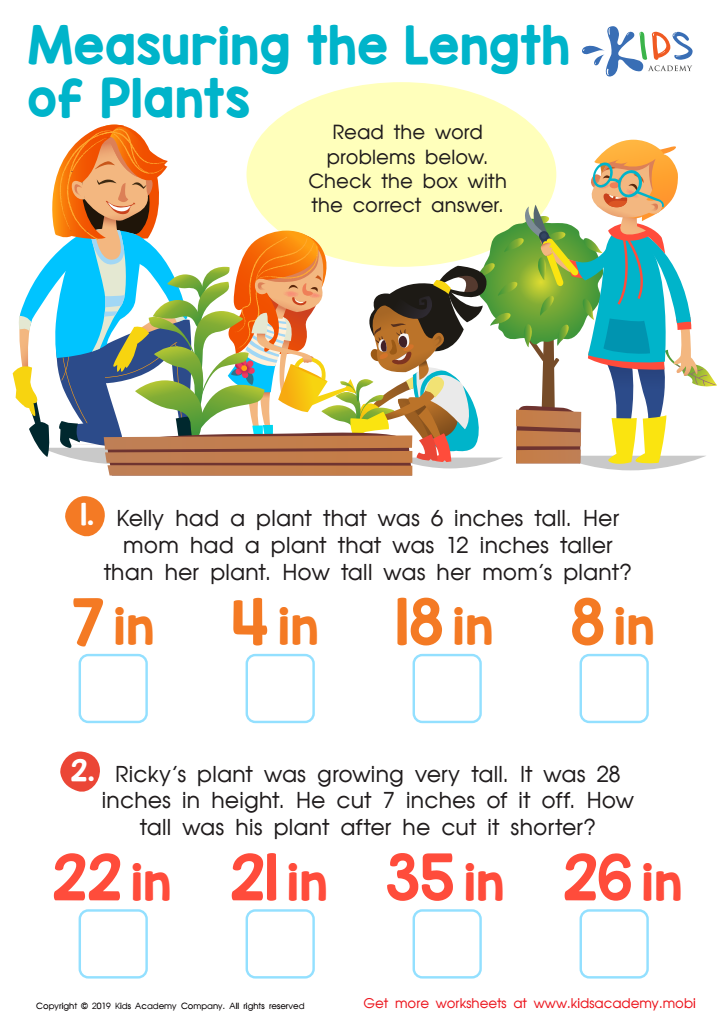
Measuring the Length of Plants Worksheet
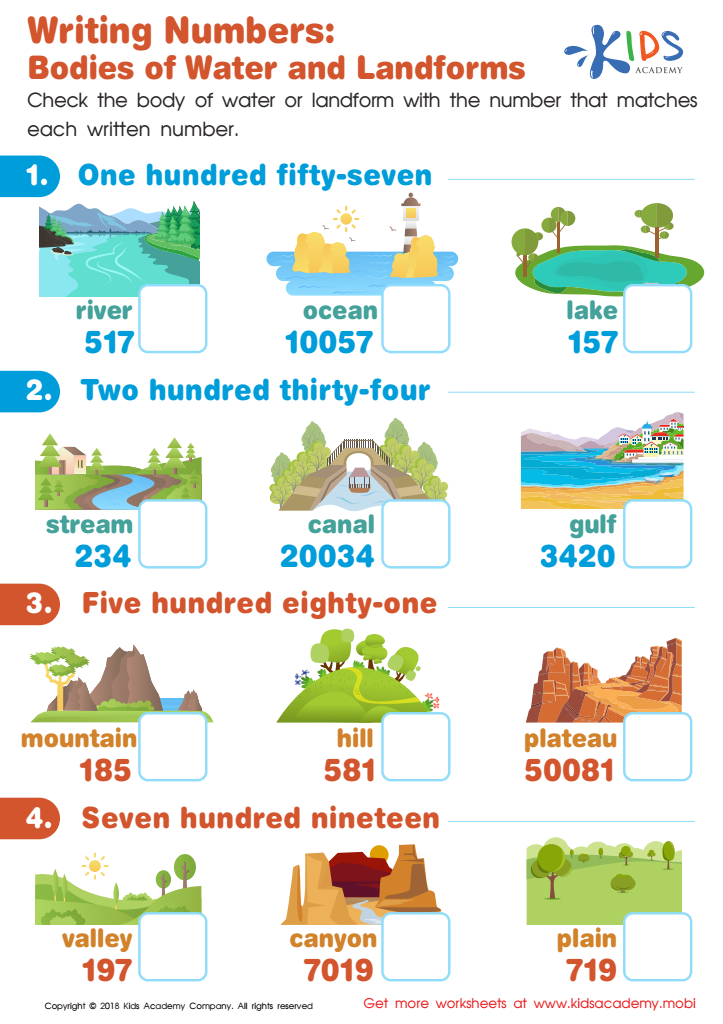
Bodies of Water and Landforms Writing Numbers Worksheet
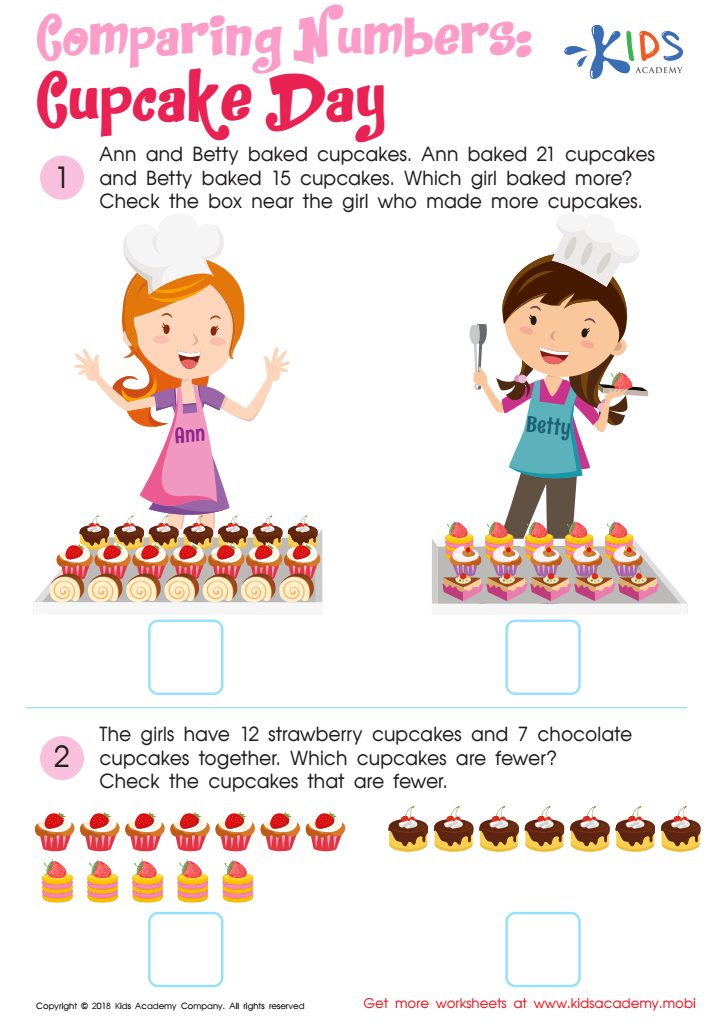
Cupcake Day Worksheet
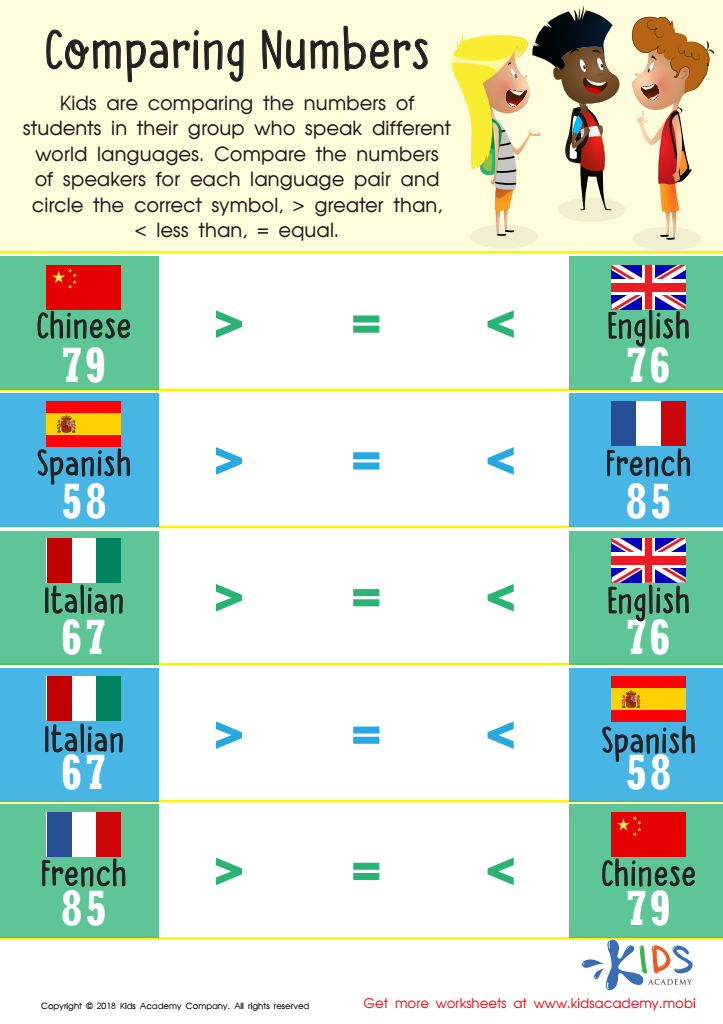
Comparing Numbers Worksheet for 1st Grade
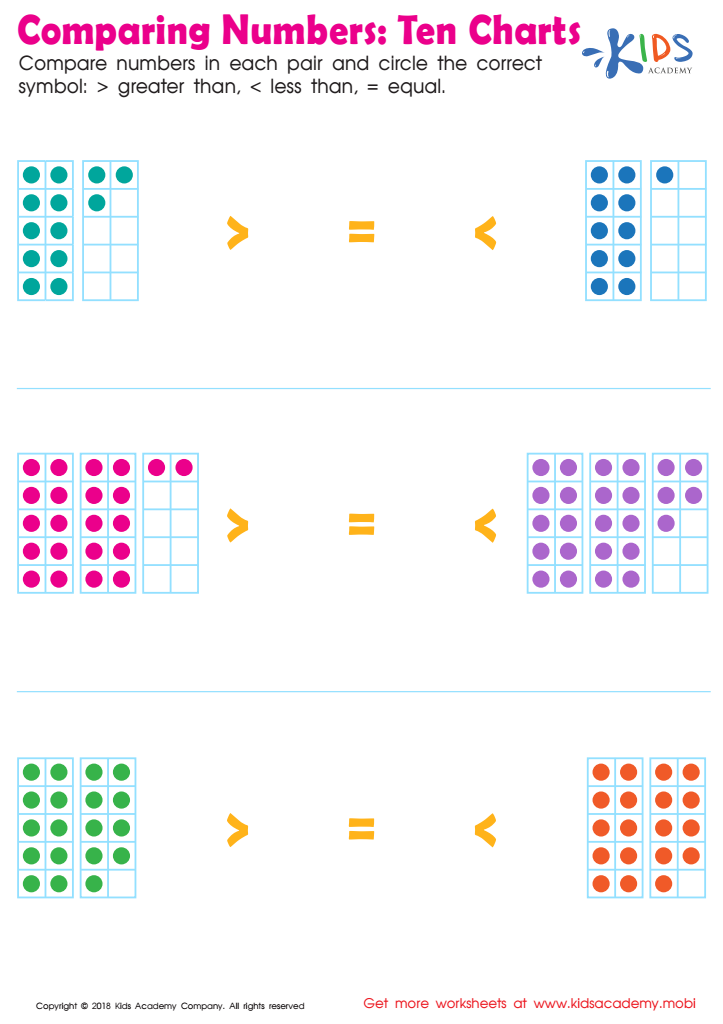
Ten Charts Worksheet
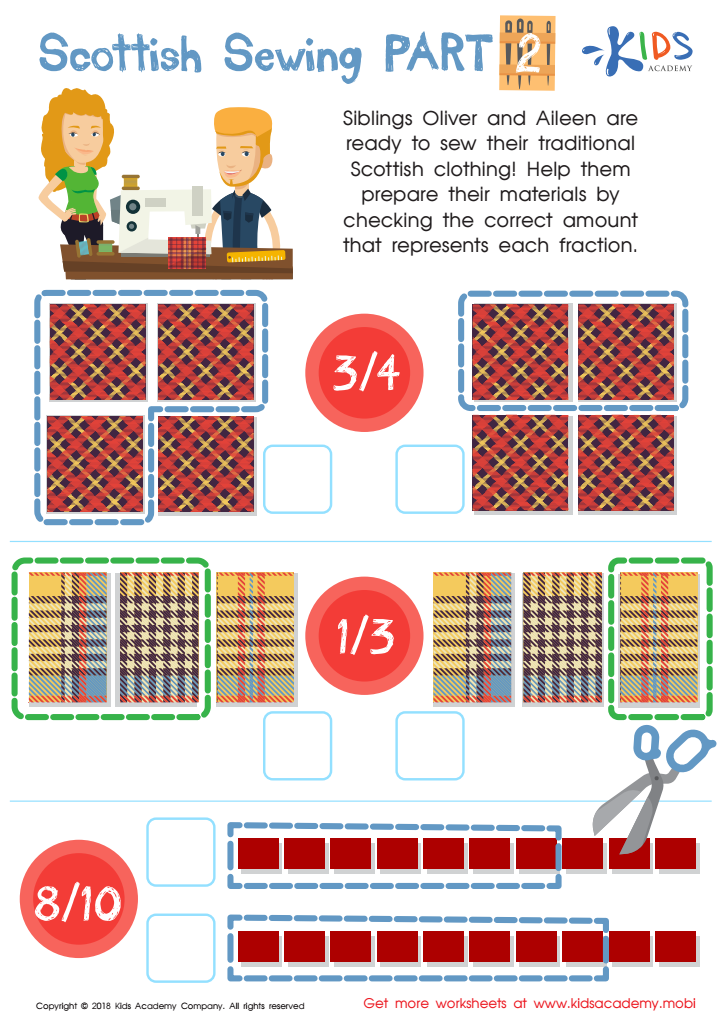
Scottish Sewing Part 2 Worksheet
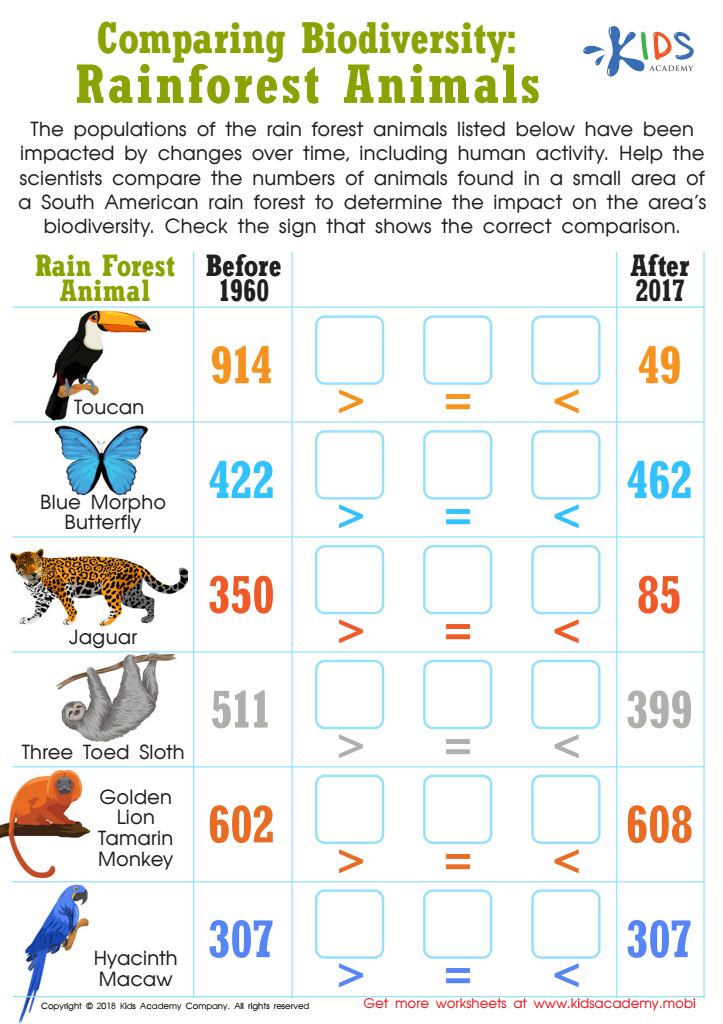
Comparing Biodiversity: Rainforest Animals Worksheet
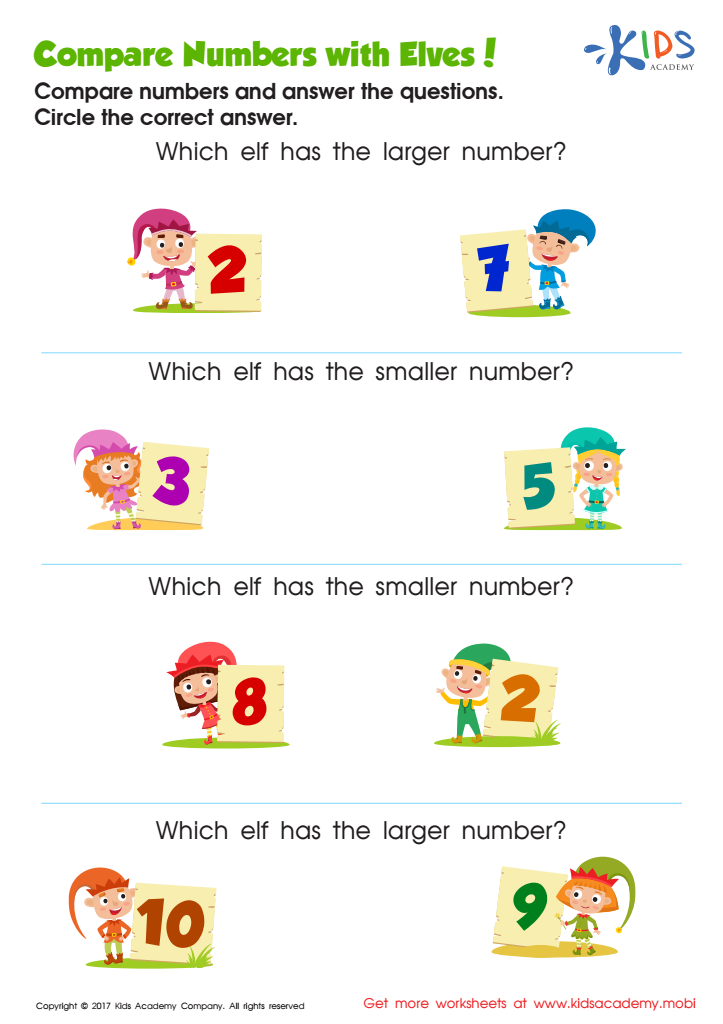
Comparing Numbers Worksheet for Kindergarten
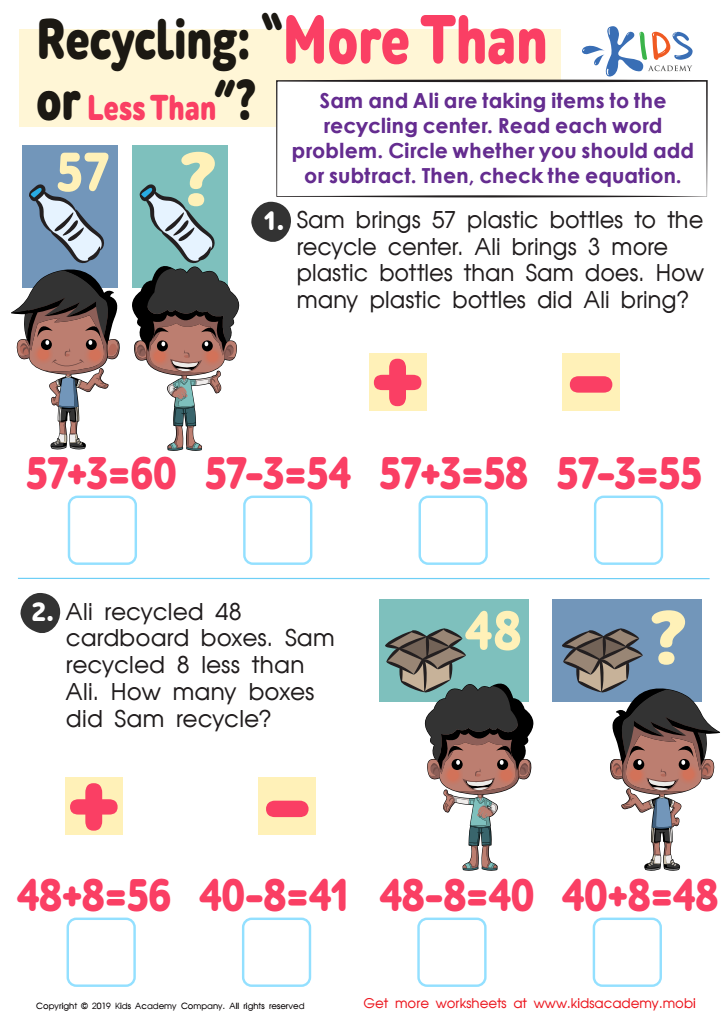
Recycling - More or Less Worksheet
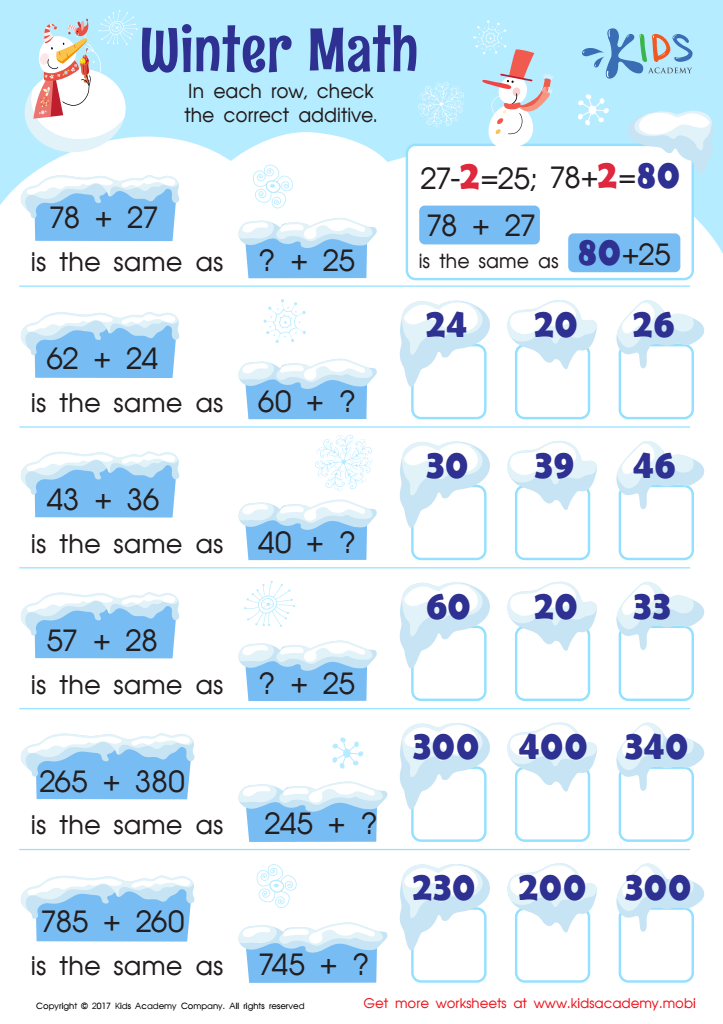
Free Addition Worksheet
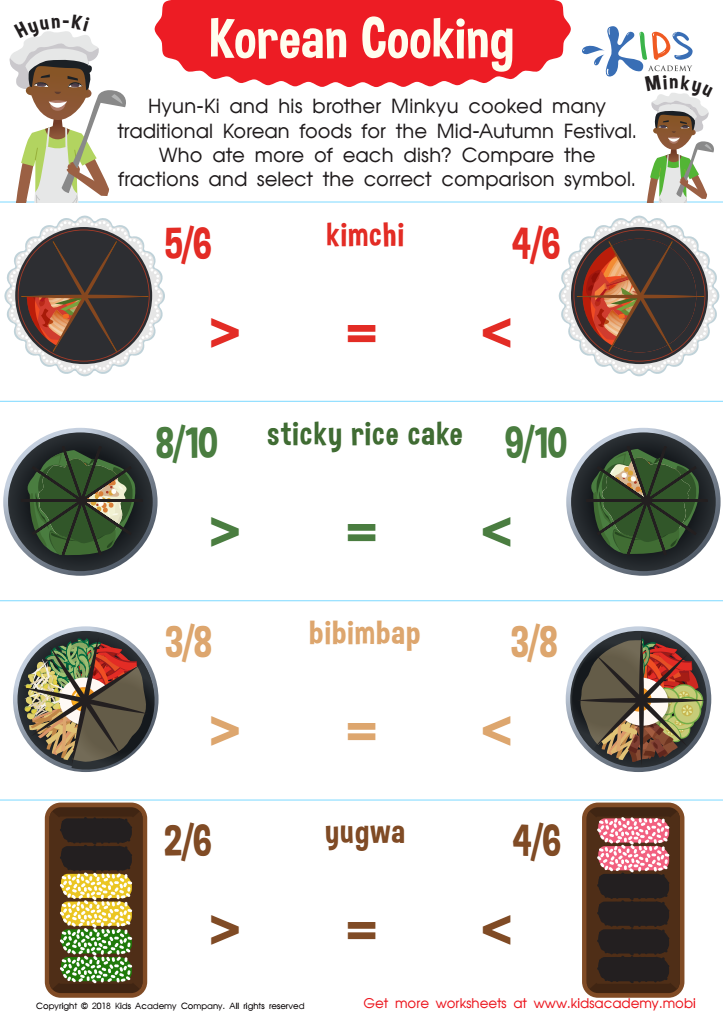
Korean Cooking Worksheet



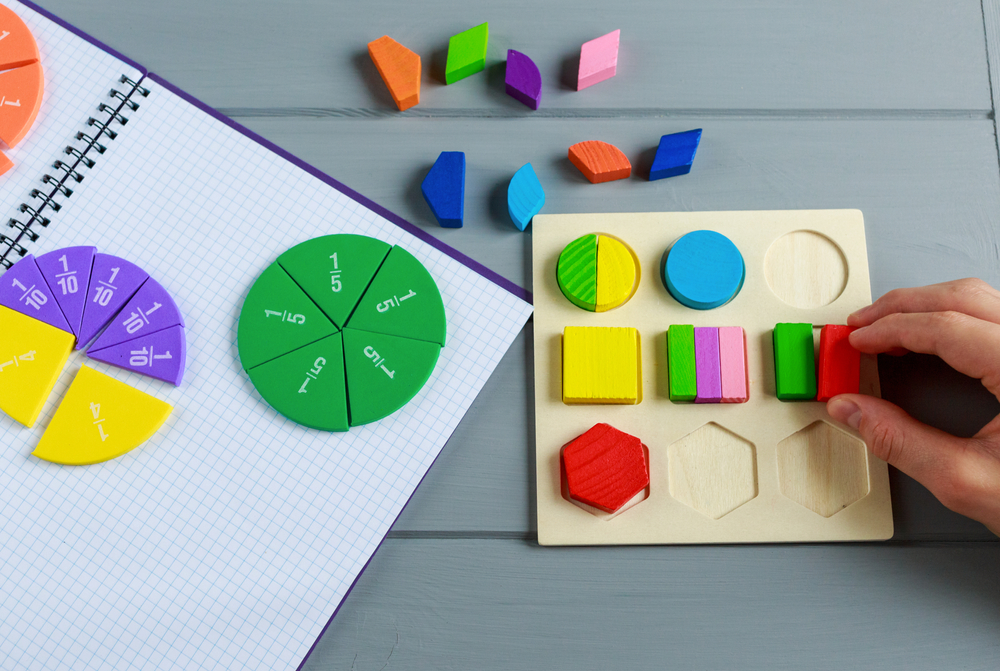




Comparing numbers is a fundamental math skill that lays the groundwork for future mathematical understanding and problem-solving abilities in young children aged 3 to 8. For parents and teachers, fostering this skill is essential for several reasons.
Firstly, comparing numbers helps young learners grasp the concept of quantity. Understanding terms like "more," "less," and "equal" encourages them to relate numbers to real-world situations, fostering critical thinking as they assess different quantities. This skill also aids in the development of basic numeracy skills, influencing their confidence in tackling more complex math topics as they progress.
Secondly, comparing numbers encourages language development. As children articulate their reasoning—like “three is greater than two”—they practice vocabulary that promotes mathematical discourse and communication, crucial skills across disciplines.
Additionally, engaging children in activities that involve comparing numbers can promote social skills. When children play games or work in groups, they learn to collaborate and respect differing viewpoints, enhancing their interpersonal skills.
In essence, investing time in teaching children to compare numbers supports cognitive development, builds strong foundational math skills, and offers opportunities for growth in communication and social interaction—all elements critical to a child’s overall education.