Community Worksheets for Ages 3-8 - Page 4
125 filtered results
-
From - To
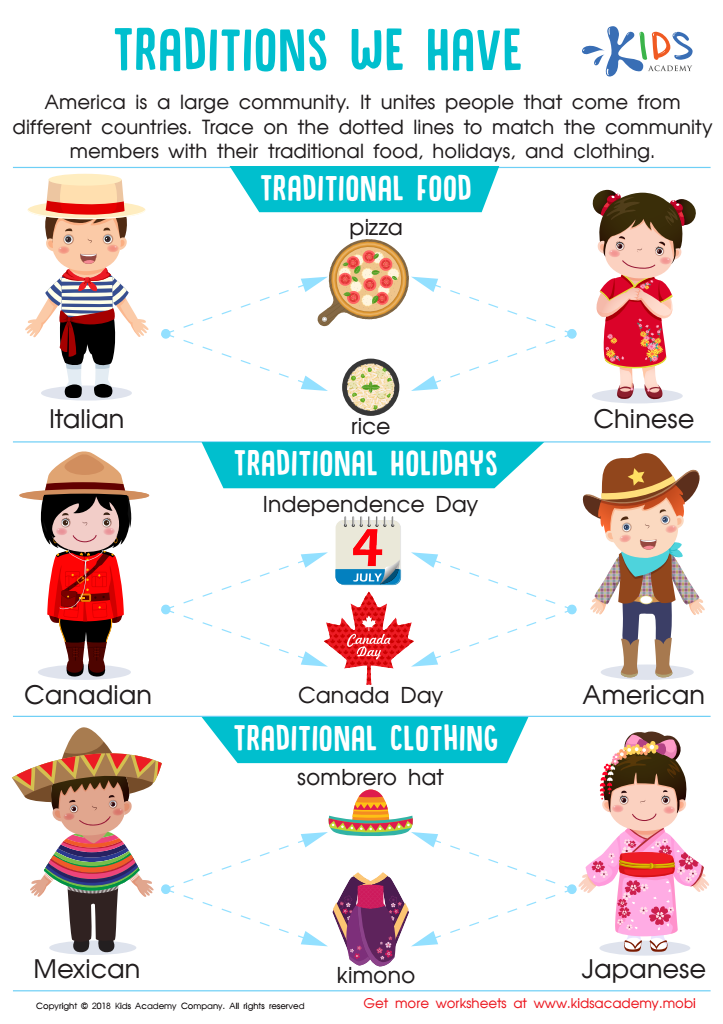
Traditions We Have Worksheet
 Assign to My Students
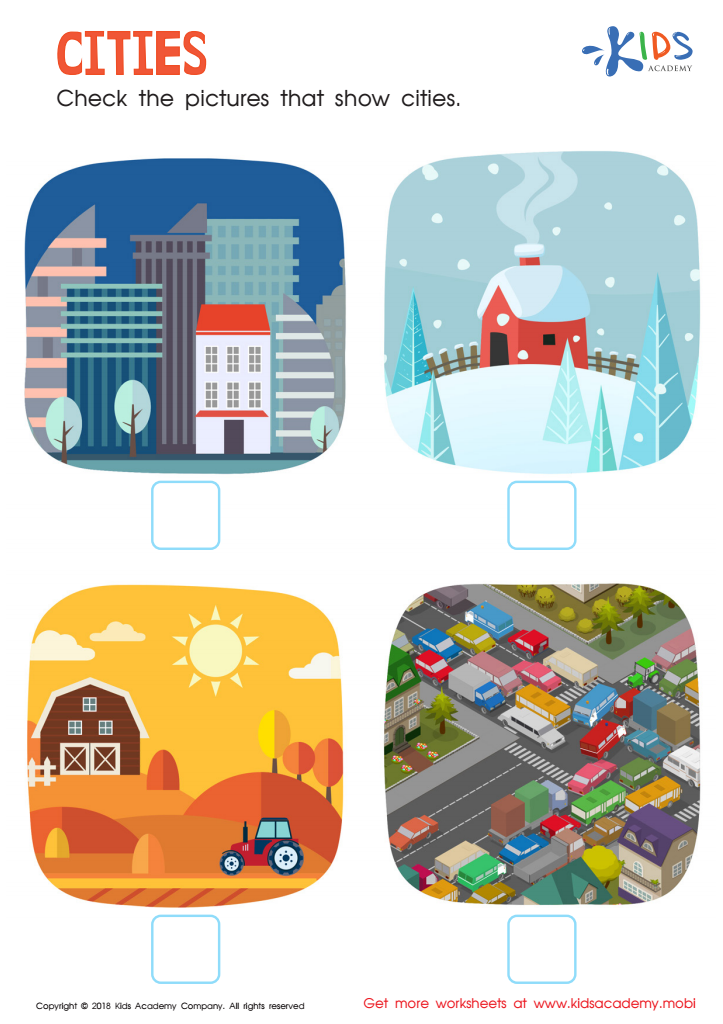
Cities Worksheet

Grocery Store Worksheet
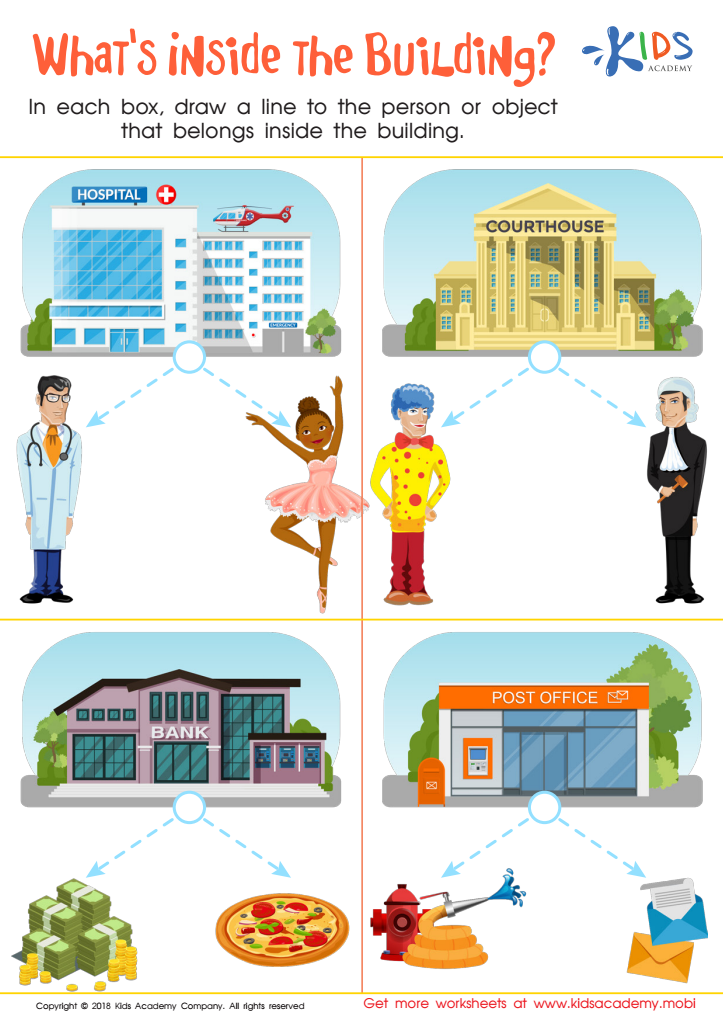
What's Inside the Building? Worksheet
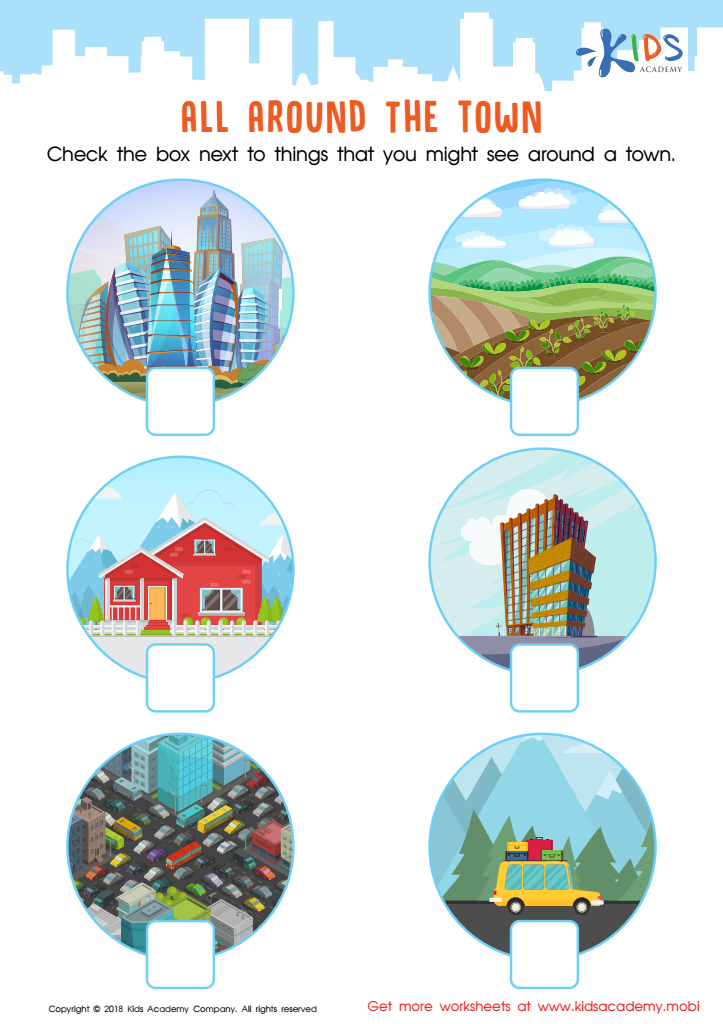
All Around the Town Worksheet
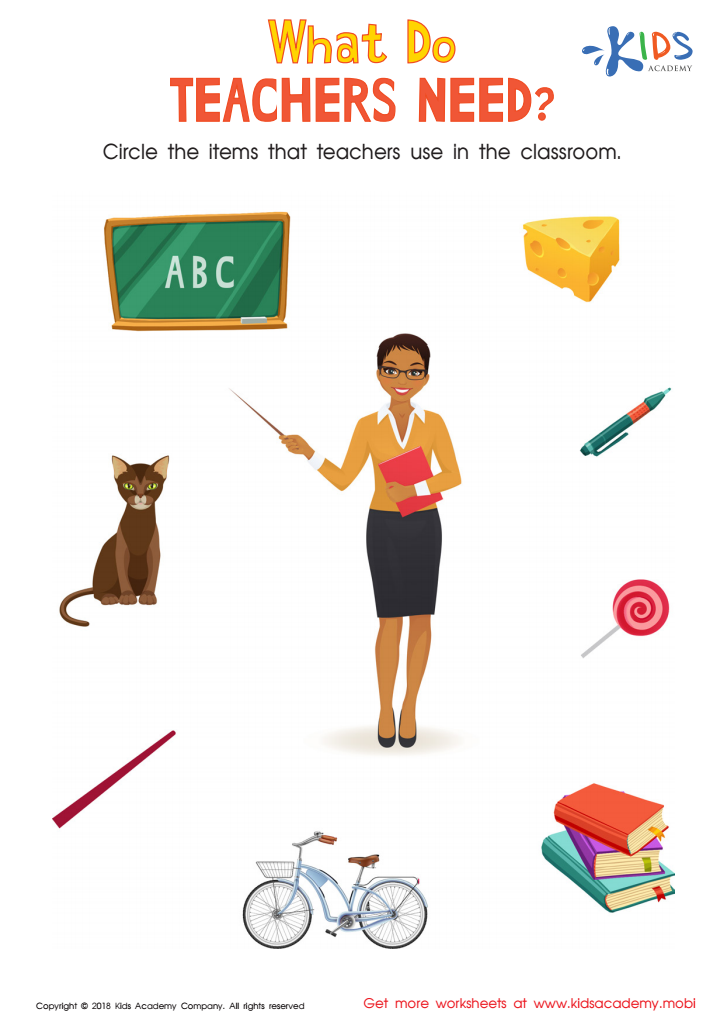
What Do Teachers Need Worksheet
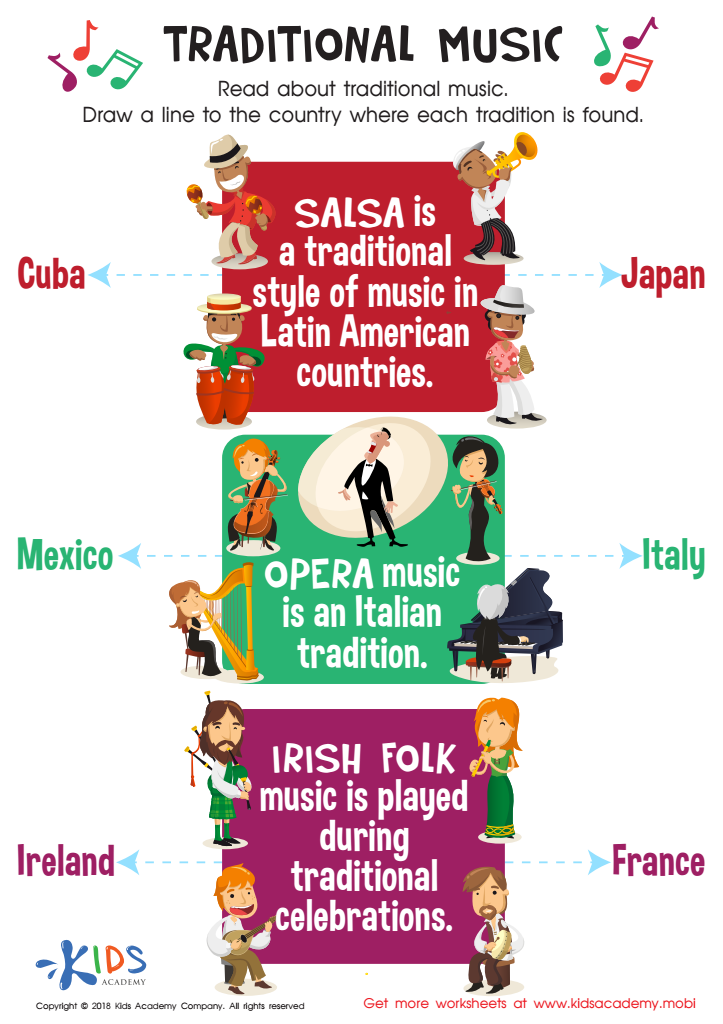
Traditional Music Worksheet
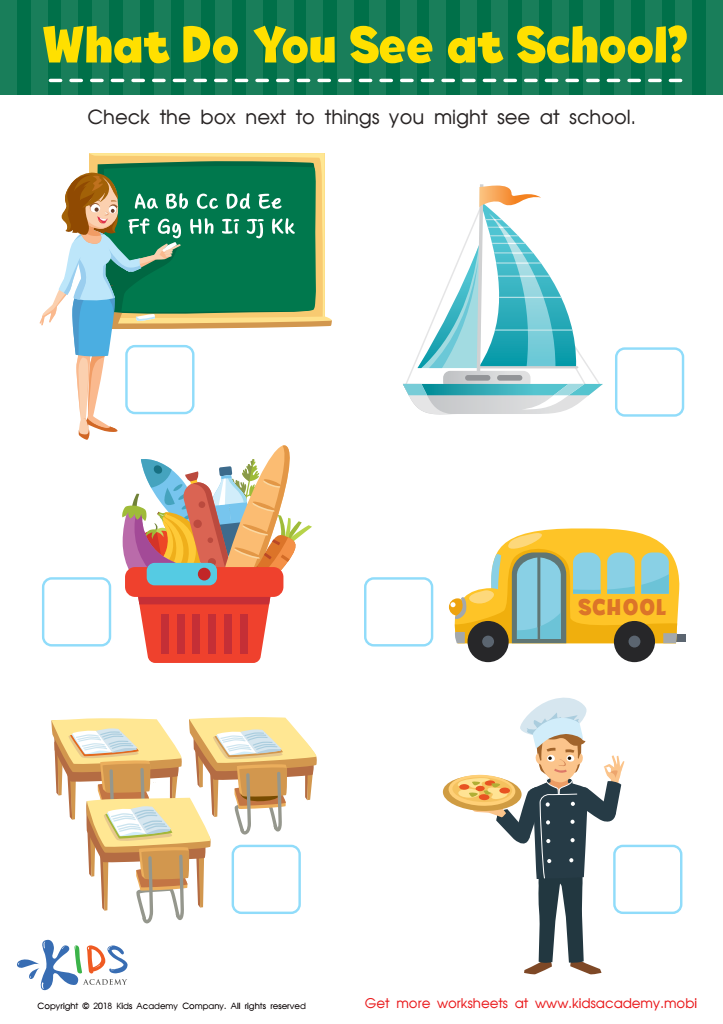
What Do you See at School? Worksheet
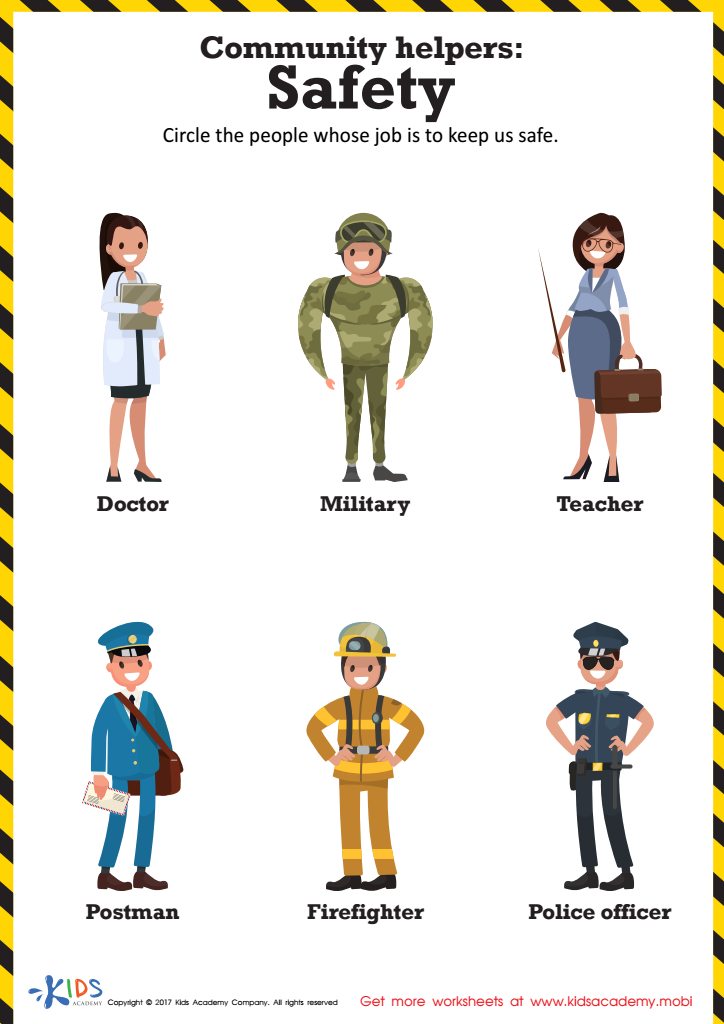
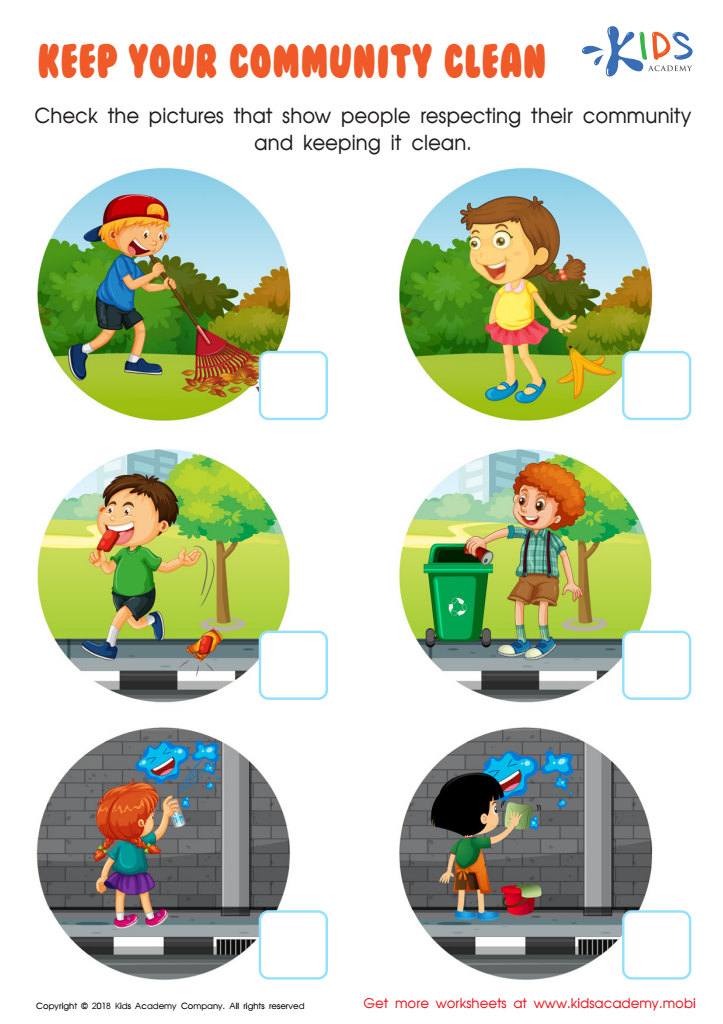
Keep Your Community Clean Worksheet
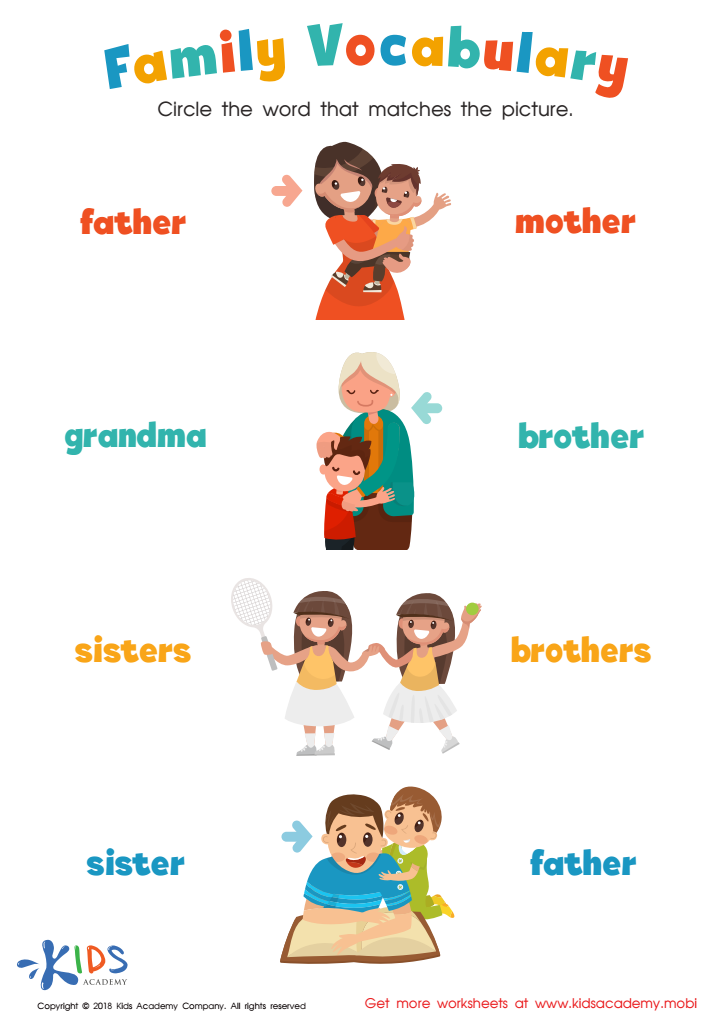
Family Vocabulary Worksheet
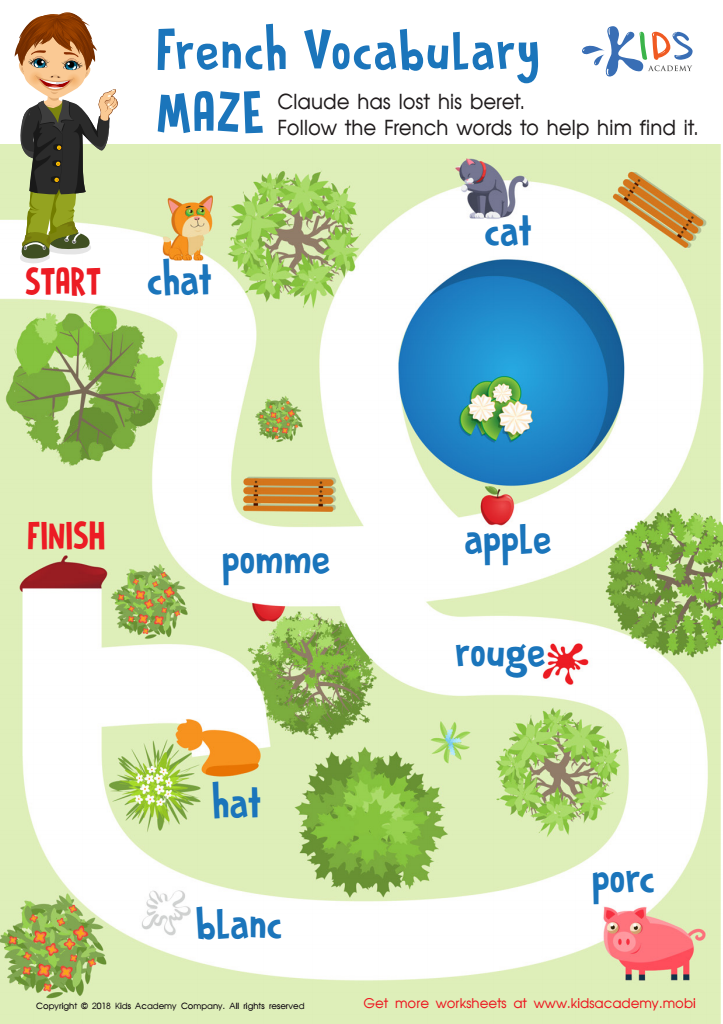
French Vocabulary Maze Worksheet
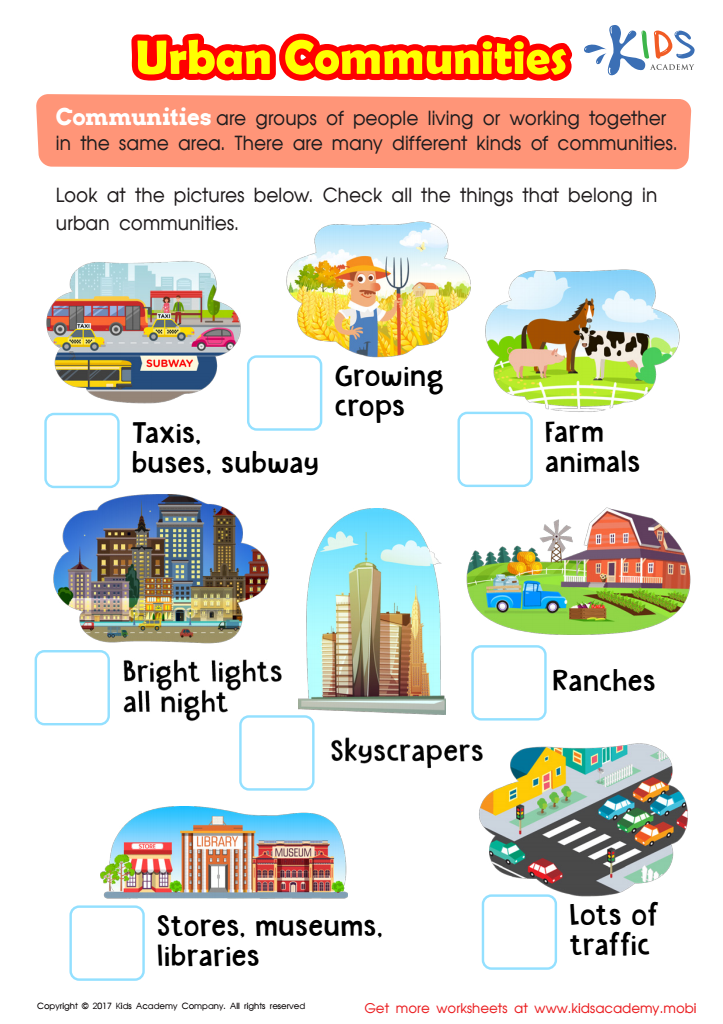
Urban Communities Printable
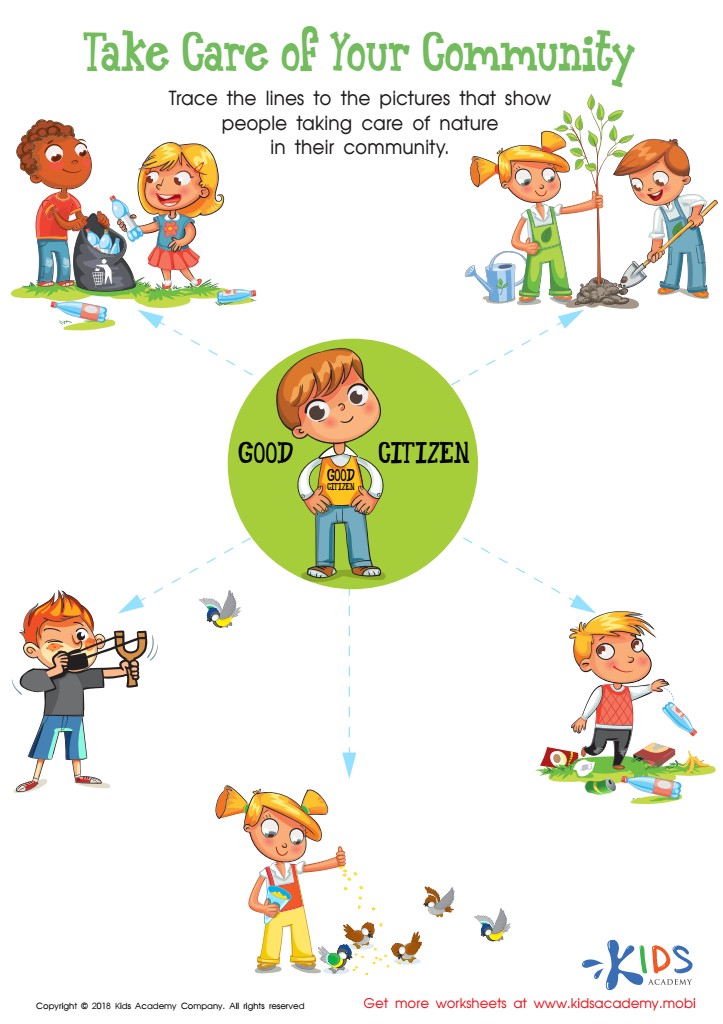
Take Care of your Community Worksheet
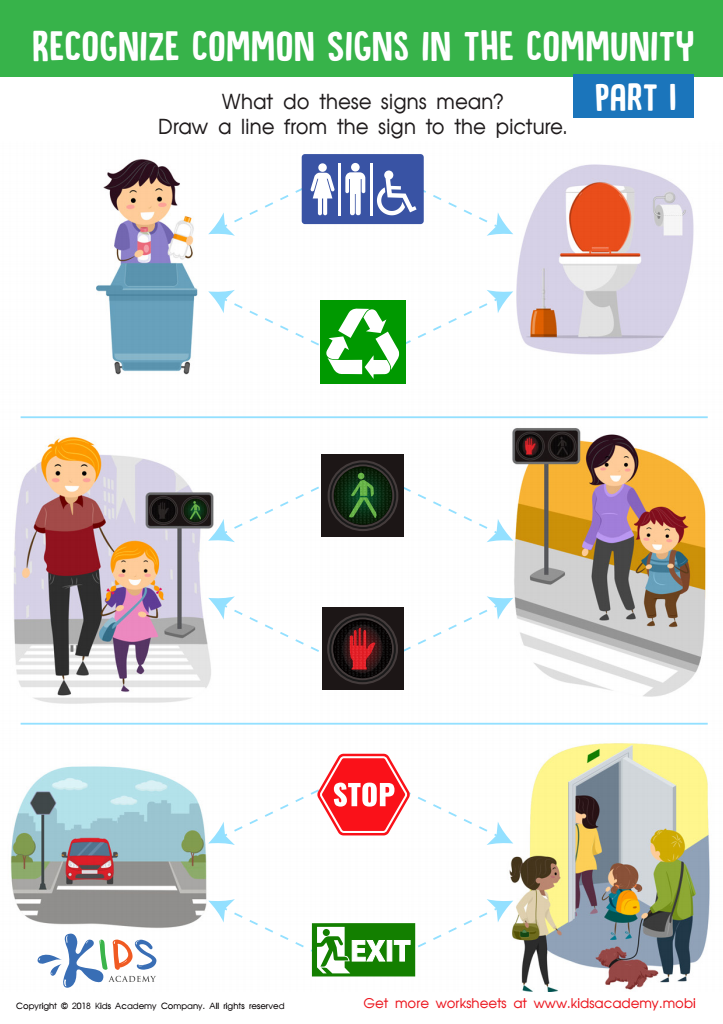
Recognize Common Signs: Part 1 Worksheet
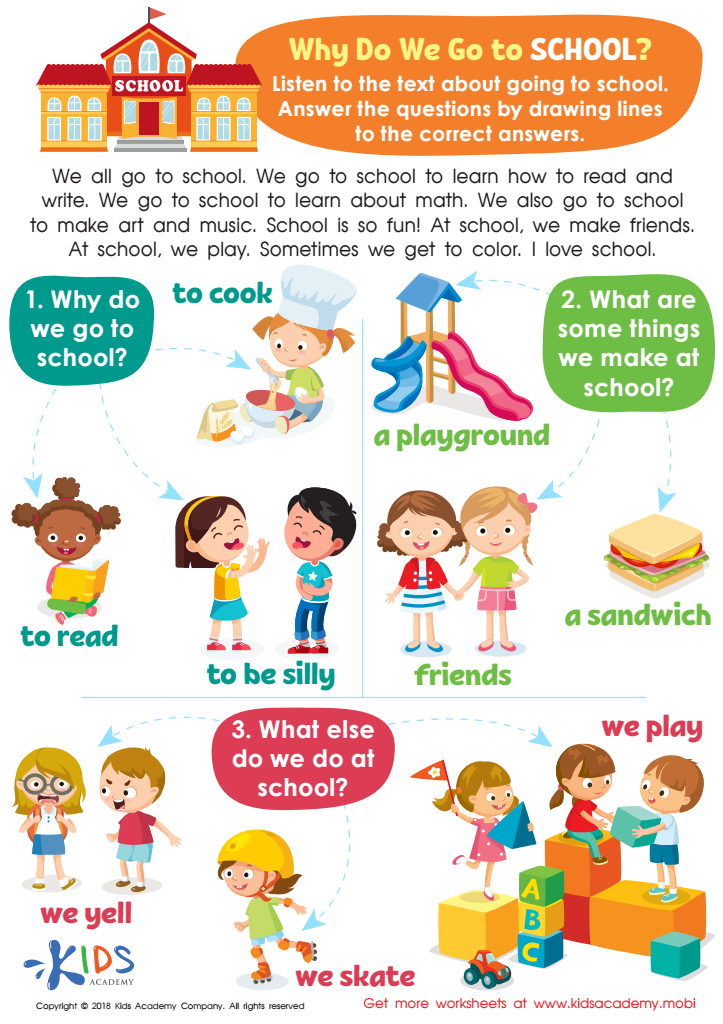
Why Do We Go To School? Worksheet
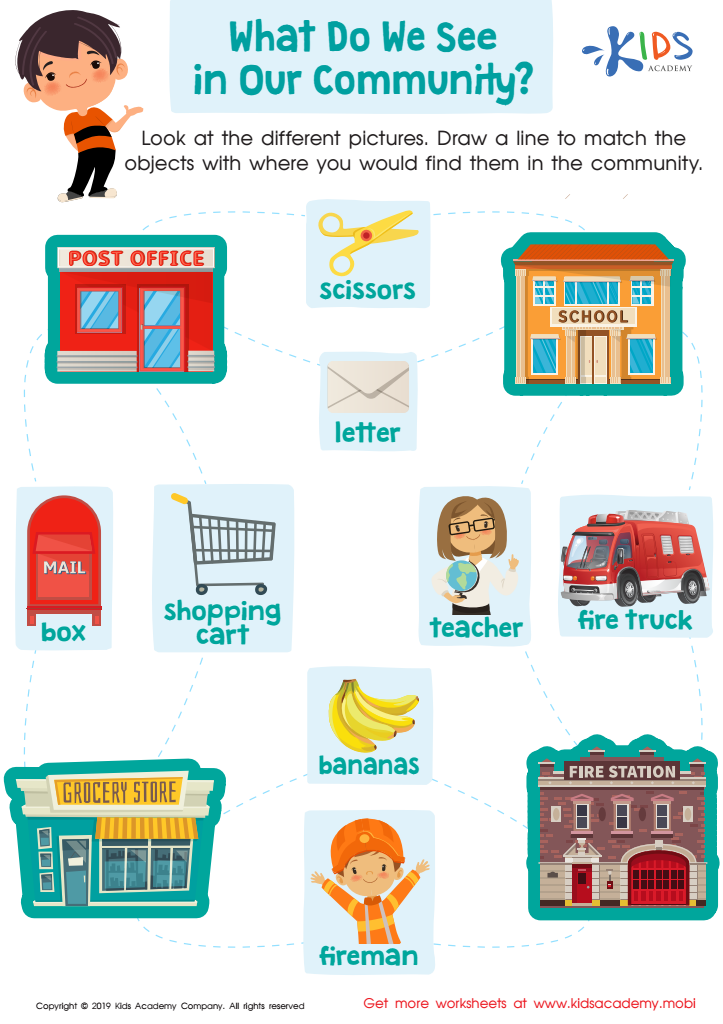
What Do We See in our Community? Worksheet
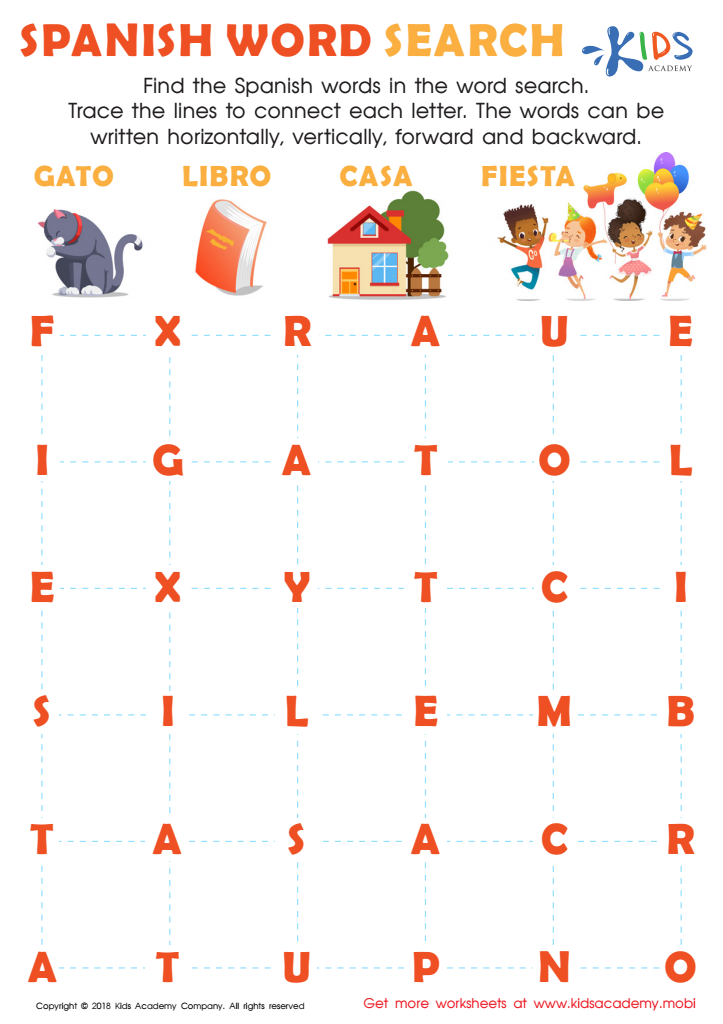
Spanish Word Search Worksheet
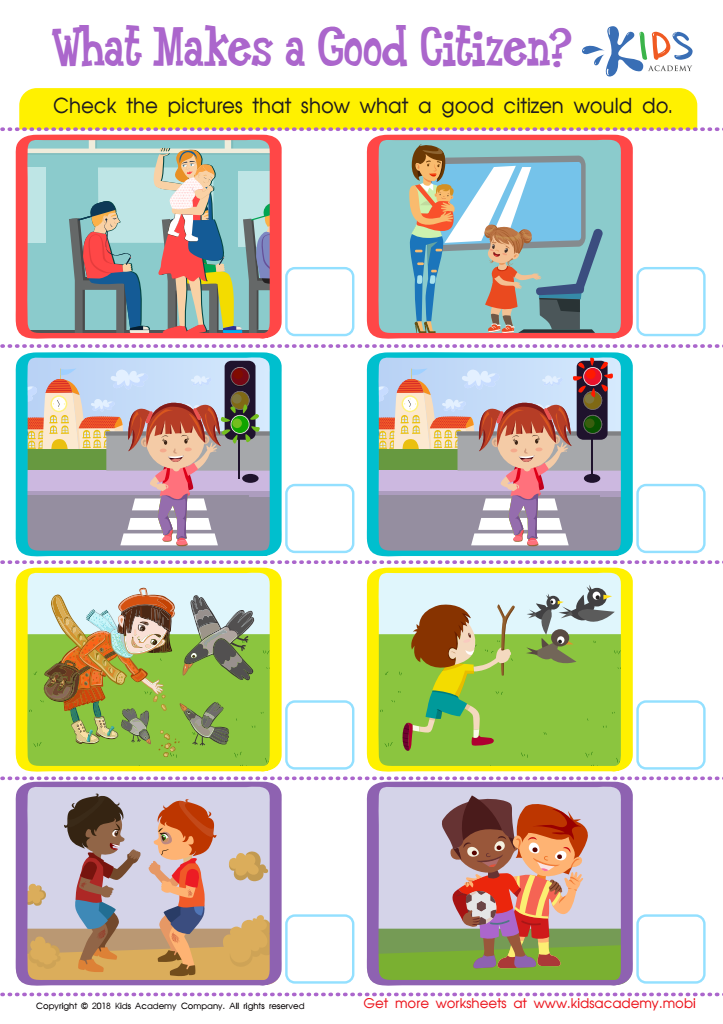
What Makes a Good Citizen? Worksheet
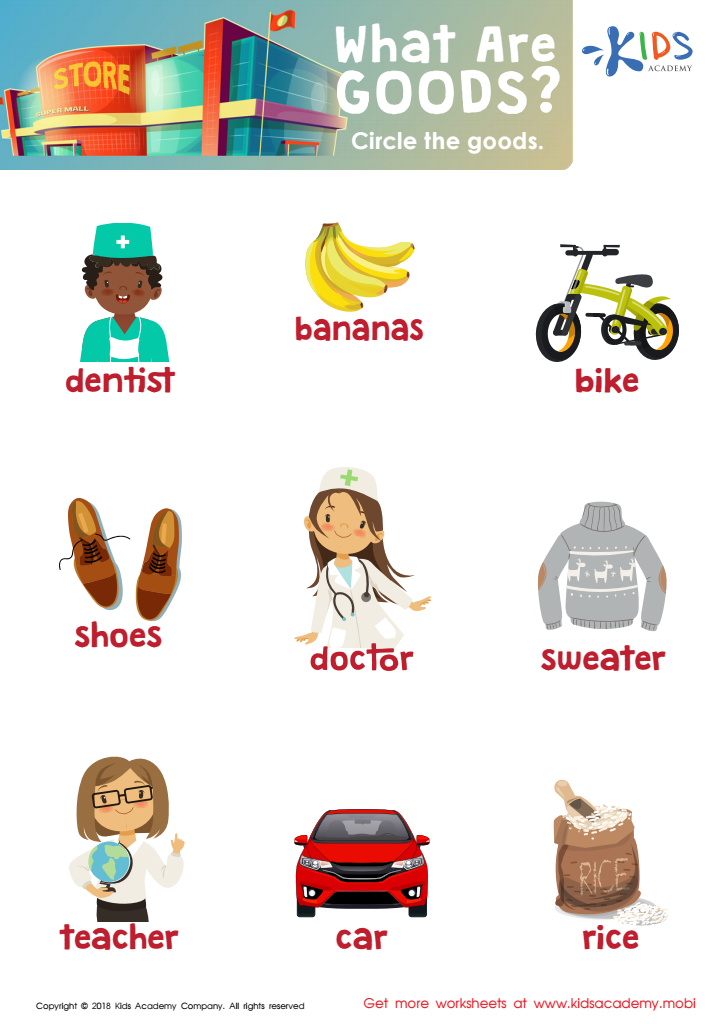
What Are Goods? Worksheet
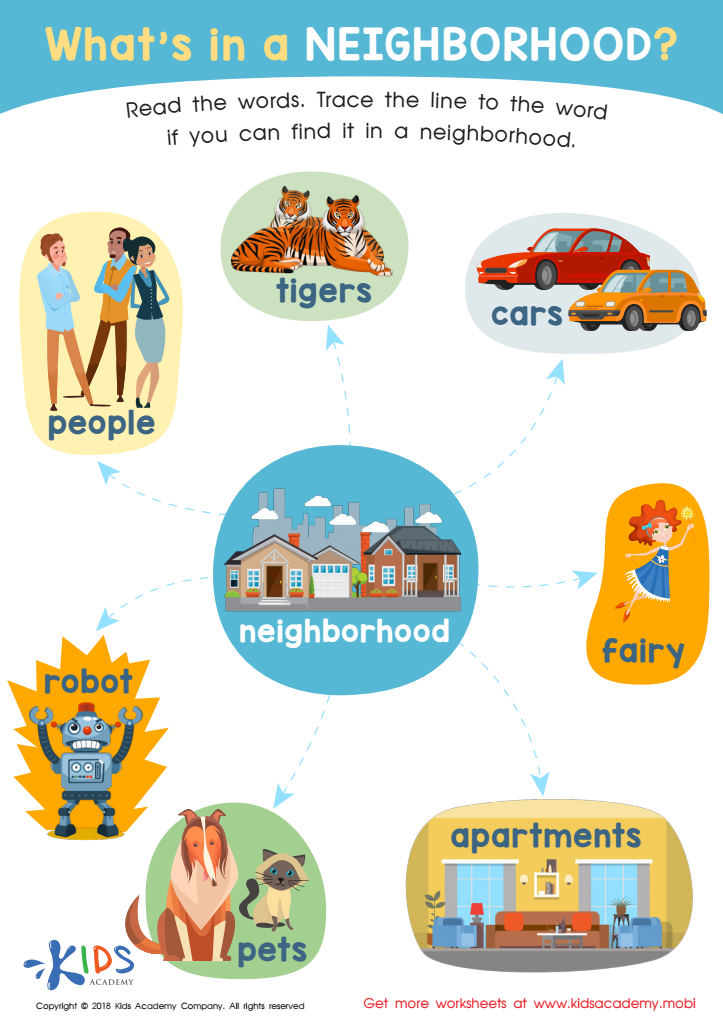
What's in a Neighborhood? Worksheet
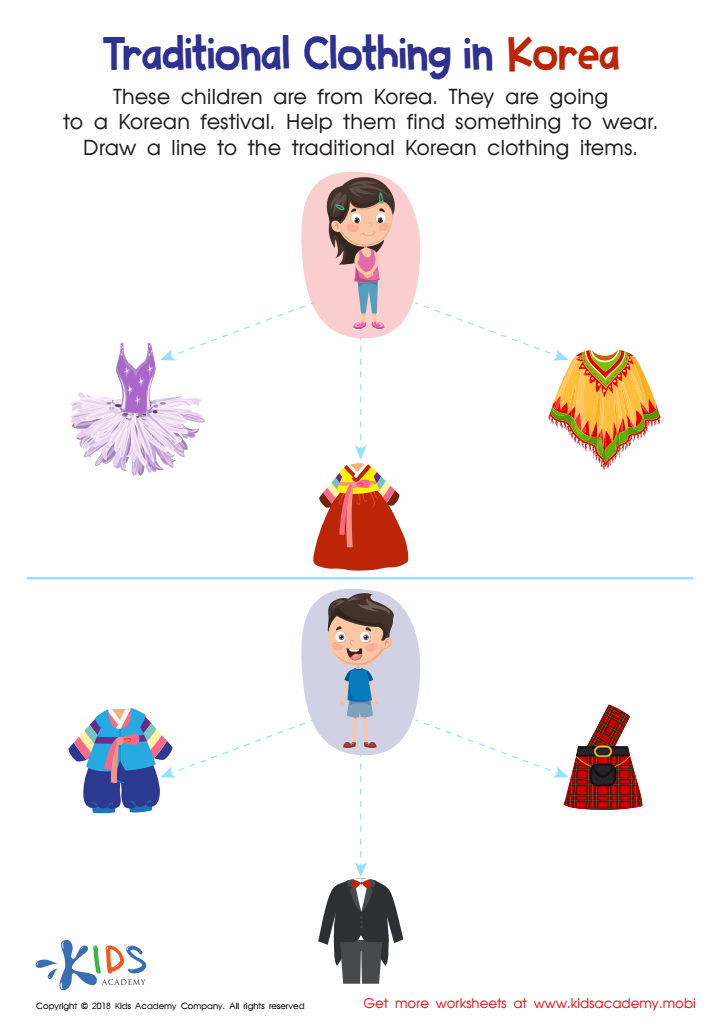
Traditional Clothing in Korea Worksheet
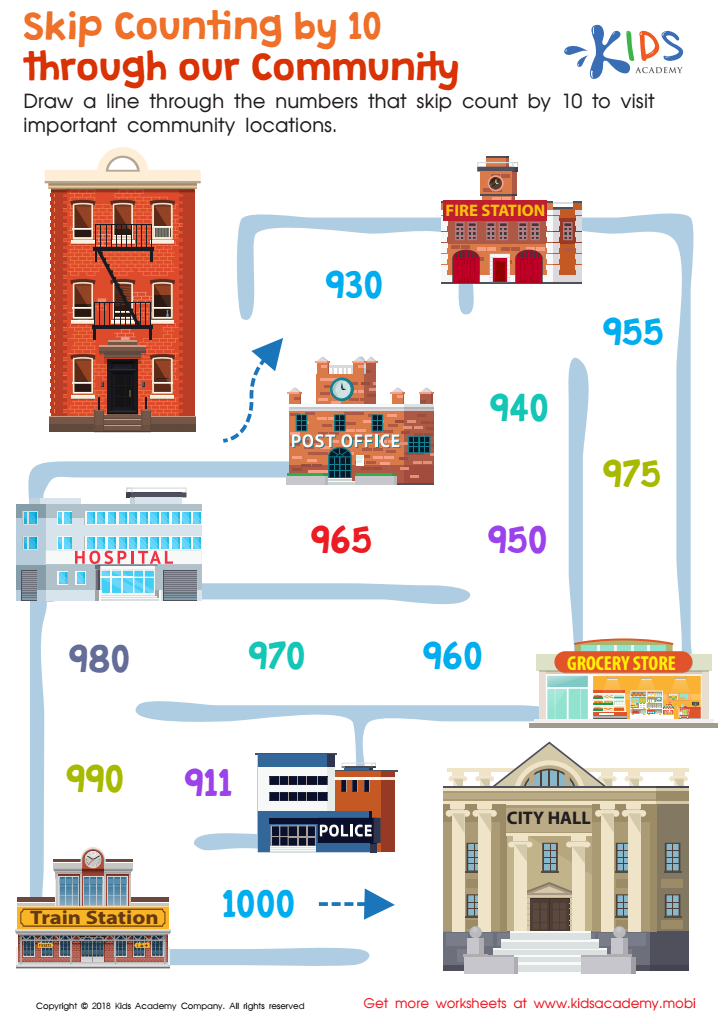
Skip Counting by 10 Through Our Community Worksheet
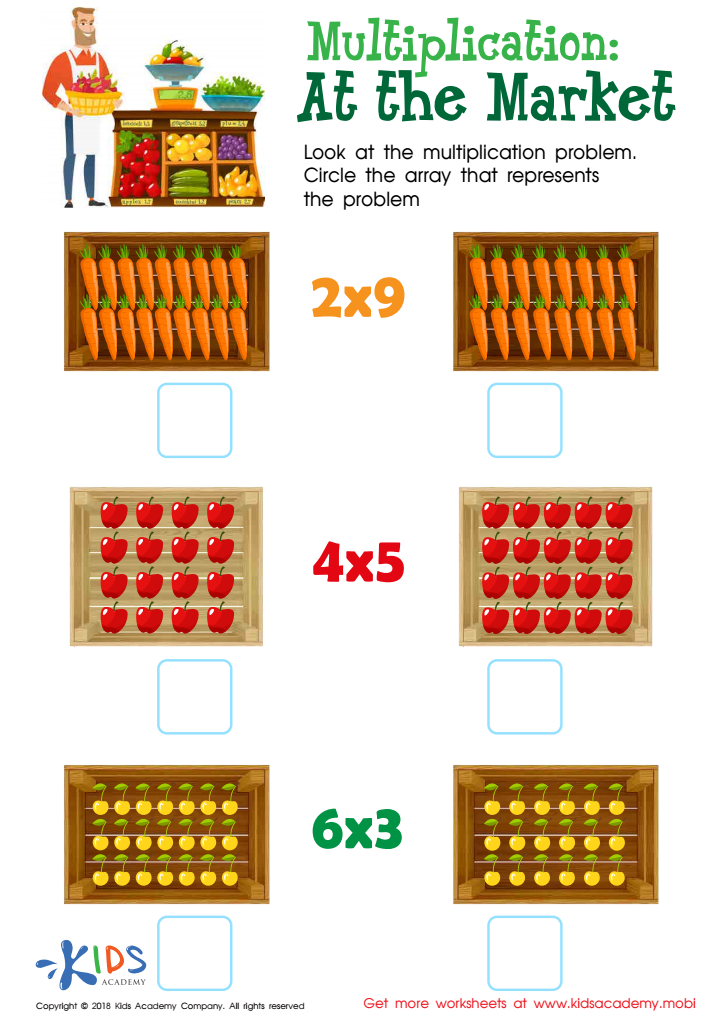
At the Market Worksheet








Community engagement is essential for the well-being and development of children aged 3-8. At this formative stage, children are highly impressionable, absorbing behaviors, values, and attitudes from the people and environment around them. Parents and teachers should prioritize community involvement to provide a strong support system that fosters social, emotional, and cognitive development.
Community creates a sense of belonging, which is crucial for young children's emotional health. It helps them understand their place in the world, enhances their self-esteem, and reduces stress and anxiety. Additionally, exposure to diverse perspectives within the community broadens their understanding of different cultures, encouraging empathy, tolerance, and social skills.
From an educational standpoint, community engagement enhances learning experiences. Real-world interactions supplement classroom teachings, making lessons more relevant and engaging. For instance, visits to local businesses, parks, or community events enrich the knowledge and investigative curiosity of children.
Moreover, a strong community network enables families and educators to collaborate effectively. When parents and teachers work together, they're better equipped to recognize and address the needs and interests of each child, leading to a more personalized and supportive learning experience. Consequently, this partnership leads to comprehensive growth, nurturing well-rounded, confident, and competent young individuals.








