History Worksheets for Ages 3-8 - Page 4
88 filtered results
-
From - To
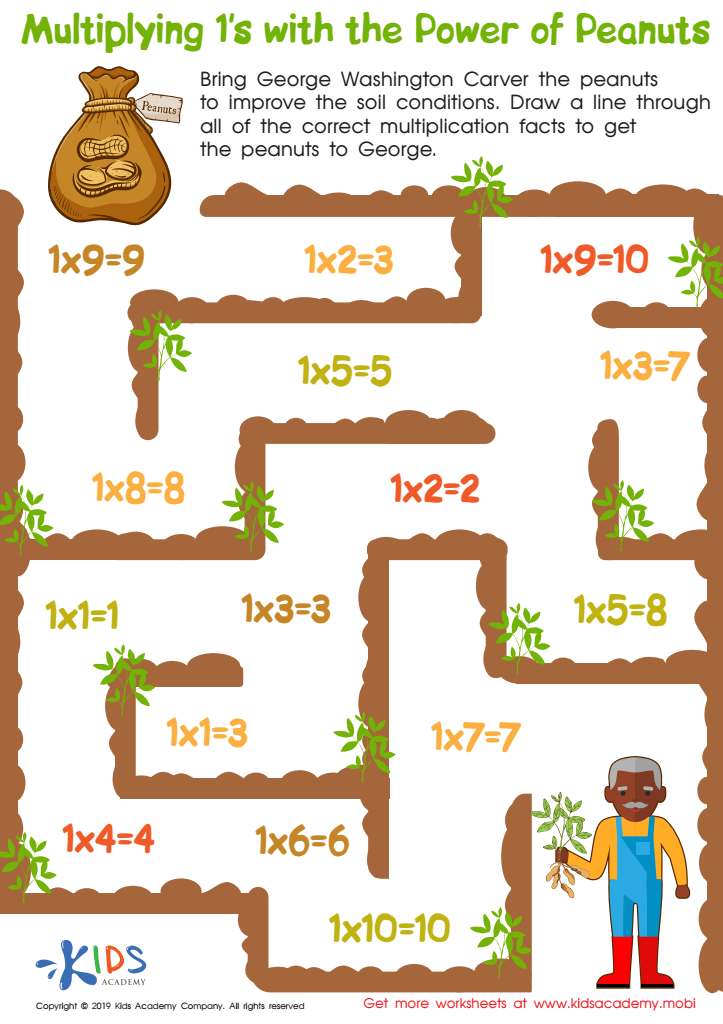
Multiplying 1’s With the Power of Peanuts Worksheet
 Assign to My Students
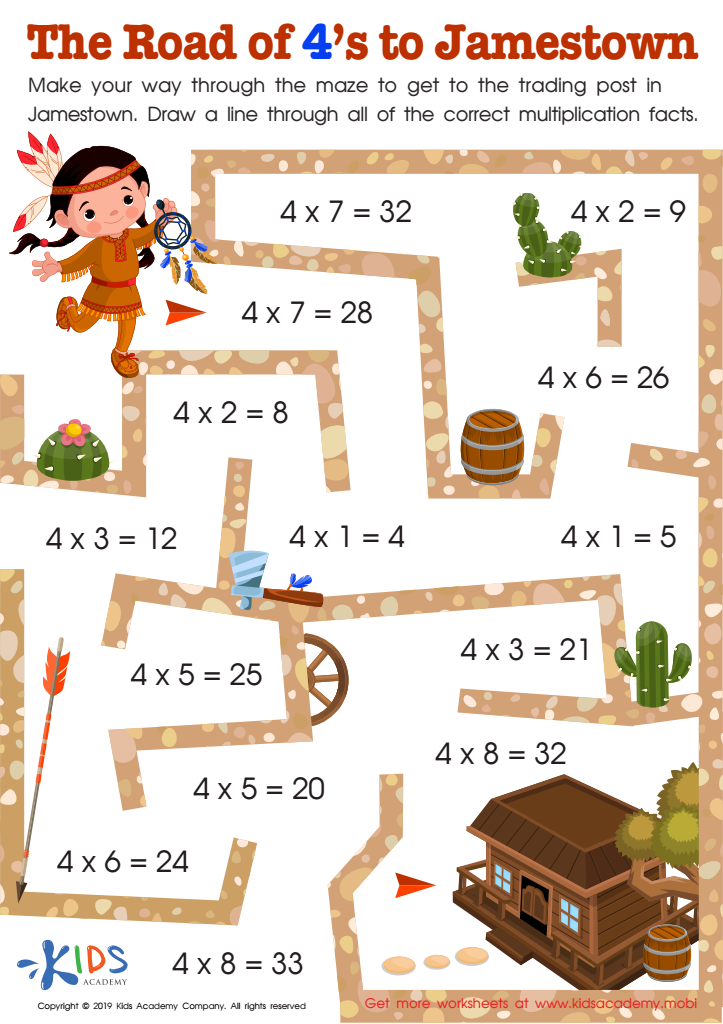
The Road of 4’s to Jamestown Worksheet
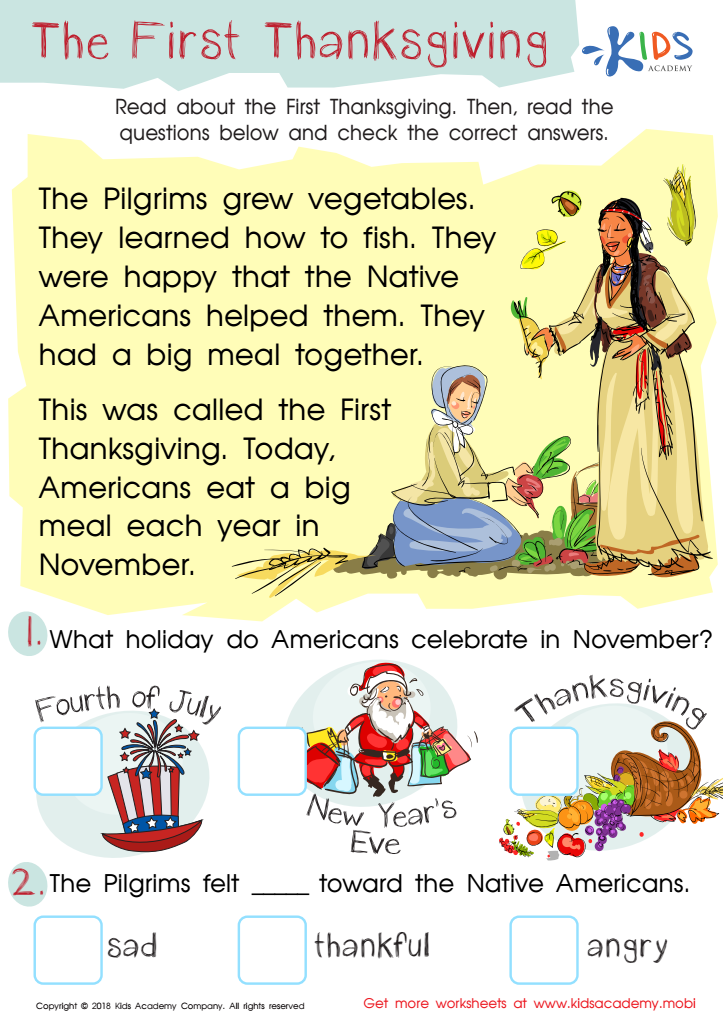
Assessment: First Thanksgiving Worksheet
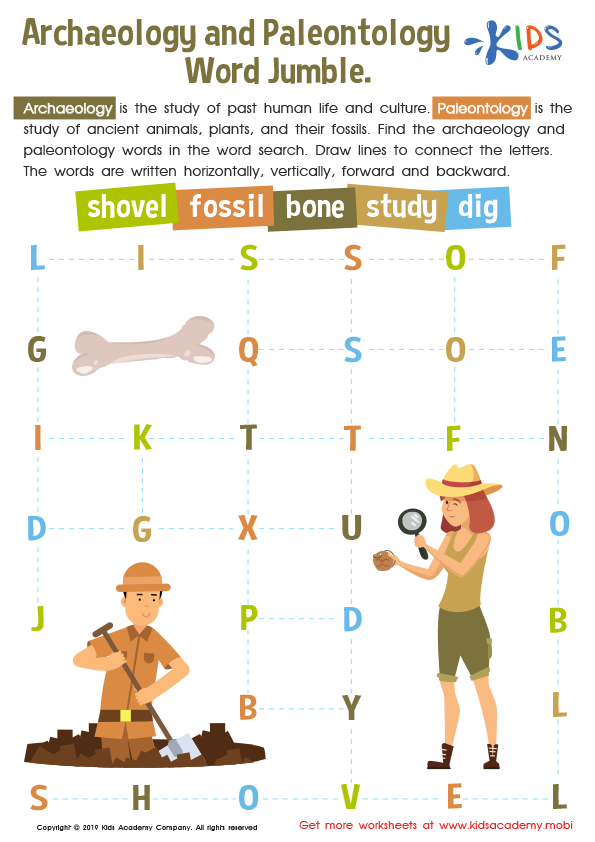
Archaeology and Paleontology Word Jumble Worksheet
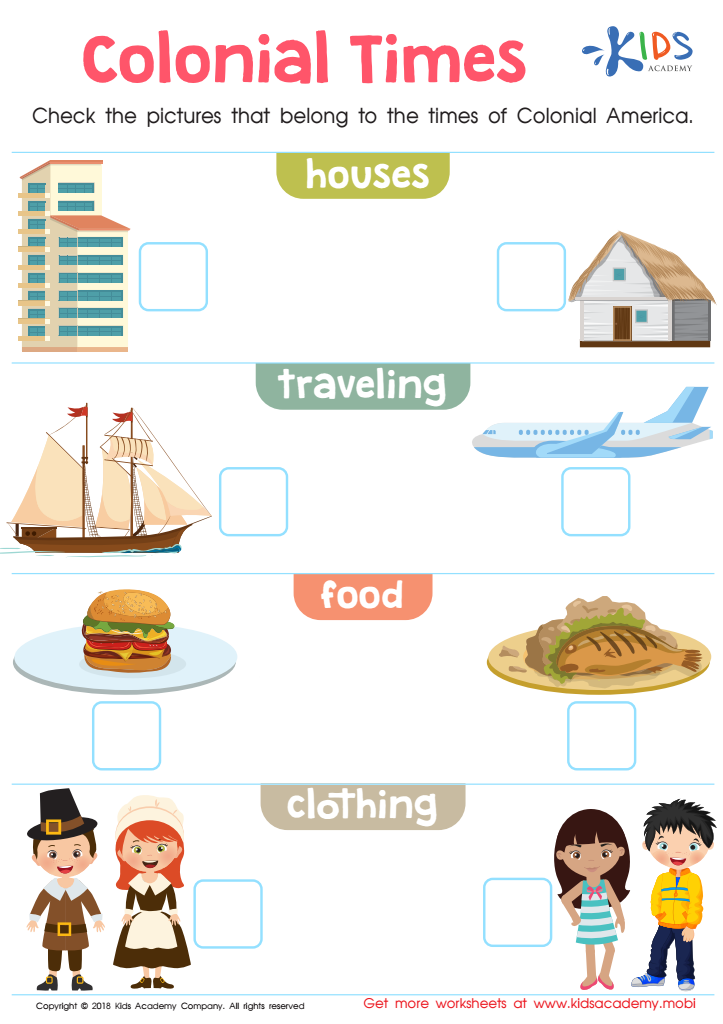
Colonial Times Worksheet
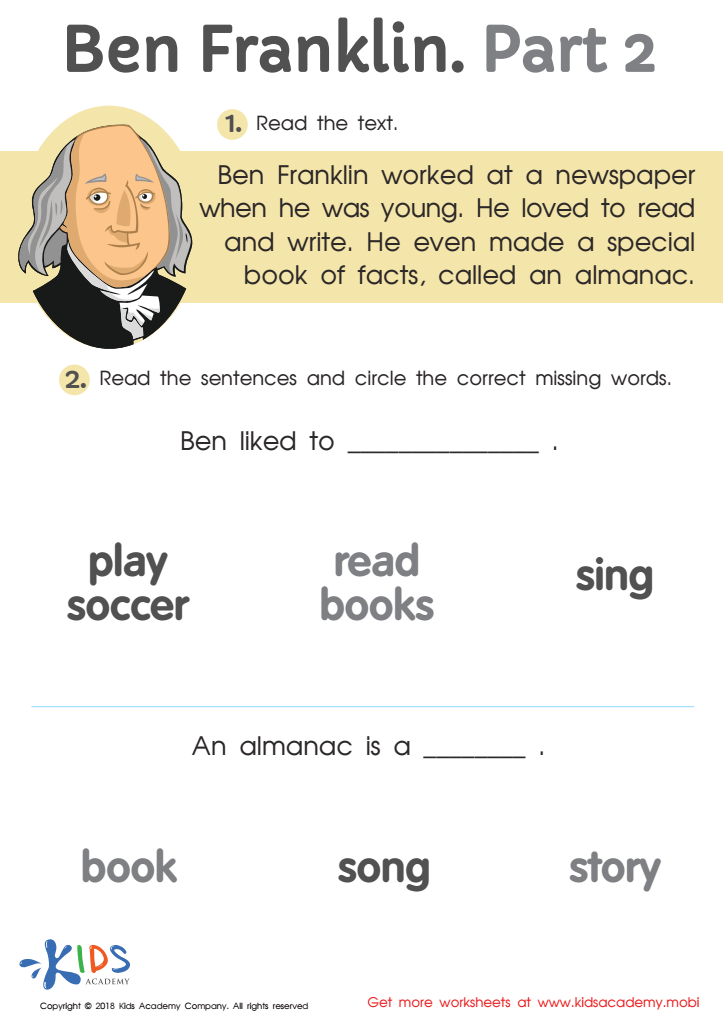
Ben Franklin Part 2 Worksheet
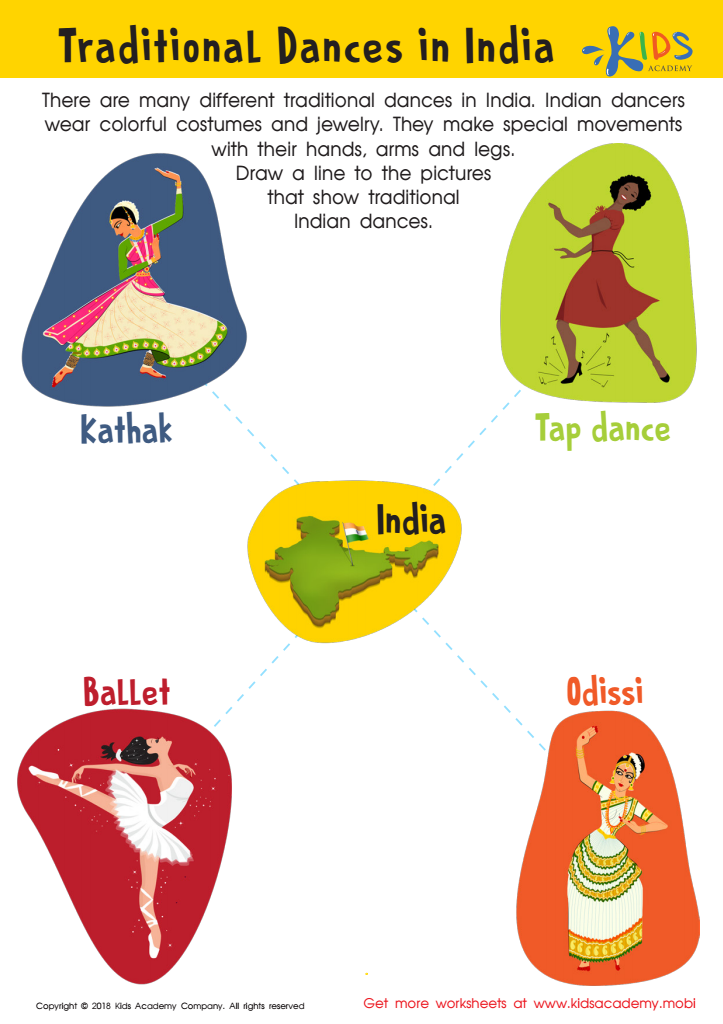
Traditional Dances in India Worksheet
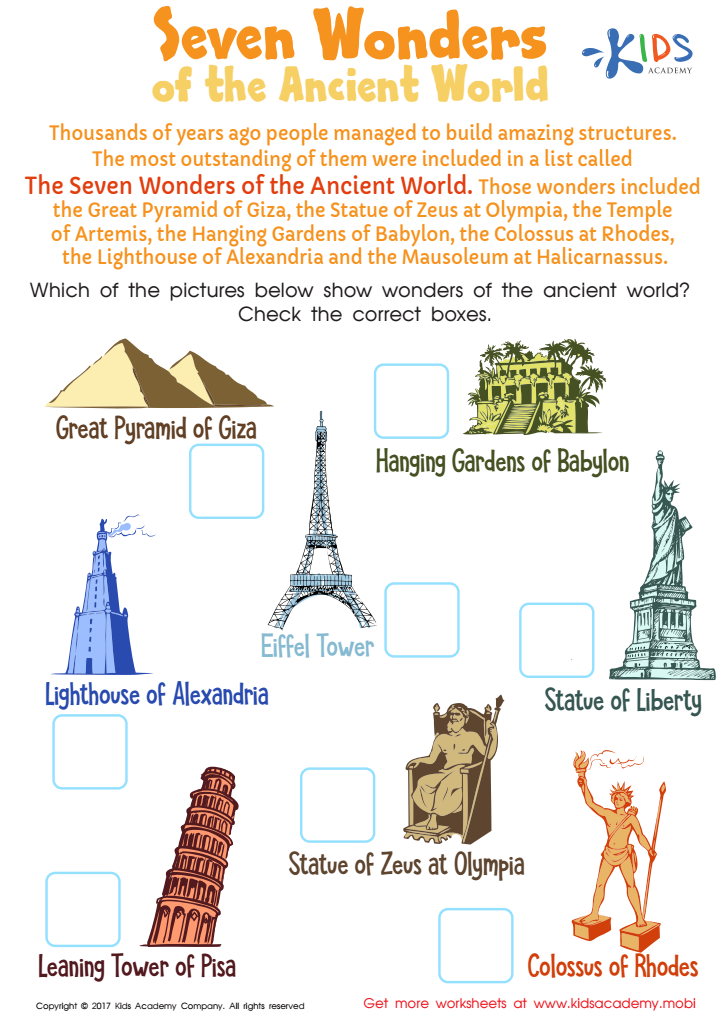
Seven Wonders of the Ancient World Worksheet
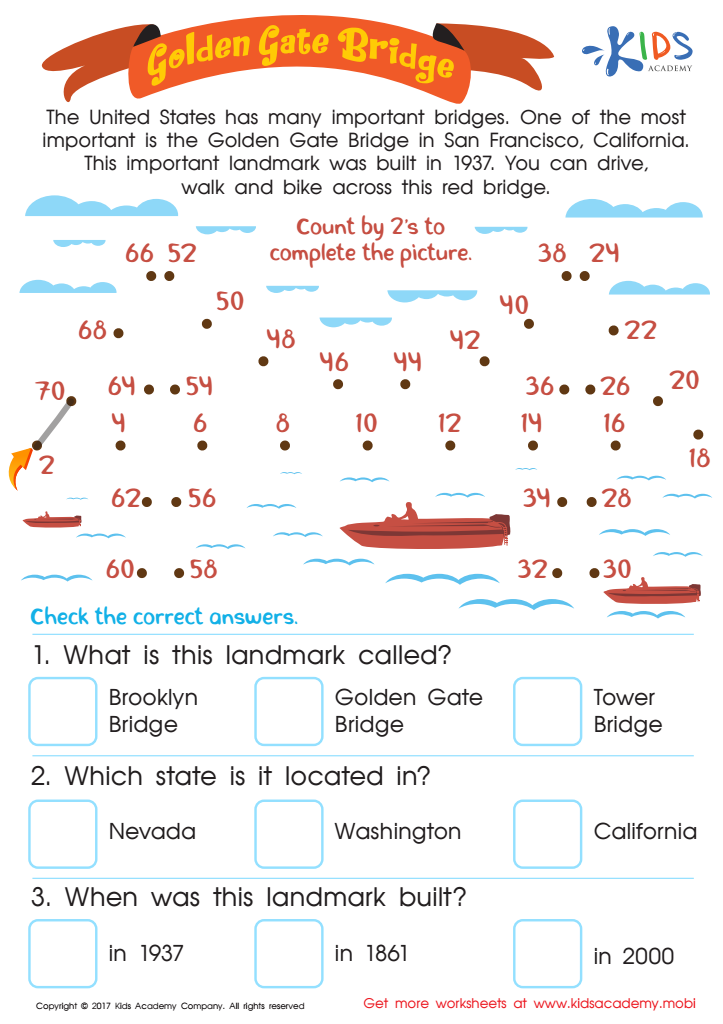
Golden Gate Bridge Worksheet
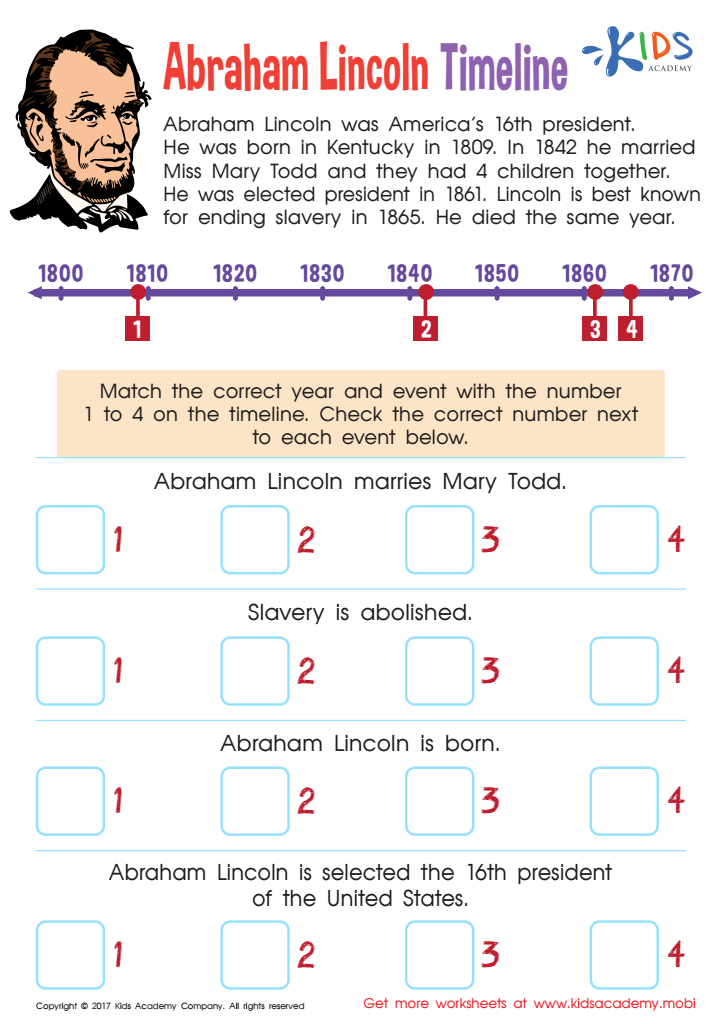
Abraham Lincoln Timeline Worksheet
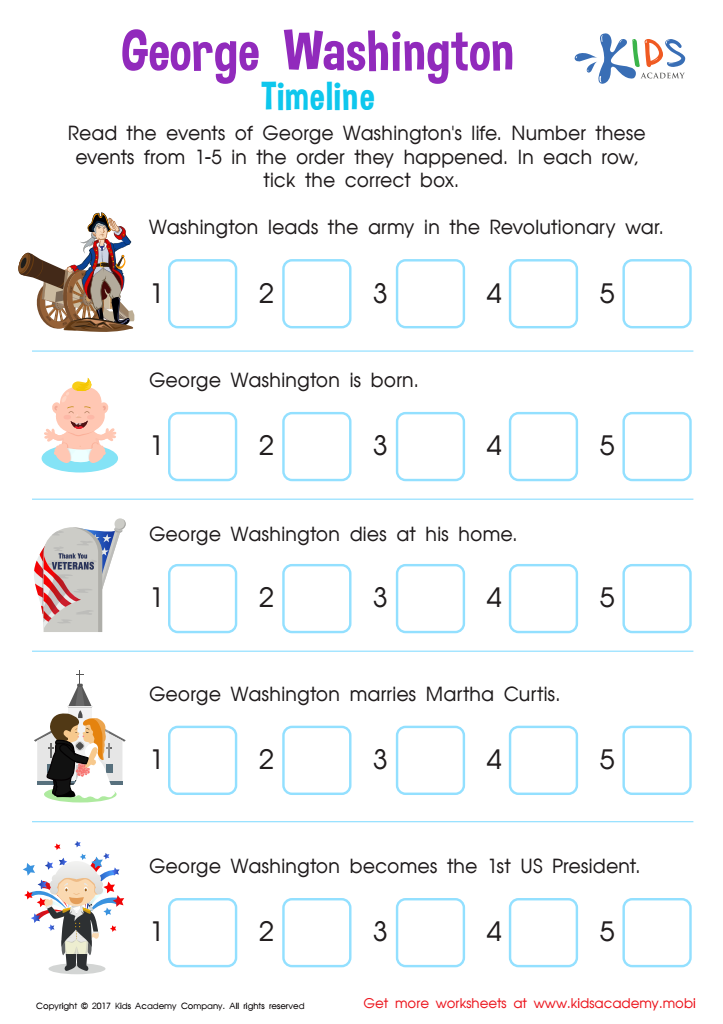
George Washington Timeline Worksheet
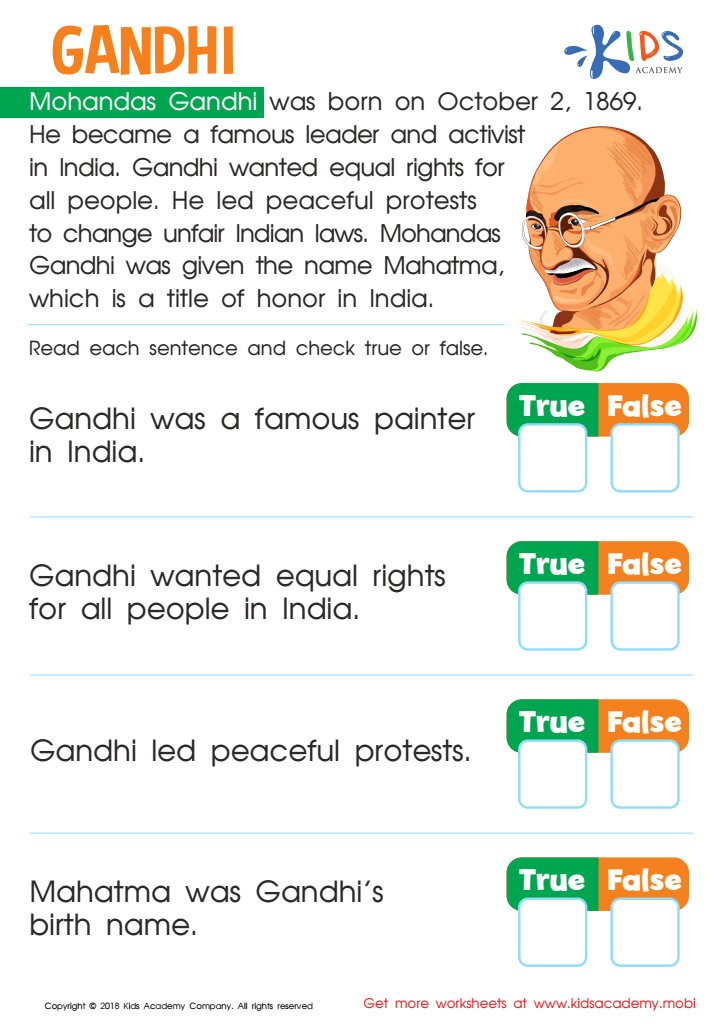
Gandhi Worksheet
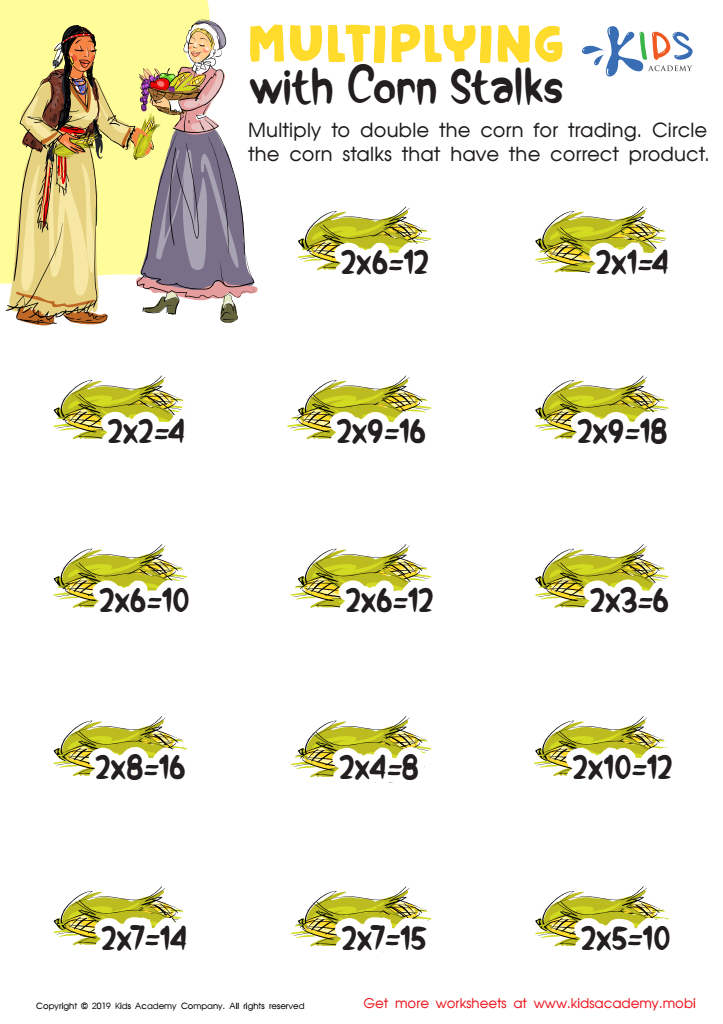
Multiplying With Corn Stalks Worksheet
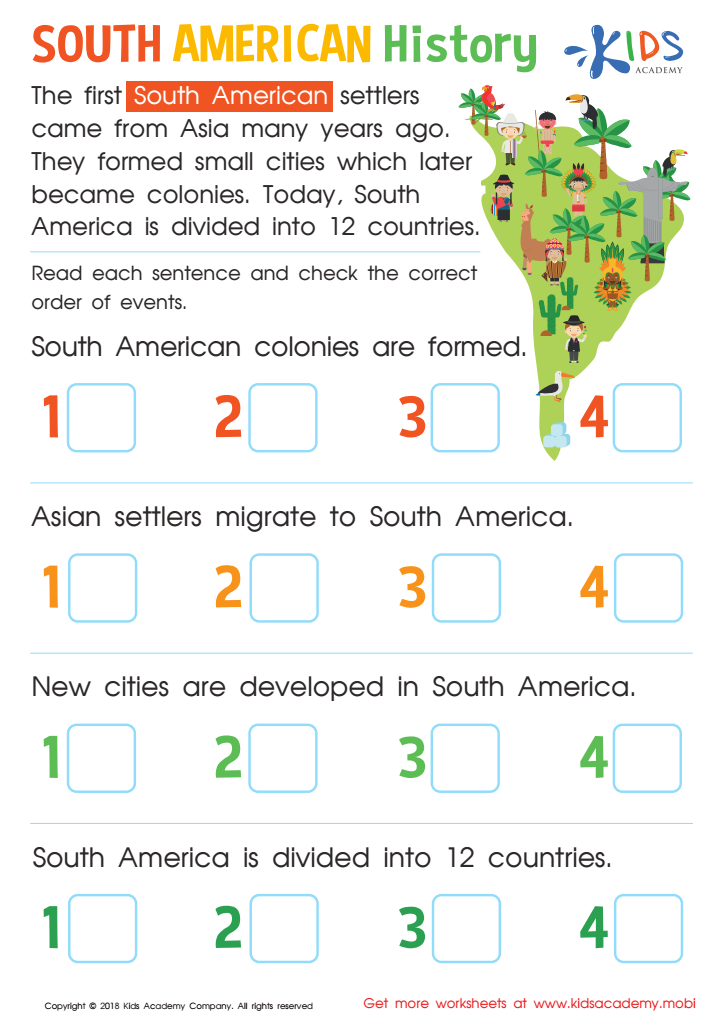
South American History Worksheet
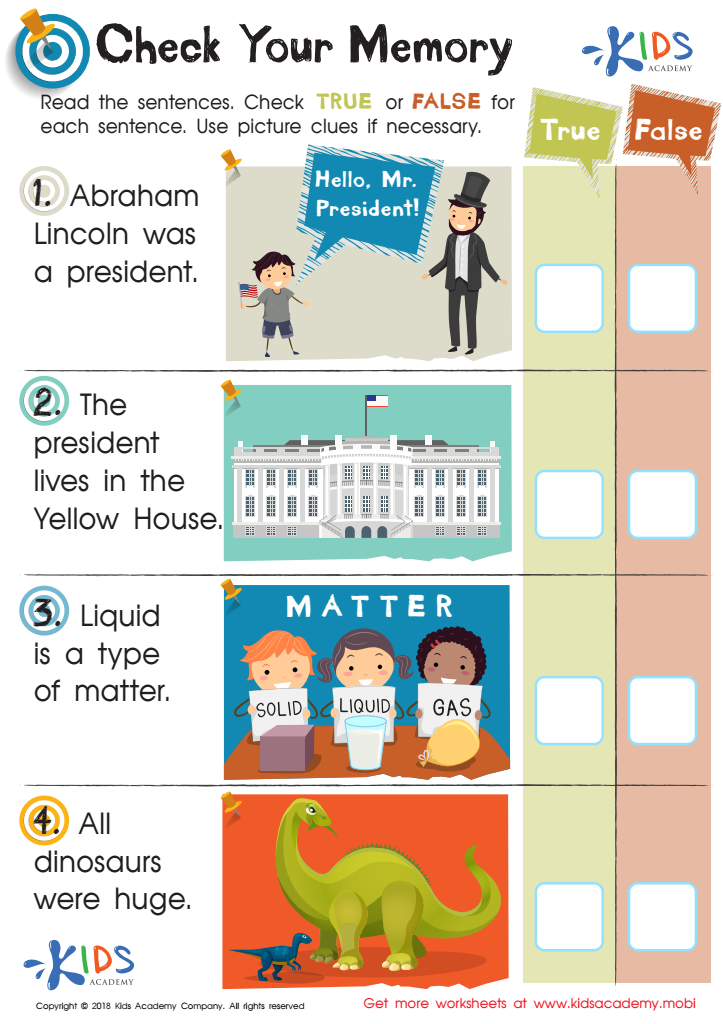
Check Memory Worksheet
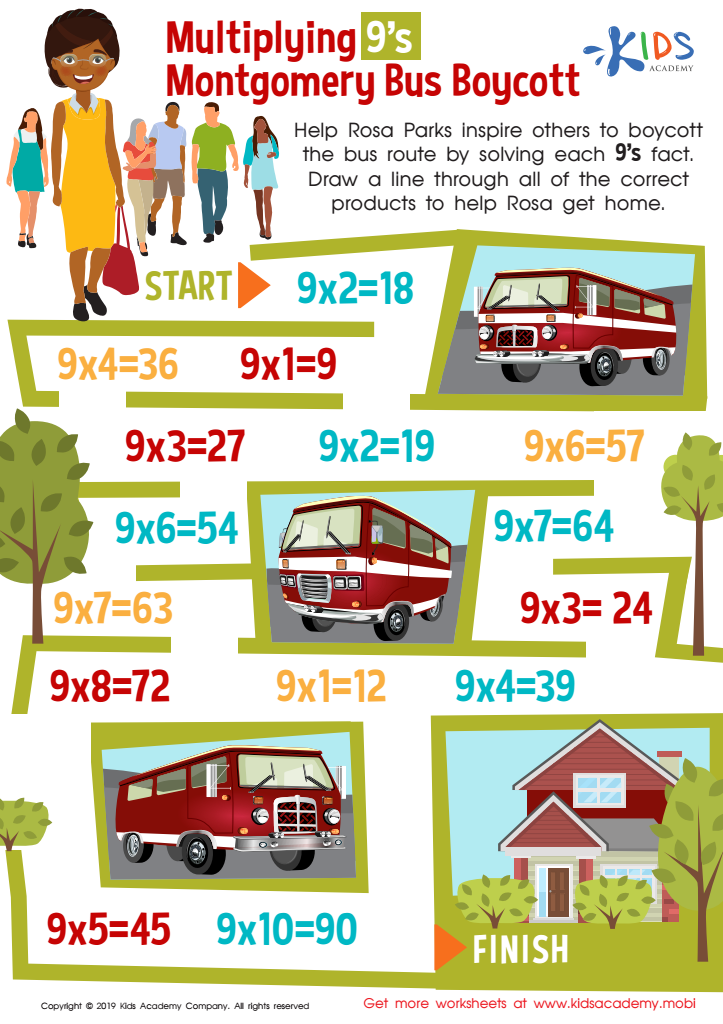
Multiplying 9’s Montgomery Bus Boycott Worksheet








History is a vital building block for children aged 3-8, shaping their understanding of the world and their place within it. At this age, children are naturally curious about their surroundings and asking questions about the past. Engaging with history nurtures their curiosity and fosters critical thinking skills, allowing them to make connections between different times, cultures, and events.
Learning history helps develop a sense of identity. Children begin to understand their own heritage, which fosters a sense of belonging and pride in who they are. It also encourages empathy as they learn about diverse perspectives and experiences, promoting inclusivity and respect for others.
Moreover, early exposure to history can enhance language skills, expand vocabulary, and strengthen communication abilities as children express their thoughts about stories and facts from the past. By exploring historical events through storytelling, role-play, and age-appropriate materials, parents and teachers can create engaging, interactive lessons that make learning fun.
Ultimately, incorporating history into early education enriches children’s social studies understanding, builds invaluable life skills, and inspires a lifelong love for learning, making it essential for parents and teachers to prioritize historical education in early childhood.