ABC Letters Worksheets for Ages 3-9 - Page 2
37 filtered results
-
From - To
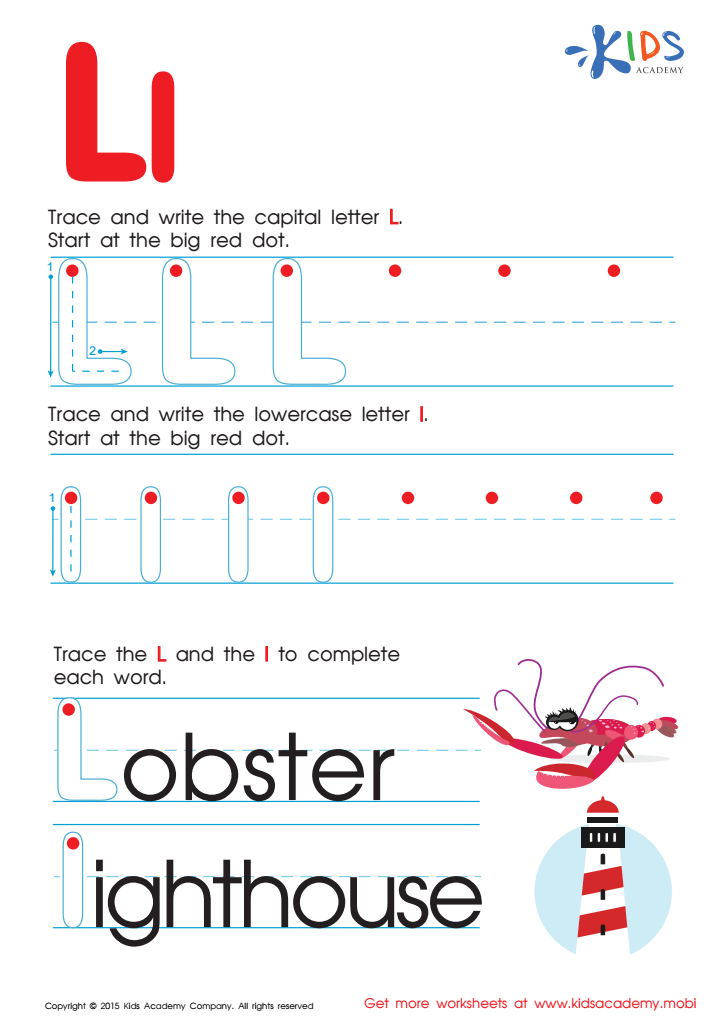
Letter L Tracing Page
 Assign to My Students








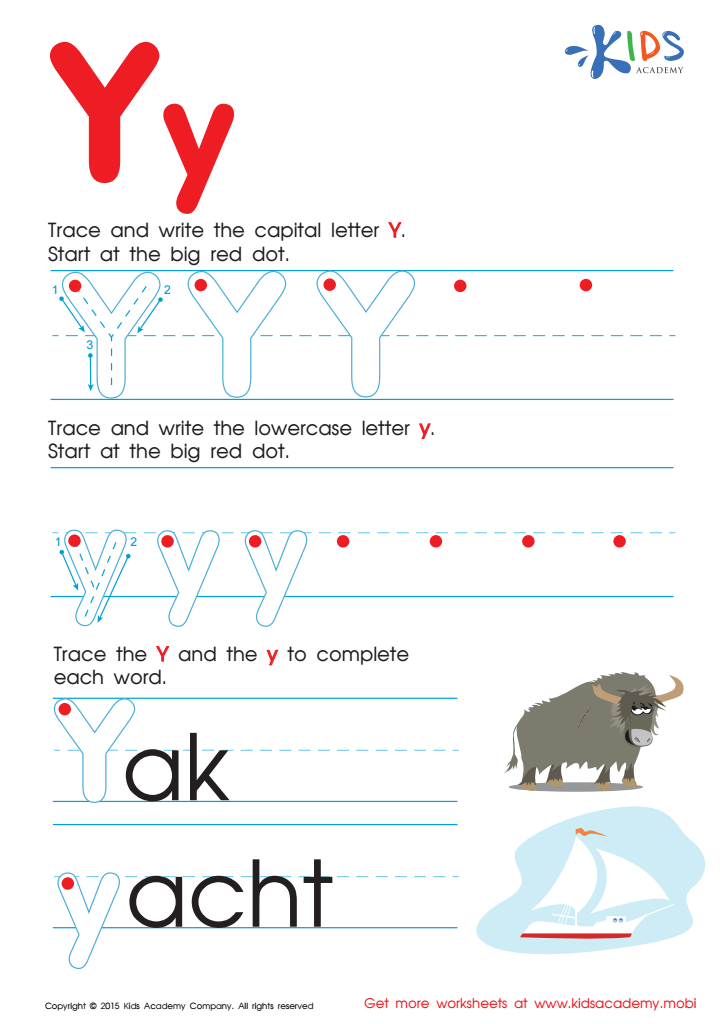
Letter Y Tracing Page
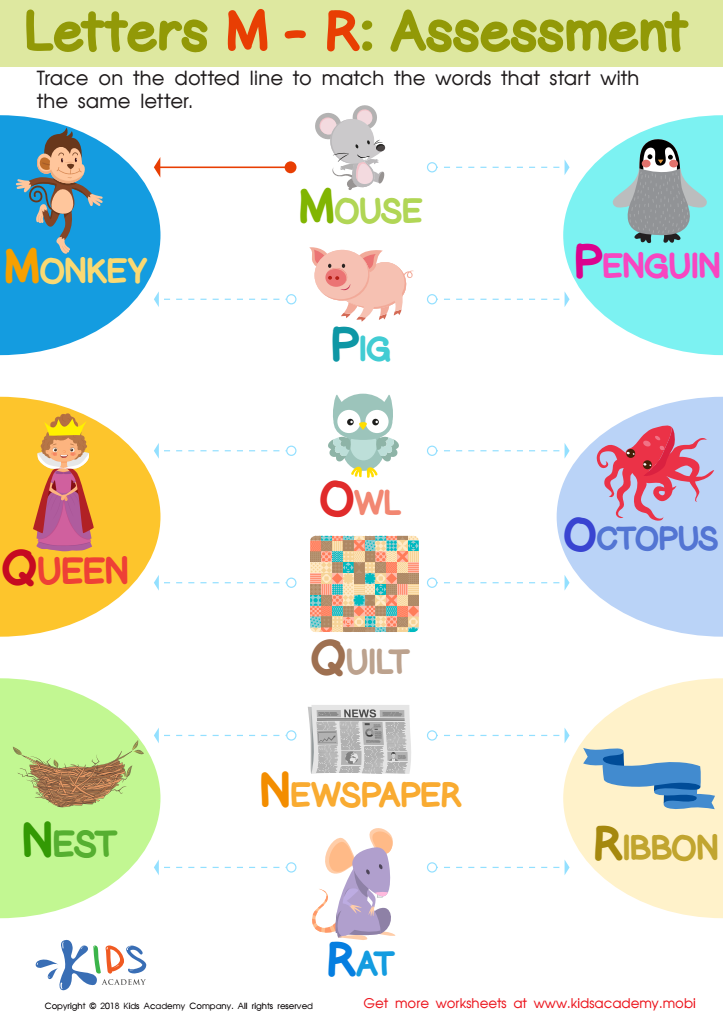
Letters M-R Tracing Worksheet
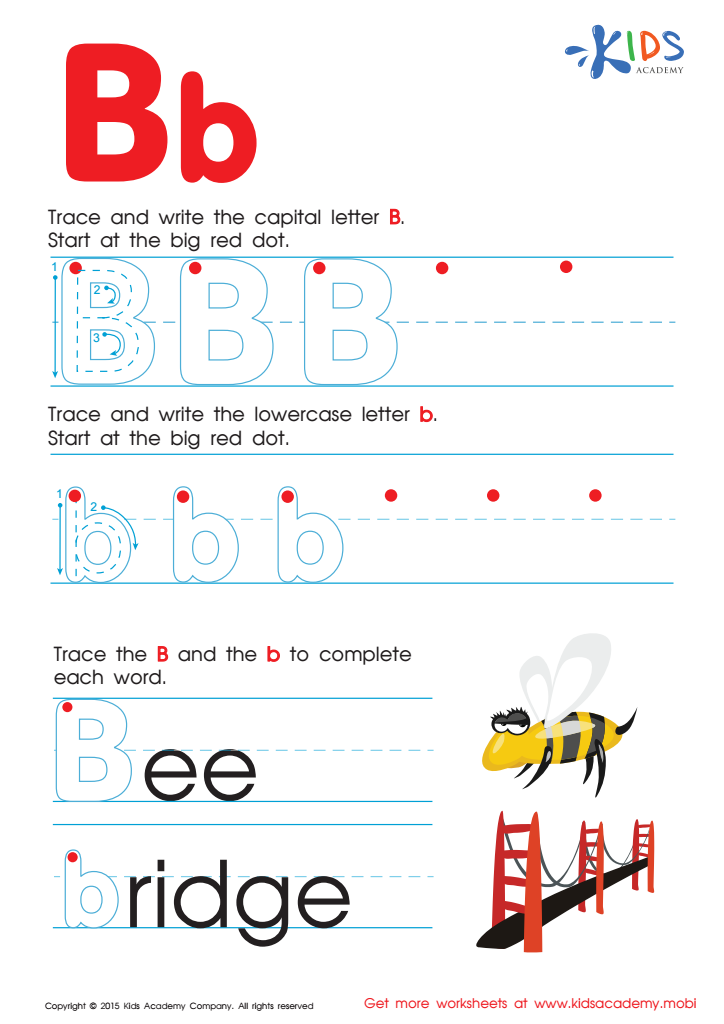
Letter B Tracing Page
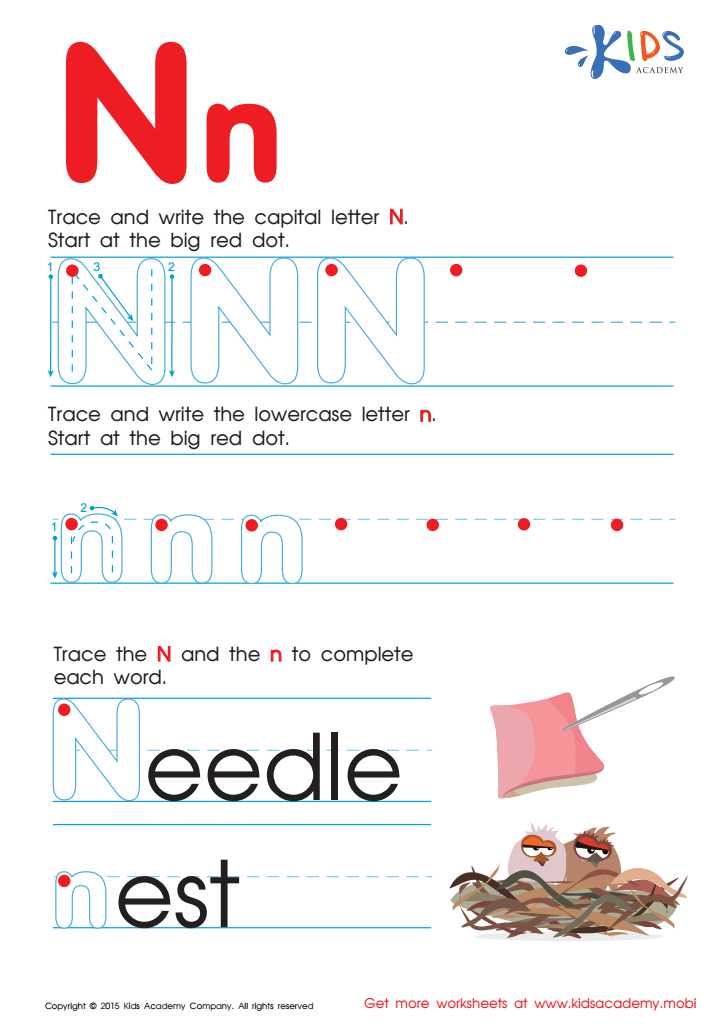
Letter N Tracing Page
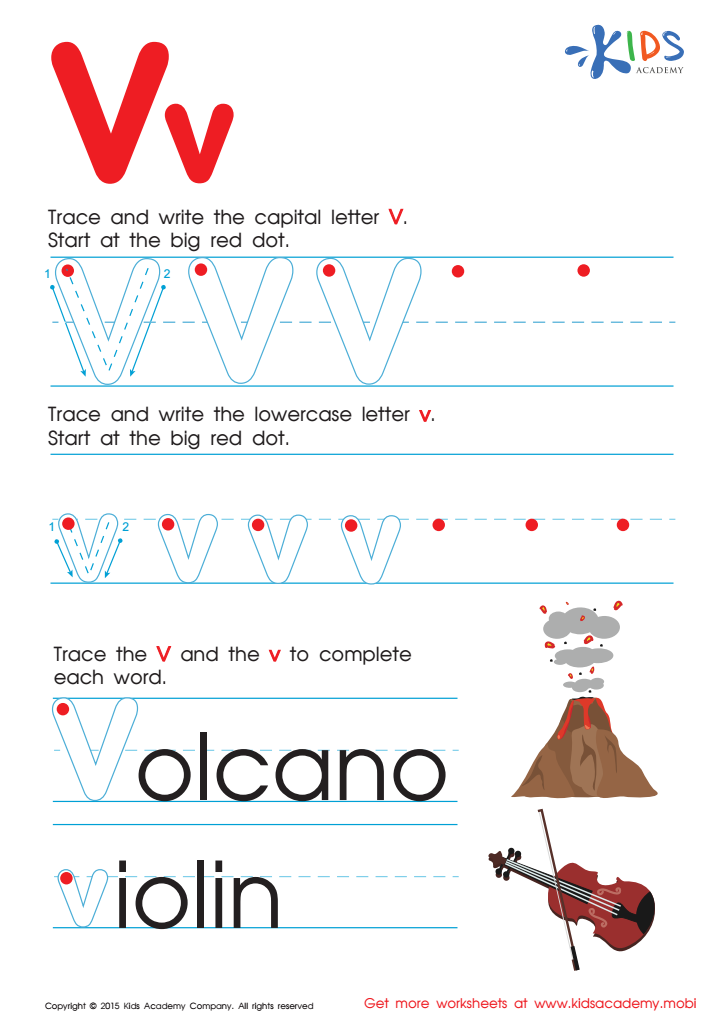
Letter V Tracing Page
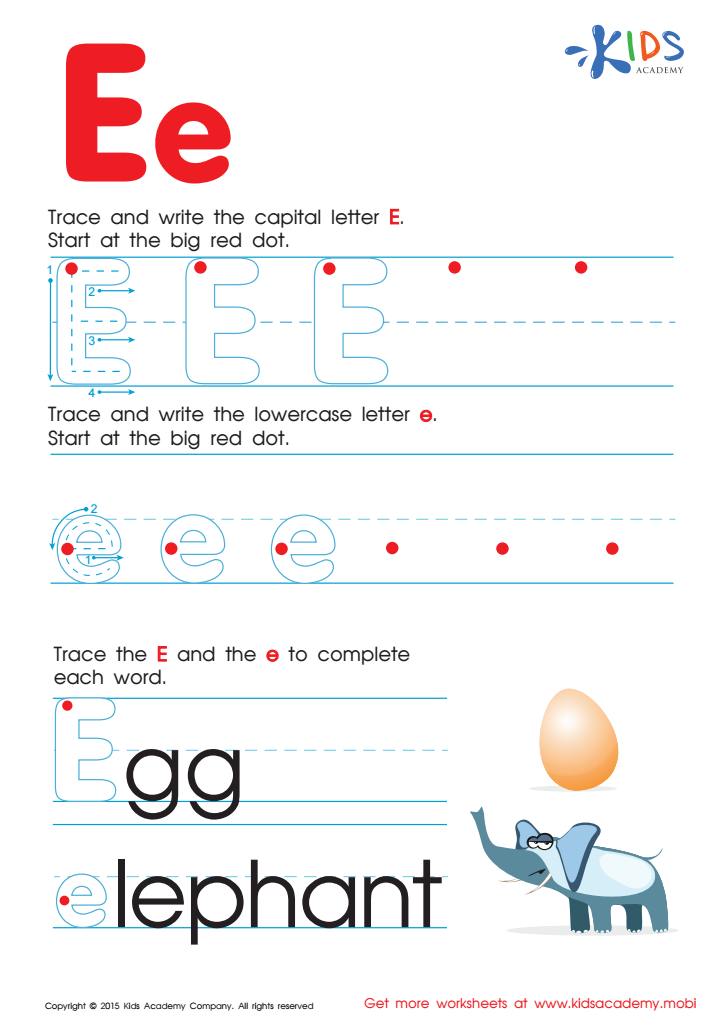
Letter E Tracing Page
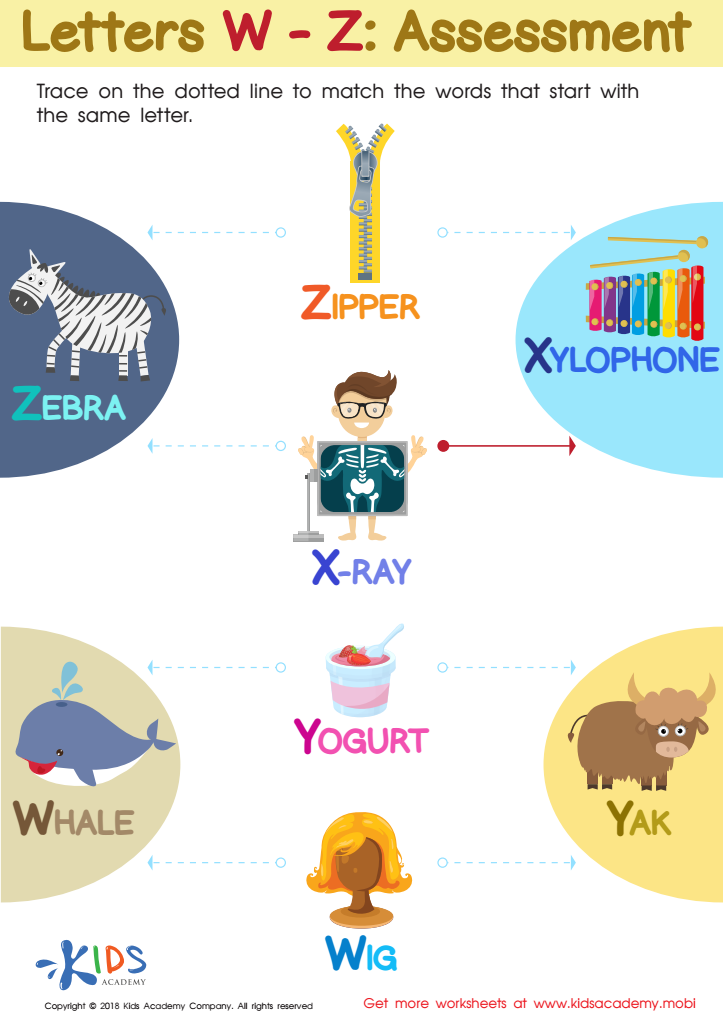
Letters W–Z Tracing Worksheet
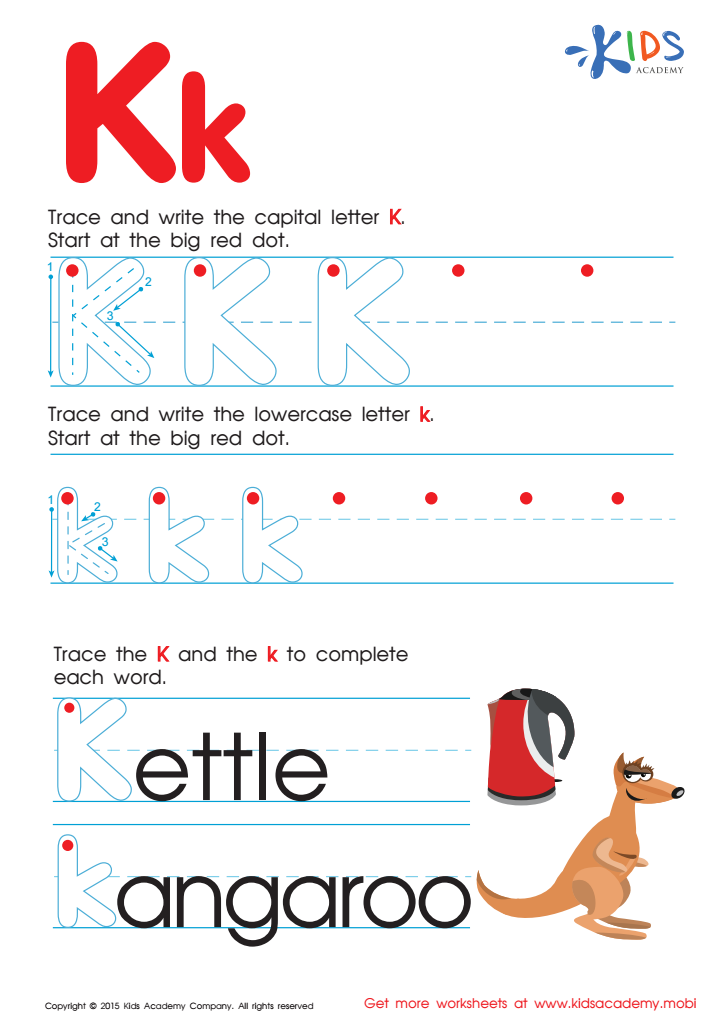
Letter K Tracing Page
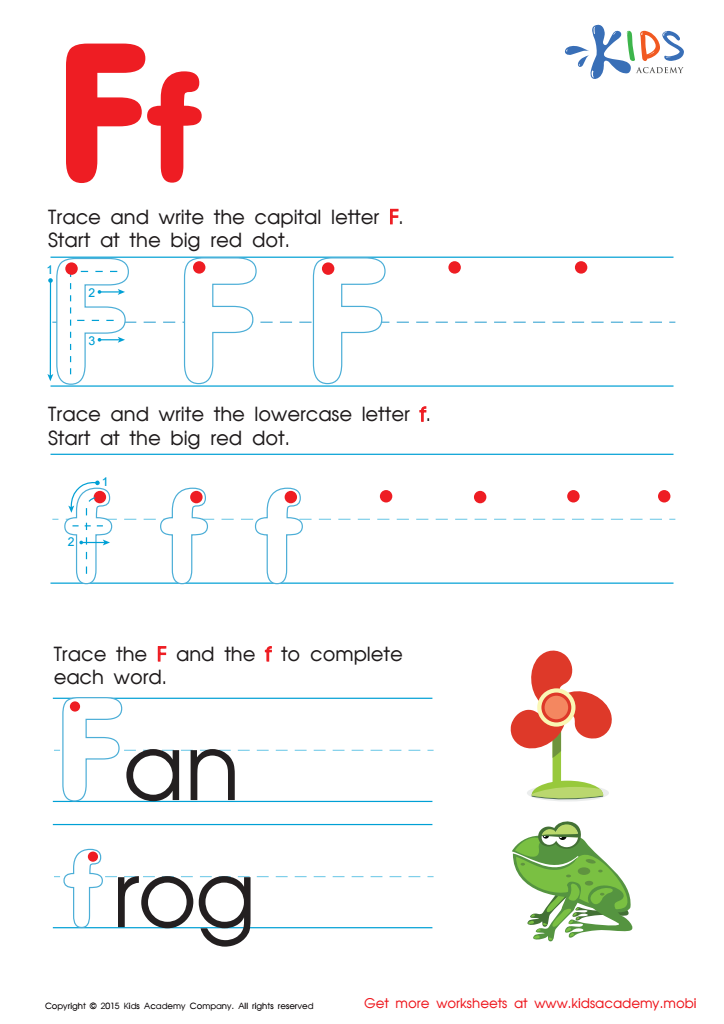
Letter F Tracing Page
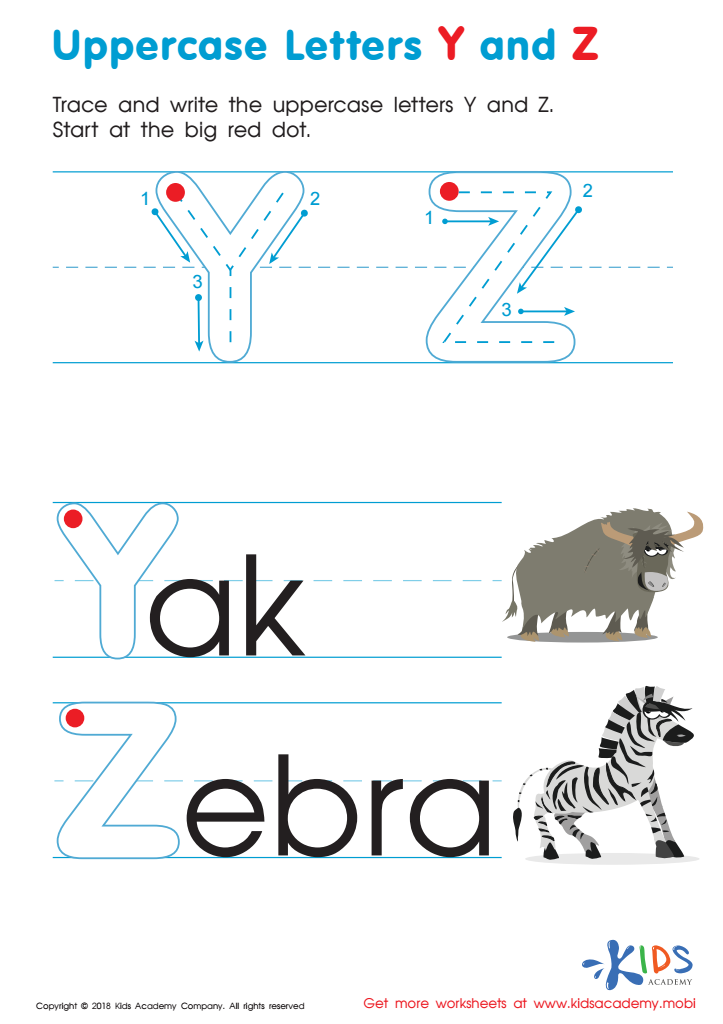
Uppercase Letters Y Z Worksheet
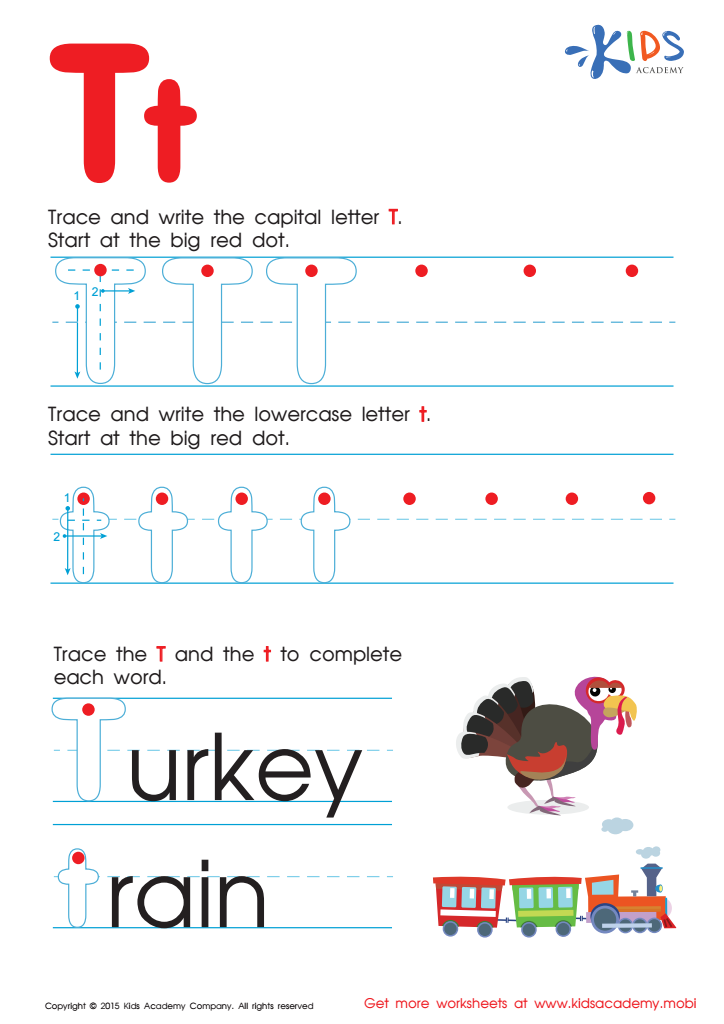
Letter T Tracing Page
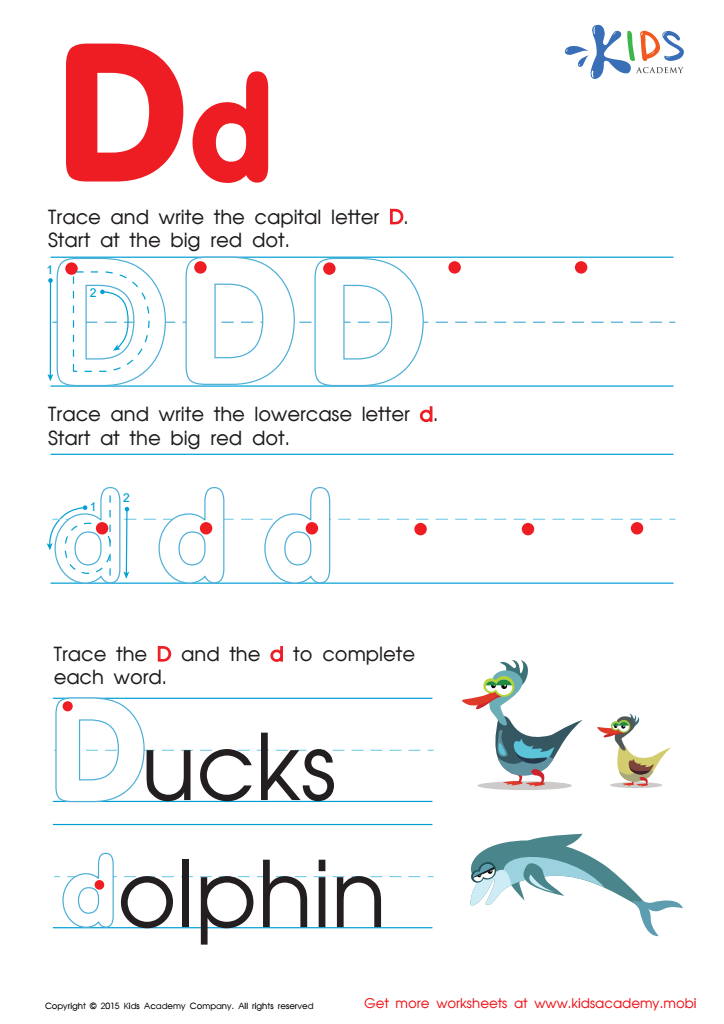
Letter D Tracing Page







Parents and teachers should place significant importance on ABC letters for children ages 3-9, as early literacy forms the foundation of all future learning. At this formative stage, children are incredibly receptive and eager to discover the world around them. Learning the alphabet is the cornerstone of reading and writing, skills that are essential for academic success and daily communication.
Introducing ABC letters early helps develop phonemic awareness—the ability to hear, identify, and manipulate individual sounds in words—a critical precursor to proficient reading. Moreover, familiarity with the alphabet boosts a child’s confidence and curiosity, fostering a positive attitude towards learning.
Additionally, grasping letters and their sounds aids in cognitive development, enhancing memory, attention, and problem-solving skills. Activities involving ABC letters can be designed to improve fine motor skills through writing, finger tracing, and puzzle-solving.
Moreover, the brain's language development and literacy centers are highly active during ages 3-9. Early educational interventions during this period maximize these natural potentials. Lastly, early literacy is linked with greater social-emotional development, as children who can communicate effectively are better able to express themselves and interact with others.
Parents and teachers have the key role of creating a nurturing, engaging environment for ABC learning, laying the groundwork for a child’s educational journey and lifelong success.







