Community Worksheets for Ages 3-9 - Page 2
125 filtered results
-
From - To
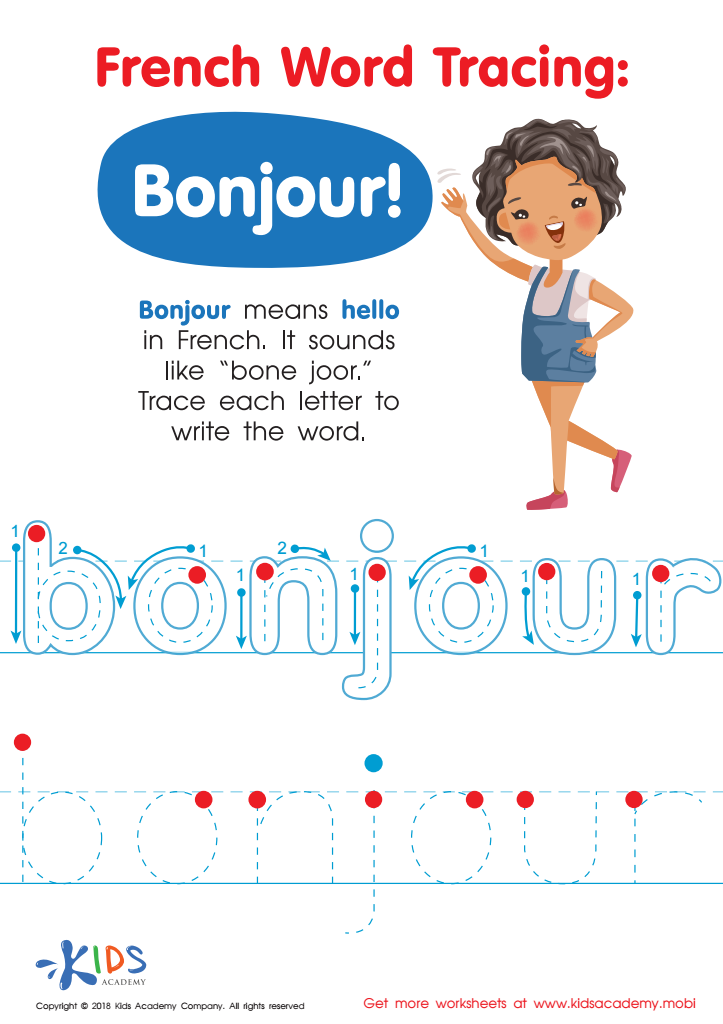
French Word Tracing: Bonjour Worksheet
 Assign to My Students
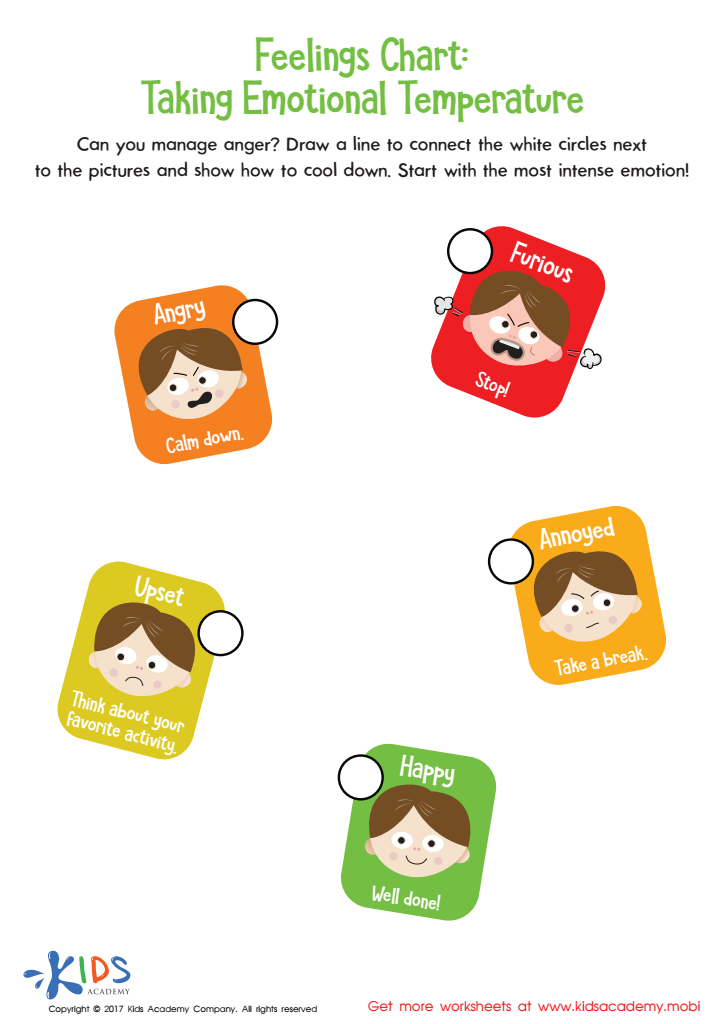
Feelings Chart Worksheet
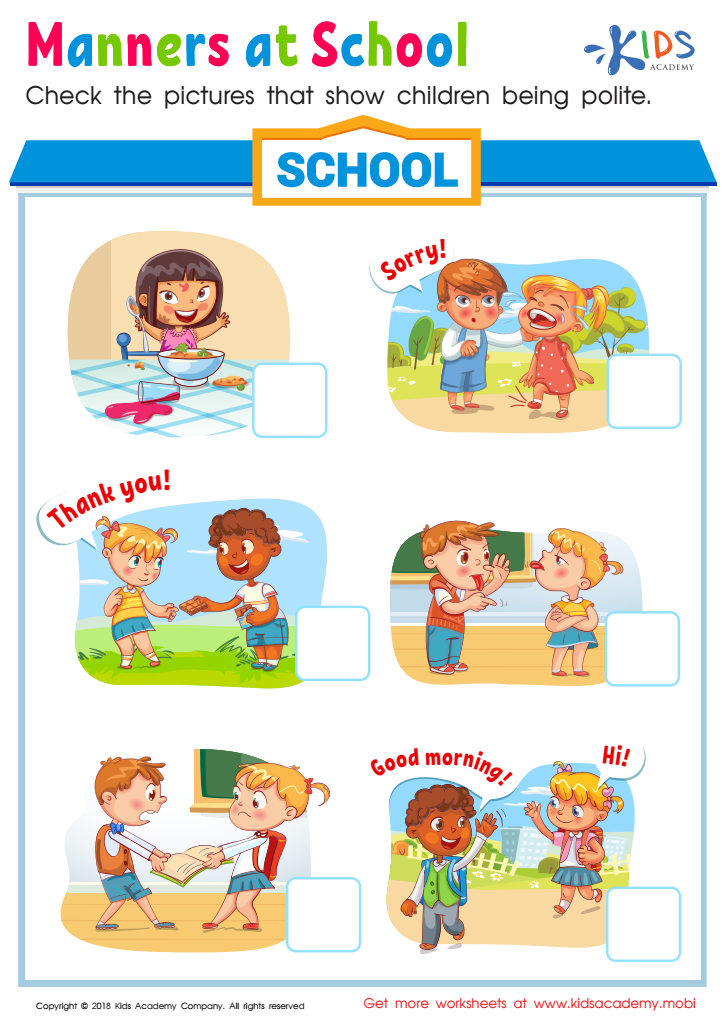
Manners at School Worksheet

Let's Look! Assessment Worksheet
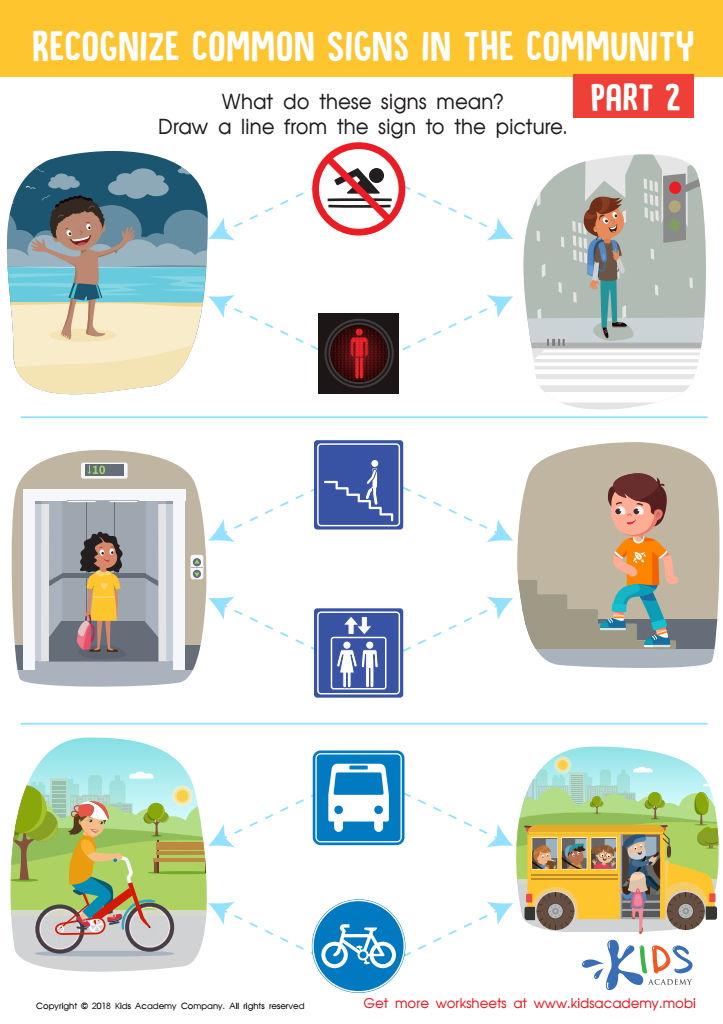
Recognize Common Signs: Part 2 Worksheet
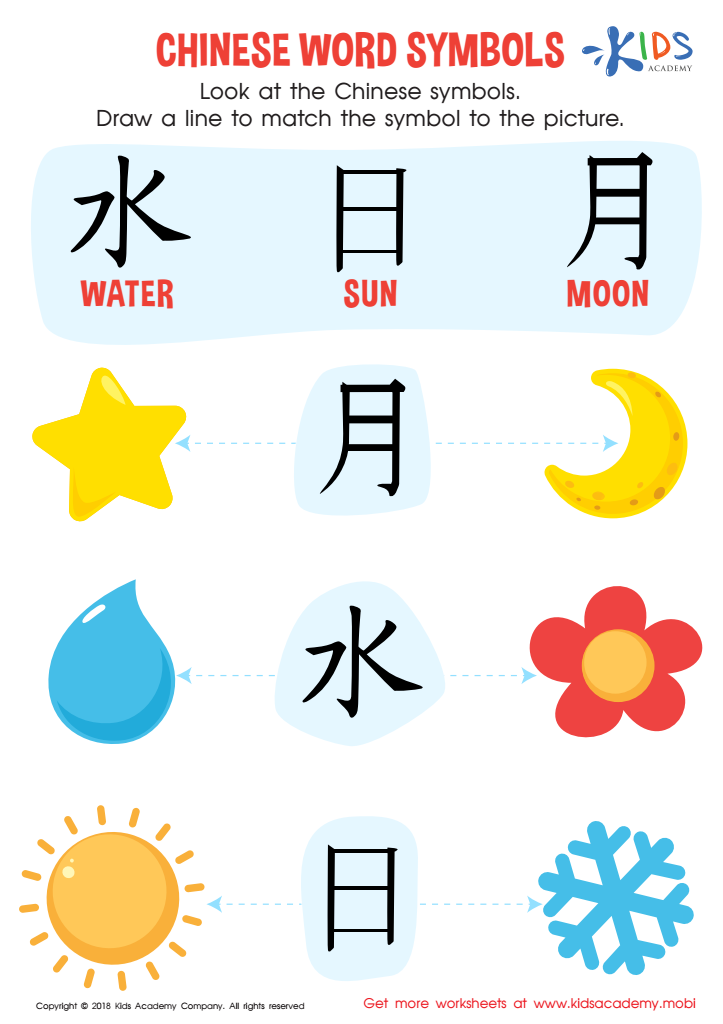
Chinese Word Symbols Worksheet
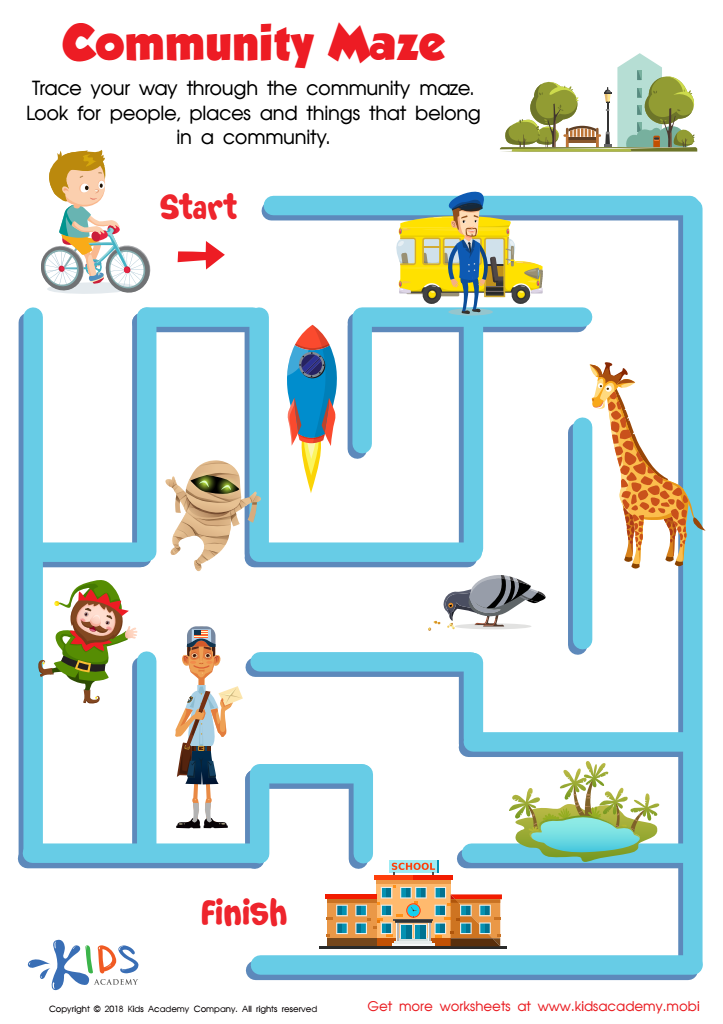
Community Maze Worksheet
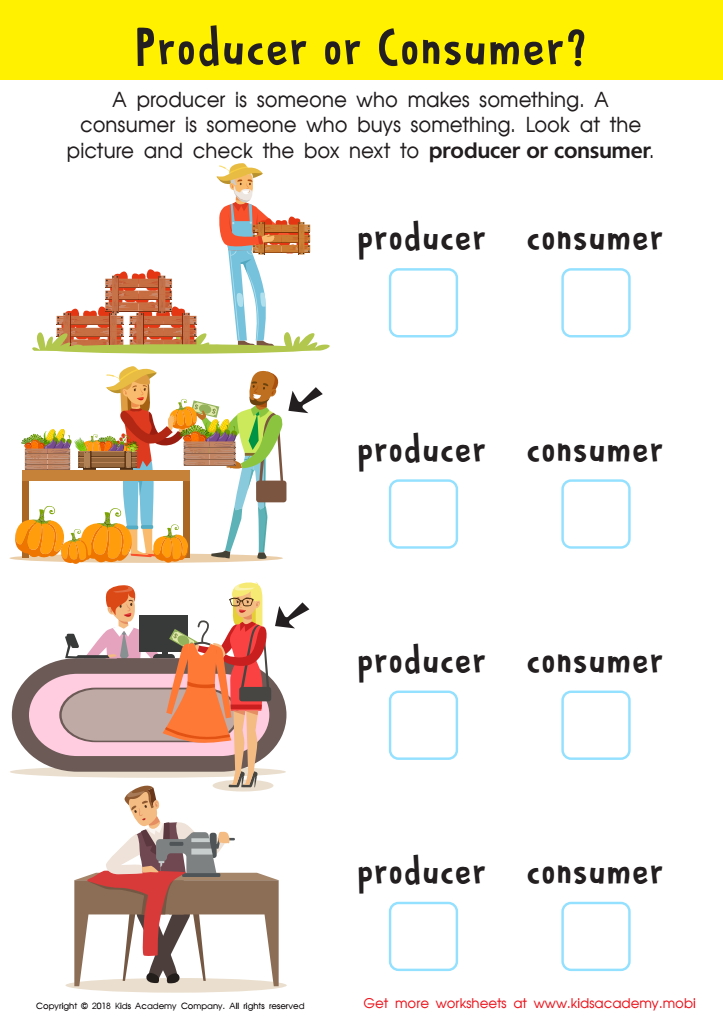
Producer or Consumer? Worksheet
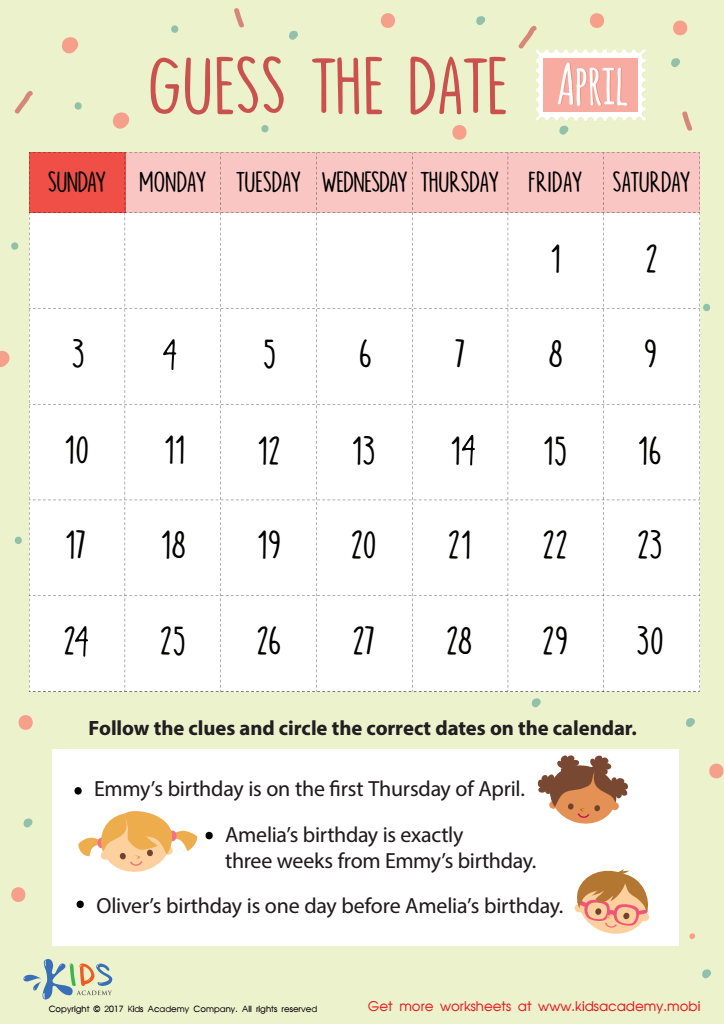
Guess the Date Worksheet
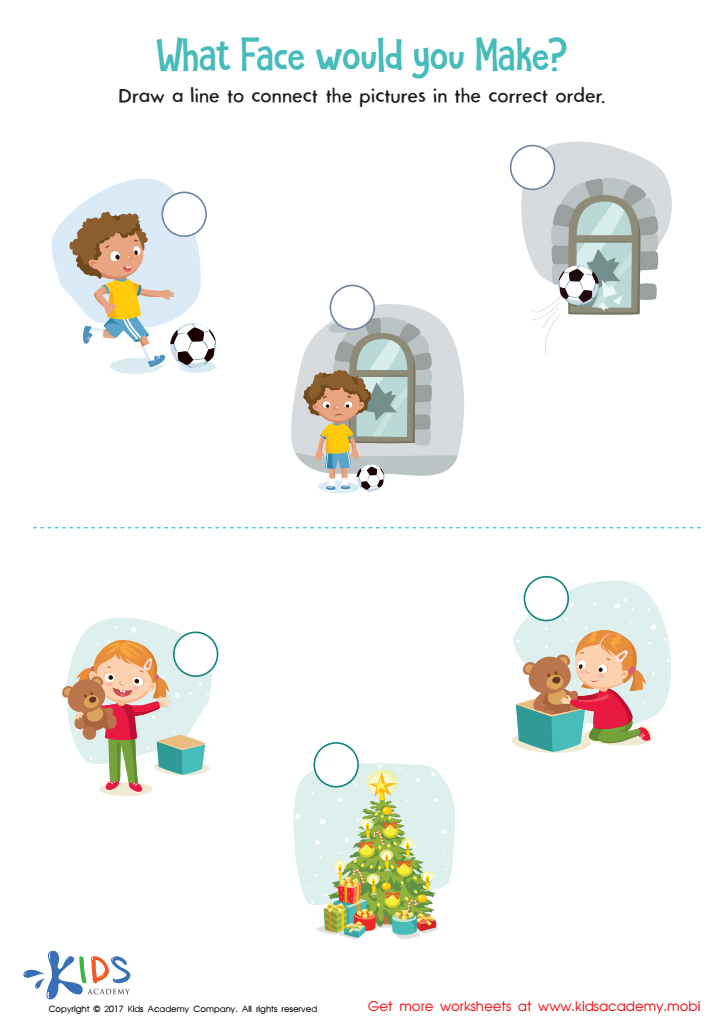
Understanding Emotions Worksheet
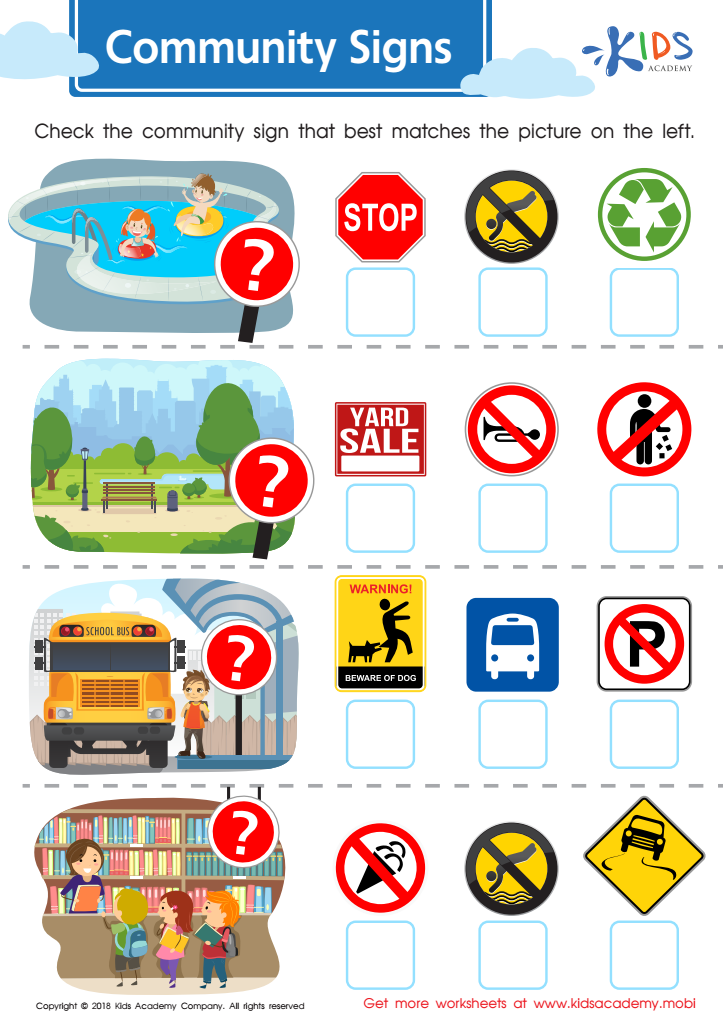
Community Signs Worksheet
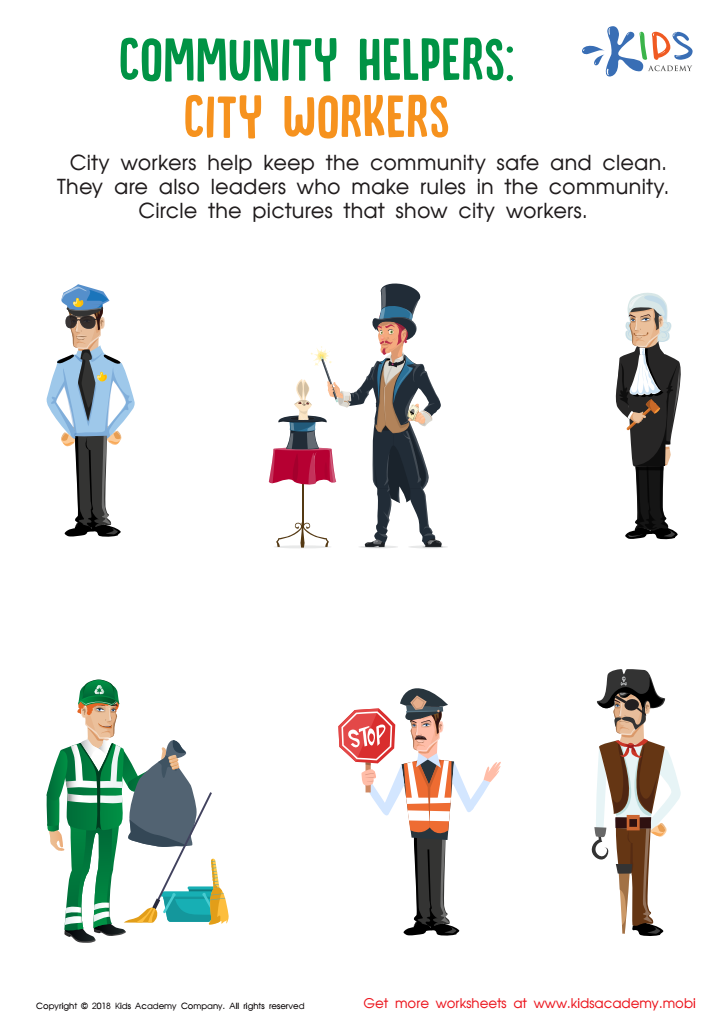
City Workers Community Helpers Worksheet
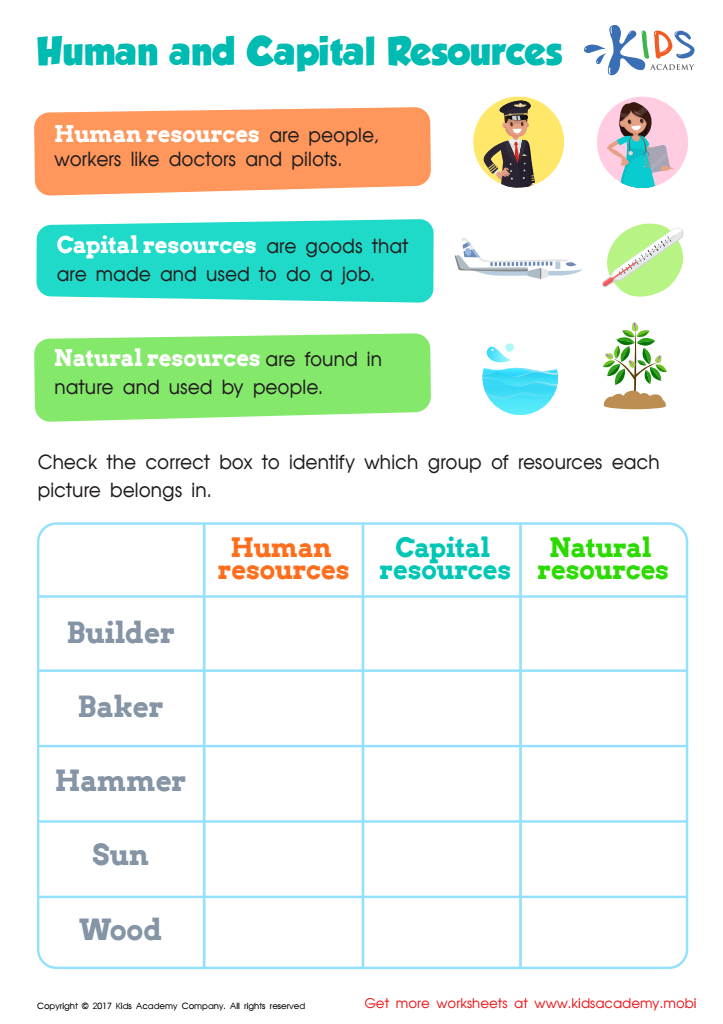
Human and Capital Resources Worksheet
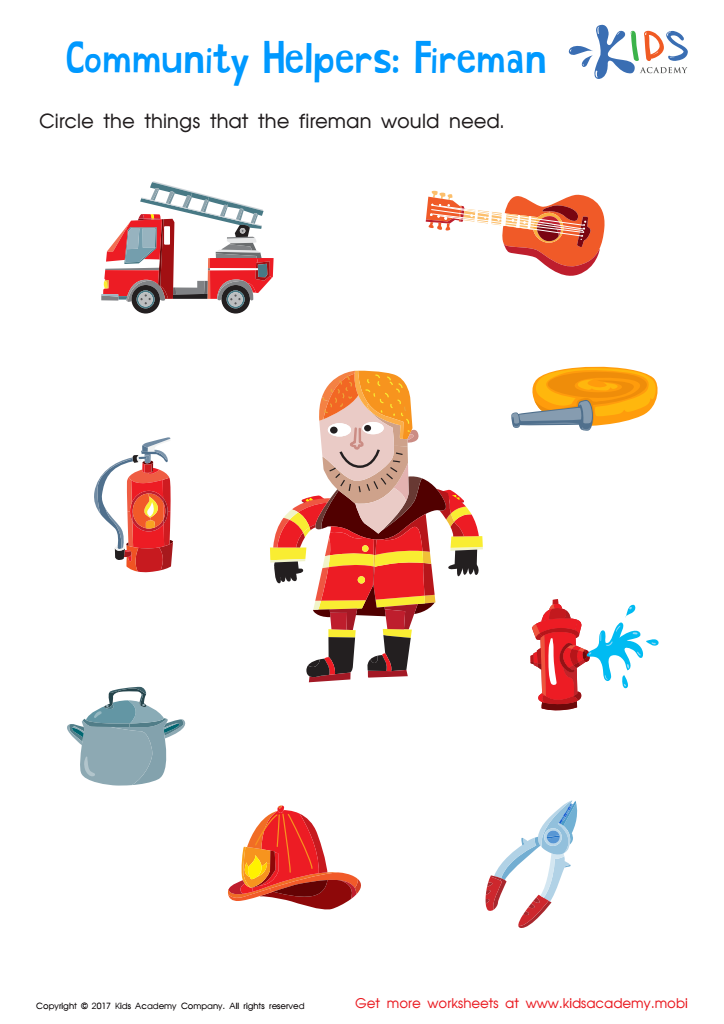
Fireman Worksheet
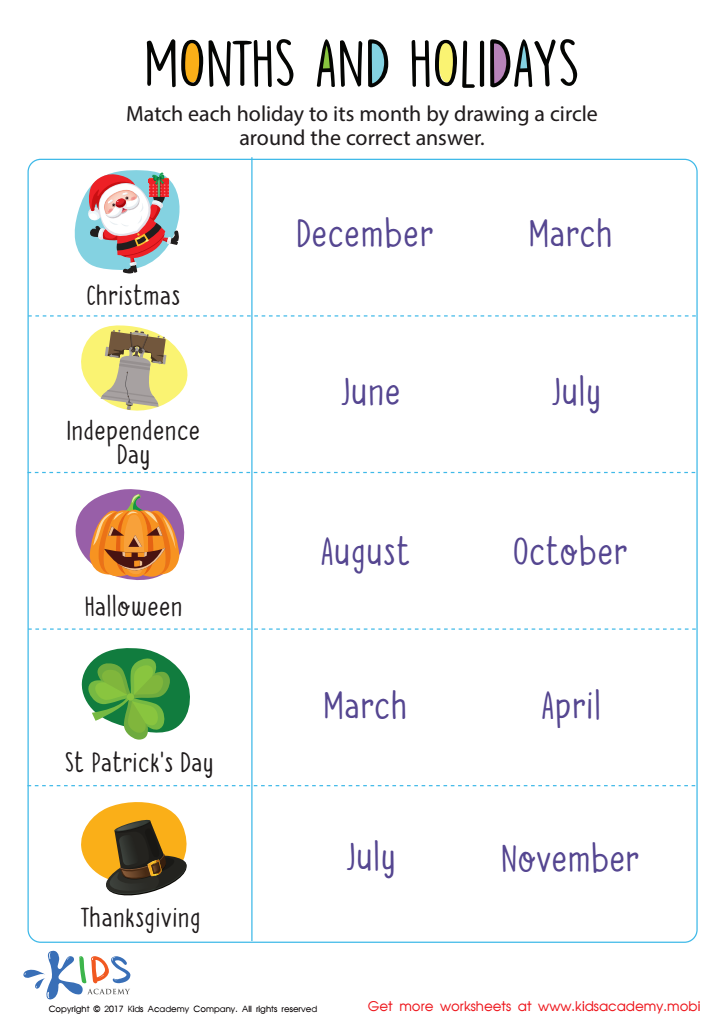
Months and Holidays Worksheet
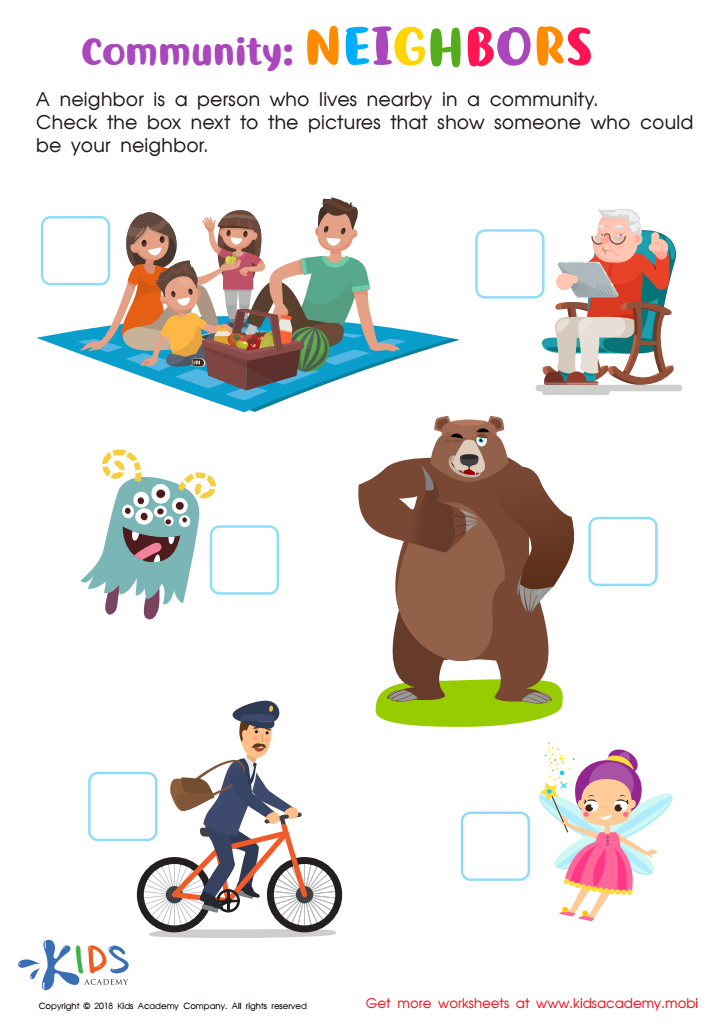
Community: Neighbors Worksheet
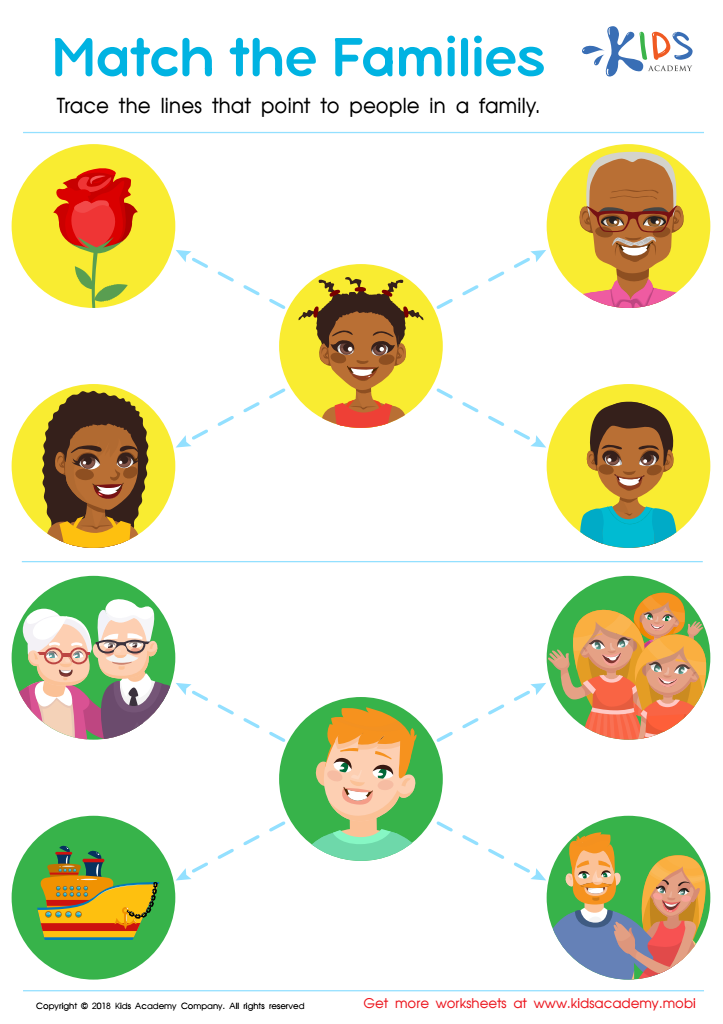
Match the Families Worksheet
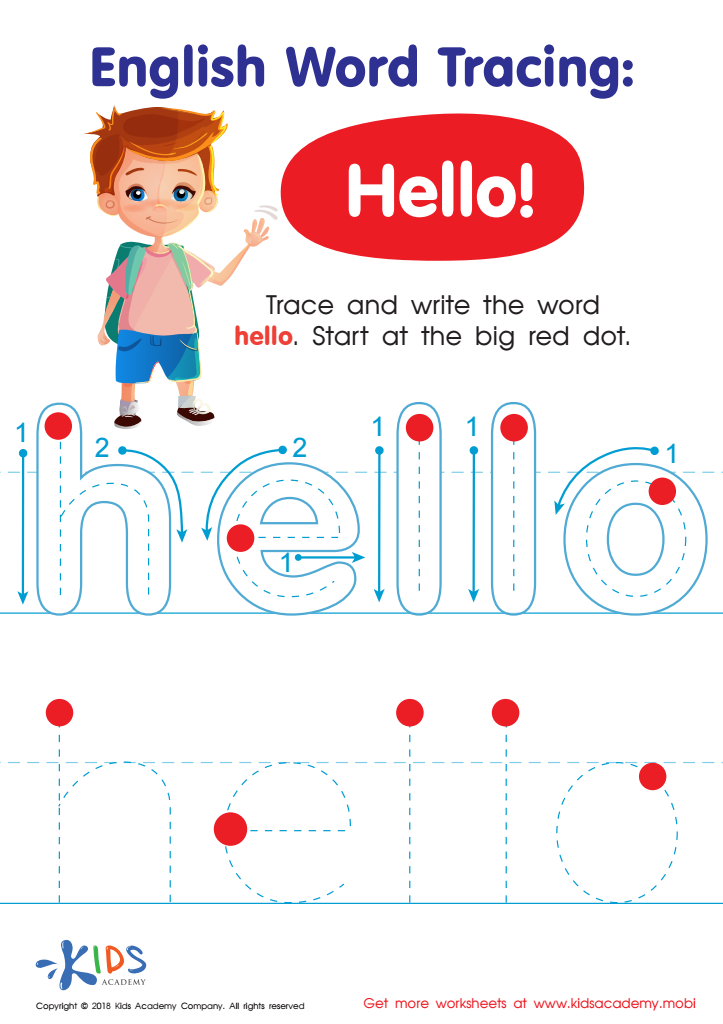
English Word Tracing: Hello Worksheet

Let's Go to the Library! Worksheet
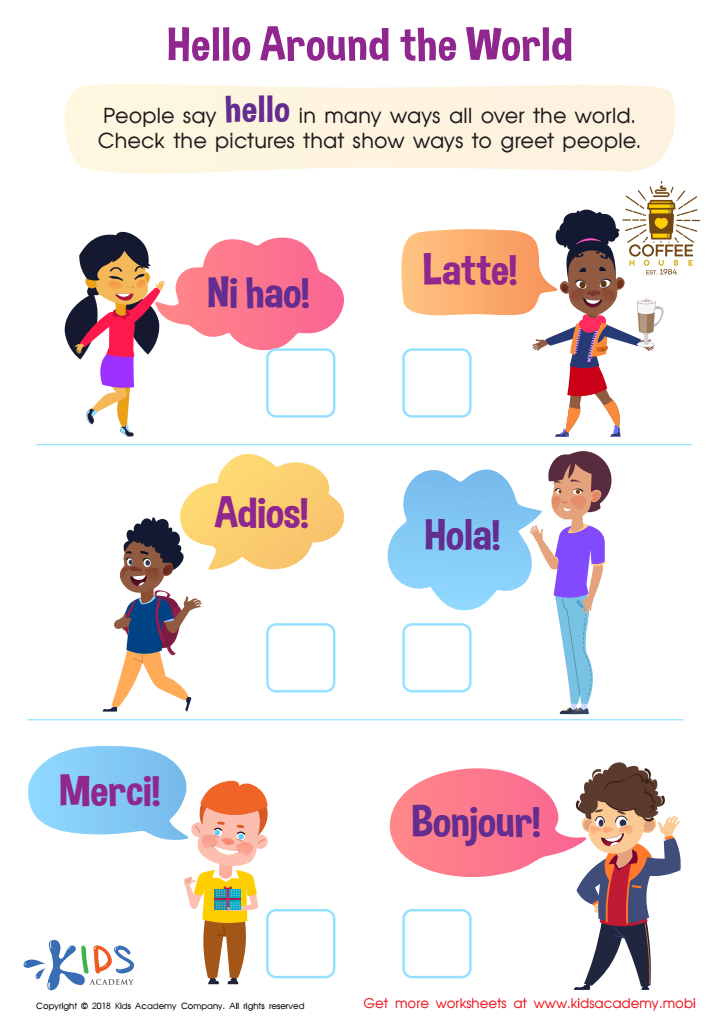
Hello Around the World Worksheet
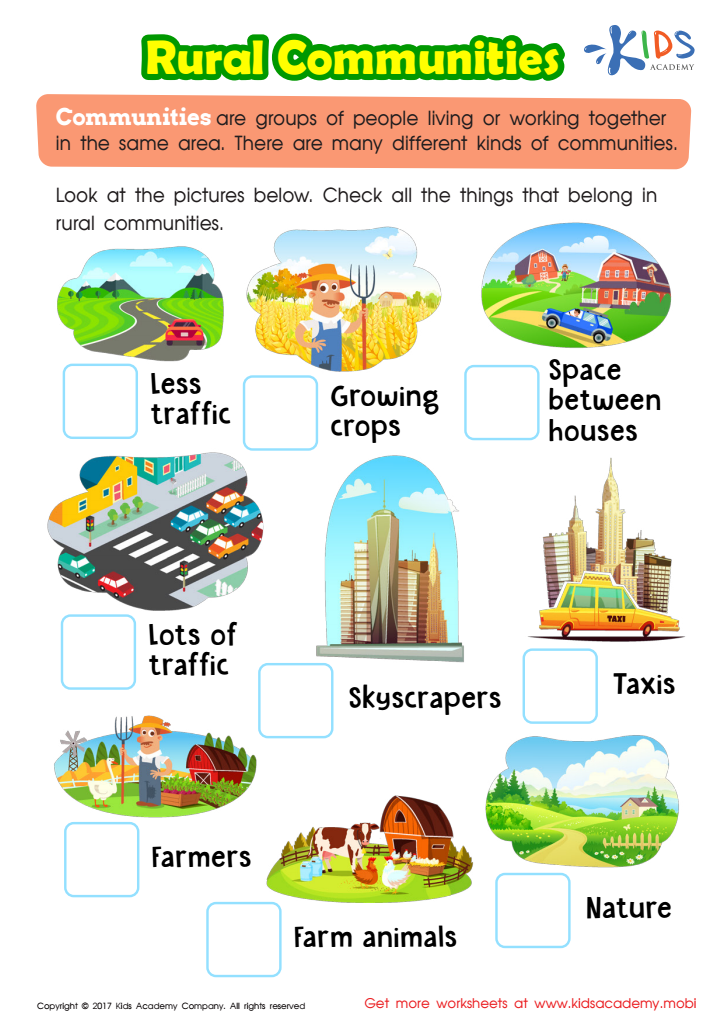
Rural Communities Printable
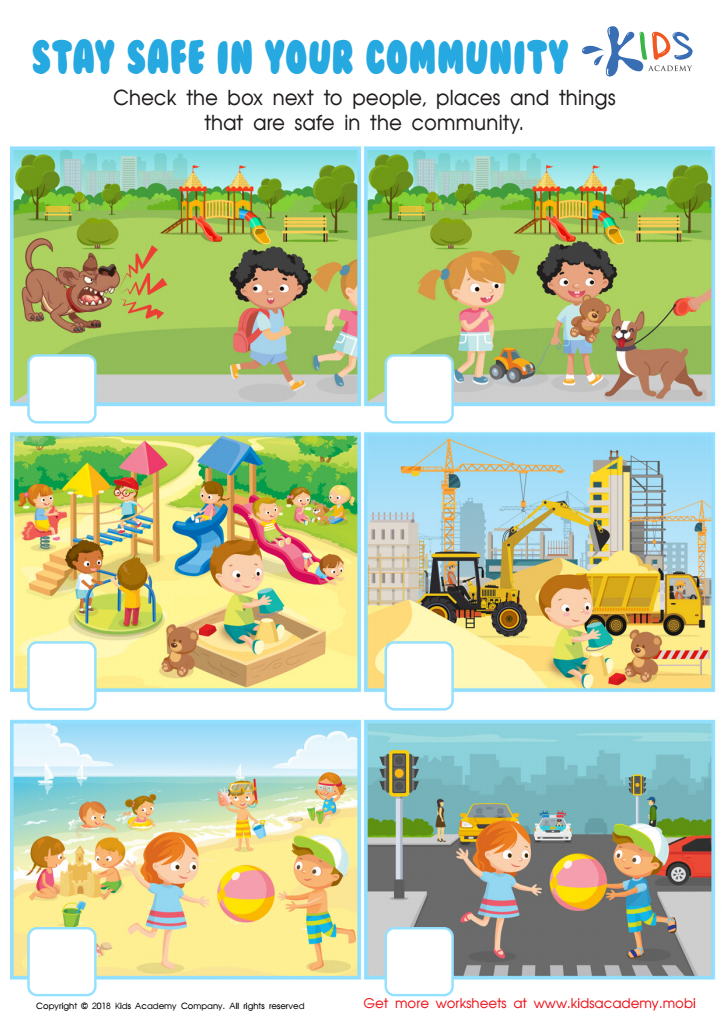
Stay Safe in Your Community Worksheet
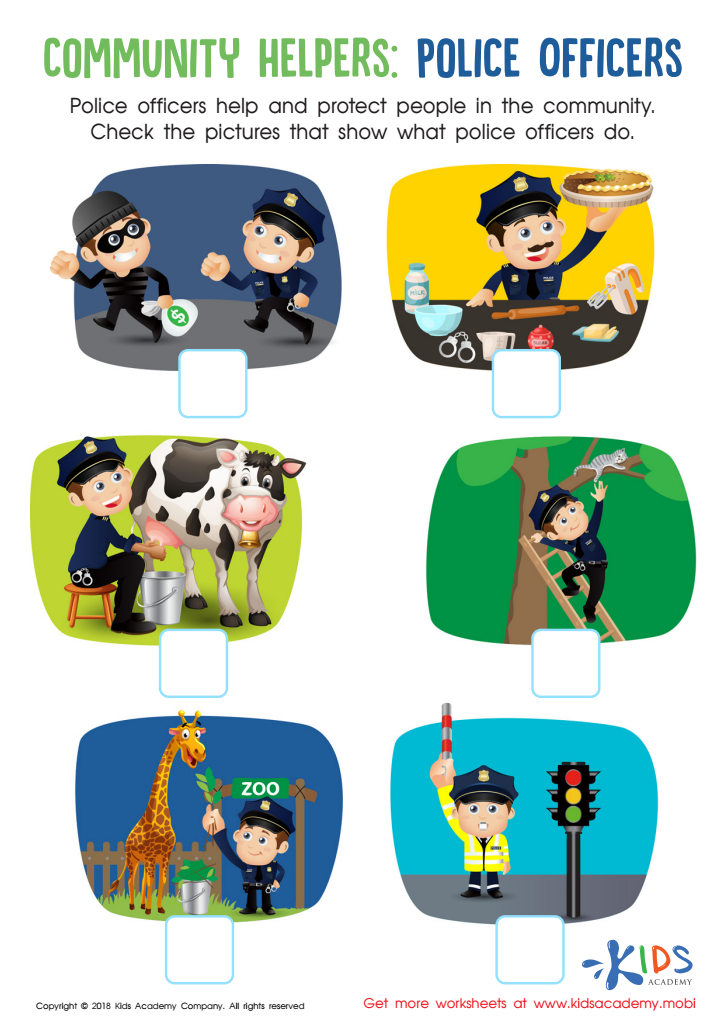
Police Officers Community Helpers Worksheet








Parents and teachers should care about community for children aged 3-9 for several compelling reasons. First, early childhood interactions within a community help foster important social skills. Kids learn to communicate, share, and resolve conflicts with peers, nurturing their emotional intelligence and resilience.
Second, community involvement exposes young learners to diverse perspectives and experiences, broadening their understanding of the world. This diversity is crucial for the development of empathy and inclusivity, teaching children to respect differences and value collaboration.
Additionally, a strong community provides a support system for families, creating a safe environment that encourages social bonds. When parents and teachers engage with the community, they enrich children's lives by connecting them with resources, extracurricular activities, and role models, fostering holistic development.
Furthermore, active involvement in local initiatives can create a sense of belonging, enhancing children's happiness and security. It can also lead to early civic engagement, teaching children the importance of contributing positively to society.
In summary, prioritizing community engagement in the early years lays a strong foundation for well-rounded, socially aware individuals who thrive in collaborative environments throughout their lives.








