Phonics Worksheets for Ages 4-7 - Page 8
224 filtered results
-
From - To
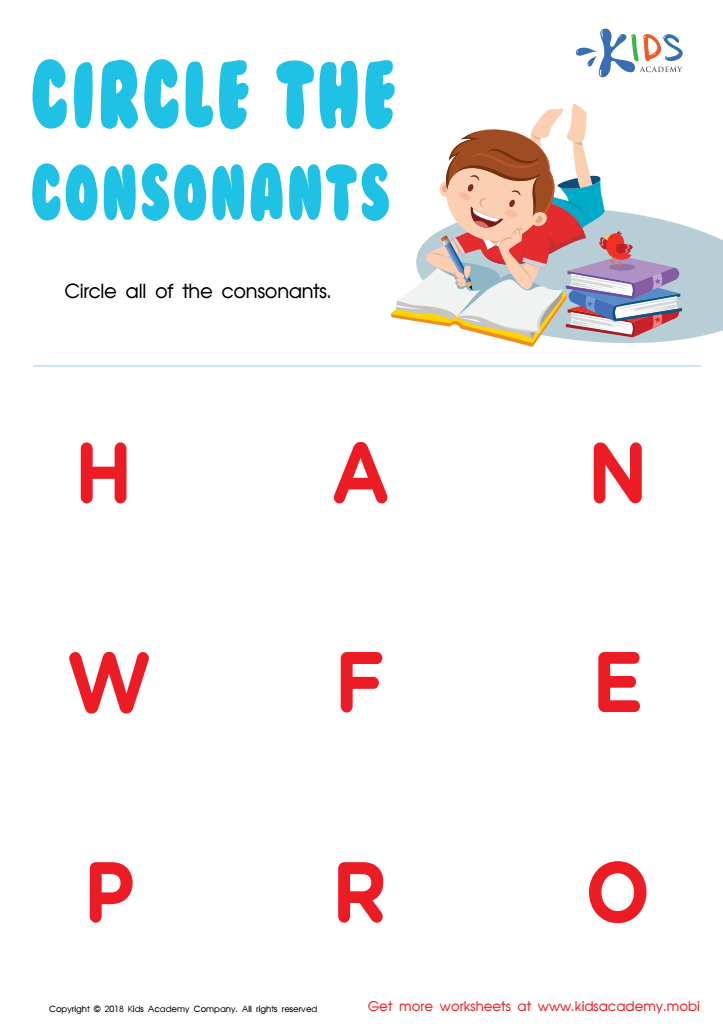
Circle the Consonants Worksheet
 Assign to My Students
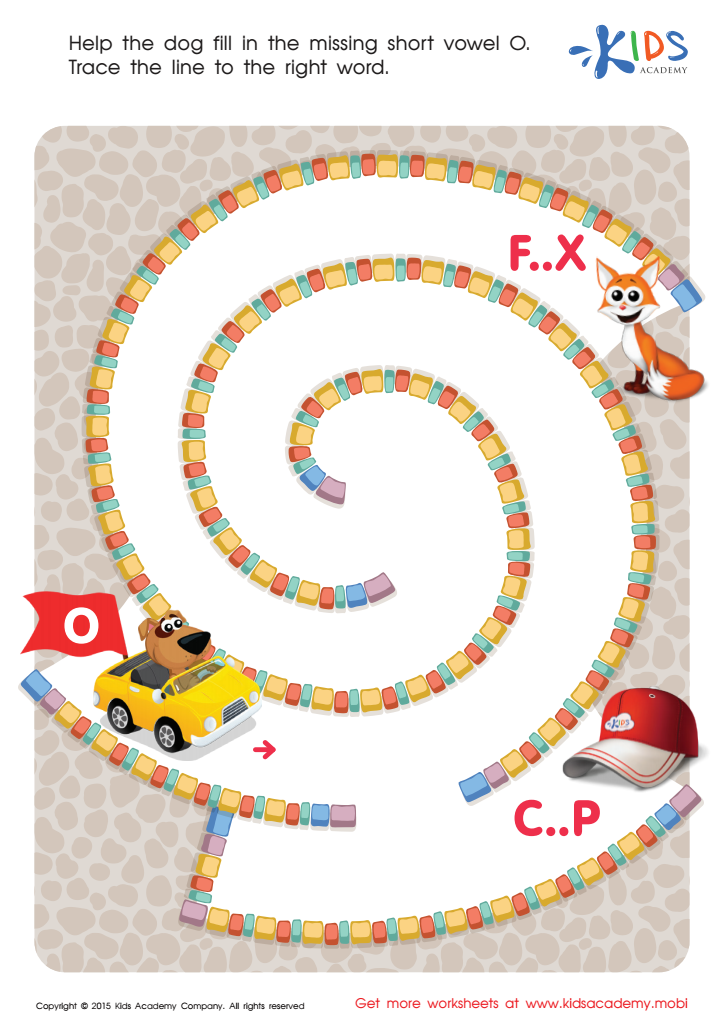
Short Vowel Sound O Worksheet
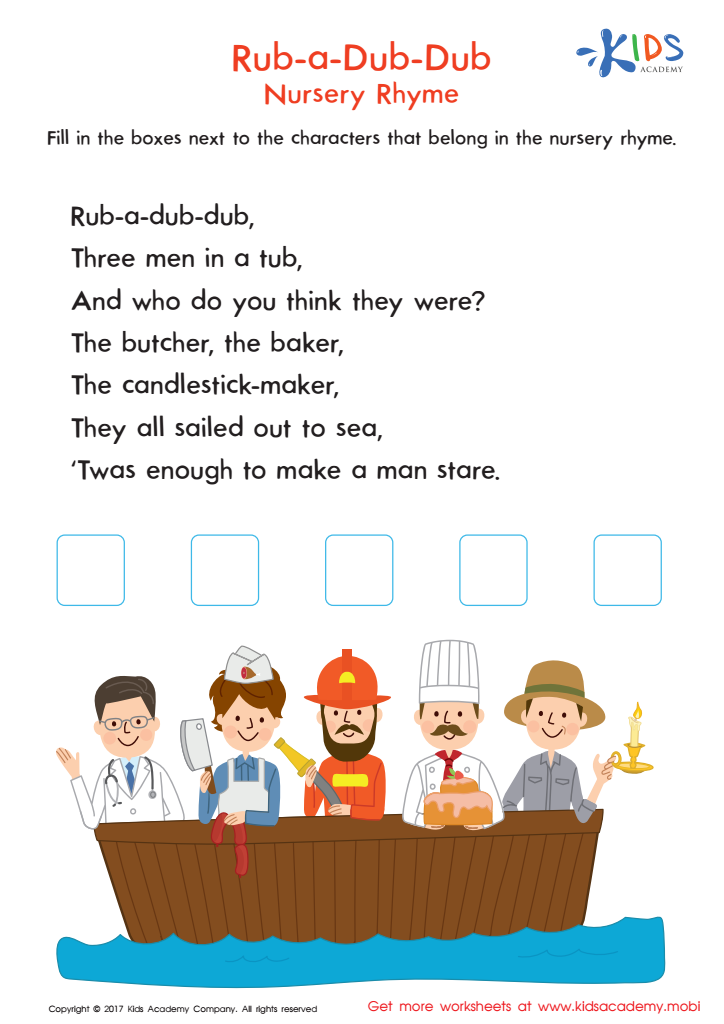
Rub a Dub Dub Printable
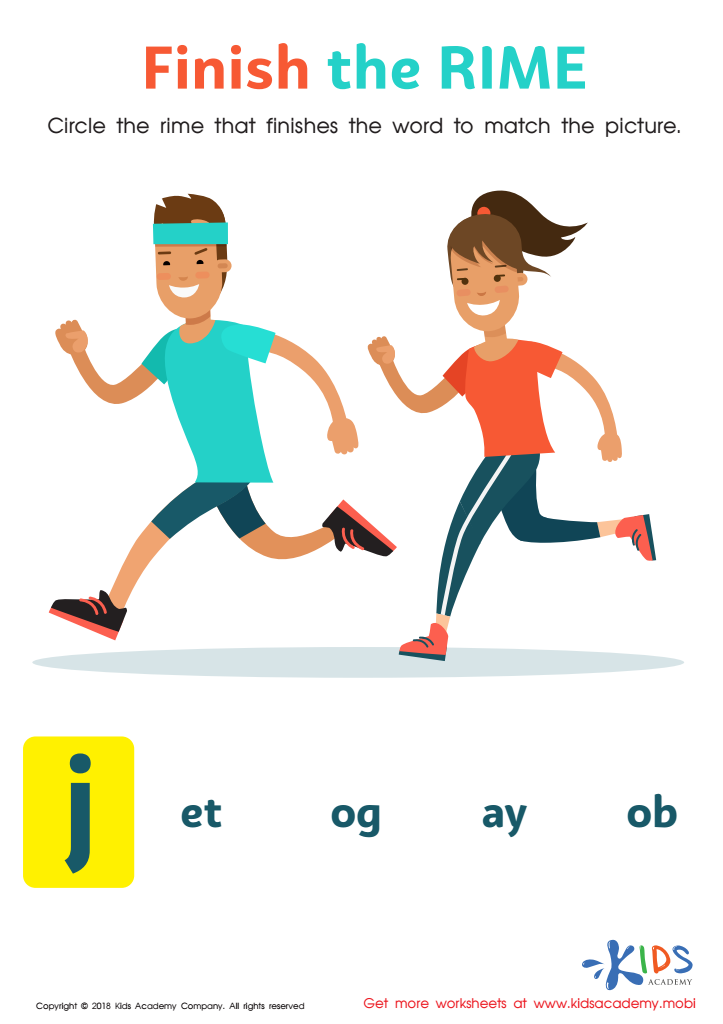
Finish the Rime Worksheet
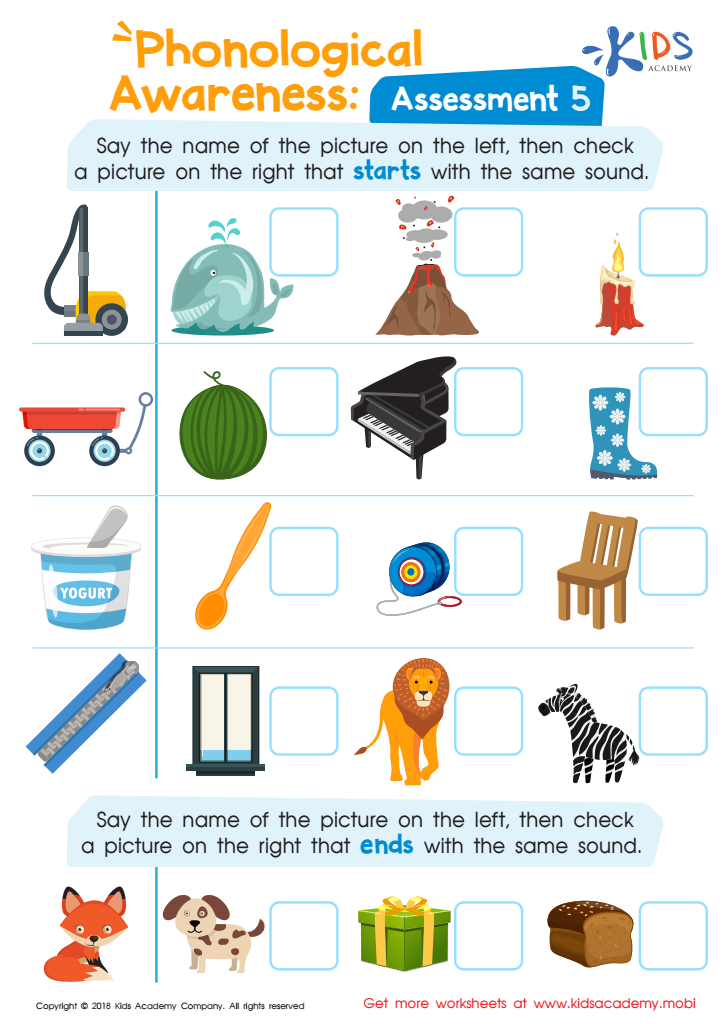
Phonological Awareness: Assessment 5 Worksheet
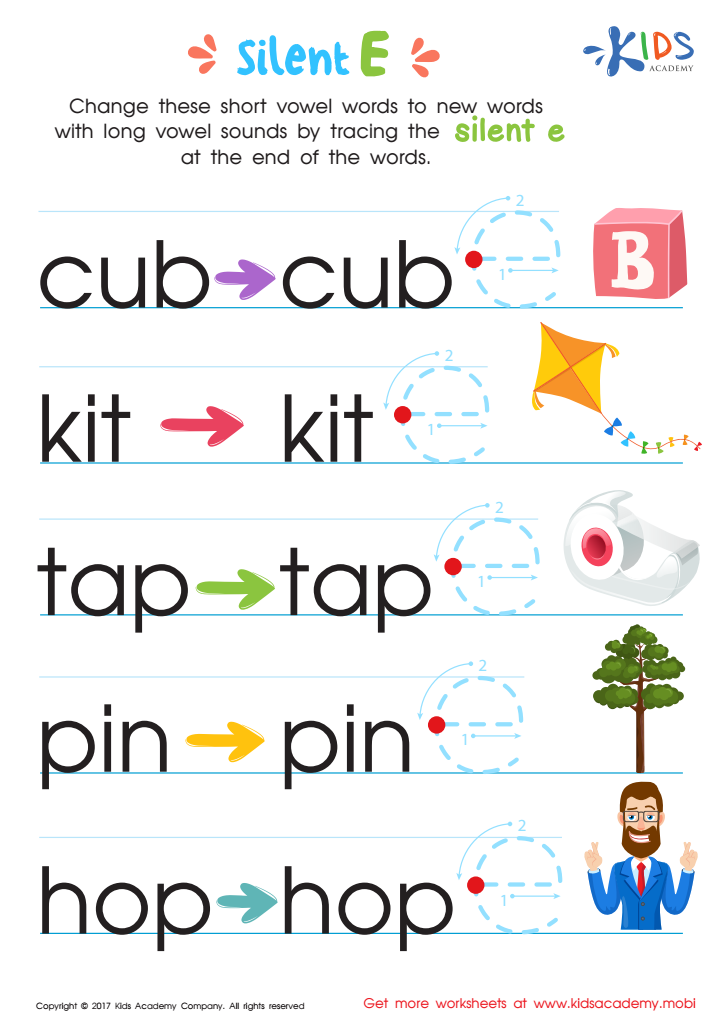
Silent E Words Worksheet
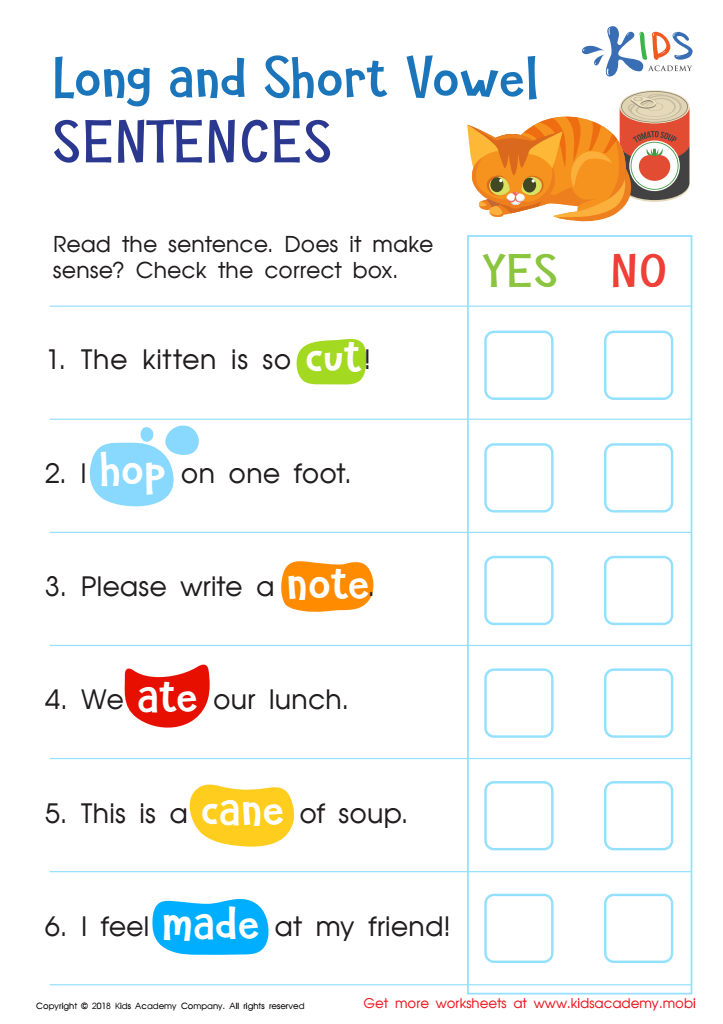
Long and Short Vowel Sentences: Assessment Worksheet
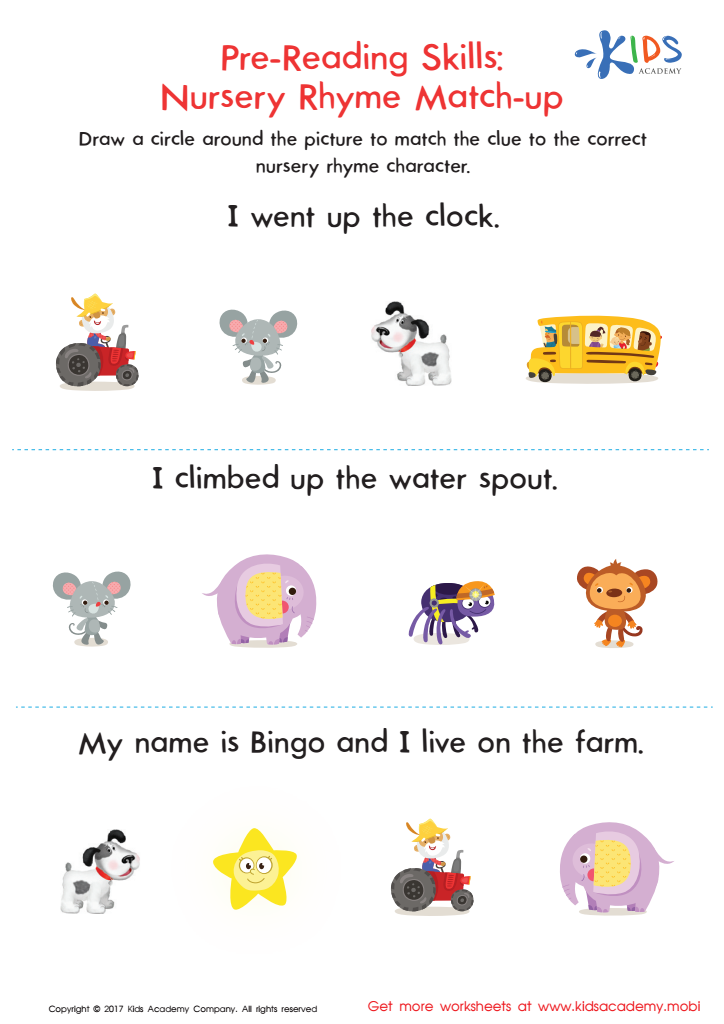
Nursery Rhyme Match–Up Worksheet
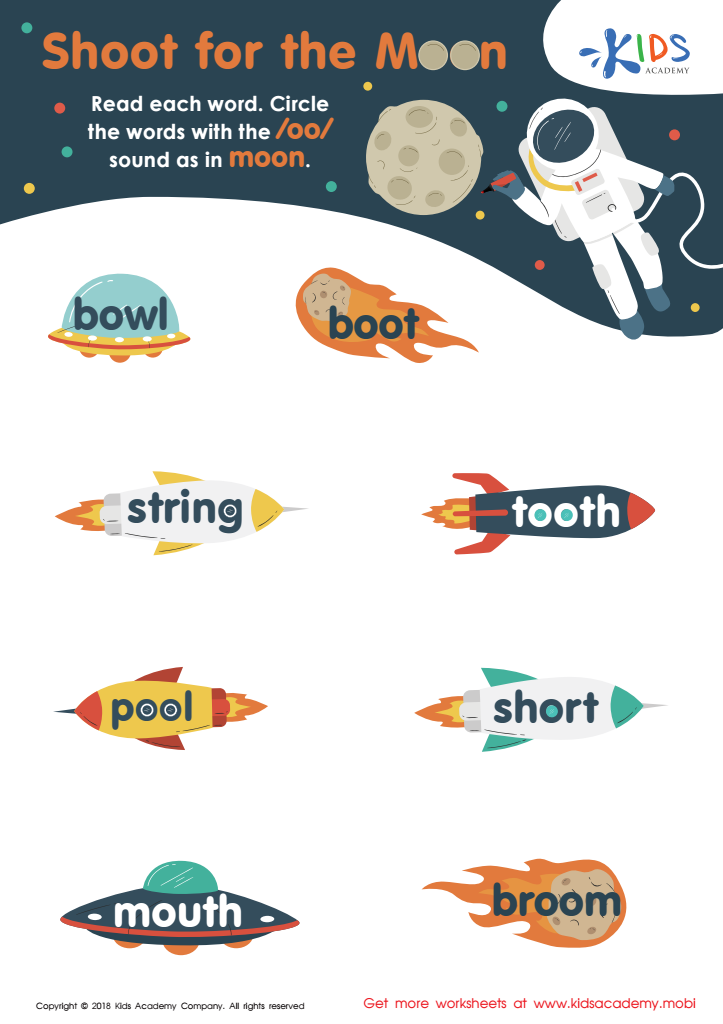
Reading: Shoot for the Moon Worksheet
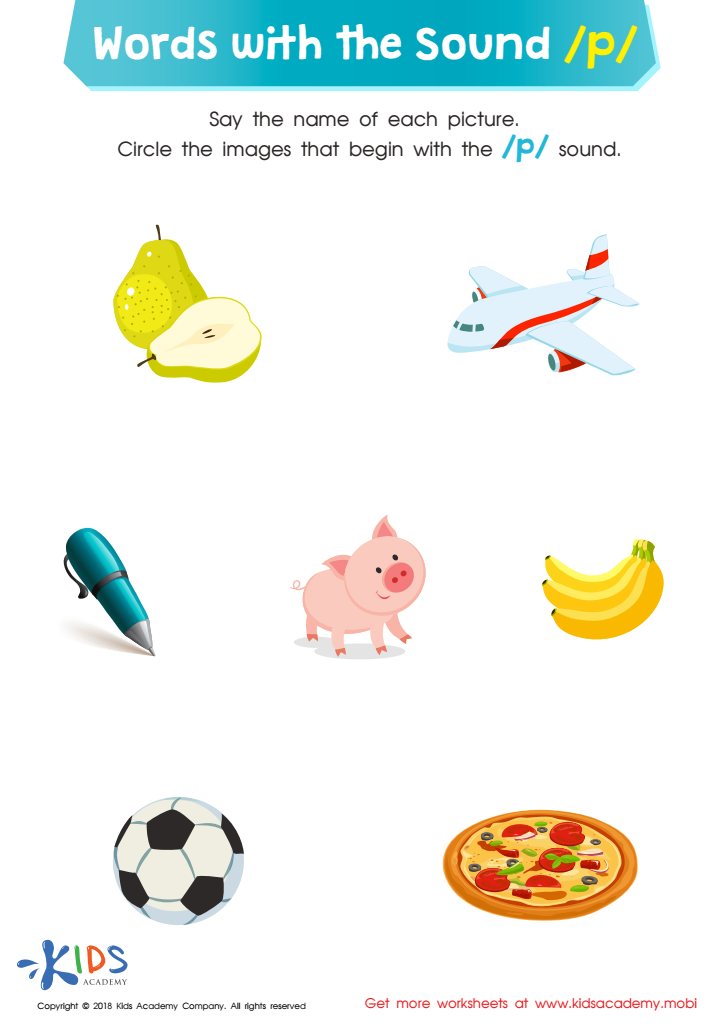
Words with sound p Reading Worksheet
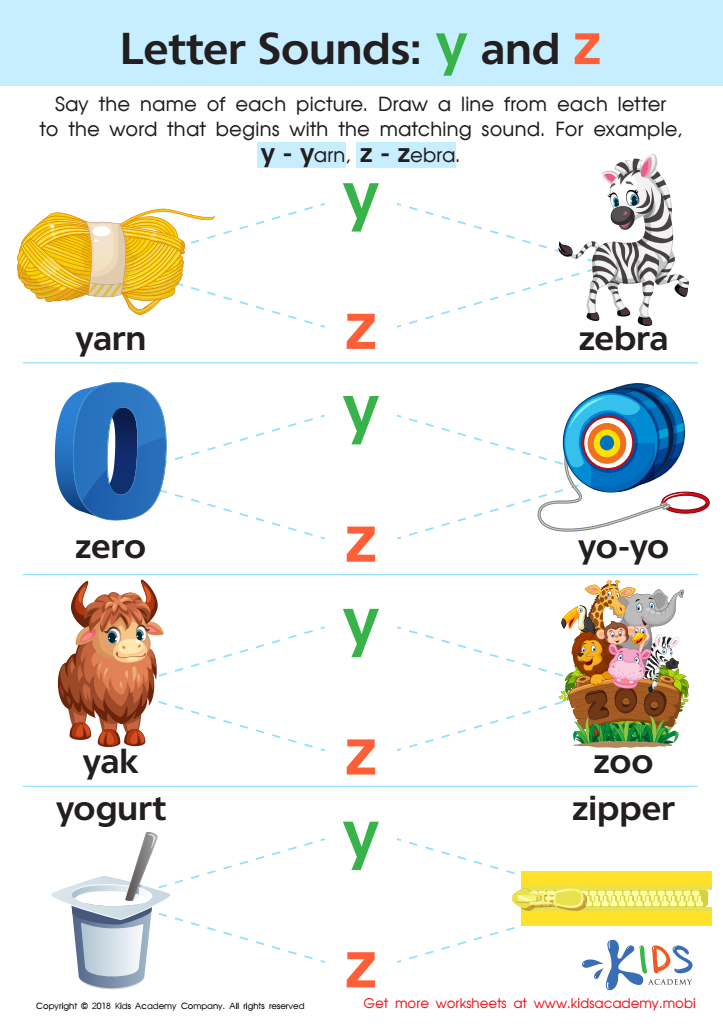
Letter Y and Z Sounds Worksheet
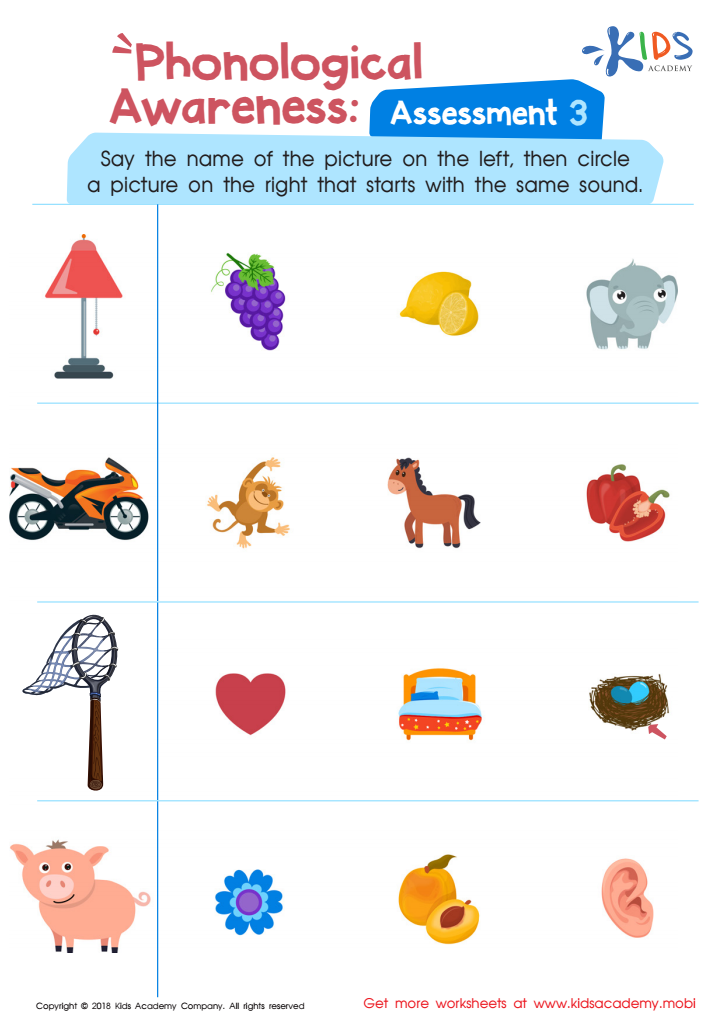
Phonological Awareness: Assessment 3 Worksheet
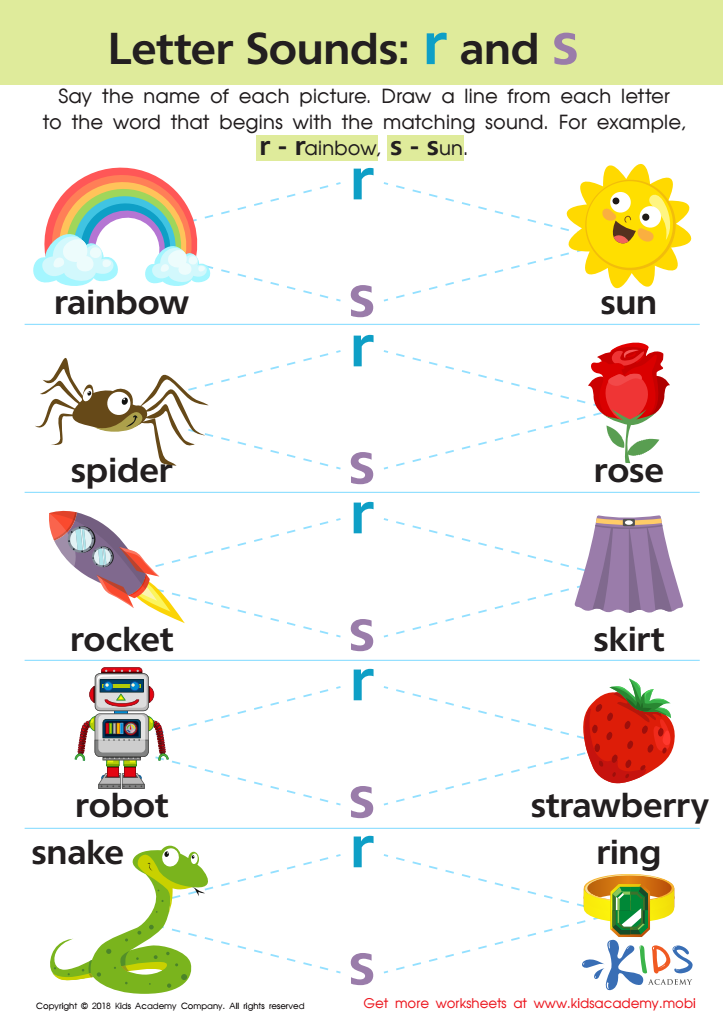
Letter R and S Sounds Worksheet
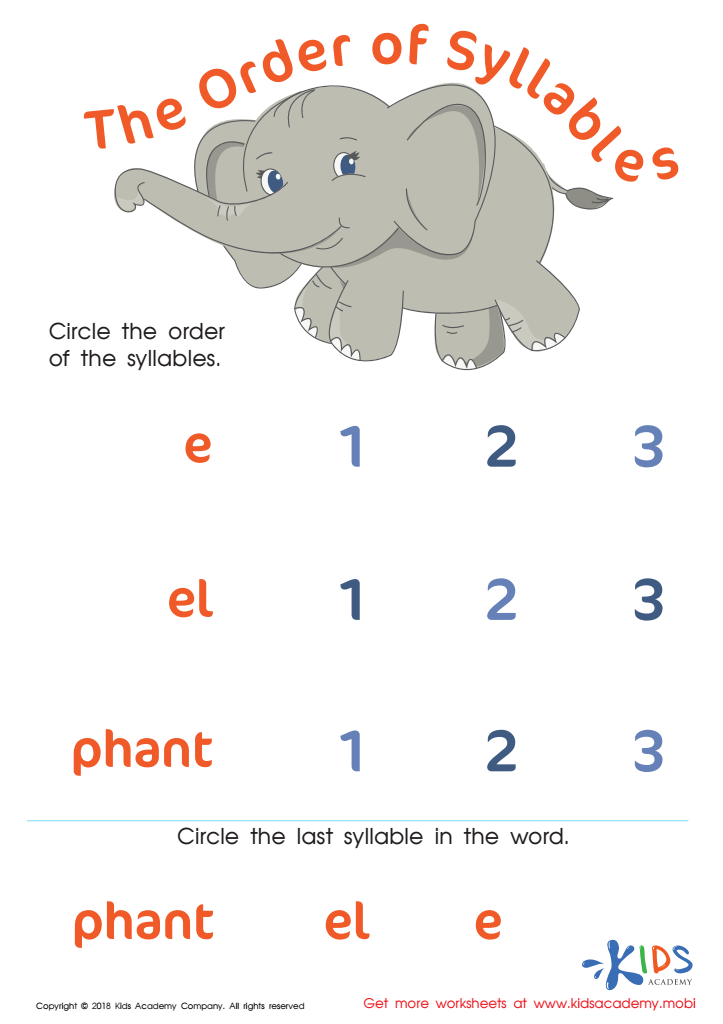
The Order of Syllables Worksheet
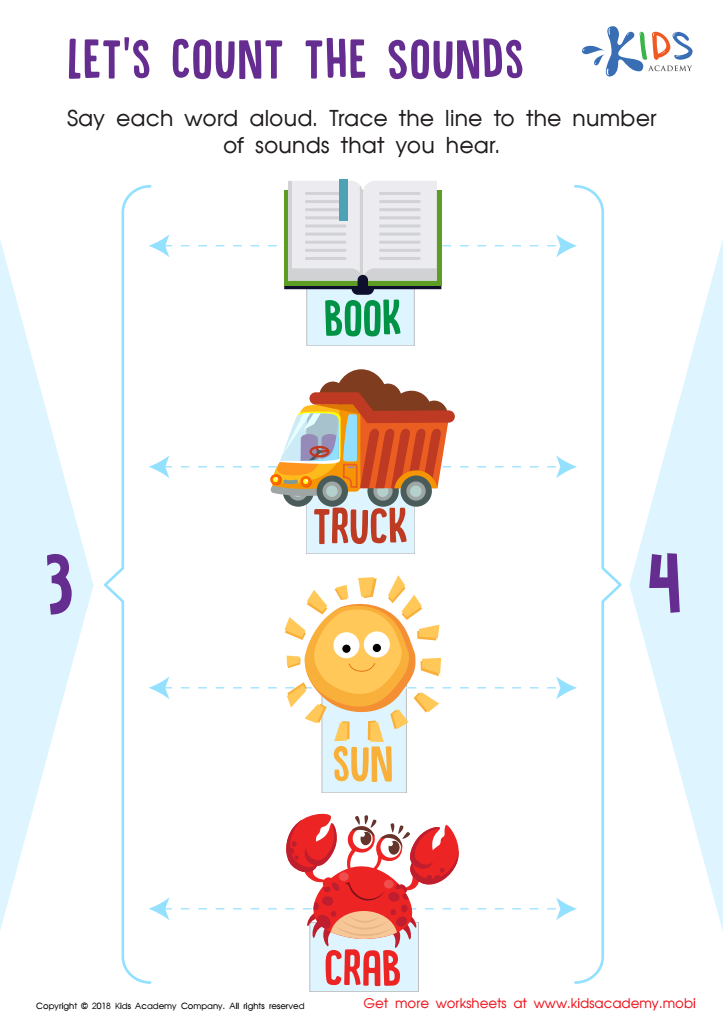
Let's Count the Sounds Worksheet
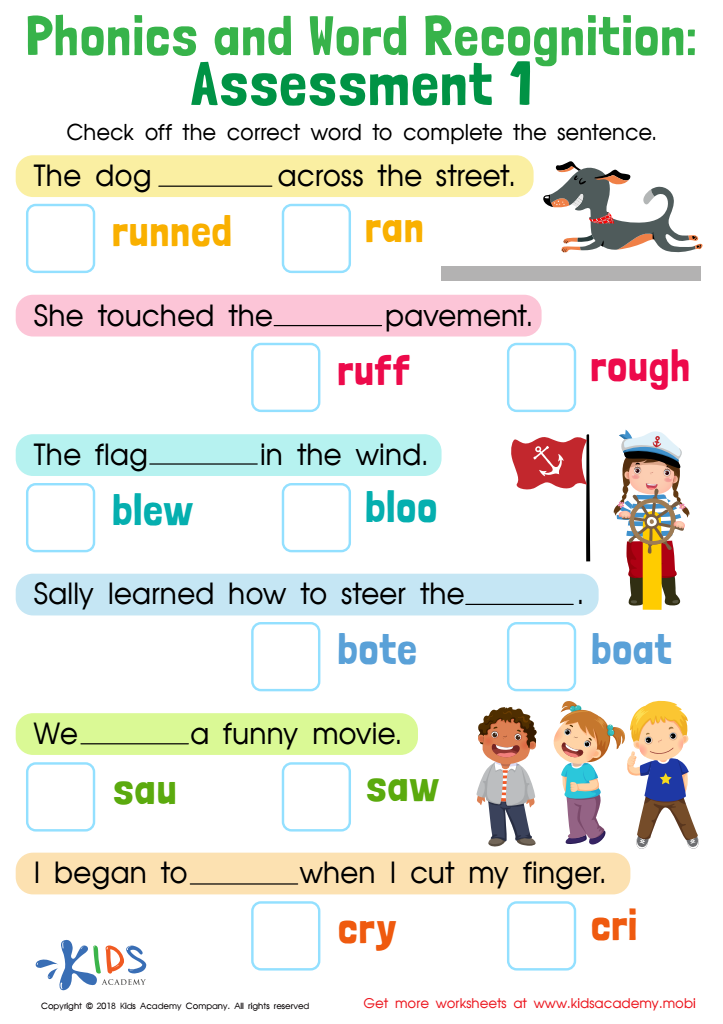
Phonics and Word Recognition: Assessment 1 Worksheet
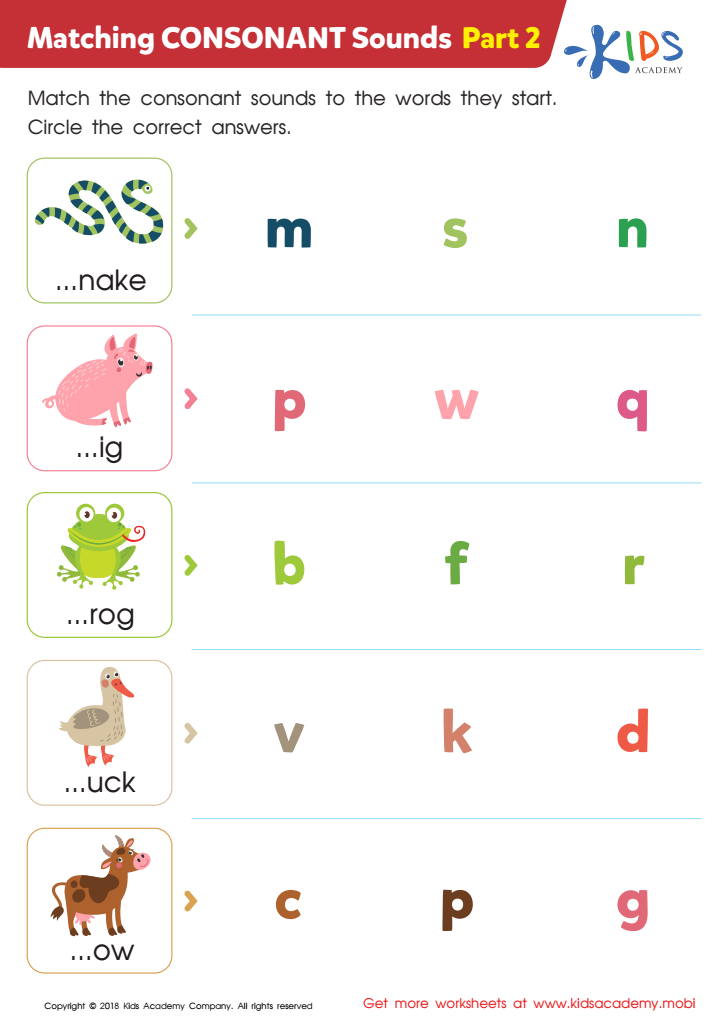
Matching Consonant Sounds: Part 2 Worksheet
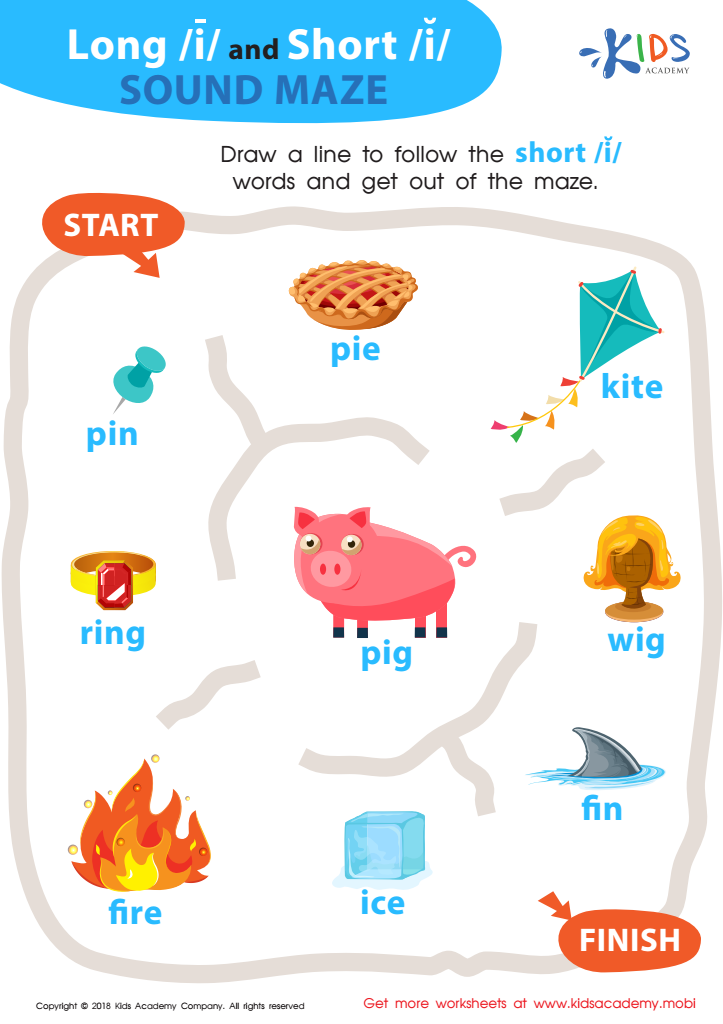
Reading: Long I and Short I Sound Maze Worksheet
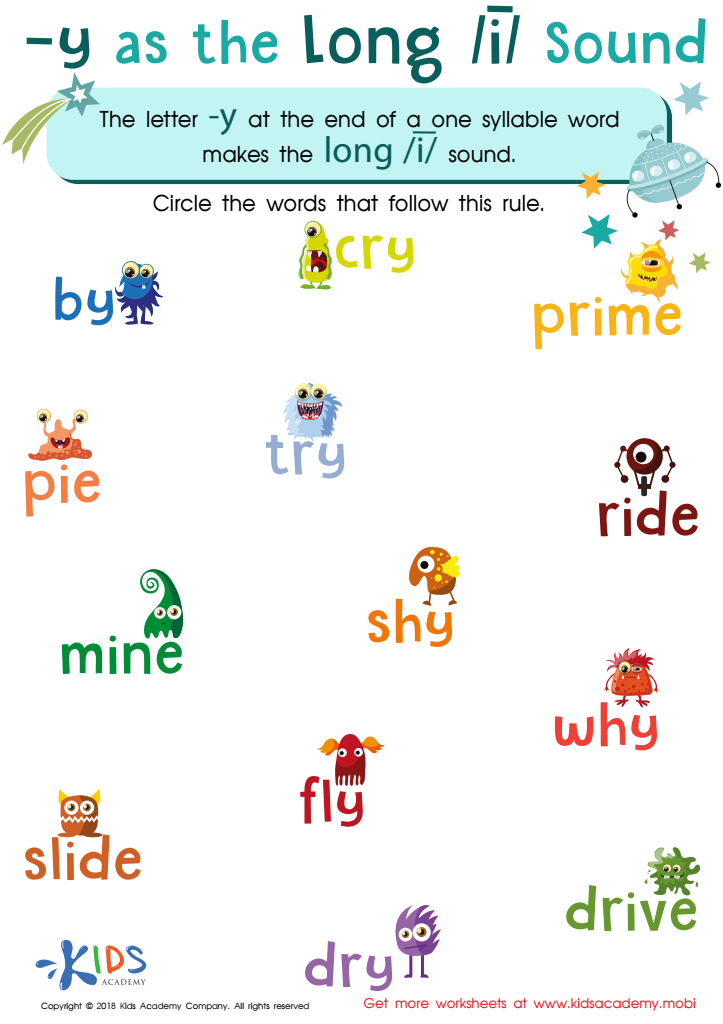
Reading: Y as Long I Worksheet
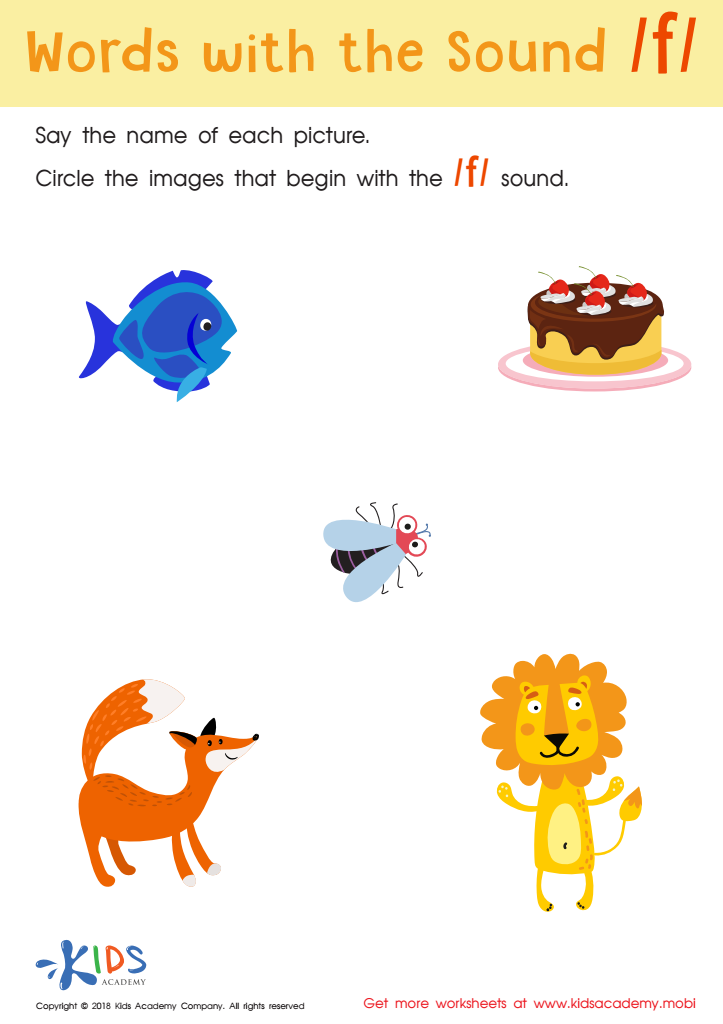
Words with sound f Reading Worksheet
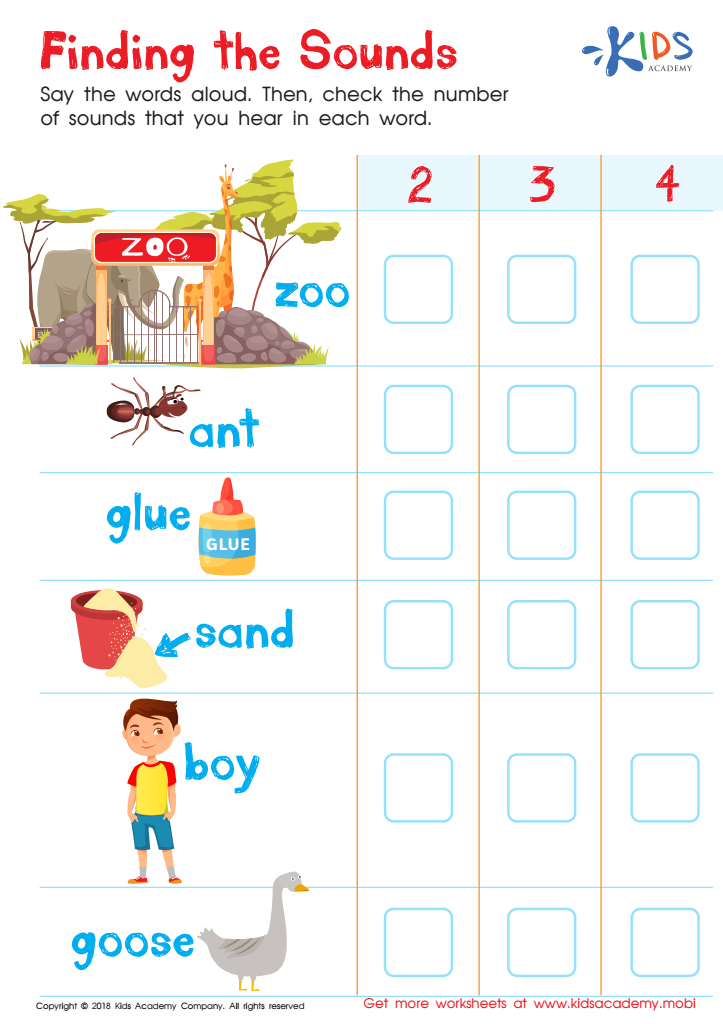
Finding the Sounds Worksheet
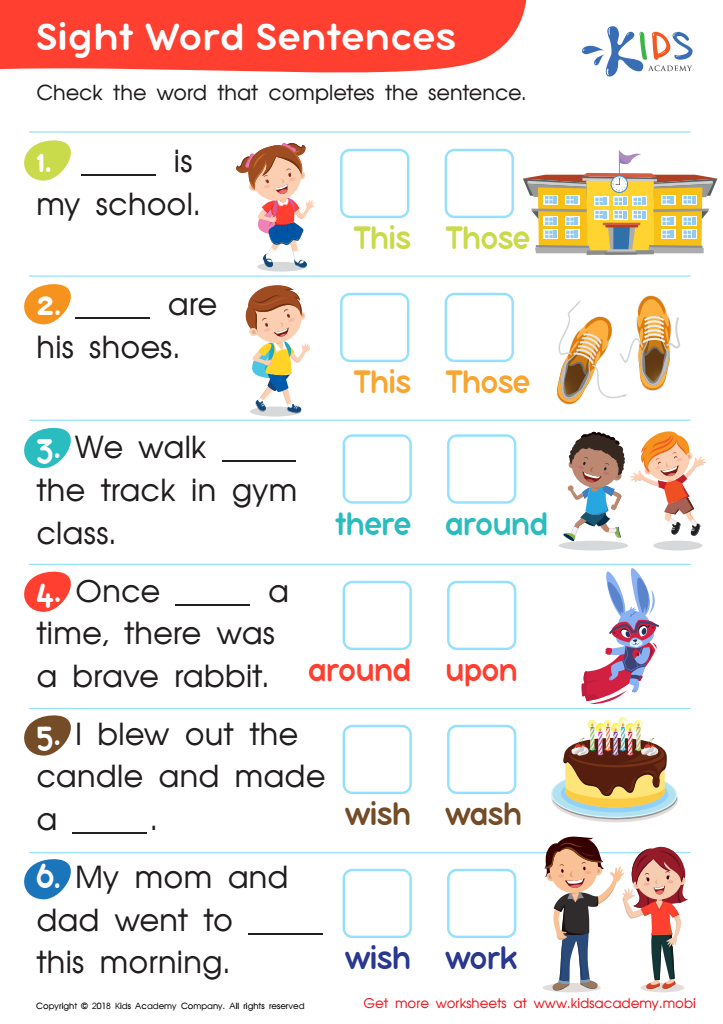
Sight Word Sentences Worksheet
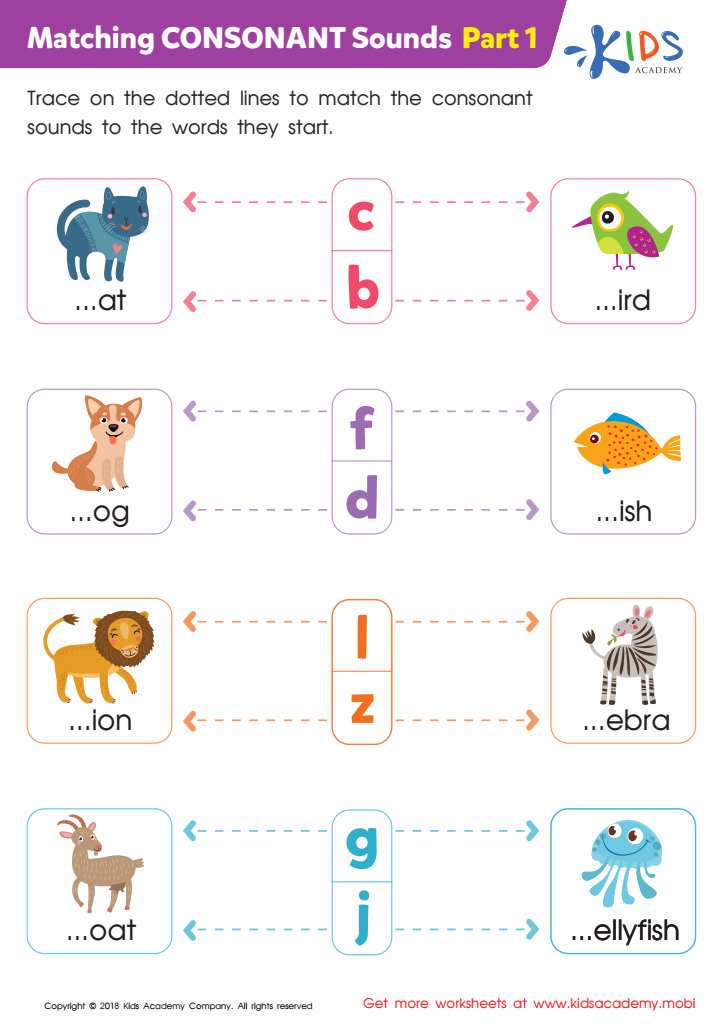
Matching Consonant Sounds: Part 1 Worksheet
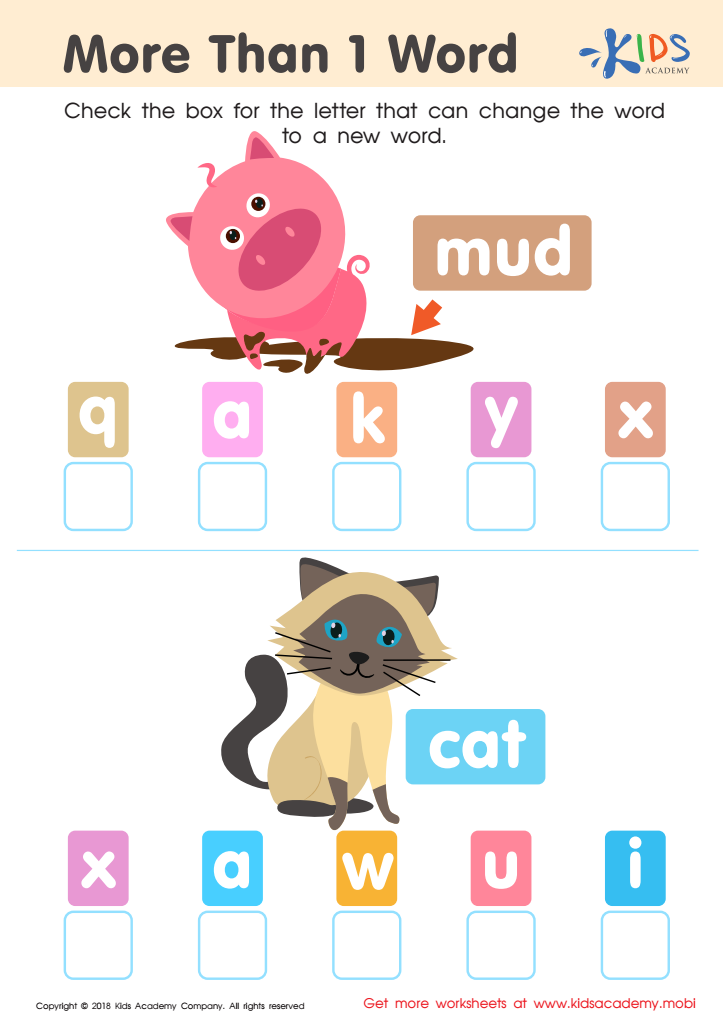
More than 1 word Worksheet








Phonics is a fundamental building block for early literacy, making it crucial for parents and teachers to prioritize it for children ages 4-7. During these formative years, children are exceptionally receptive to learning the sounds associated with letters—a skill essential for decoding words and developing reading fluency. Phonics instruction provides a systematic approach to understanding how letters combine to form words, which enhances reading comprehension and writing abilities. Without a strong foundation in phonics, children may struggle with reading later on, potentially impacting their overall academic success and self-esteem.
Incorporating phonics in early education supports cognitive development by engaging children in activities that improve memory, attention, and auditory processing. Moreover, phonics-based games and activities can make learning both fun and effective, fostering a positive attitude towards reading. This crucial skill set aids in vocabulary expansion, enabling children to more easily grasp and spell new words they encounter, thus enriching their language proficiency.
Early proficiency in phonics often correlates with academic success across subjects, as strong reading skills are essential for understanding written instructions and content in the broader curriculum. Therefore, investing in phonics education at a young age equips children with the tools they need for lifelong learning and achievement.







