Tracing Letters Worksheets for Ages 4-7 - Page 2
58 filtered results
-
From - To
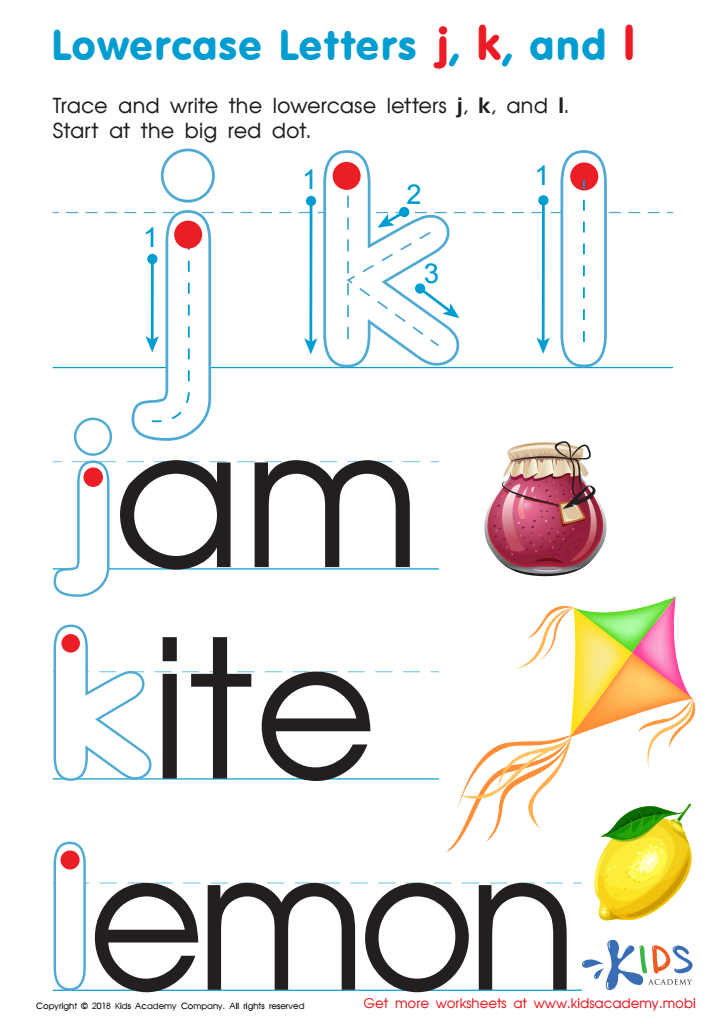
Lowercase Letters j k l Worksheet
 Assign to My Students
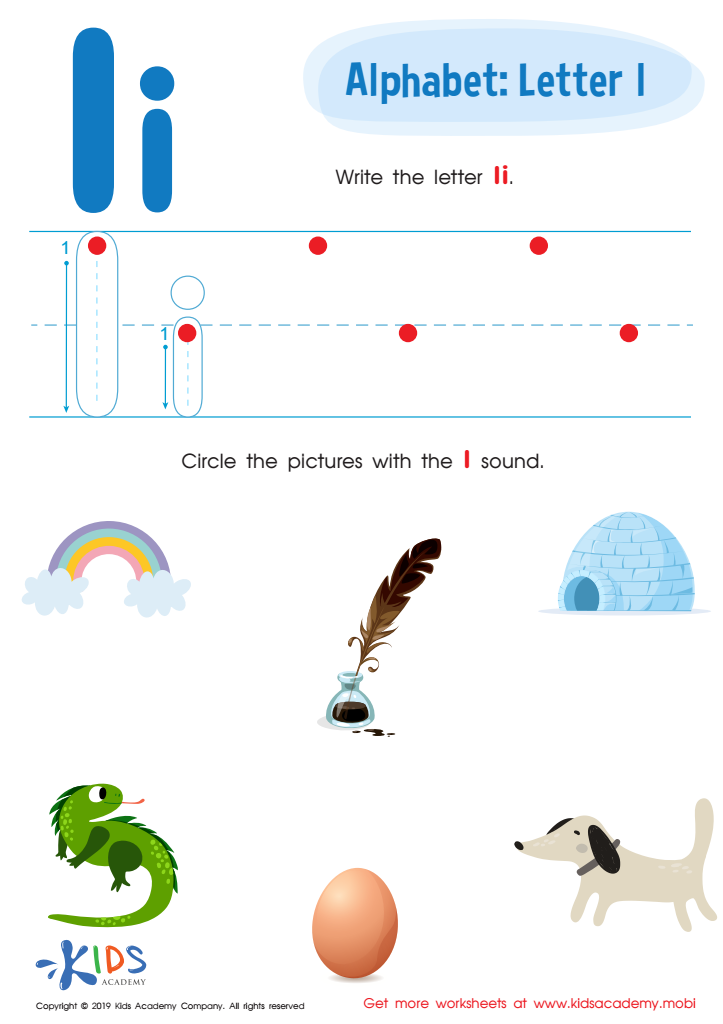
Letter I Tracing Worksheet
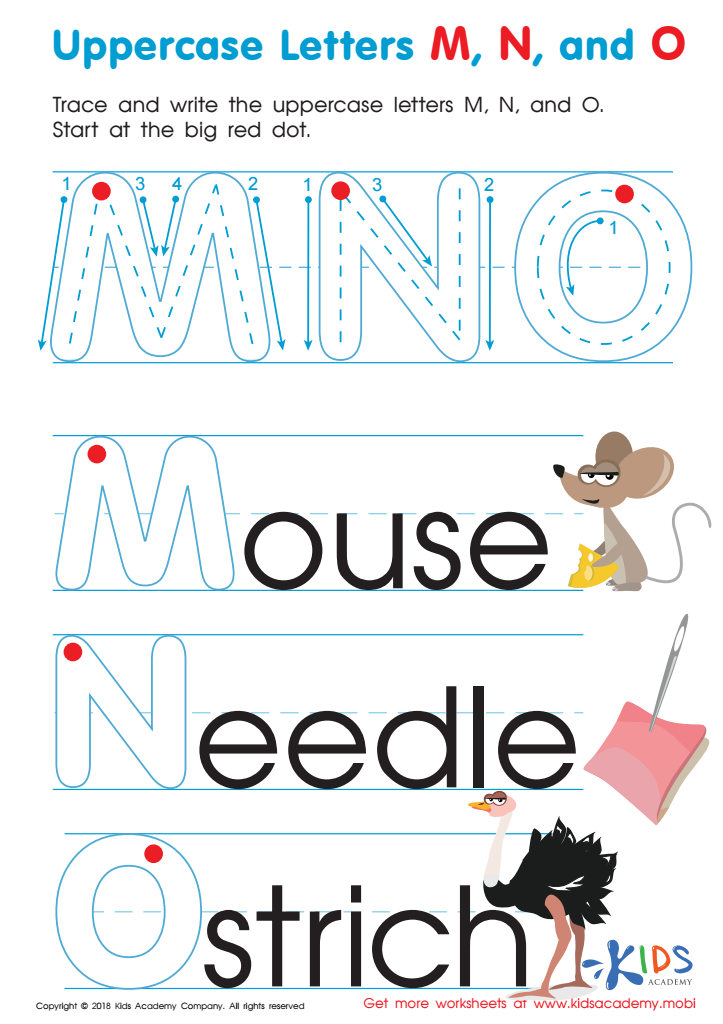
Uppercase Letters M, N, and O Worksheet
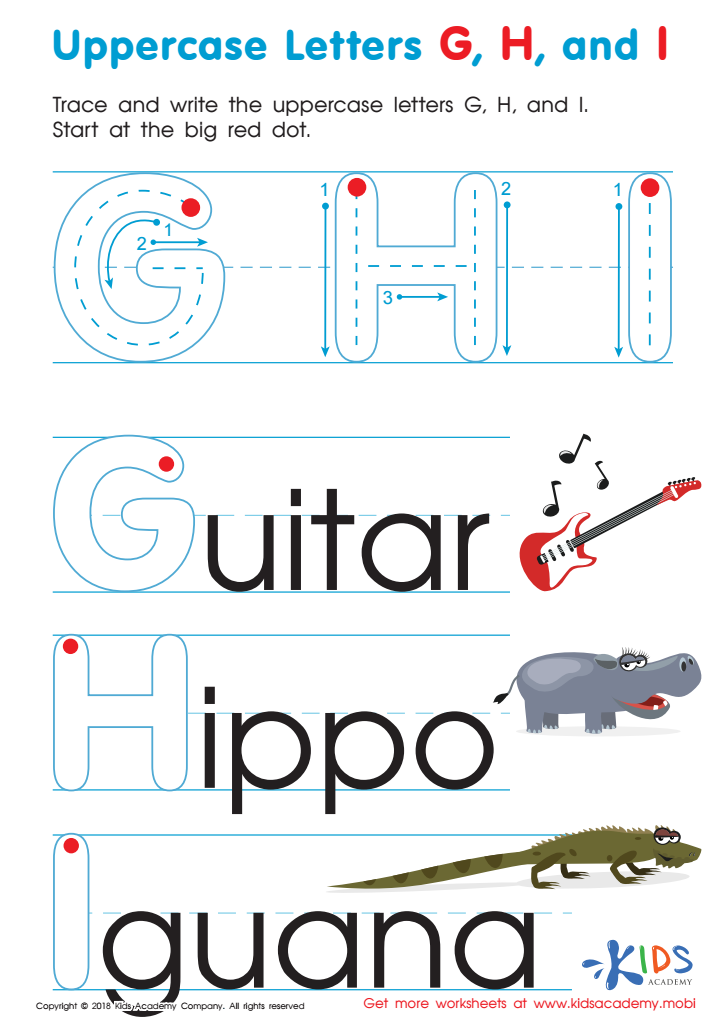
Uppercase Letters G, H, and I Worksheet
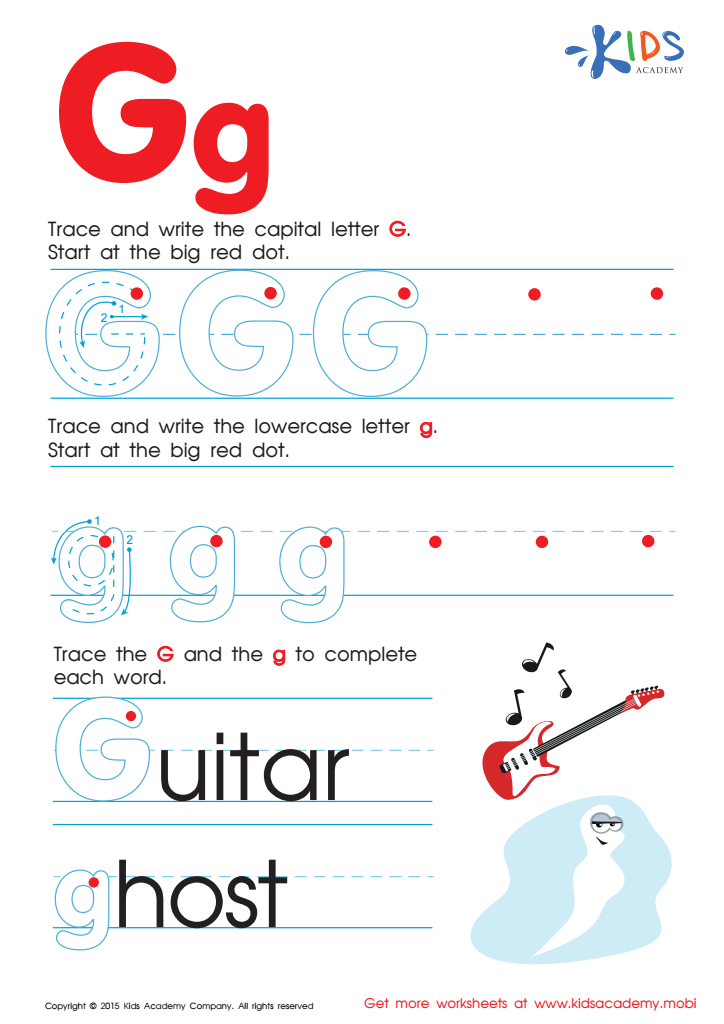
Letter G Tracing Page
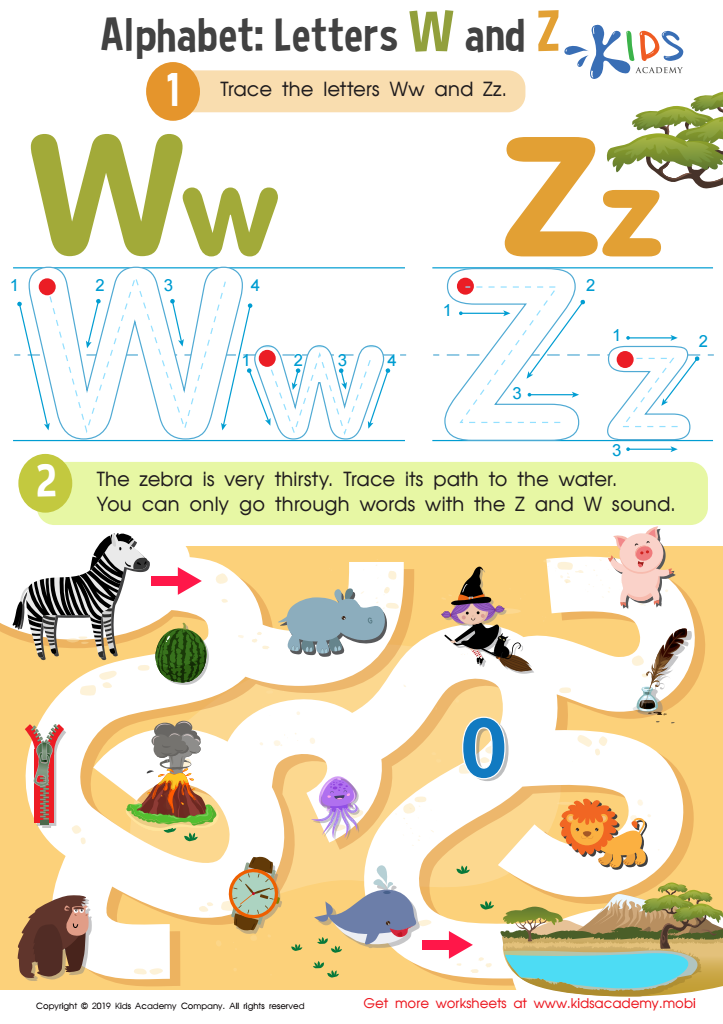
Letters W and Z Tracing Worksheet
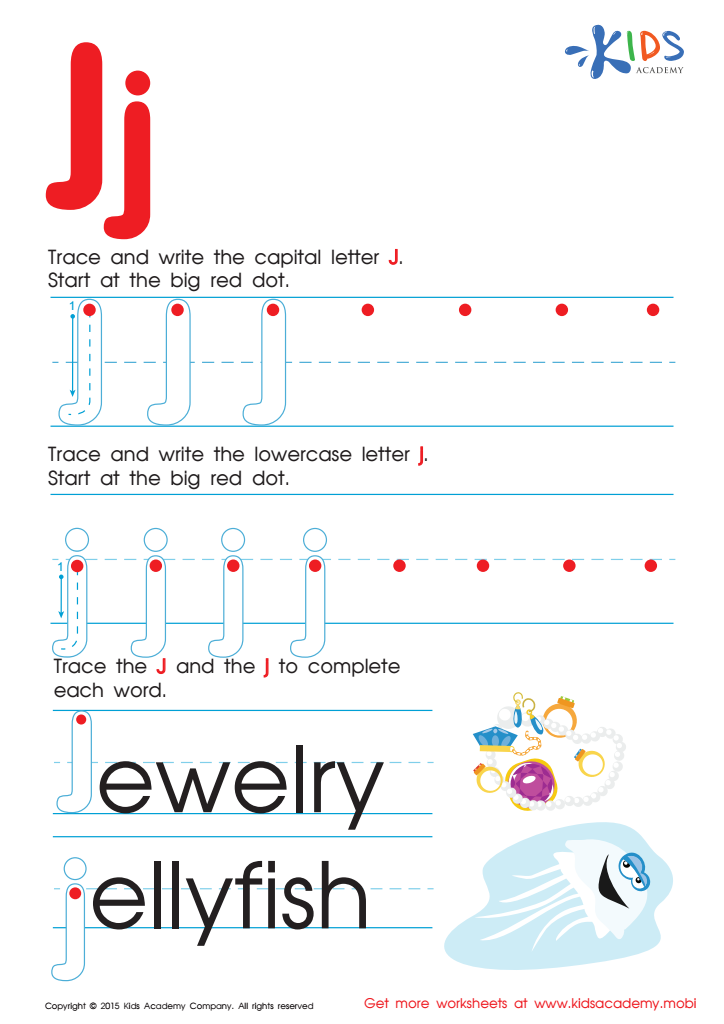
Letter J Tracing Page
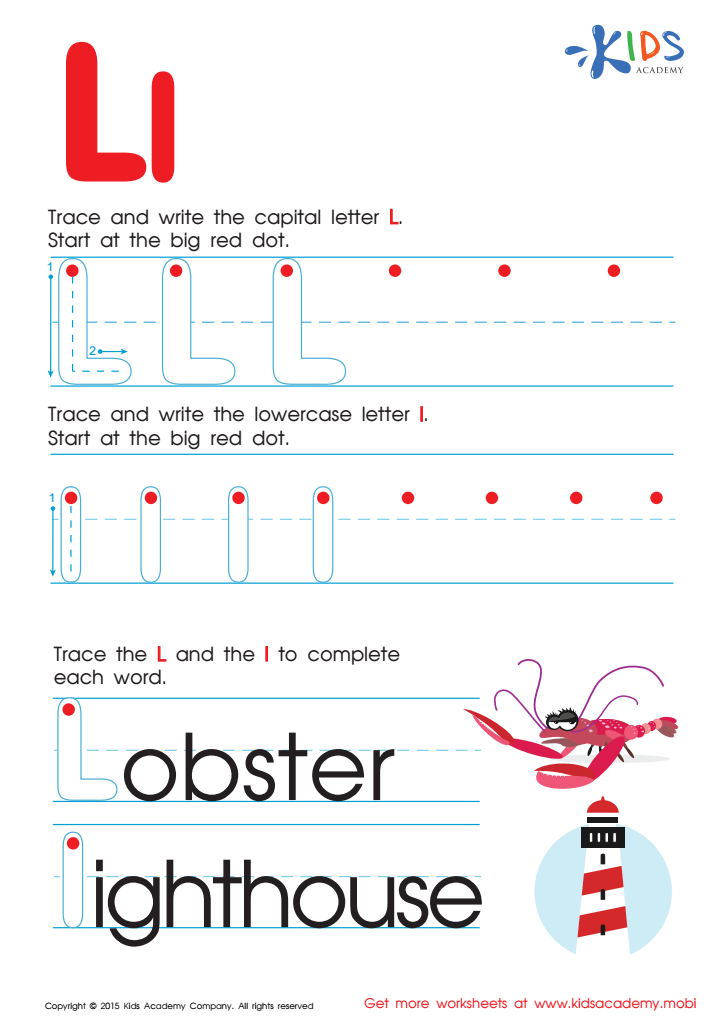
Letter L Tracing Page
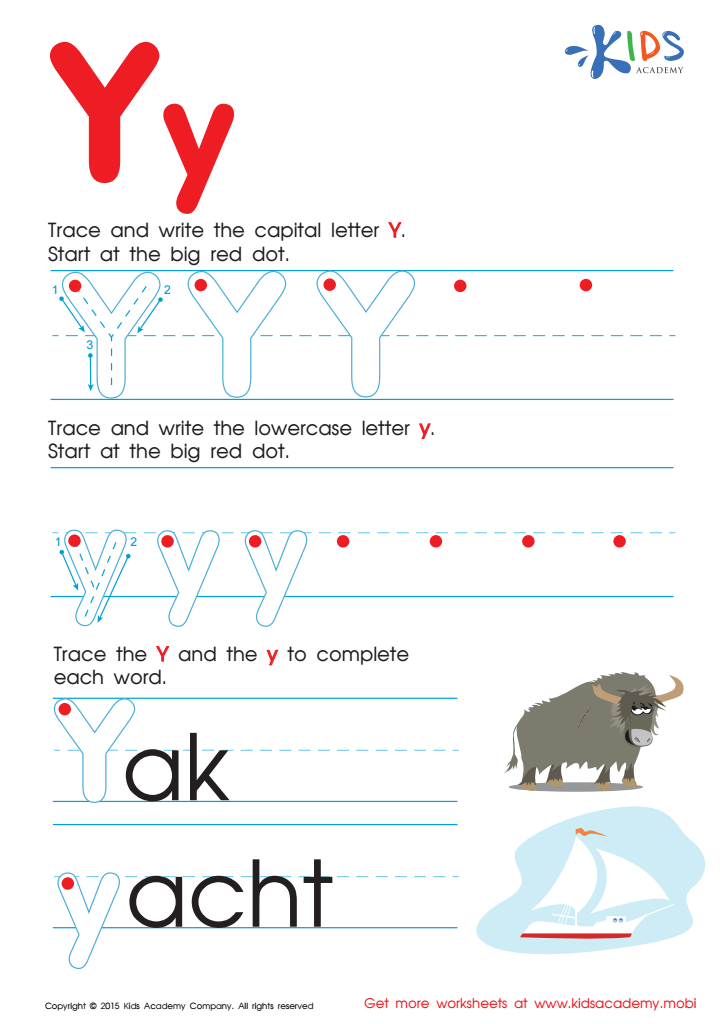
Letter Y Tracing Page
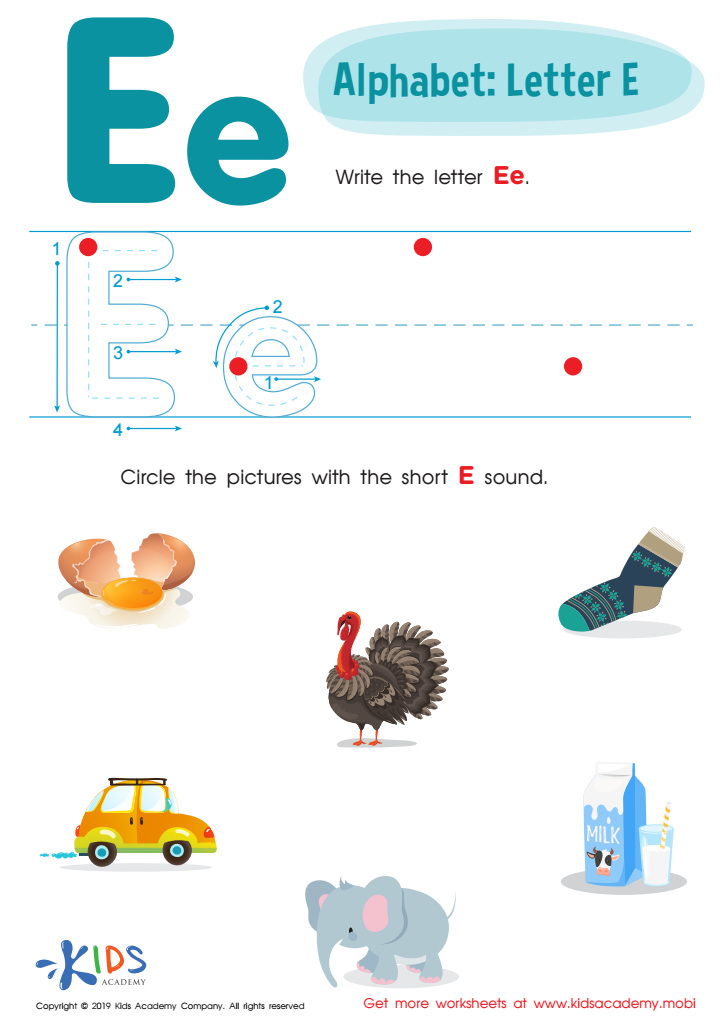
Letter E Tracing Worksheet
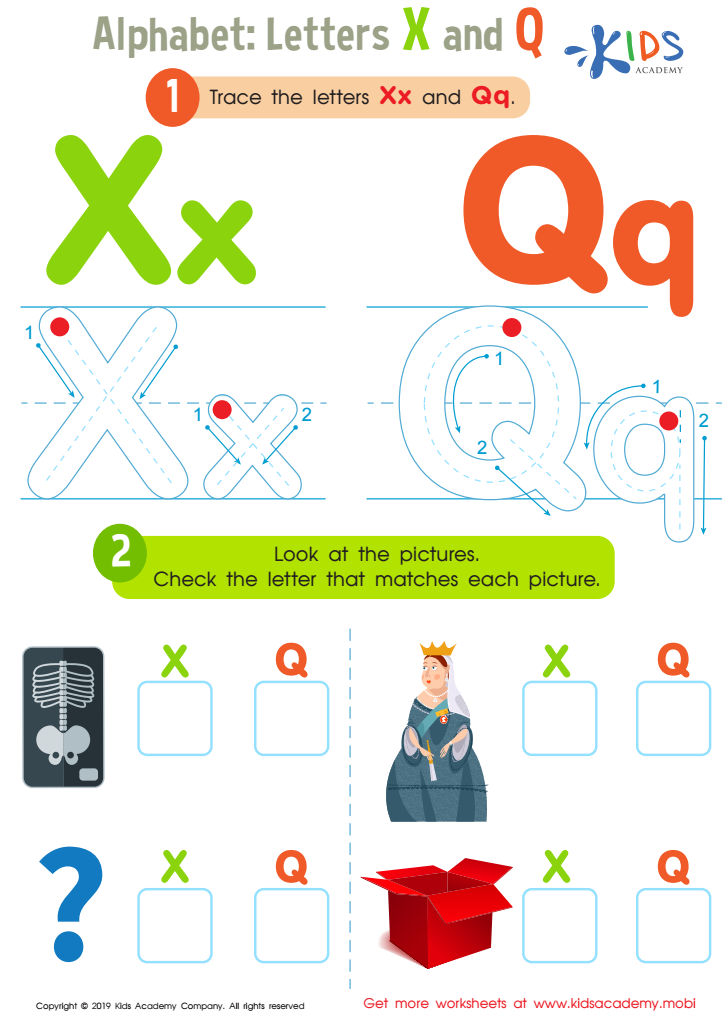
Letters X and Q Tracing Worksheet
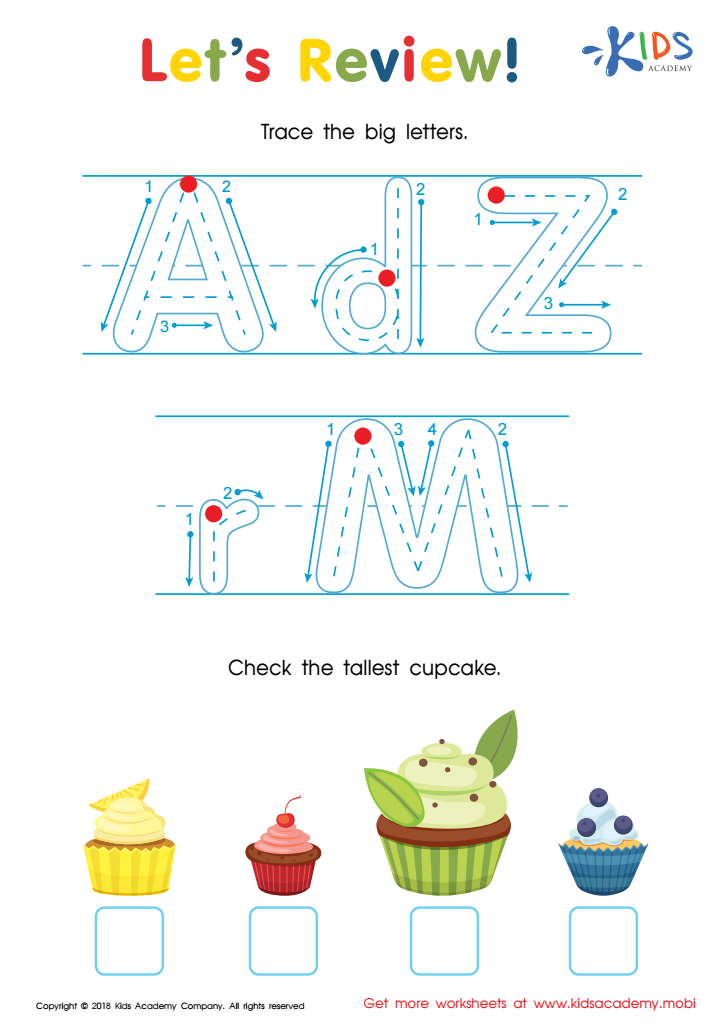
Let's Review! Big Letters Worksheet
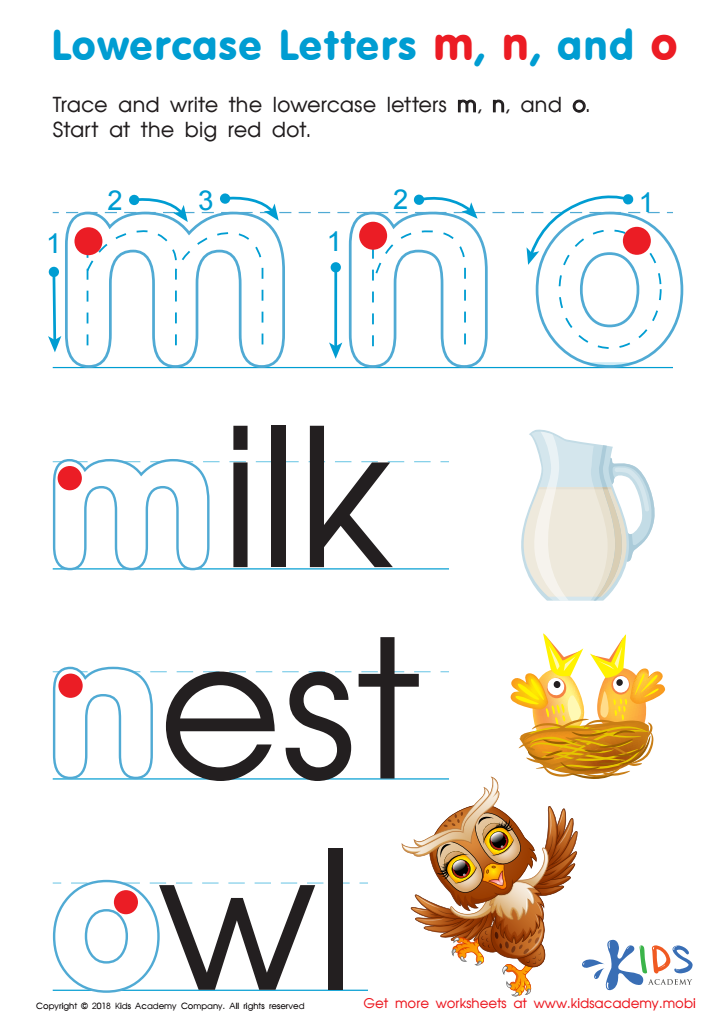
Lowercase Letters m n o Worksheet
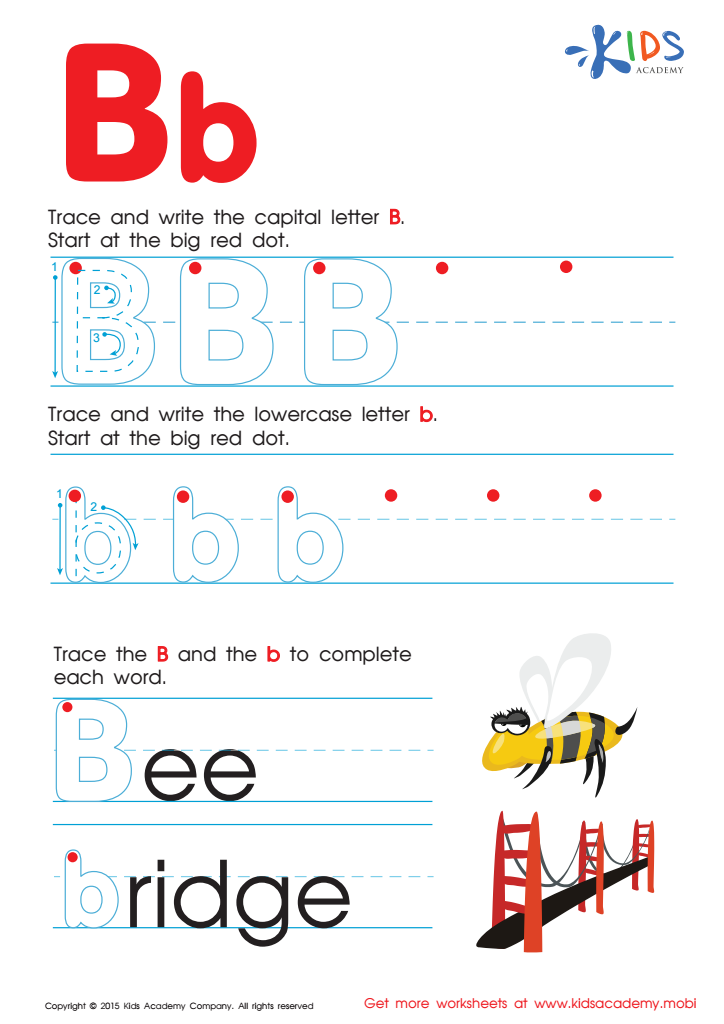
Letter B Tracing Page
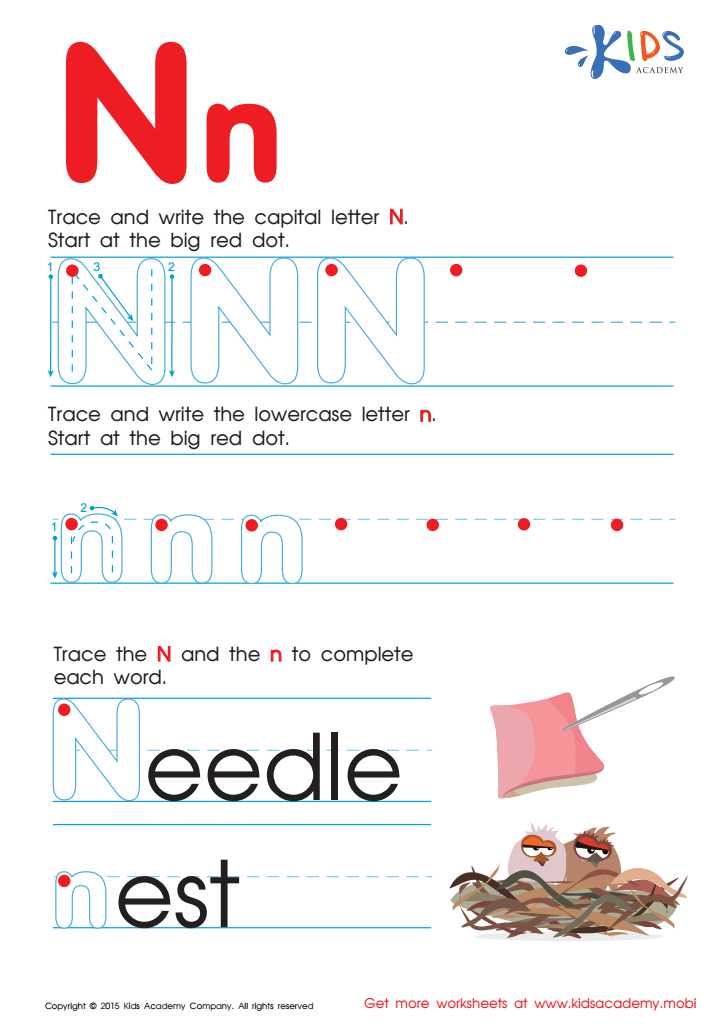
Letter N Tracing Page
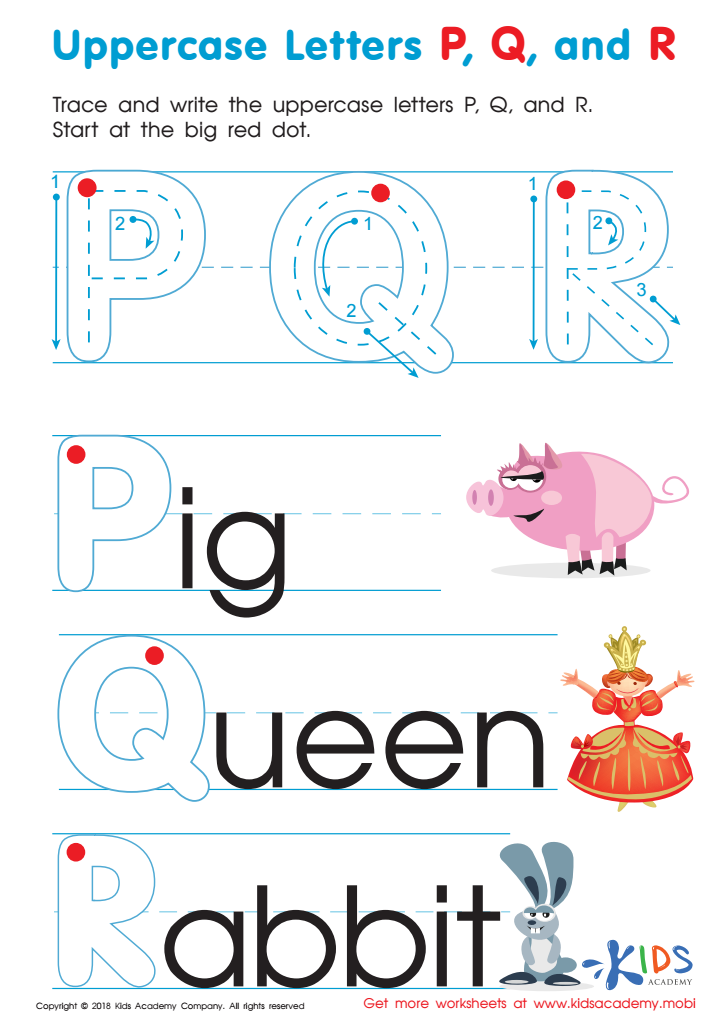
Uppercase Letters P, Q, and R Worksheet
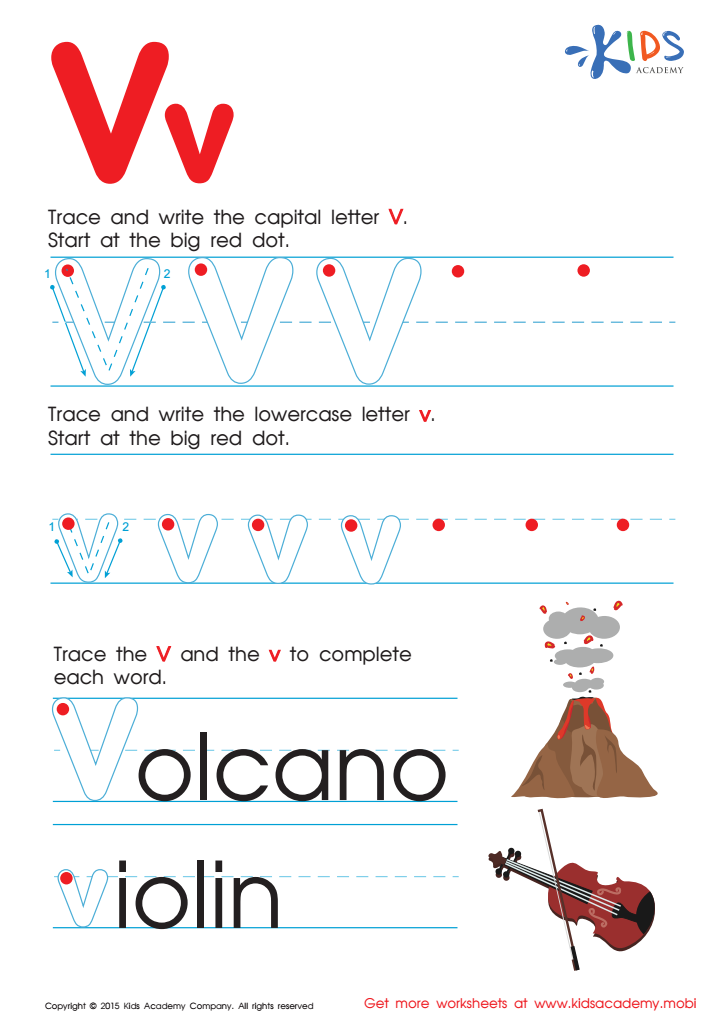
Letter V Tracing Page
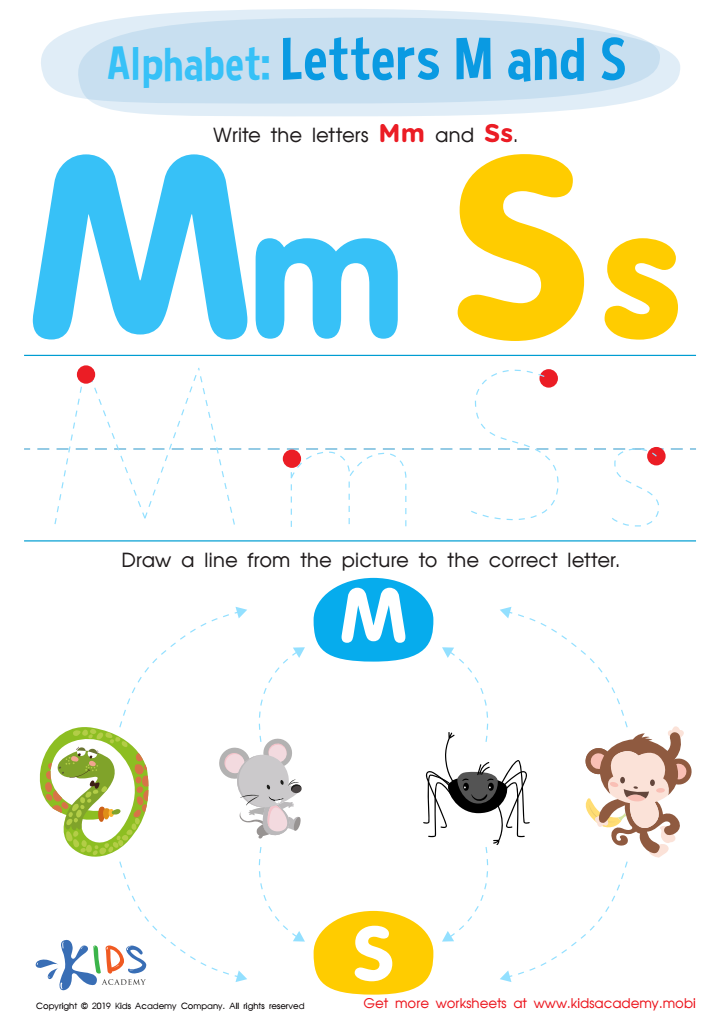
Letters M and S Tracing Worksheet
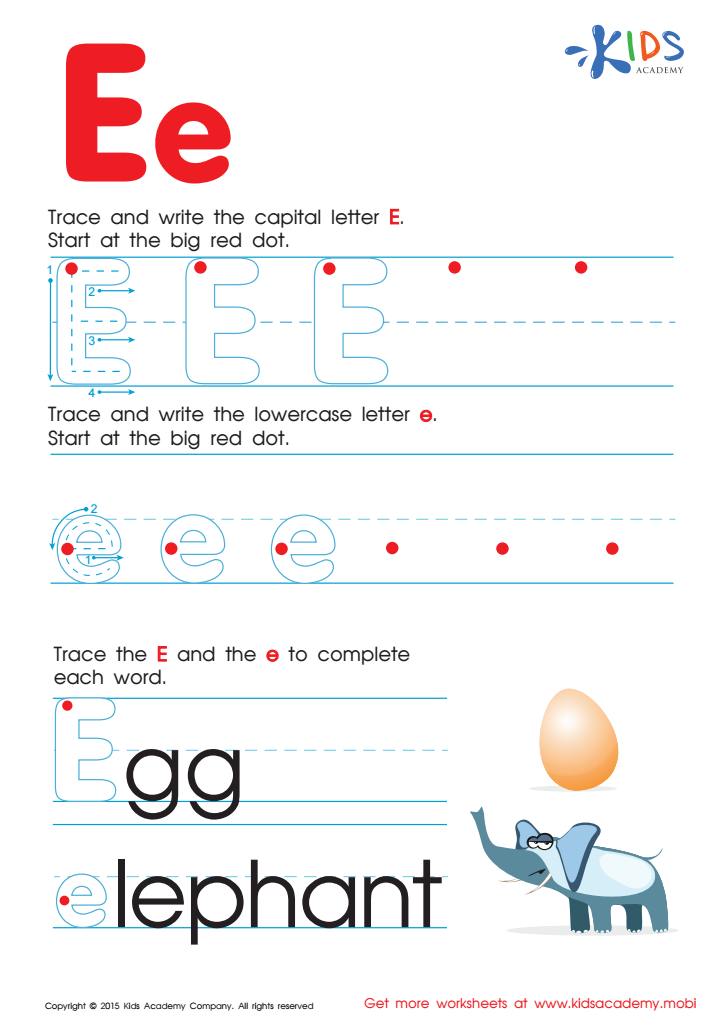
Letter E Tracing Page
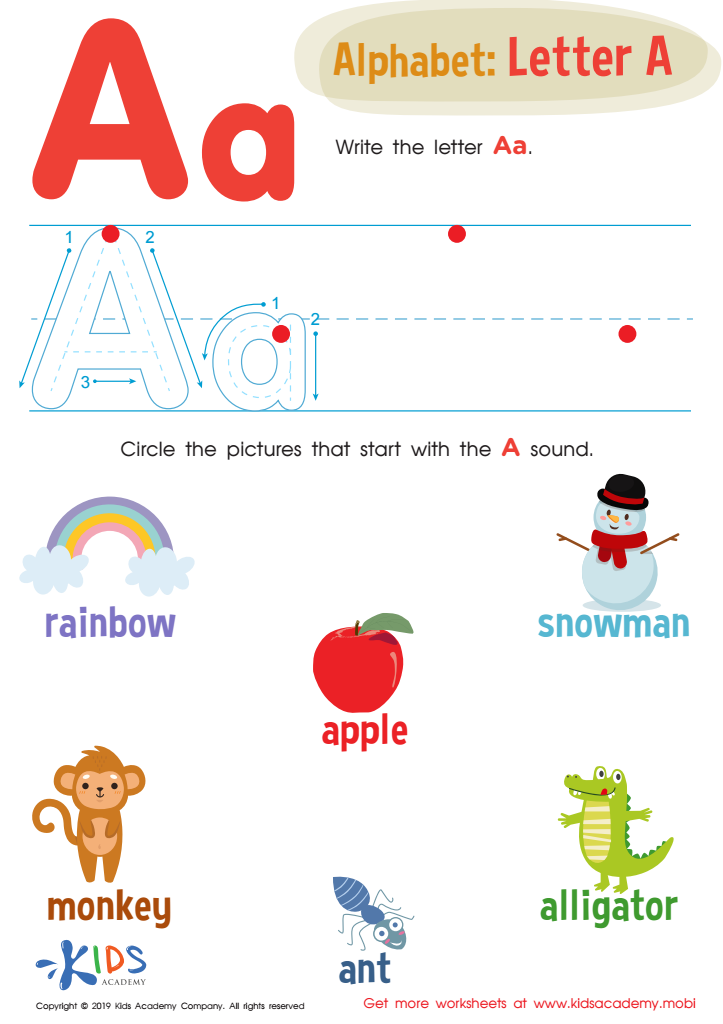
Letter A Tracing Worksheet
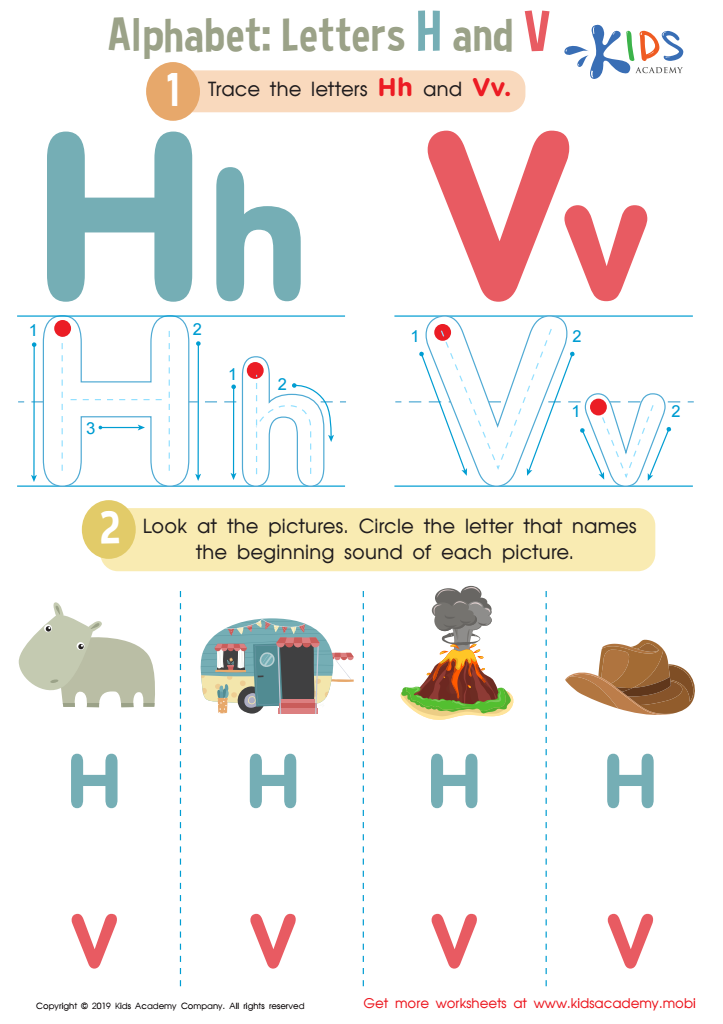
Letters H and V Tracing Worksheet
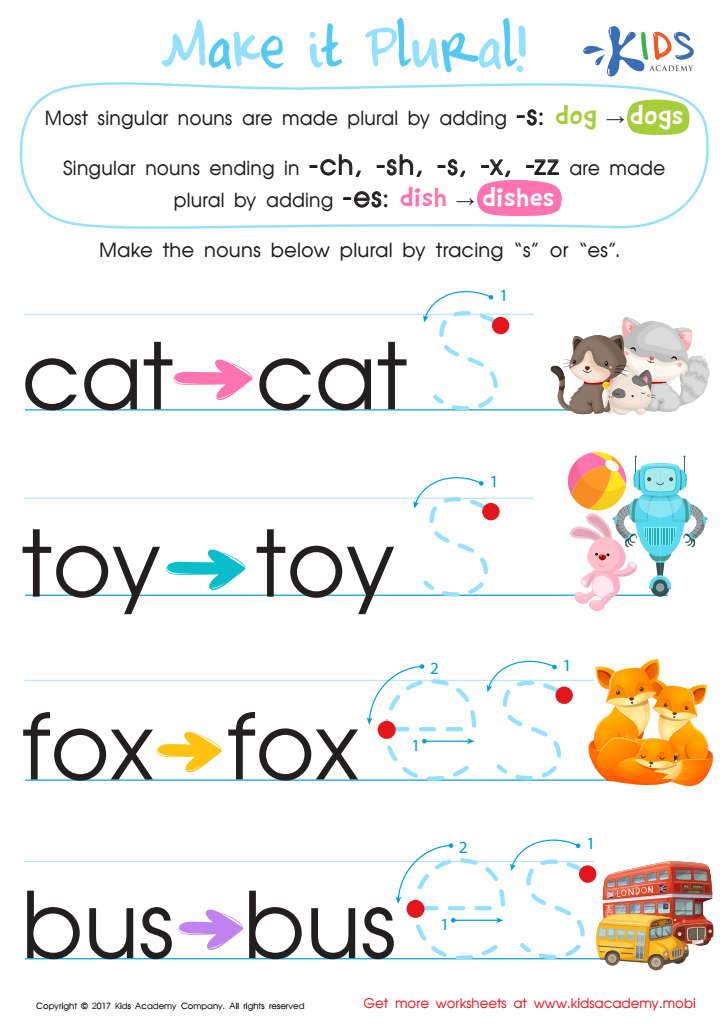
Make it Plural Worksheet
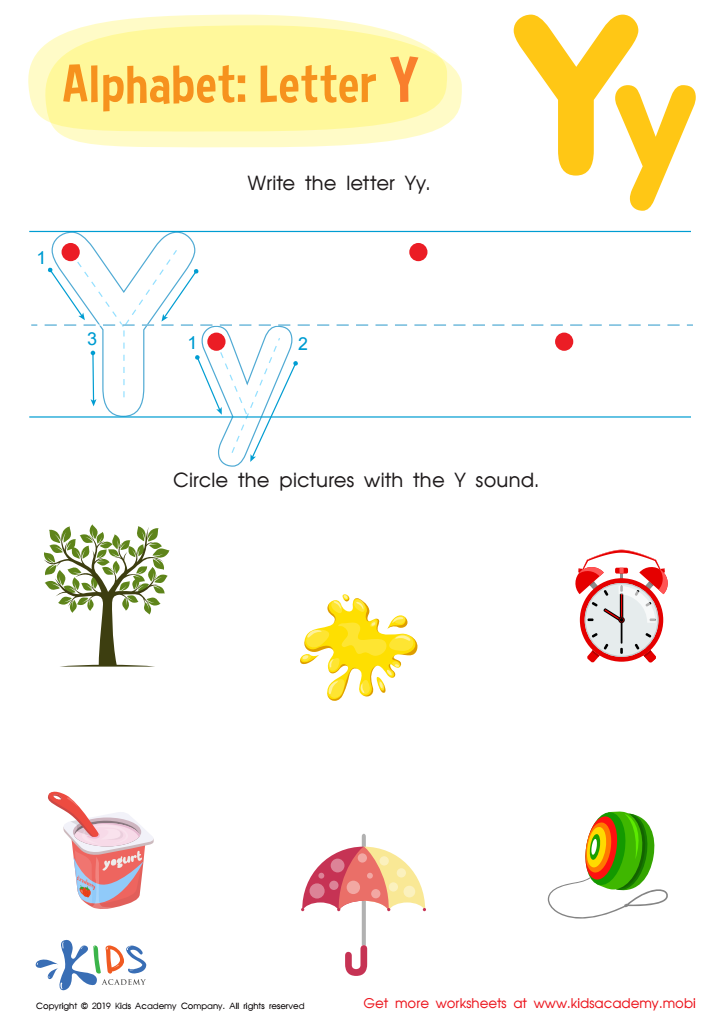
Letter Y Tracing Worksheet
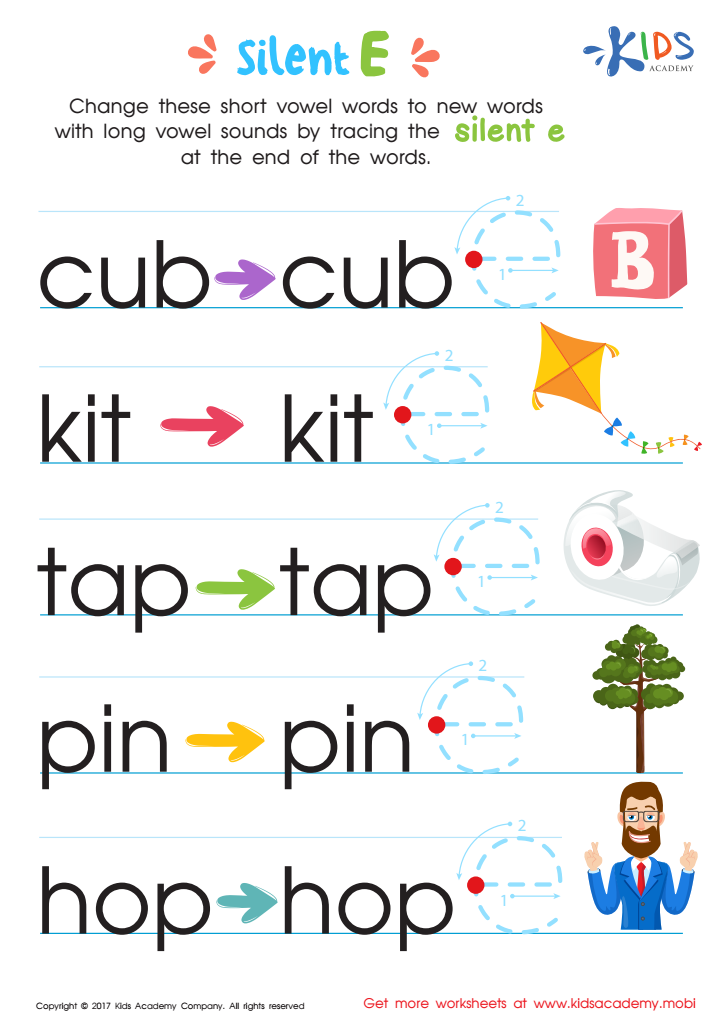
Silent E Words Worksheet








Tracing letters is a fundamental activity that plays a crucial role in early childhood education for children aged 4 to 7 years. First and foremost, it helps develop fine motor skills and hand-eye coordination, which are essential precursors to writing. As children trace letters, they learn how to control their hand movements, making their future handwriting more legible.
Additionally, tracing letters reinforces letter recognition and phonemic awareness. As children interact with letters visually and kinesthetically, they become more familiar with shapes and sounds, laying the groundwork for their reading skills. This multi-sensory approach can enhance retention, catering to various learning styles.
Furthermore, tracing can instill a sense of accomplishment as children successfully complete the task, thereby boosting their confidence and encouraging a love for learning. It is also a fun activity that can be easily integrated into different themes, making learning engaging and interactive.
For parents and teachers, promoting letter tracing nurtures a child’s literacy development and sets a strong foundational skill for future academic success. By prioritizing such activities, they not only enhance children’s writing abilities but also foster a supportive learning environment that values early skill acquisition.








