Math Worksheets for Ages 4-7 - Page 2
1107 filtered results
-
From - To
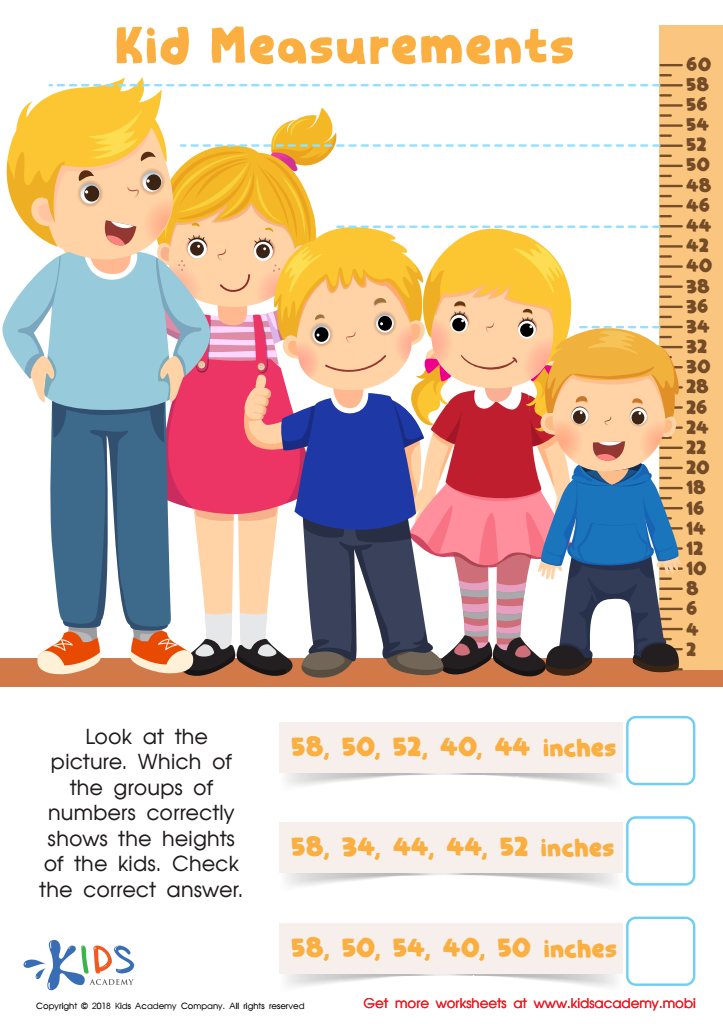
Kids Measurements Worksheet
 Assign to My Students
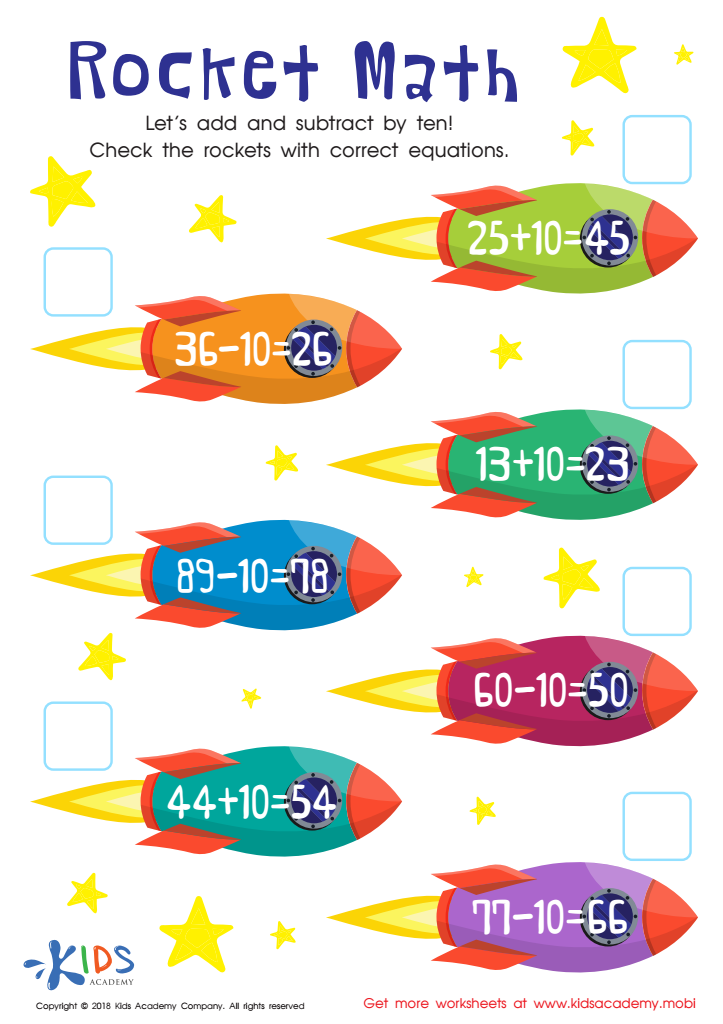
Rocket Math Worksheet
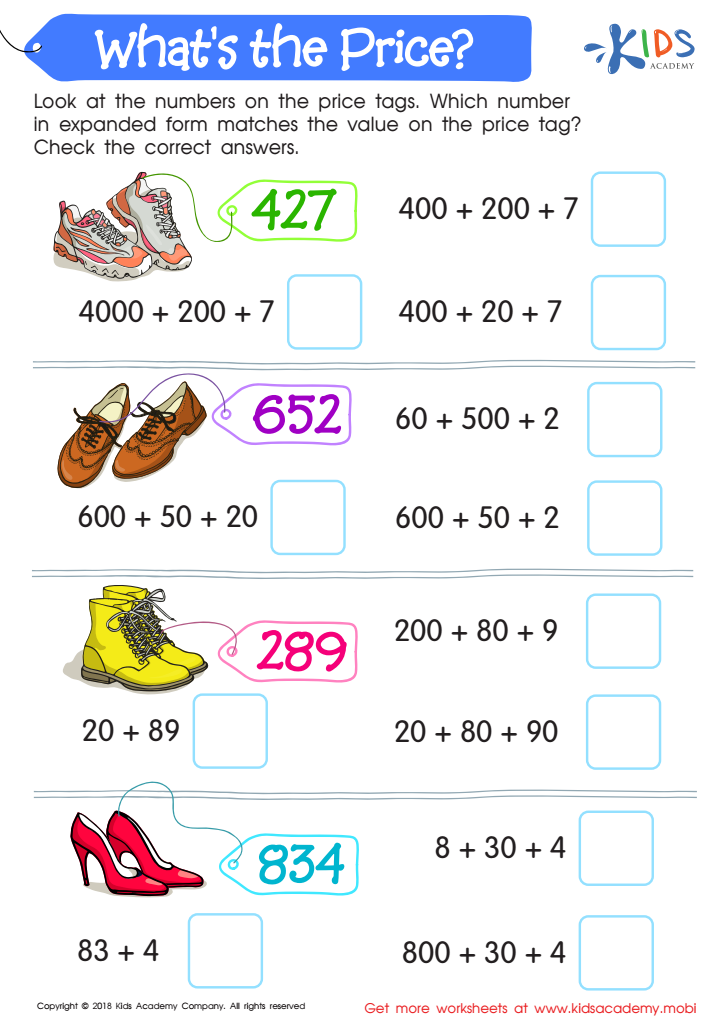
What's the Price? Worksheet
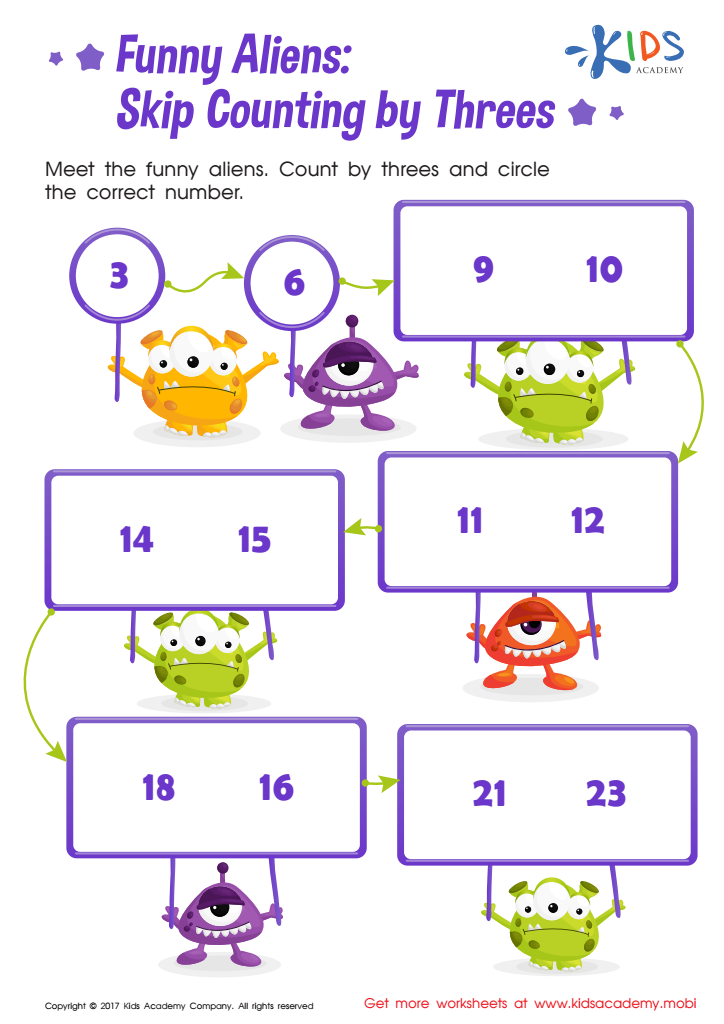
Skip Counting by 3s: Funny Aliens Printable
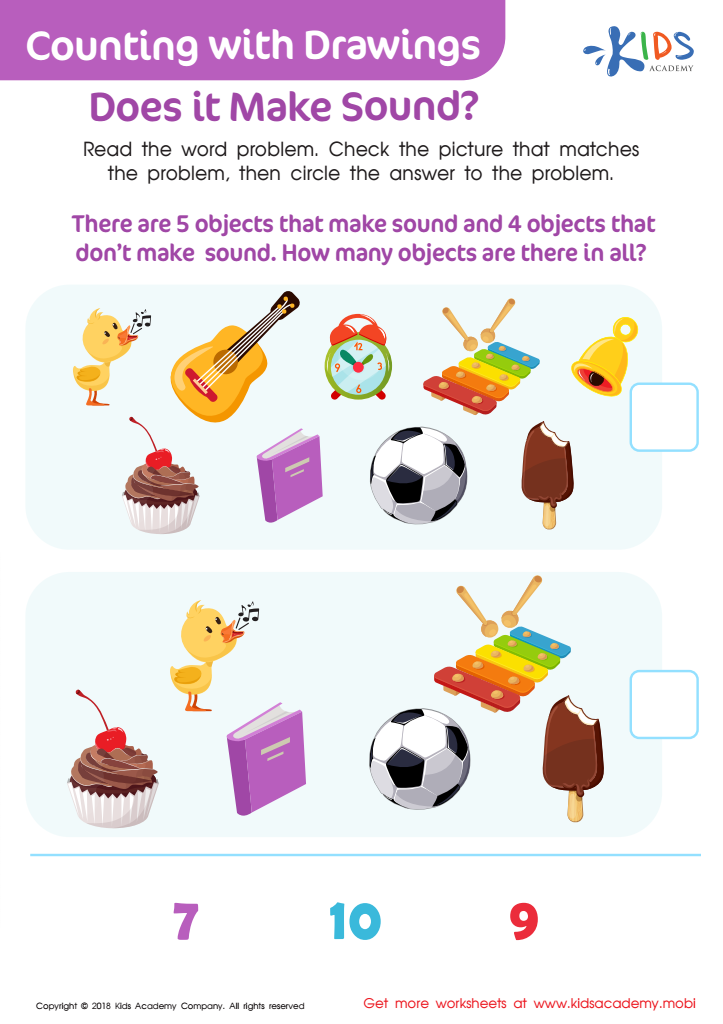
Counting With Drawings. Does It Make Sound? Worksheet
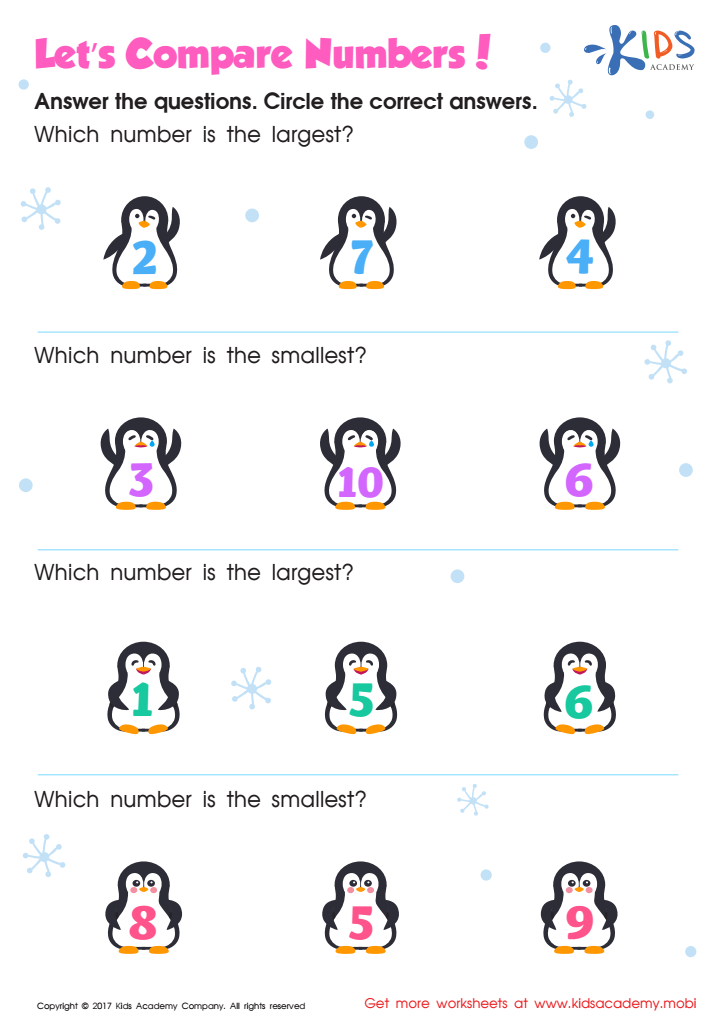
Comparing Numbers 1–10 Worksheet Kindergarten
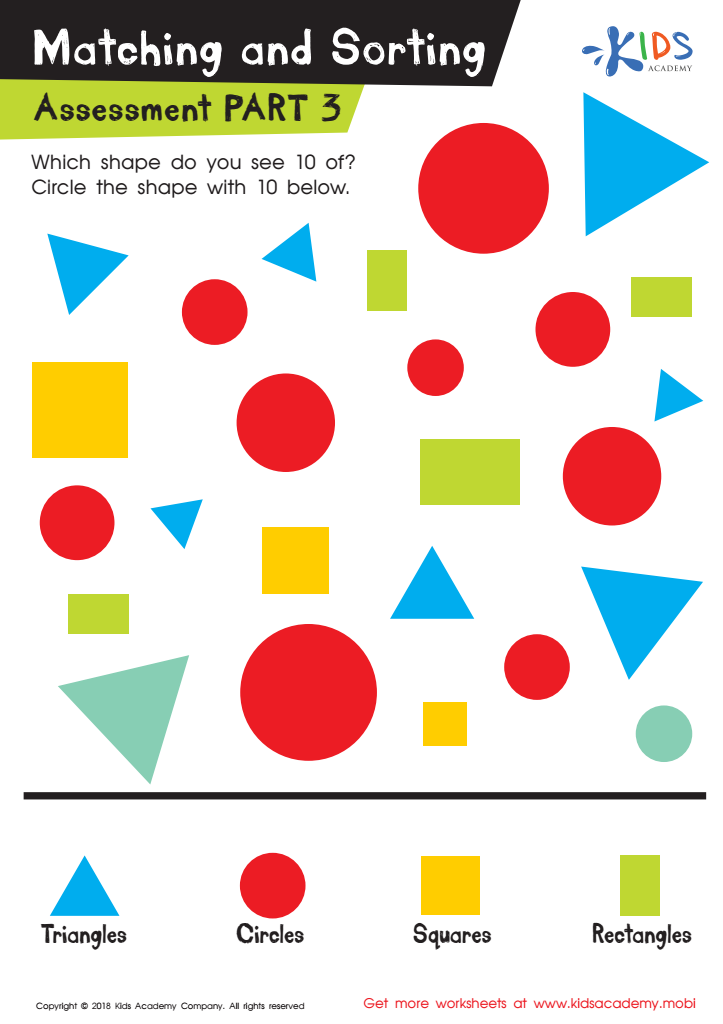
Matching and Sorting for Kindergarten: Assessment 3 Worksheet
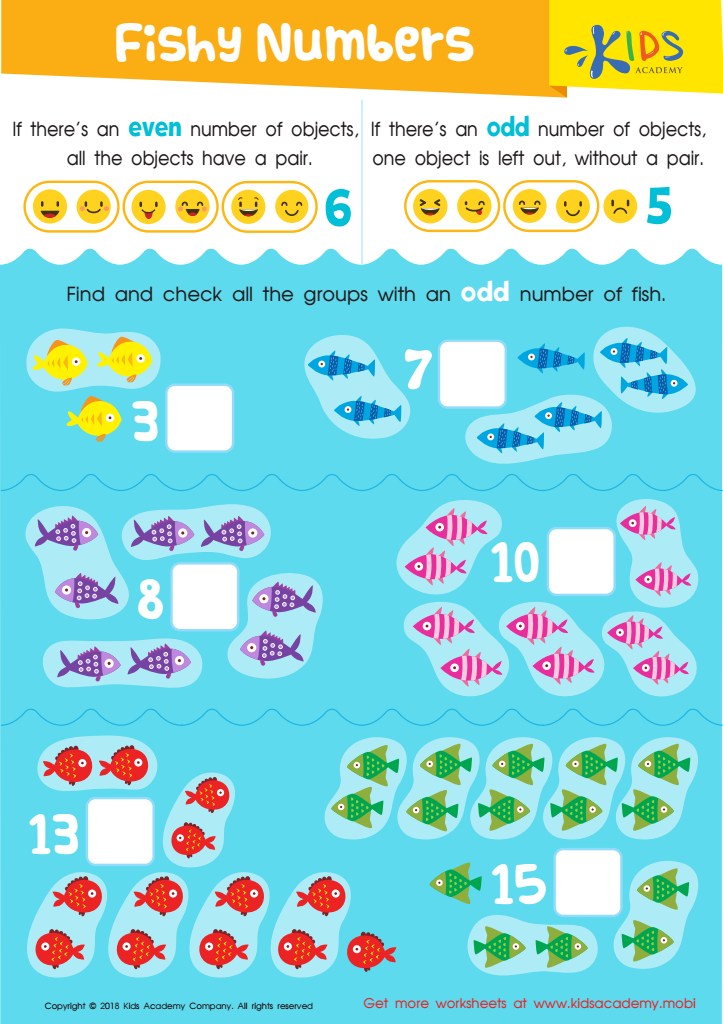
Fishy Numbers Worksheet
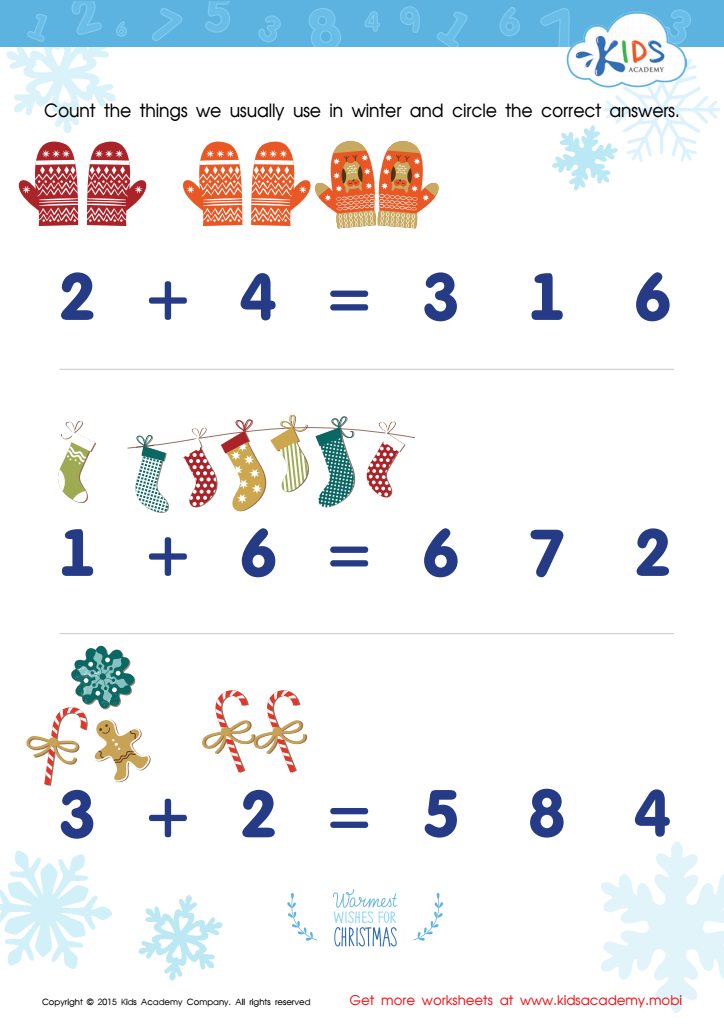
Count Winter Things Worksheet
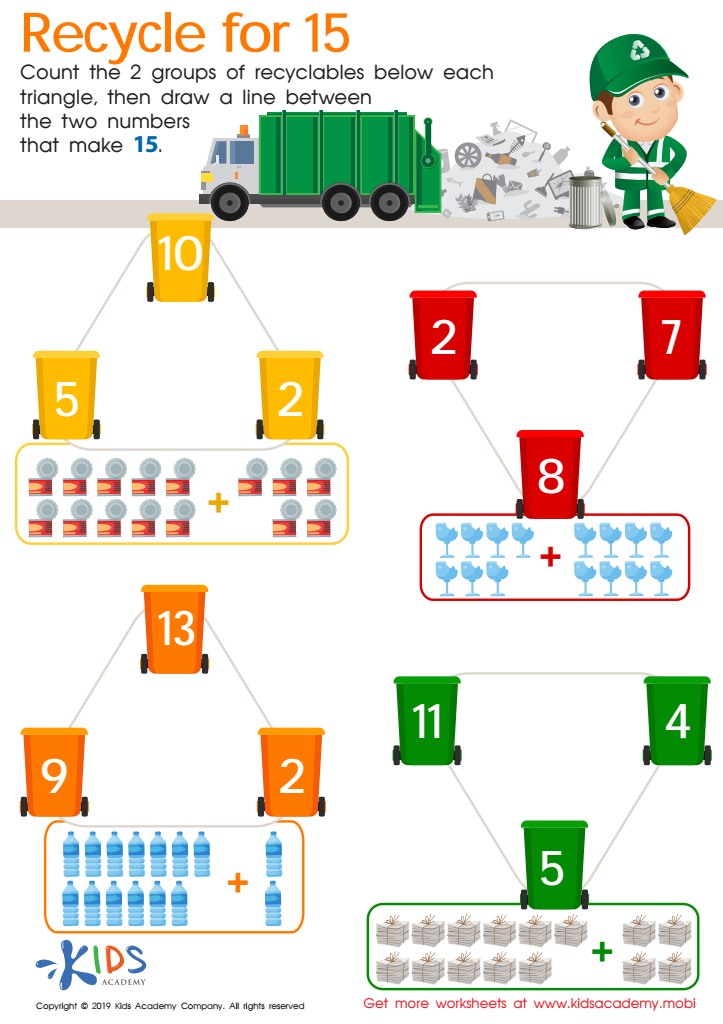
Recycle for 15 Worksheet
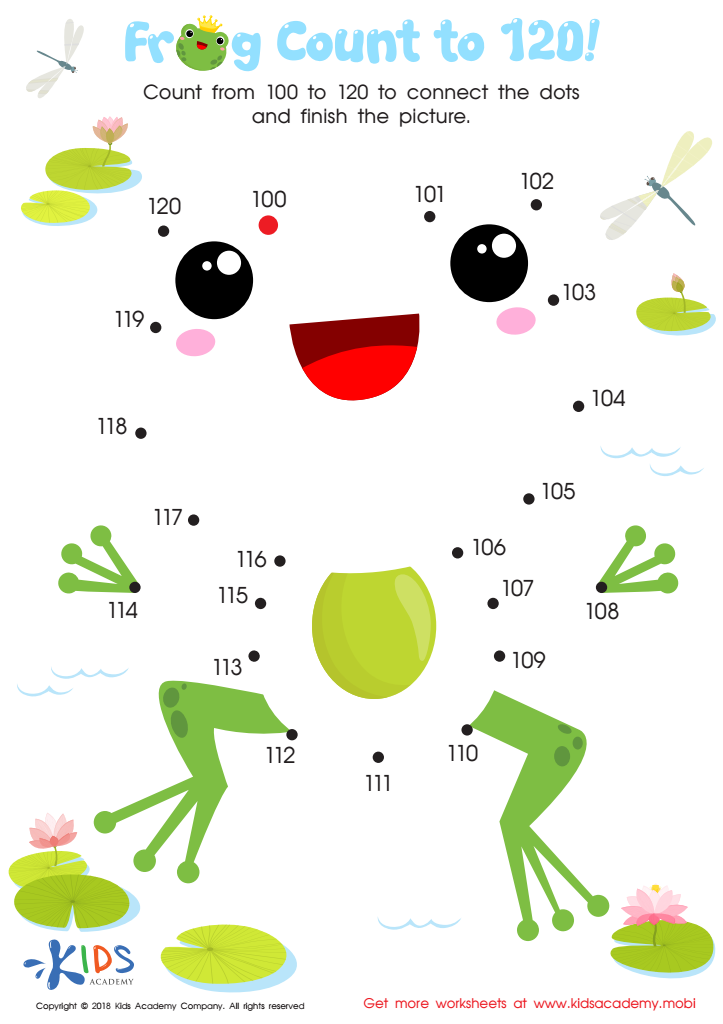
Frog Count to 120 Worksheet
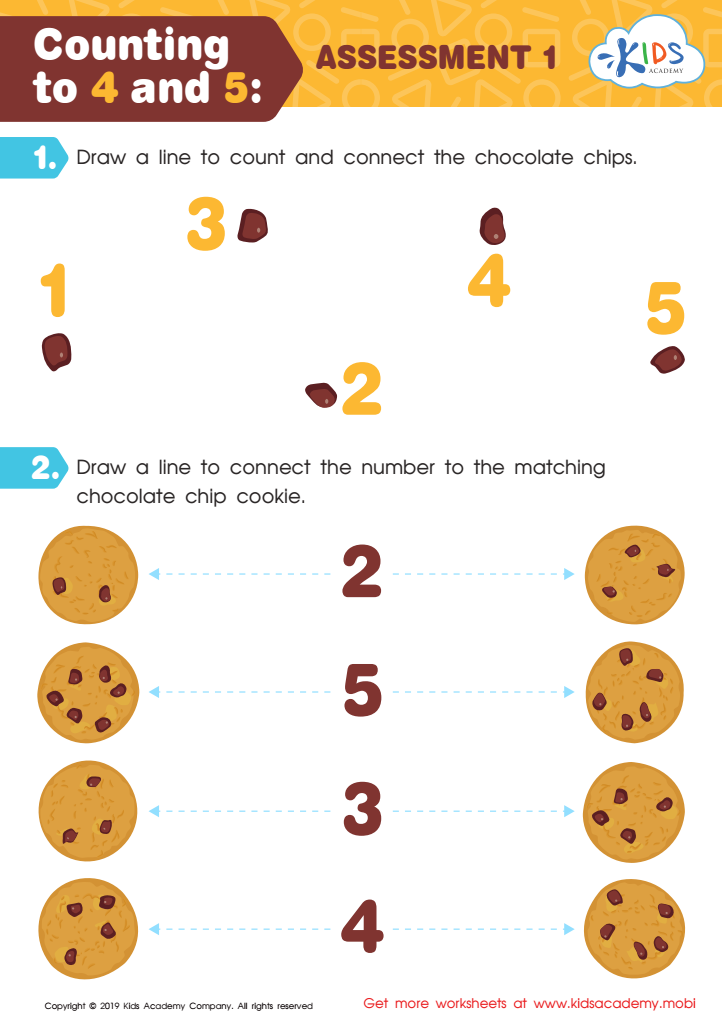
Counting to 4 and 5: Assessment 1 Worksheet
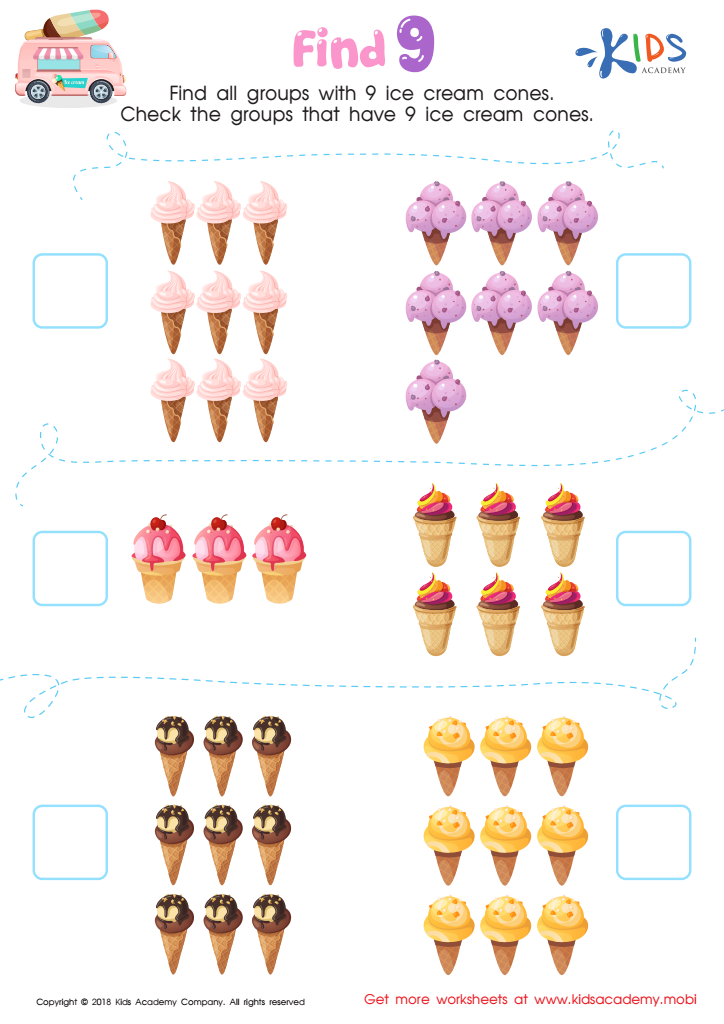
Find 9 Worksheet
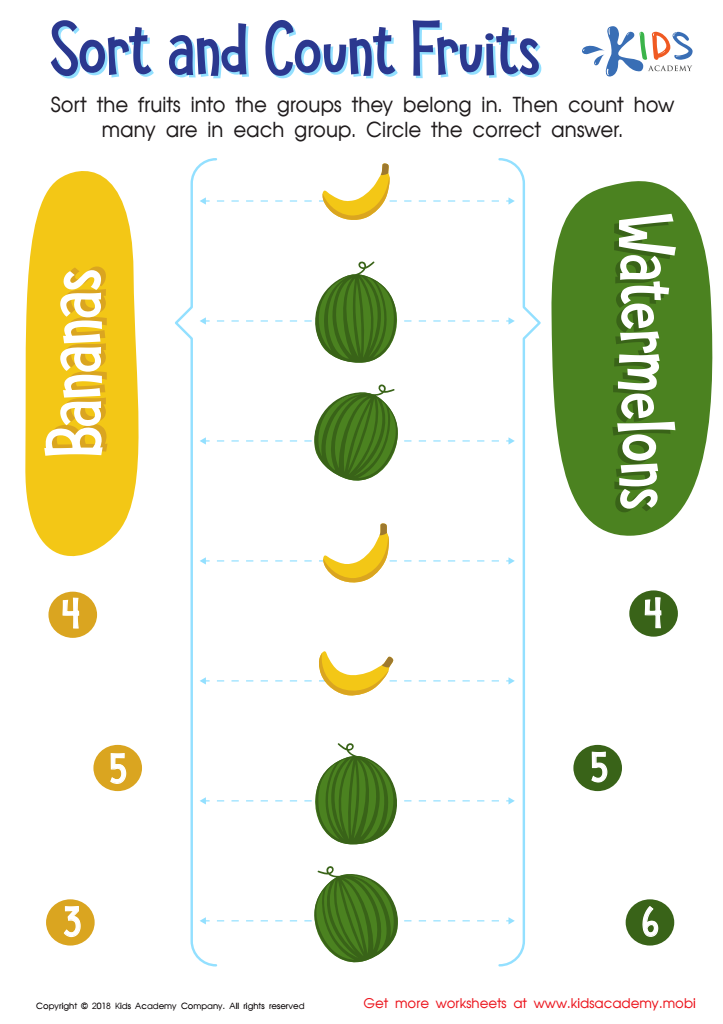
Sort and Count Fruits Worksheet
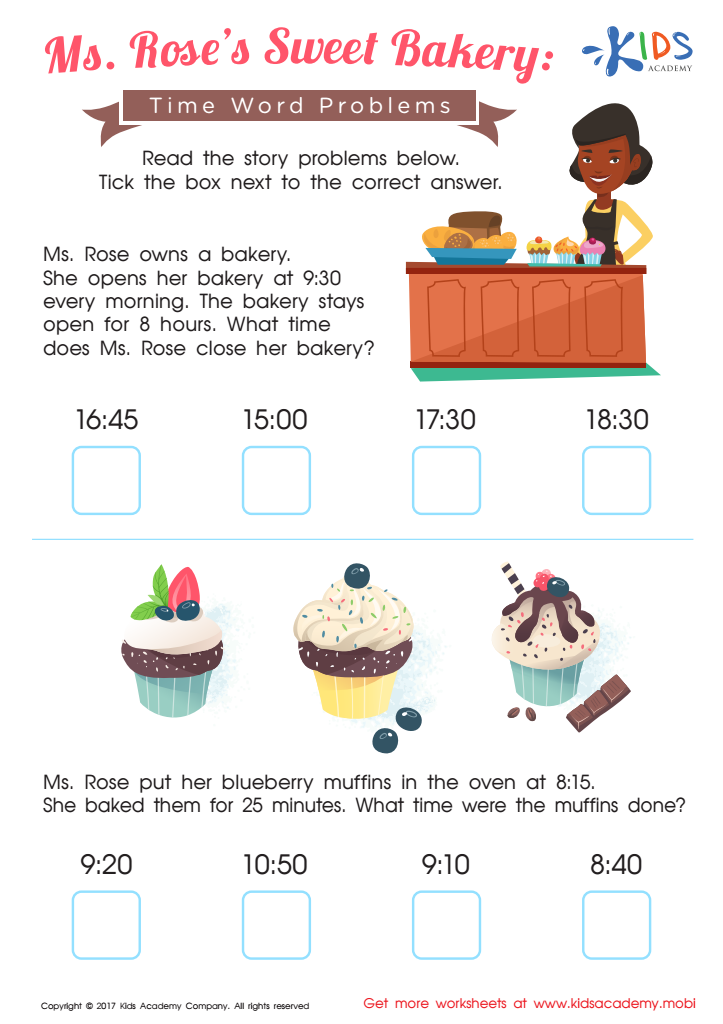
Ms. Roseв's Sweet Bakery Time Worksheet
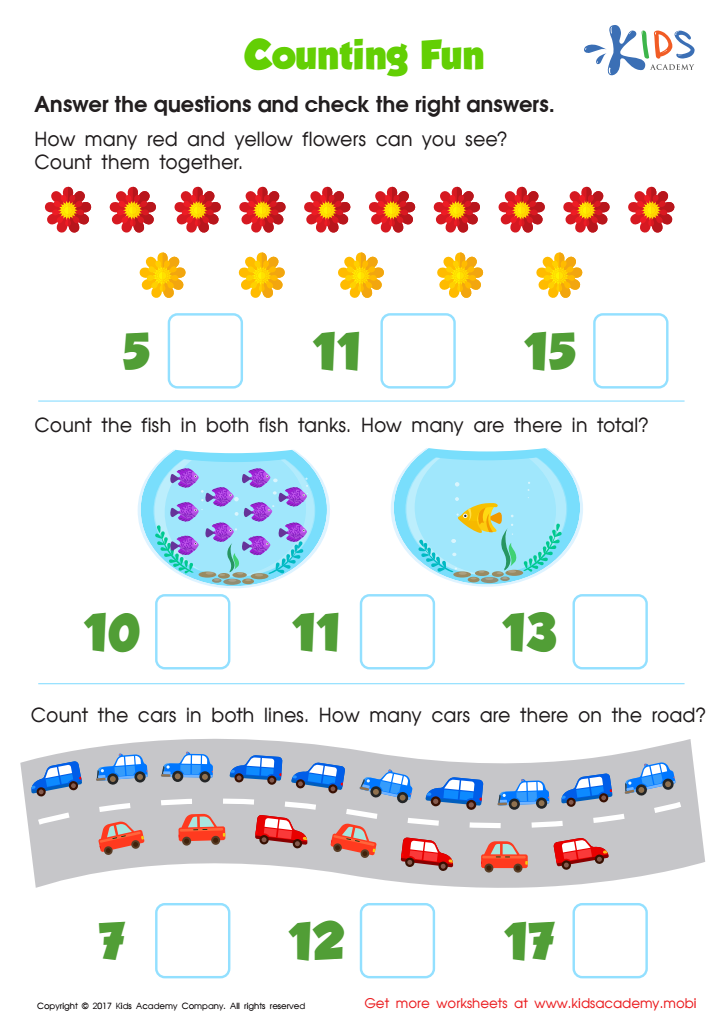
Counting Fun Worksheet
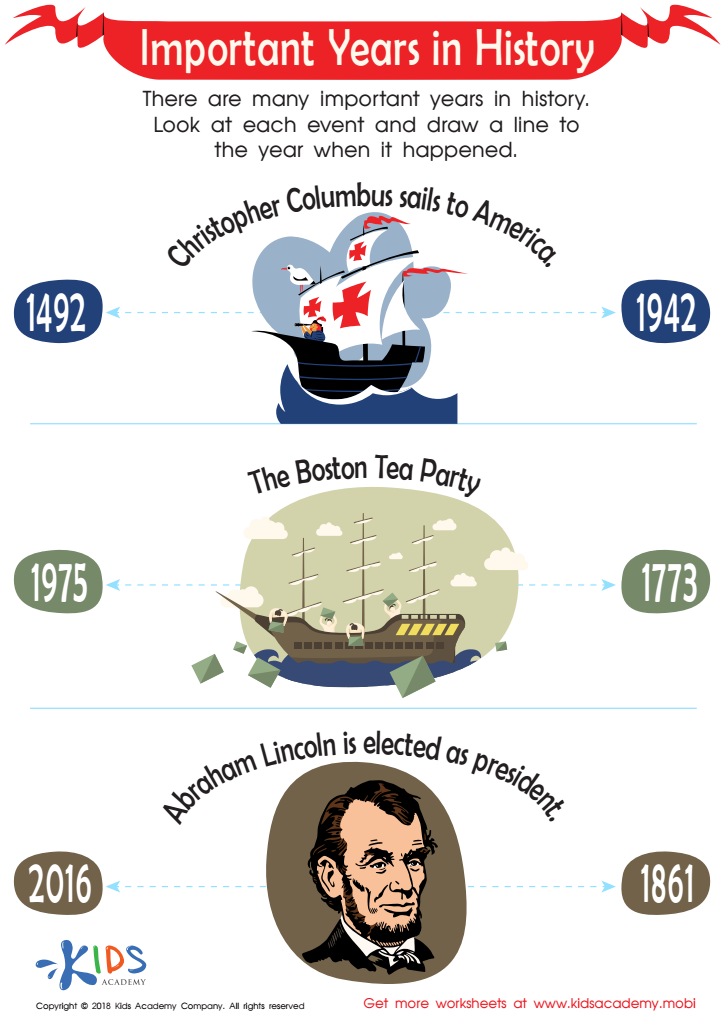
Important Years in History Worksheet
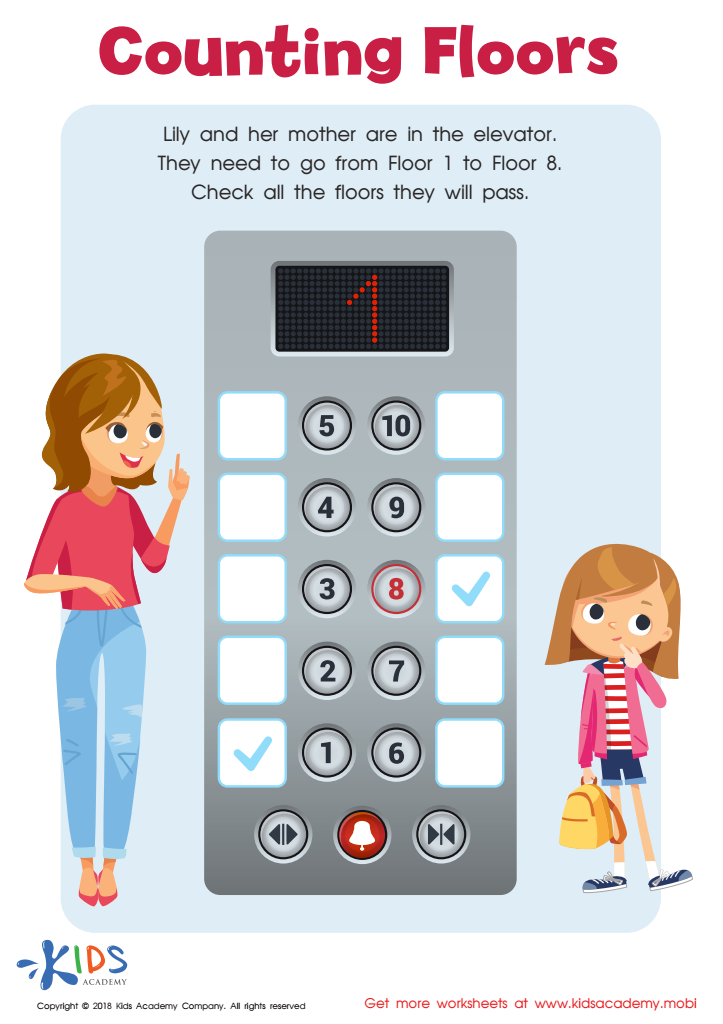
Counting Floors Worksheet
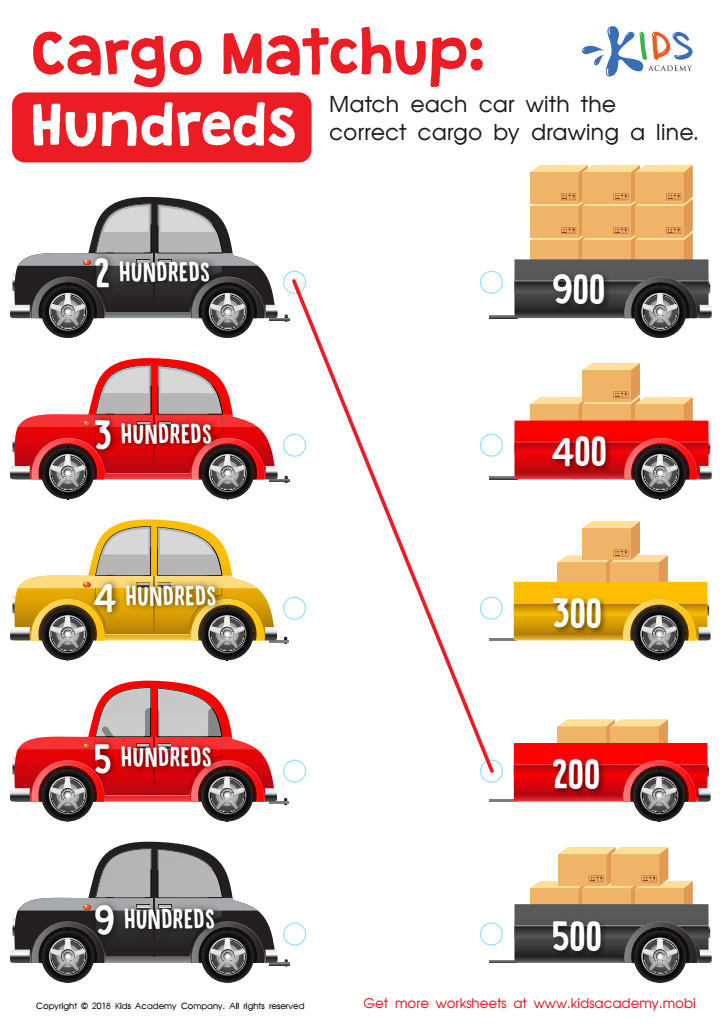
Cargo Matchup: Hundreds Worksheet
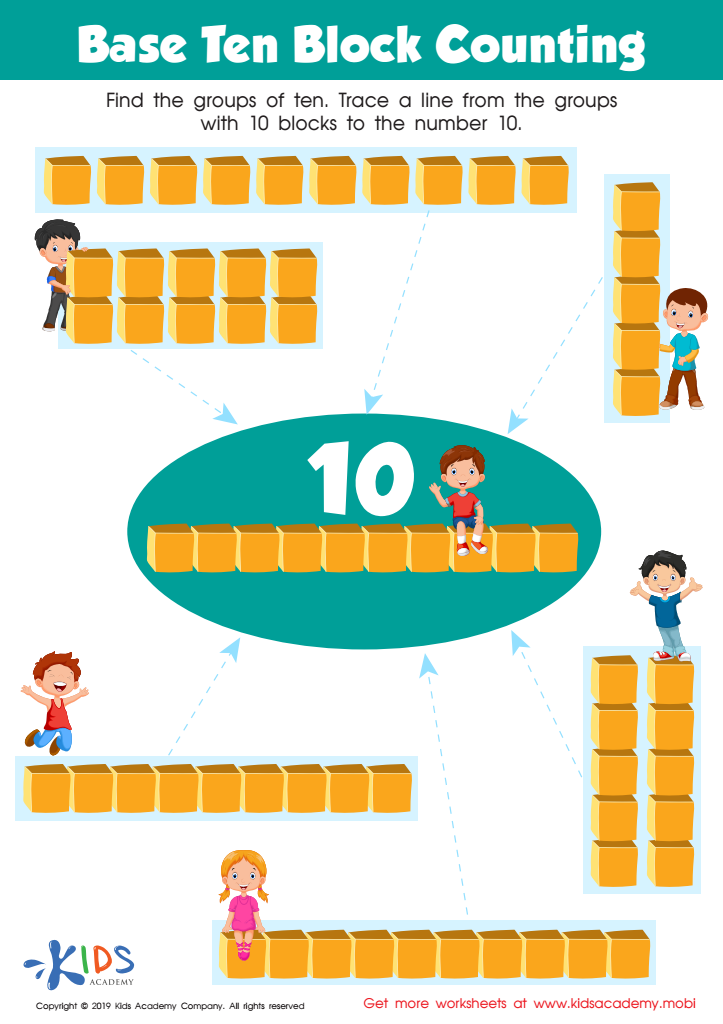
Base Ten Block Counting Worksheet
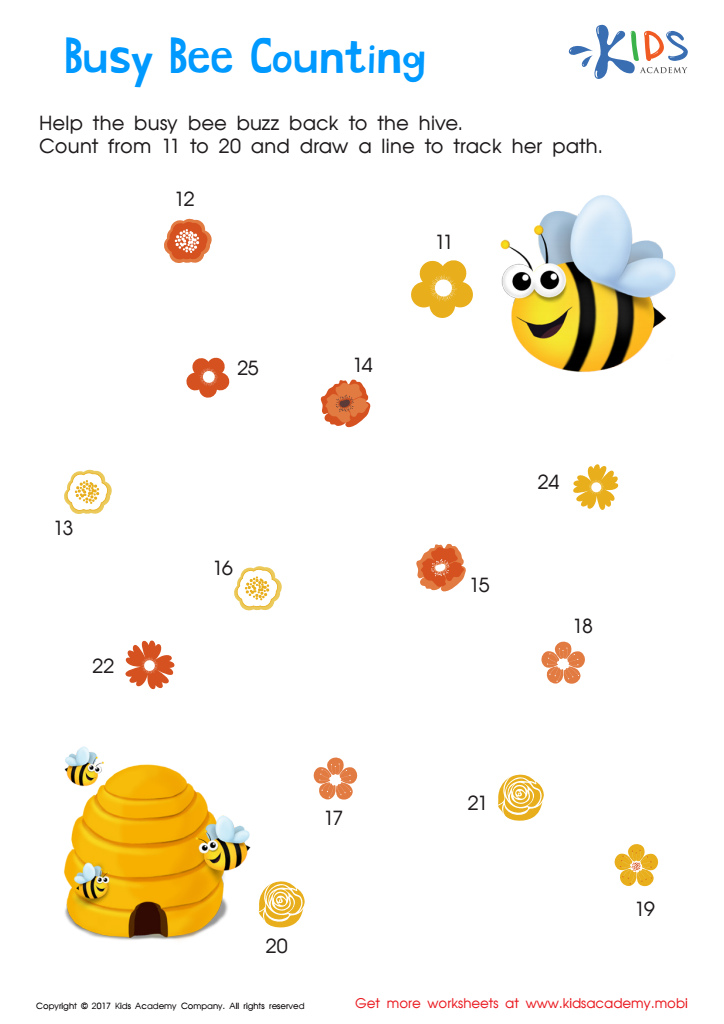
Ordering 11–20: Busy Bee Counting Worksheet
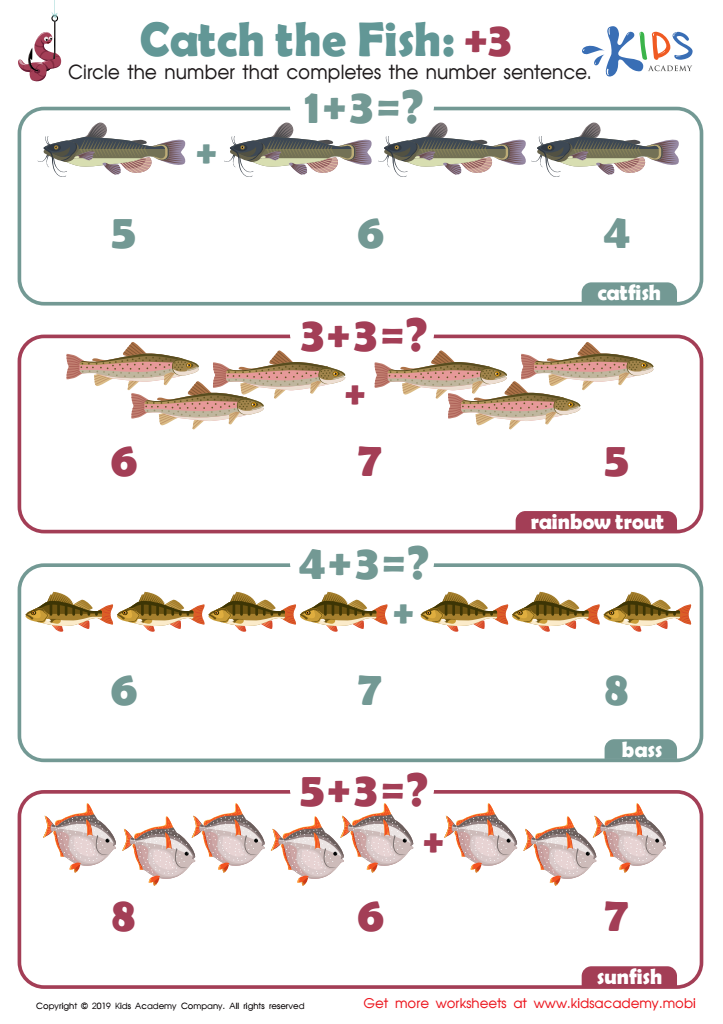
Catch the Fish: +3 Worksheet
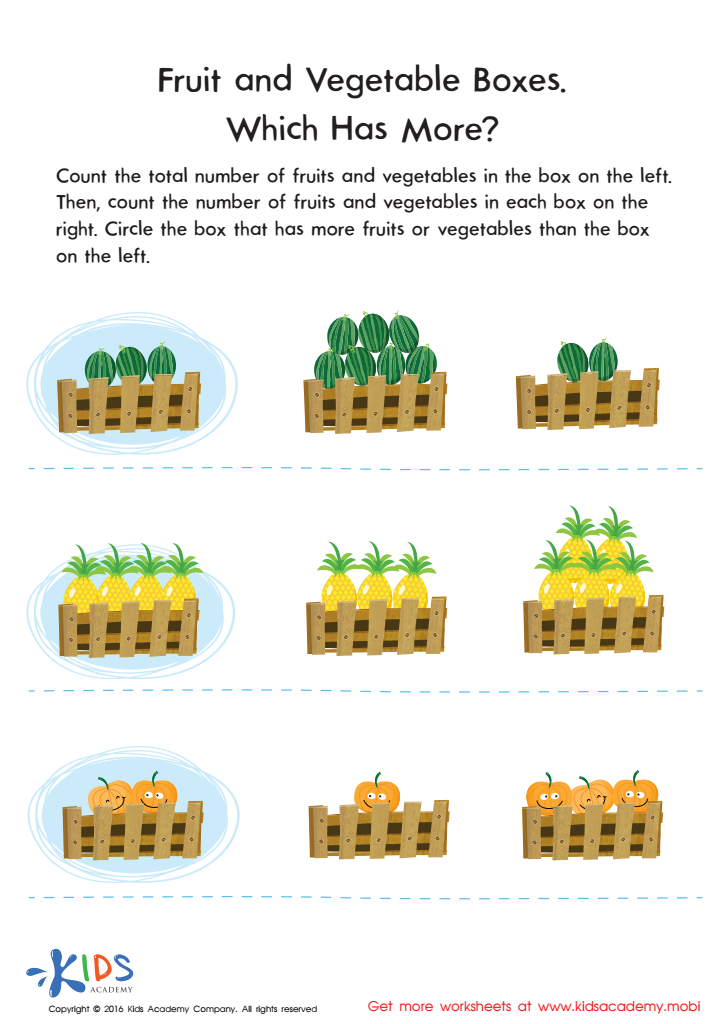
Which Has More? Size Worksheet
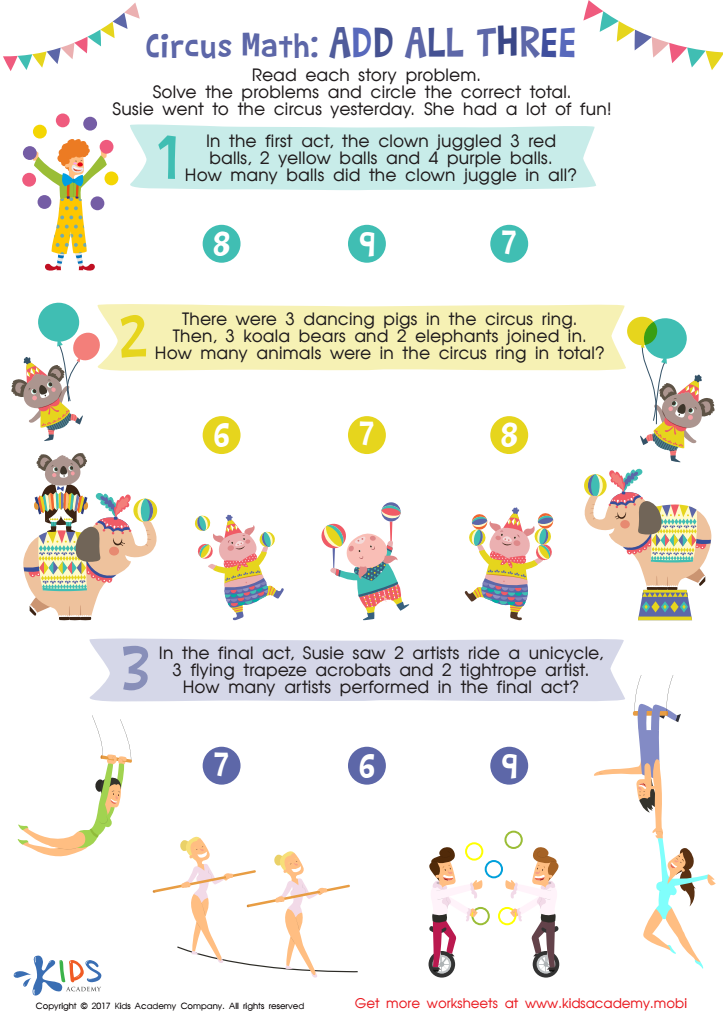
Circus Math Printable








Math is foundational for young children as it nurtures critical thinking, problem-solving skills, and logical reasoning. Engaging children aged 4-7 in math helps them make sense of the world and develops their curiosity and investigative skills. At this age, children are naturally inquisitive and are learning how to interpret their environment. Introduction to math sharpens their ability to observe patterns, understand sequences, and grasp basic concepts of time and quantity.
Furthermore, early math skills are strong predictors of academic success. Studies indicate that proficiency in math before elementary school can lead to better achievement in both math and literacy later on. The concepts learned, such as counting, shapes, and basic operations, build a solid foundation for more complex math problems they'll encounter in higher grades.
Math also supports the development of other essential skills. Activities that involve counting or sorting objects enhance fine motor skills and hand-eye coordination. Collaborative math games teach cooperation and improve social communication skills. Encouraging mathematical thinking at this critical developmental stage thus lays down vital cognitive, academic, and personal skills.
Parents and teachers should recognize the importance and make math a fun, engaging, and consistent part of children's daily routines to nurture a positive attitude towards the subject early on.








