Science Worksheets for Ages 4-7 - Page 9
301 filtered results
-
From - To
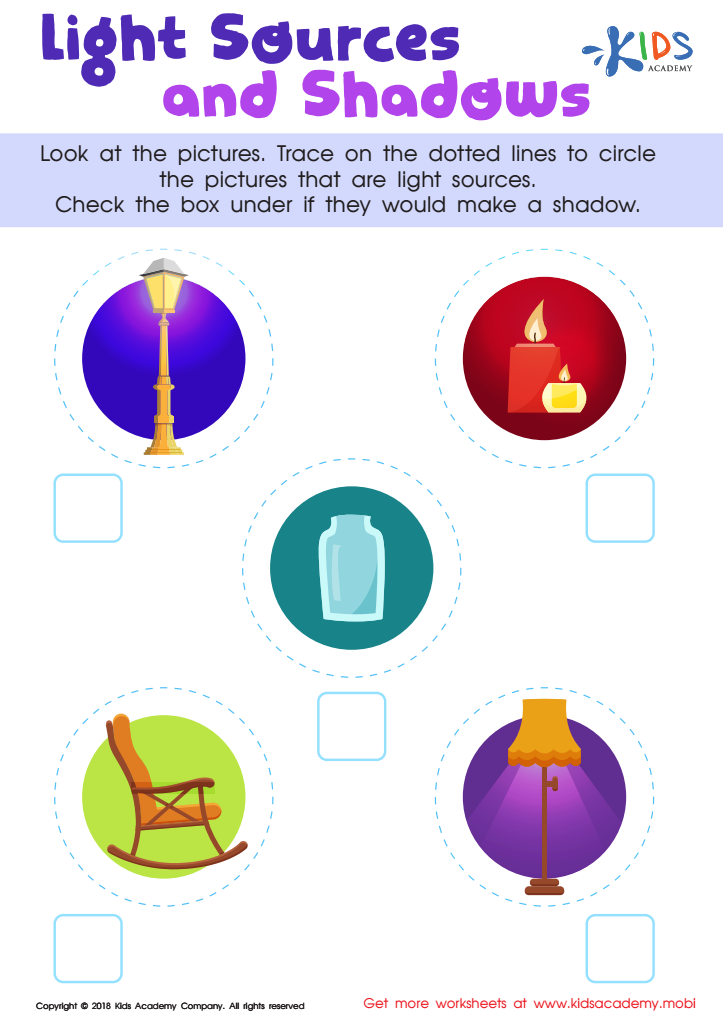
Light Sources and Shadows Worksheet
 Assign to My Students
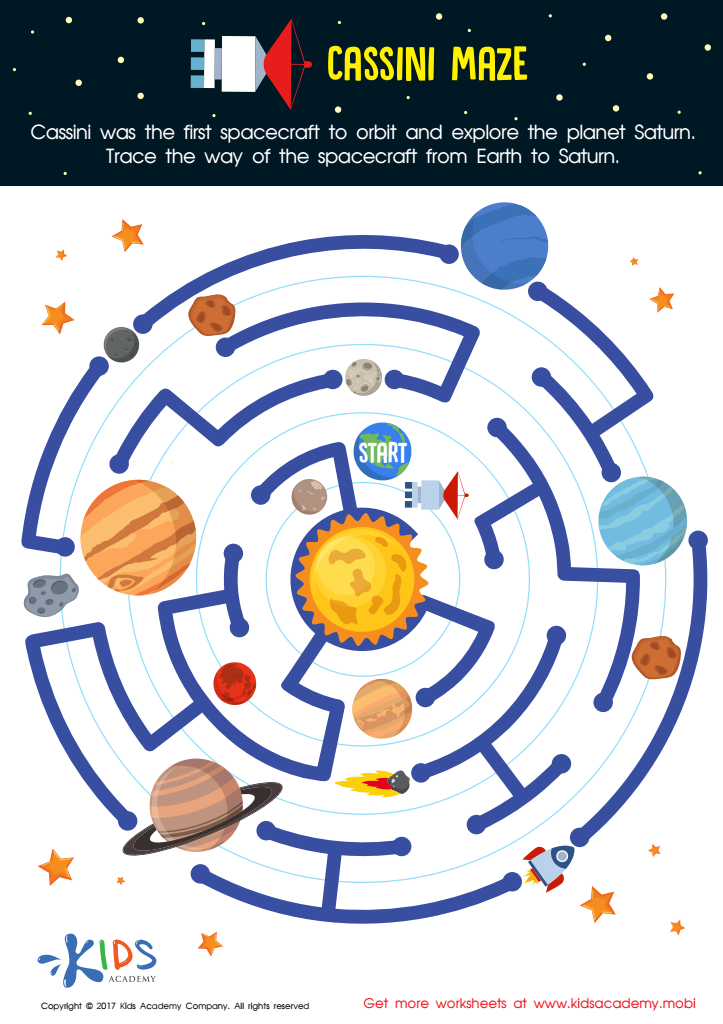
Cassini Printable Worksheet
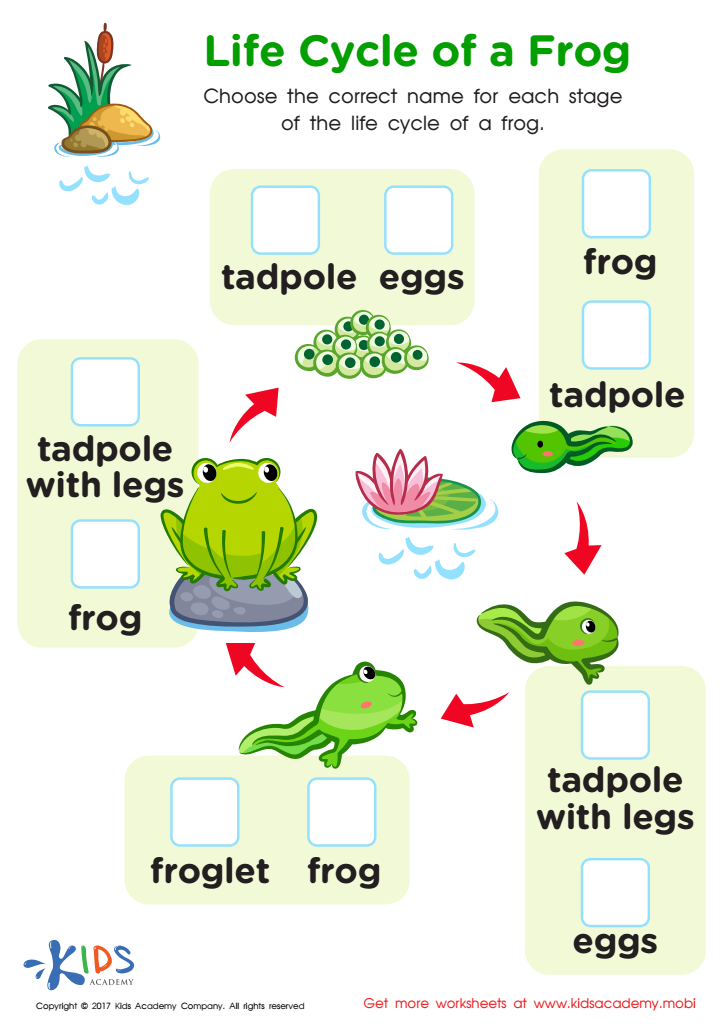
Life Cycle Frog Printable
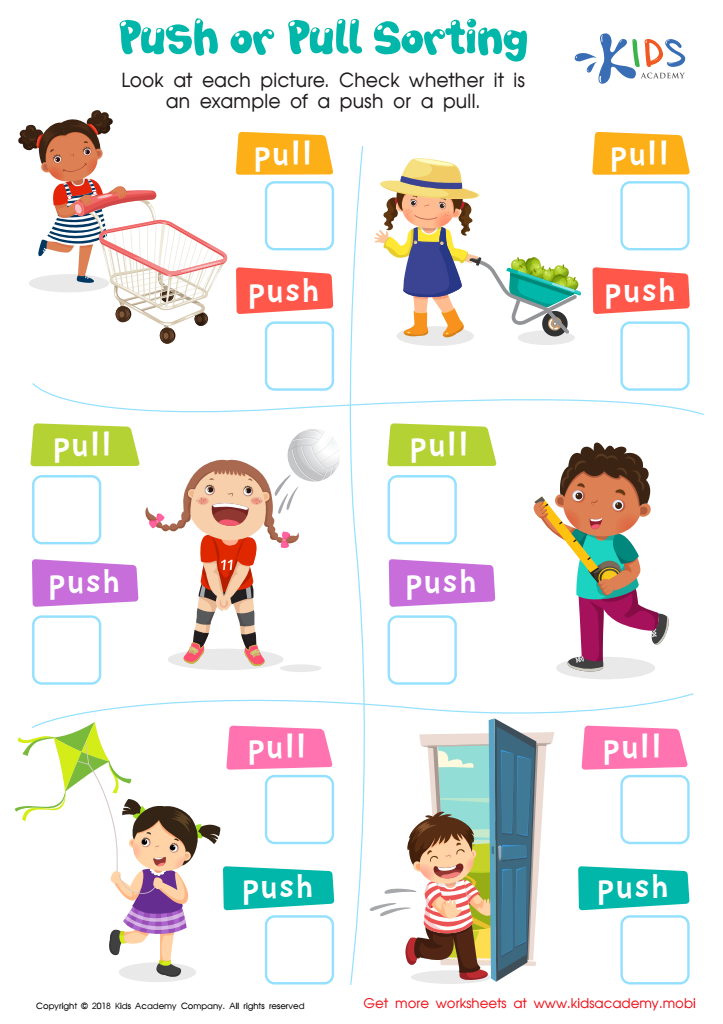
Push or Pull Sorting Worksheet
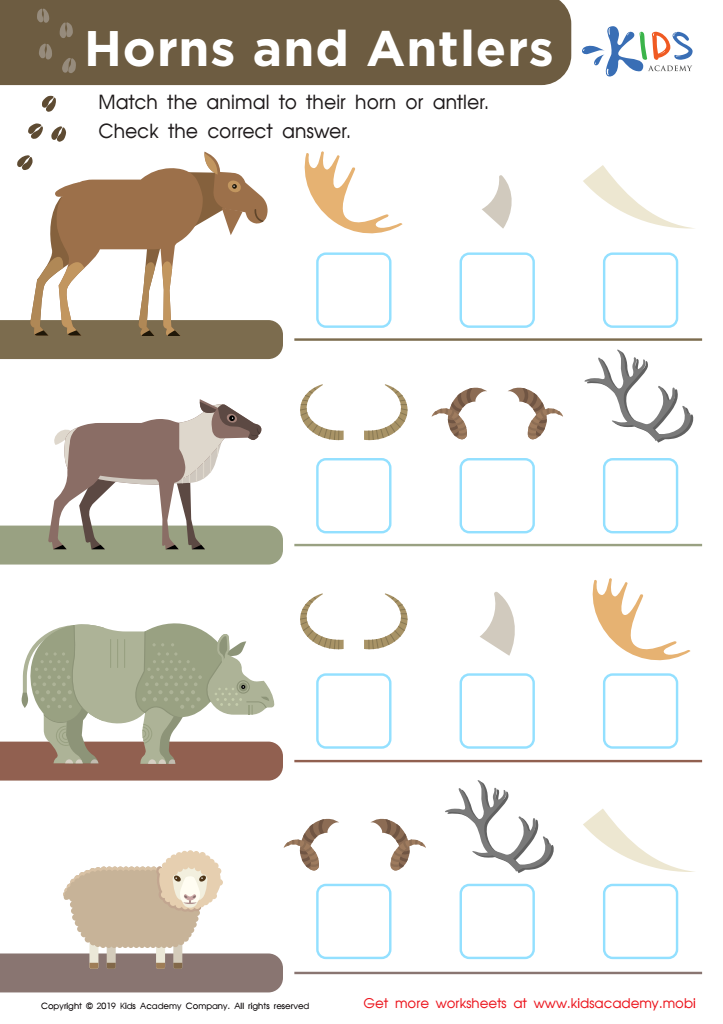
Horns and Antlers Worksheet
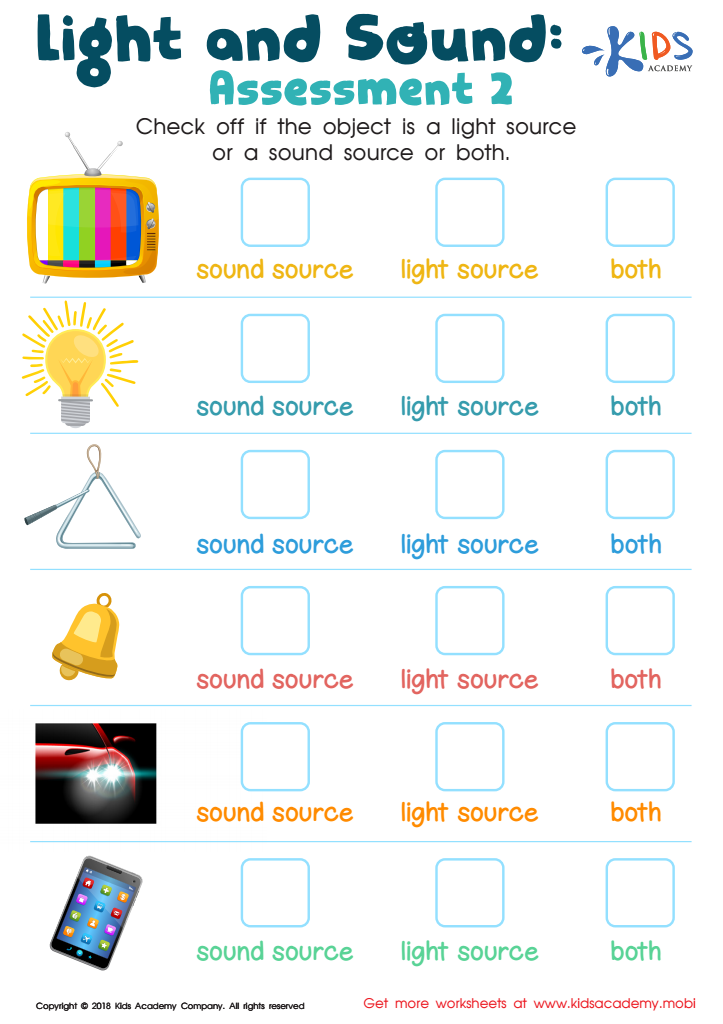
Light and Sound: Assessment 2 Worksheet
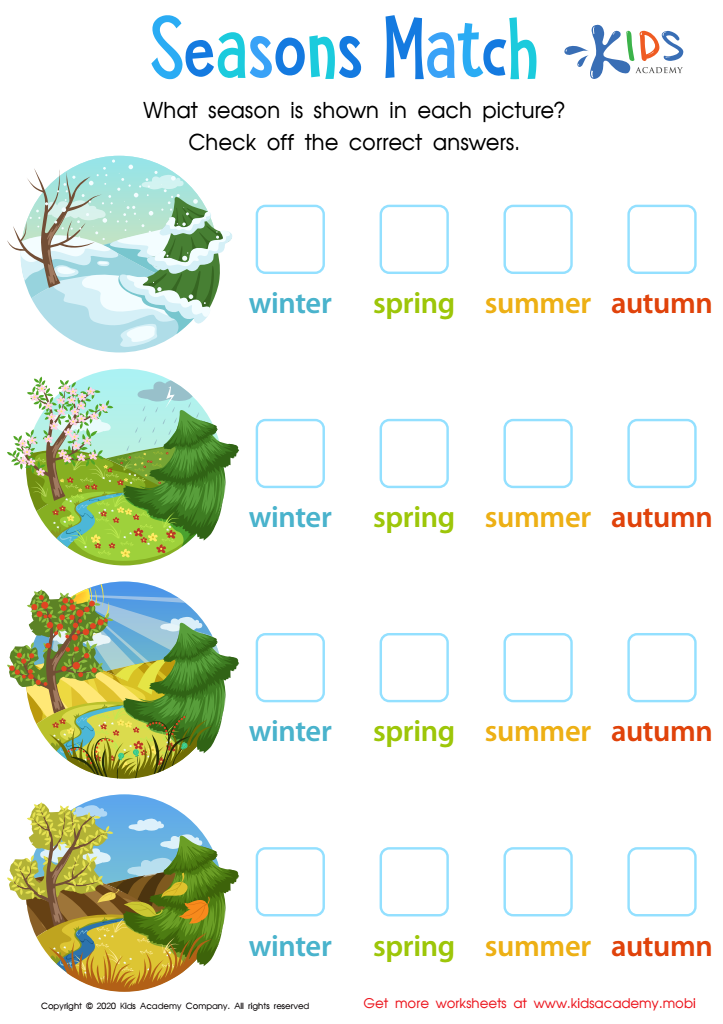
Seasons Match Worksheet
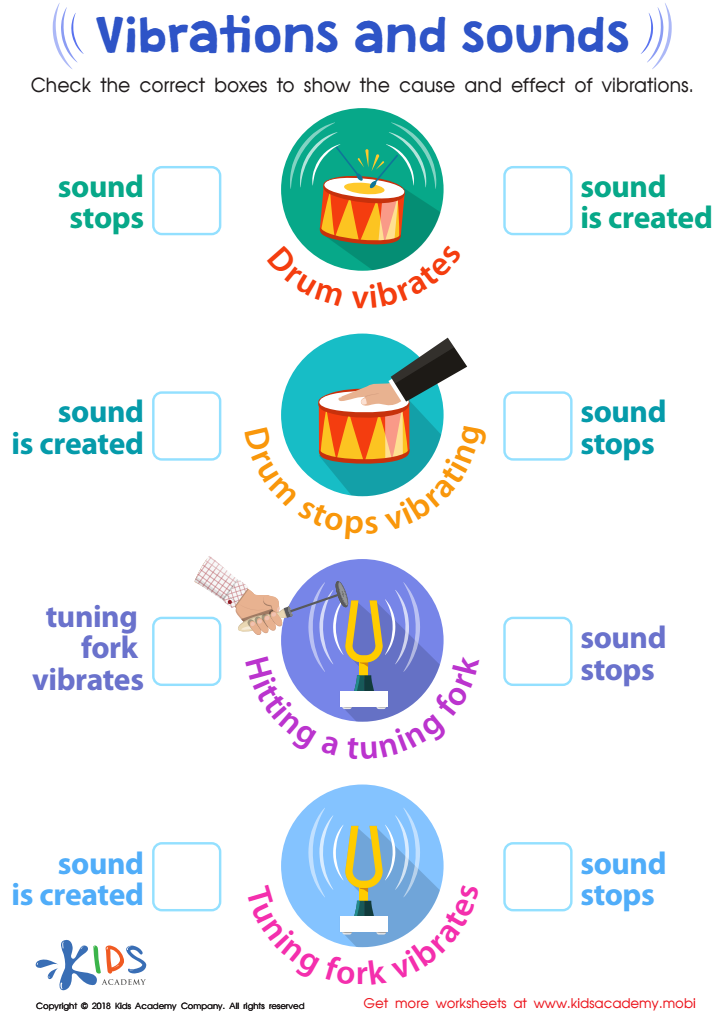
Vibrations and Sounds Worksheet
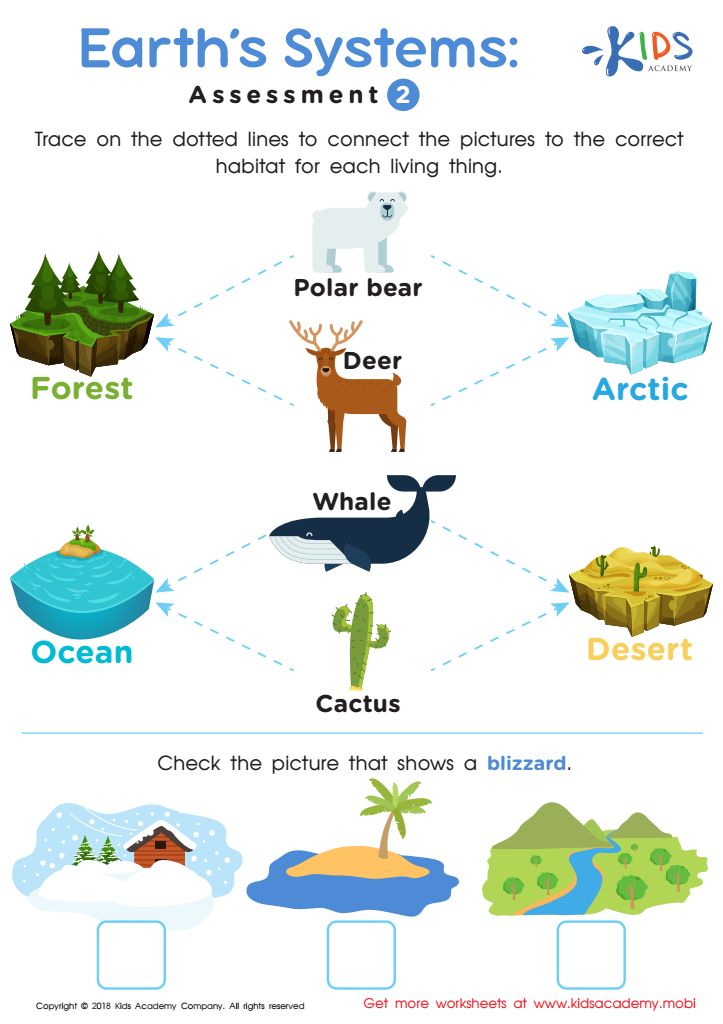
Earth's Systems: Assessment 2
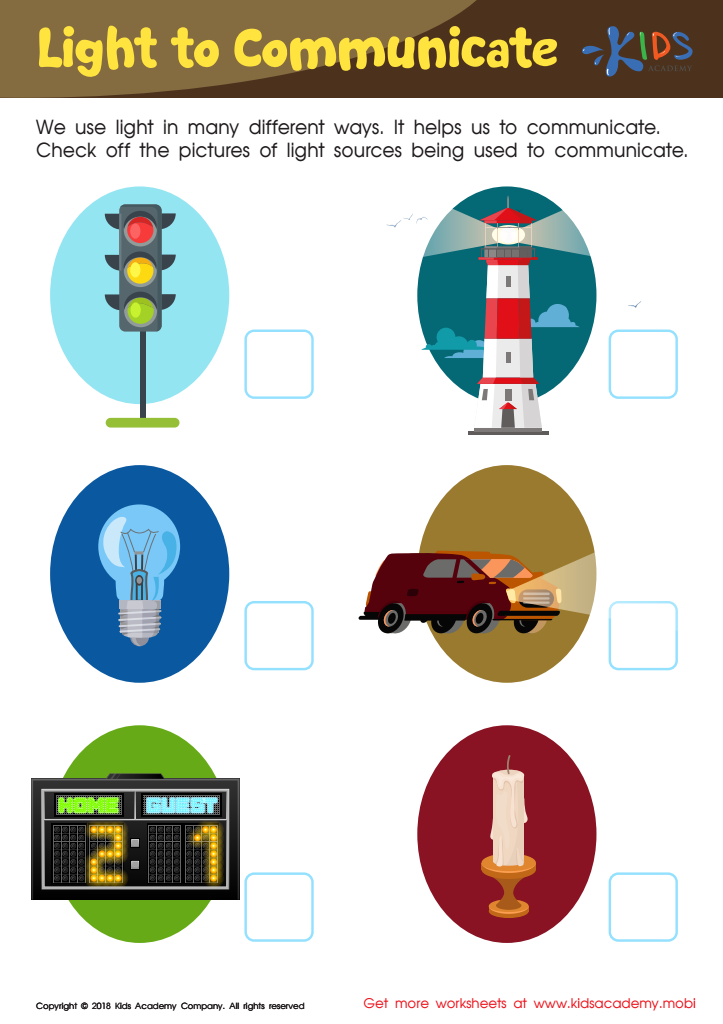
Light to Communicate Worksheet
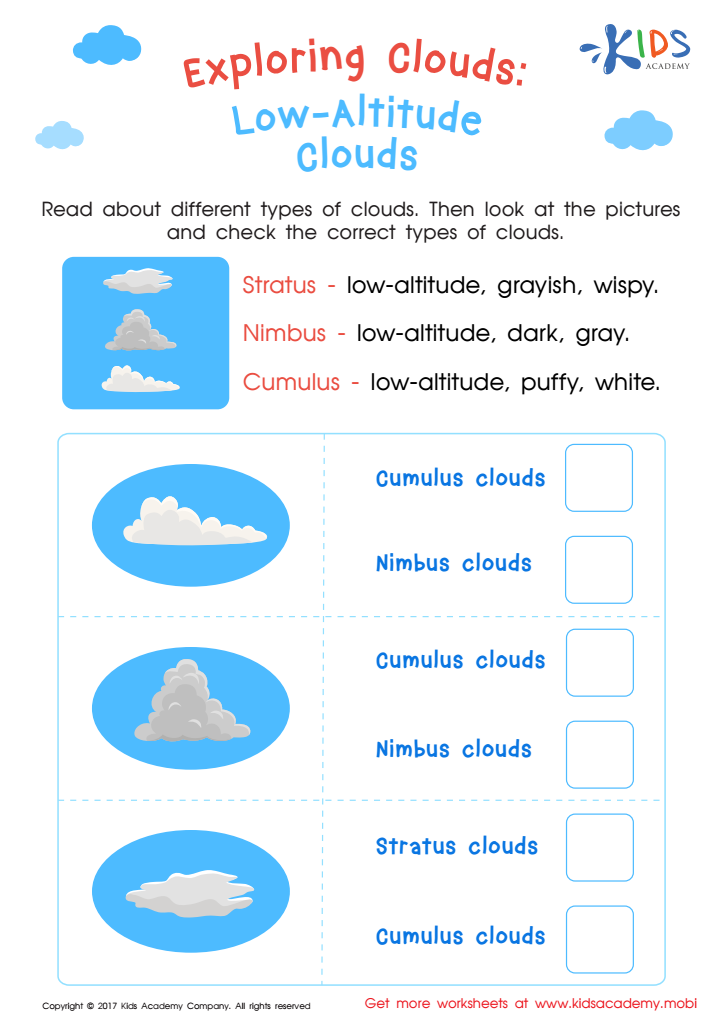
Exploring Clouds: Low Altitude Clouds Printable
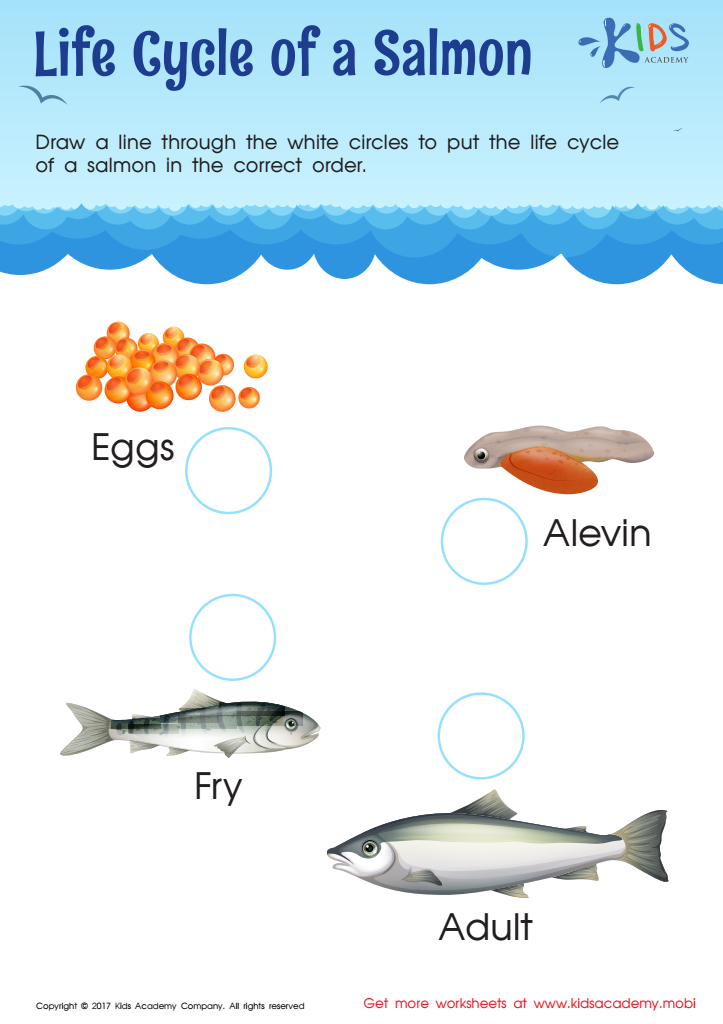
Cycle Of Salmon Worksheet
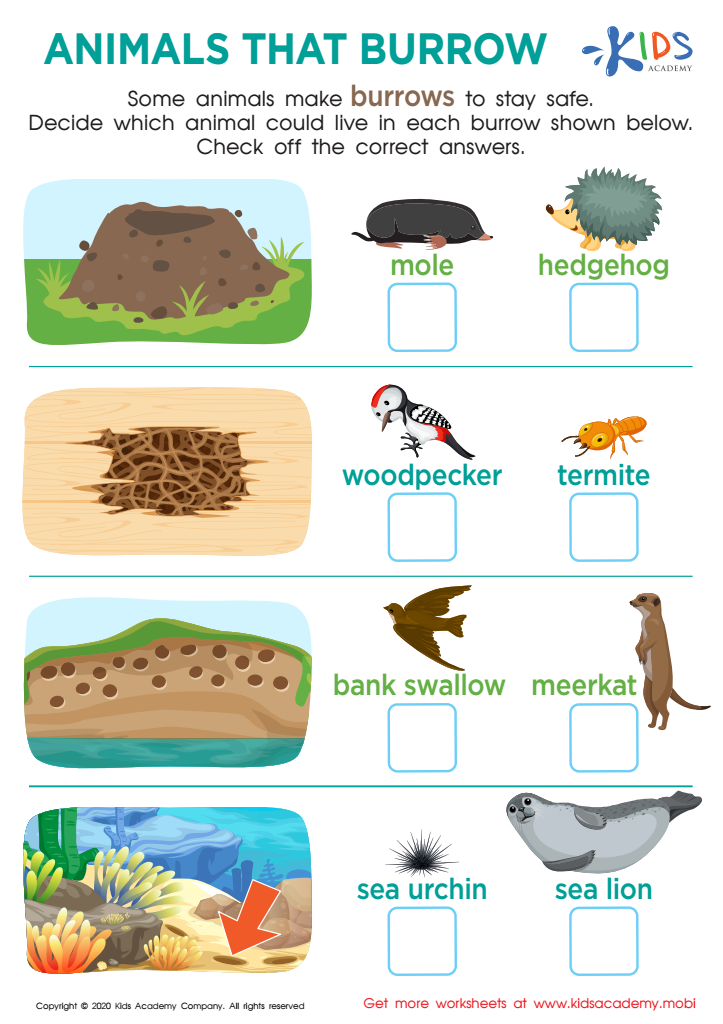
Animals That Burrow Worksheet
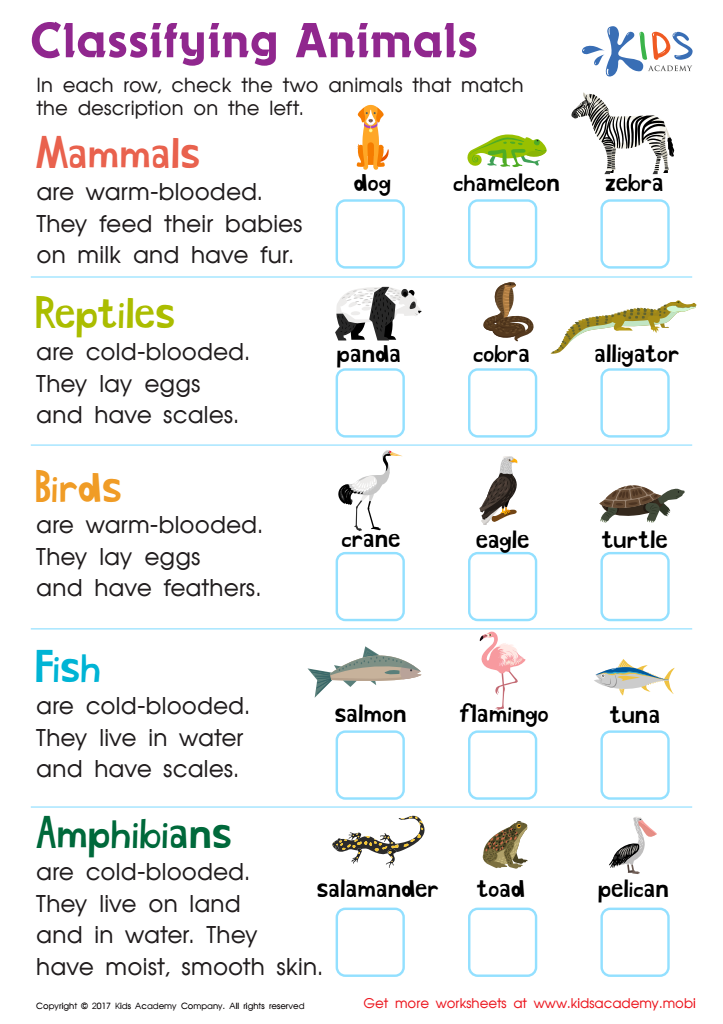
Classifying Animals Worksheet
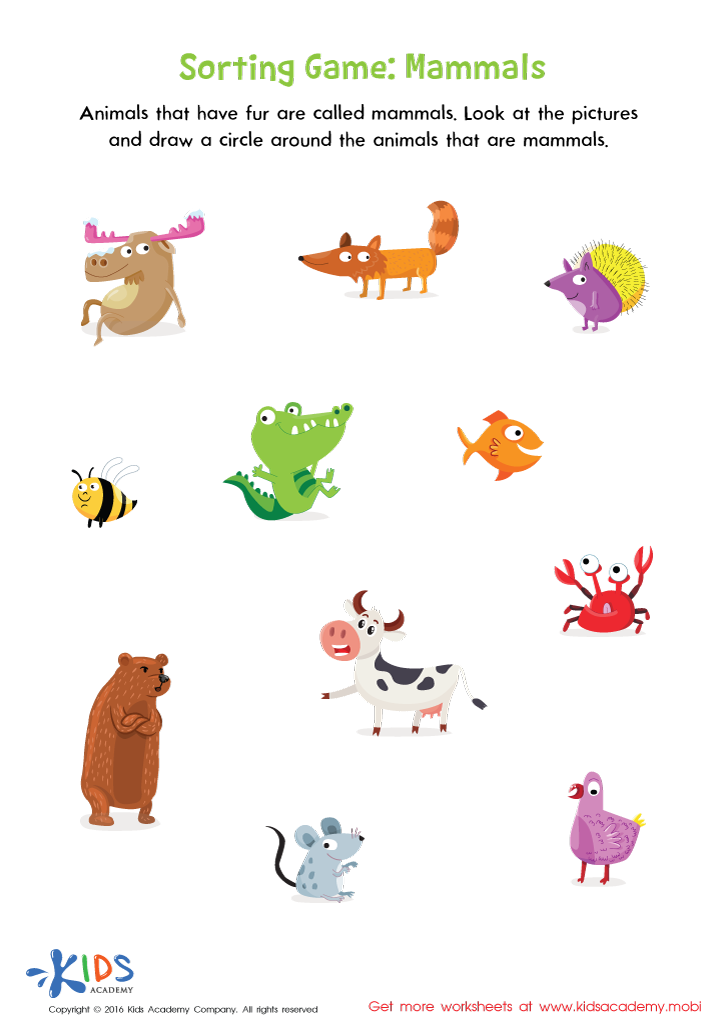
Mammals Sorting Worksheet
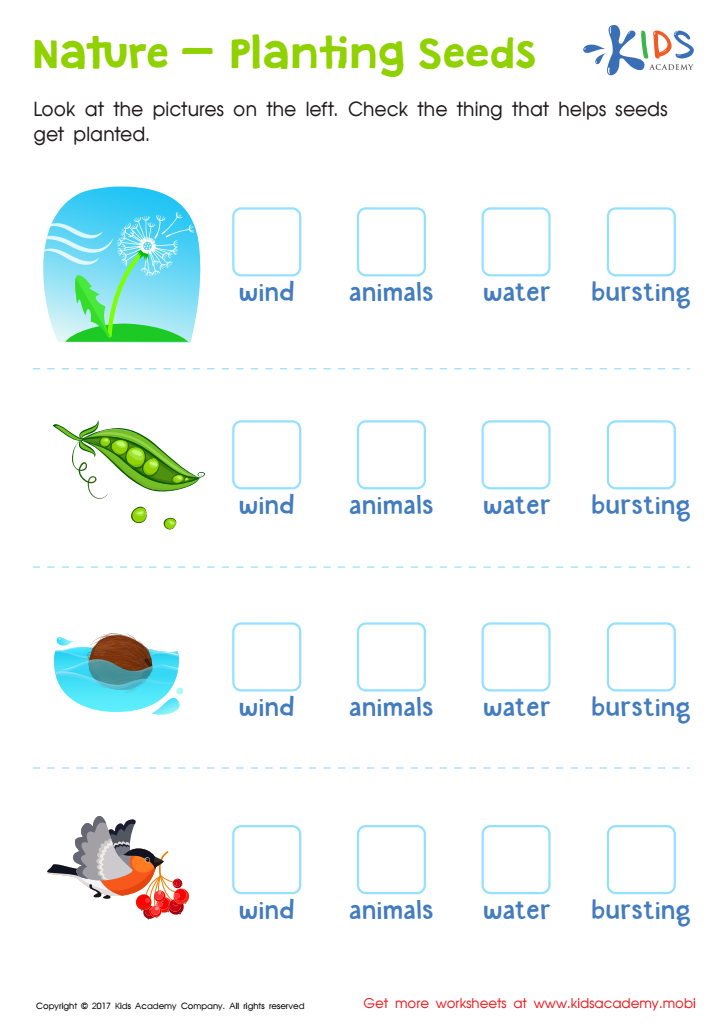
Nature Planting Seeds Worksheet
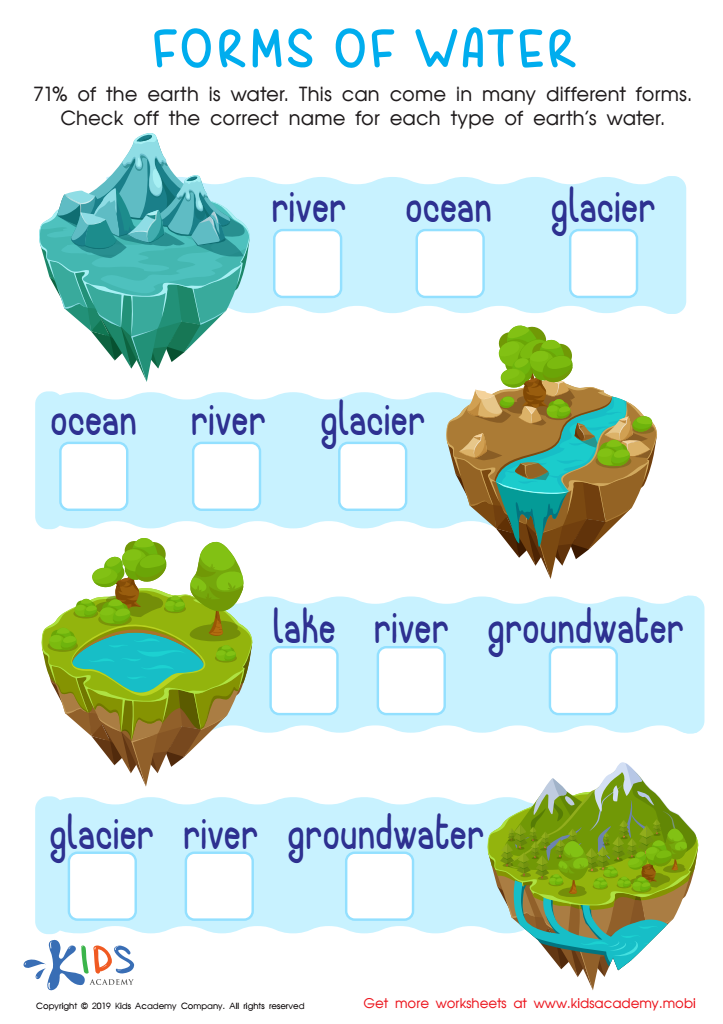
Forms of Water Worksheet
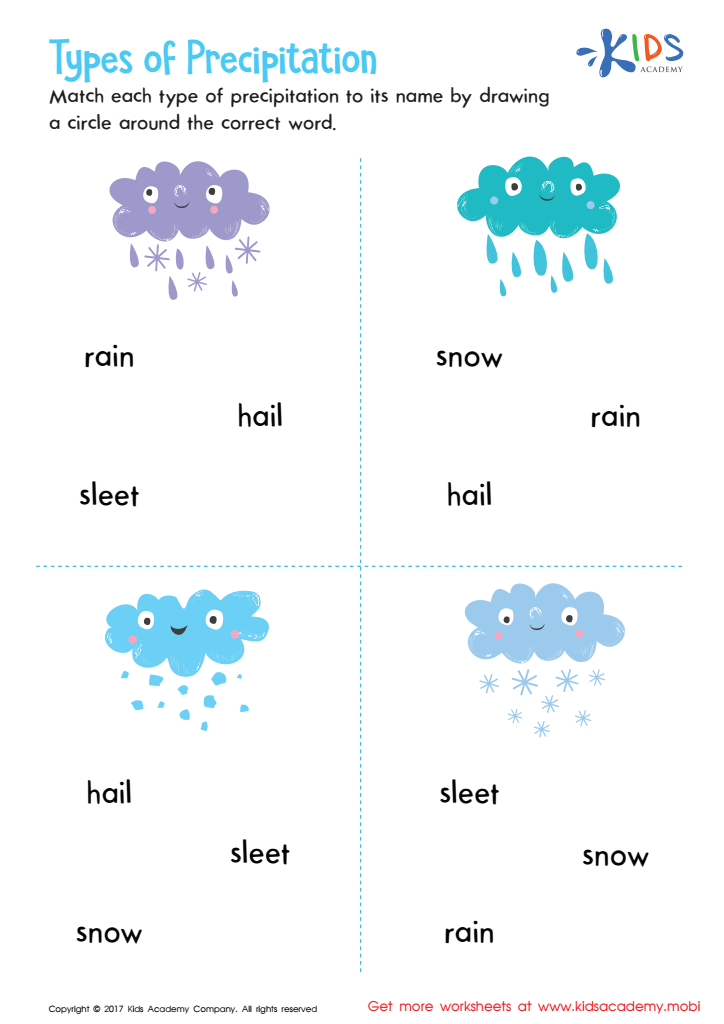
Types of Precipitation Printable
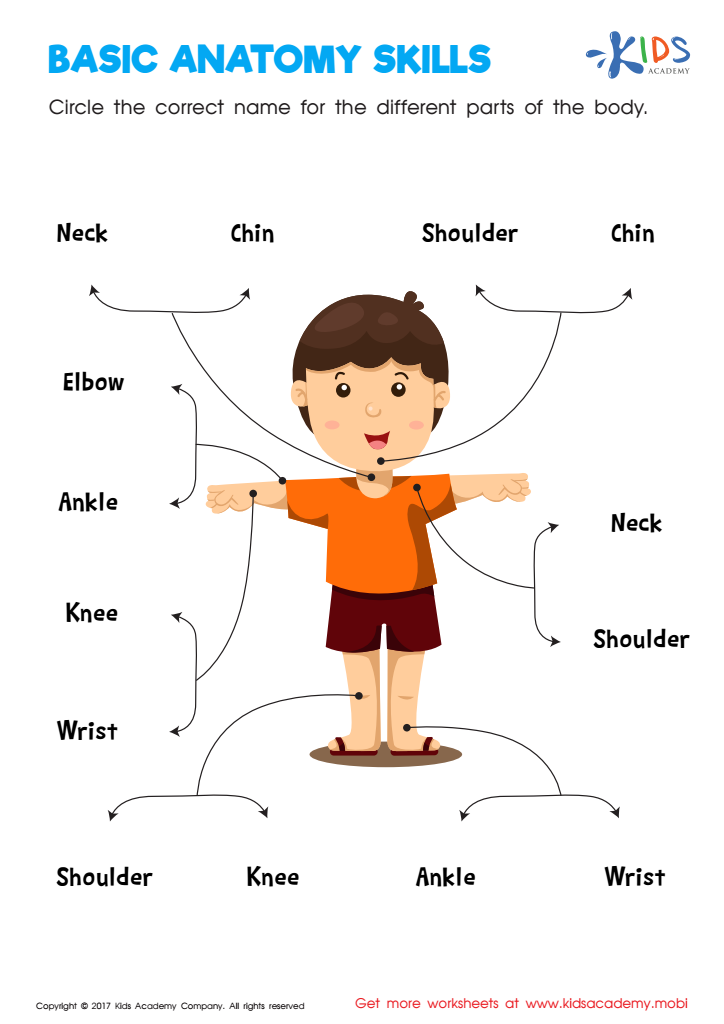
Basic Anatomy Skills Printable
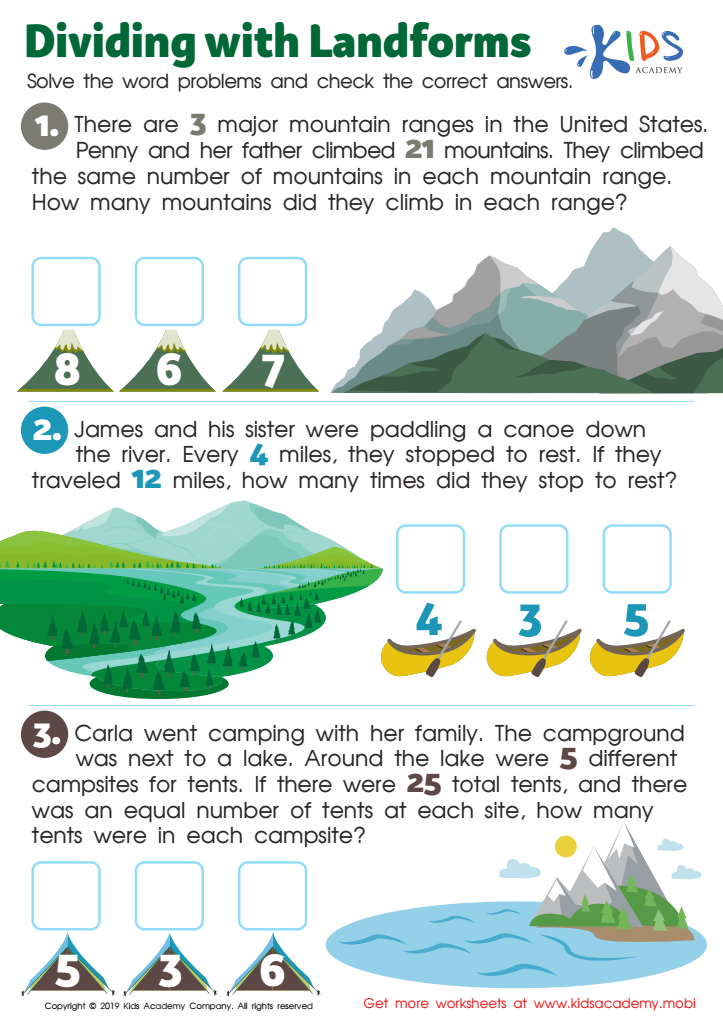
Dividing with Landforms
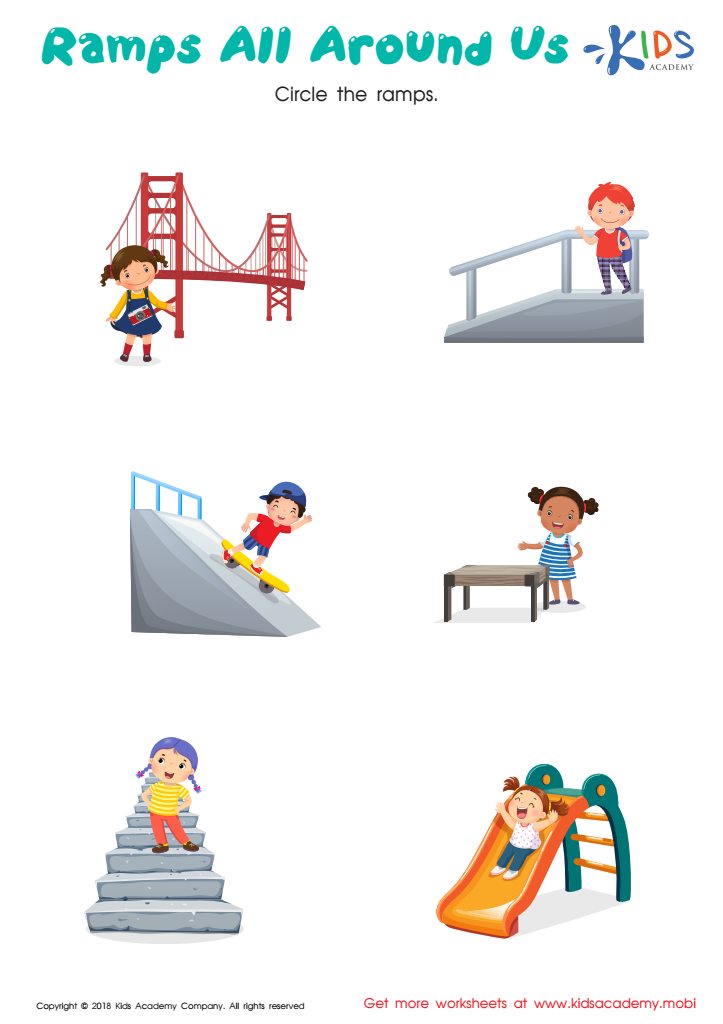
Ramps All Around us Worksheet
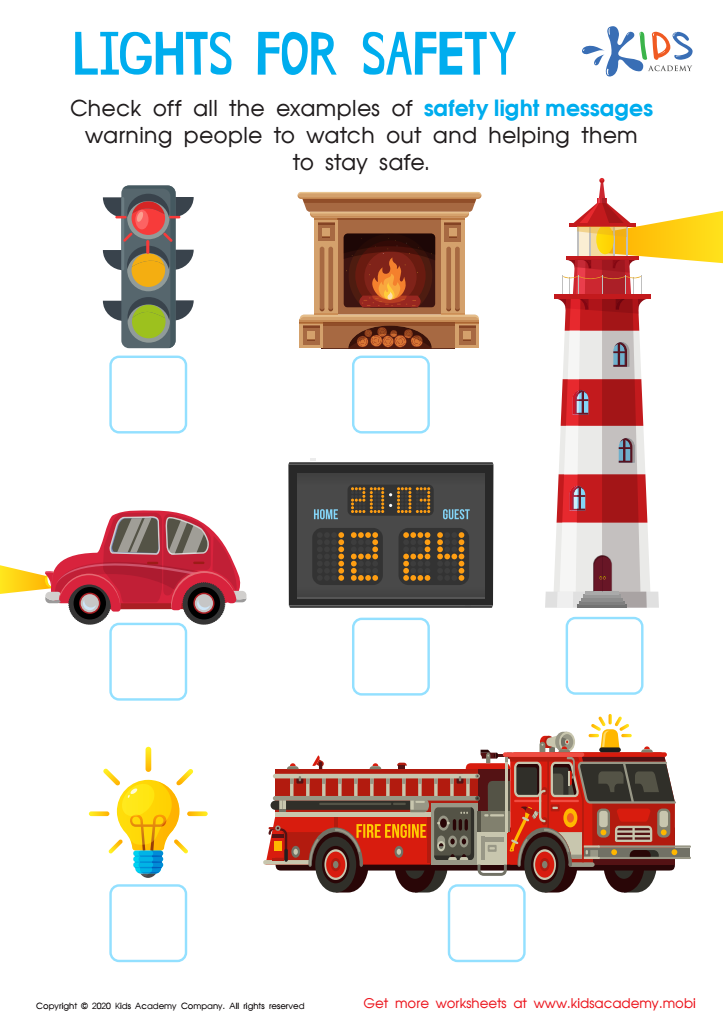
Lights for Safety Worksheet
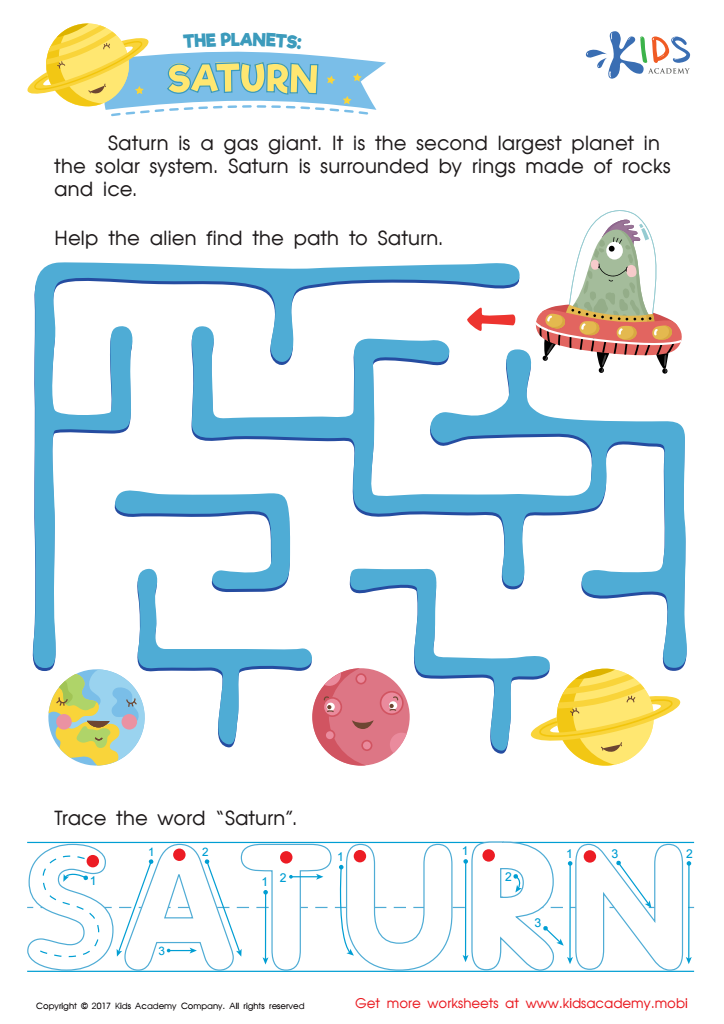
The Planets: Saturn Printable
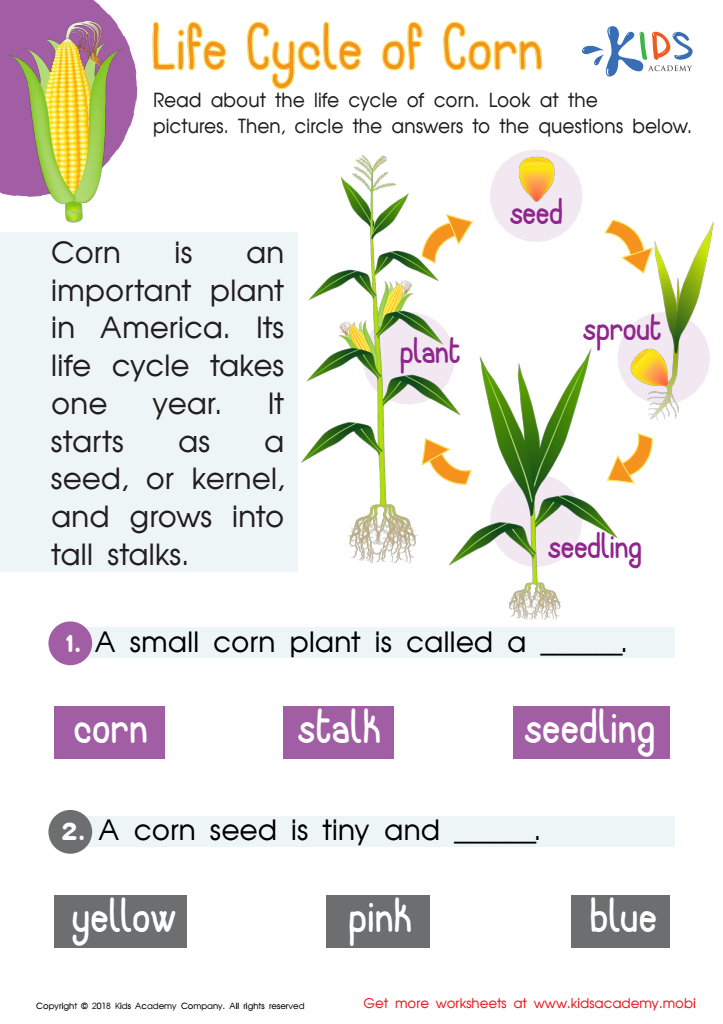
Life Cycle of Corn Worksheet





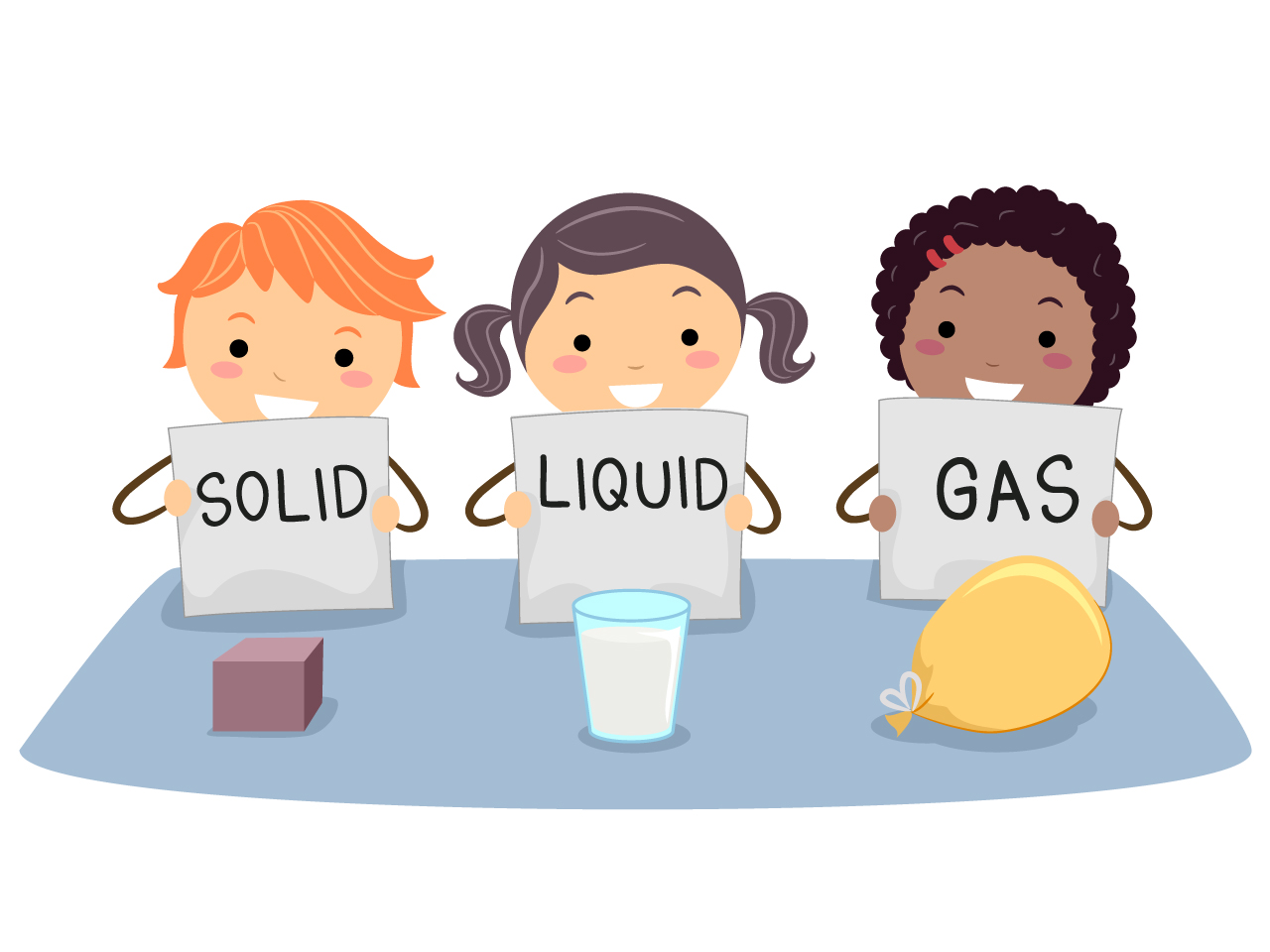


Science for children ages 4-7 is critical for fostering curiosity and developing foundational skills essential for lifelong learning. At this young age, children are naturally inquisitive, constantly asking questions about the world around them. Engaging them in scientific exploration helps nurture that curiosity and encourages them to seek answers and develop critical thinking skills.
Introducing basic scientific concepts fosters an early understanding of the natural world. It promotes wonder, instills respect for nature, and helps children develop observational and problem-solving skills. Activities such as simple experiments, nature walks, or engaging discussions about phenomena spark interest and encourage hands-on learning, making abstract concepts tangible and relatable.
Moreover, integrating science into early education supports other areas of development, including language and math skills. Children learn to communicate their observations and hypotheses and practice counting, measuring, and categorizing as they engage in scientific activities.
For parents and teachers, emphasizing science fosters an inclusive learning environment, preparing young learners for future academic pursuits. As today's society increasingly relies on science and technology, igniting a passion for exploration in early childhood can cultivate the next generation of critical thinkers and innovators. Investing in early science education ultimately benefits not just the individual child but society as a whole.







