History Worksheets for Ages 4-7 - Page 2
38 filtered results
-
From - To
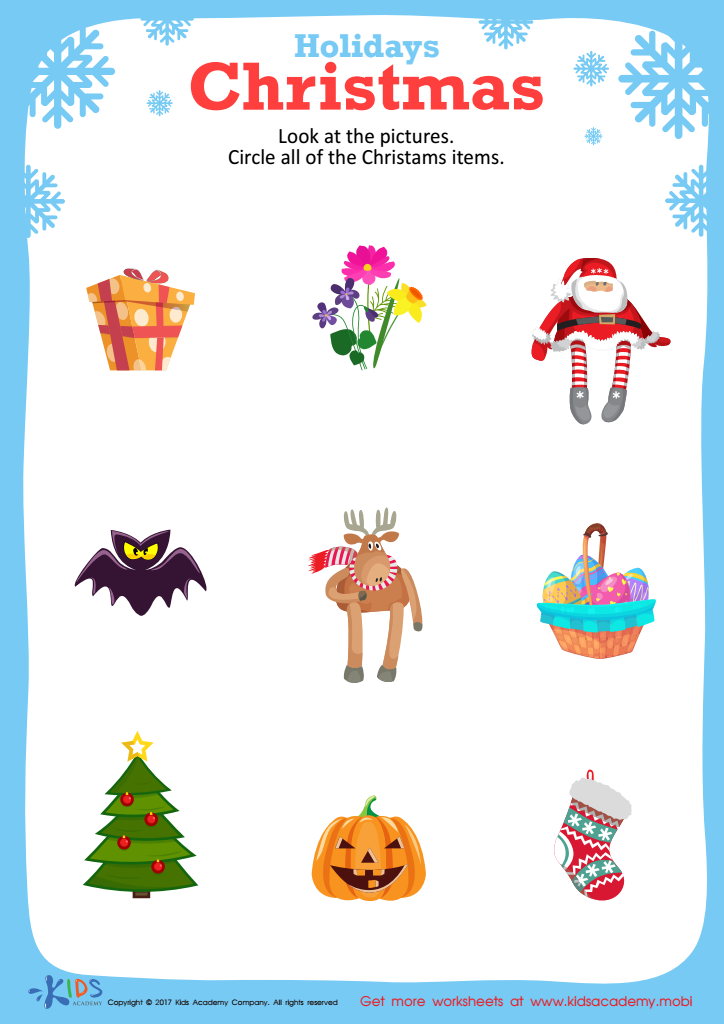
Christmas Holiday Worksheet
 Assign to My Students
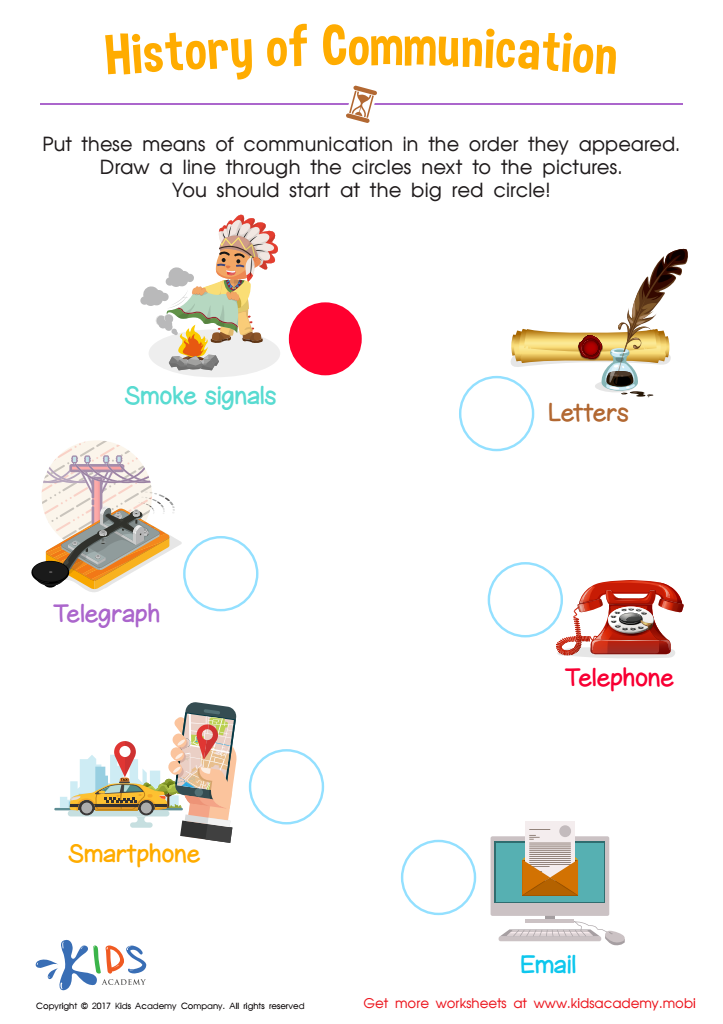
History of Communication Worksheet
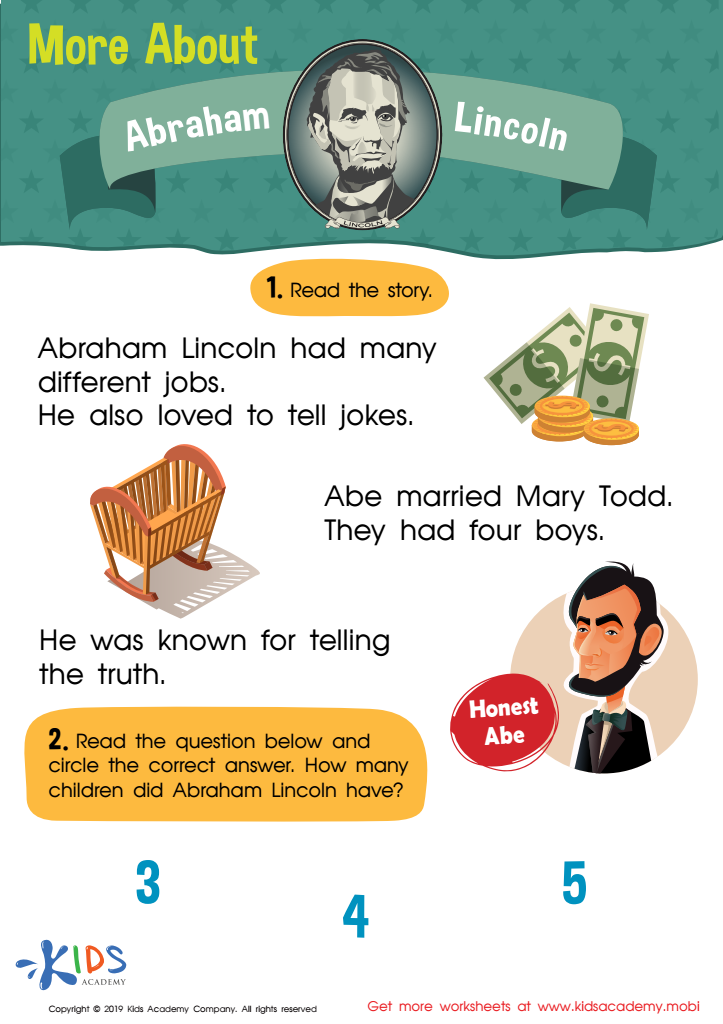
More About Abraham Lincoln Worksheet
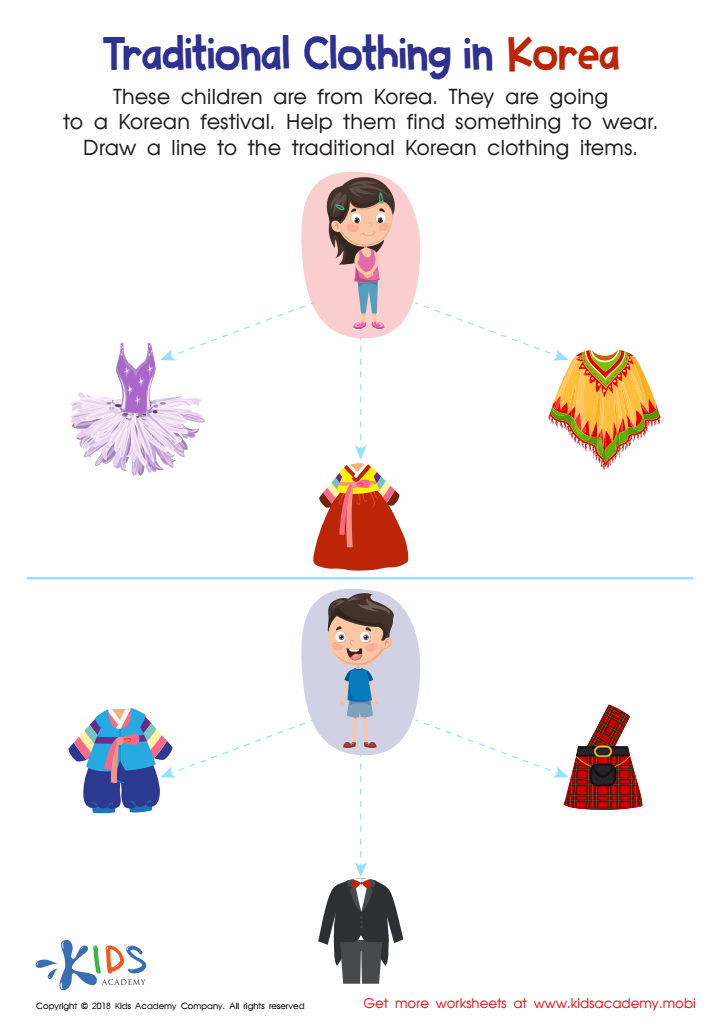
Traditional Clothing in Korea Worksheet
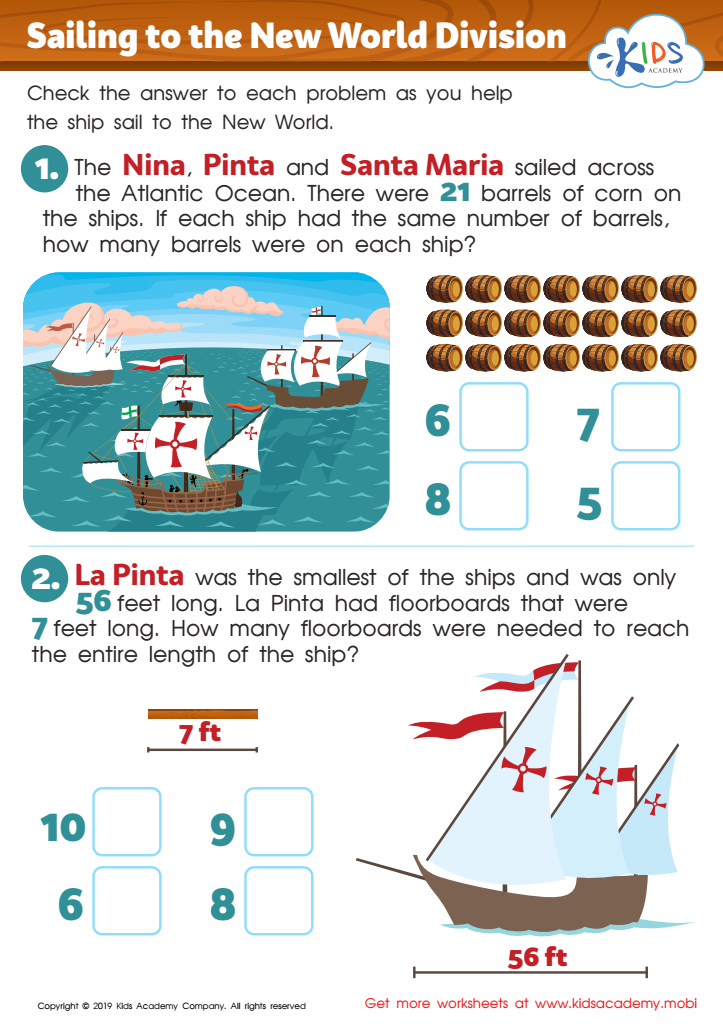
Sailing to the New World Division Worksheet
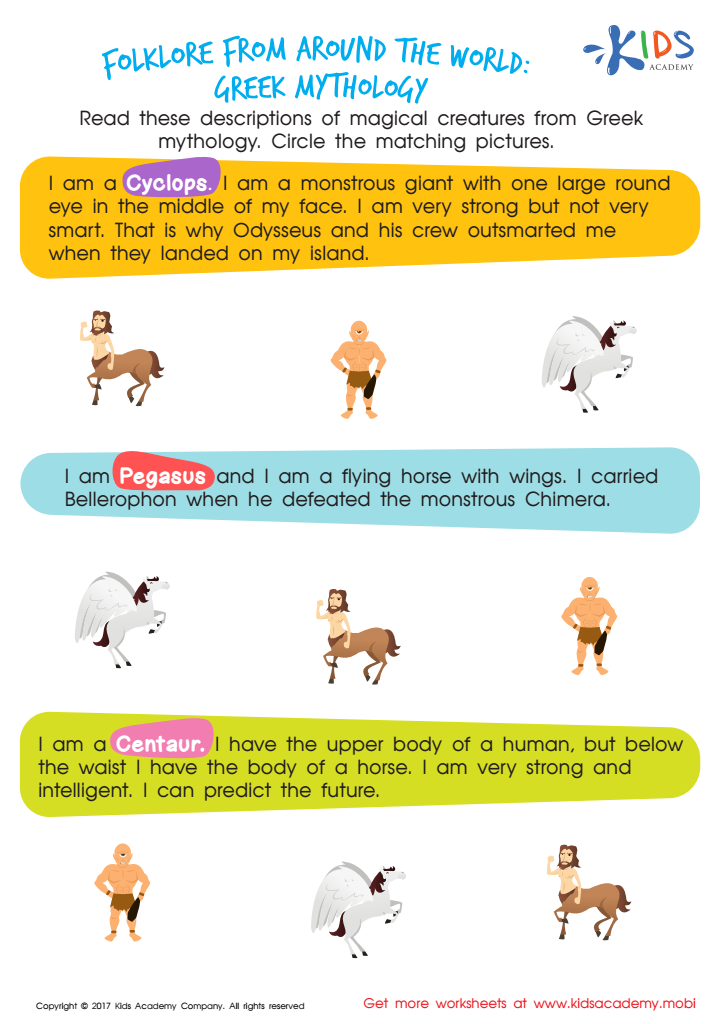
Greek Mythology Worksheet
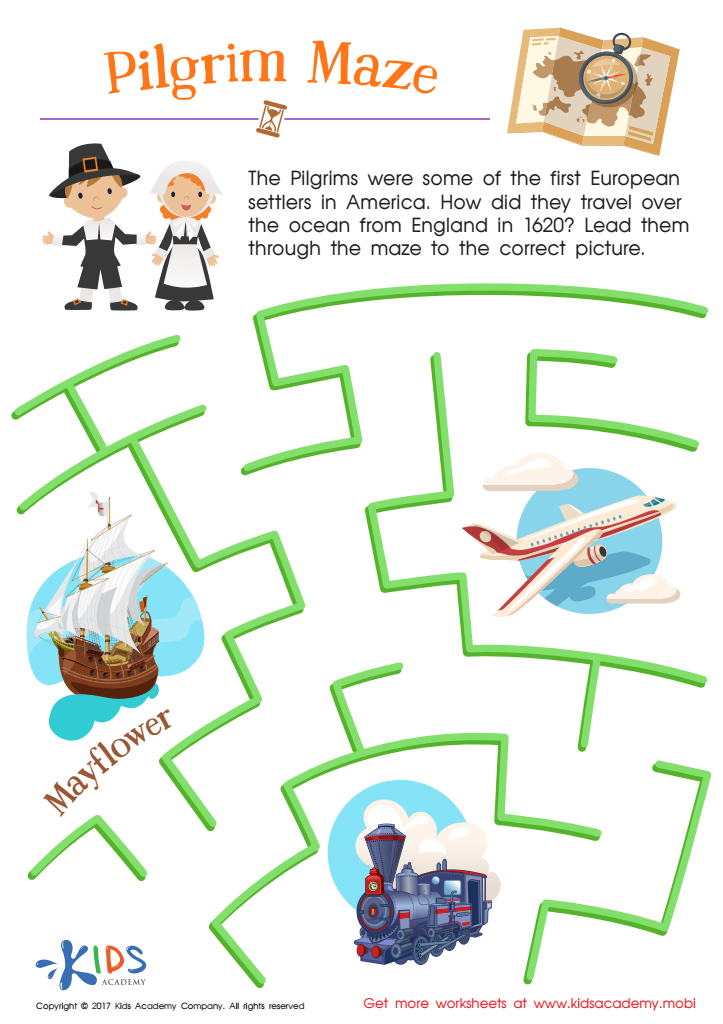
Pilgrim Maze Worksheet
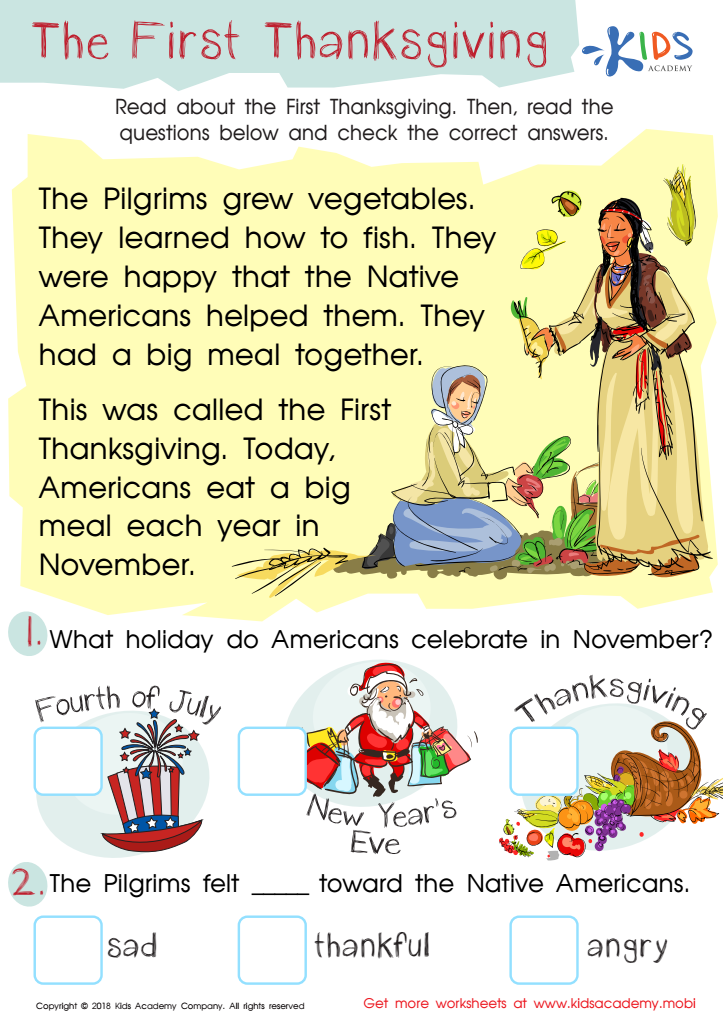
Assessment: First Thanksgiving Worksheet
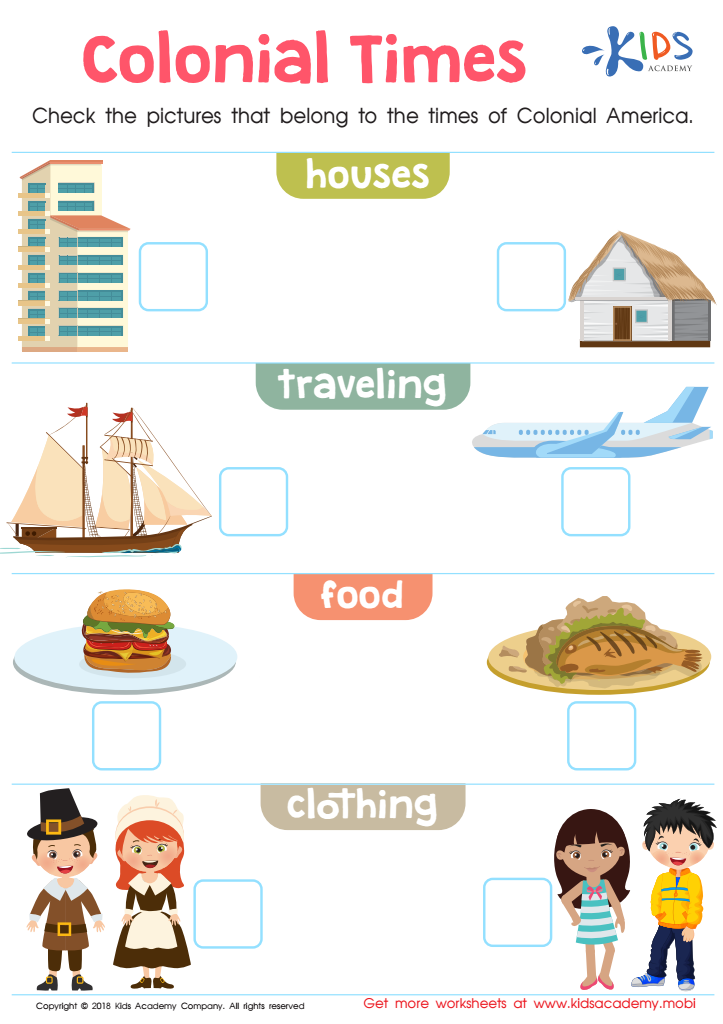
Colonial Times Worksheet
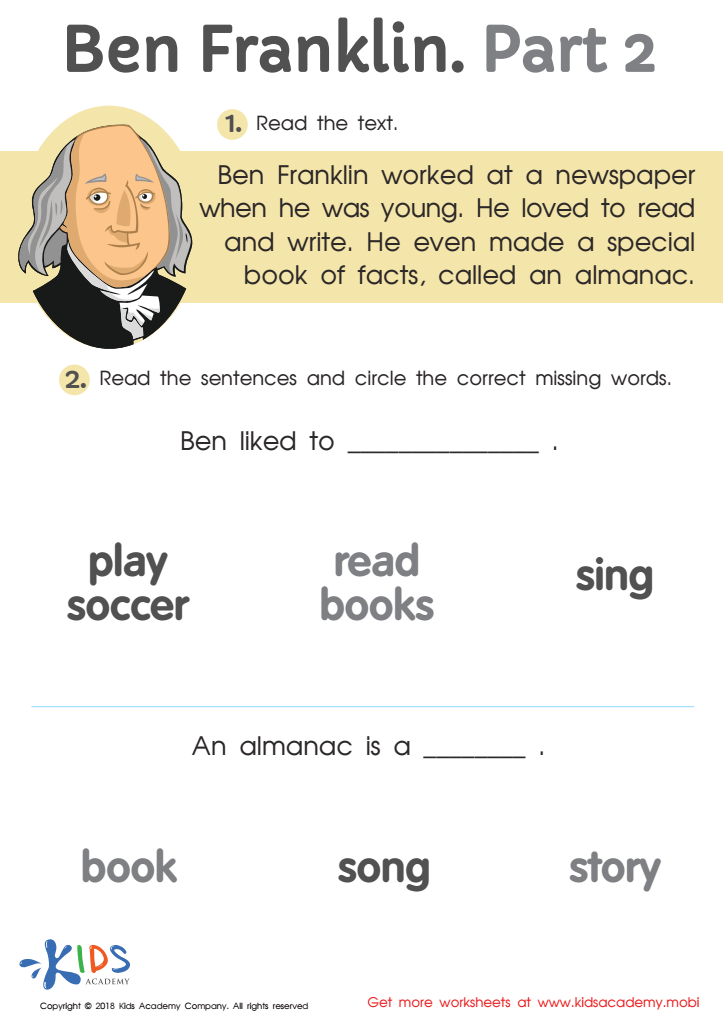
Ben Franklin Part 2 Worksheet
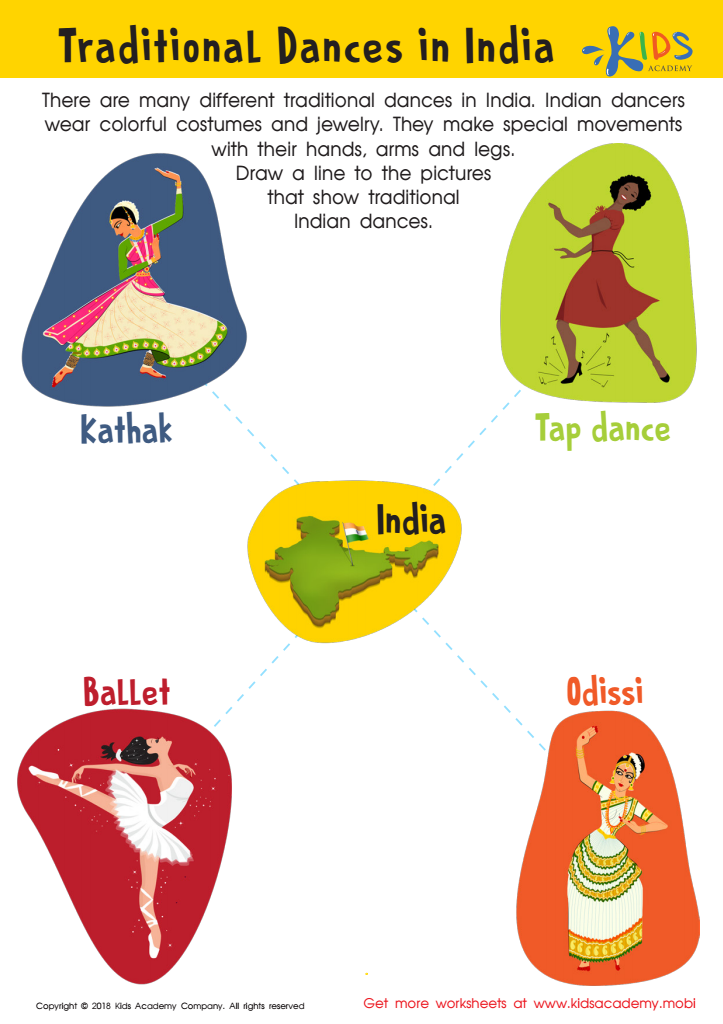
Traditional Dances in India Worksheet
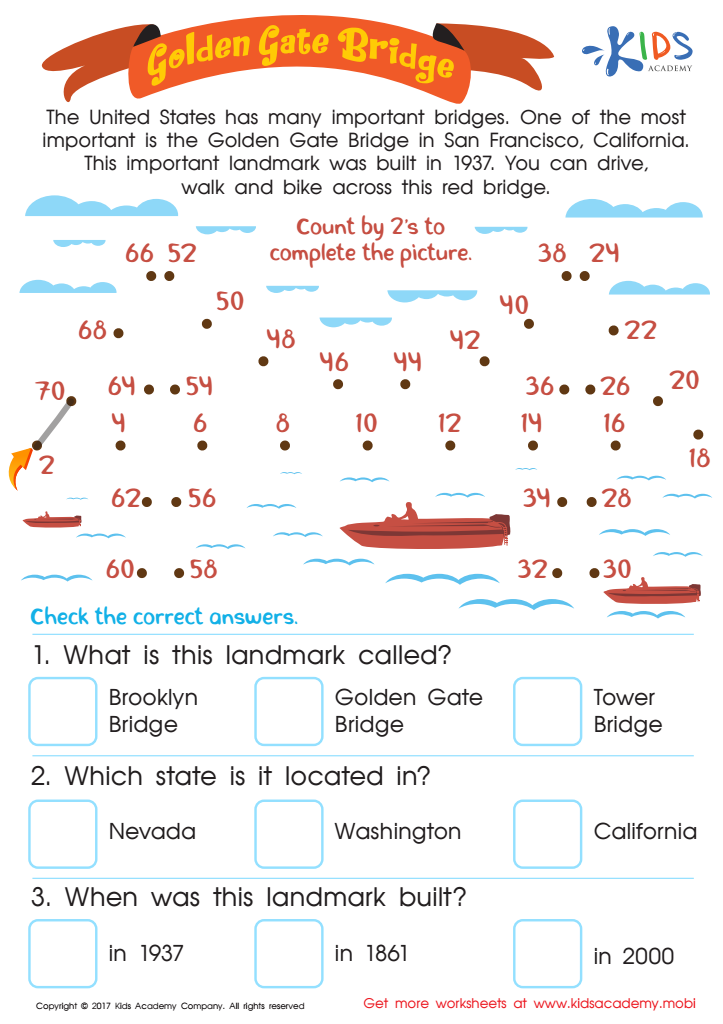
Golden Gate Bridge Worksheet
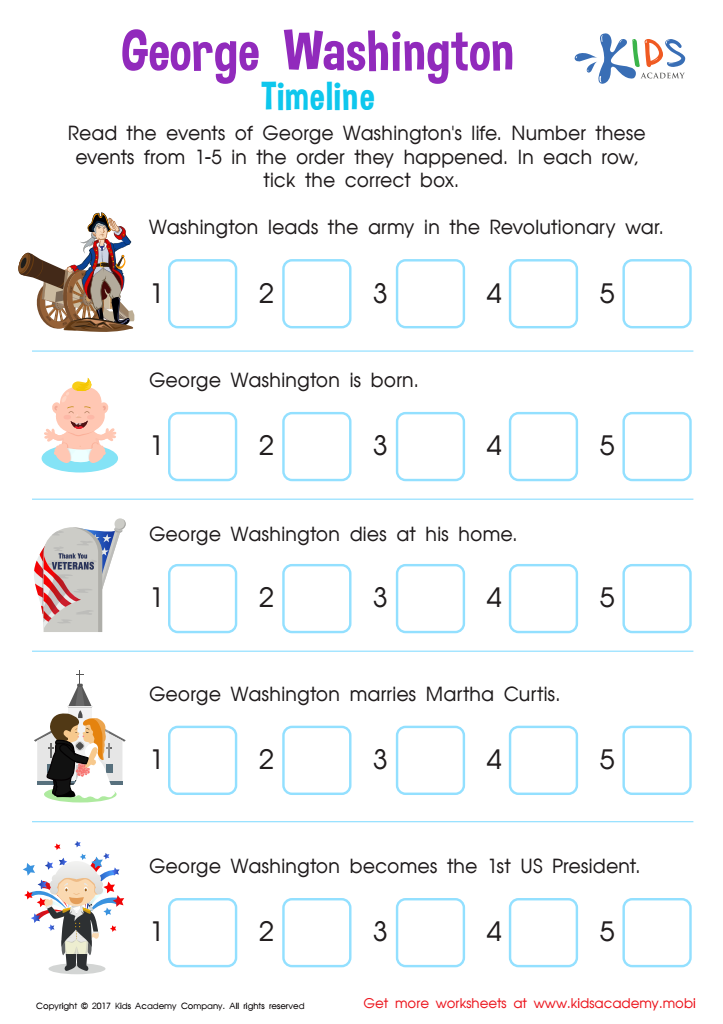
George Washington Timeline Worksheet
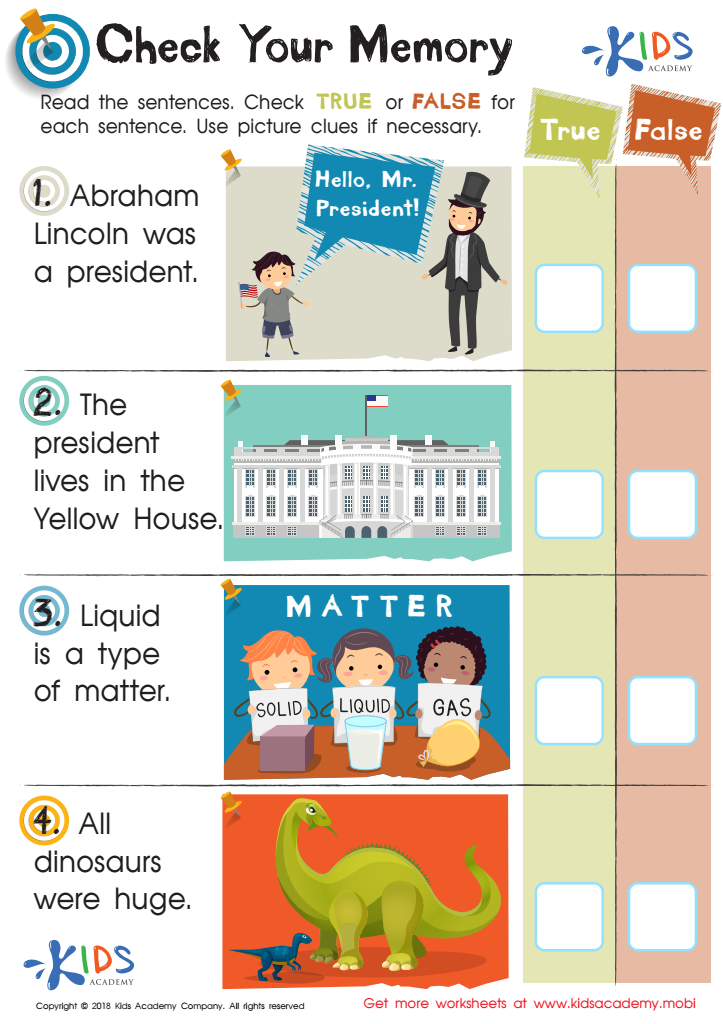
Check Memory Worksheet








Parents and teachers should prioritize teaching history to children aged 4 to 7 for several essential reasons. At this developmental stage, children are naturally curious and eager to understand the world around them. Introducing them to history helps cultivate their sense of identity, understanding of cultural backgrounds, and awareness of their community and the broader world.
Learning history fosters critical thinking and instills a sense of connection to past events and figures, showing young learners how today's world has been shaped. Moreover, discussing historical events and figures can promote important values like empathy, responsibility, and respect for diversity, essential in nurturing well-rounded individuals.
History education also incorporates storytelling, which aligns with children's love for engaging narratives and helps develop their language and communication skills. Through stories about significant historical moments or figures, children can strengthen their memory and comprehension skills, making learning more enjoyable and relatable.
Additionally, understanding history can help children make sense of social studies content in the future and provide a foundation for informed citizenship. Encouraging an early appreciation for history ultimately supports their growth into knowledgeable, compassionate, and actively engaged members of society.








