Place Value Worksheets for Ages 4-8 - Page 3
74 filtered results
-
From - To
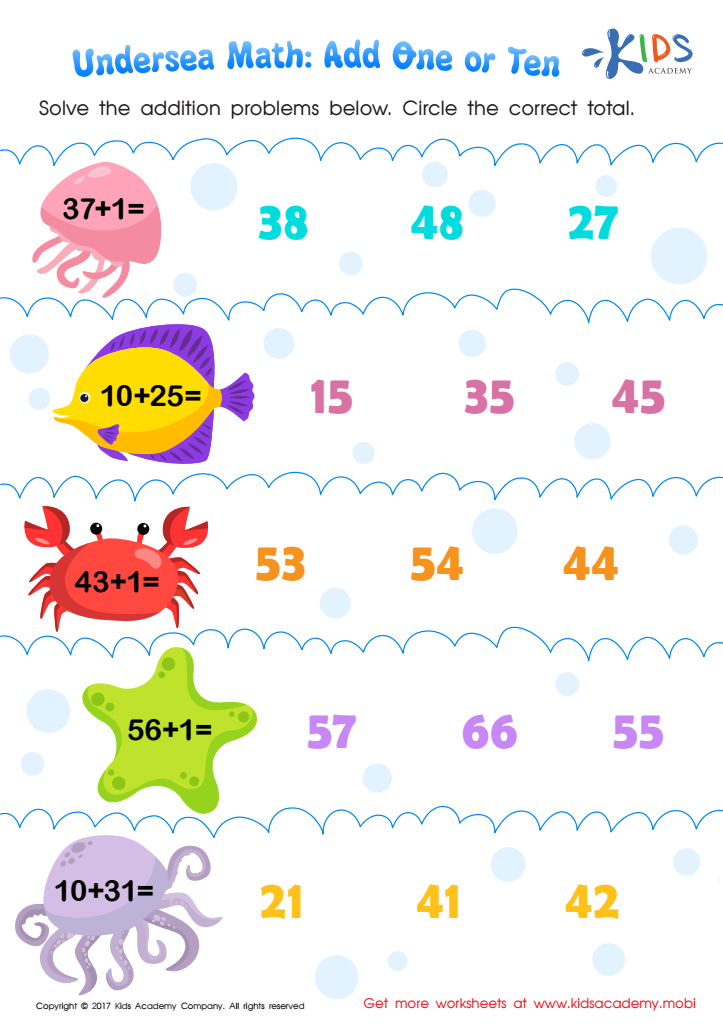
Undersea Math Worksheet
 Assign to My Students
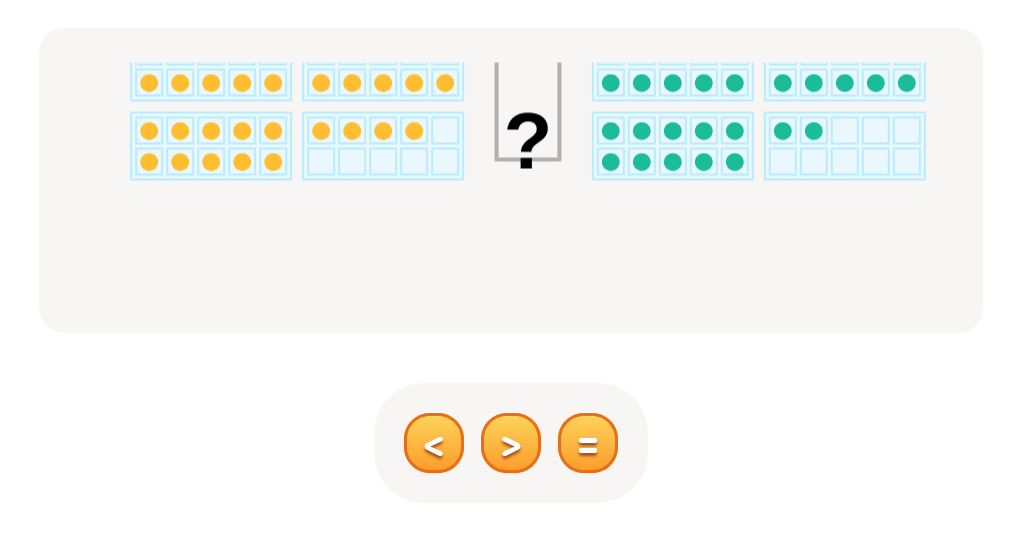

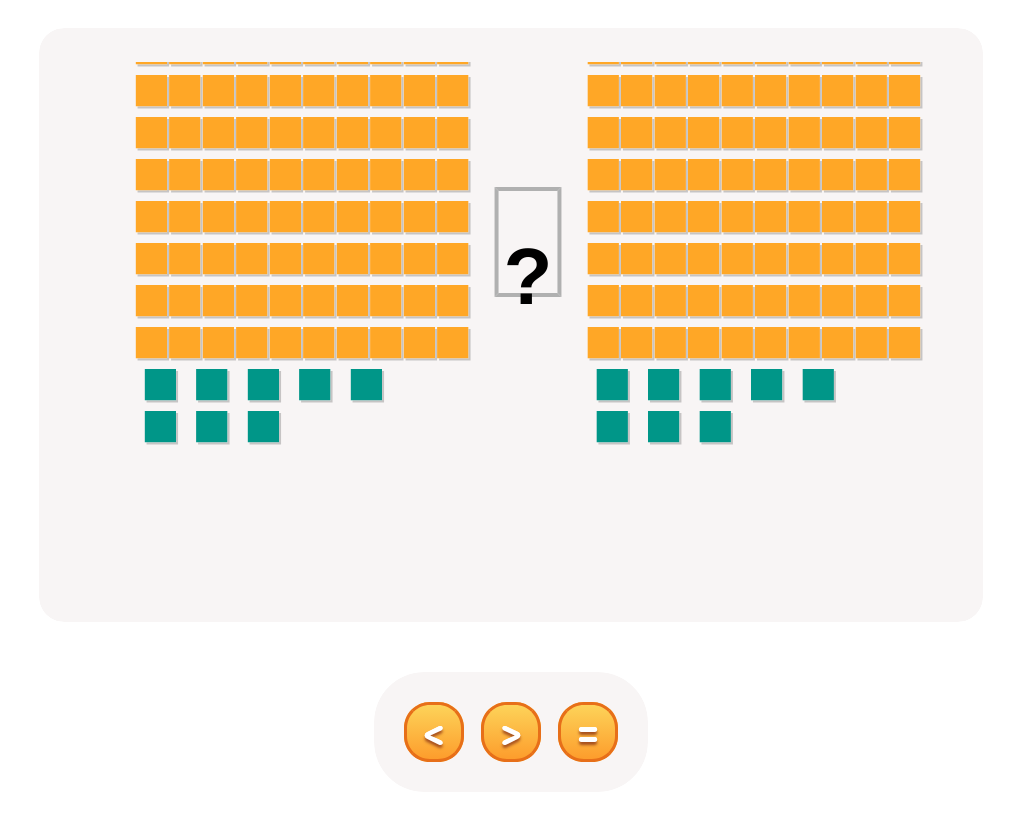
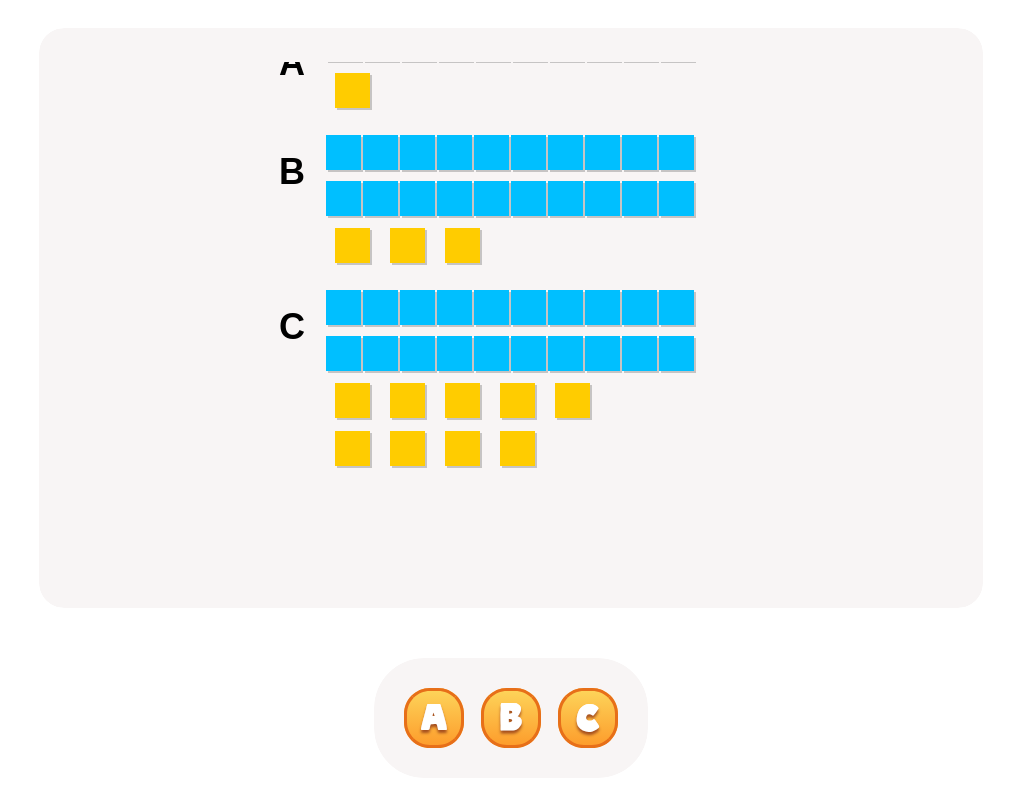
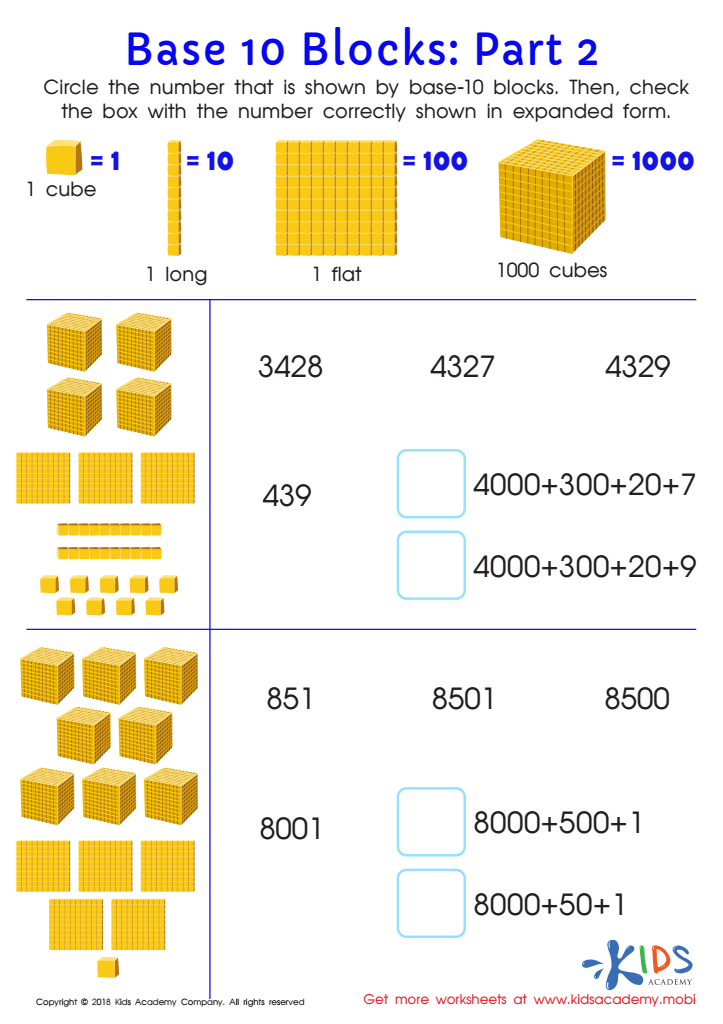
Base 10 Blocks Worksheet: Part 2
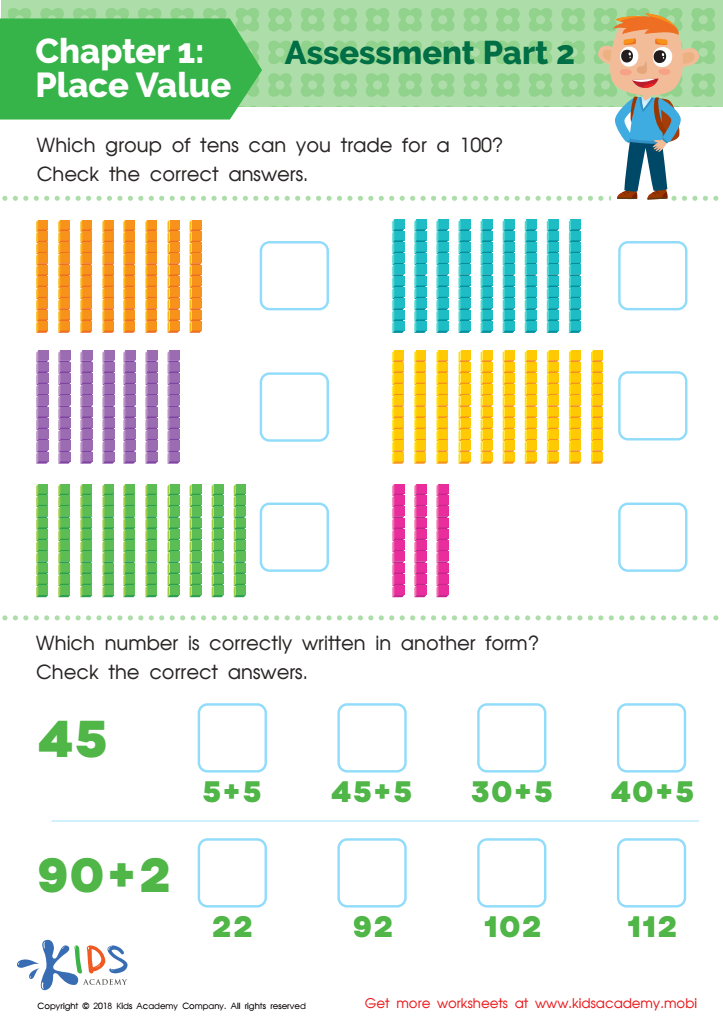
Place Value: Chapter 2 Worksheet
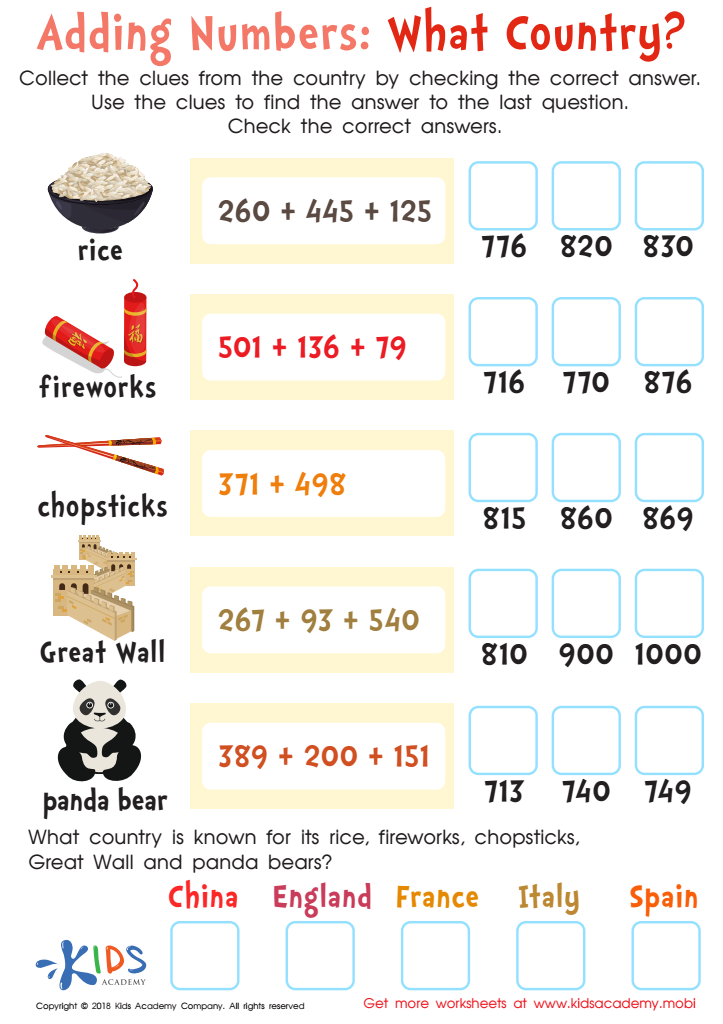
Adding Numbers: What Country Worksheet
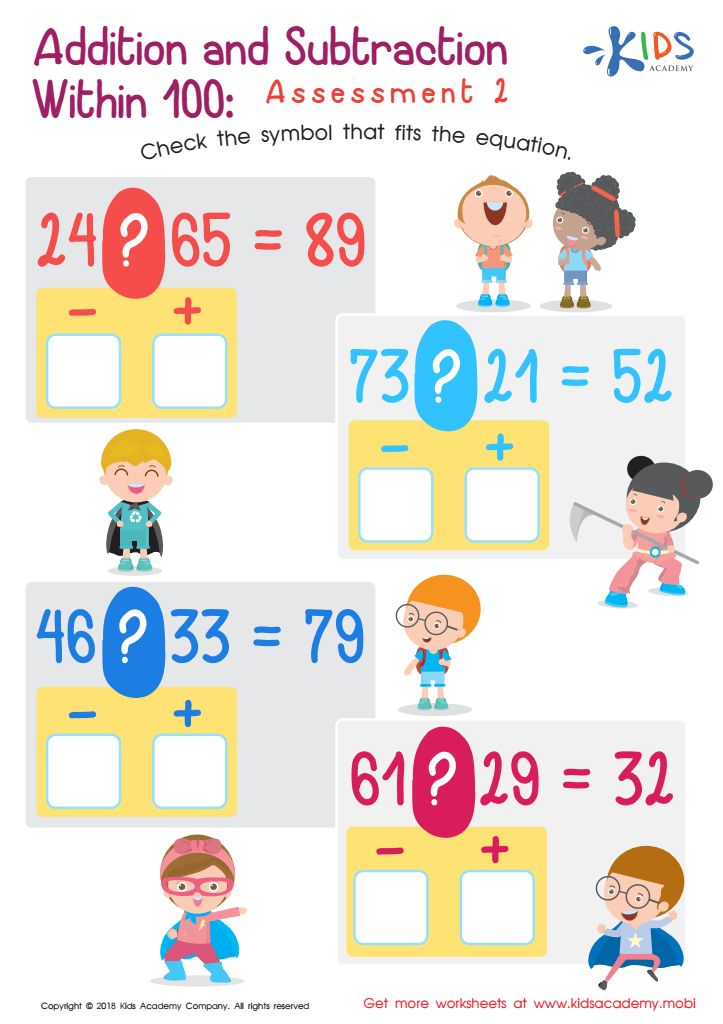
Addition and Subtraction Within 1: Assessment 2 Worksheet
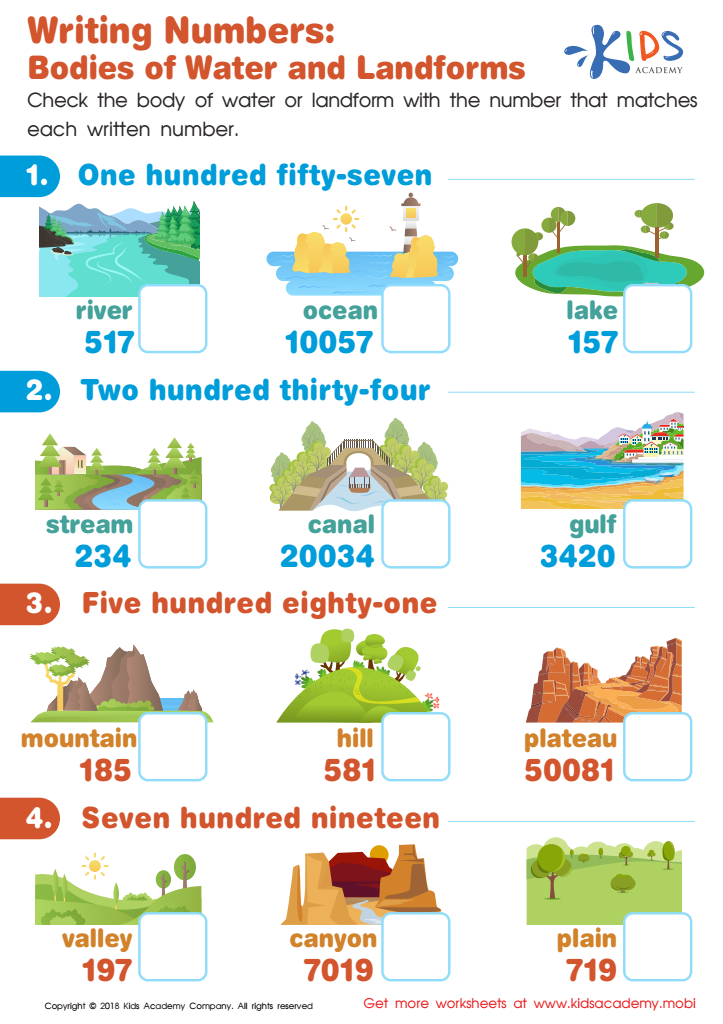
Bodies of Water and Landforms Writing Numbers Worksheet
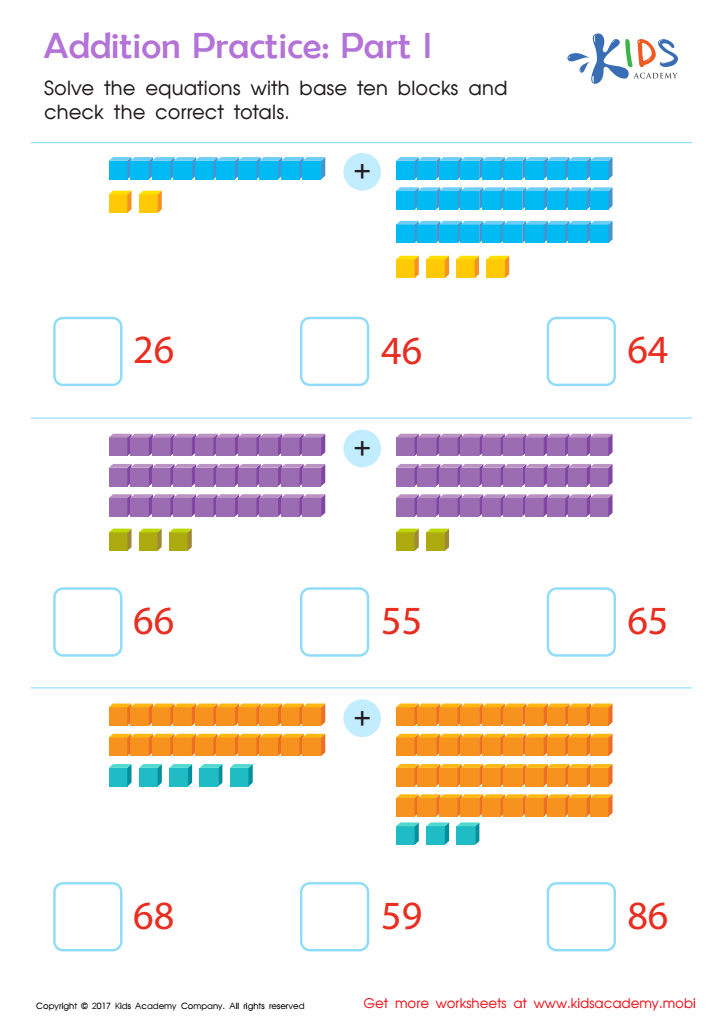
Addition Practice Sheet: Part 1
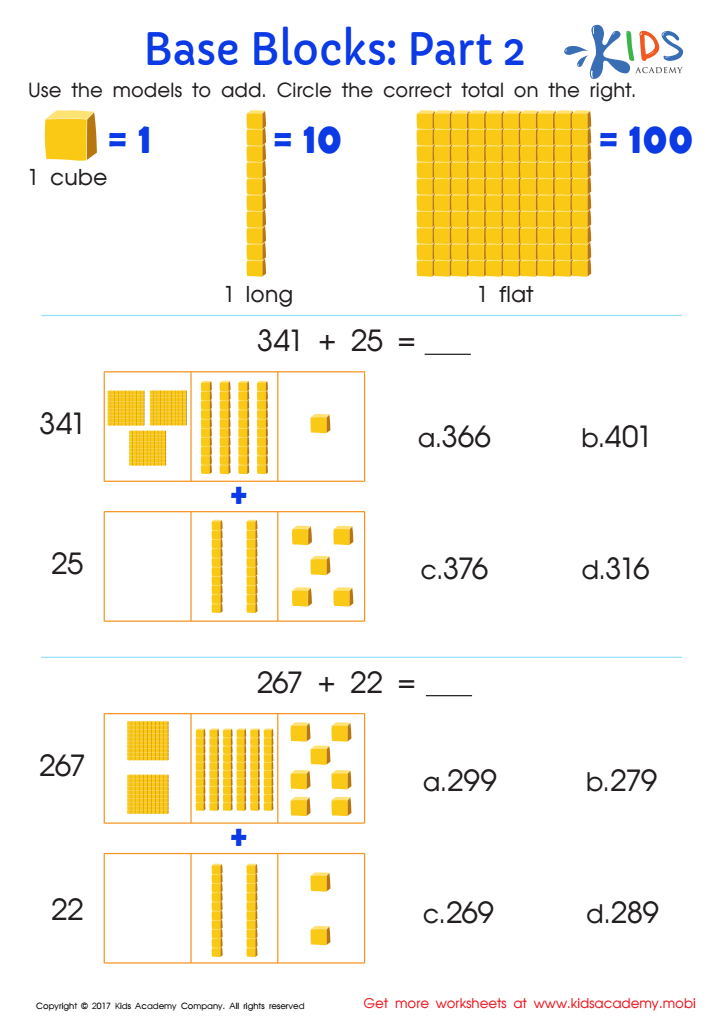
Base Ten Blocks Worksheet: Part 2
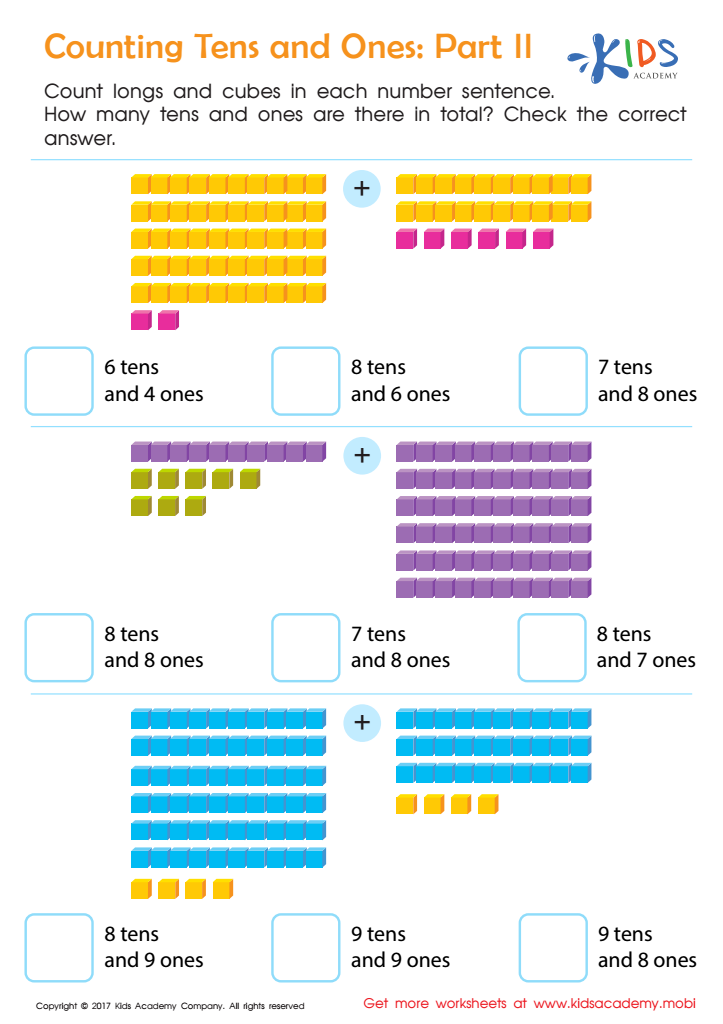
Counting Tens and Ones: Part 2 Worksheet
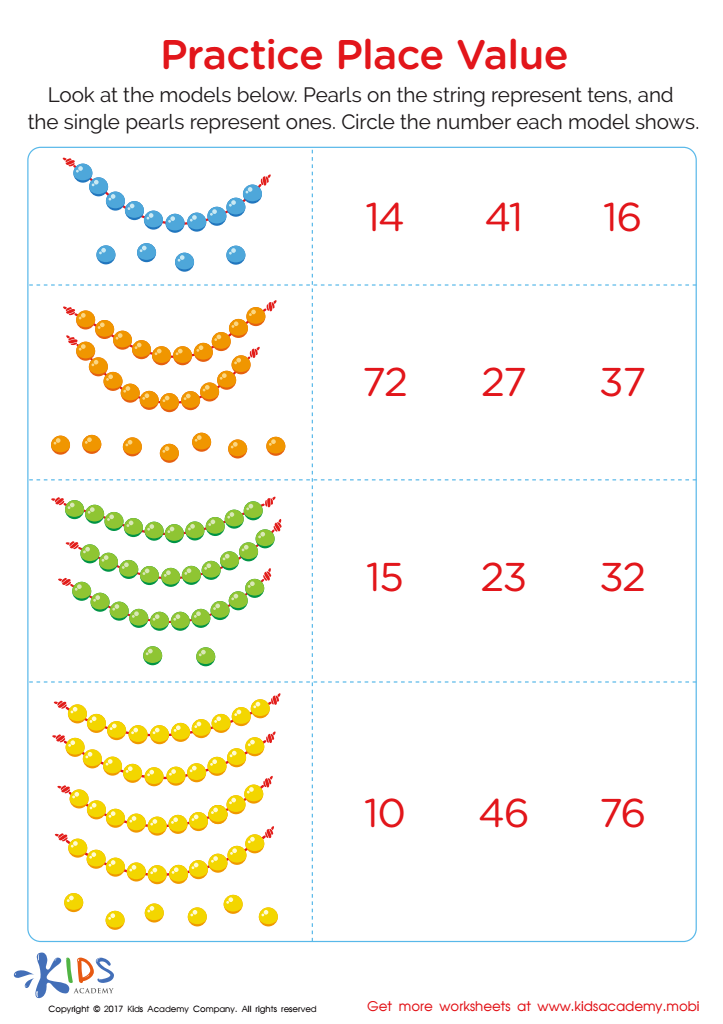
Practice Place Value Printable
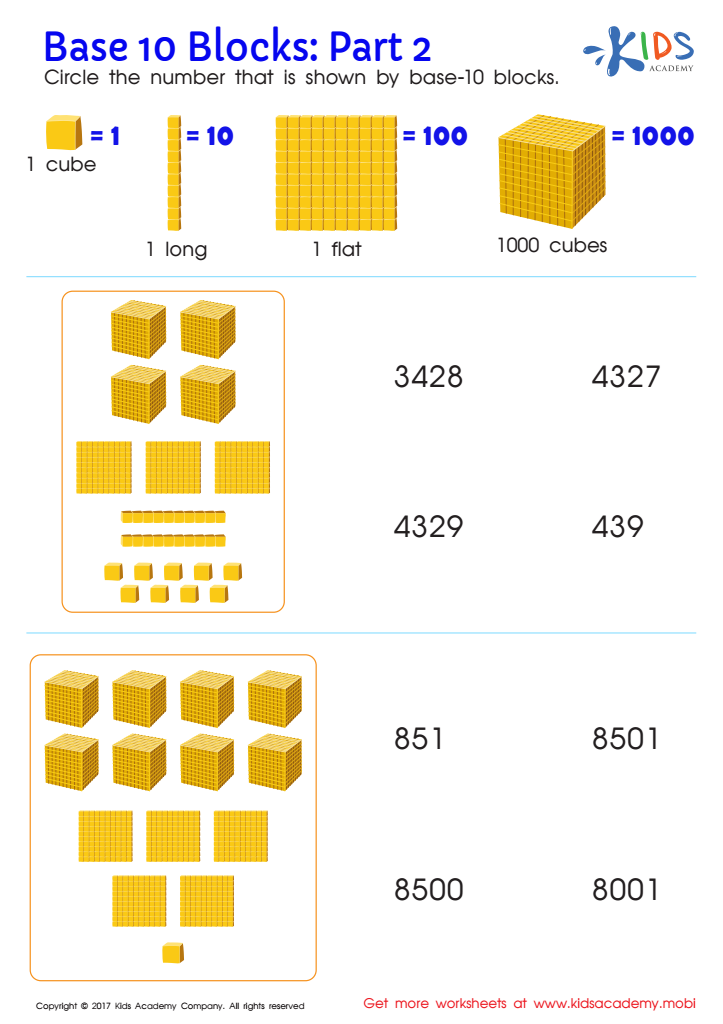
Place Value Worksheet: Thousands
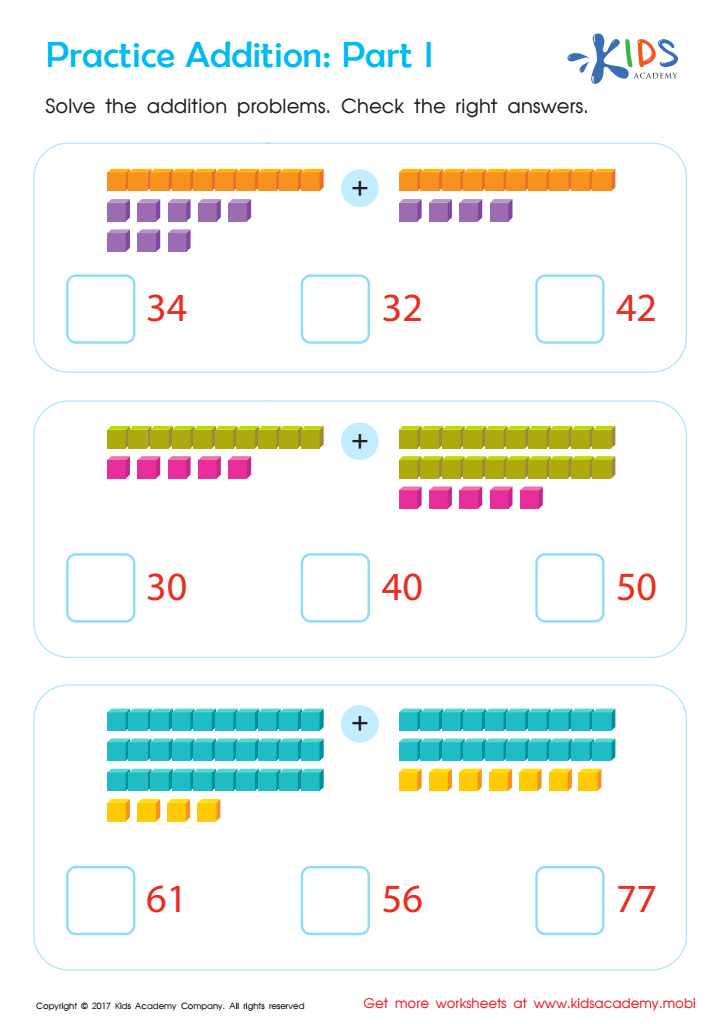
Practice Addition: Part 1 Worksheet
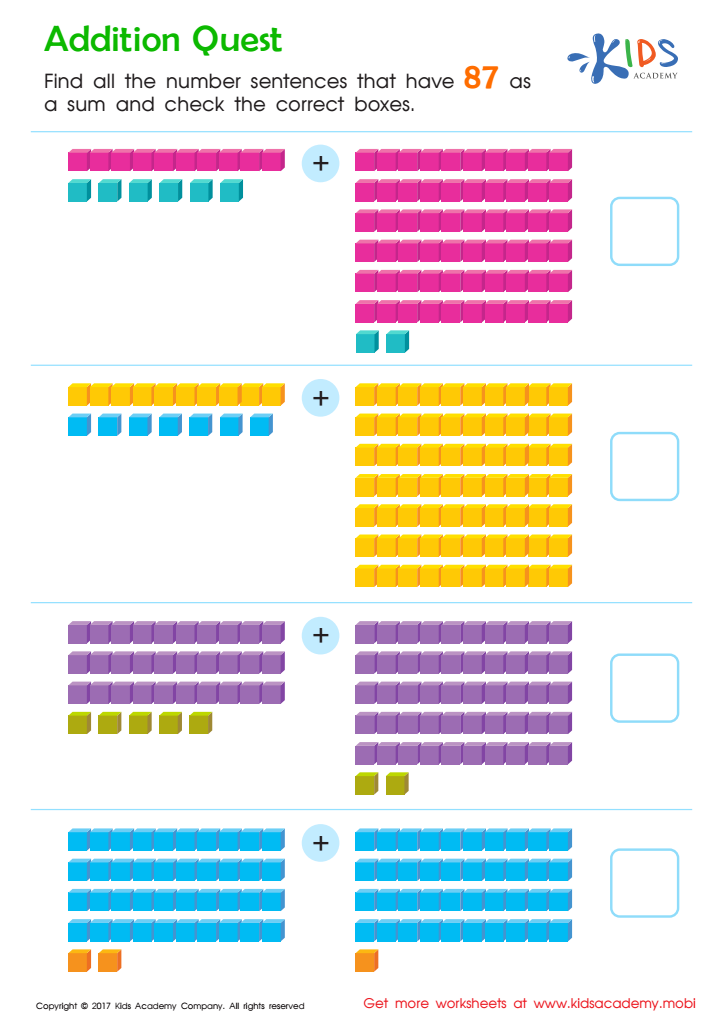
Addition Quest Worksheet: Part 1
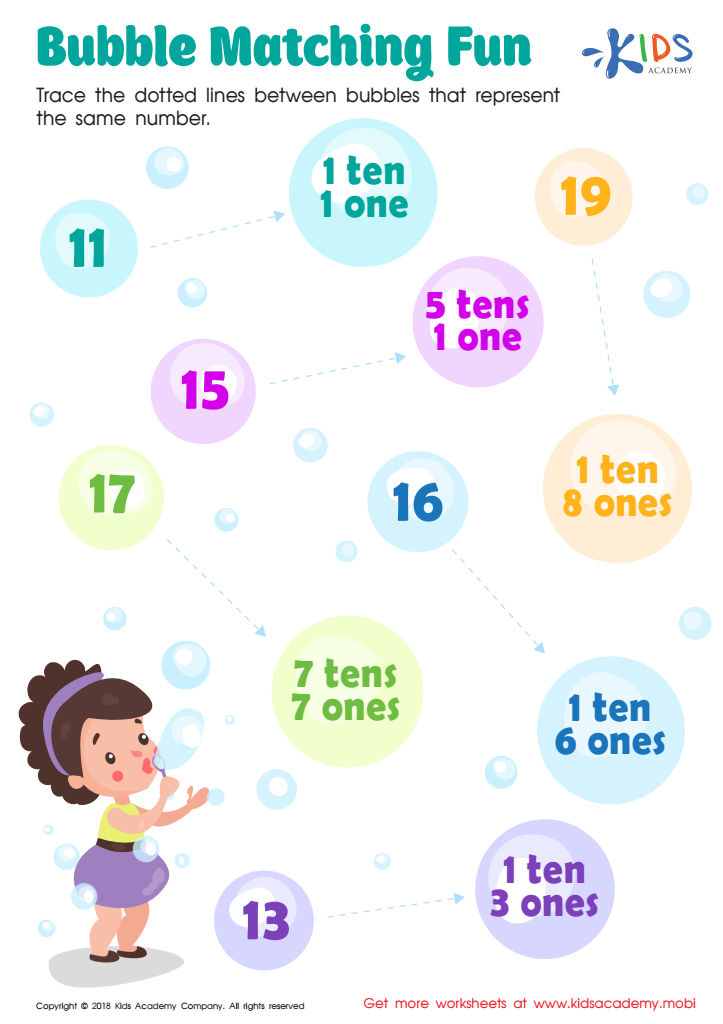
Bubble Matching Fun Worksheet
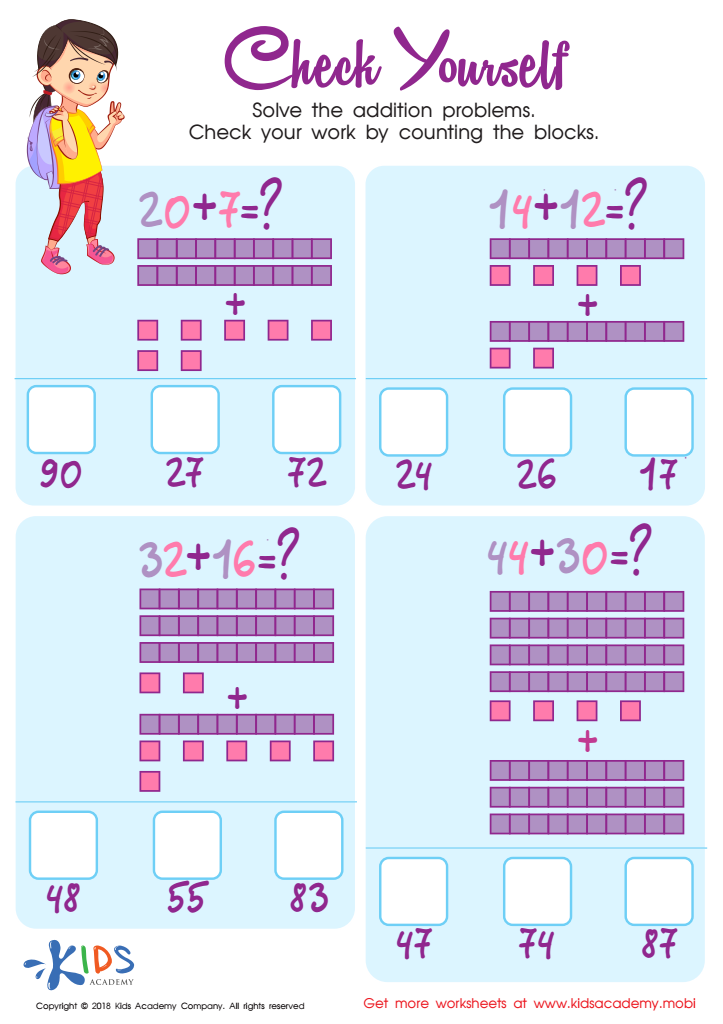
Adding with Base 1 Blocks Worksheet: Check Yourself
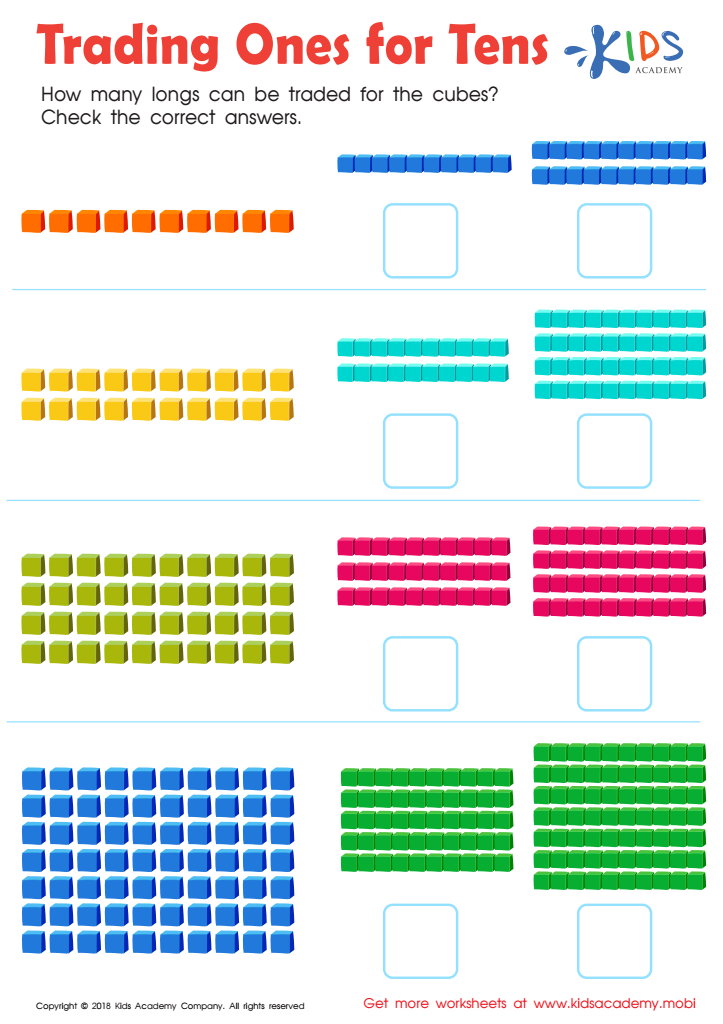
Trading Ones for Tens Worksheet: Part 2
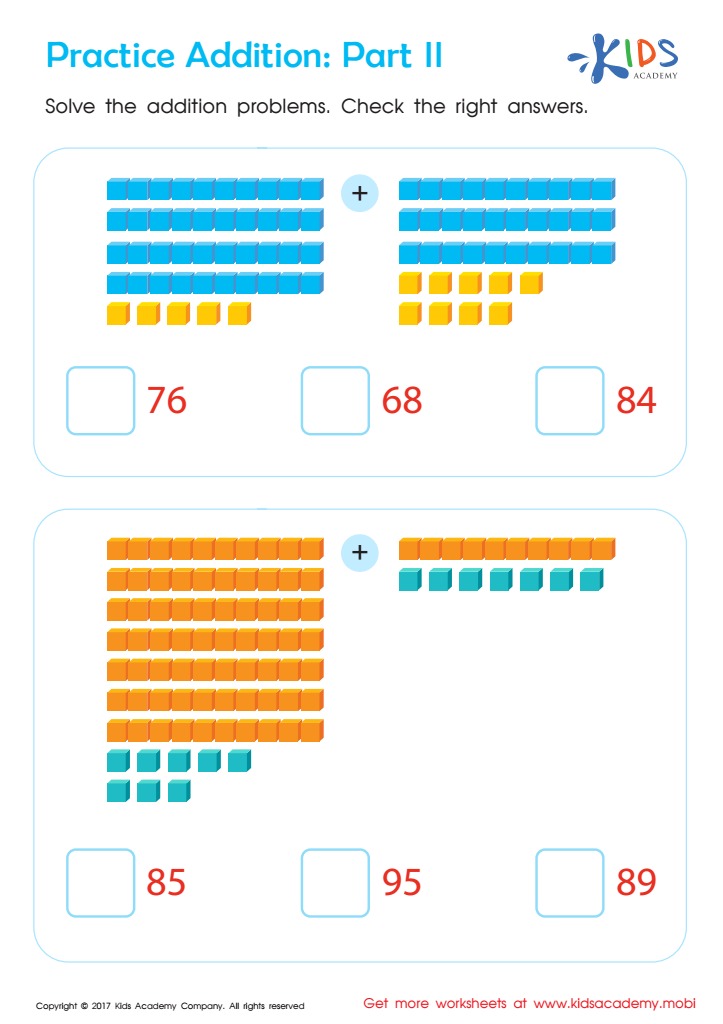
Practice Addition: Part 2 Worksheet
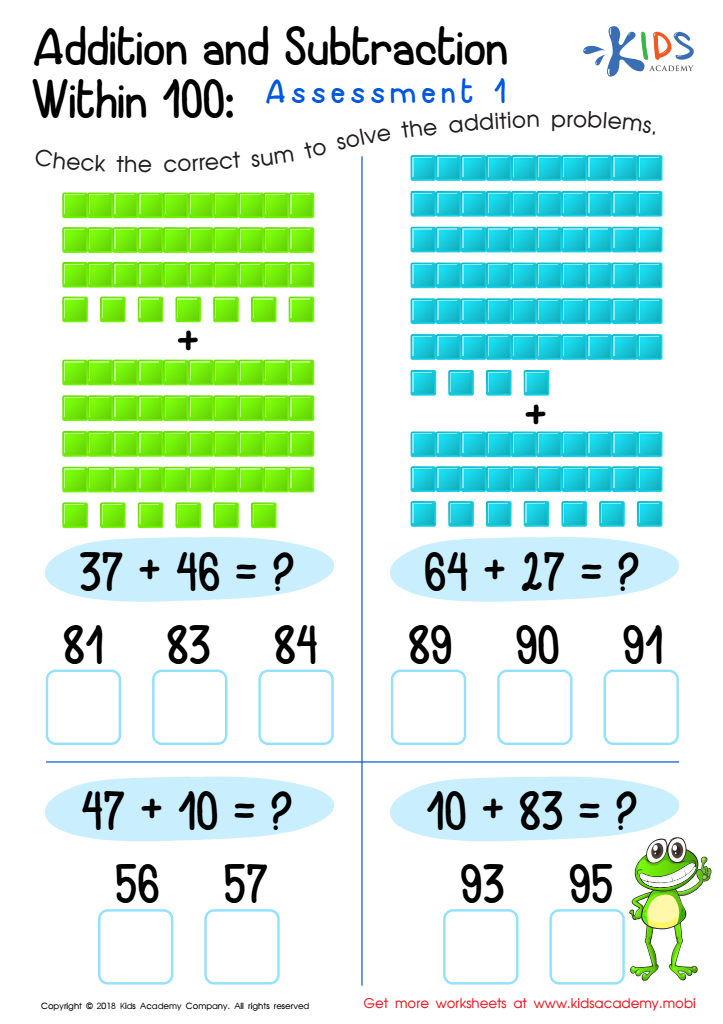
Addition and Subtraction Within 1: Assessment 1 Worksheet
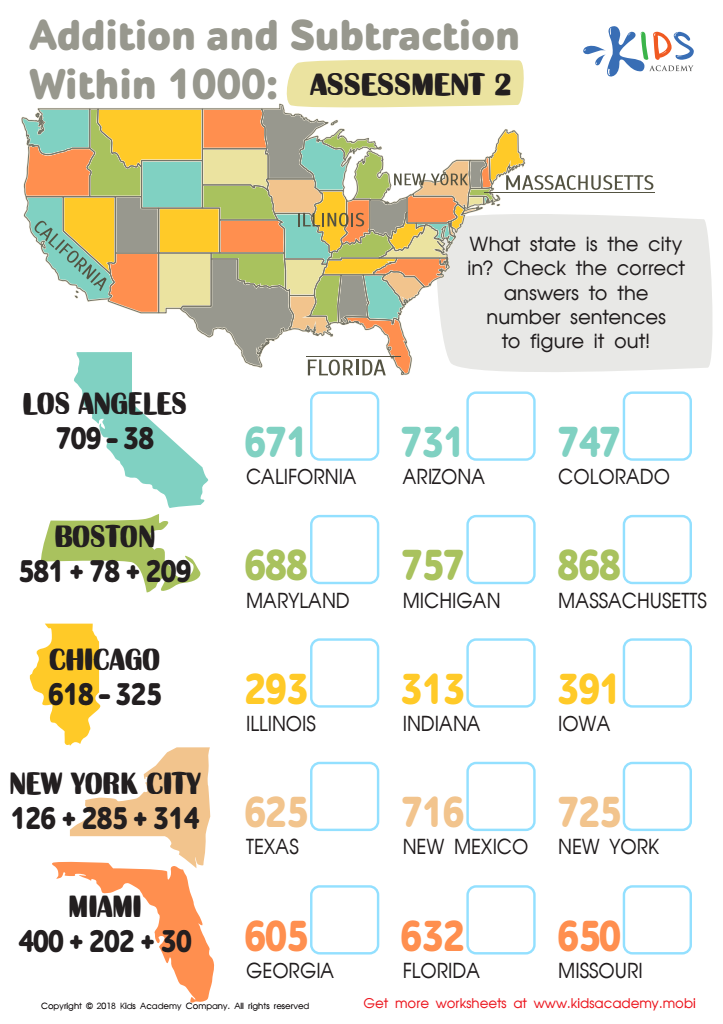
Addition and Subtraction Within 1000: Assessment 2 Worksheet
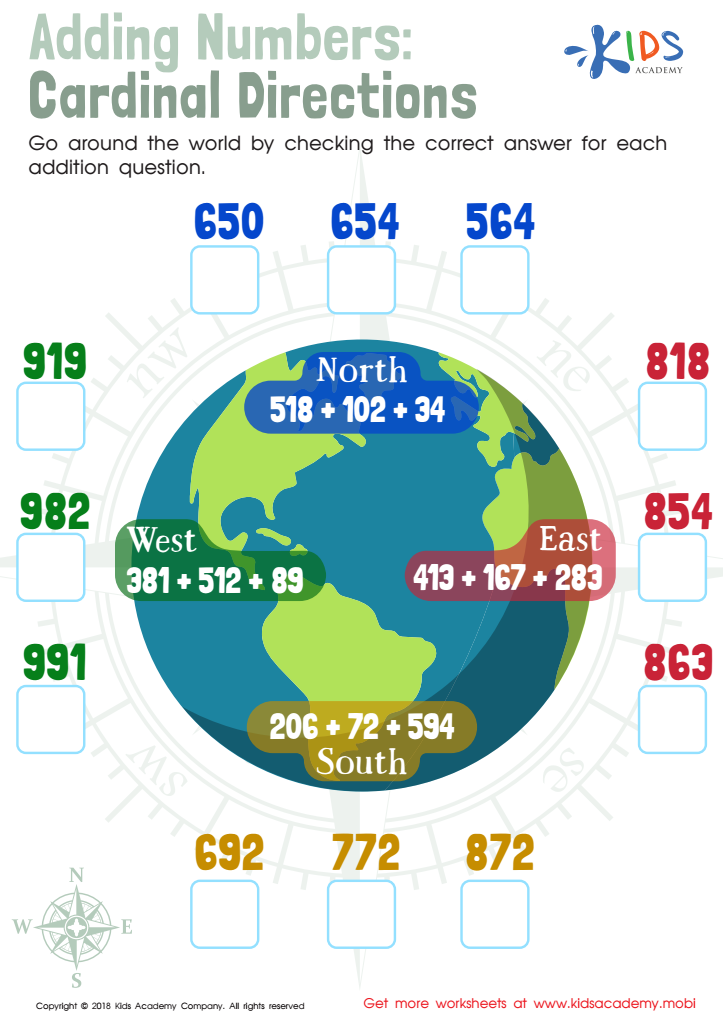
Adding Numbers: Cardinal Directions Worksheet
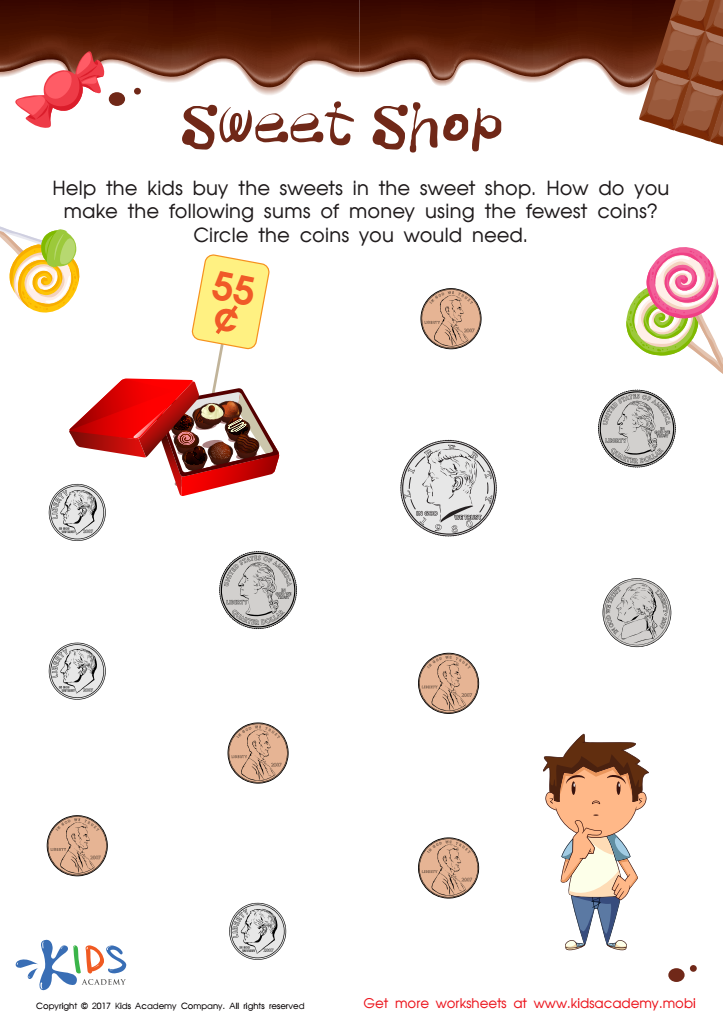
Sweet Shop – Counting Coins Worksheet
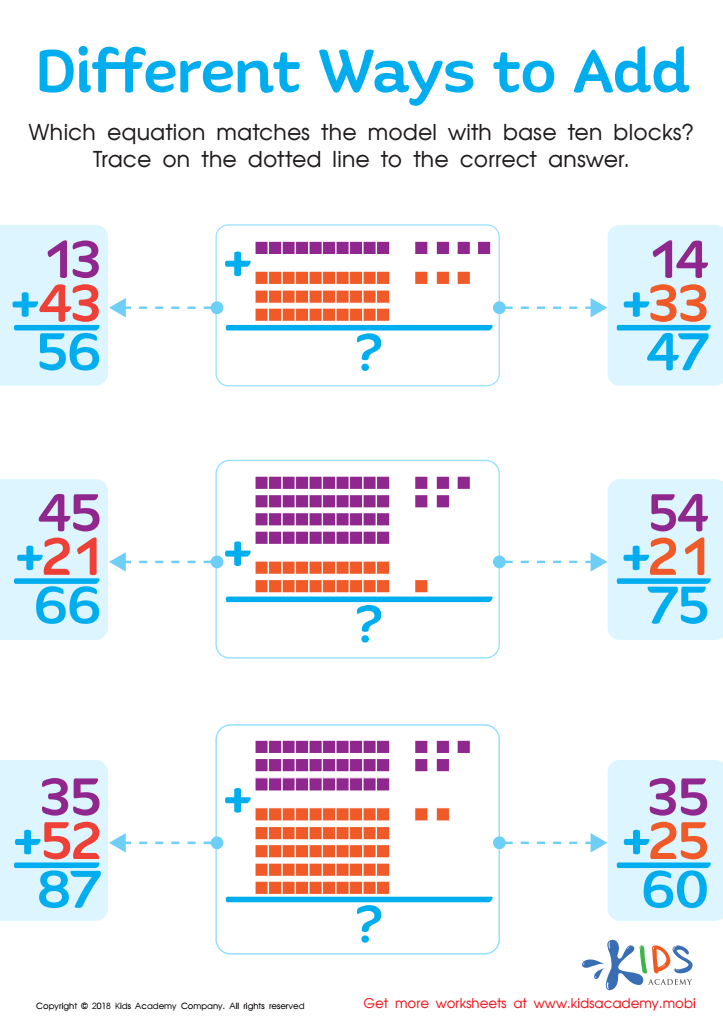
Different Ways to Add Worksheet
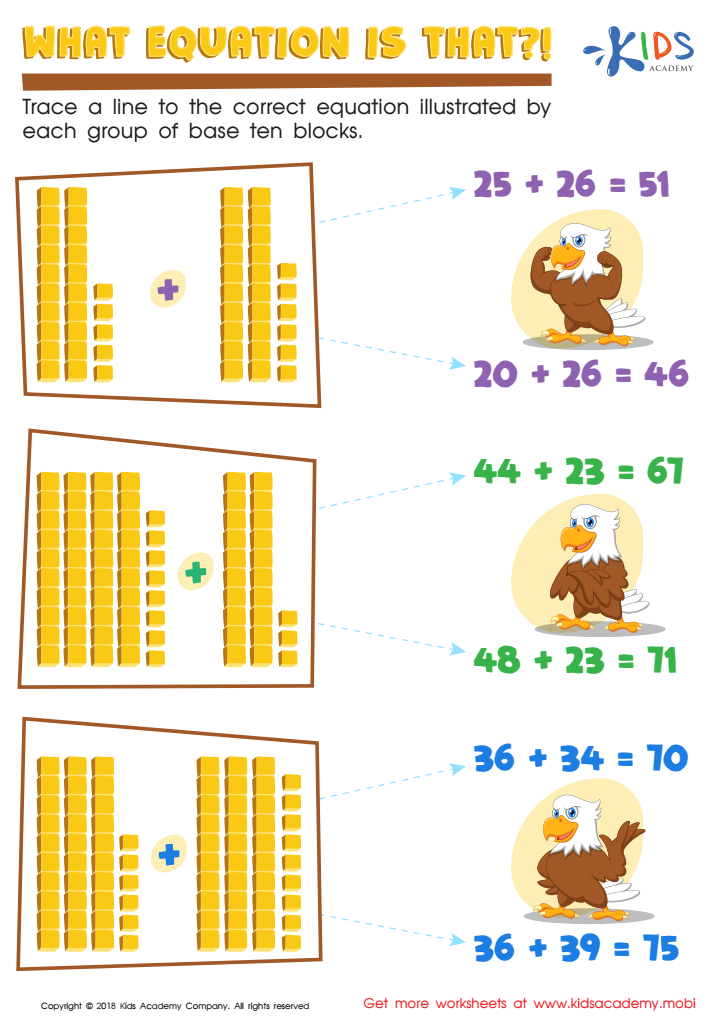
What Equation Is That? Worksheet
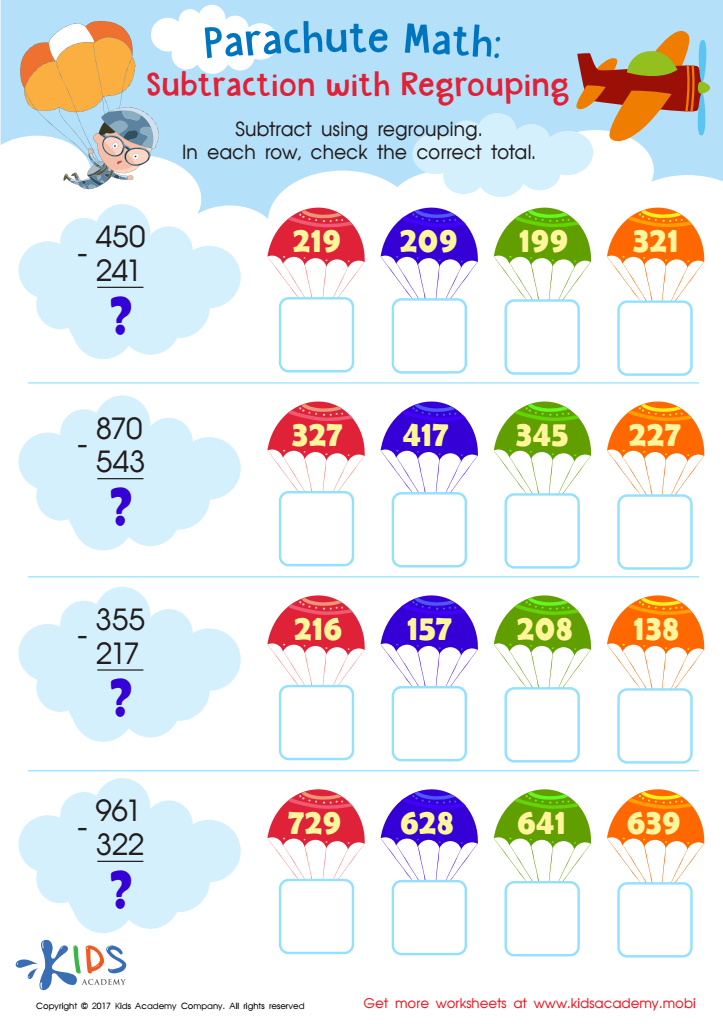
Subtraction with Regrouping for 3rd Grade Worksheet






Place value is fundamental in helping young children understand our number system, which forms the basis for all arithmetic. For parents and teachers of ages 4-8, fostering a strong grasp of place value is vital for several reasons.
First, it promotes number sense, allowing children to comprehend the relative value of digits based on their position. For example, in the number 42, knowing that the "4" represents four tens and the "2" stands for two units enables them to understand larger numbers more effectively. This skill is crucial when introducing concepts like addition, subtraction, and ultimately, multiplication and division.
Secondly, a solid foundation in place value supports problem-solving skills and enhances students' ability to handle more complex mathematical concepts in later grades. Understanding place value leads to the correct regrouping techniques when performing operations with larger numbers, preventing misconceptions that can lead to challenges down the road.
Finally, incorporating place value into everyday activities—like organizing objects, counting money, or even playing games—can engage kids and make learning feel intuitive and fun. By prioritizing place value education, parents and teachers are equipping children with the tools they need for lifelong mathematical success.








