Physical Science Worksheets for Ages 4-8 - Page 2
85 filtered results
-
From - To
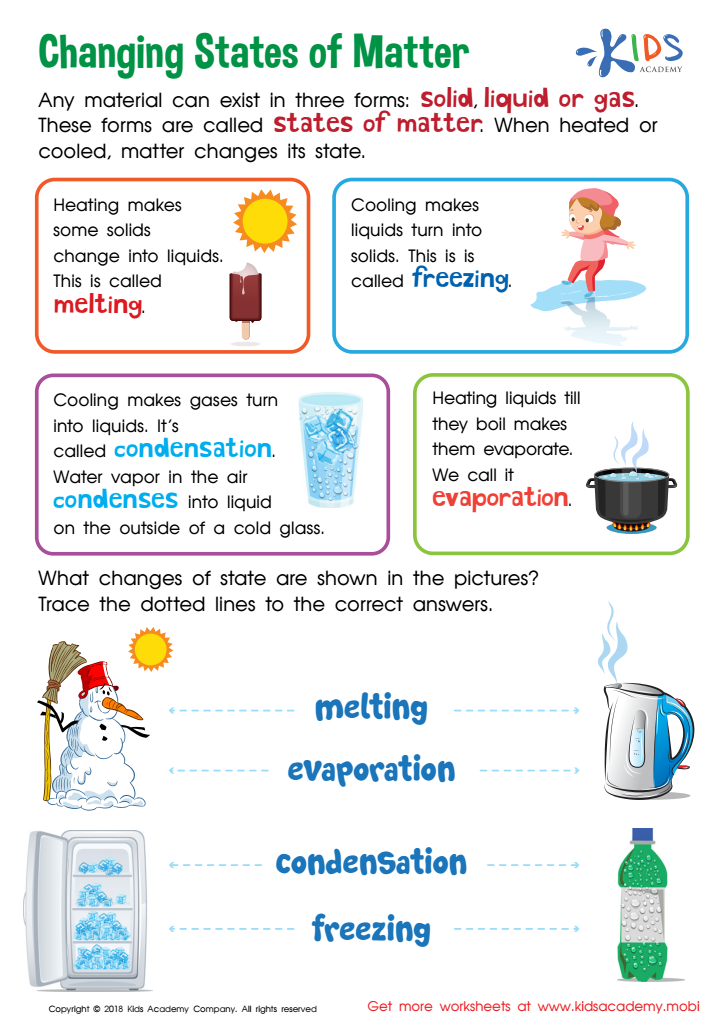
States of Matter Worksheet
 Assign to My Students
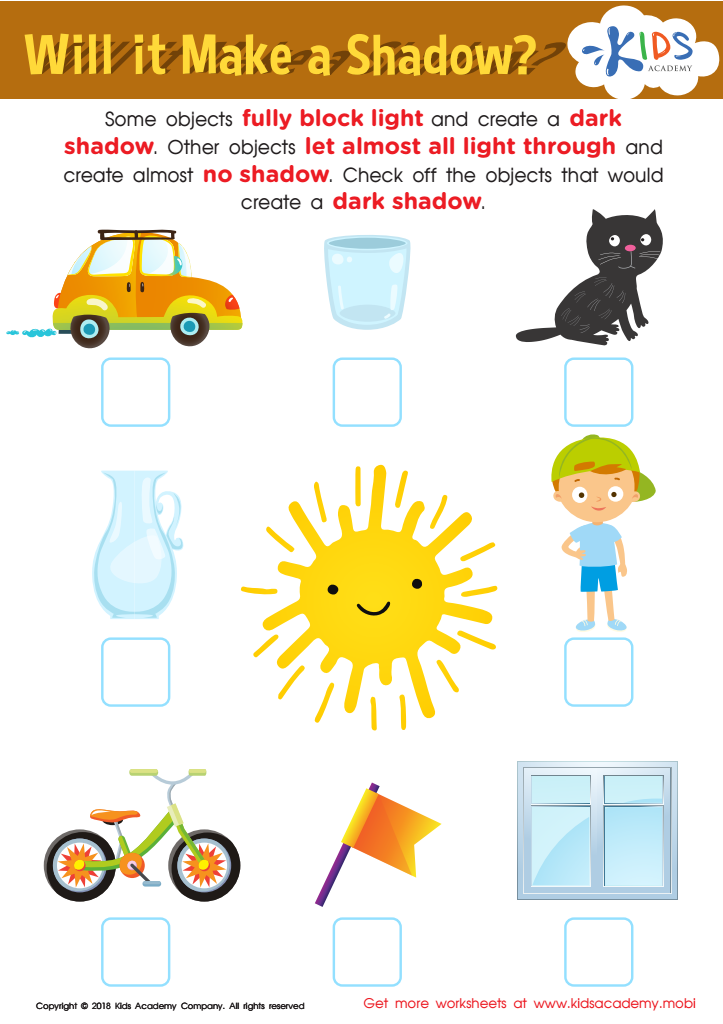
Will It Make a Shadow? Worksheet
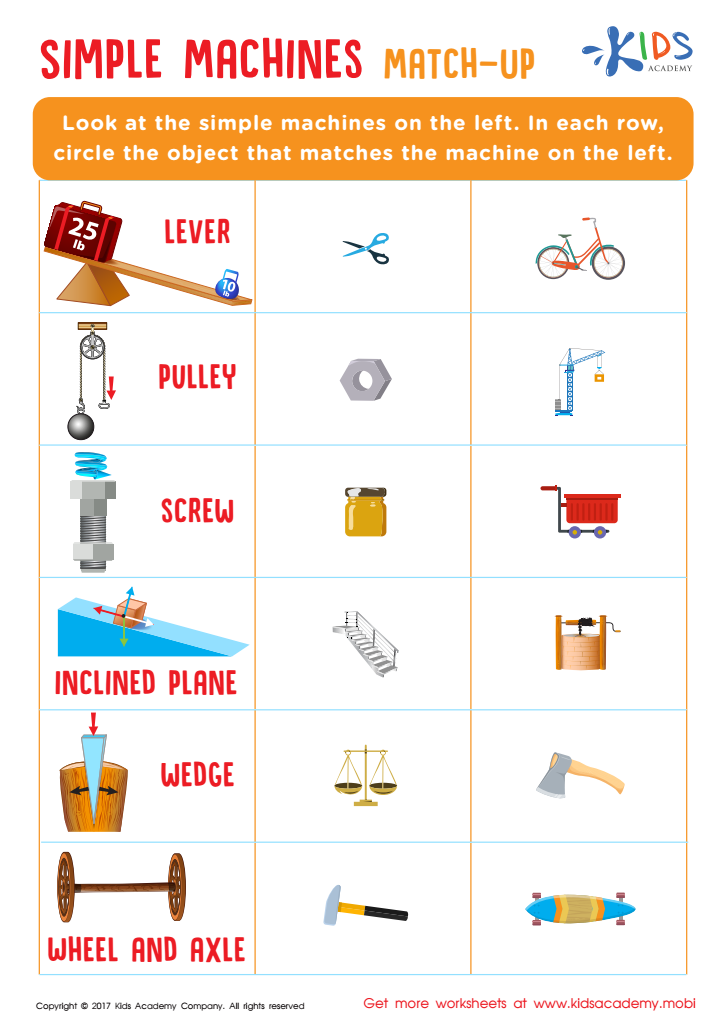
Simple Machines Worksheet
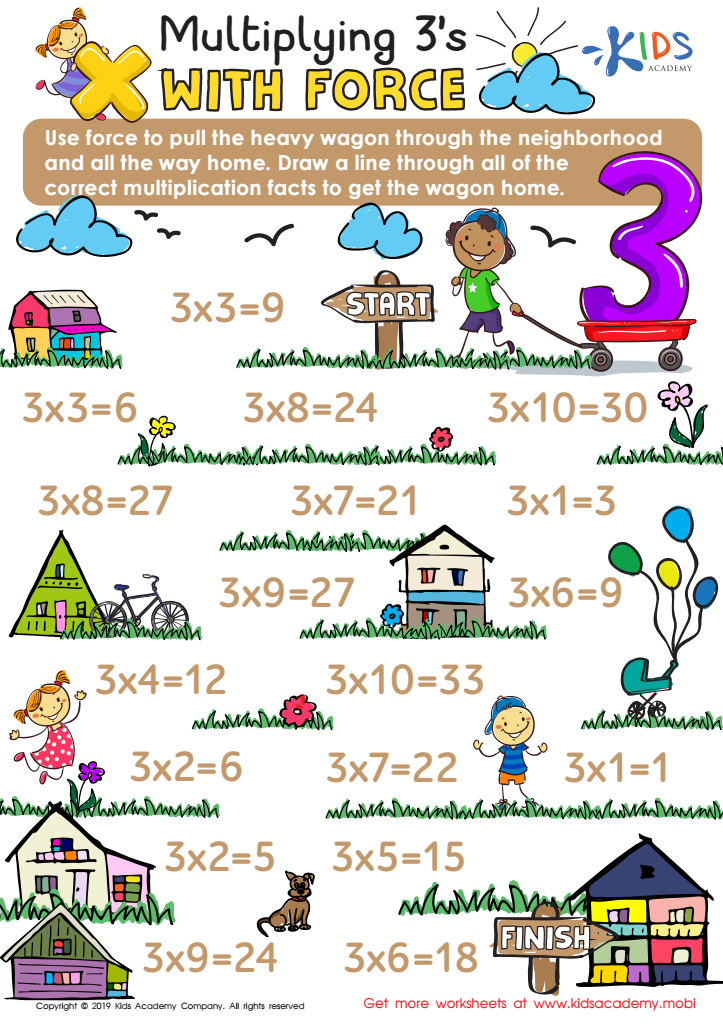
Multiplying 3s with Force Worksheet
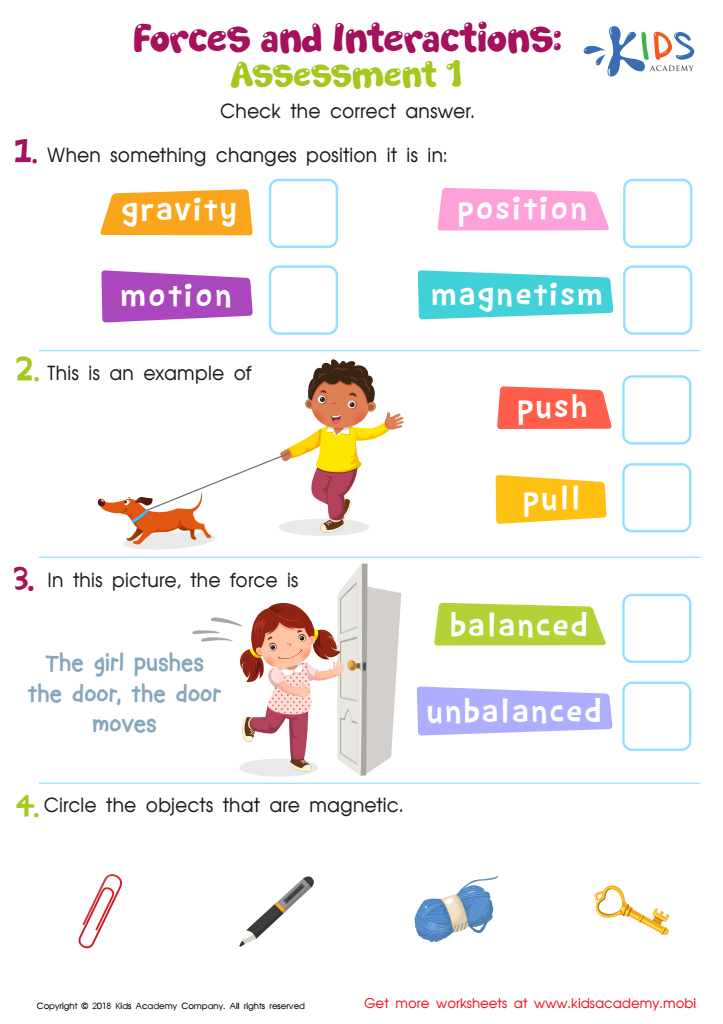
Forces and Interactions Printable
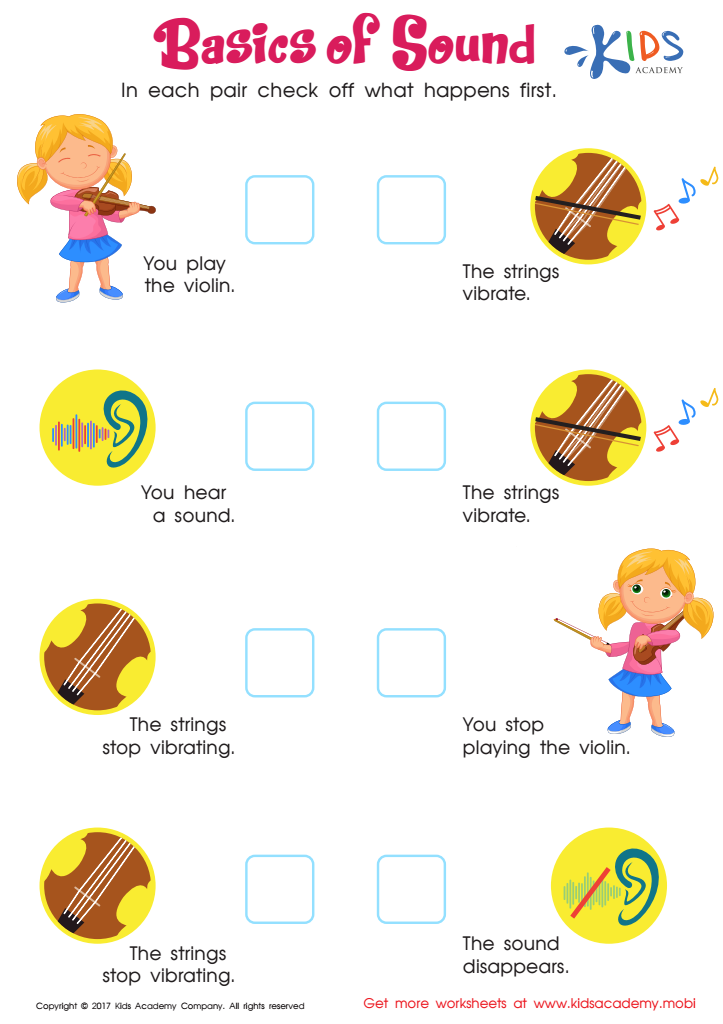
Basics Of Sound Worksheet
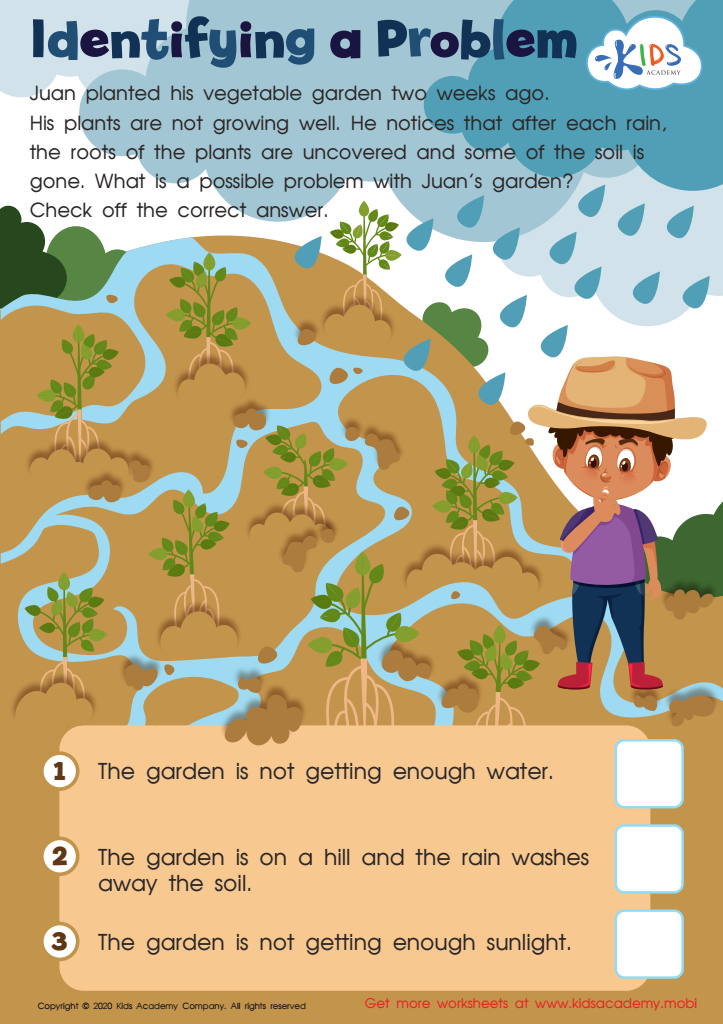
Identifying a Problem Worksheet
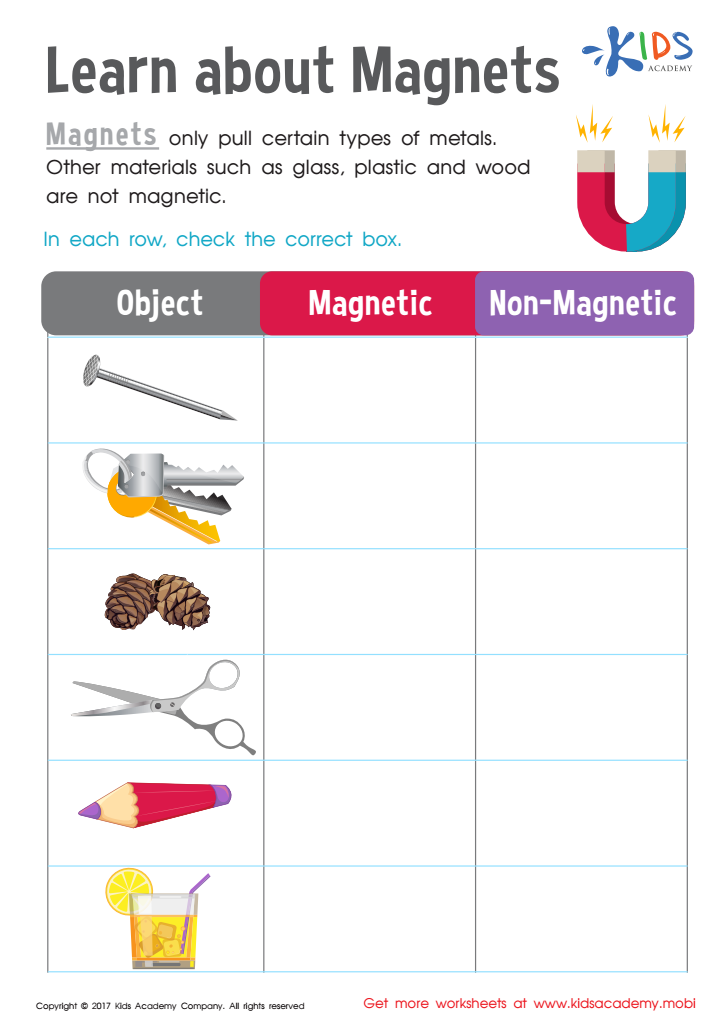
Magnetic Or Not Worksheet
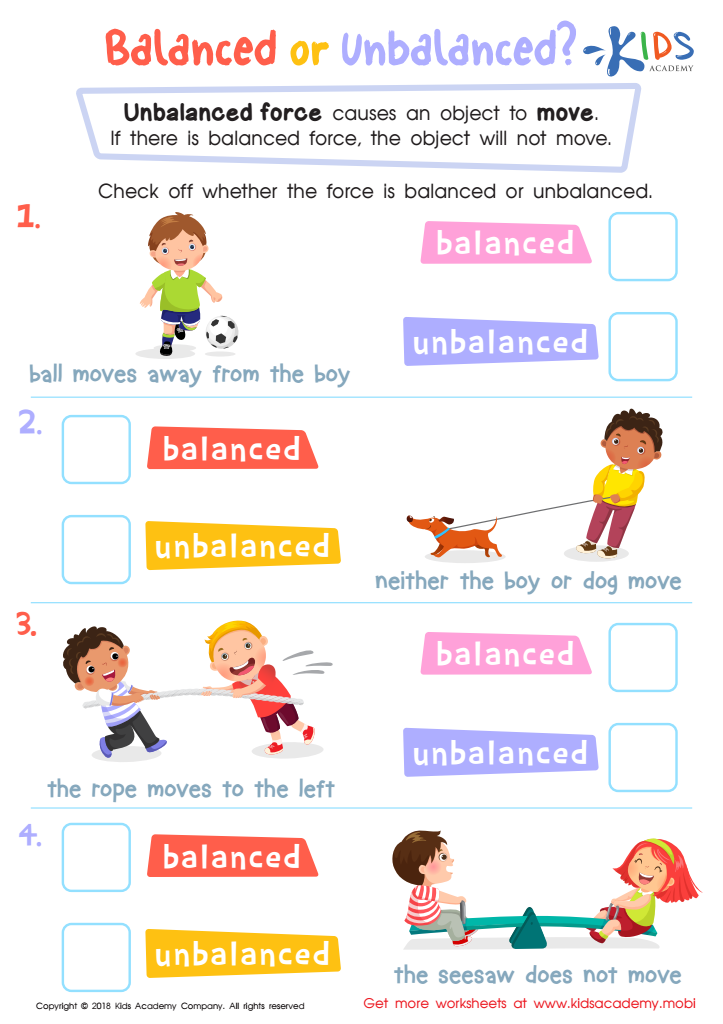
Balanced or Unbalanced Science Worksheet
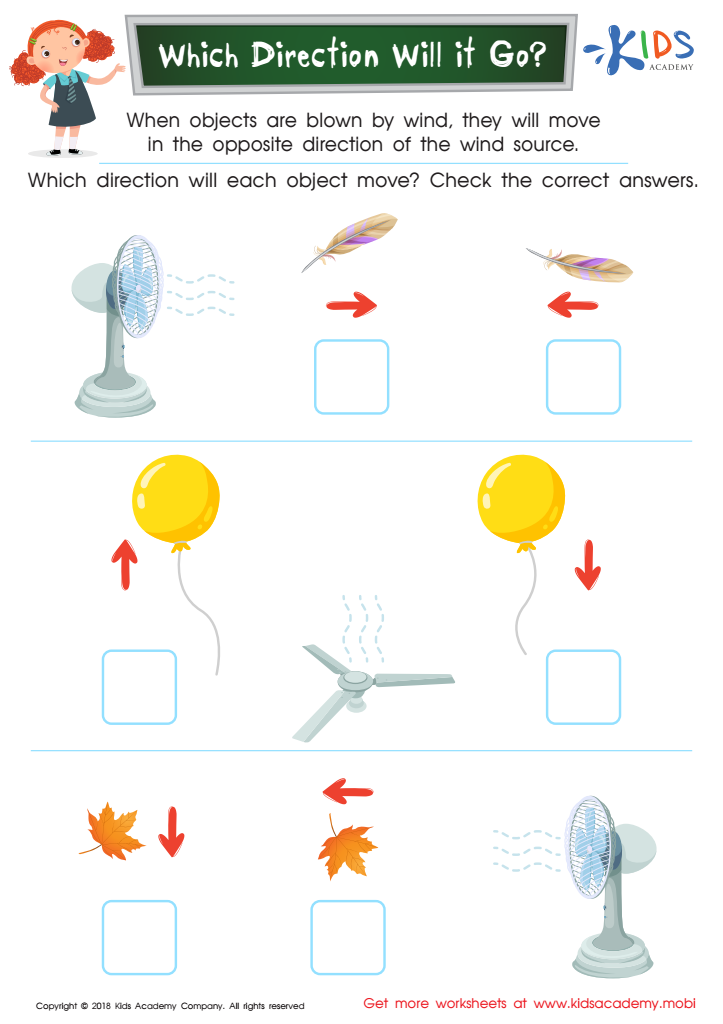
Which Direction Will it Go? Worksheet
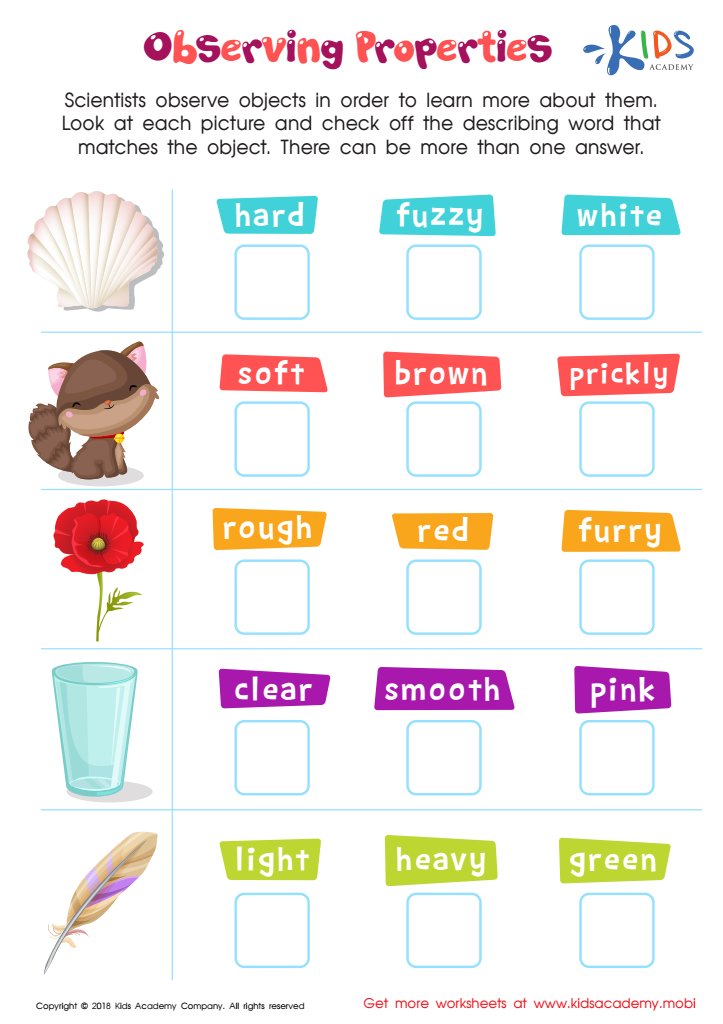
Observing Properties Worksheet
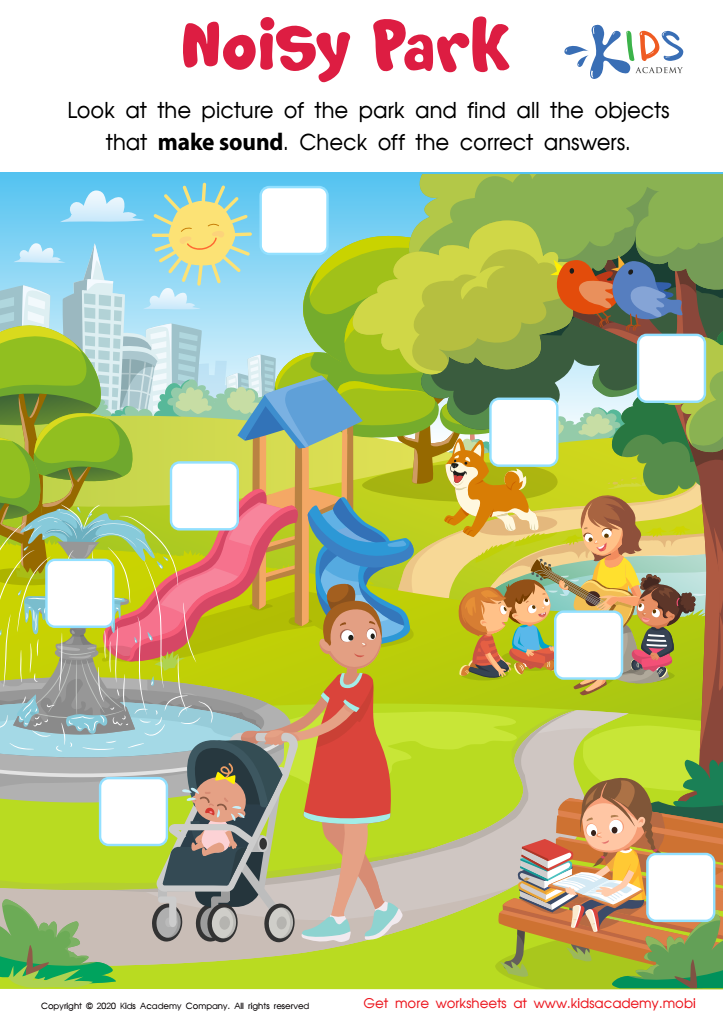
Noisy Park Worksheet
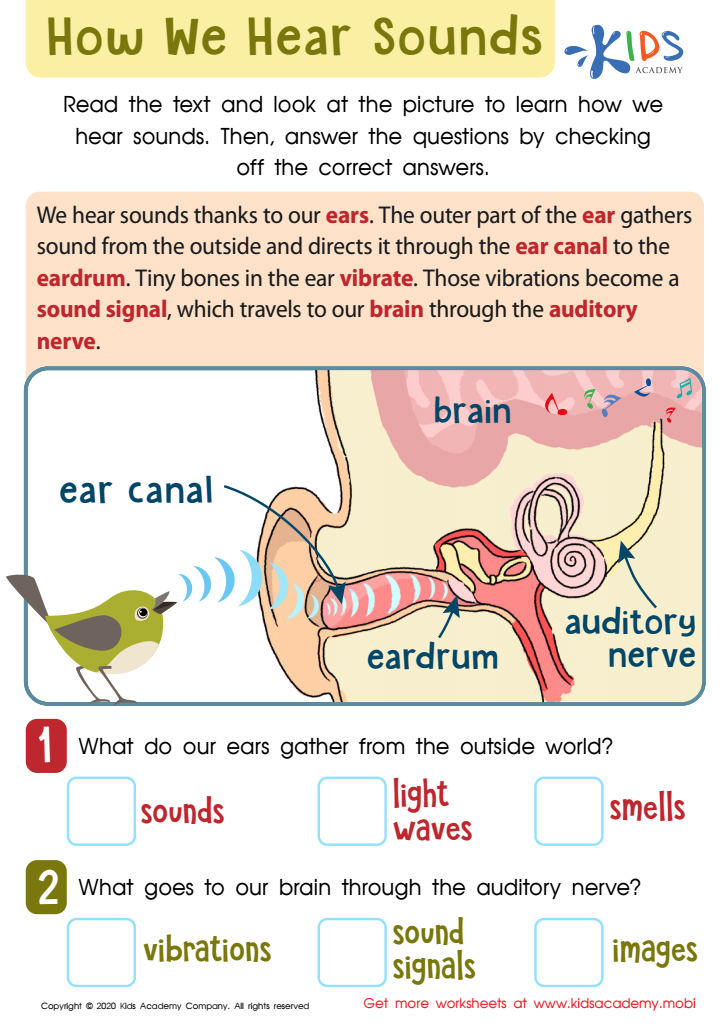
How We Hear Sounds Worksheet
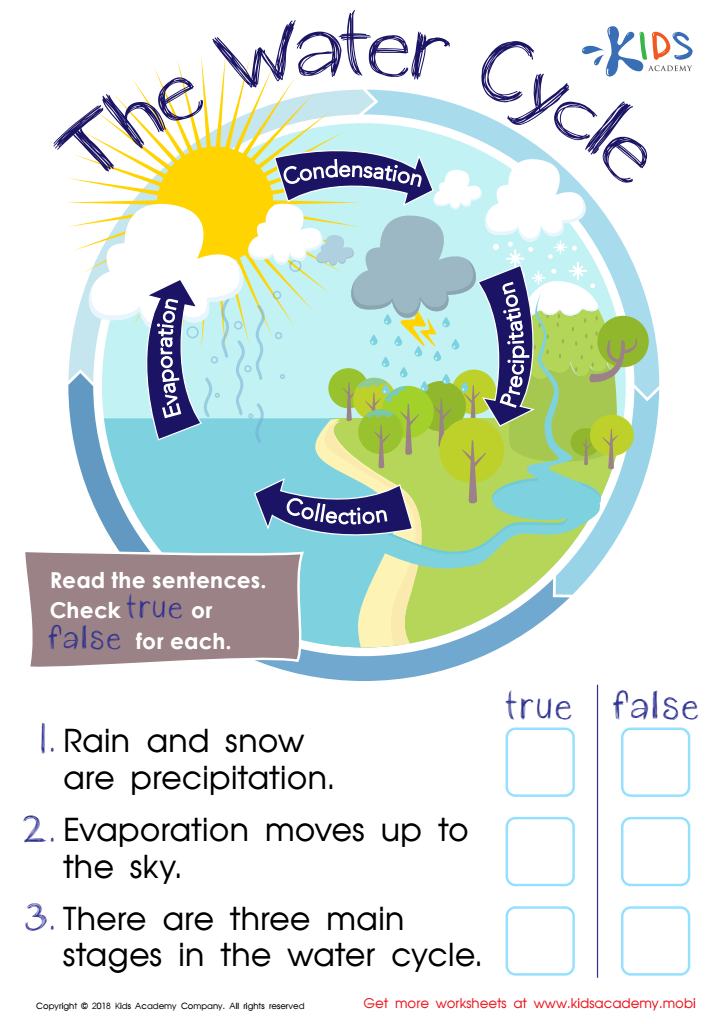
The Water Cycle Worksheet
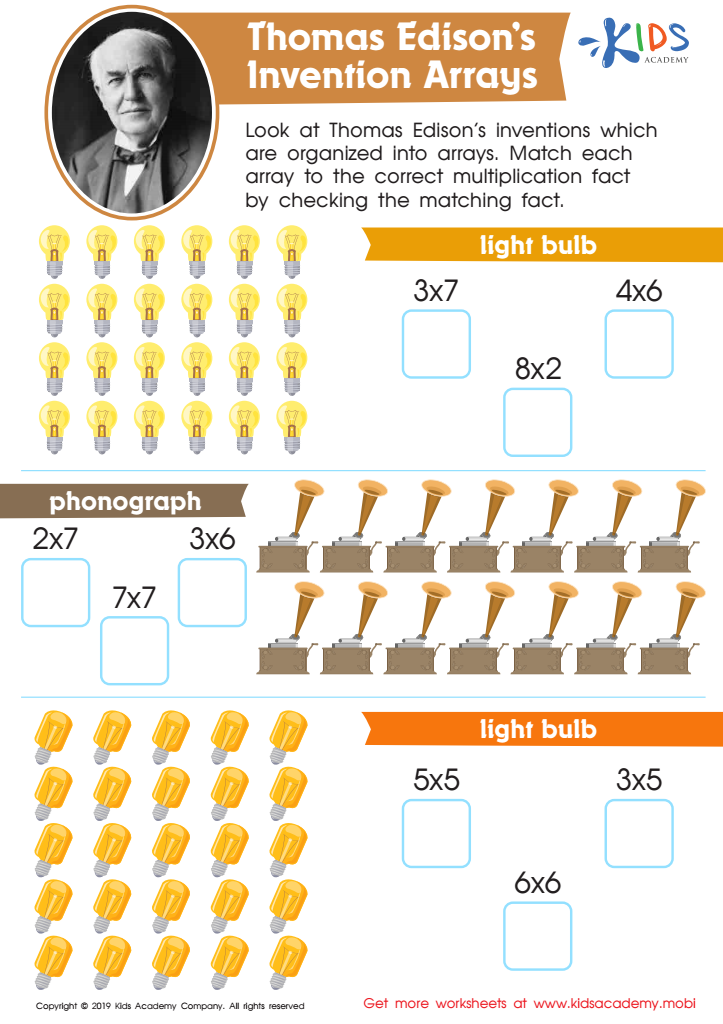
Thomas Edison’s Invention Arrays Worksheet
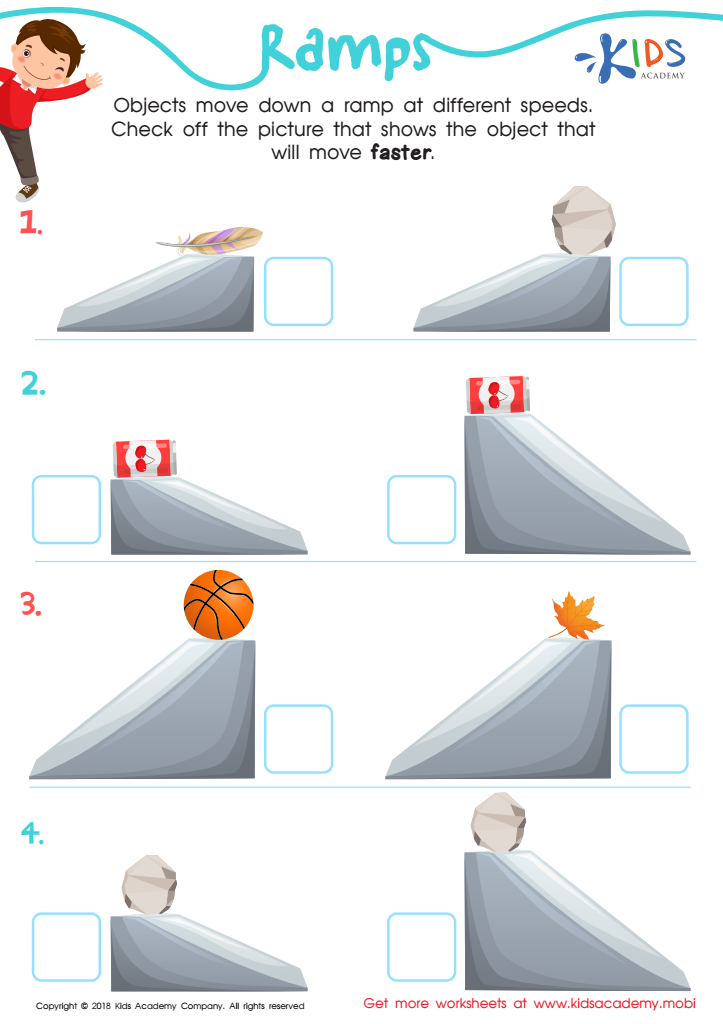
Ramps Worksheet
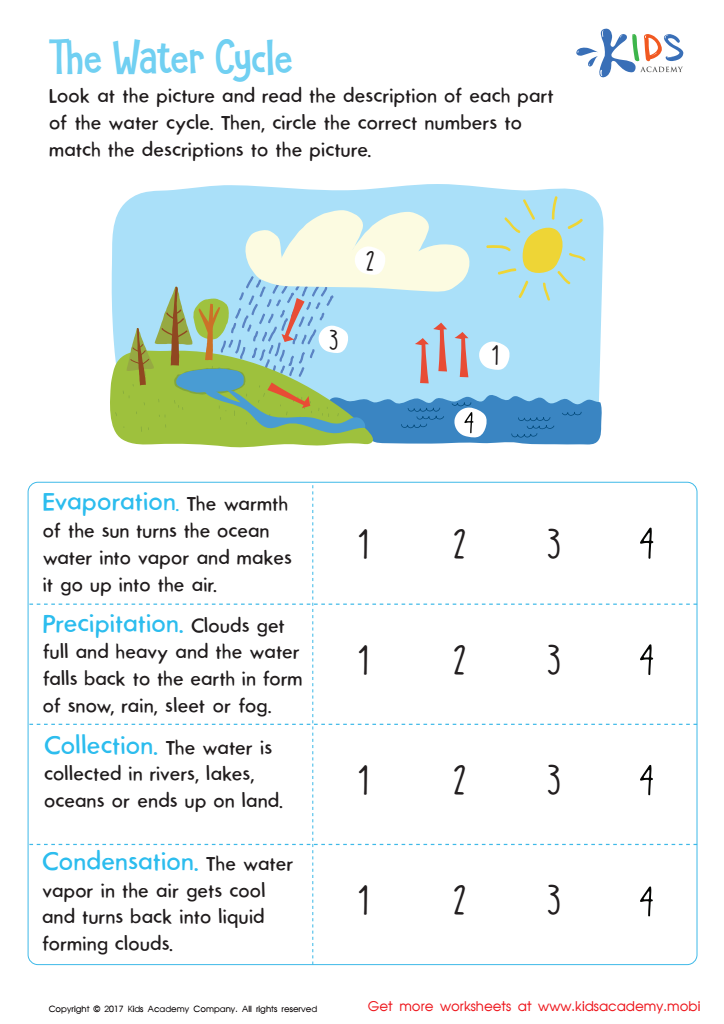
The Water Cycle Worksheet
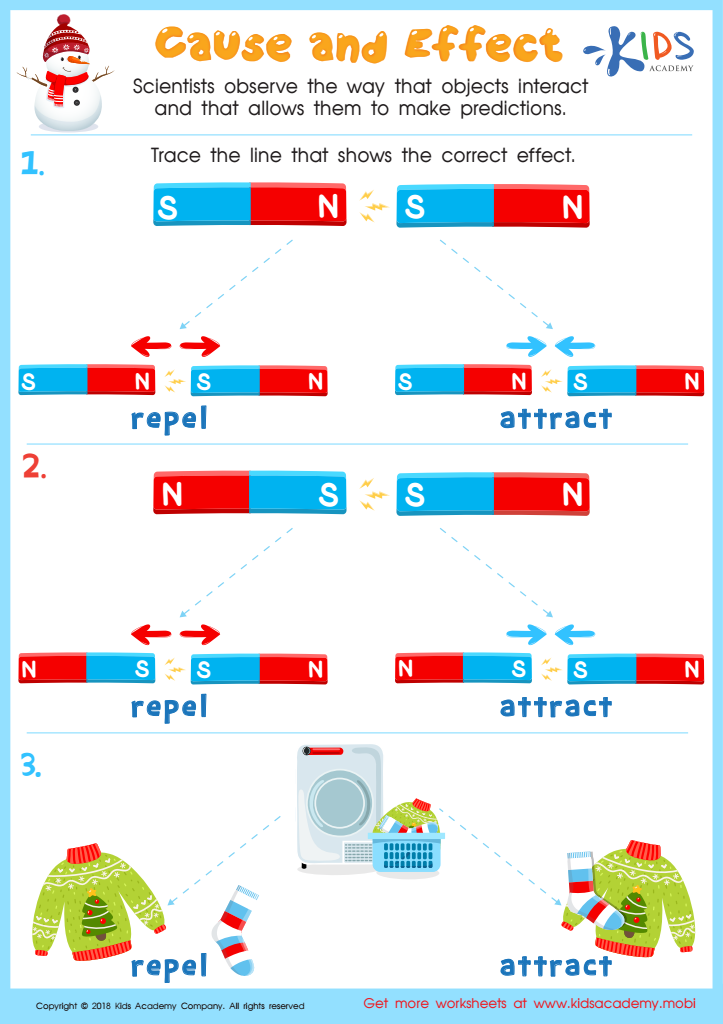
Repel and Attract Magnet Worksheet
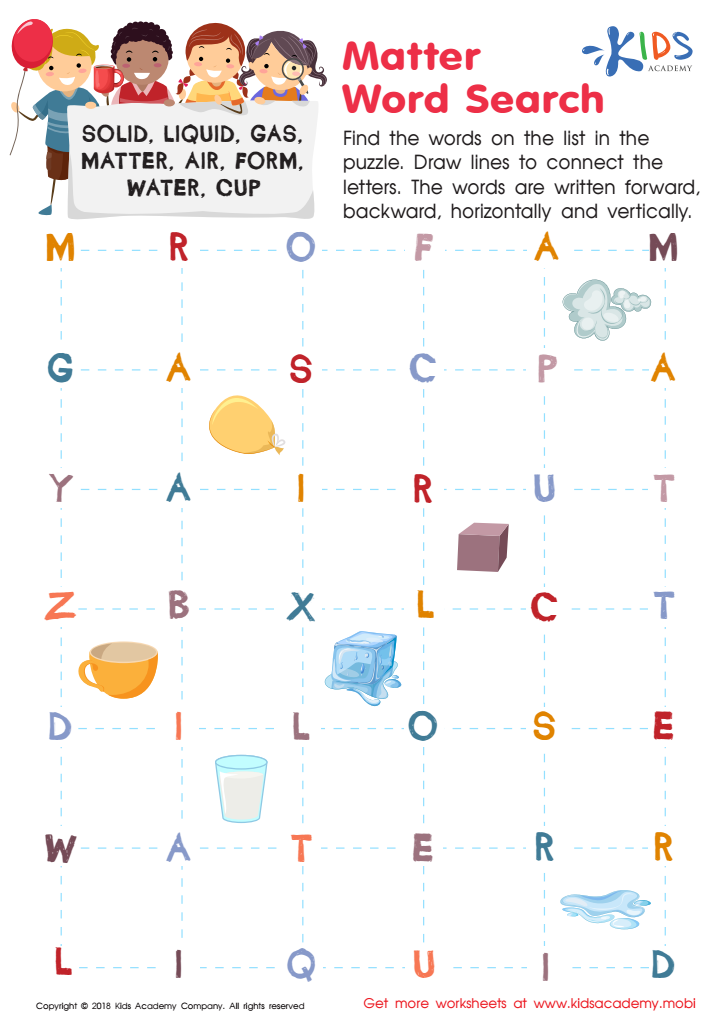
Matter Word Search Worksheet
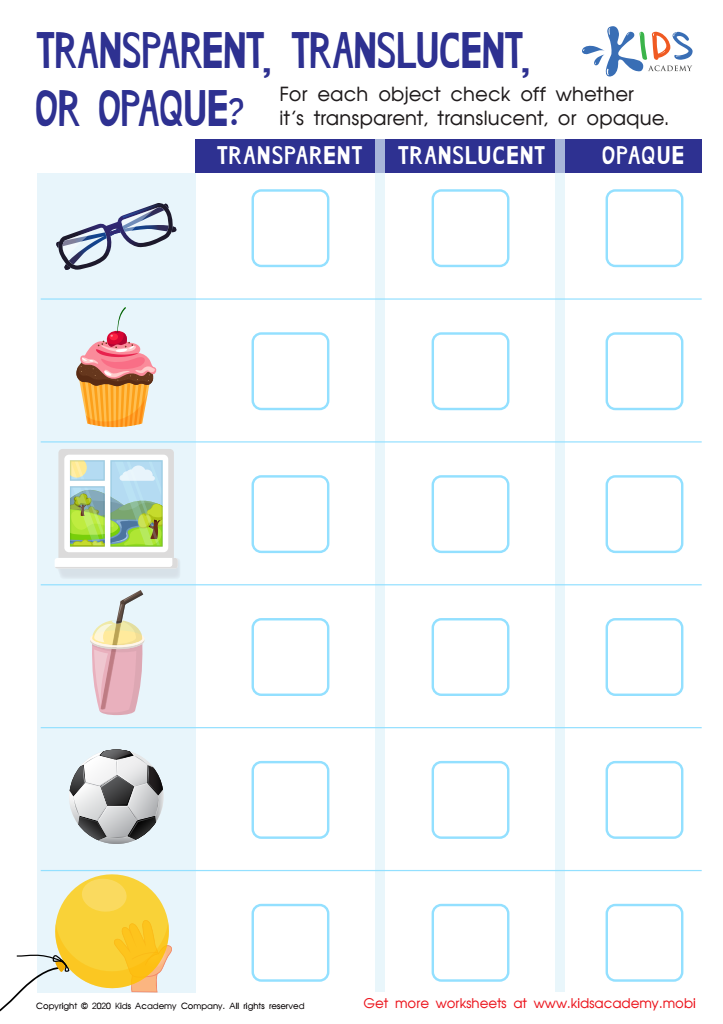
Transparent, Translucent, or Opaque Worksheet
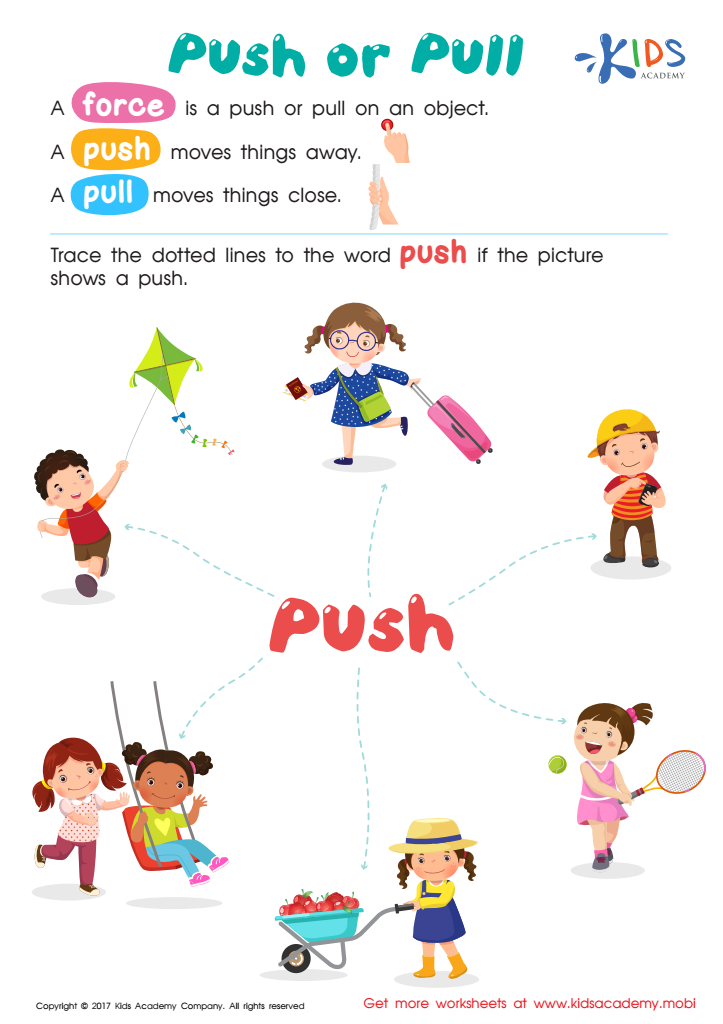
Push or Pull Worksheet
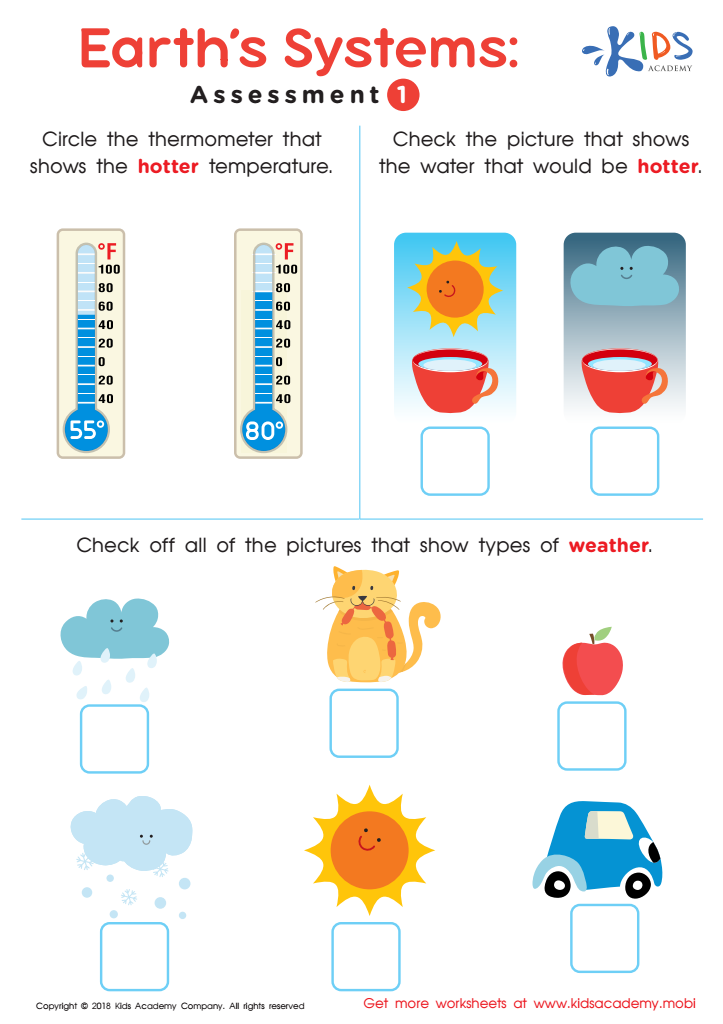
Earth's Systems: Assessment 1
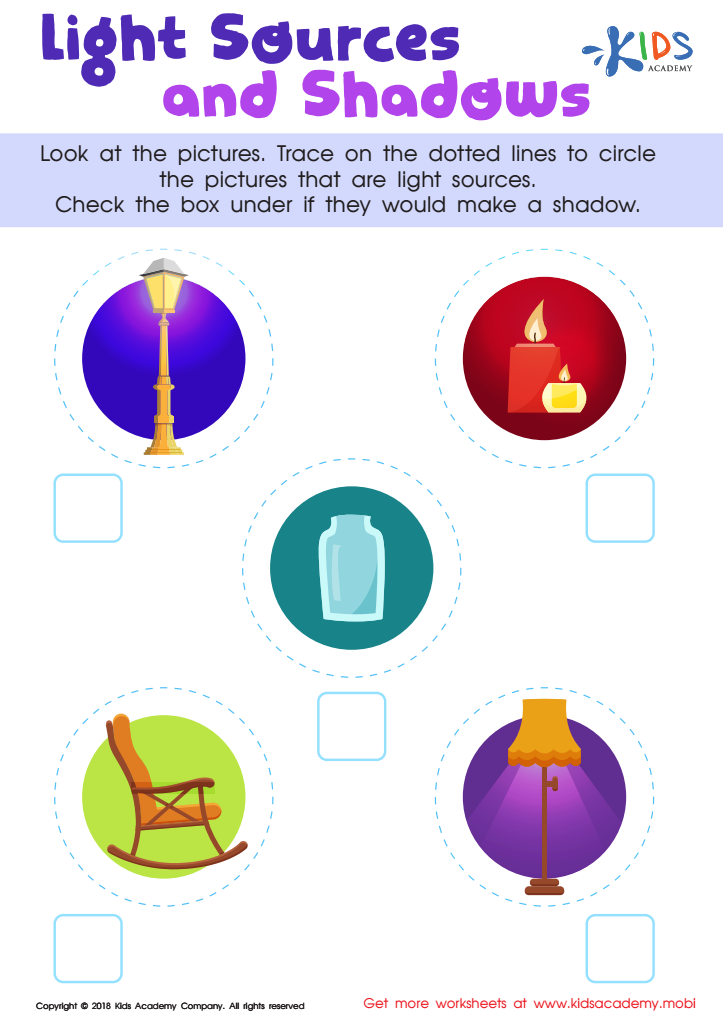
Light Sources and Shadows Worksheet
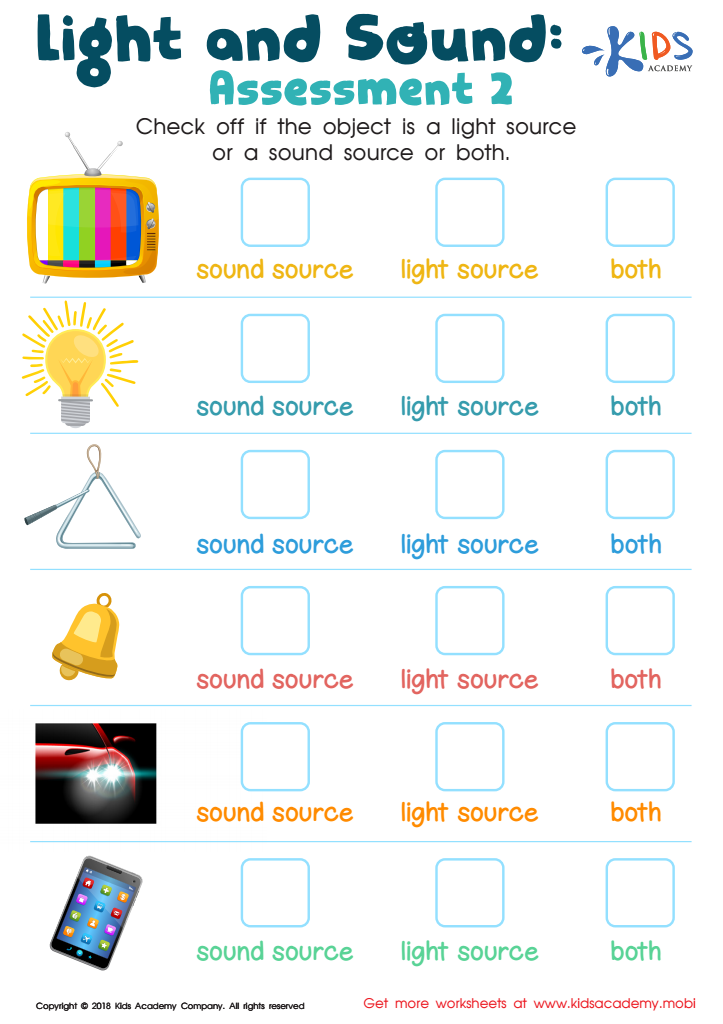
Light and Sound: Assessment 2 Worksheet



.jpg)

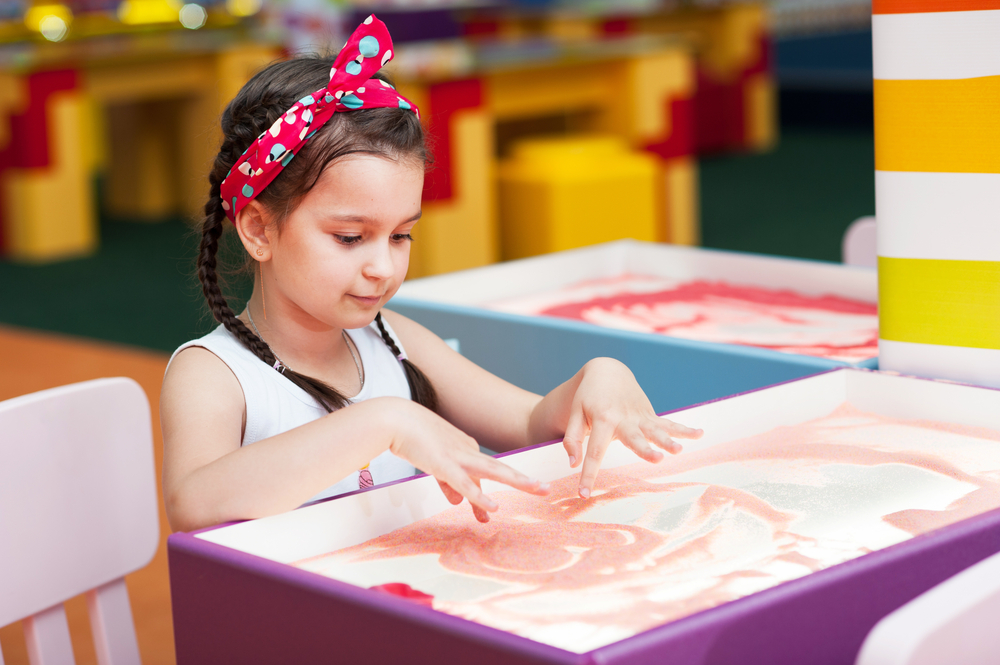

Understanding physical science is important for young children because it helps them make sense of the world around them. Parents and teachers play a key role in introducing concepts in an engaging and accessible way. At ages 4-8, children are naturally curious and eager to explore. Physical science taps into this curiosity by exploring concepts like motion, light, sound, and basic principles of matter.
By learning physical science early on, children develop critical thinking and problem-solving skills. They begin to ask questions, perform experiments, and learn to analyze their observations. This cultivates a scientific mindset that encourages lifelong learning and intellectual curiosity.
Moreover, engaging with physical science can also benefit children's emotional and social development. Working on simple experiments in groups helps children learn teamwork and communication skills. Success and even failure in these activities teach resilience and the value of experimenting and trying again.
Lastly, liking and understanding science early can ignite a passion that guides future education and career paths in STEM (Science, Technology, Engineering, Mathematics) fields. In a world increasingly driven by technology, a firm grasp of basic science can prepare children for the future and foster informed, scientifically literate adults. So, caring about physical science for young learners paves the way for well-rounded, inquisitive, and capable individuals.







