Community Worksheets for Ages 4-8 - Page 5
125 filtered results
-
From - To
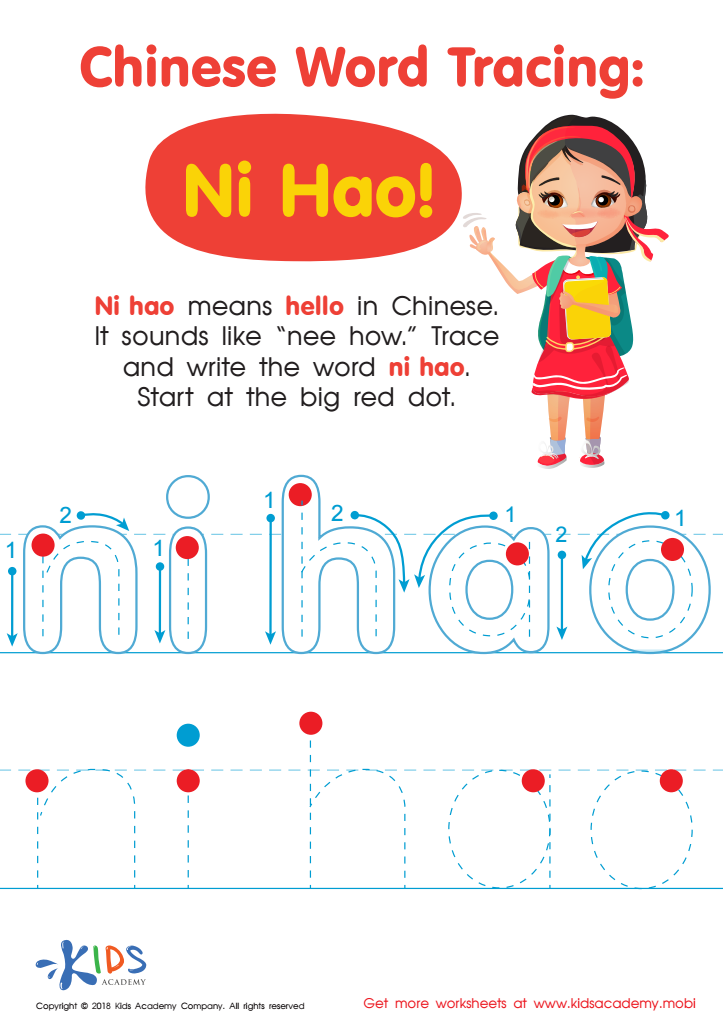
Chinese Word Tracing: Ni Hao Worksheet
 Assign to My Students
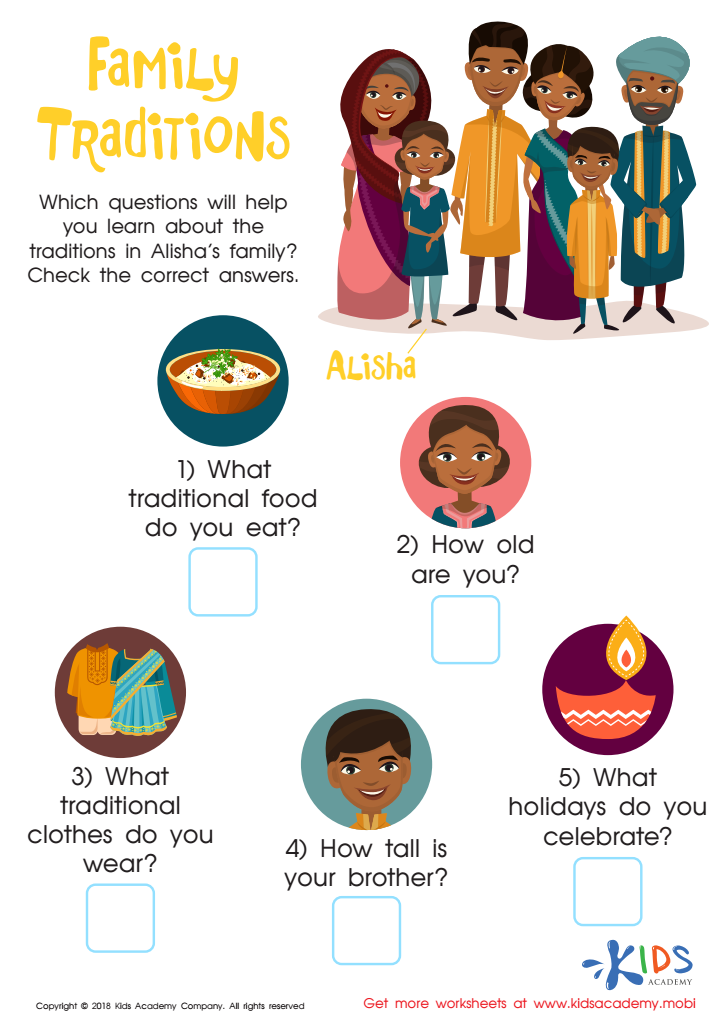
Family Traditions Worksheet
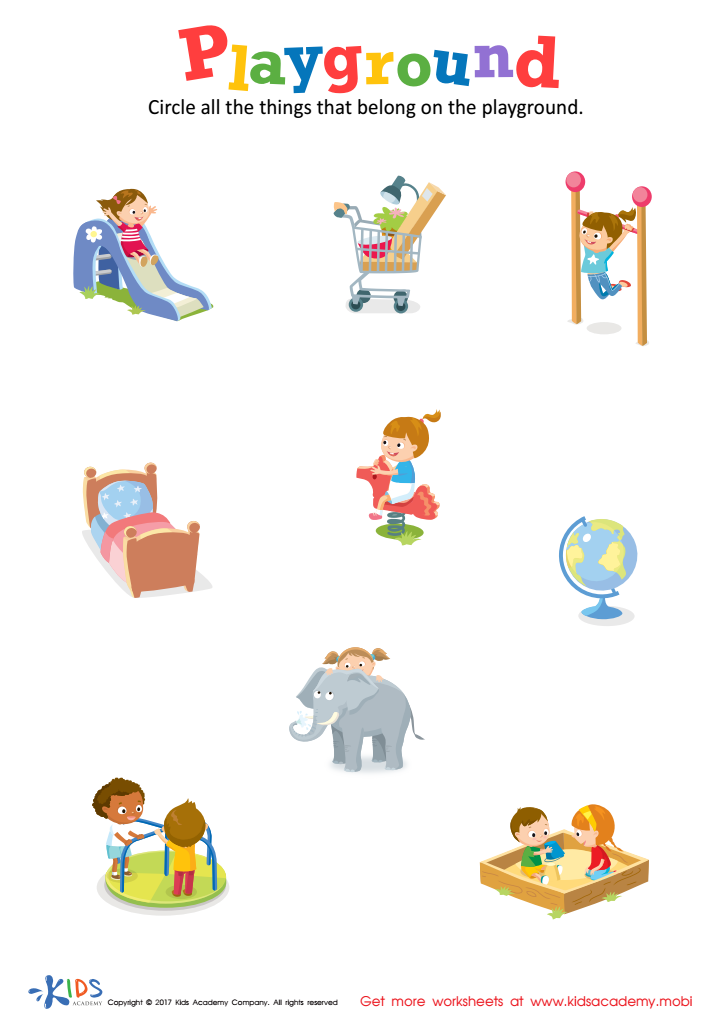
Playground Worksheet
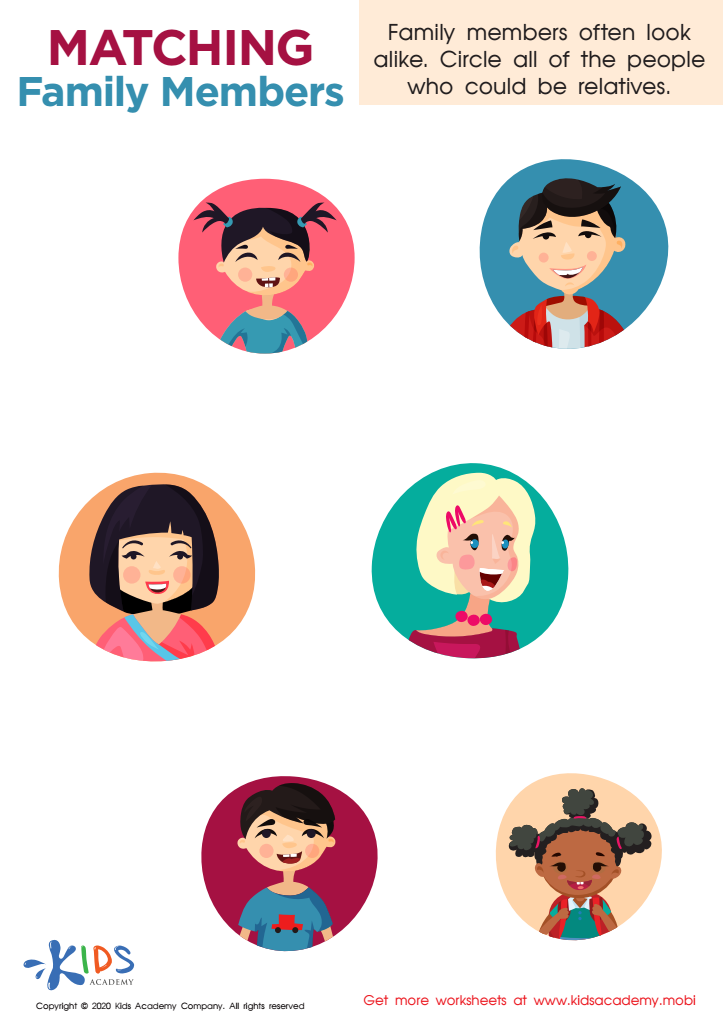
Matching Family Members Worksheet
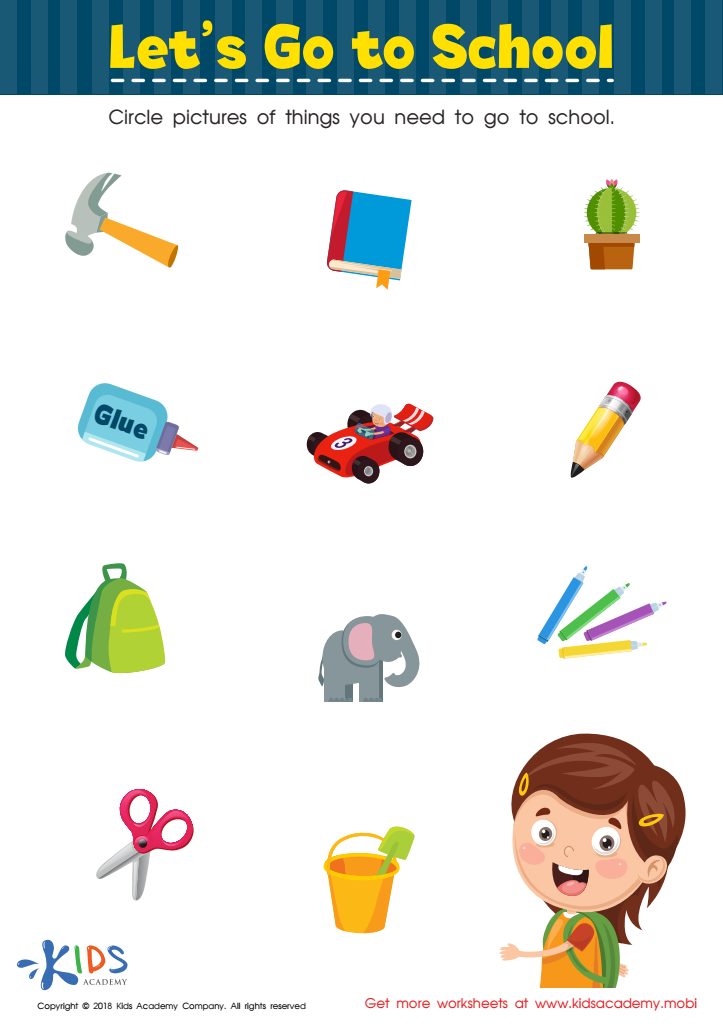
Let's Go to School! Worksheet
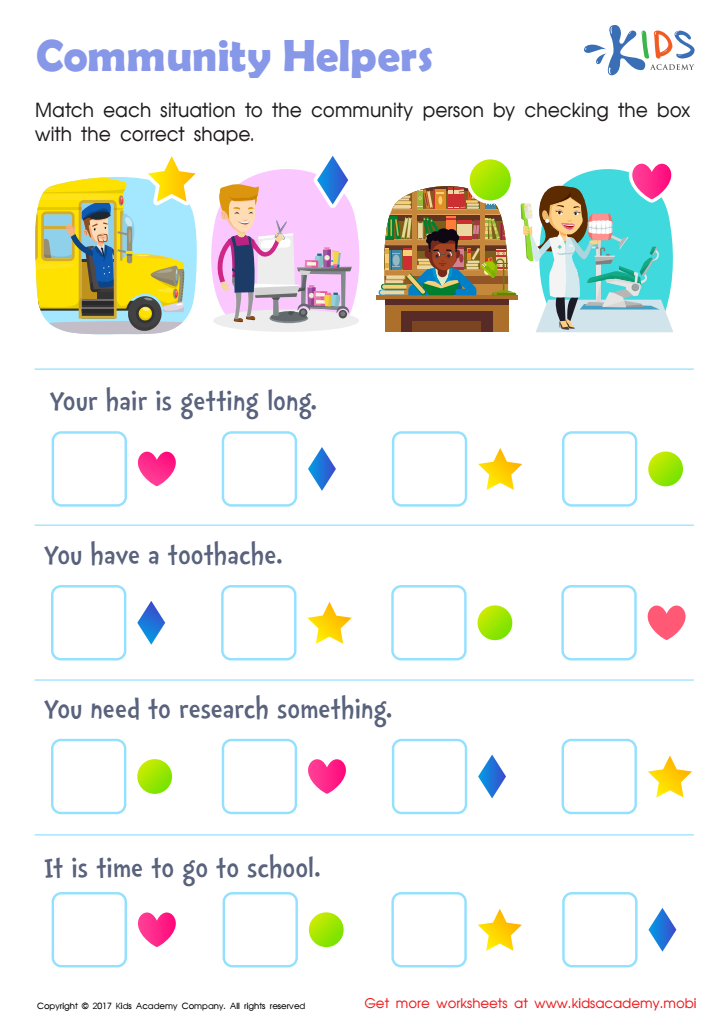

Towns Worksheet
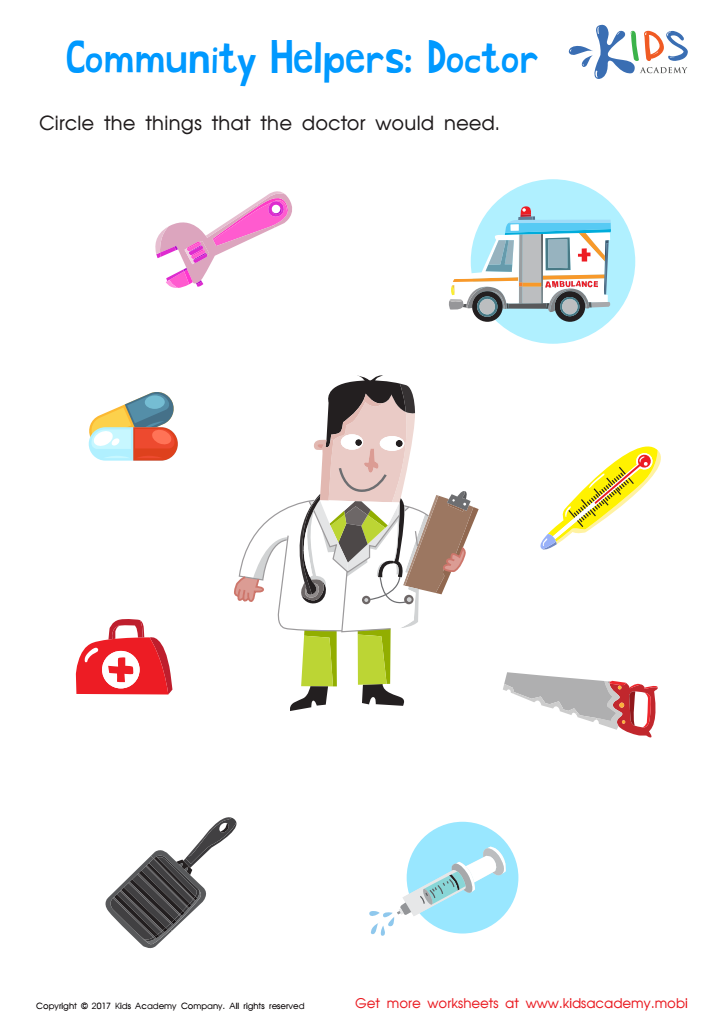
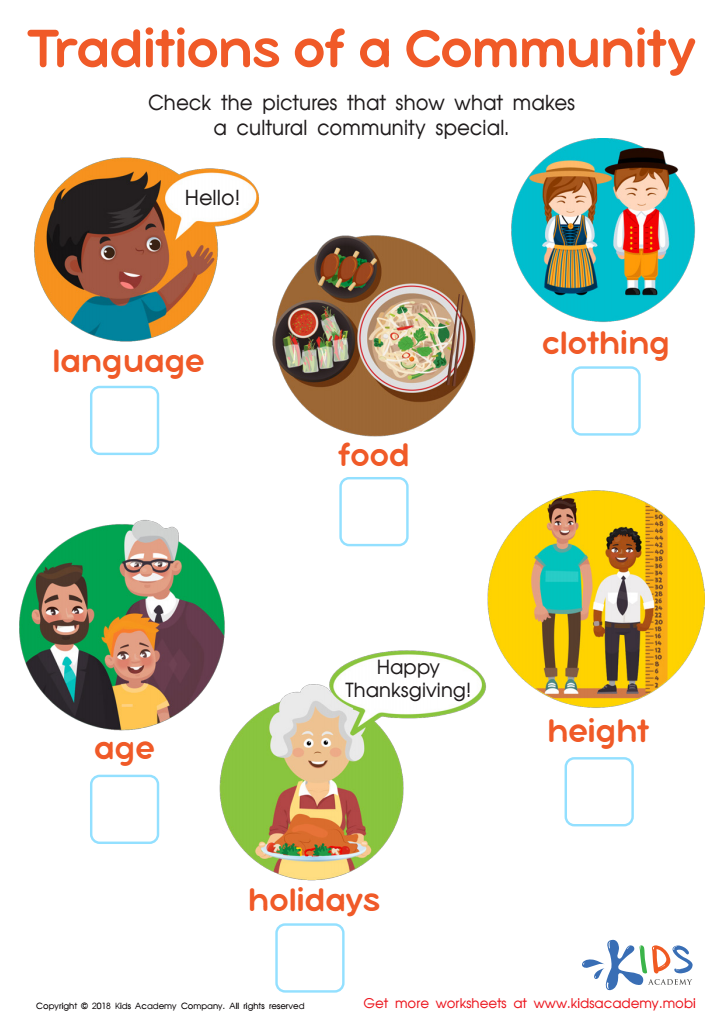
Traditions of a Community Worksheet
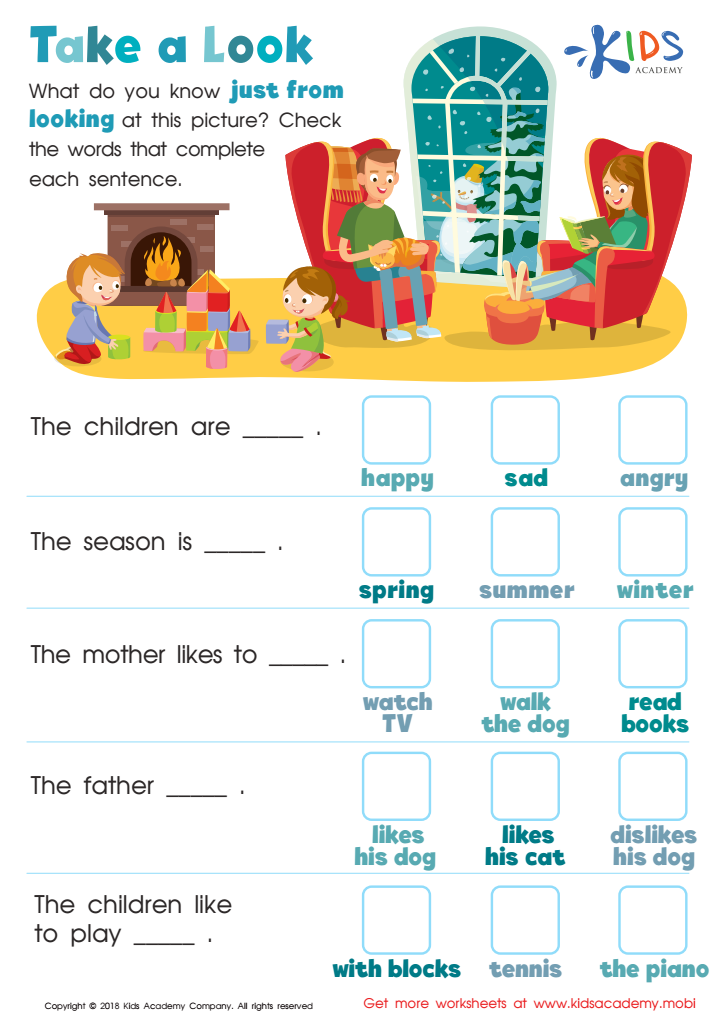
Take a Look - Part 1 Worksheet
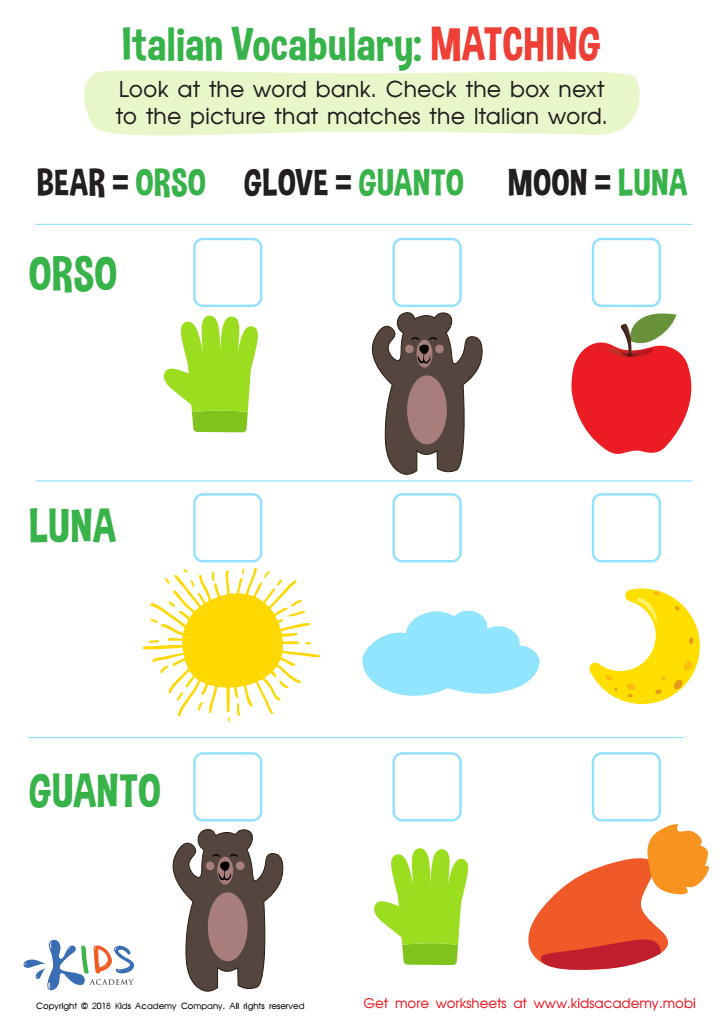
Italian Vocabulary Matching Worksheet
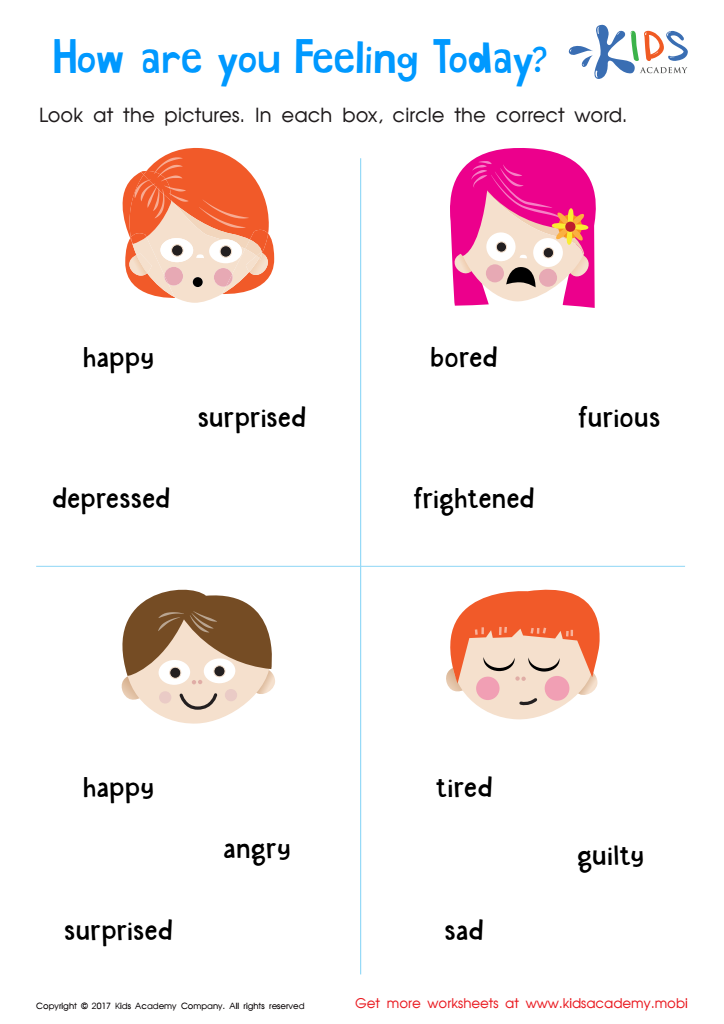
Understanding Feelings Worksheet
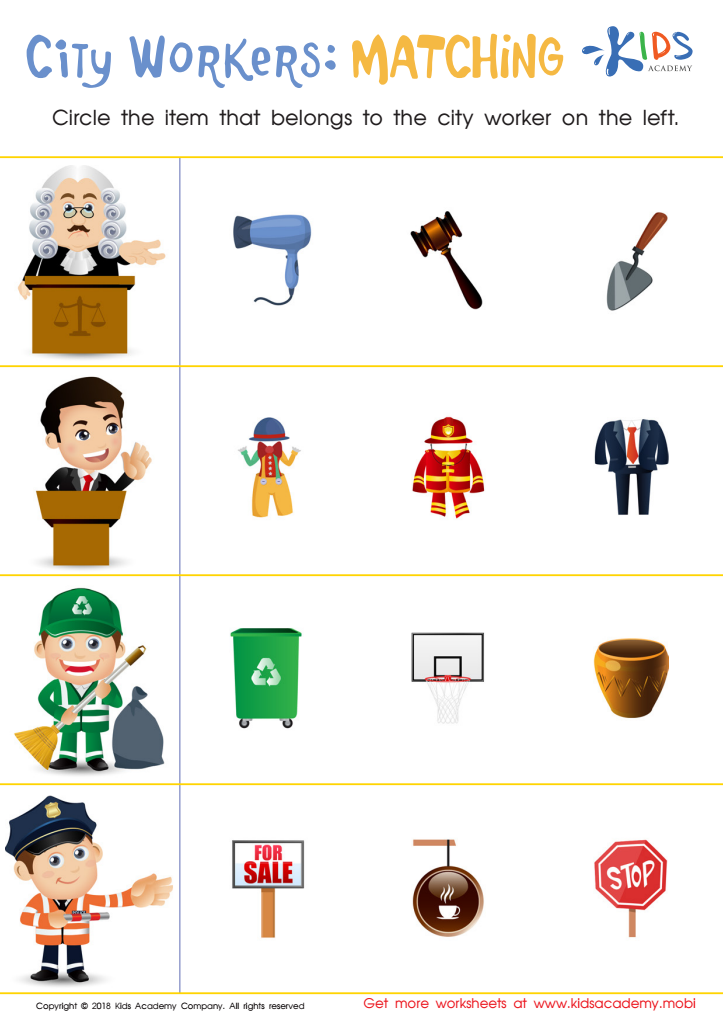
City Workers: Matching Worksheet
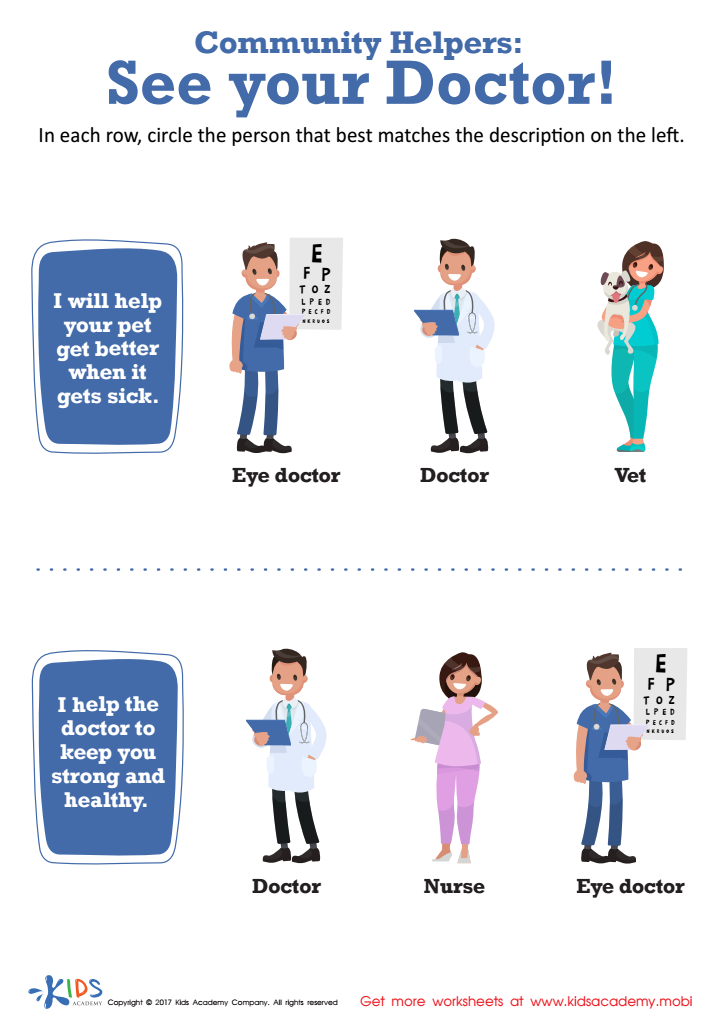
See Your Doctor (Part 2) Printable
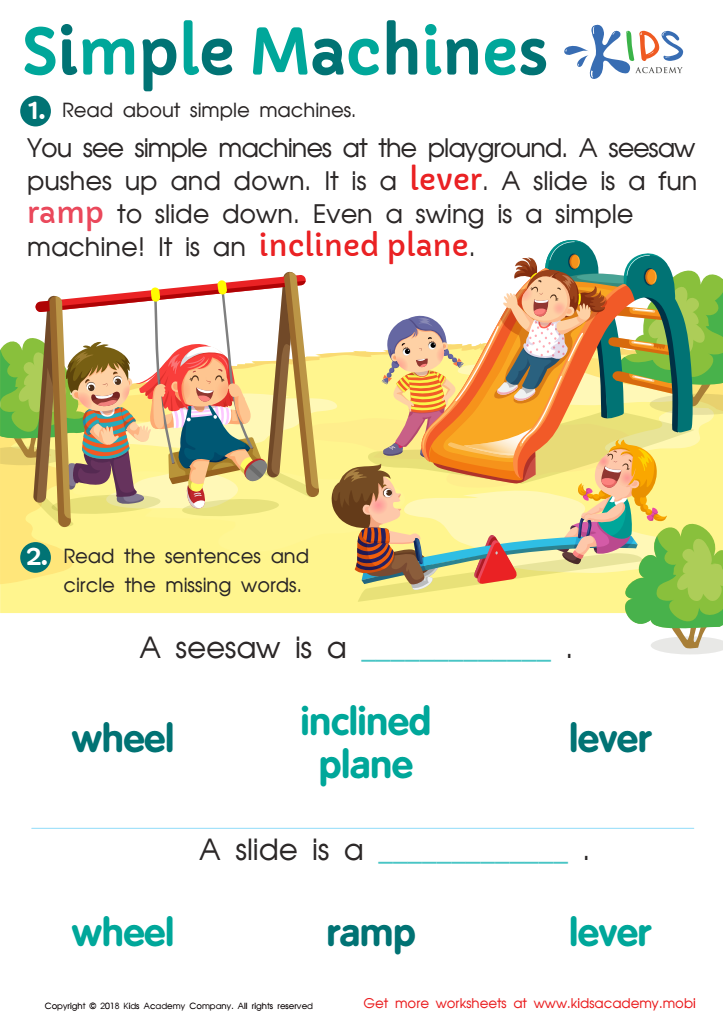
Simple Machines Worksheet
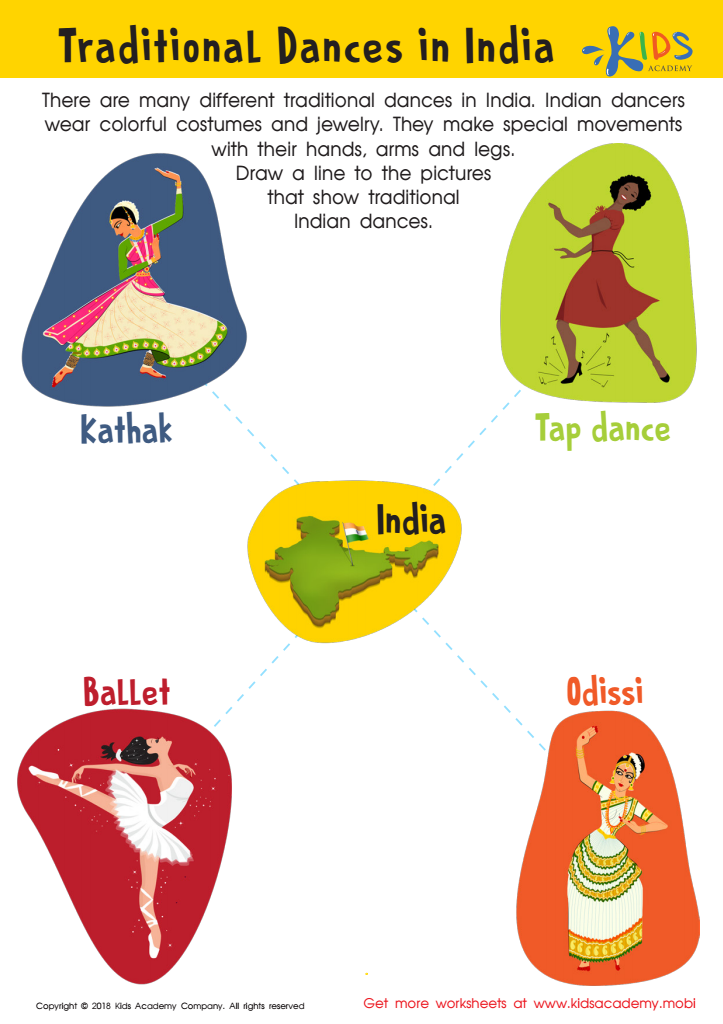
Traditional Dances in India Worksheet
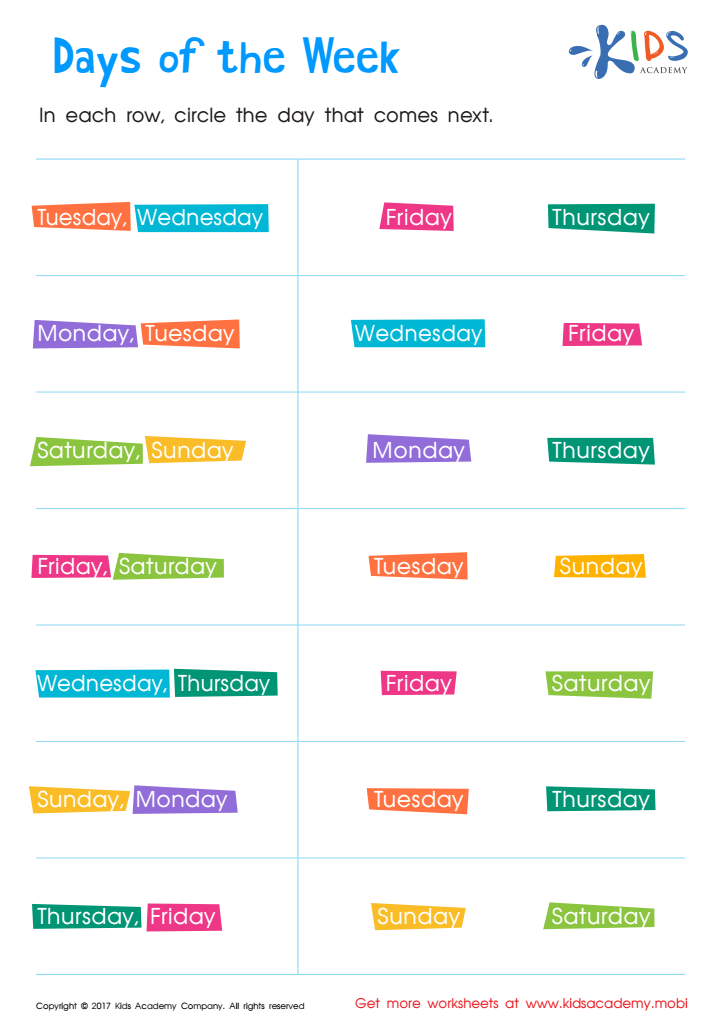
Days of the Week Worksheet
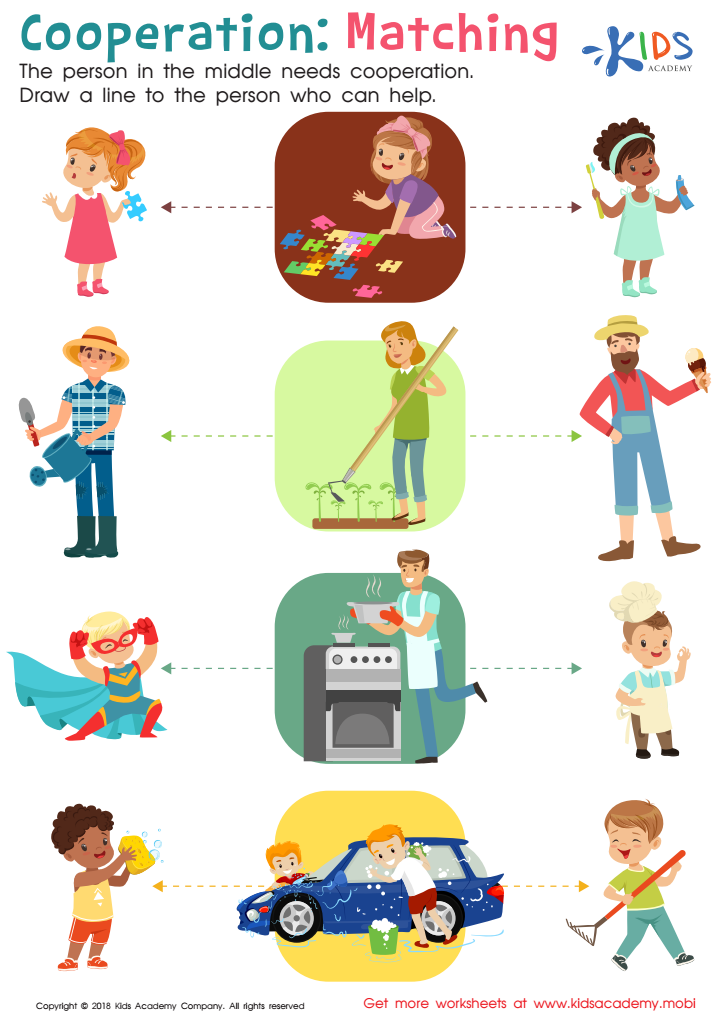
Cooperation: Matching Worksheet
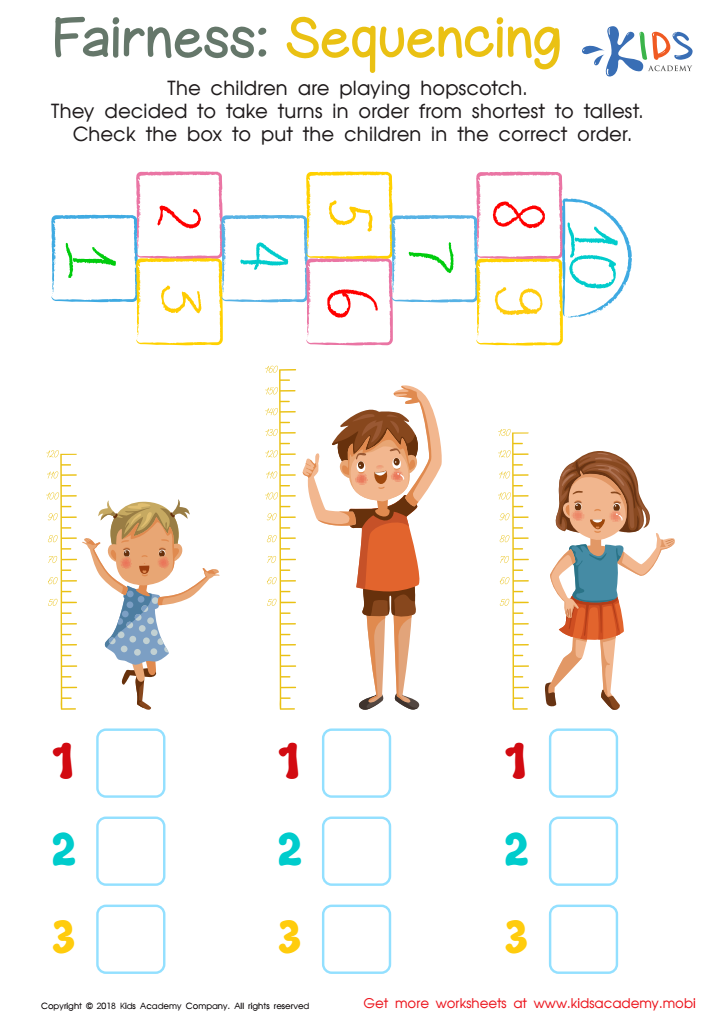
Fairness: Sequencing Worksheet
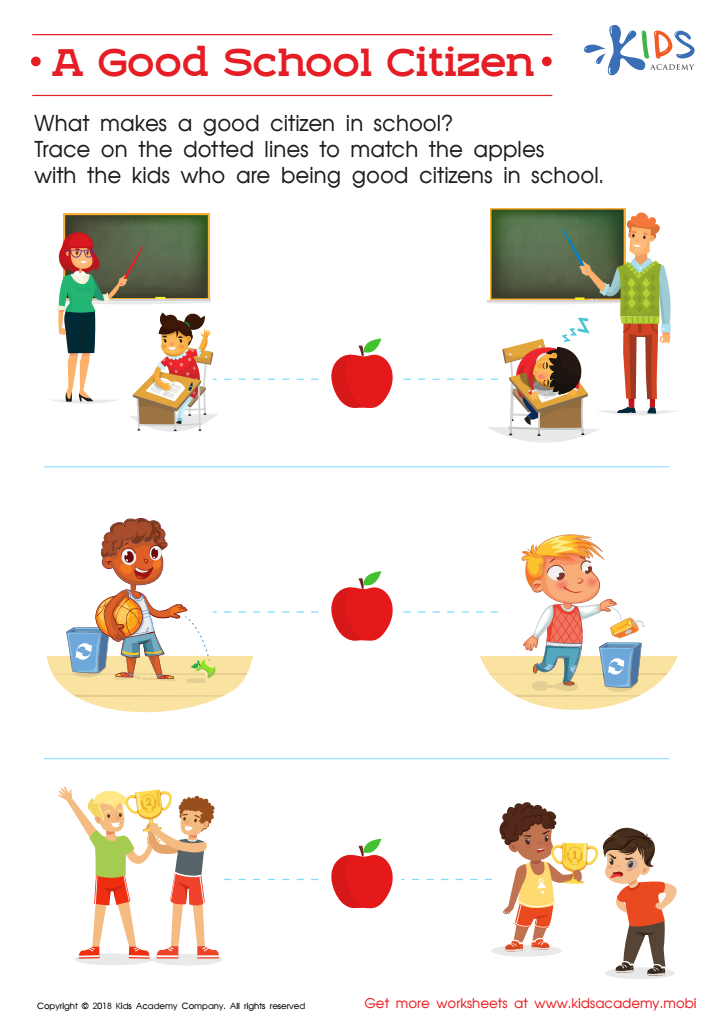
A Good School Citizen Worksheet
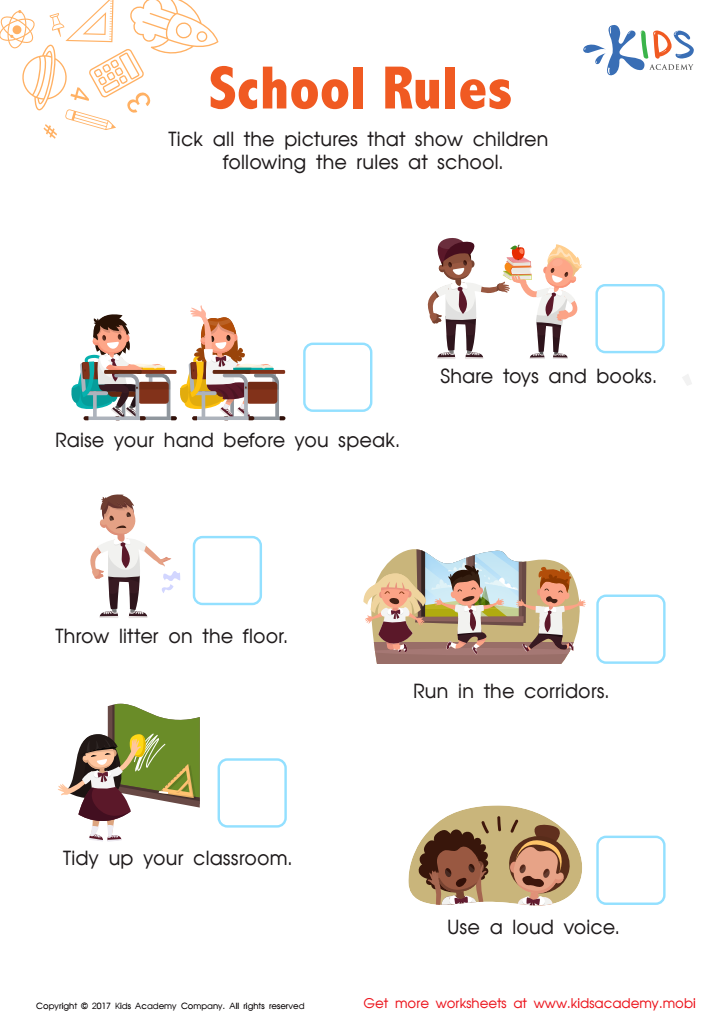
School Rules Worksheet
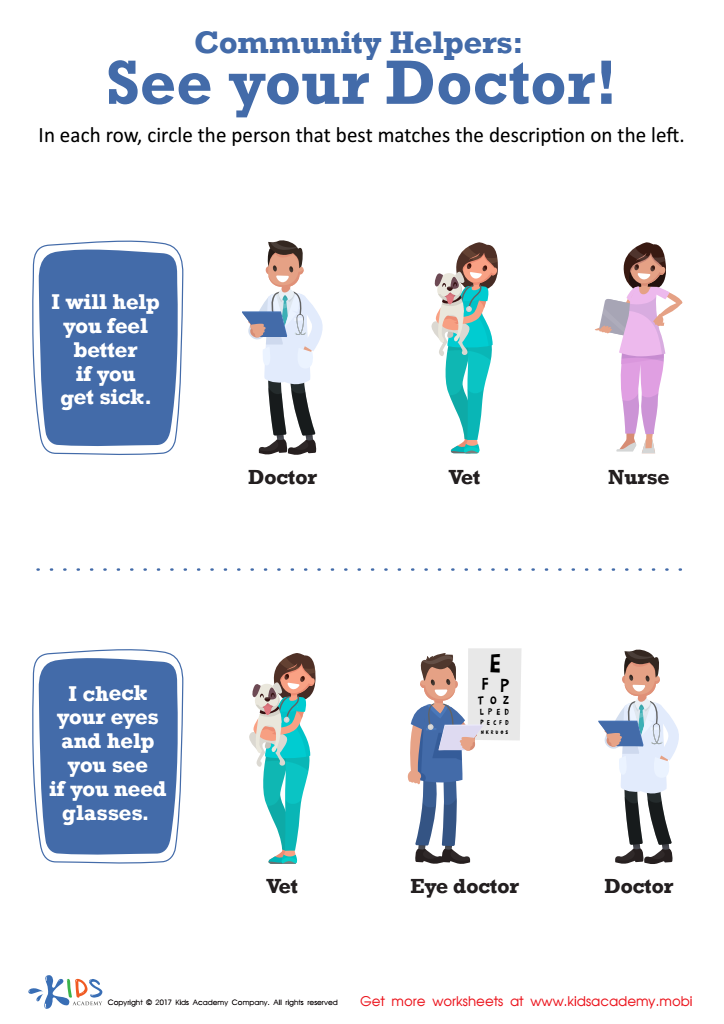
See Your Doctor (Part 1) Printable
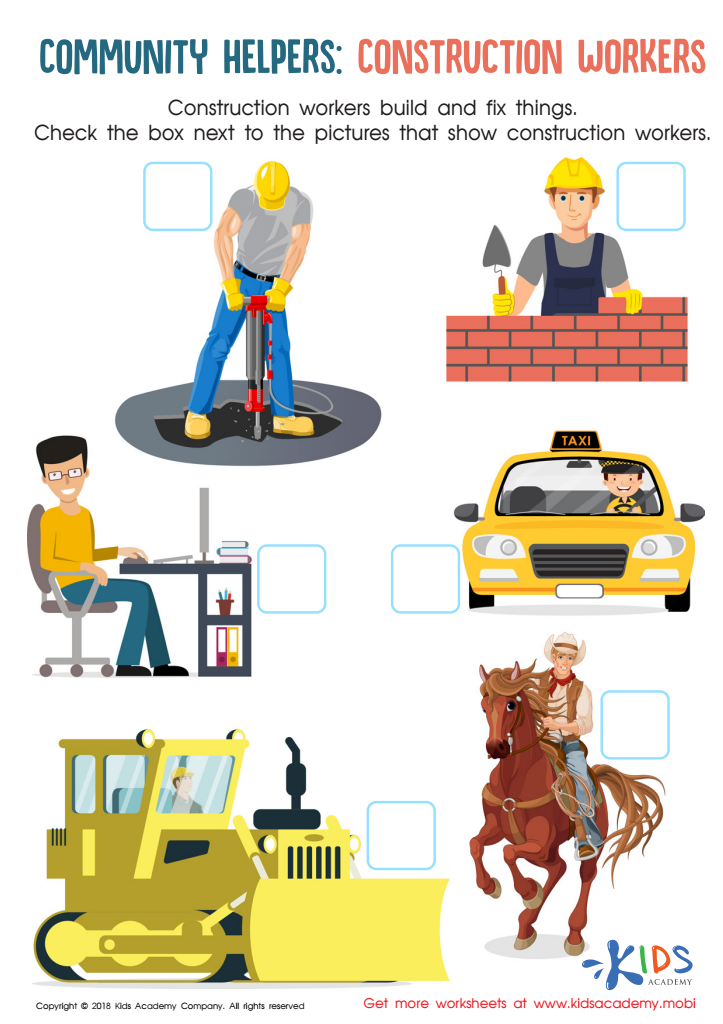
Construction Workers Community Helpers Worksheet
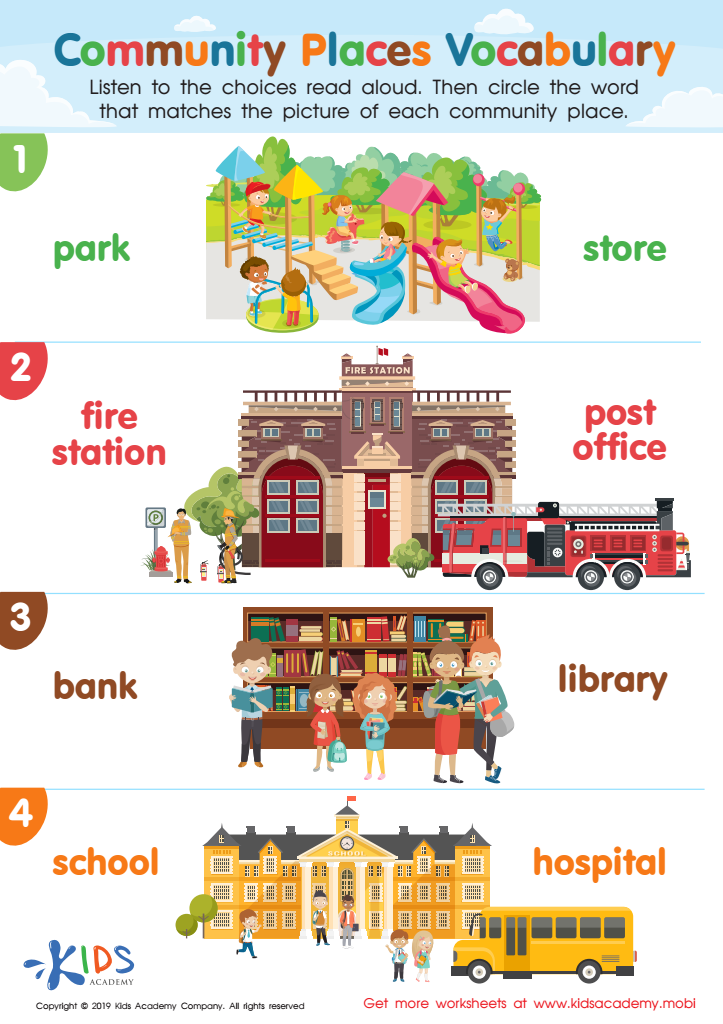
Community Places Vocabulary Worksheet








Parents and teachers should care about community for children ages 4-8 because it lays the foundation for social and emotional development. This age group is particularly impressionable, and experiences within their community expand their worldviews and foster a sense of belonging. Community interactions—whether in a classroom, playground, or neighborhood—encourage essential social skills such as sharing, teamwork, and empathy.
Establishing a sense of community helps children feel secure and supported, enhancing their ability to explore and learn. Engaging in community events exposes them to diverse perspectives, teaching acceptance and appreciation for differences, which is paramount in our multicultural world. Additionally, learning to navigate community resources like libraries, parks, and recreational programs enriches their learning opportunities and encourages lifelong learning.
Furthermore, a strong sense of community can support children's mental well-being, reducing anxiety and enhancing their confidence. When parents and teachers foster connections within the community, they not only promote academic success but also equip children with vital life skills such as resilience, cooperation, and problem-solving. Ultimately, a nurturing community contributes to well-rounded individuals, ready to contribute positively to society, making it a crucial focus for caregivers and educators alike.








