Matching Worksheets for Ages 4-9 - Page 4
82 filtered results
-
From - To
 Assign to My Students
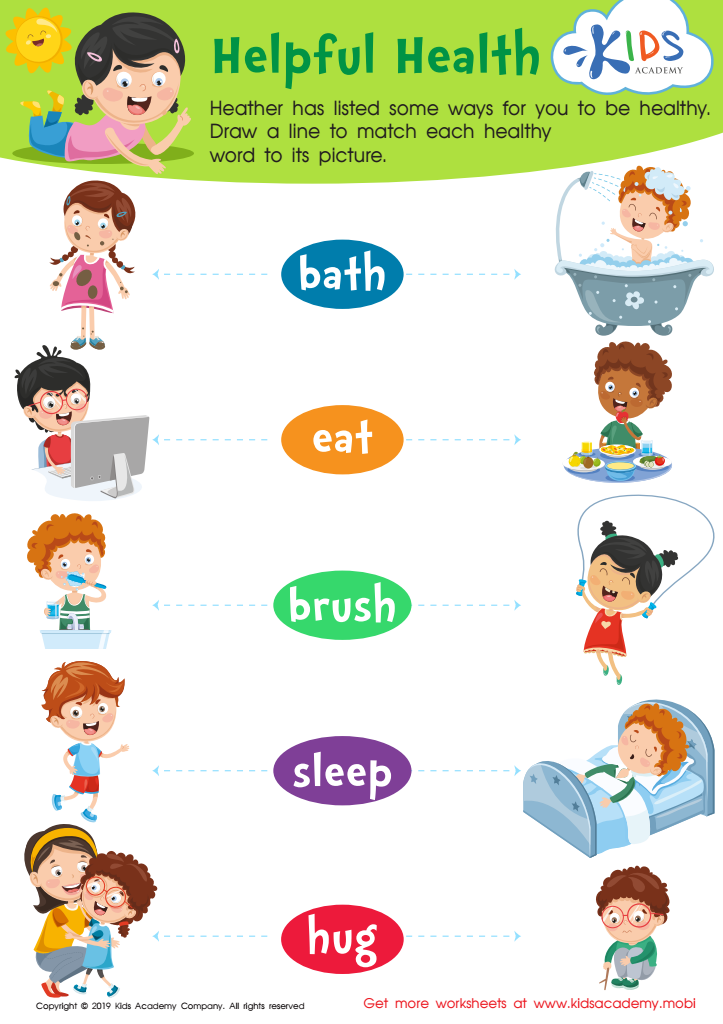
Helpful Health Worksheet
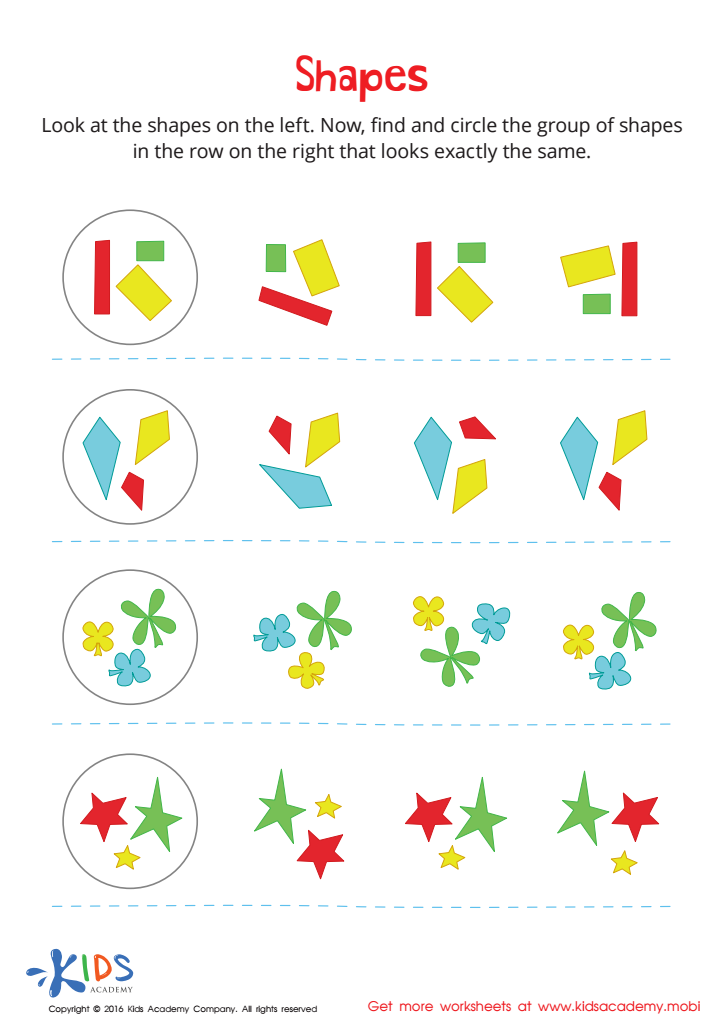
Shapes Worksheet
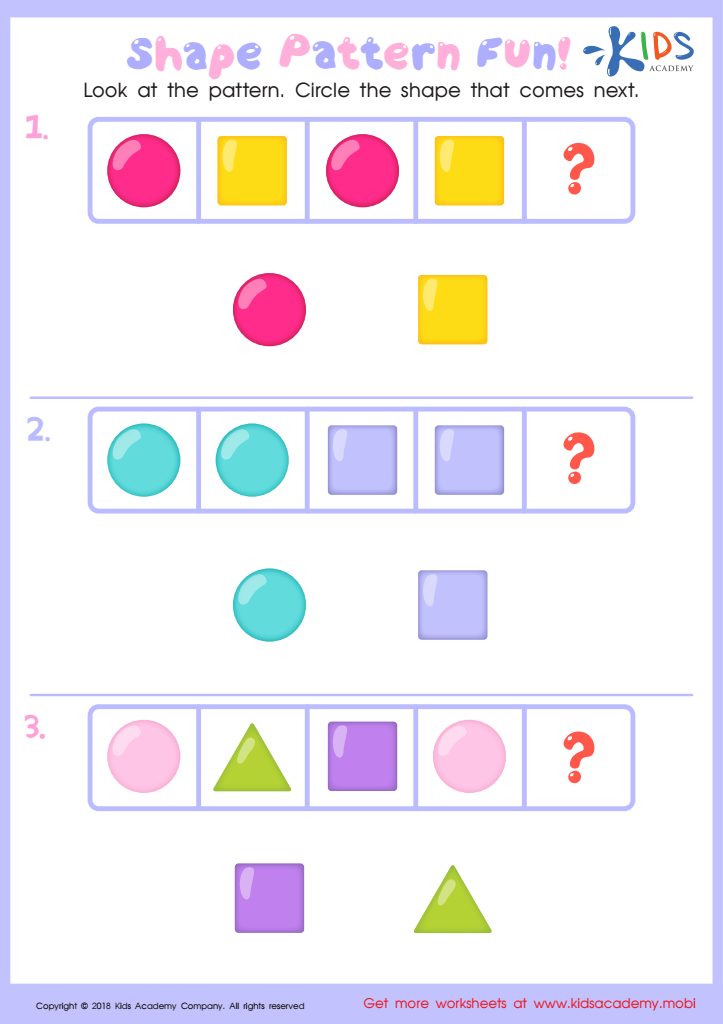
Shape Pattern Fun Worksheet
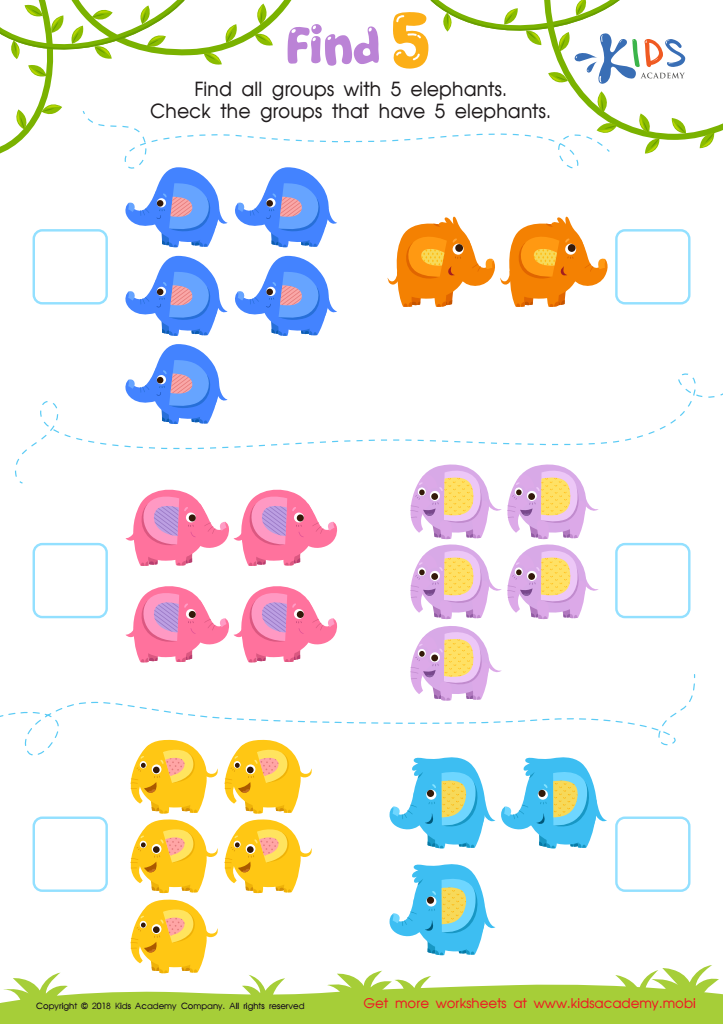
Find 5 Worksheet
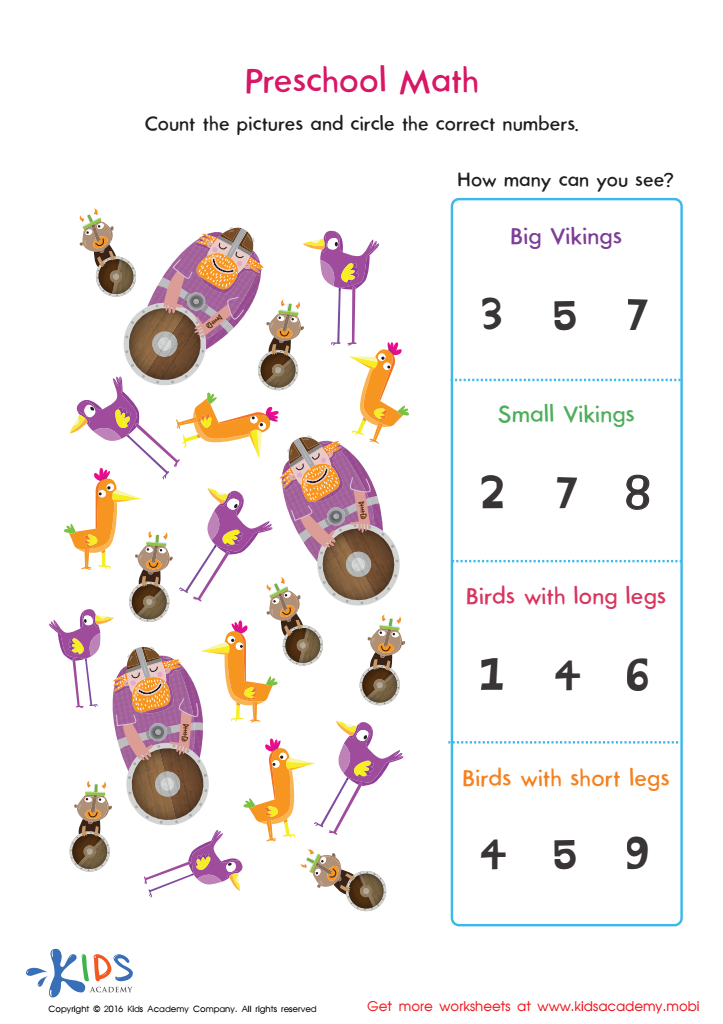
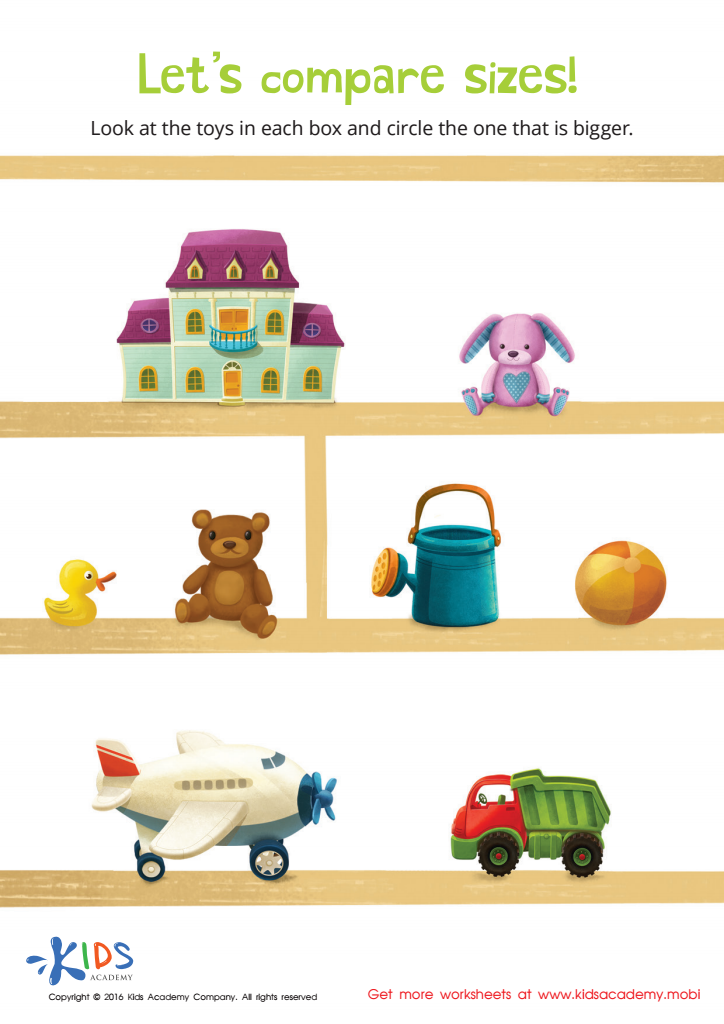
Classifying by Size Sorting Worksheet
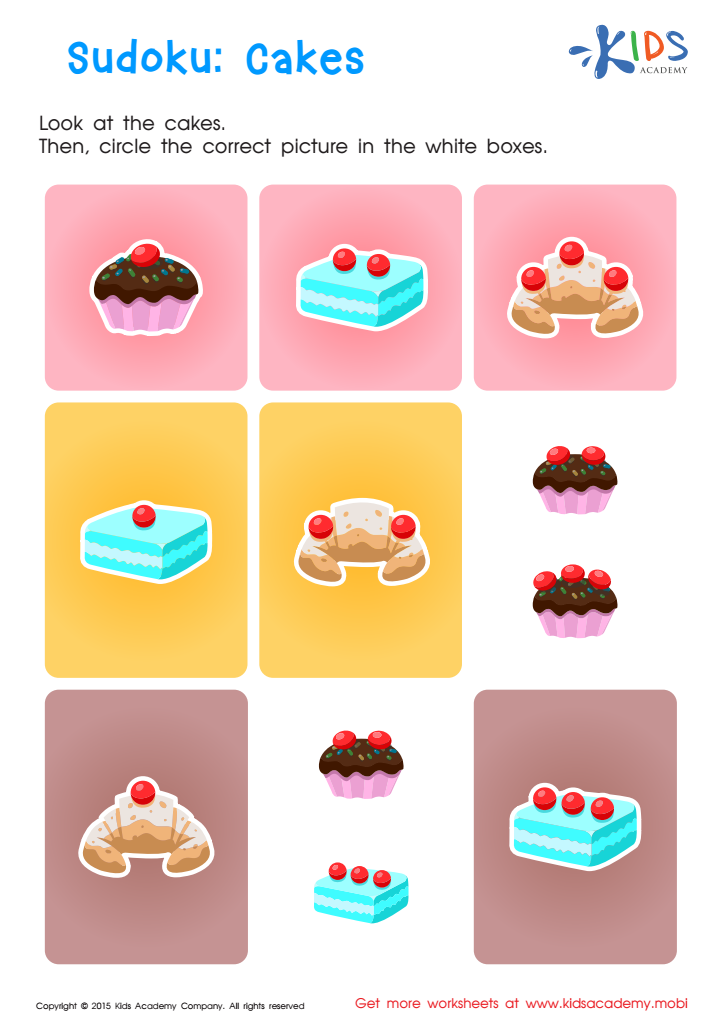
Sudoku Worksheet
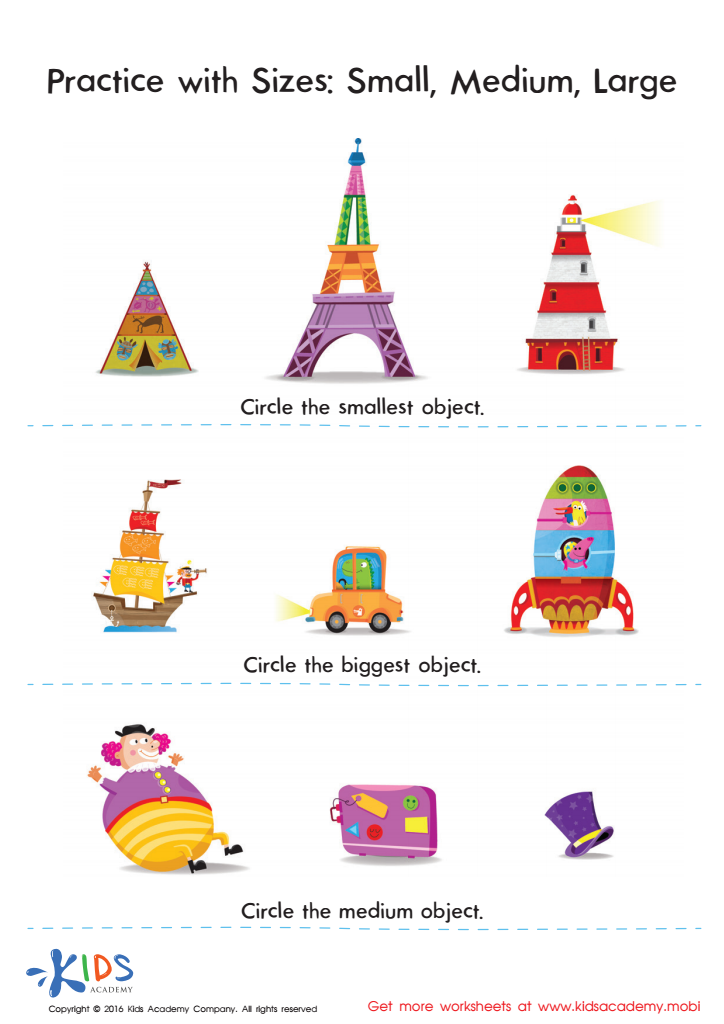








Matching activities for children aged 4-9 are vital in fostering cognitive, social, and emotional development. At this stage, children are building foundational skills in critical thinking, problem-solving, and memory retention. Engaging in matching exercises—whether through games, flashcards, or interactive activities—encourages them to identify similarities and differences, enhancing their cognitive flexibility.
Moreover, matching activities refine visual discrimination skills, enabling children to recognize patterns, letters, numbers, and shapes—a key precursor to literacy and numeracy. This hands-on learning approach often encourages collaboration among peers, promoting social skills such as patience, teamwork, and communication.
Additionally, these activities can be tailored to incorporate themes relevant to a child's interests, making learning both engaging and enjoyable. This relevance stimulates motivation and fosters a positive attitude toward education. Furthermore, matching tasks help with emotional development, as children learn to handle wins, losses, and cooperative play.
Overall, by prioritizing matching activities, parents and teachers are not just building essential skills; they are also laying the groundwork for lifelong learning, ensuring children are equipped with the tools to succeed as they advance in their educational journey.








