Plants and Animals Worksheets for Ages 4-9 - Page 6
141 filtered results
-
From - To
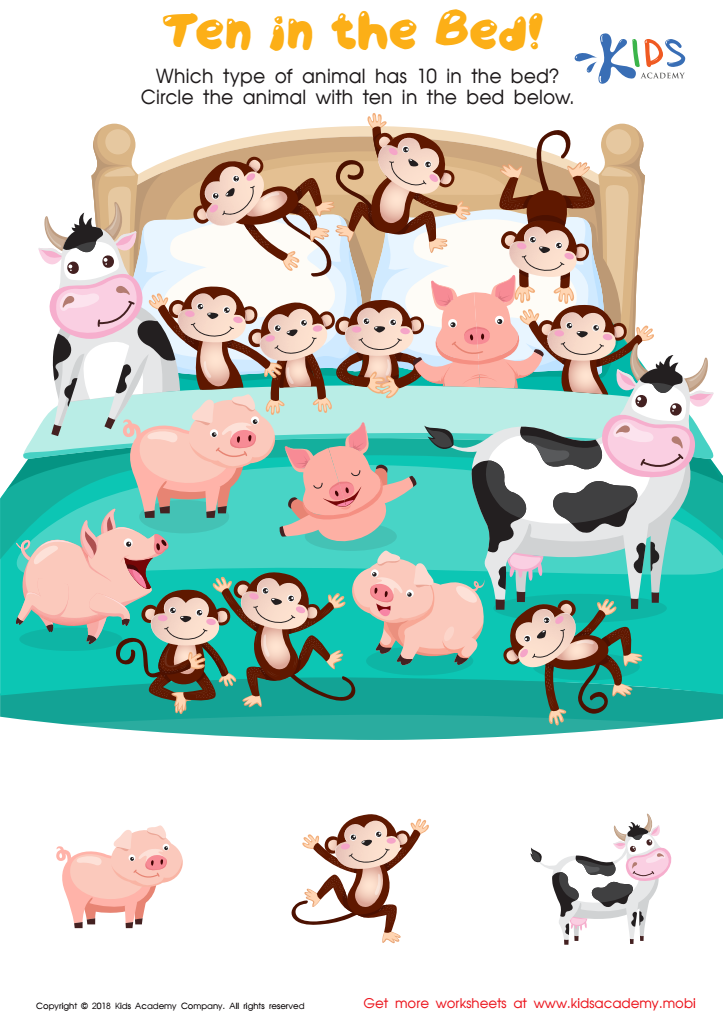
Ten in the Bed Worksheet
 Assign to My Students











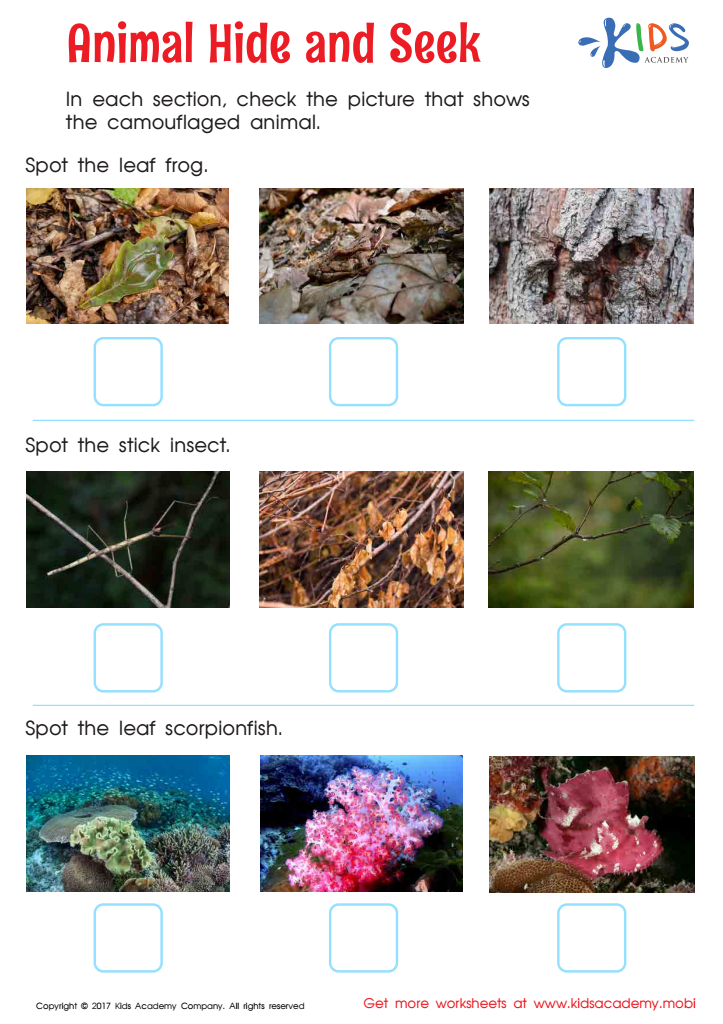
Animal Hide and Seek Worksheet
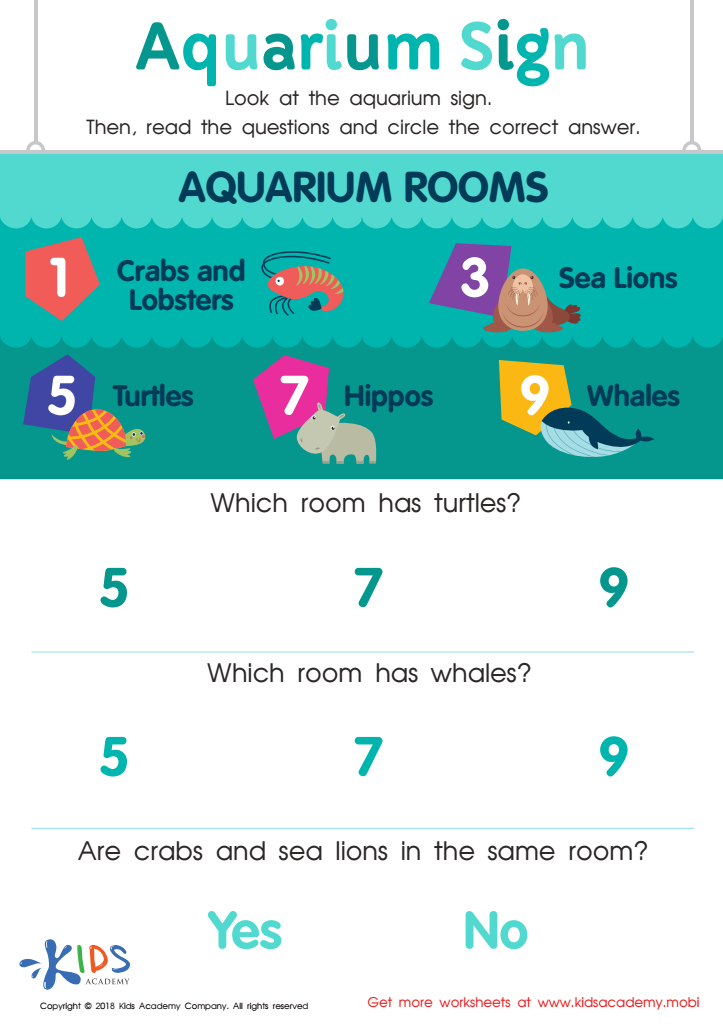
Assessment: Aquarium Sign Worksheet
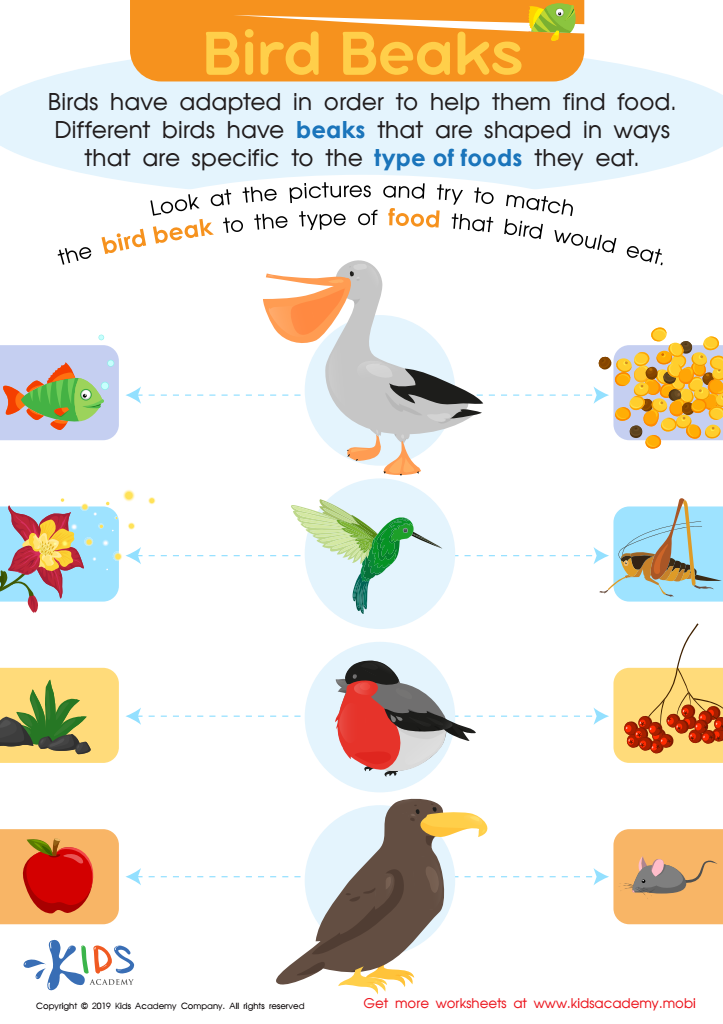
Bird Beaks Worksheet
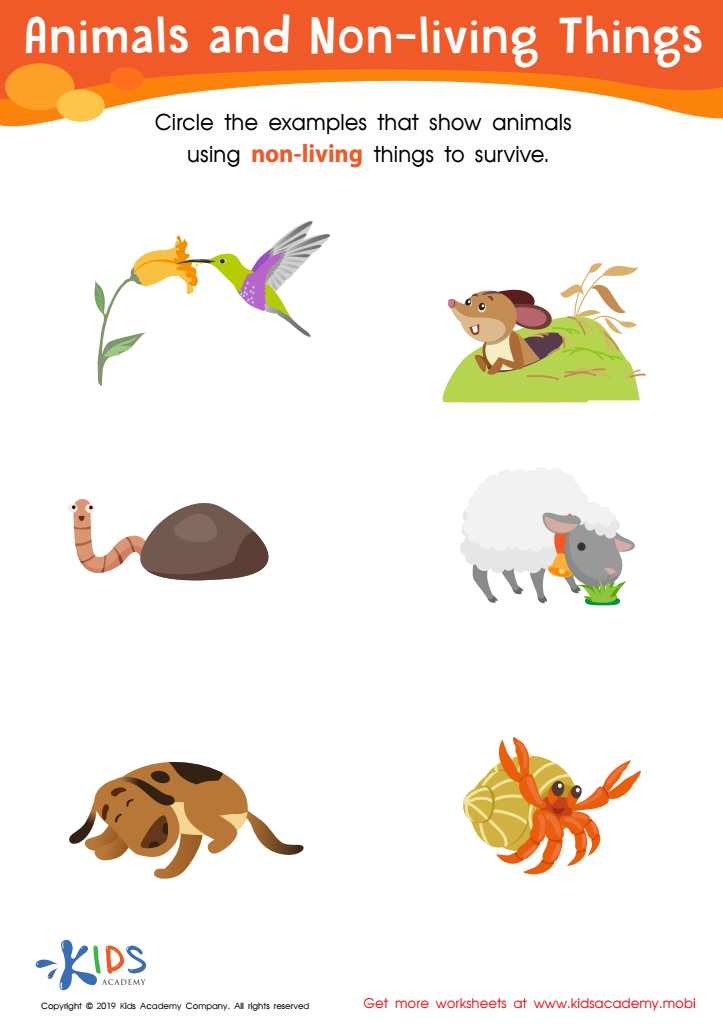
Animals and Non-Living Things Worksheet
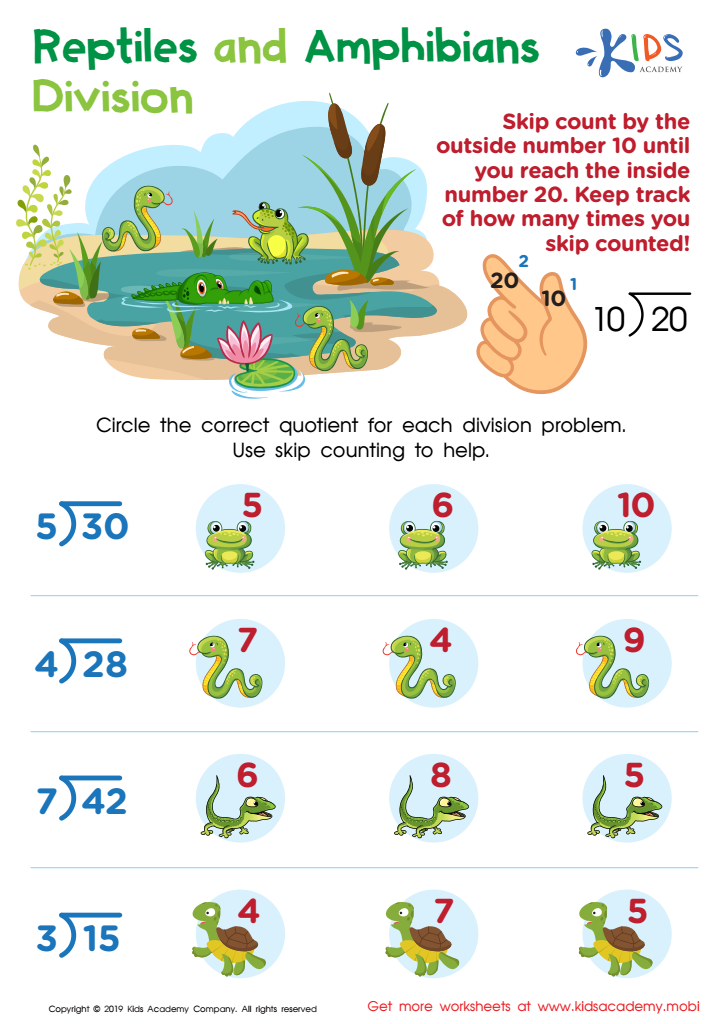
Reptile and Amphibians Division Worksheet
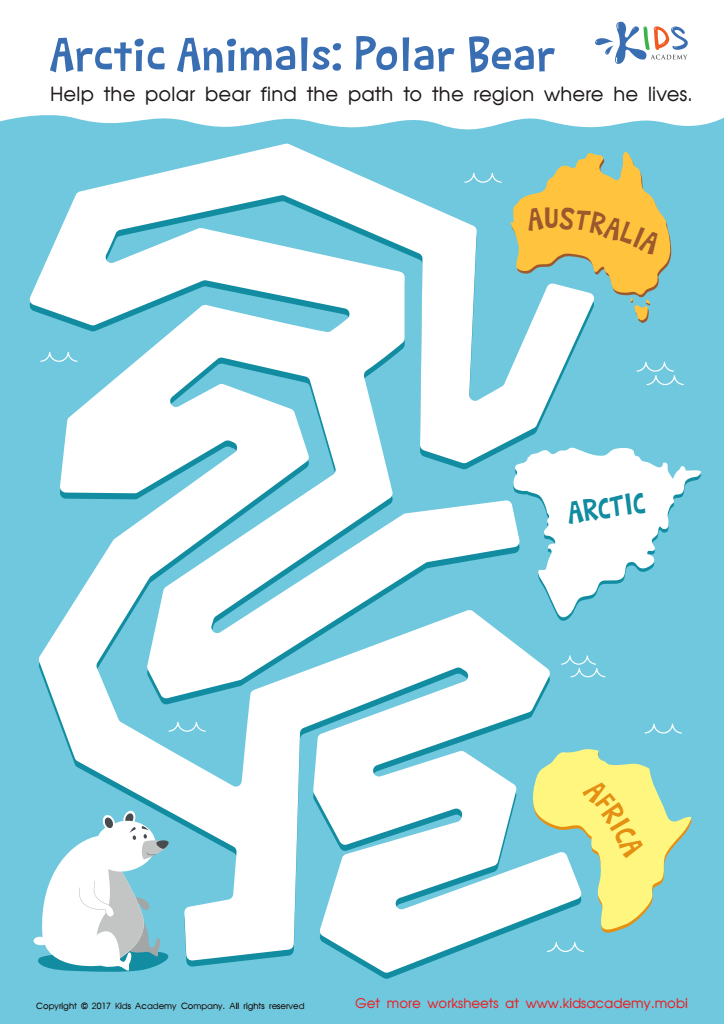
Arctic Animals: Polar Bear Worksheet
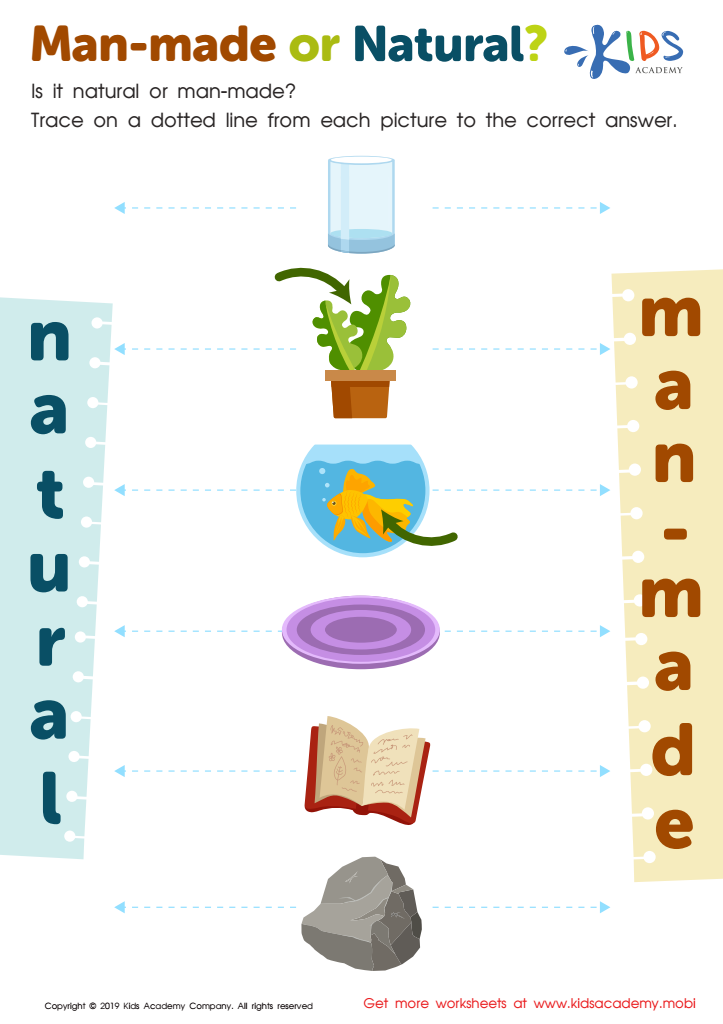
Man-Made or Natural? Worksheet
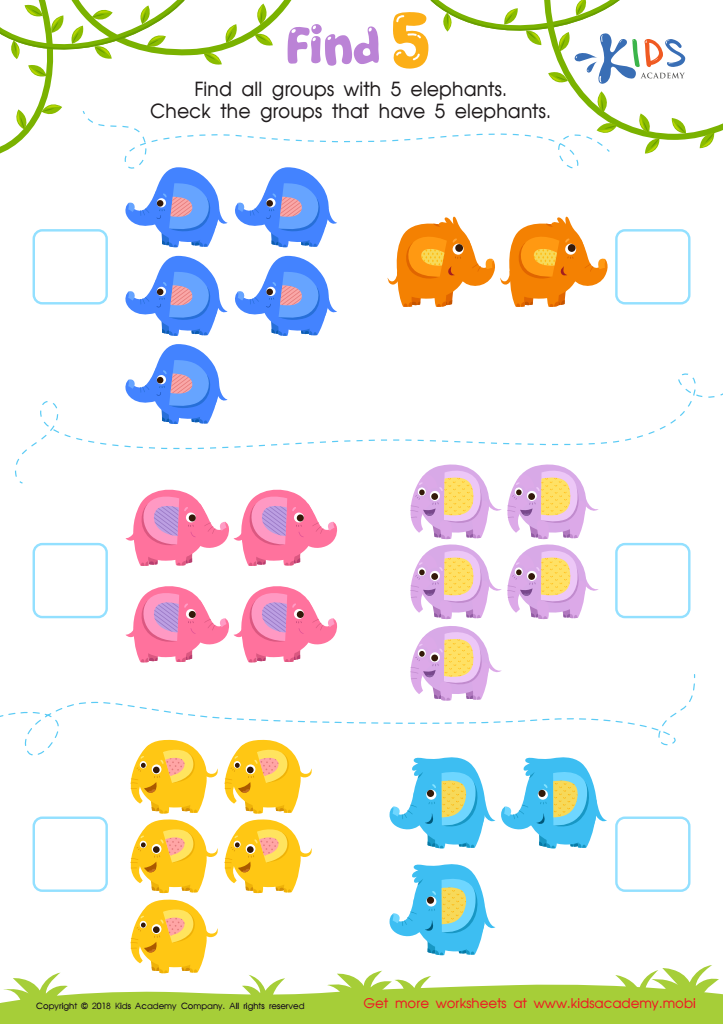
Find 5 Worksheet
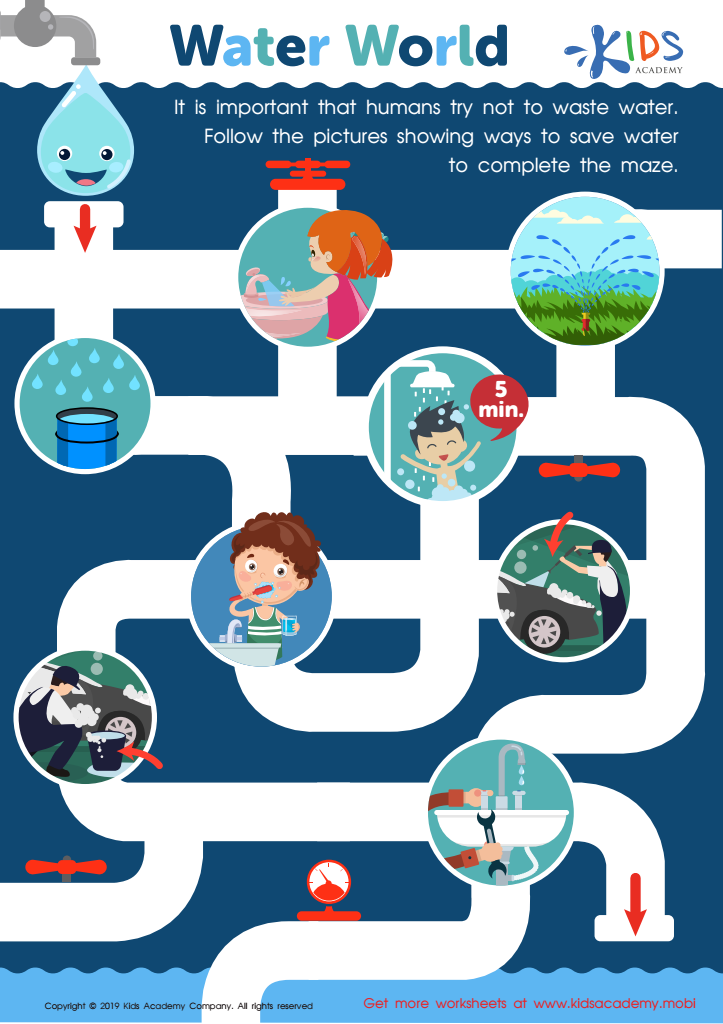
Water World Worksheet
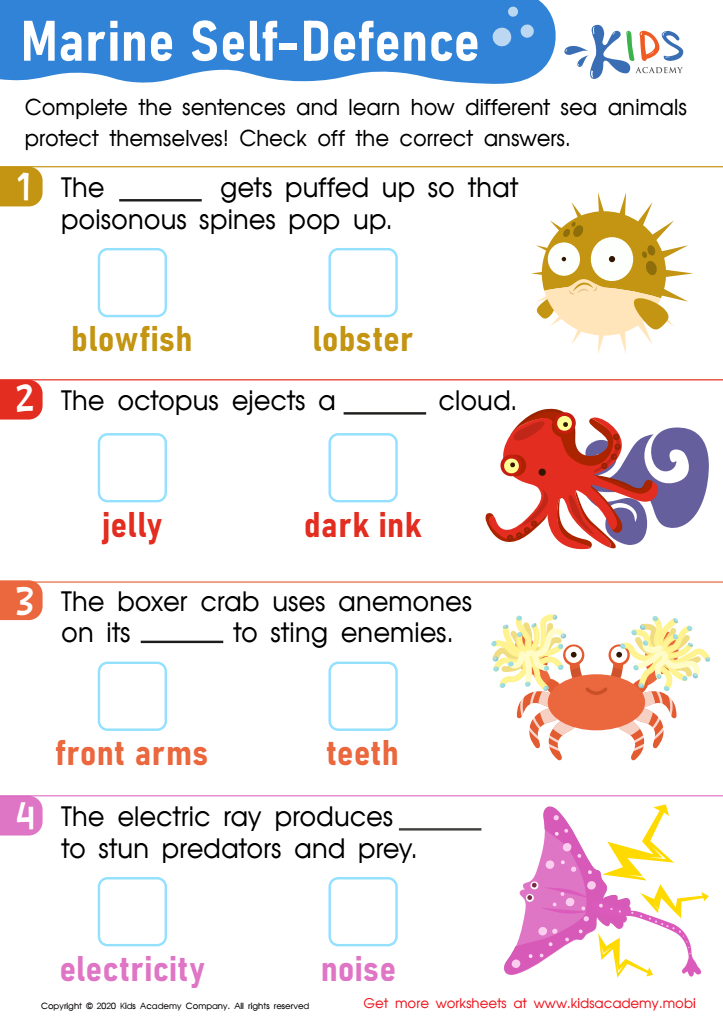
Marine Self-Defence Worksheet
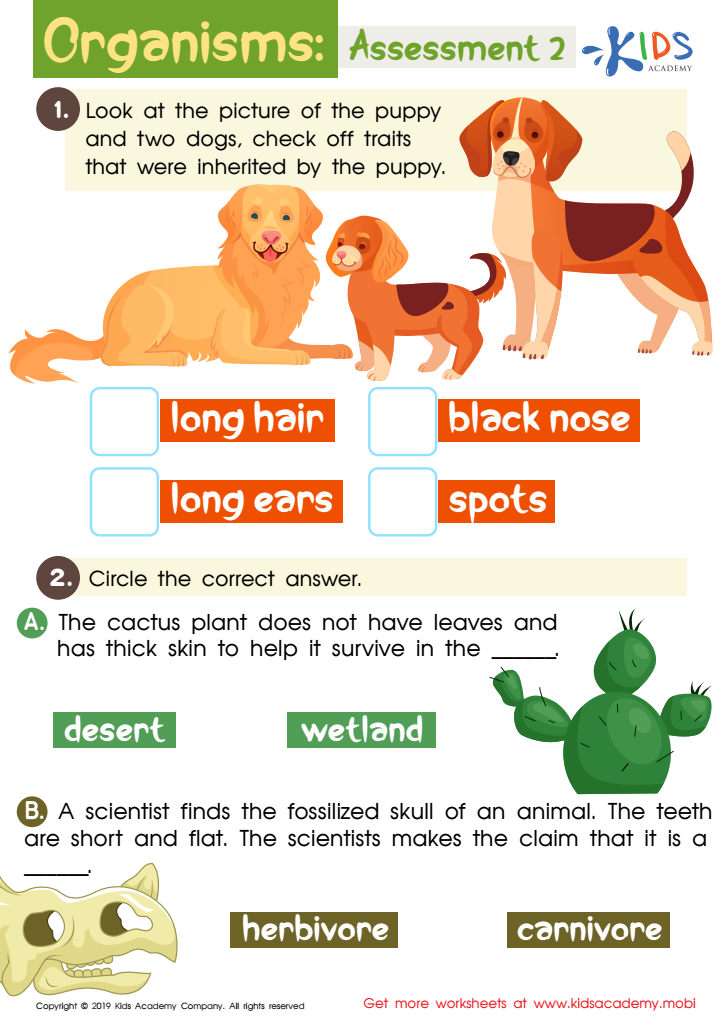
Organisms: Assessment 2 Worksheet
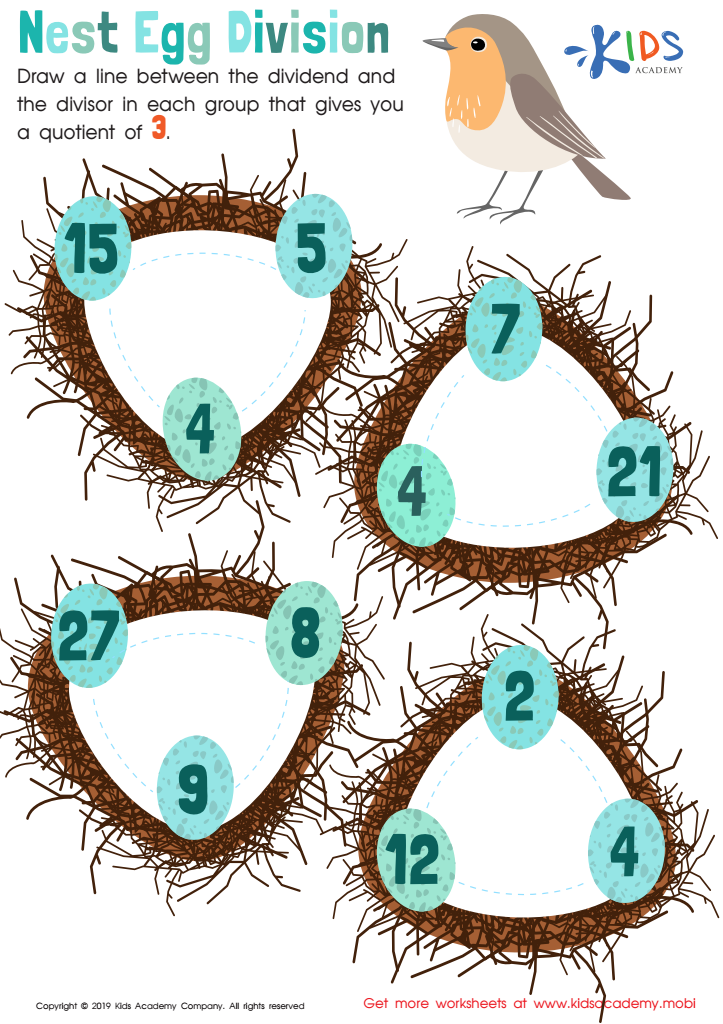
Nest Egg Division Worksheet
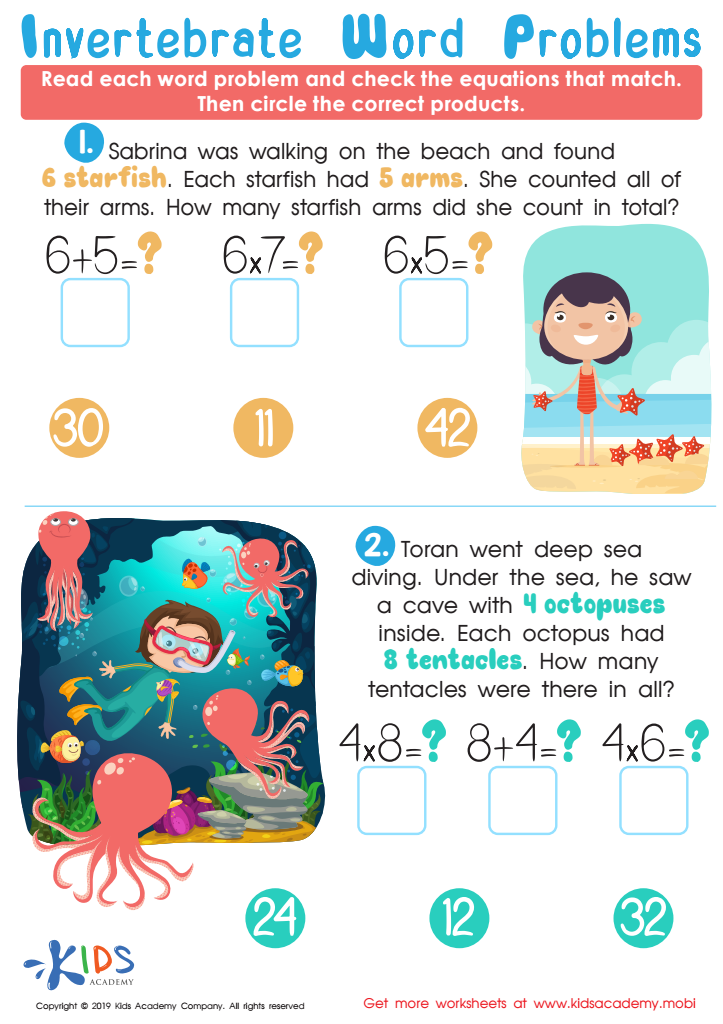
Invertebrate Problems Worksheet
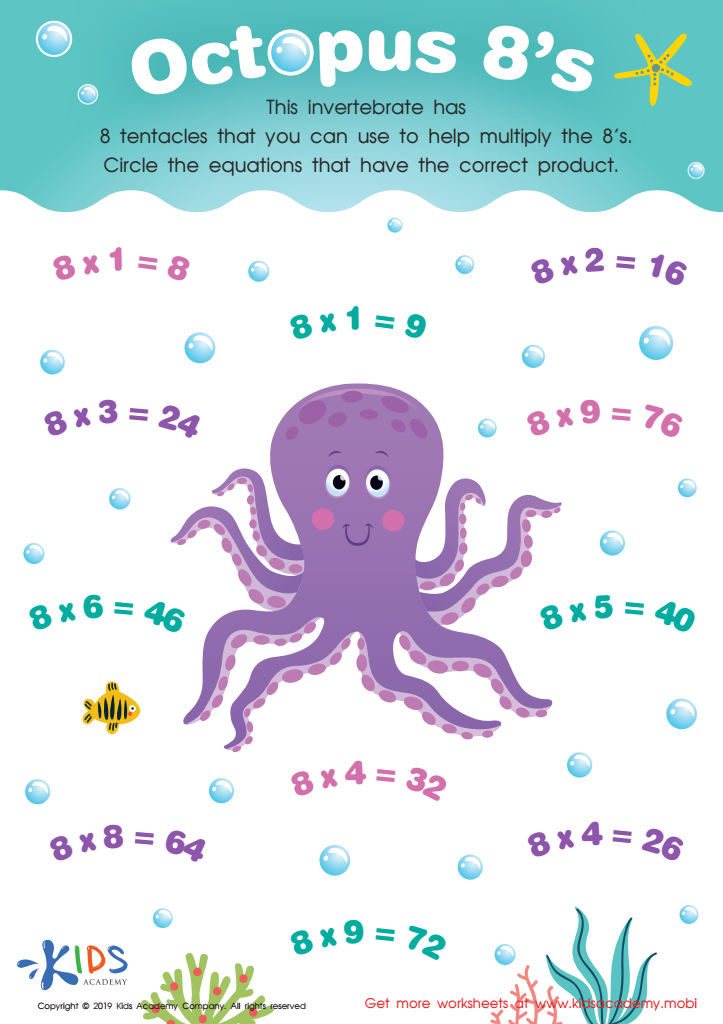
Octopus 8’s Worksheet
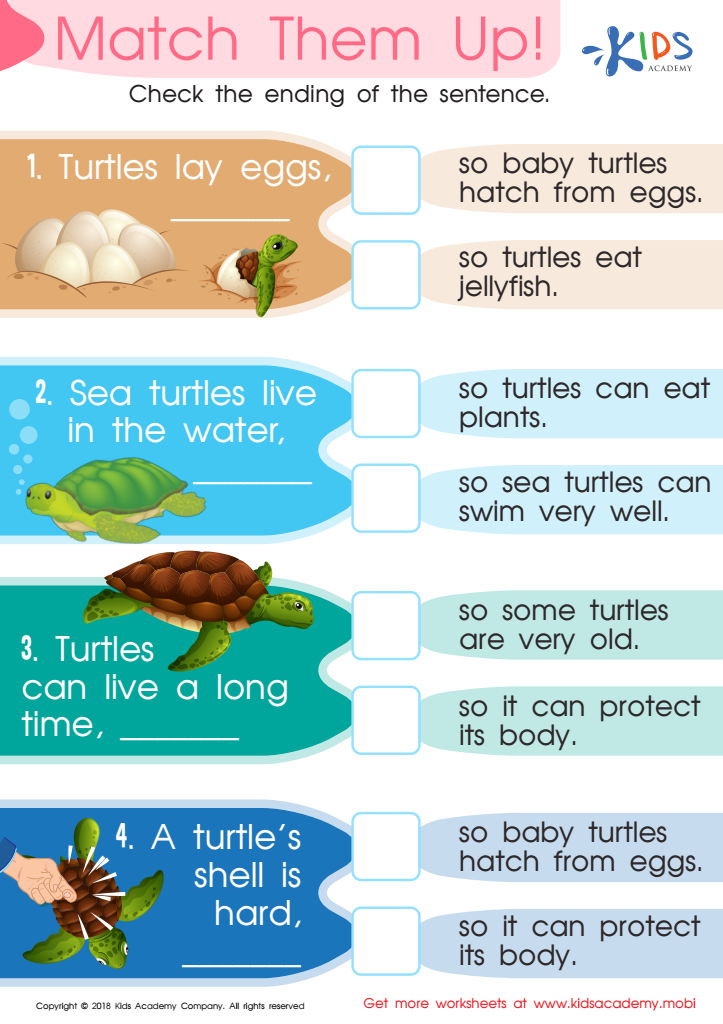
Match Them Up Worksheet
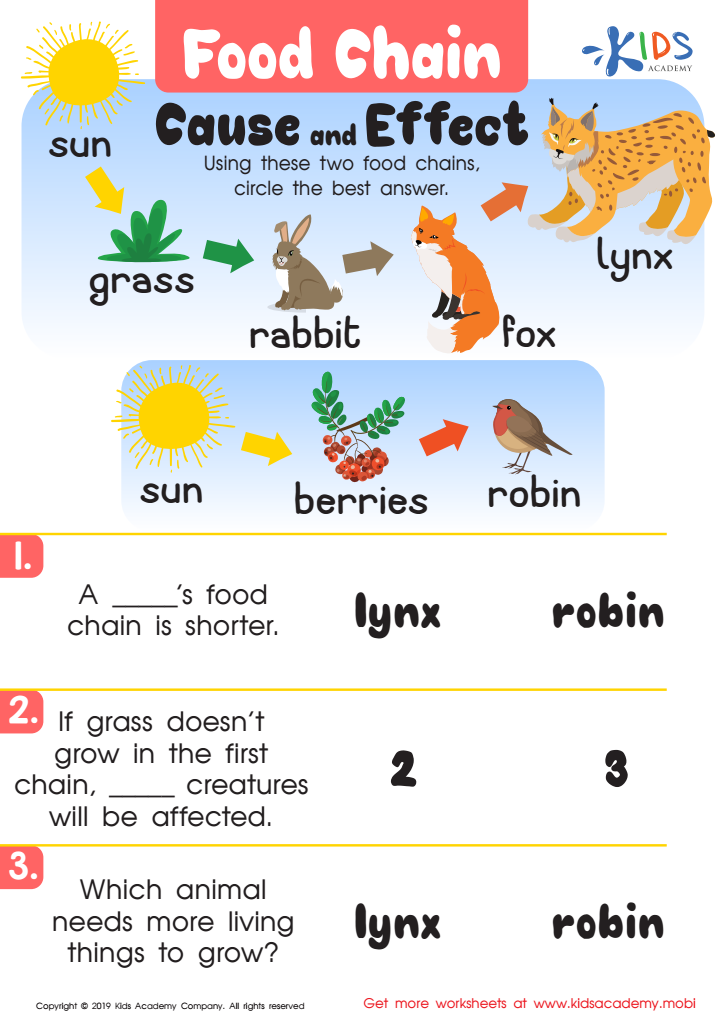
Food Chain Cause Worksheet
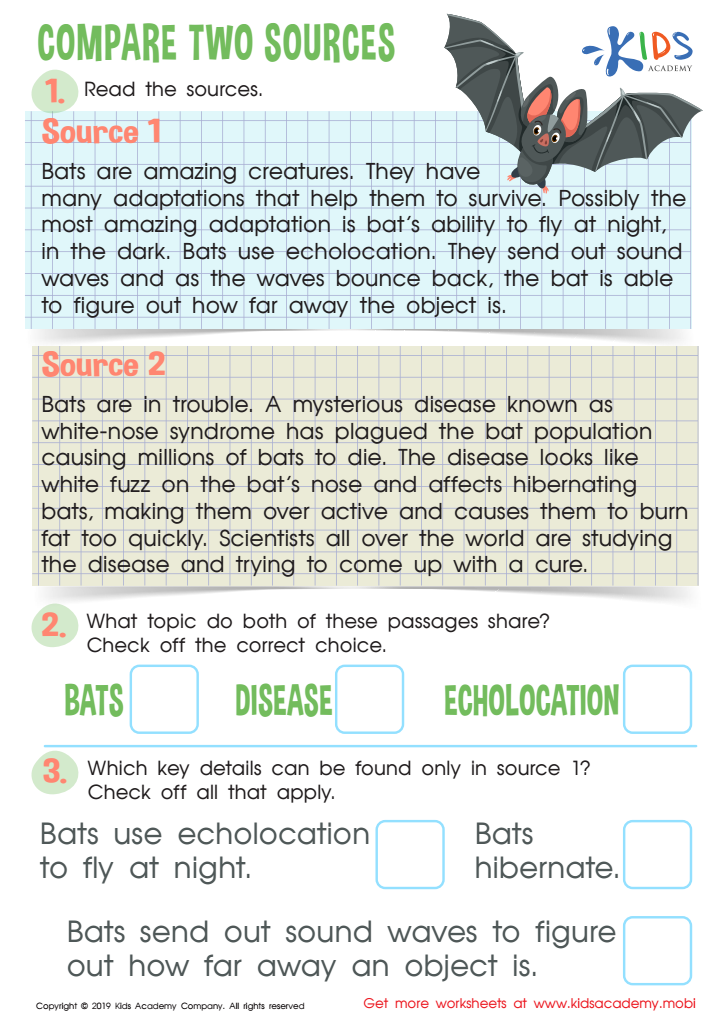
Compare Two Sources Worksheet
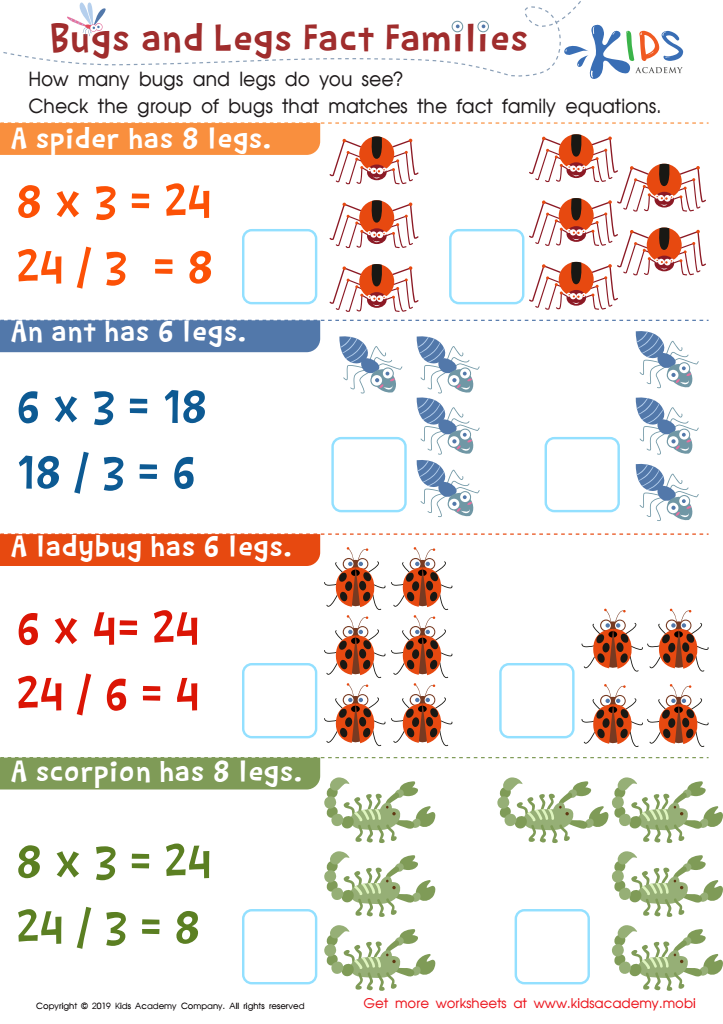
Bugs and Legs Fact Families Worksheet
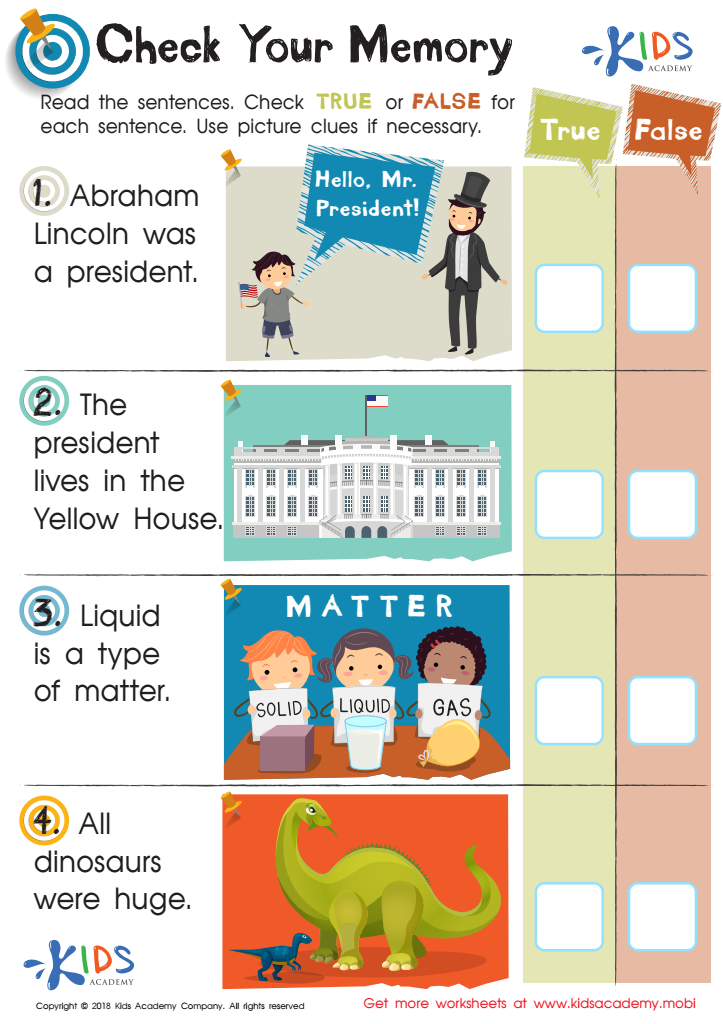
Check Memory Worksheet








Parents and teachers should care about teaching children ages 4-9 about plants and animals because these early years are crucial for developing a child's understanding and appreciation of the natural world. At this age, children are naturally curious and eager to explore their surroundings, making it the perfect time to introduce concepts of biodiversity, ecosystems, and the interdependence between living things.
Learning about plants and animals fosters empathy and respect for other forms of life. By observing and caring for plants or pets, children learn responsibility and gain insight into the needs and behaviors of other living beings. This early exposure can cultivate a lifelong interest in science and conservation, encouraging children to become environmentally conscious adults.
Additionally, studying plants and animals can enhance a child's cognitive development. Activities like gardening, nature walks, or simple experiments help improve fine motor skills, observation, and critical thinking. Understanding lifecycles, such as how a caterpillar becomes a butterfly or how a seed grows into a plant, can also provide hands-on lessons about growth, change, and the conditions necessary for life.
In summary, teaching young children about plants and animals not only nurtures their curiosity and sense of responsibility but also lays the groundwork for essential scientific understanding and environmental stewardship.








